I believe my pregnancy with Kamran was much like any other, yet it carried its own quiet significance. I remember feeling nervous, still haunted by the loss of my previous pregnancy in its first trimester, yet I also remember it being easy in many ways. Kamran’s conception was effortless, the pregnancy smooth, and the delivery—well, as easy as deliveries can be. And I was overjoyed to be giving my daughter a little brother.
Kamran was born on September 11th, 2002—the one-year anniversary of 9/11. For the rest of the nation, it was a day of mourning. For me, it was so much more. Amid the shadows of loss and grief, I brought a new life into the world: a small, perfect child, a symbol of hope. He had a cap of fuzzy black hair, and I remember staring at him in awe, overwhelmed with love.
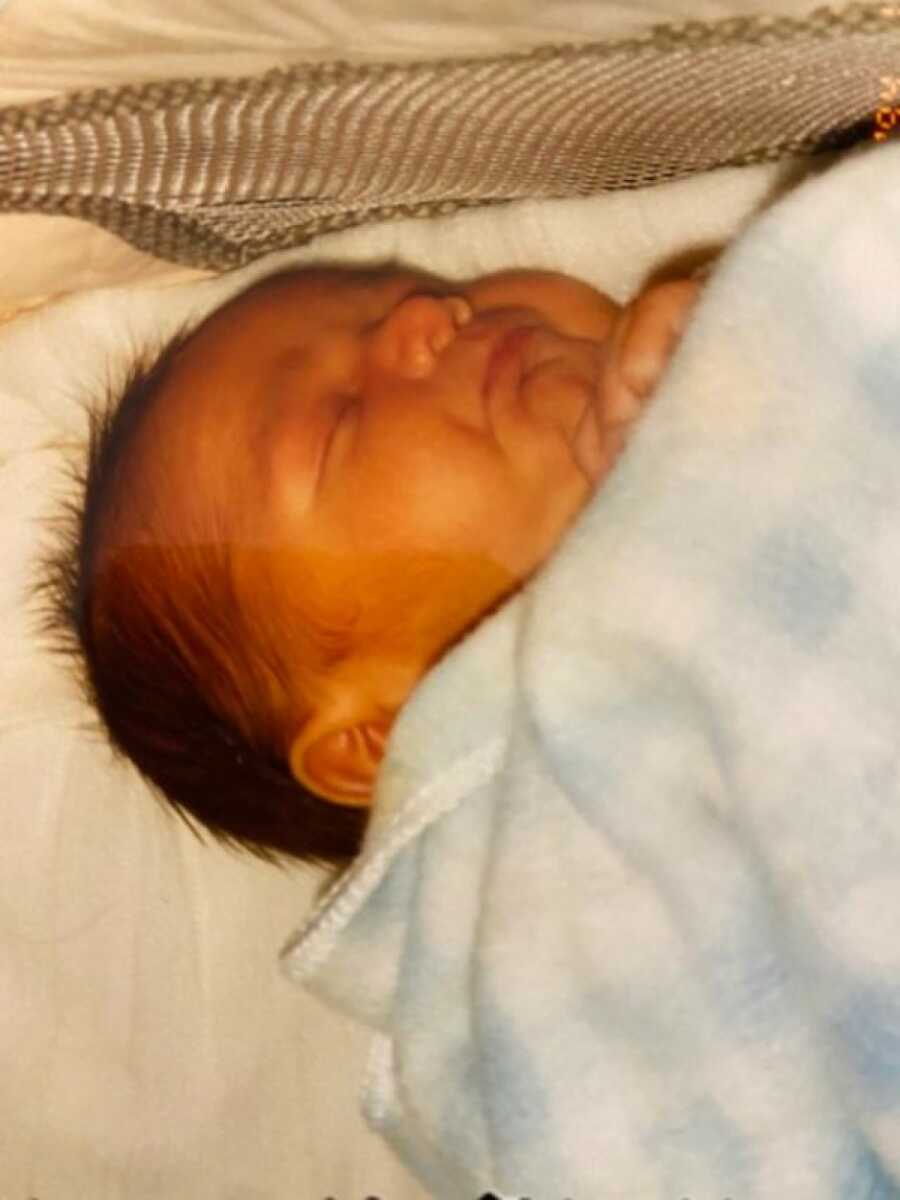
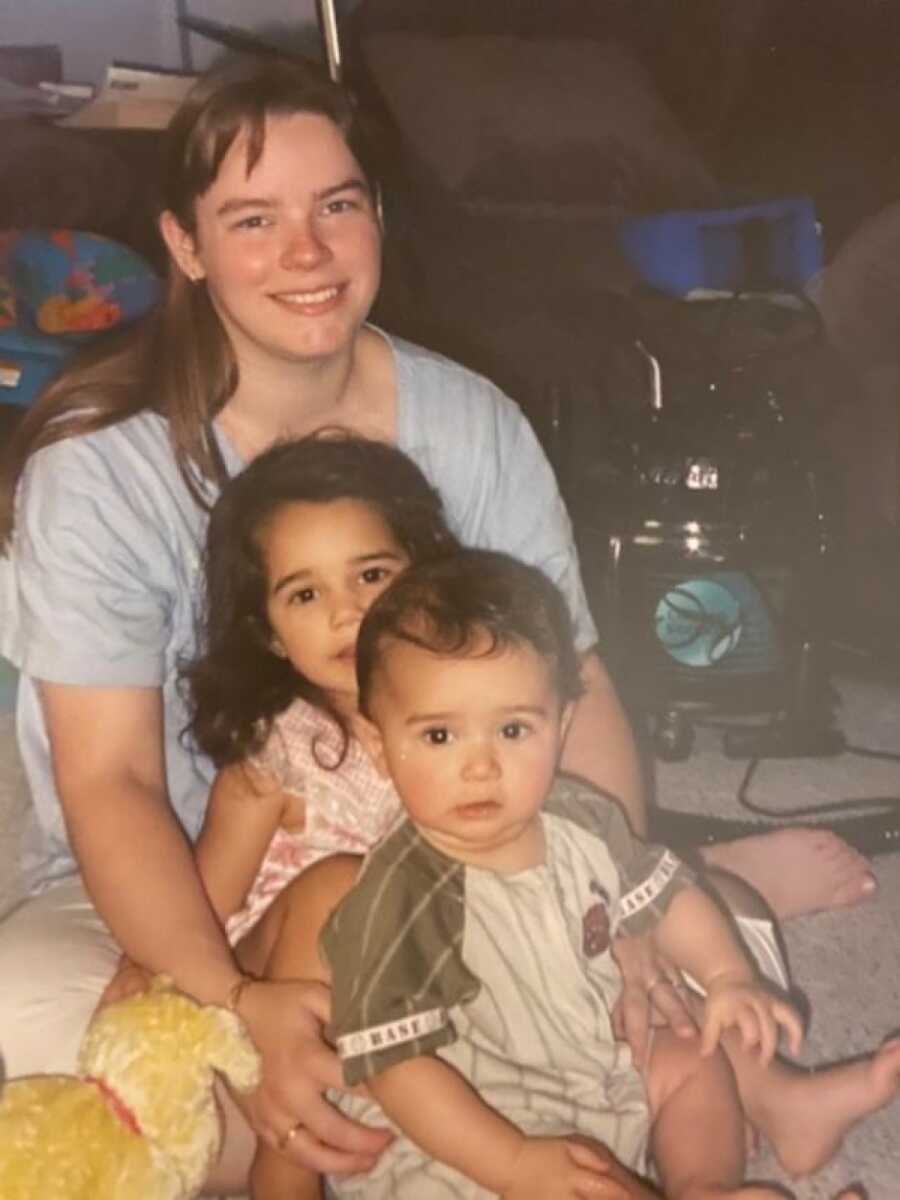
At first, Kamran was the easiest of babies. He slept through the night almost immediately, rarely fussed, and made motherhood feel, for a brief time, almost effortless. In those early days, I had to wake him for feedings rather than the other way around. But there was something that set him apart: he struggled with nursing. Those first two days in the hospital were agonizing. No matter how hard I tried, he wouldn’t latch. I sank into postpartum depression, compounded by the gnawing fear that I was failing him.
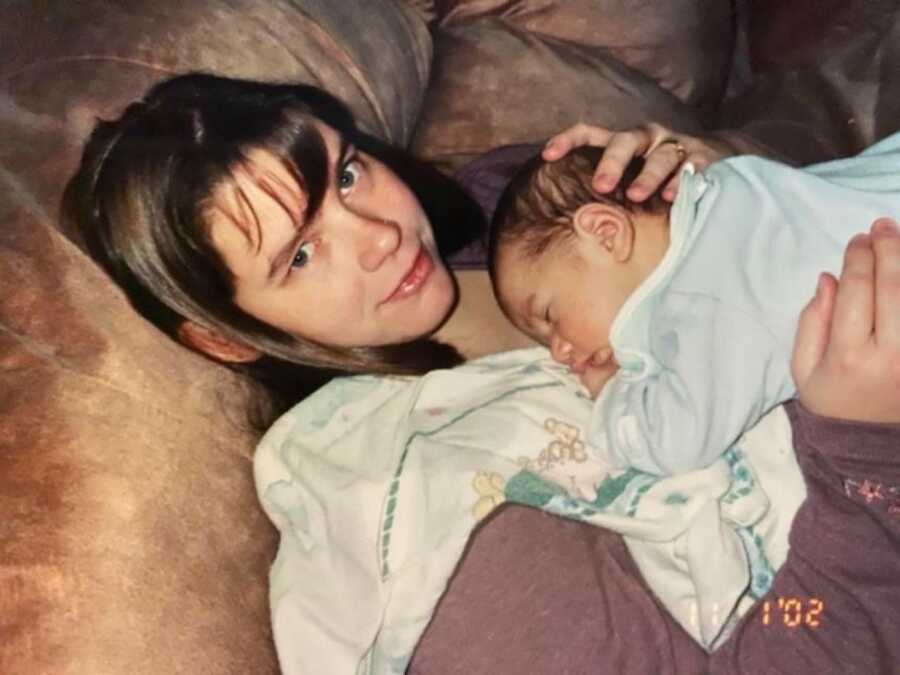
I found myself pumping and bottle-feeding, which took far longer than nursing should have, and within weeks, my milk supply dwindled. By four months, Kamran was on formula. Another perceived failure, yet he remained my sweet, quiet boy. He loved his swing, spending hours gently moving back and forth. When he grew strong enough, he could swing himself. And yet, amid this simplicity, I began to notice something else—Kamran wasn’t hitting his developmental milestones.
He didn’t lift his head, roll over, or sit up on schedule. Crawling, walking, and talking were delayed. Mealtime was a challenge; he gagged on foods that should have been easy for him to handle. Though keenly observant and clearly intelligent, he wasn’t progressing as expected. Friends, family, and even his sitter noticed, and I began to worry. Finally, in early 2005, I brought him to the developmental center at Cincinnati Children’s Hospital.
There, Kamran underwent a battery of tests. I barely remember all the disorders they were screening for or the technicalities of the procedures—only the tiny sticky sensors and wires attached to his chest and head remain vivid in my memory. In the end, the results were perplexing. Kamran didn’t have a defined disorder. Instead, he had brain-based developmental delays. “Brain-based?” I whispered to the doctor. “What does that even mean?”
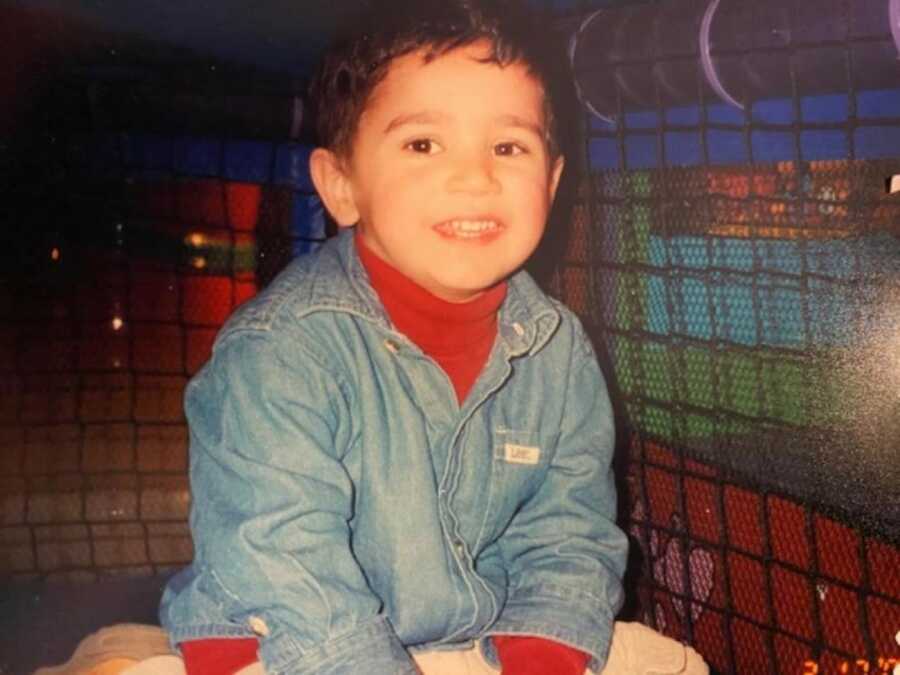
And so began years of therapy. I had three children under four, a full-time job, and was pregnant with my fourth. It was overwhelming. Yet, Kamran attended speech therapy twice a week—forty-five minutes away—along with physical therapy for movement delays and occupational therapy for feeding issues. My mother accompanied us to appointments and helped care for the other children, a steadfast source of support without whom I don’t know how we would have managed.
During his preschool year, Kamran attended a Head Start program three days a week. I went with him, heavily pregnant, and waves of guilt would wash over me. I replayed moments from his pregnancy, wondering if my work in a lab, with exposure to certain substances, had harmed him. Had I left him in the swing too long? Had I not given him enough attention? Each therapy session felt like both penance and hope.
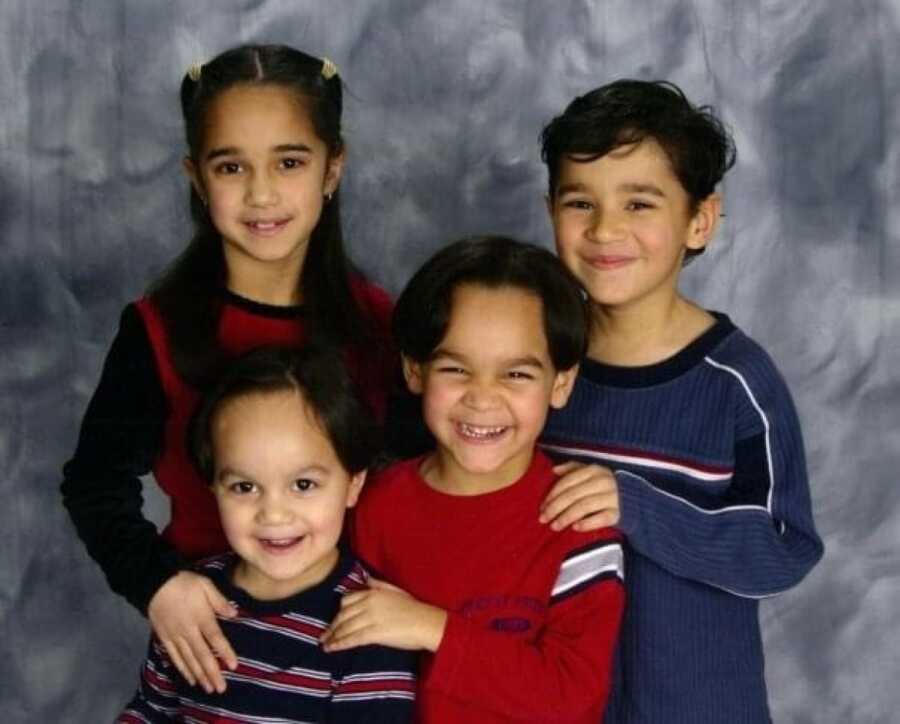
Kamran entered Kindergarten with an IEP, a specialized plan for children with learning differences. By then, we had moved to our home in Fairfield, Ohio. I remember one afternoon, he stayed outside, crouched before some budding flowers. “What are you doing, Kamran?” I asked. “I’m waiting for the flowers to bloom,” he said. At that moment, I truly saw him—his soul, his curiosity, his deep love for the world around him. This connection to nature, to the weather, to life itself, would remain a constant passion throughout his life.
Kindergarten was challenging. Simple tasks frustrated him. Buttons, jackets, even eating lunch could provoke tears and tantrums. Yet, with speech therapy and practice, he gradually adapted. First grade loomed, and I worried. Would his teacher understand him? Would he face judgment? At “meet the teacher night,” my hopes sank when I saw Mrs. Patton, an older woman with kind eyes but a quiet demeanor.
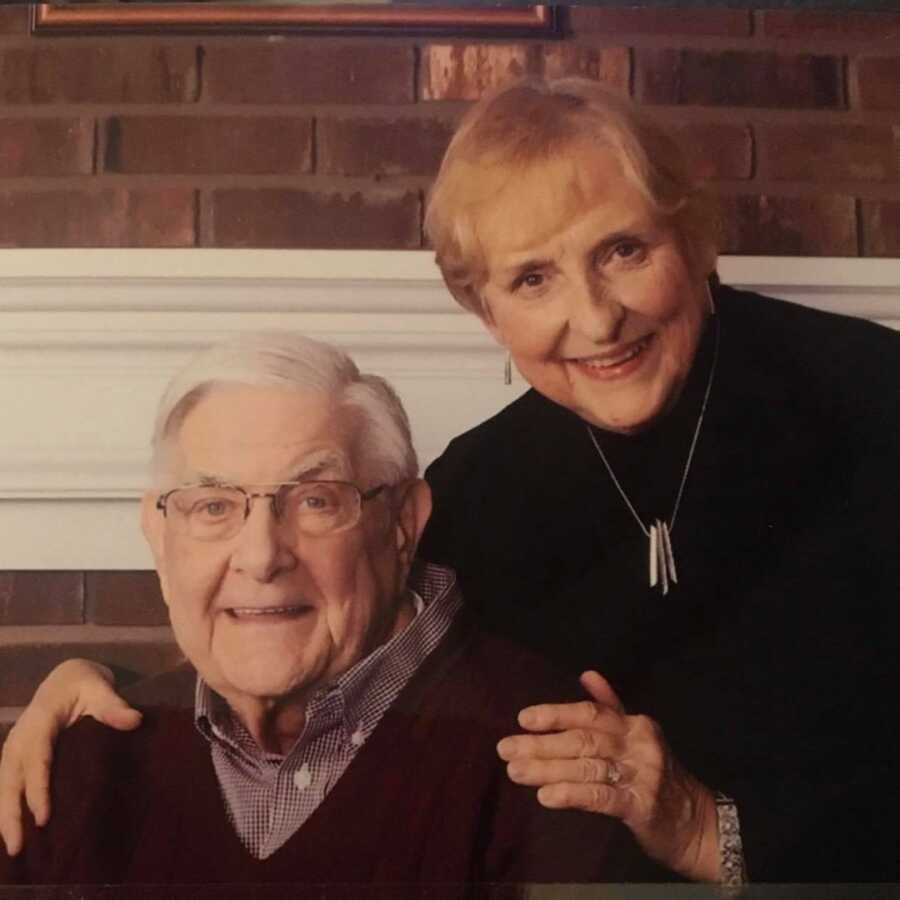
I shared everything about Kamran—his struggles, his frustrations, his unique gifts. Then, I told her what made him extraordinary: his love of life, his tender heart, his curiosity. She smiled and said simply, “Everything is going to be okay.” That small reassurance sparked hope.
Throughout the year, I watched Kamran blossom. He learned to regulate his behavior, ask for help, and develop friendships. By parent-teacher conferences, Mrs. Patton spoke almost exclusively of his achievements. He thrived in math, and his fascination with the weather continued to shine. Watching him grow confident and joyful, I realized that Mrs. Patton had been a beacon for both him and me.
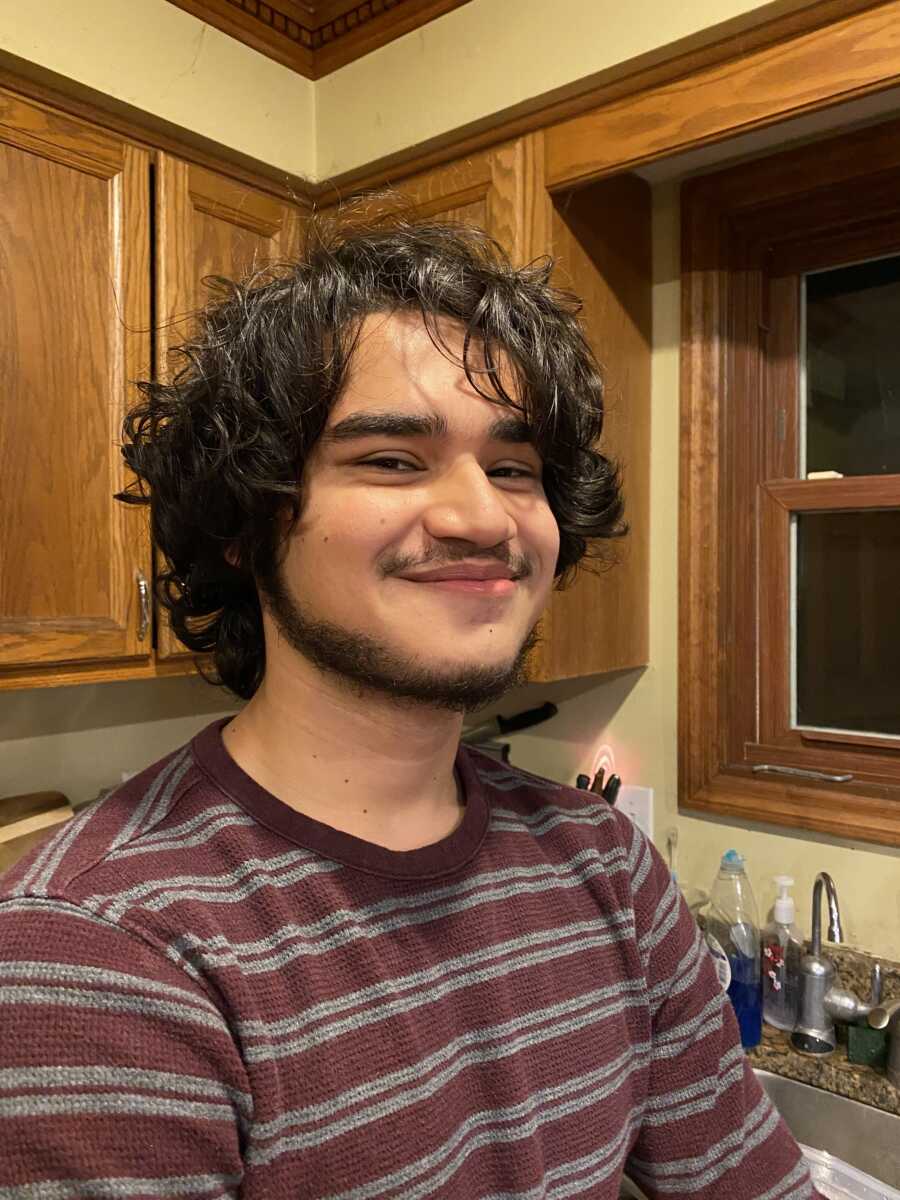
That year was Mrs. Patton’s last before retirement. Afterward, Kamran no longer needed an IEP. By fifth grade, he was in the gifted program. He even skipped a grade and continued to excel. In 2020, at age 17, he graduated magna cum laude from Sycamore High School and is now attending Ohio State University’s honors program, studying biochemistry and meteorology.
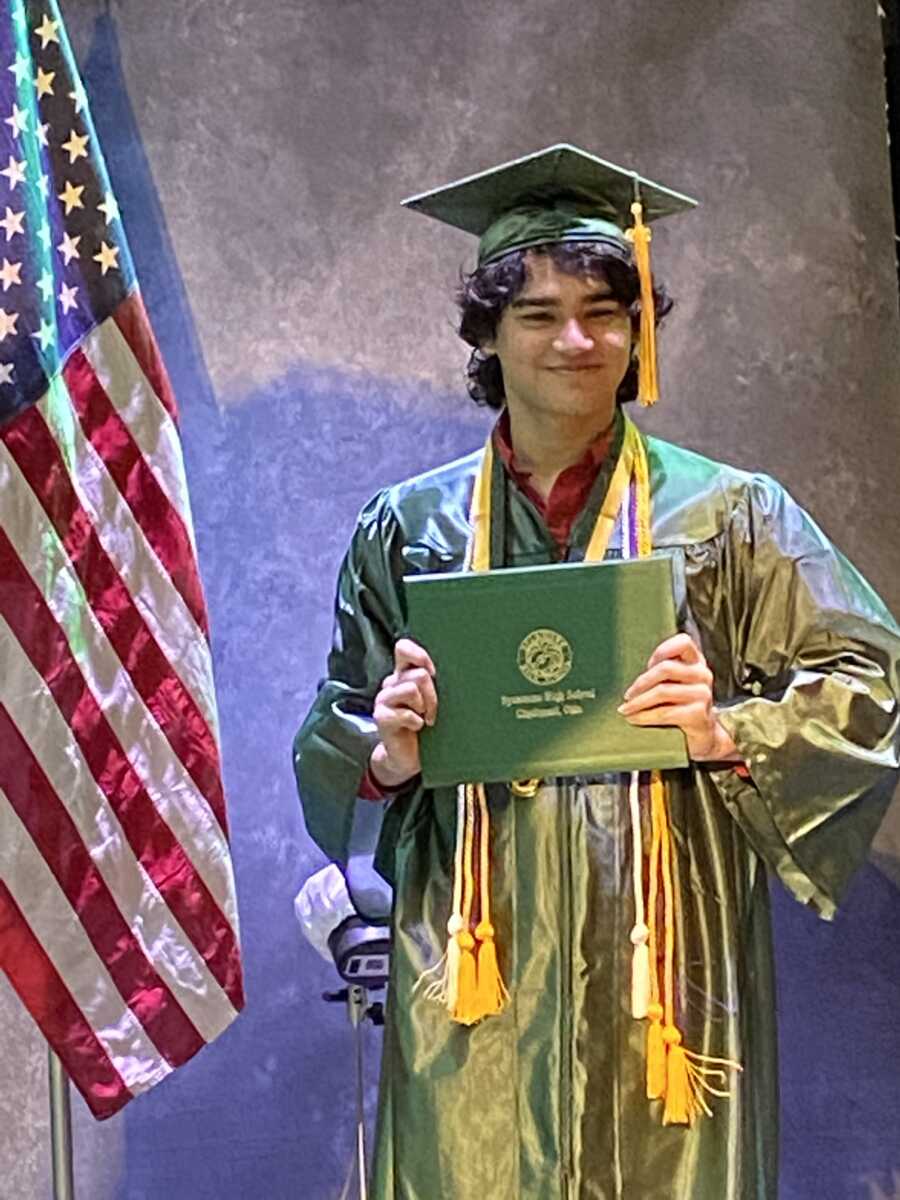
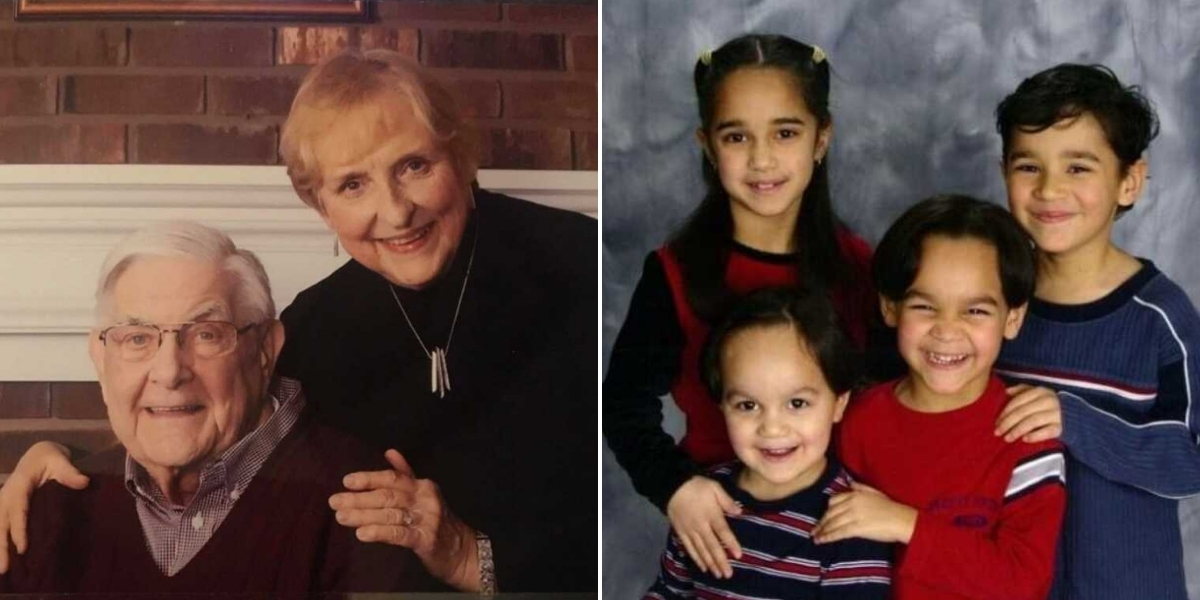
Kamran is my shining star. Every day, I am grateful for the teachers, especially Mrs. Patton, who saw his potential and nurtured it. They are heroes in ways we often overlook. Kamran needed a light to guide him, and through her care and dedication, he found it. She helped him—and through her, my son learned to shine.