Neurotypical And Metabolic Disorder
I’ve carried this story in my heart for a long time, letting the words swirl and rearrange themselves while I searched for the courage to say them. My fear has always been that my tone might sound angry, when the truth is that I am deeply wounded, grieving, and still trying to make sense of everything.
If what I share stirs up anger or defensiveness, I gently challenge you to look beneath those feelings. Often, when we peel back that first layer, we uncover conviction, compassion, and a softened spirit — and that can be a beautiful thing. My goal is not to make anyone feel guilty. I simply want to offer another perspective — the perspective of a mother who loved a child with brain damage and had to say goodbye.
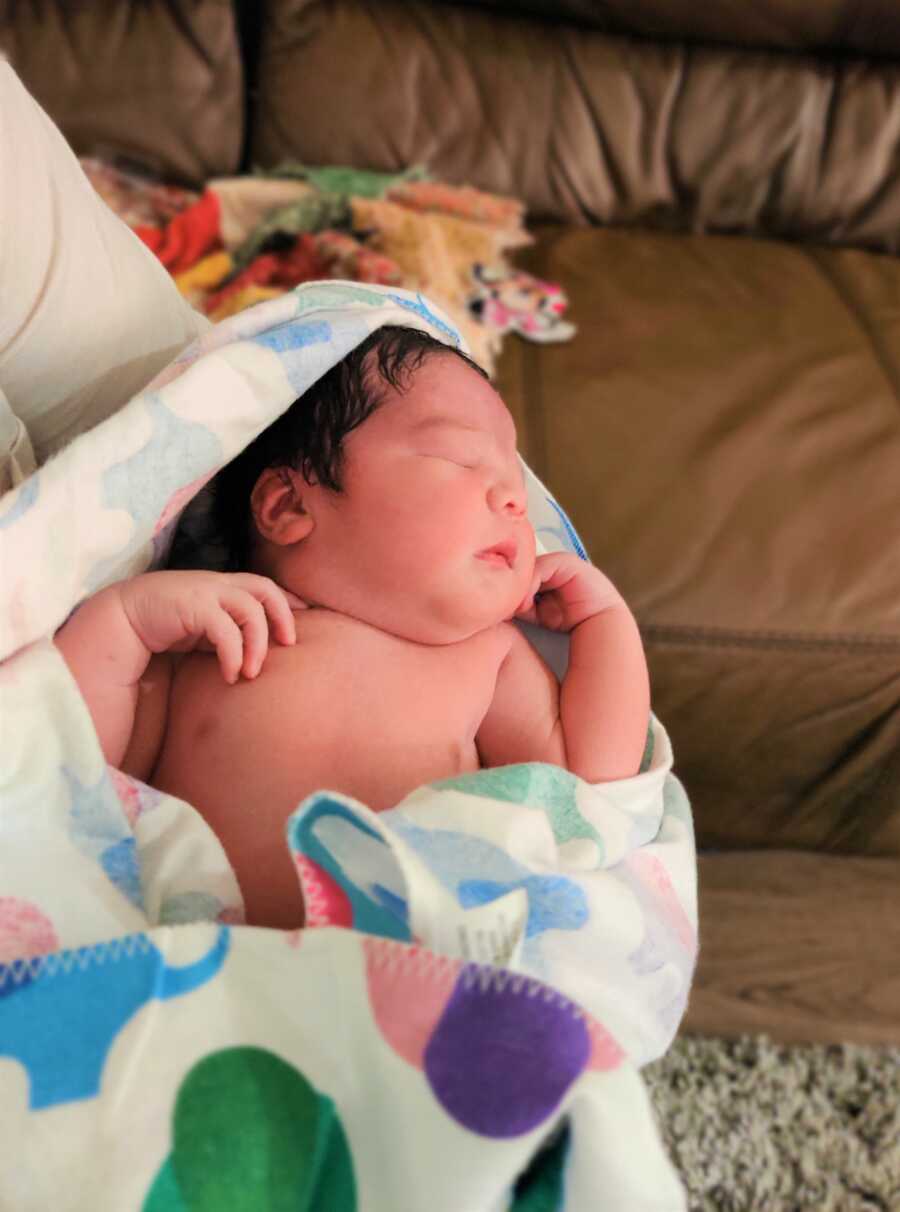
Before I move forward, I need to explain what happened to Sterling in more detail. I hesitated to include this, because his worth wasn’t defined by what his brain could do. Whether he lived with damage or not, our love for him and the ache of losing him would have been exactly the same. But telling this part matters, because it can help others better understand Urea Cycle Disorders — and it is forever woven into Sterling’s story.
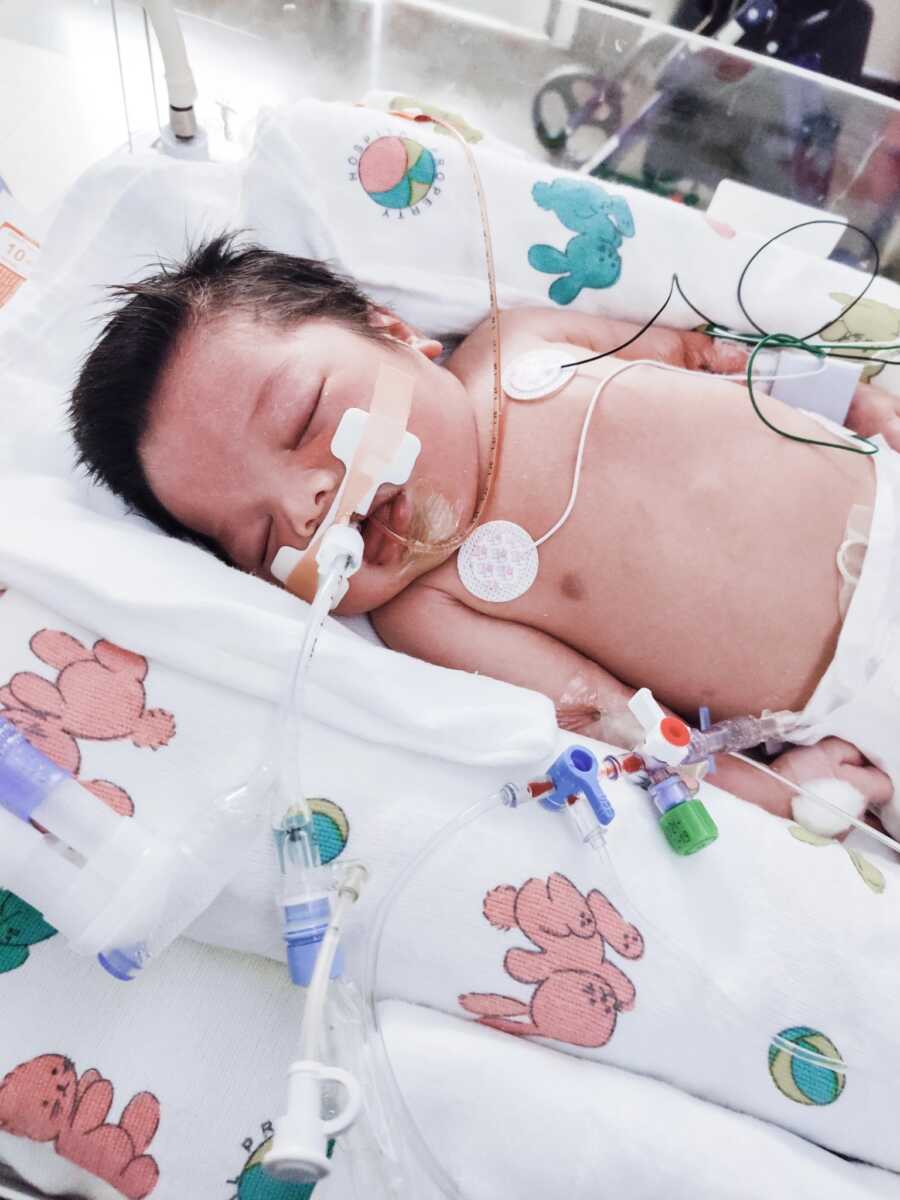
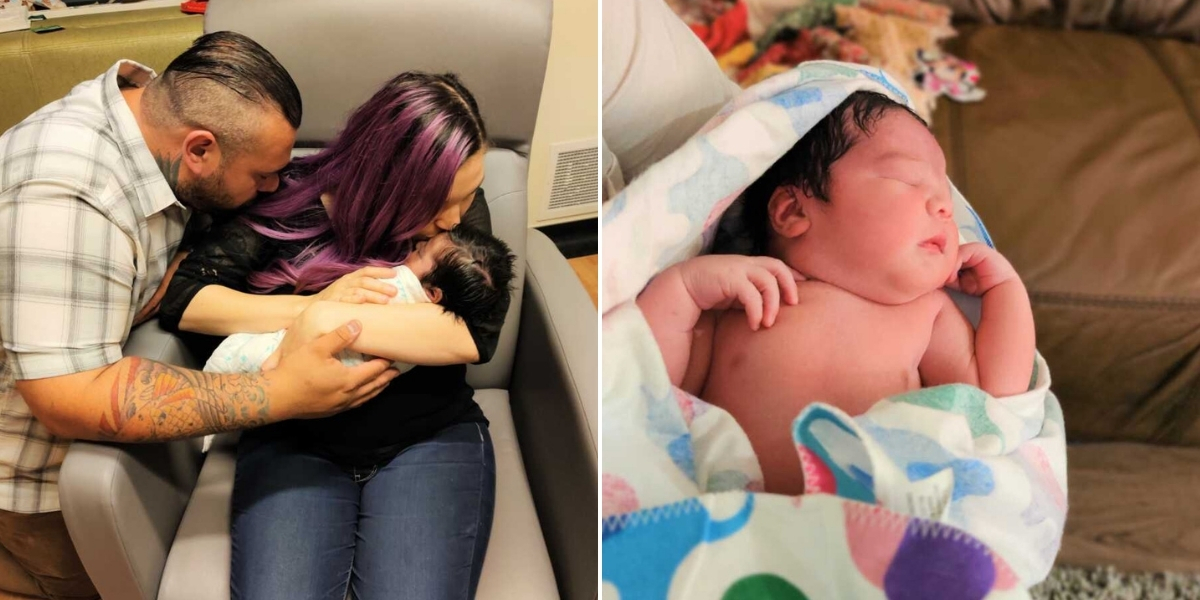
Sterling was born a beautiful, healthy-looking, neurotypical newborn. He did not suffer from lack of oxygen, HIE, or birth asphyxia. Instead, he had an inborn error of metabolism. My husband and I are not carriers; the mutation appeared randomly — unique to Sterling and no one else in our family. The rare metabolic disorder, part of the Urea Cycle Disorder family, is called Ornithine Transcarbamylase deficiency (OTC).
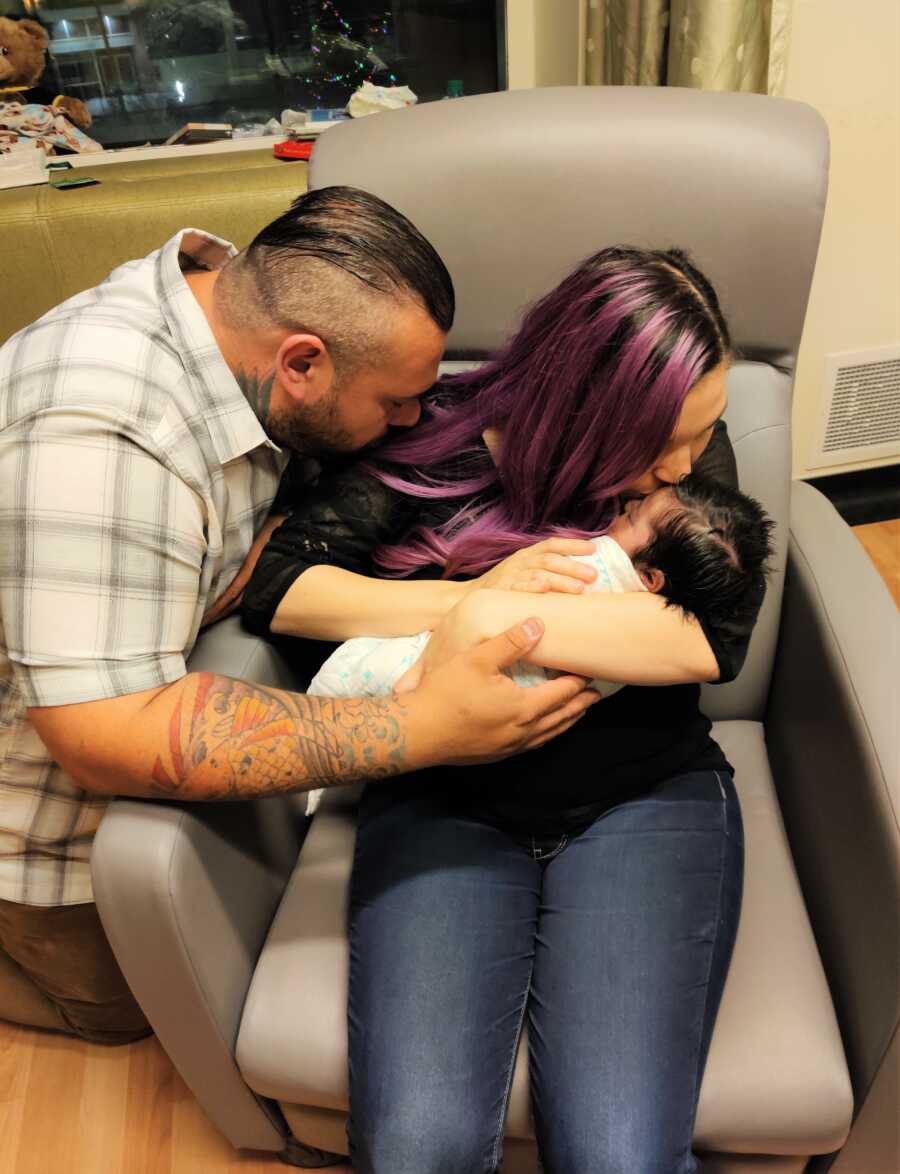
OTC is a liver enzyme responsible for helping the body break down protein and safely remove ammonia. Without it, ammonia builds up in the bloodstream. Because ammonia is a neurotoxin, elevated levels can cause devastating brain damage if left untreated. When hyperammonemia isn’t recognized quickly enough, the results can be permanent and severe. Diagnosis and immediate treatment are everything — and even then, no two cases look exactly the same.
So Sterling was born neurotypical, but every time he ate, his body couldn’t process the proteins. Slowly, silently, his blood filled with ammonia. Over several misdiagnosed days, his tiny brain was exposed to toxins until the damage became catastrophic. Eventually, his brain could no longer control his organs, and our sweet baby died in our arms.
I still find myself asking: What would life have looked like if they had caught it in time? The truth is, nobody knows. Everything would have depended on how early it was discovered, how quickly treatment began, and how well his condition could have been managed afterward.
Quality Of Life
The words “quality of life” have been repeated to me more times than I can count, and they still sting every time I hear them. Early on, I hesitated to even share that Sterling had suffered brain damage — not out of shame, but because I know how often society weighs people’s value based on ability.
When Sterling died, people were heartbroken — until they learned he had brain damage. Then the tone shifted. It felt like our tragedy suddenly became more palatable to others. Some acted as though we had been spared a burden, as if Sterling’s death was somehow a mercy. Comments I heard included:
“Think about his poor quality of life.”
“At least you won’t have to care for a brain‑damaged child.”
“He would’ve been special needs.”
“He might have needed care forever.”
But there is no universal way to measure a human being’s “quality of life.” If we truly tried, we would have to include people who live with chronic illness, poverty, depression, pain, disability, addiction, and struggle — and then decide who is “worth more.” None of us would want someone else making that call about our life.
We don’t hear about a starving child passing away and say, “Well, at least they aren’t suffering.” We don’t say an overdose is “better this way.” Yet when someone with brain damage dies, people often rush to say they’re “in a better place.” The intent may be comfort, but the message can sound like their life held less value.
The Disabled Stigma
Life is hard for all of us, but difficulty doesn’t make a person disposable. We will never know what Sterling himself would have considered a good life — and because of that, it was never our decision to make.
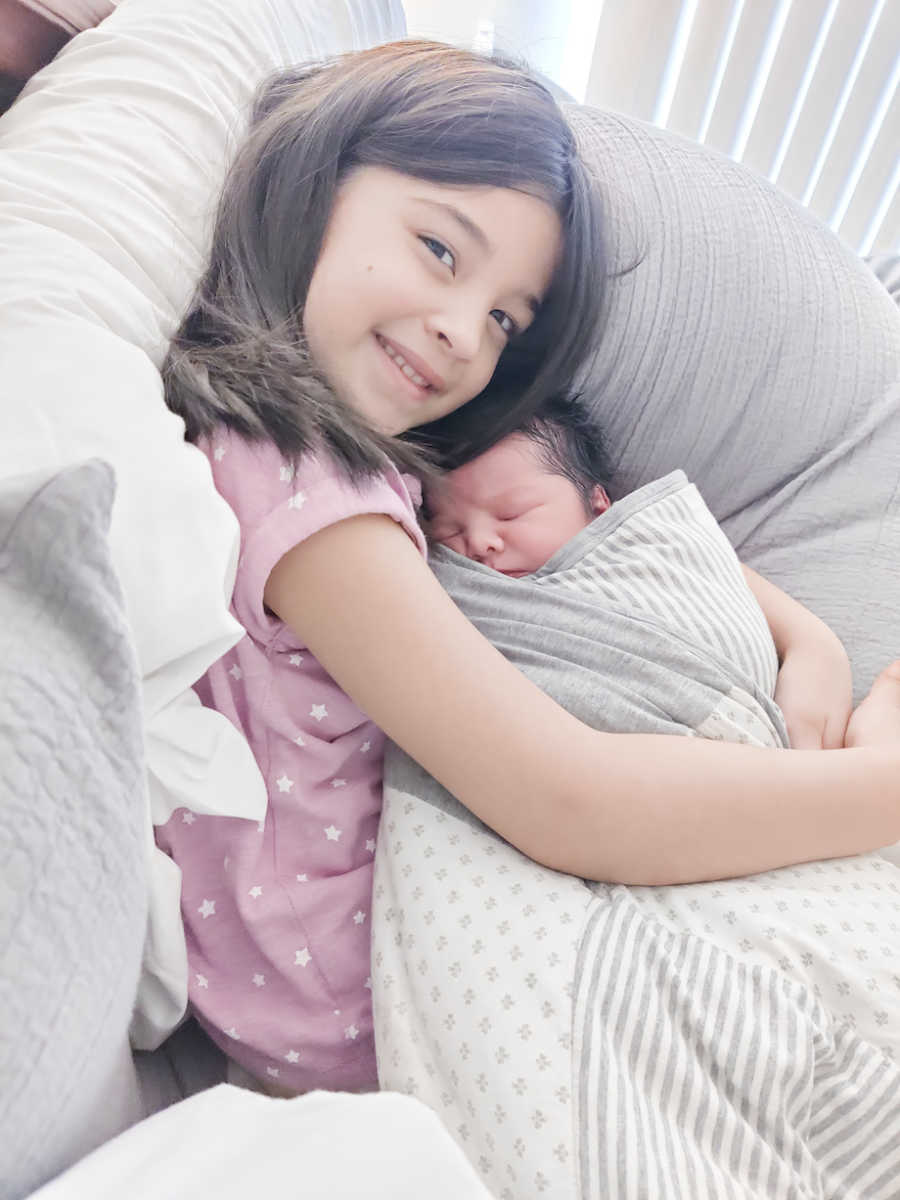
Those two words — at least — have become unbearable to hear. They minimize grief and push toxic positivity into the middle of heartbreak. I would choose a brain‑damaged baby over a world without Sterling every single time.
If Sterling had been disabled, medically fragile, or required lifelong care, we still would have wanted him. We wanted him, exactly as he was. I know I would have fought hard and loved harder, and I would have needed compassion and support — not pity and whispered relief.
People who assume we should feel grateful he didn’t survive do not understand the depth of this loss. I am not relieved. I am shattered — and I will miss him every day of my life.
Having a child who became brain‑damaged opened my eyes to how society often views disabled people — not as whole, sacred lives, but as burdens. That realization has broken my heart in a completely different way. We have such a long way to go.
I cannot predict what Sterling’s future would have held, or the challenges he might have faced. But I know this with absolute certainty: he was worthy. His life mattered. He was precious, loved, and irreplaceable — and no matter how short, his life was absolutely worth living.