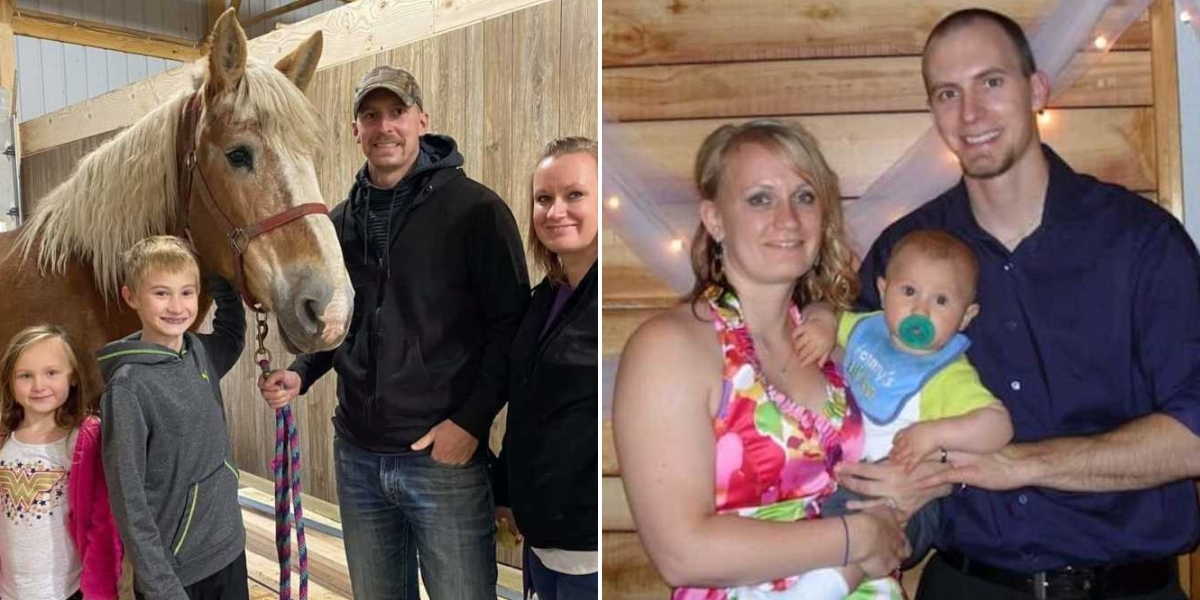
Do you remember a birth that unfolded exactly the way you planned — calm, perfect, and predictable? I don’t either. At 26, I had mapped out my dream delivery with confidence. I pictured a peaceful water birth, no medication, an all‑natural experience where I would lift my baby onto my chest and soak in that first magical moment.
Instead, everything unraveled. My so‑called “birthing hips” refused to cooperate. My water broke at 2:10 p.m. on Thursday, and by 2:10 p.m. Friday I was being rushed into an emergency C‑section because my body simply could not deliver.
My husband was the first to hold our son. I kissed him once before they took him, and then I was stitched up and sent to recovery. He arrived at 2:59 p.m., yet I didn’t hold him again until 5. People say those missing hours don’t matter. But even now, I feel that distance linger in our relationship in ways I can’t quite explain.
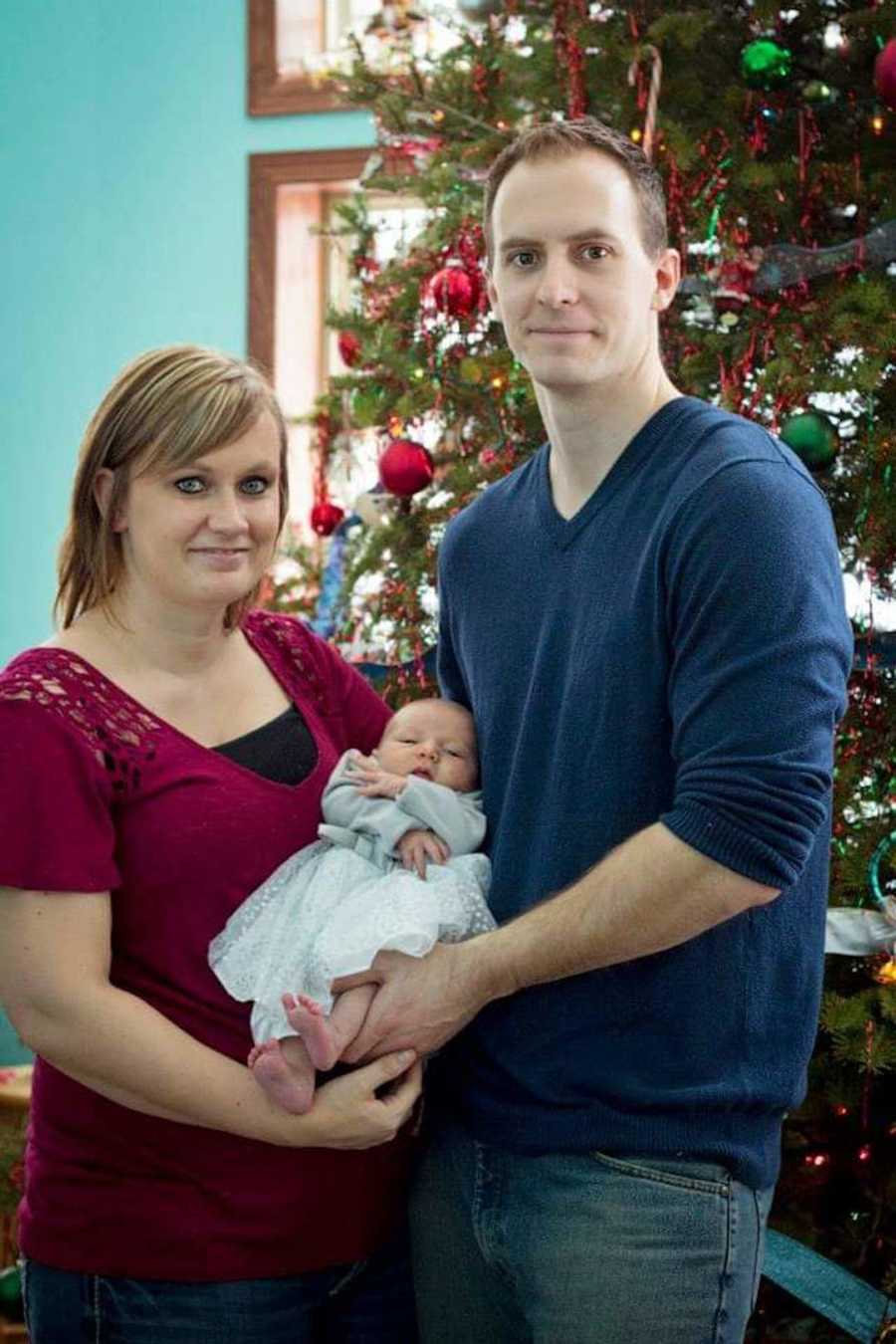
The weeks blurred together. I convinced myself I was just exhausted — juggling work, motherhood, and sleepless nights. But I cried constantly. Nothing my husband said felt right, and I felt like I was failing at everything. I still remember sobbing in my mom’s kitchen when she gently said, “I think you need to talk to your doctor.”
Sitting in my NP’s office, I felt ashamed. I was a social worker; I was supposed to know how to cope. Instead, we discovered my thyroid levels had skyrocketed. We increased my medication and added an antidepressant. Slowly, my emotions leveled out. I’ve always been sensitive, but the extra support helped me breathe again.
In 2012, when my husband and I decided to try for another baby, I stopped my medication out of fear it might harm the pregnancy. Everything seemed fine, and we were full of excitement — choosing names, imagining our kids together. Then everything changed in a heartbeat.
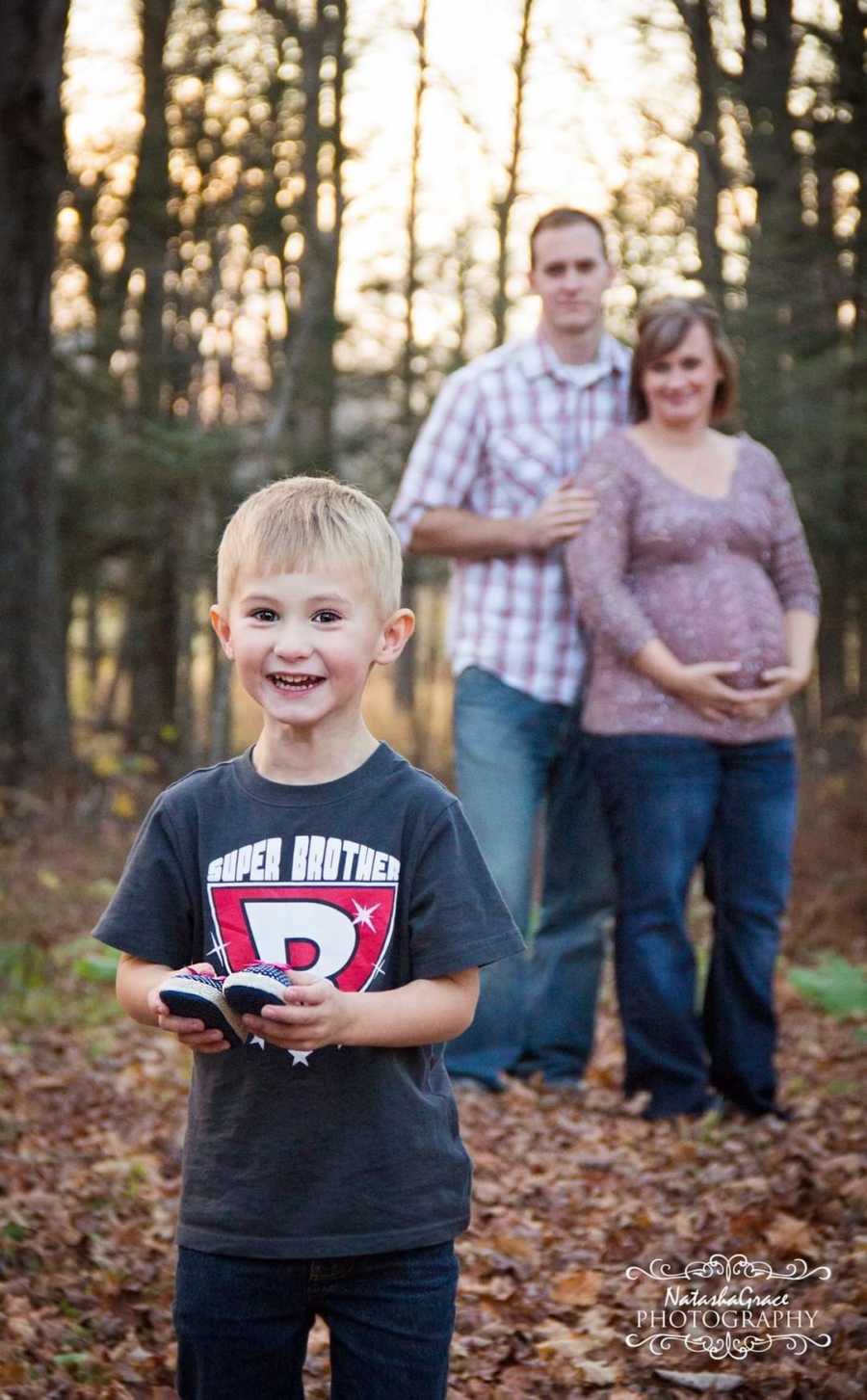
During a family Christmas on January 5th, 2013, I couldn’t get comfortable. Later that night, at home, I felt pressure and a need to push. Something didn’t feel right. I called OB “just in case,” and as soon as I hung up, the pain hit hard. We rushed to the ER.
During the ultrasound, I squeezed my husband’s hand, afraid to look at the screen, silently begging for a heartbeat. When we finally heard it, strong and steady, relief washed over me — but fear rushed in right behind it. I was in active labor at only 18 weeks. The doctor could see my amniotic sac and wouldn’t examine further. I was sent upstairs to OB, placed in Trendelenburg to keep the baby inside, and given medication to stop contractions. My OB gave phone orders and said he’d see me in the morning.
That night, we talked quietly about baby names. We didn’t know whether we were having a boy or girl because it was supposed to be a surprise. I remember whispering through tears, “I don’t want this to be the end of us. Couples don’t survive this.”
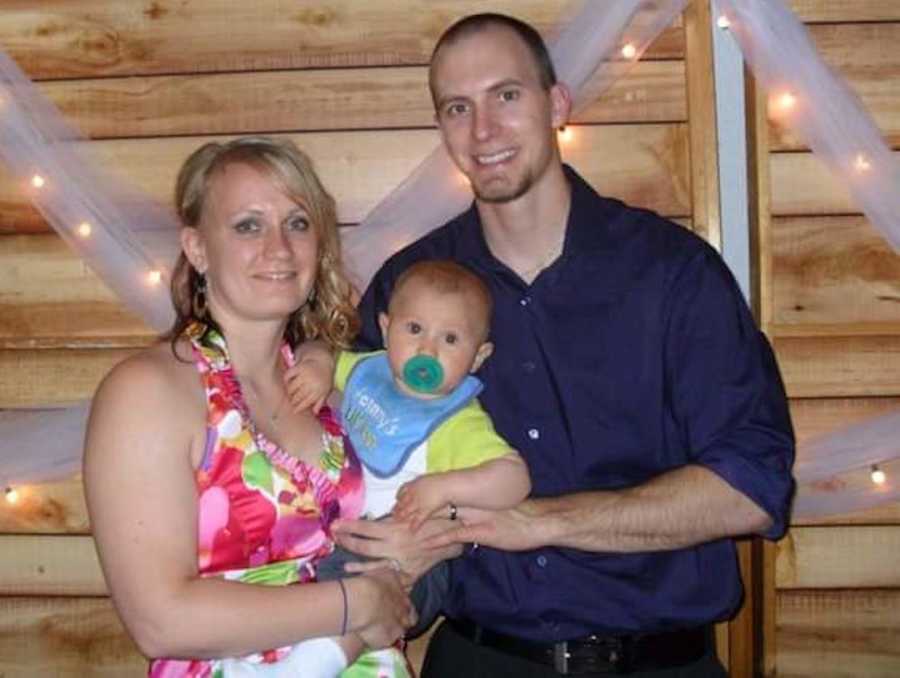
By Sunday evening, my water broke — full of infection. I had to deliver. I had hoped for a VBAC someday, but not like this. Every push felt like betrayal, like I was helping death arrive. When he finally came, I screamed “No!” The nurse’s expression — composed but shattered — is burned into my memory.
On January 6th, 2013, at 7:10 p.m., our son, Jacob Mark, was born. Eight inches long, six ounces — perfectly formed down to his tiny fingernails. He fit into my palm. When my husband spoke, Jacob turned toward his voice. It was beautiful and devastating all at once.
Doctors warned he might live minutes, and because he was so early, nothing could be done. Yet Jacob stayed with us for 2½ precious hours. We took pictures — photos I can barely look at today, but still need.
After our goodbyes, I remained hospitalized for IV antibiotics. No one could say whether infection caused the labor or an incompetent cervix caused the infection. I lay awake, numb, tears falling silently.
At home, people brought food and wanted to talk. I couldn’t. I hid in bed, furious at small talk, wanting to scream that the world had stopped. Eventually, my family insisted I call my doctor. I restarted my medication and forced myself out of bed — at least to the couch — so my oldest wouldn’t lose more than he already had.
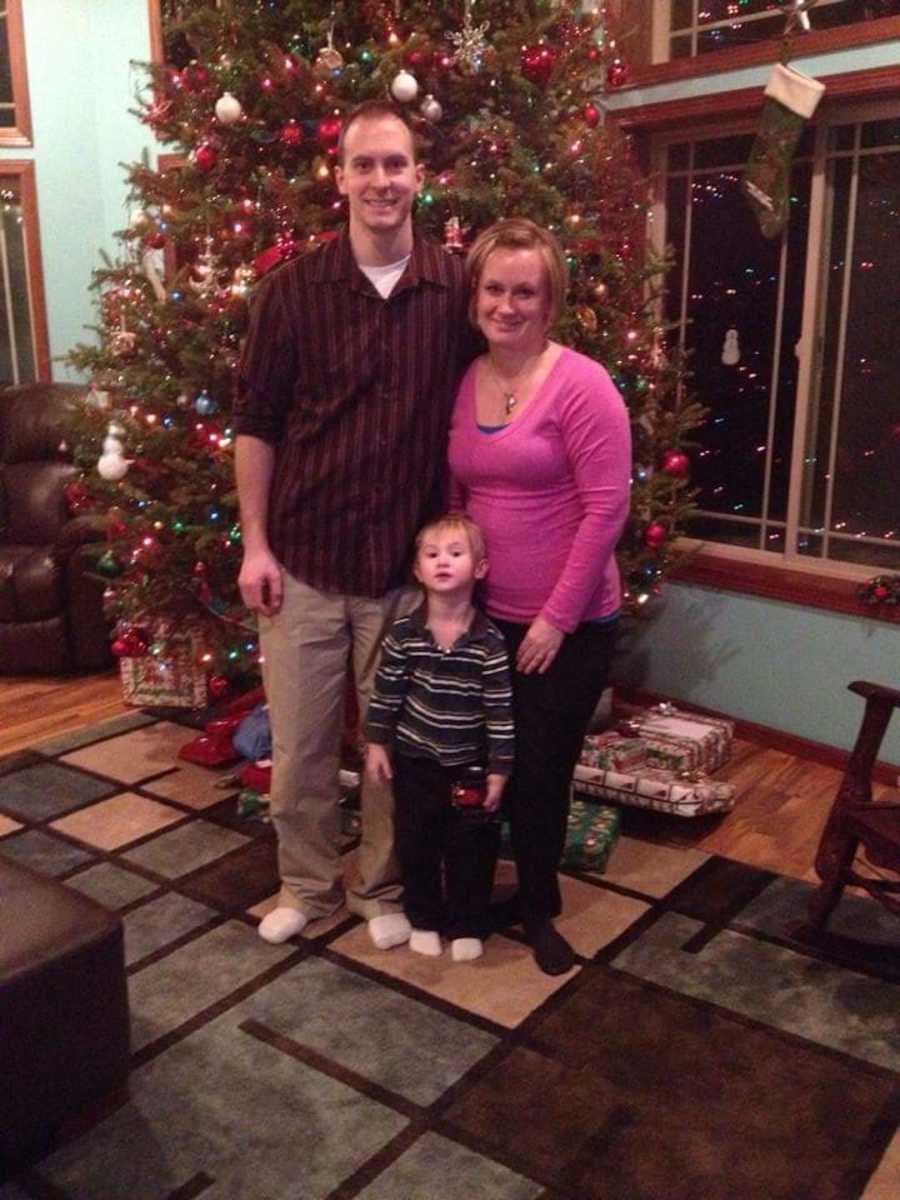
Just as I started functioning again, I was rocking my son to sleep when my milk came in — two weeks later. The grief crashed back. My body was ready to nourish a child who was no longer here.
Two weeks after the loss, I returned to work part‑time. After each shift, I parked by the frozen river, imagining my car sliding through the ice and wondering how long it would take. The thoughts didn’t scare me. They felt peaceful. I wanted to be with Jacob.
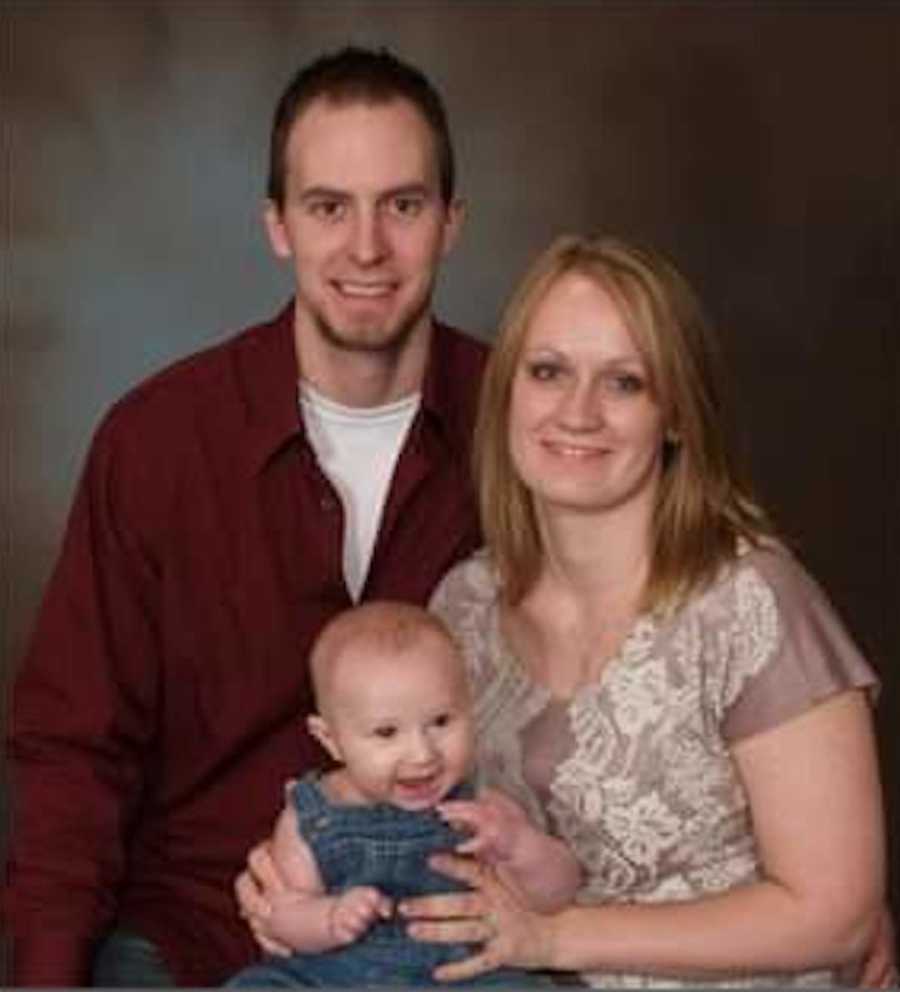
No one knew. Not my husband. Not my parents. I kept adjusting medications, but inside I was collapsing. My husband and I drifted apart, both hurting, both lost, but unable to reach each other. People avoided Jacob’s name, thinking it would hurt — yet their silence hurt far more. I resented pregnant women in stores, even though I knew nothing about their stories. Grief twisted everything.
We eventually went to counseling. We weren’t happy — just surviving for our son.
Then, in April 2014, we found out I was pregnant again. Joy and terror lived side by side. This time, I was high‑risk. At twelve weeks, things appeared stable. Two days later, I felt the same sensations I had with Jacob and went straight to the ER. My cervix was opening — unbelievably early. That night, doctors placed a cerclage, stitched it closed, and pulled me from work. By August, I was on strict bed rest until late November.
We later learned my cervix had likely been damaged from pushing so long during my first delivery — something that never should have happened.
On December 8th, 2014, our daughter was born via C‑section. Her first cry made us sob with relief. I felt safer with her in my arms than in my womb. Knowing my history, I restarted medication early to protect my mental health. I still struggled, but this time I was prepared.
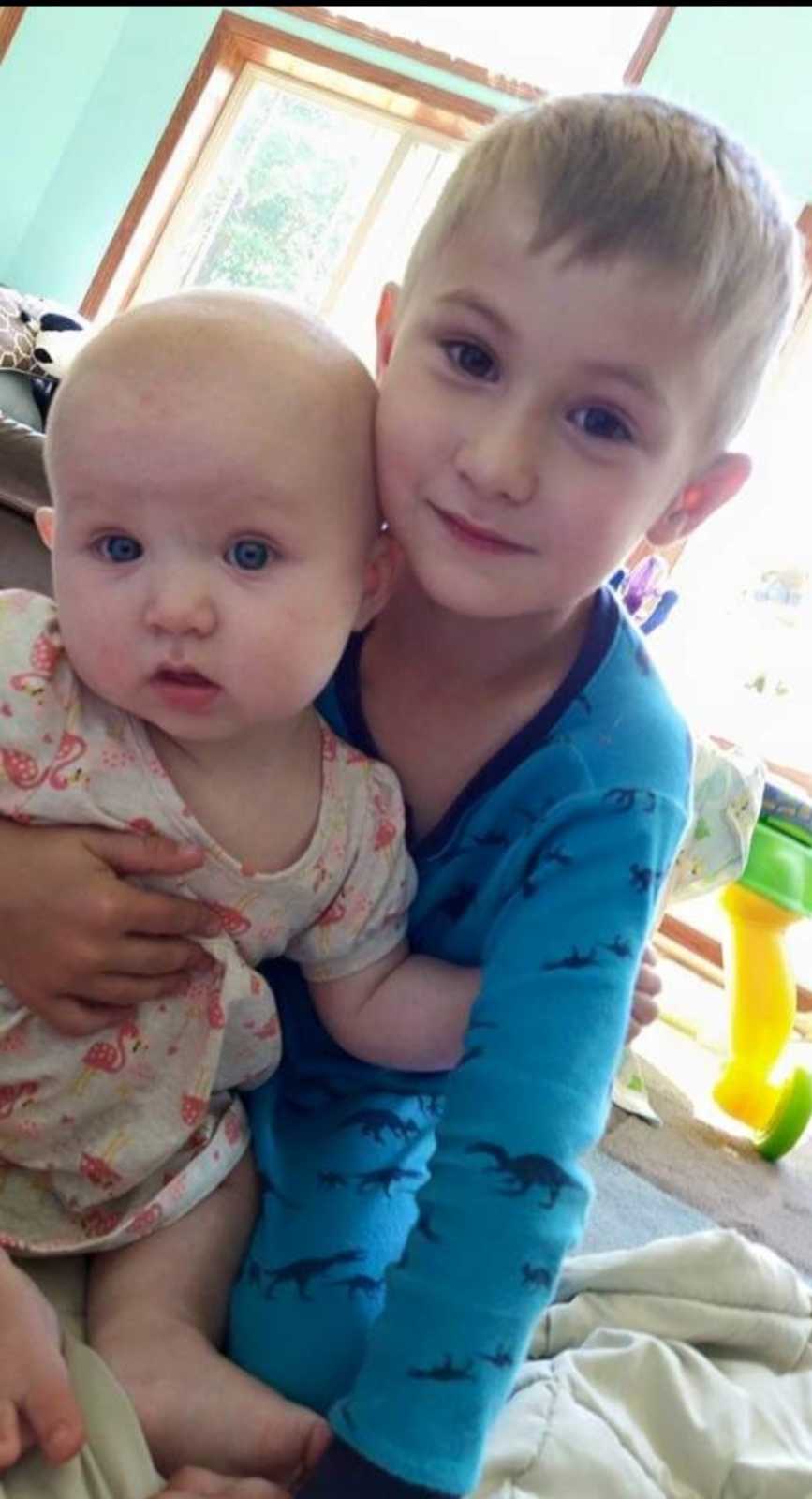
Years later, therapy helped me unravel buried grief and resentment. I switched antidepressants and began opening up honestly — especially with my husband. Slowly, communication returned. And strangely, 2020 — as awful as it was — forced us into closeness. We learned to sit with each other, sometimes annoyed, often healing, ultimately stronger.

I also learned something life‑changing: hiding pain doesn’t make you stronger. Sharing does. When I finally spoke about my darkest moments, I found connection instead of judgment. I began accepting myself — gently, imperfectly.
Now I know: asking for help is not weakness. It is survival. You cannot pour from an empty cup. Take the medication. Call the friend. Talk to the doctor. Let yourself cry.
And if you’re struggling, please — reach out today. Choose yourself, even when it feels impossible. Healing doesn’t erase the grief, but it makes room for hope.
You deserve that.
You’ve got this.