
In January 2020, I hit a personal rock bottom. I showed up to a new job intoxicated and high, an experience I had never faced before. After that day, I went on a two-day bender, drinking nonstop. When I finally woke up the morning after that spiral, a sinking realization hit me: I needed help. I couldn’t do this alone anymore.
Just a month later, on February 3, 2020, I made the life-changing decision to get sober. Little did I know that only weeks later, the world would be turned upside down by the pandemic. All of my early sobriety took place in unprecedented global circumstances. I remember the fear and uncertainty vividly—I felt completely alone. No one around me had navigated the start of sobriety while the entire world was in chaos. But deep down, I knew I had to figure out how to stay sober, no matter what.
I remember reading once that the opposite of addiction is connection. This couldn’t have been more true for me. At the height of my struggle, I had isolated myself completely. I hid my drinking from everyone, pushing people away and living in shame over who I’d become. Ironically, it was that very silence and secrecy that kept me trapped in addiction. My healing began the moment I started sharing my story openly. I first confided in my immediate family, and over time, I began opening up to friends as well.
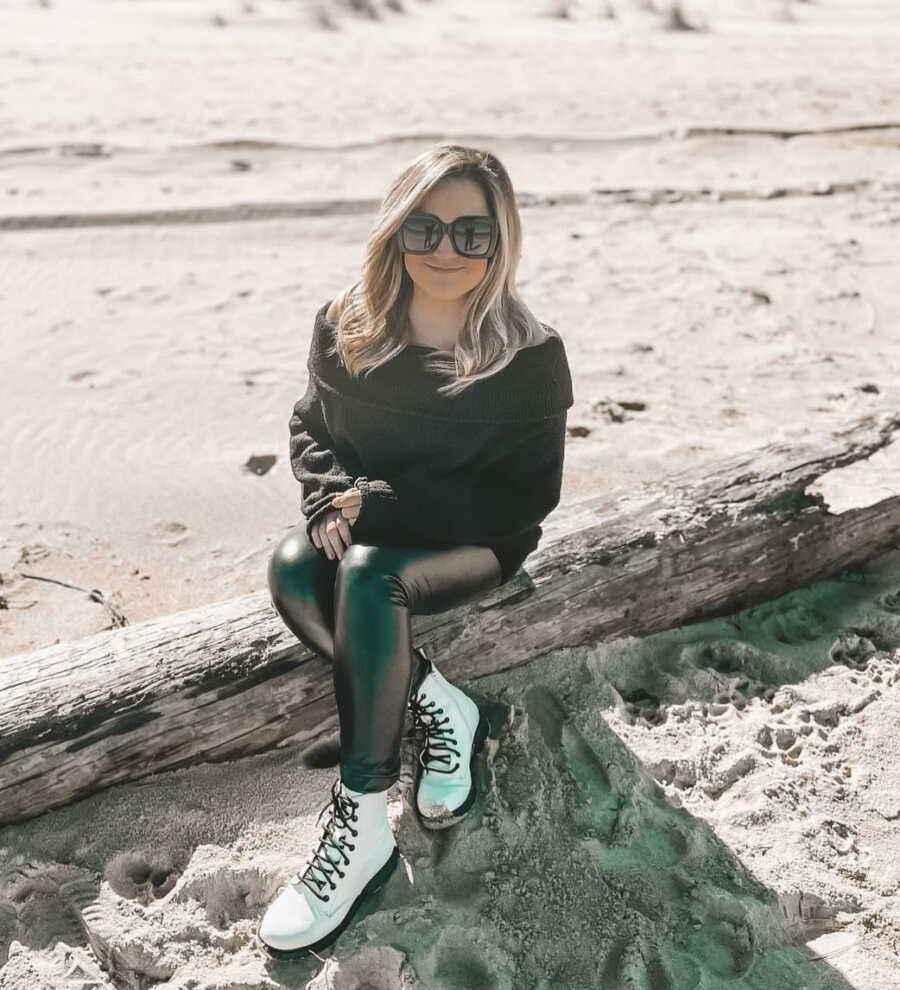
About a month into my sobriety, I turned to something I’ve always loved: writing. I started a blog where I shared my struggle with alcohol and posted it on my personal Facebook page. At first, I was terrified of being vulnerable, but I refused to hide this side of myself any longer. The response was overwhelming. The outpouring of kindness and support showed me that by sharing my story, I could help others facing addiction and work toward ending the stigma surrounding it.
Now, almost two years into the pandemic, I’ve developed a toolkit to help me maintain my sobriety, and I hope it can inspire others too:
1. Therapy – I go to therapy regularly, both early in sobriety and today. In the past, alcohol was my way of numbing anxiety and depression. Therapy has taught me to face these emotions without relying on a drink.
2. Exercise – Moving my body for 20–30 minutes several times a week has been crucial. I bike, run, or walk, and in September, I signed up for a half marathon. Following a training plan gave me structure and purpose, and physical activity helps me release emotions I might otherwise suppress.
3. Meditation – Daily meditation, even 10–20 minutes, allows me to slow down and check in with myself. In active addiction, my life was chaotic and relentless. Meditation has helped me cultivate self-awareness and peace.
4. Accountability Buddy – I have a sober friend I can call or text anytime. Meeting someone who understands the challenge of staying sober, especially during a pandemic, has been invaluable. Before social events with alcohol, I reach out to her for support and check in during the evening.
5. Morning and Evening Routines – Before sobriety, my days had no structure. Now, my mornings include water, stretching, deep breaths, coffee, journaling, and a phone-free start. Evenings involve reading, quiet reflection, and expressing gratitude before bed. Routines anchor me.
6. Online Support – Platforms like We Are the Luckiest and Tempest provide daily meetings, courses, and resources. I also attend online Alcoholics Anonymous meetings, which are accessible anywhere. These communities remind me I’m not alone in my journey.
7. Social Media – Following sober accounts on Instagram, TikTok, and Facebook has been a game-changer. Seeing others navigate sobriety, share advice, and provide encouragement keeps me motivated. Accounts like @1000hoursdry, @thisnakedmind, and @yoursoberpal offer inspiration daily.
8. Books – Reading has been transformative. Memoirs like Quit Like a Woman and We Are the Luckiest helped me work through shame and feel understood. Other books, including The Body Keeps the Score and Dopamine Nation, helped me process childhood trauma and understand addiction.
9. Podcasts – Recovery podcasts, including Tell Me Something True, We Can Do Hard Things, and Unlocking Us, inspire me with stories of resilience and practical tools for sober living.
10. Saying No – Sobriety has taught me to advocate for myself and set boundaries. Pleasing everyone used to dominate my life, but now I honor my needs first.
11. Friends and Community – My friends and family know about my sobriety and support me fully. We enjoy activities and outings that don’t involve alcohol, and their encouragement has been a lifeline.
12. Celebrate Success – Finally, I make it a point to celebrate milestones, big and small. Recognizing progress reinforces my commitment and brings joy to my journey.
Getting sober wasn’t easy, but it’s the best decision I’ve ever made. Every day brings challenges, but also growth, connection, and hope. Recovery has given me the chance to live authentically, love fully, and embrace life with open arms.