When I was born 33 years ago, adoption was a very different world. It was primarily a closed system, wrapped in assumptions and generalizations. Infant adoption was often seen as a “clean slate,” with little attention paid to the child’s roots. Birth mothers were presumed to be struggling—drug users, rebellious teenagers, or desperate young women—and adoptive parents were framed as heroic figures, “saving a baby” and raising them “as their own,” often with no access to the child’s biological history.
I cringe when I think about it. I really do.
Growing up, my closest friend was a transracial adoptee. Maybe it was my bond with her, or maybe something deeper within me, but even as a child, I felt a quiet certainty: one day, I would adopt a child. I couldn’t explain it; it was just an innate desire, a seed quietly planted. But the adoption landscape of my early years left me questioning everything: Was adoption about the child or the hopeful parents? Did anyone care about the birth mother’s life, her feelings, her choices? Why were adoptive parents almost always white? Do children notice or care when their skin doesn’t match their parents’? Can a child grieve a loss they don’t consciously remember?
These questions lingered and grew during my college years. I won’t give my high school self much credit; loving my best friend and understanding her adoption story only scratched the surface. Real awareness came later, after I joined the multicultural affairs club at Christopher Newport University. Having already spent time on my high school step team and attending a truly multicultural church, I couldn’t ignore the discomfort of living in an all-white bubble. It wasn’t about being “woke” or praiseworthy; it was about confronting realities of race and culture that I simply could not unsee.
The director of the multicultural affairs program was endlessly patient and generous. I approached her with the idea of creating a student-run program to teach cultural inclusion to public grade schools. My intentions were pure, but my perspective was naïve. White people aren’t always qualified to speak on race—someone should have told 19-year-old me. Still, she guided me, helped develop a curriculum, recruited students more qualified than I was, and ultimately let us take the program into local classrooms. Those one-on-one lessons with her in her office became a formative part of my education. She taught me about systemic racism, the legacy of slavery and segregation, why certain cultural behaviors are misunderstood, and why even the most well-meaning intentions could carry privilege. Those conversations reshaped my understanding of race and humanity far beyond any psychology textbook.
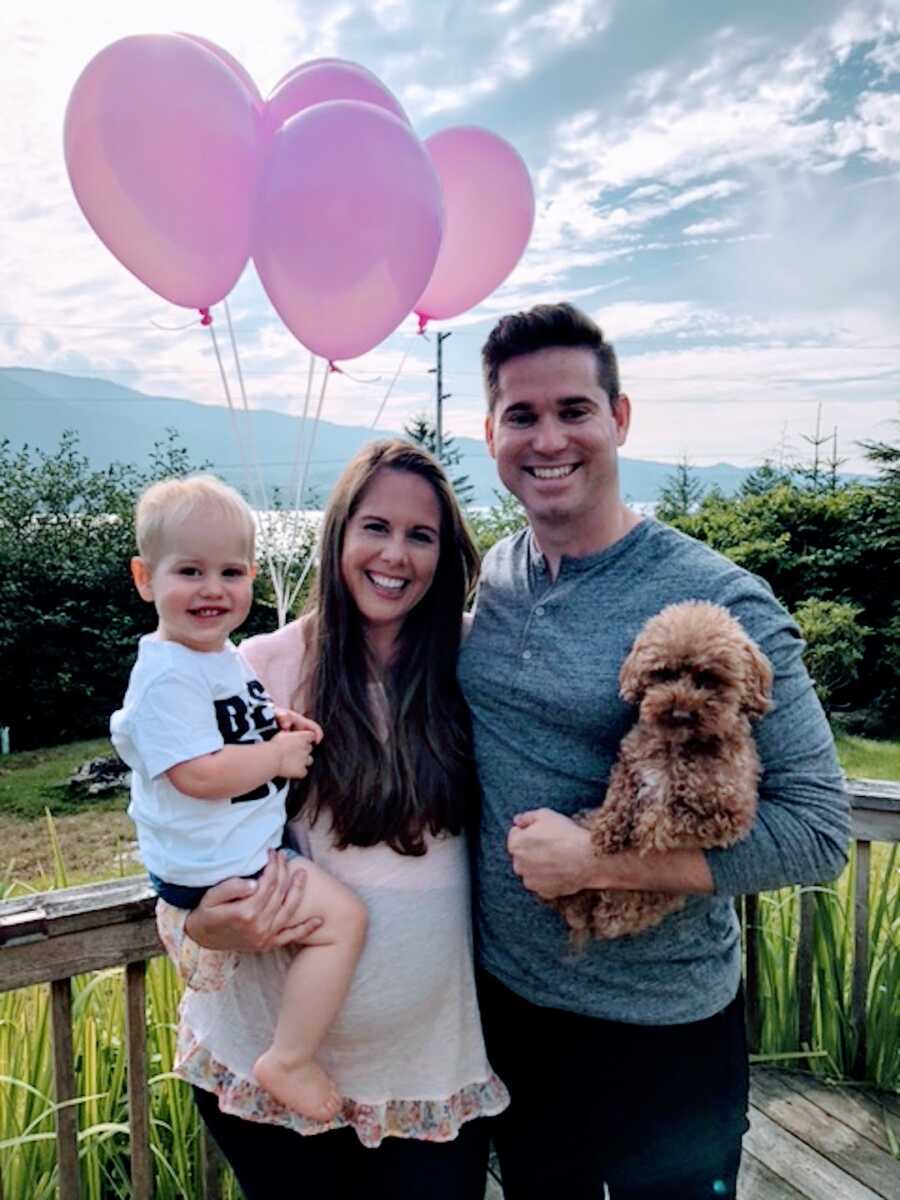
After graduation, life moved quickly. New York City. The suburbs of Washington, D.C. Back to Virginia Beach. I met Aaron, married, and became a mother. Our son was 10 months old when I miscarried our second pregnancy. Infertility had touched many friends of ours, and in those months, Aaron and I began seriously exploring adoption.
That innate desire from my childhood had never left—it had only grown, complicated by the questions and awareness I’d gained over the years. Aaron and I had always agreed: even if we had biological children, adoption would be part of our family’s future. After our miscarriage, it felt like the right time to act. We dived into research: domestic and international adoption, infant and foster care, transracial and open adoptions, lawyers versus agencies. The world of adoption is vast and often controversial. Families are painted as either saviors or kidnappers, birth mothers as grateful or regretful, and adoptees as healed or deeply traumatized.
I was scared. I didn’t want to “take” a child. I didn’t want to unintentionally create a hole in a child’s heart. I didn’t want to assume a child’s story began with me. Yet the deeper we looked, the more I realized that adoption could be a path of love, understanding, and respect—if approached thoughtfully.
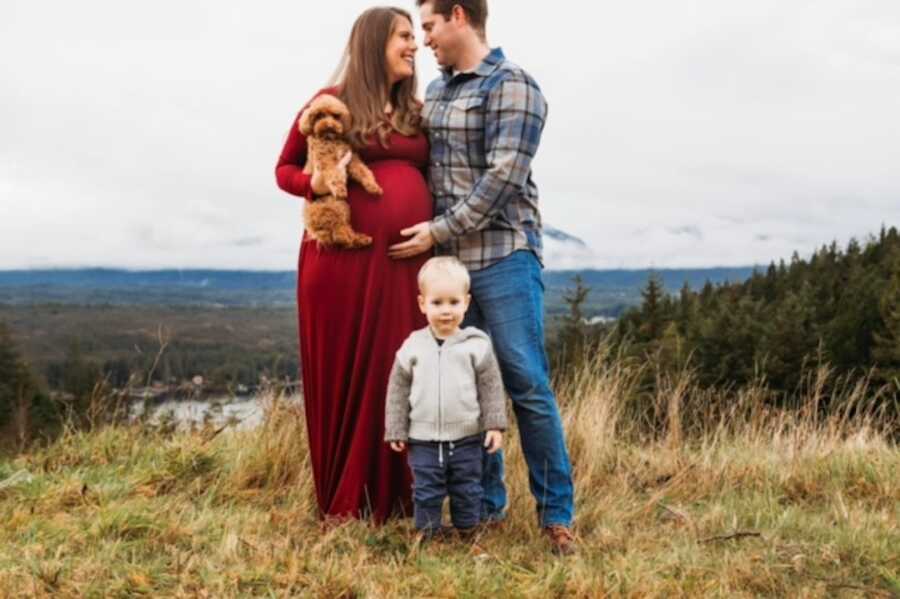
And then, Jo arrived. Our daughter grew inside me, a rainbow baby after our miscarriage, and she gave us the time we needed to process the magnitude of adoption. We knew we would limit ourselves to two biological children, so any growth beyond that would necessarily involve adoption.
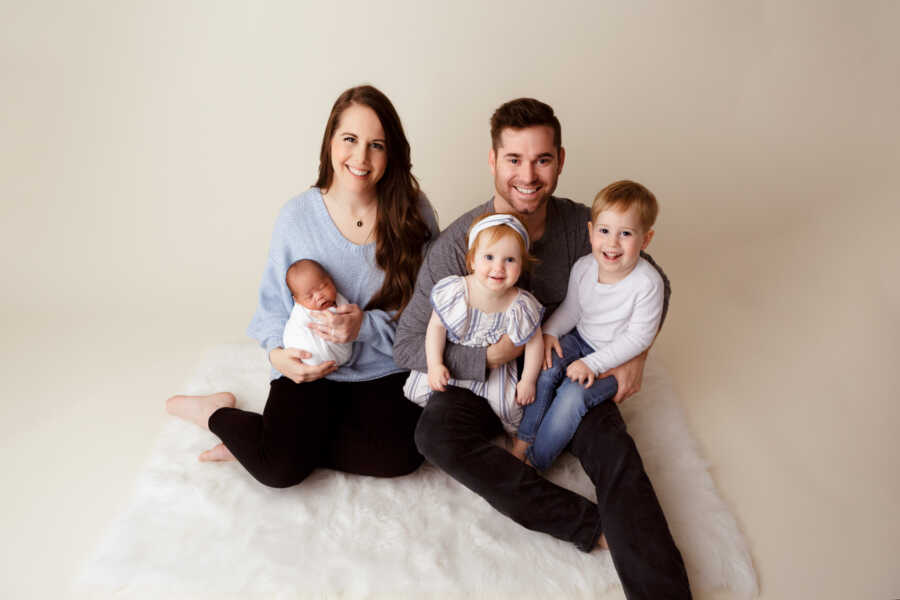
Nine months later, following a military PCS to Alaska for Aaron’s Coast Guard career, Josephine was born. Our family seemed complete to outsiders: a bubbly two-year-old son and a perfect little girl. But for us, the journey was just beginning. The seed of adoption planted so many years ago had grown, nurtured through experiences, lessons, and reflection—and it wasn’t going away. We were ready.
When Jo was six months old, we began the domestic infant adoption process through two agencies: one national, one local to Alaska. We hoped to adopt a child close in age to Jo, keeping birth order and age proximity in mind. Adoption applications are strange—they ask you to select preferences for gender, race, medical conditions, prenatal exposures. It’s easy to see why critics call it “Build-a-Baby for white people.” Most adoptive families are white, and the socioeconomic realities are stark. But Aaron and I had the resources and desire to move forward, so we joined the waiting lists.
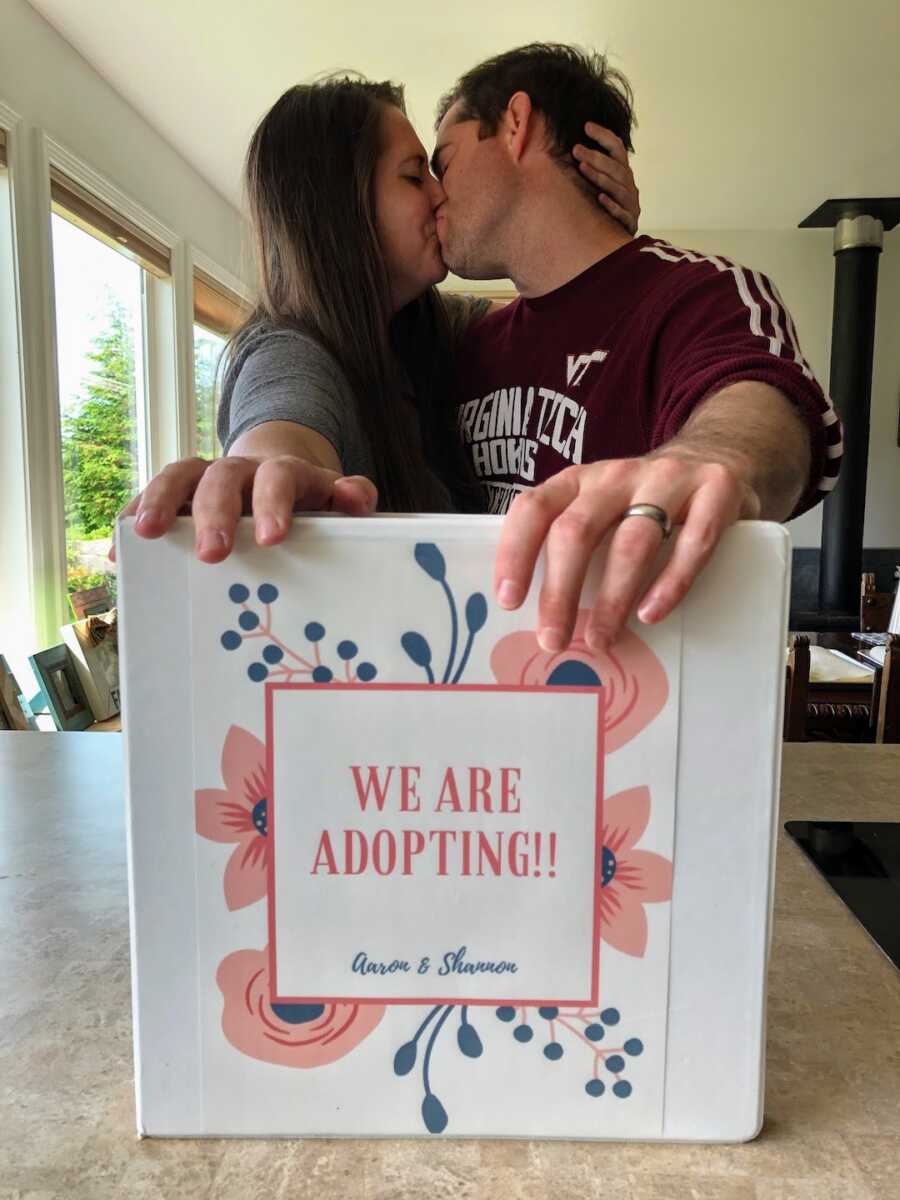
We focused on the Alaskan agency, hoping to adopt an Alaska Native child. Like the Black community, Alaska Native culture had been systematically erased by outsiders. Raising one of their children carried enormous responsibility, and we approached it with intention. Our adoption would be open, giving the birth mother access and choice, and ensuring our child could know their roots. Respect for the birth mother’s decisions was non-negotiable; she deserved acknowledgment, gratitude, and partnership.
We also committed to intentional parenting, cultural education, and maintaining a healthy, respectful relationship with the birth parents. Adoption is rooted in loss, and honoring that grief is essential. We wanted to love our child not just emotionally, but actively, with understanding and openness.
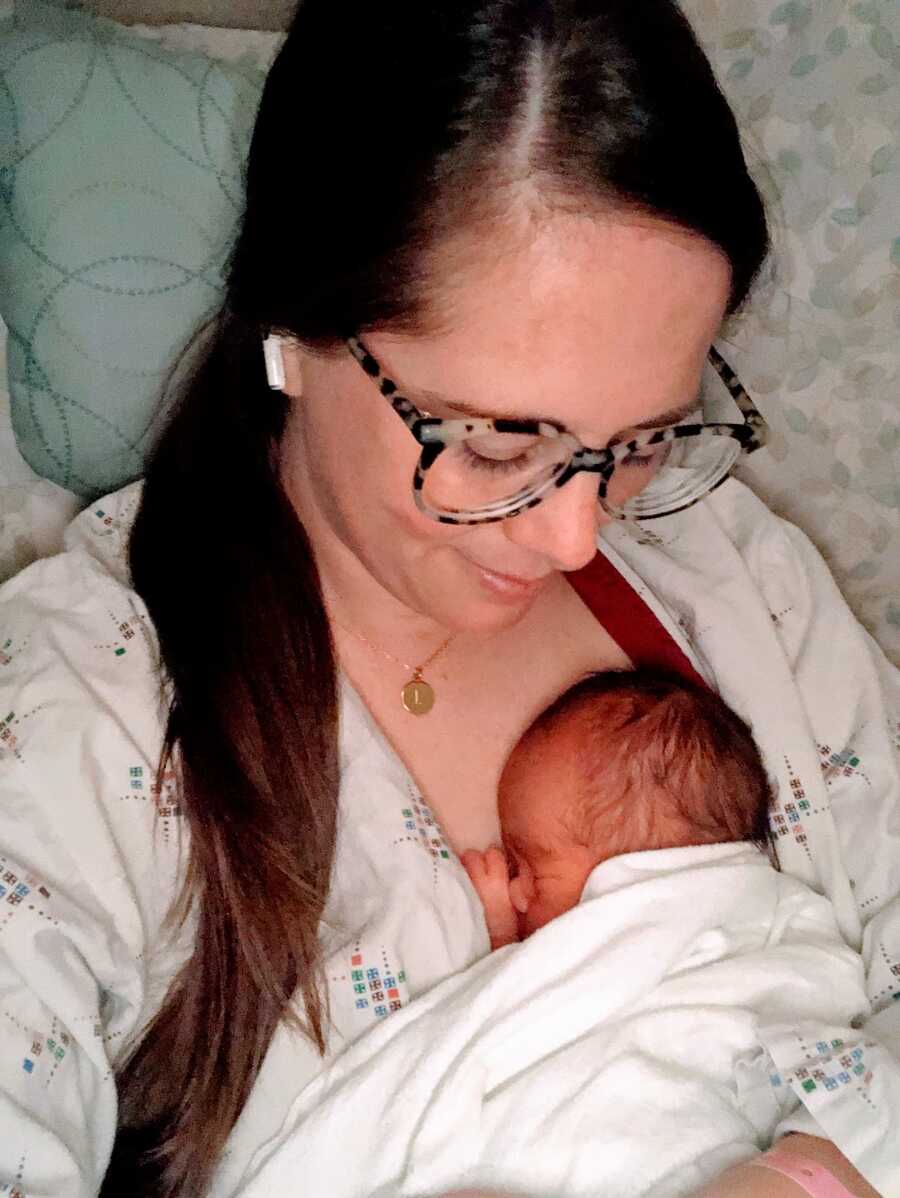
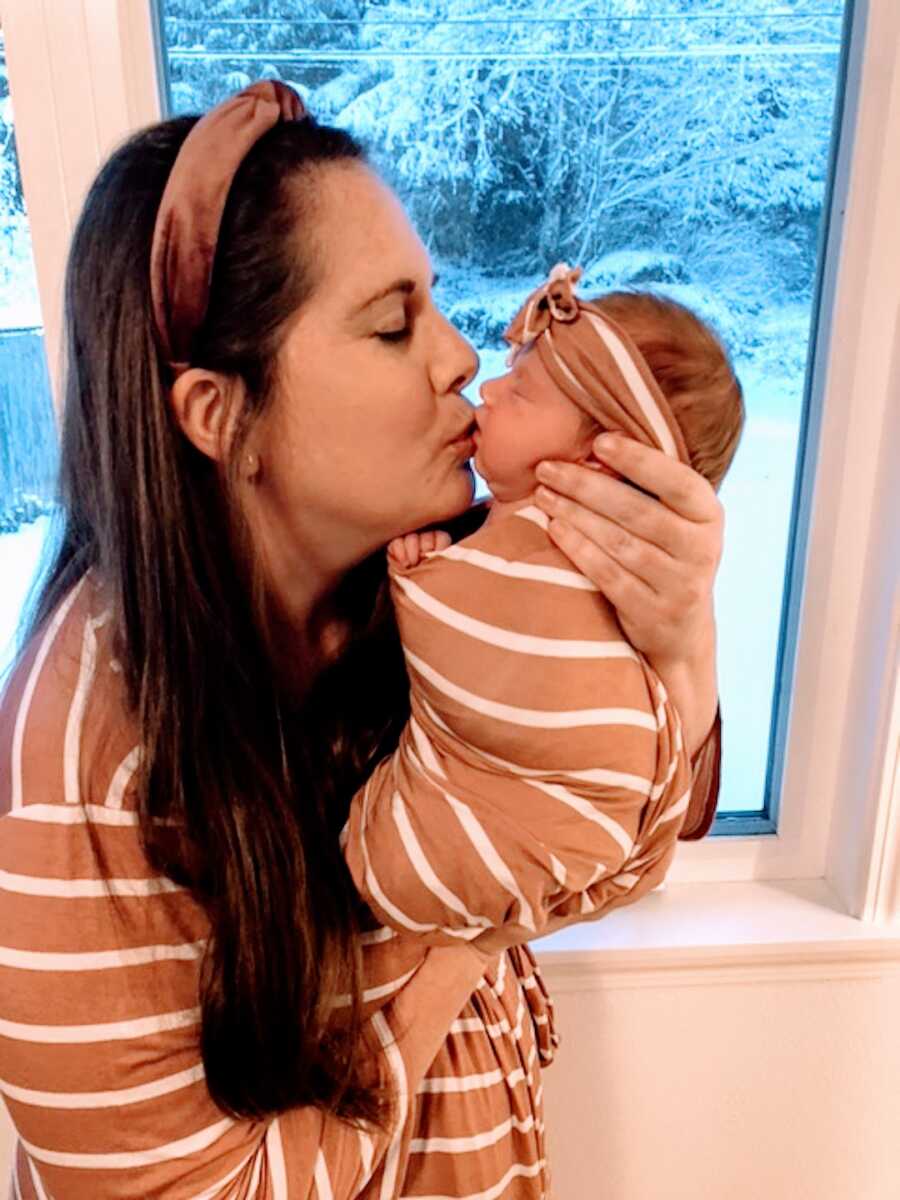
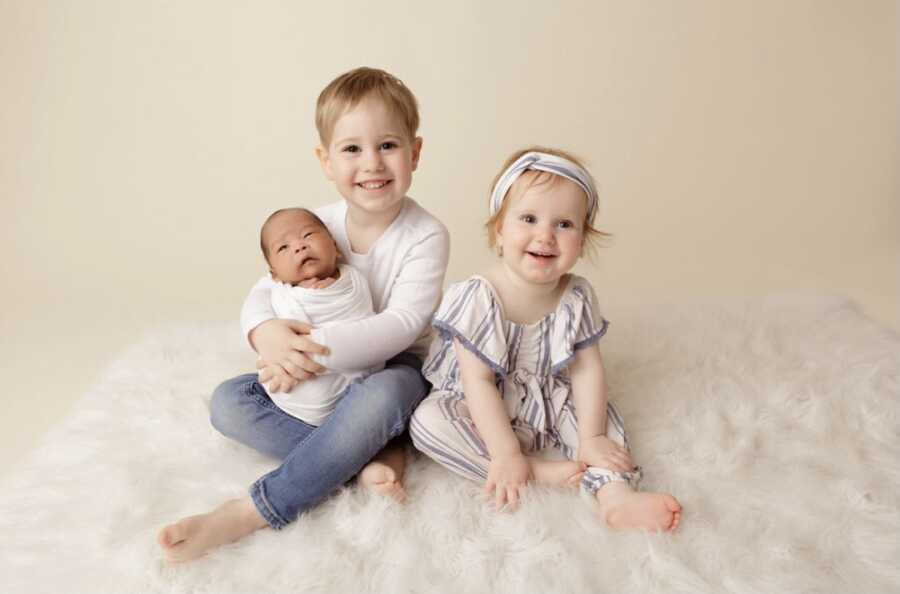
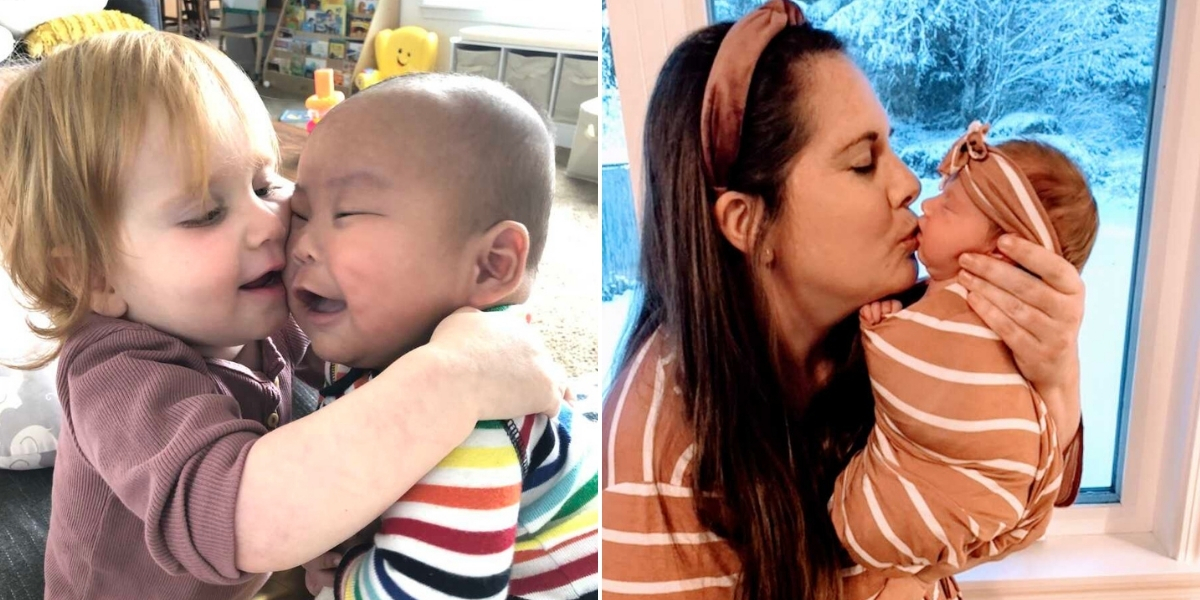
Four months after going active with our agency, the call came: a birth mother had chosen us. Our excitement was immediate, overwhelming, and humbling. Fourteen months after Josephine’s birth, we welcomed a beautiful baby boy into our arms. We cried, we laughed, we prayed, we marveled. Meeting his birth mom, seeing her grace and selflessness, remains one of the most humbling moments of my life.
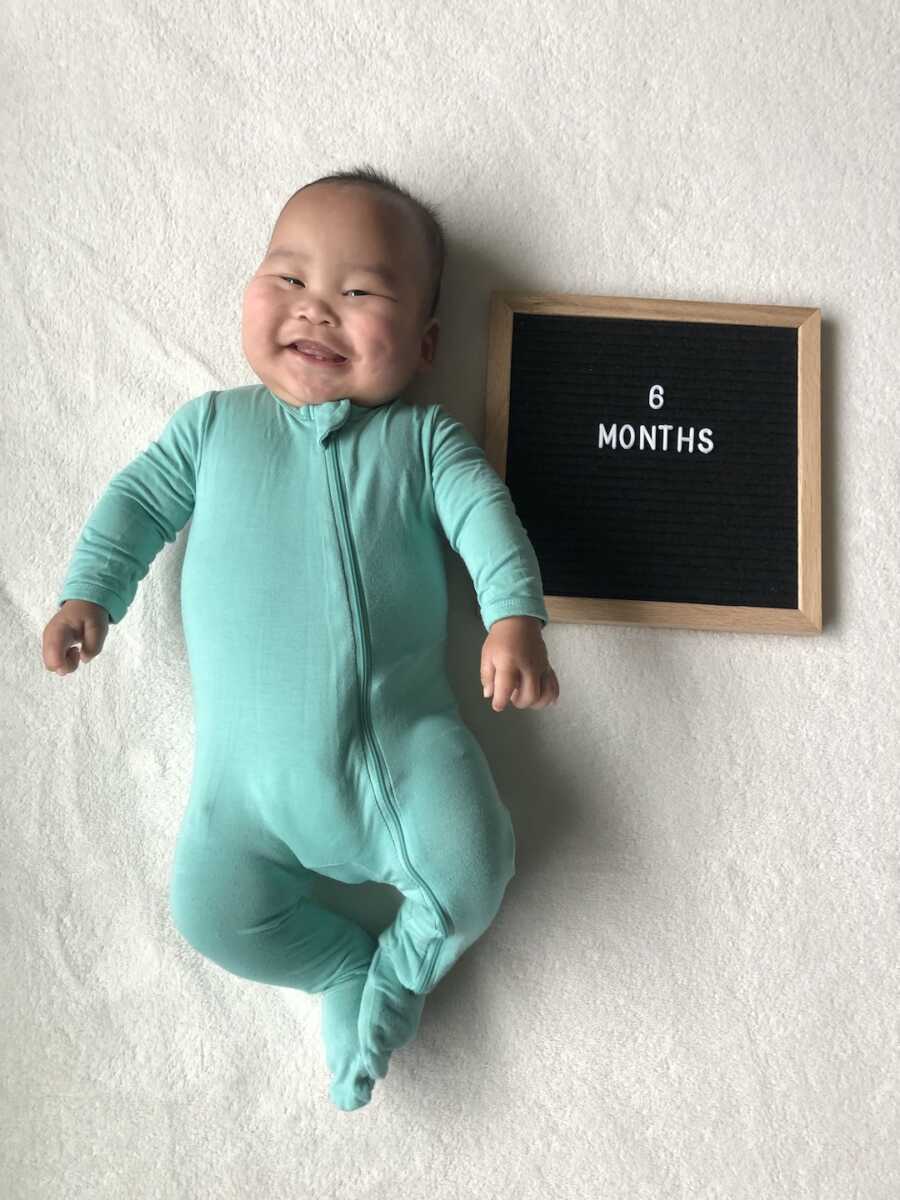
Our son, Warren, is now six months old—fat, giggly, and endlessly magical. His first mom is family to us, and we remain connected, cherishing her presence in his life. Together, we honor the roots that make him who he is.
Parenting Warren comes with joy and reflection. Even at three, our older son has noticed differences in skin color, sparking age-appropriate conversations about race, history, and identity. We talk openly about the privileges and challenges each child faces, shaping a household where culture, heritage, and respect for all humans are central.
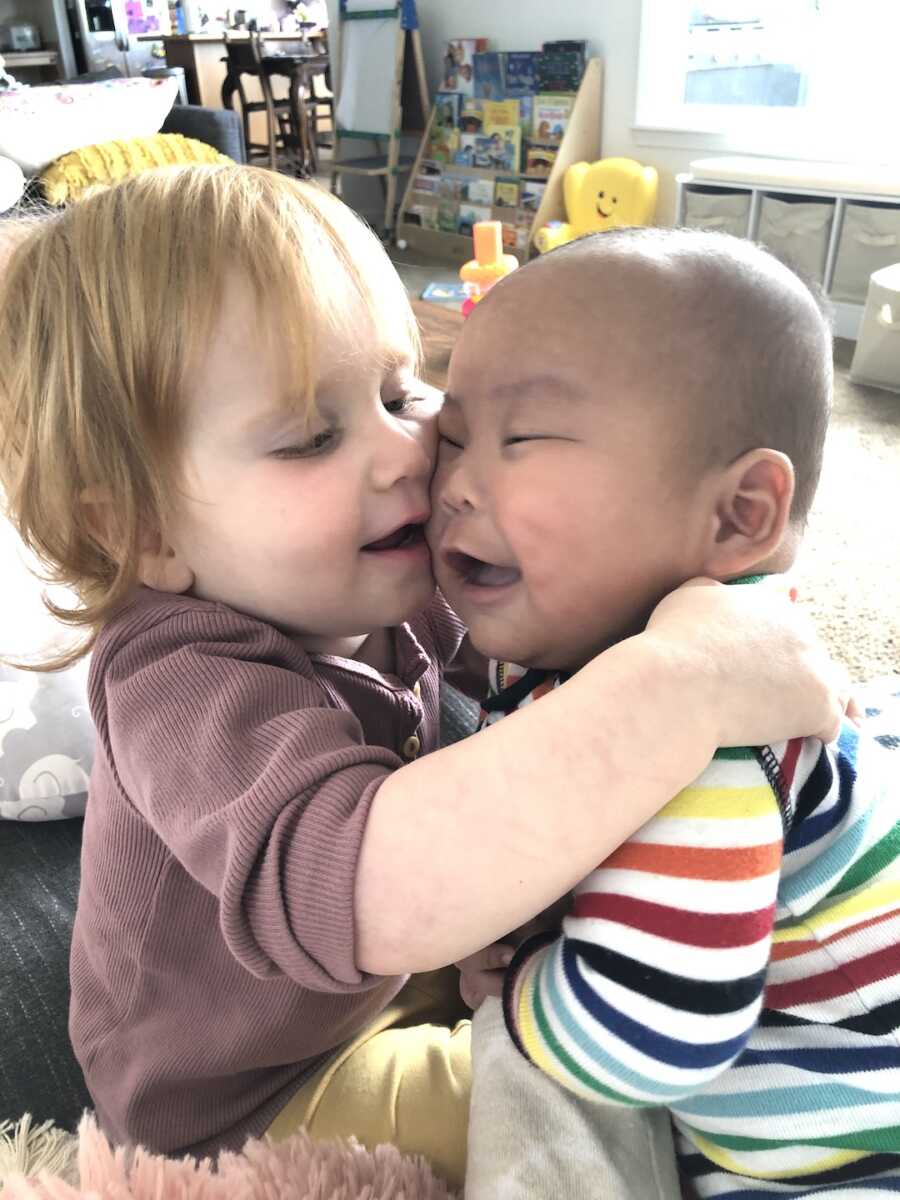
Aaron and I entered adoption knowing it was a symptom, not a solution, to larger societal inequities. We cannot fix systemic inequality or poverty overnight. We can, however, provide love, respect, and understanding. We can honor the decisions of birth parents, nurture our children, and advocate for a world where all children are valued and supported.
As the seed of adoption in my heart has grown into living, breathing reality, I am endlessly grateful. Warren, your life, your spirit, your story, continues to teach me, challenge me, and fill me with awe. We love you—every piece of you, roots and all.