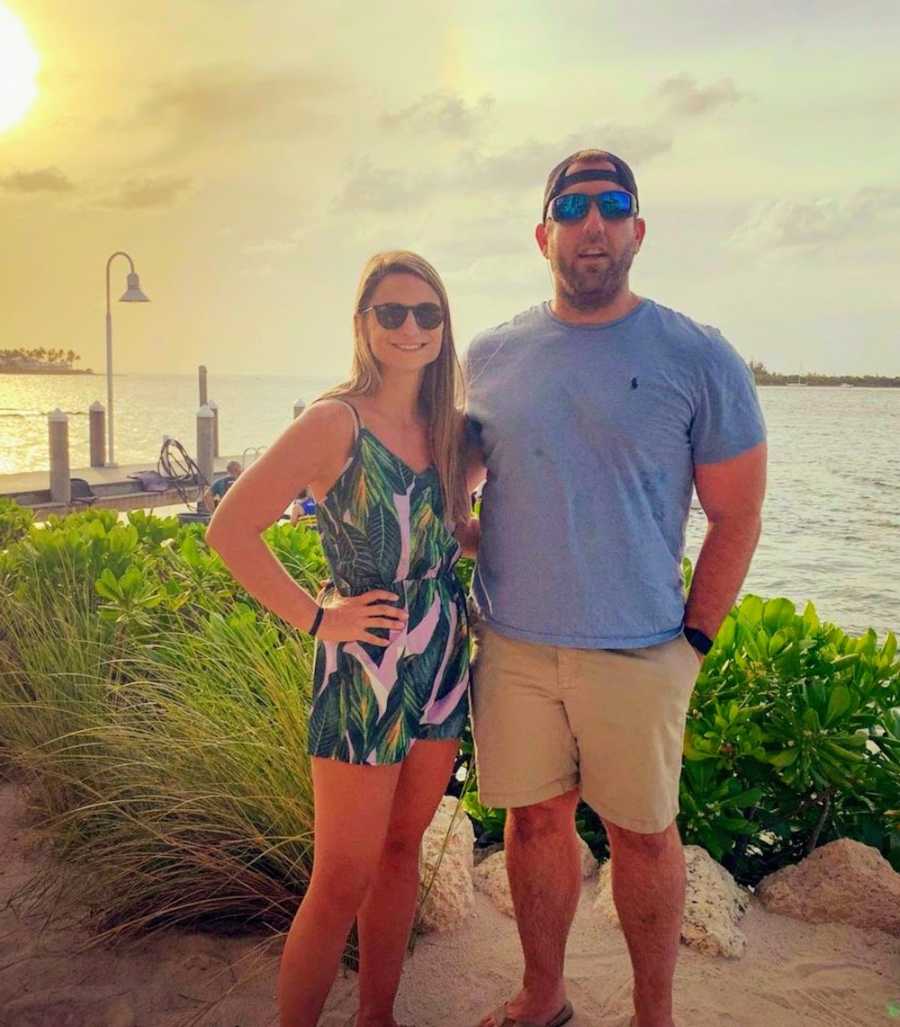
I never thought I truly wanted to be a mom. I liked kids, sure, but I didn’t feel that deep, instinctual love for them. Yet, at the same time, I couldn’t imagine a life without being a mom. My husband and I are planners, maybe a little obsessively so. We like to have a plan—and try to stick to it. Then the pandemic hit, and it turned all our plans upside down. But in that strange, quiet time, we discovered something unexpected. Life slowed down for us. For the first time in years, we felt stable. Amidst all the uncertainty, we seemed to thrive. We reconnected, rediscovered each other, and realized there was probably room in our hearts—and in our home—for one more.
So, in the summer of 2020, we decided to try for a family. To our relief, it didn’t take long before two pink lines appeared on my dollar-store pregnancy test. (My husband still reminds me I’m frugal—though really, why do pregnancy tests cost $10 each? Anxiety demands multiple tests!) The weeks leading up to our first ultrasound felt endless. I was lucky to avoid the usual pregnancy sickness—just some fatigue and food aversions—but the worry never left. Miscarriages don’t discriminate, and we knew the odds were never zero.
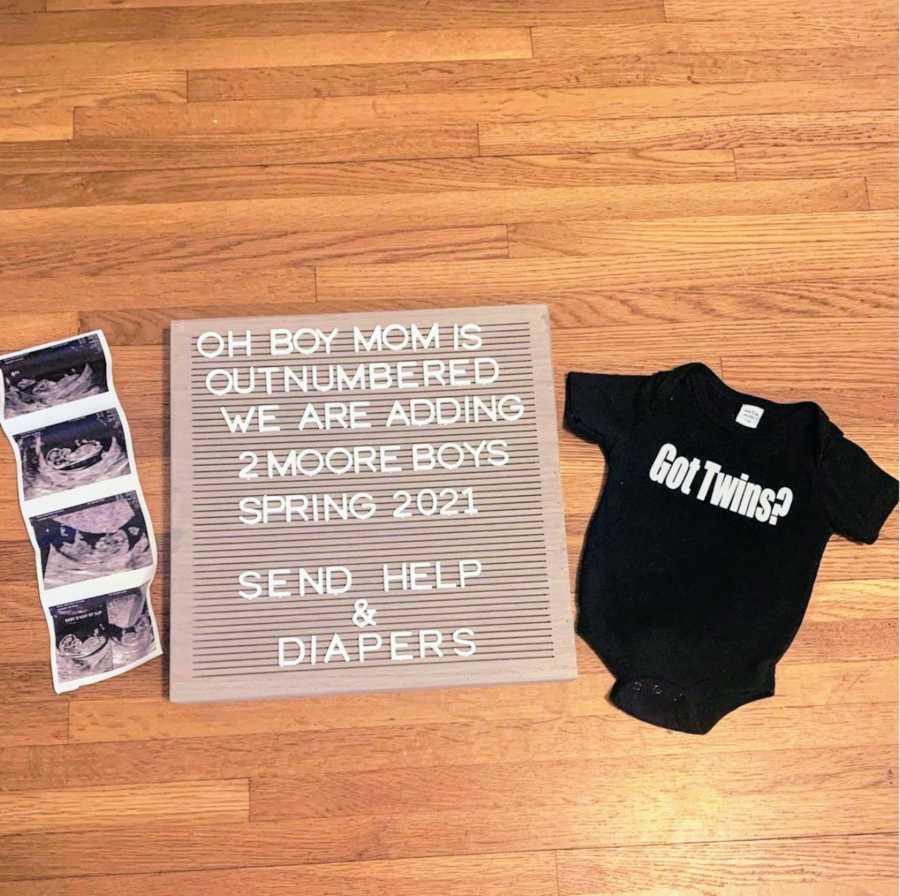
Finally, our first ultrasound day arrived. I barely slept the night before. All I wanted was one healthy heartbeat on the screen, though my mind prepared for the worst. I’ll never forget that appointment. As the wand glided over my belly, the sonographer located one baby. I said, “Oh, just one?” She confirmed, “Just the one.” I had spent weeks obsessively Googling the chances of twins. Over 35, tall, obese, family history… out of those, I only had family history—twin cousins on my mom’s side. Relief washed over us. But just as we were starting to breathe, the doctor moved the wand to check my ovaries and uttered the words, “I lied.” My world shifted instantly. My husband gripped the table as if bracing for impact. She mentioned prenatal advice, but I barely heard it. All I knew was that we were now seeing a high-risk doctor, because multiples are considered high risk. Two weeks later, my blood work confirmed it: identical twin boys.
We were overjoyed. At my first appointment with Dr. C, our high-risk specialist, he explained the unique risks of monochorionic-diamniotic twins, particularly the risk of sharing a placenta. I would need checkups every two weeks in the first two trimesters, then weekly ultrasounds, to monitor for twin-to-twin transfusion syndrome (TTTS). Delivery would be no later than 37 weeks to ensure the best outcome. We celebrated the holidays with friends and family, mostly focused on these new little lives. I felt surprisingly well, just some reflux, and as the new year began, I reached 24 weeks—the threshold of viability.
Our next high-risk appointment came in the first week of January. Usually, a sonographer would perform the ultrasound, then the doctor would review the results. That day, the doctor did the ultrasound himself—sonographers were on leave. January 6, a day marked in history for other reasons, became unforgettable for us. During the scan, Dr. C noticed Baby A was slightly growth-restricted with abnormal blood flow. He said it wasn’t critical yet, but it might mean an earlier delivery.
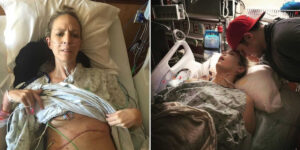
That Saturday, I went for a long walk to ease my aching back, expecting the usual morning movement from the boys after coffee. But this time, nothing. No kicks, no flutters. I didn’t panic—this had happened before—but after telling my husband, his anxiety kicked in. He wanted to rush straight to the hospital. I called the doctor first, and they told me to come in immediately. At L&D, I was hooked up to monitors. Heart rates looked okay, but movement was minimal. Three hours later, after a biophysical profile, Baby B passed, but Baby A failed. Because the hospital couldn’t deliver babies under 32 weeks, an ambulance transported me to a larger hospital downtown. By 9 p.m., I was back on the monitors, exhausted, in pain, barely able to sleep.
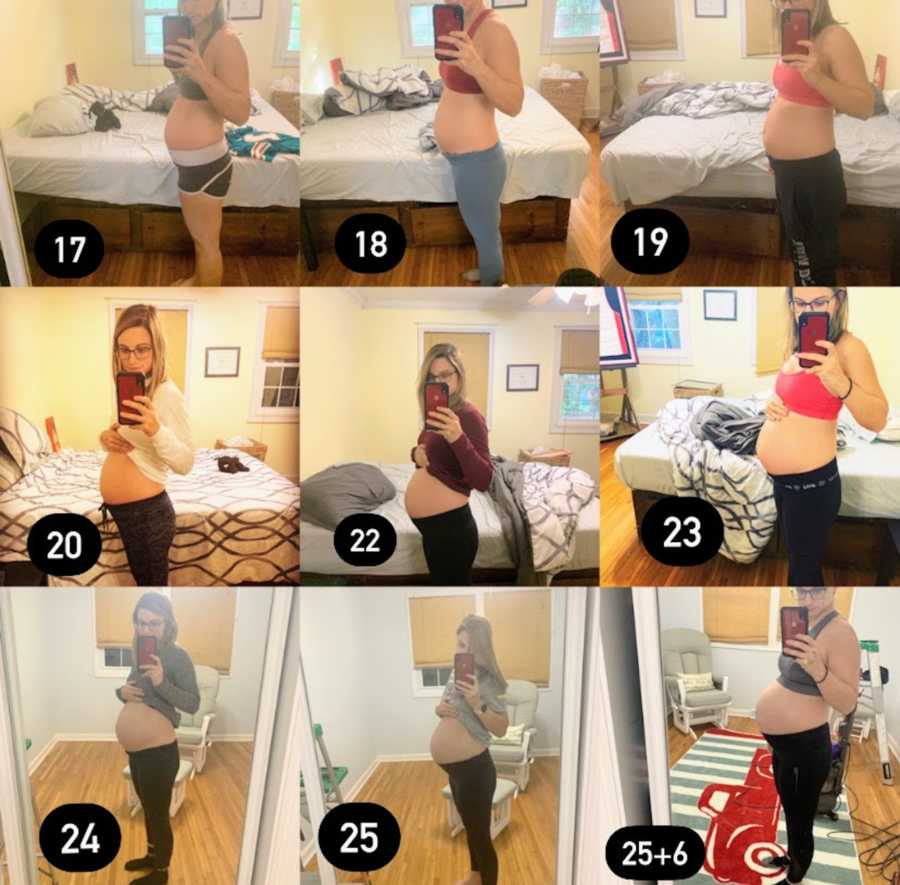
Morning brought no relief. Cramping intensified, nausea hit, and I felt desperate. I was unstrapped, ready to leave, when a nurse told me a high-risk doctor would round soon. At 10 a.m., in a miraculous twist of fate, it was Dr. C. I trusted him completely. After reviewing the ultrasound, he confirmed my worst fear: Baby A was “stuck,” Baby B had taken all the fluid and blood supply, and I had acute, onset TTTS. If the onset had been gradual, we could have flown to Houston for laser ablation surgery—but today, immediate delivery was necessary. By 10:30 a.m., preparations began. Magnesium was started to protect the boys’ brain development, making me foggy. NICU staff briefed us: our tiny sons had a fighting chance.
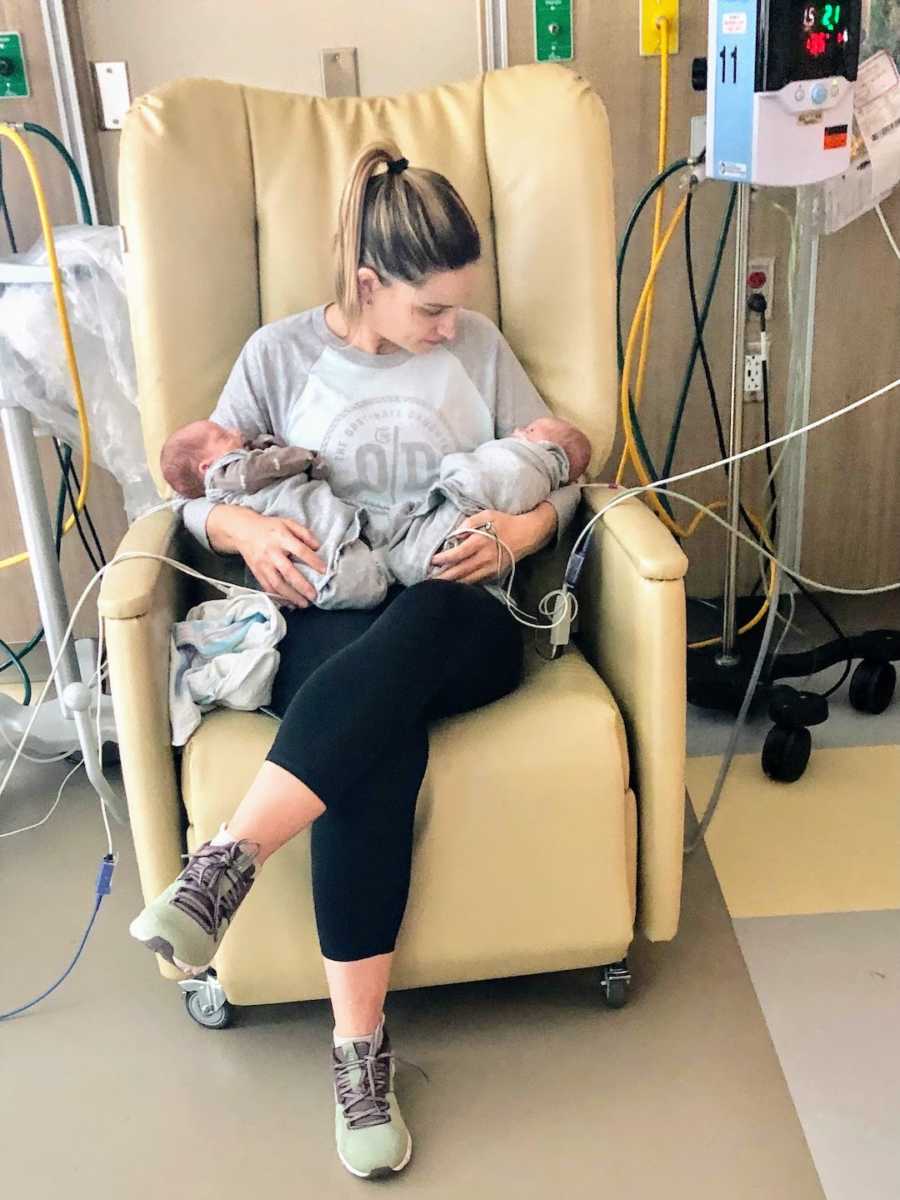
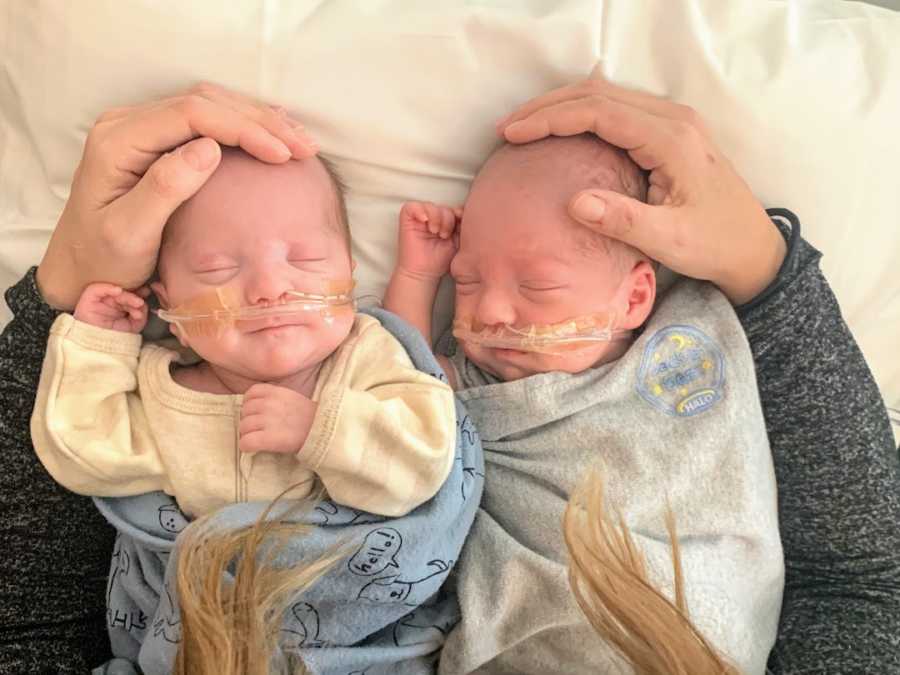
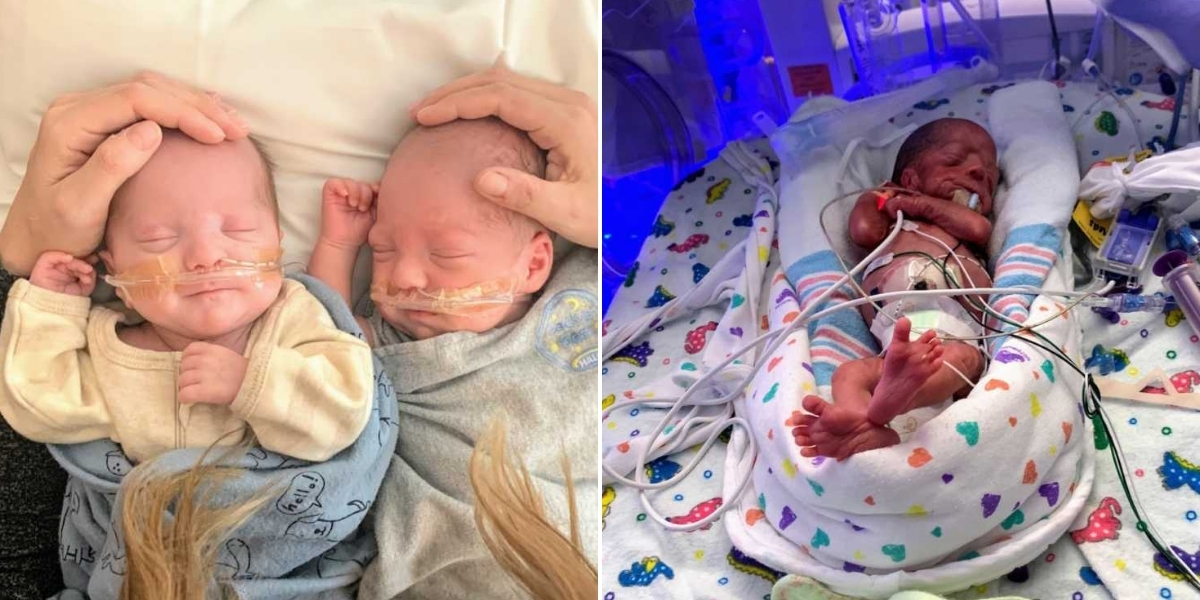
The C-section was intense. I felt the OR heat, my body shaking uncontrollably. Water broke, the operation progressed, and there were no cries, no sight of our babies yet. They were born, wrapped in tiny bags, incubators humming around them, each weighing barely over a pound. I touched them briefly before they were whisked to the NICU, where they would call home for over 100 days.
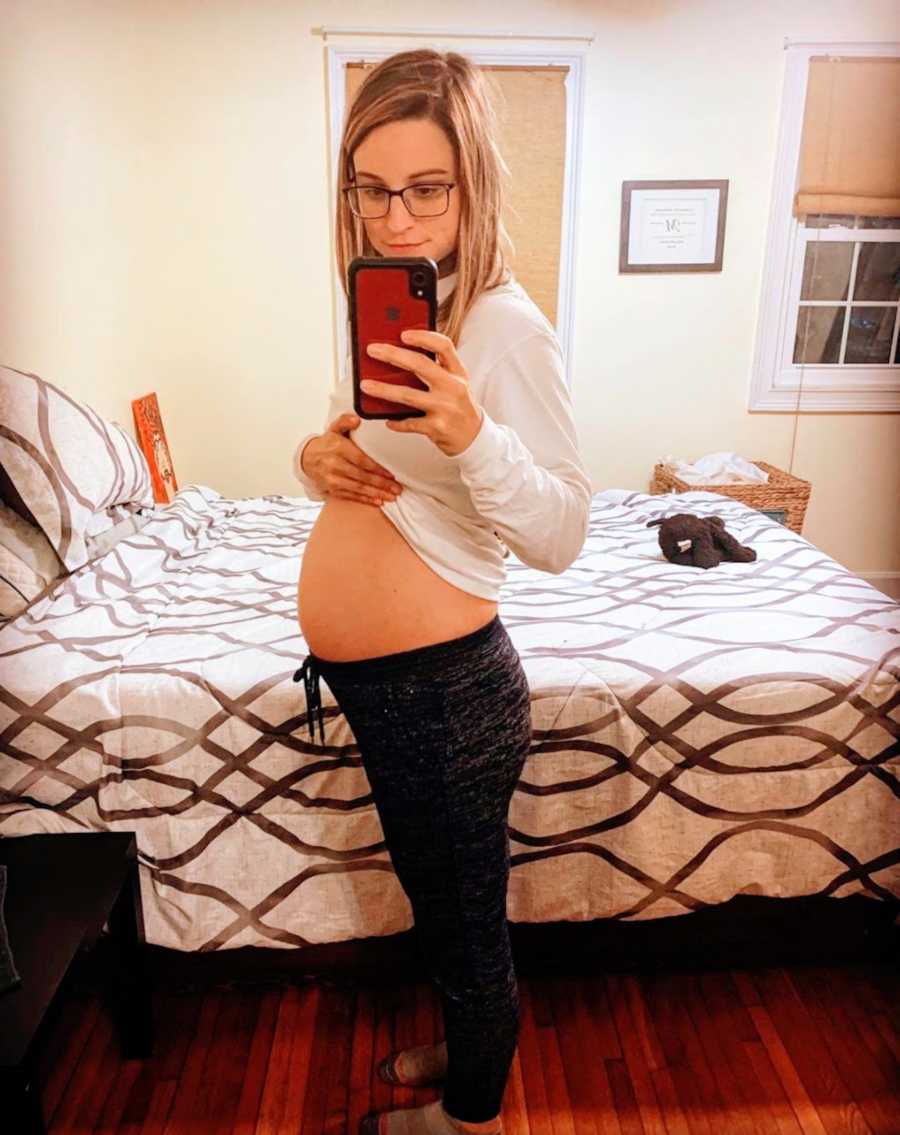
Our NICU journey was a rollercoaster. Baby A required emergency resuscitation at three weeks, and Baby B battled necrotizing enterocolitis, undergoing three life-saving surgeries. Every day was an emotional tightrope, every breath heavy with worry, yet every small milestone felt like a victory.
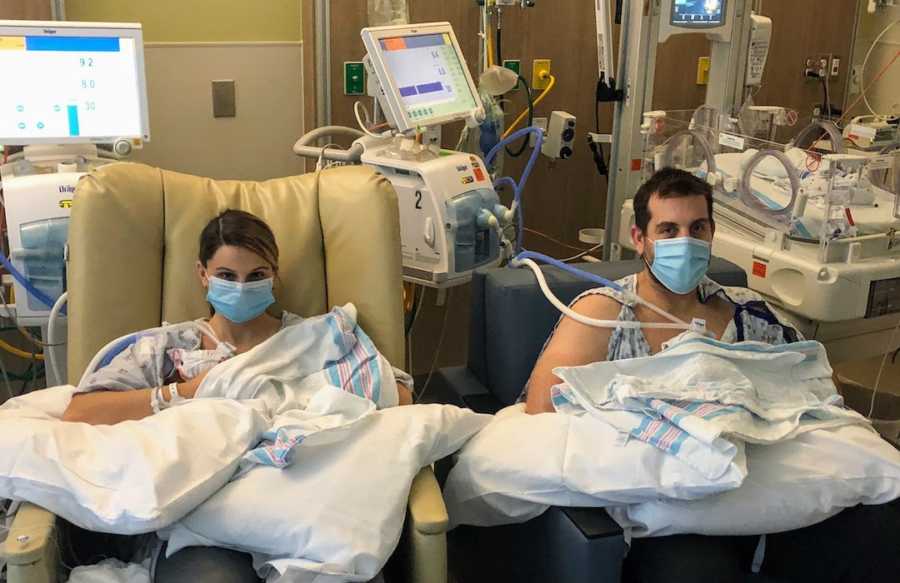
Looking back, our path to parenthood was unconventional. I never experienced a full third trimester. I never got to hold my babies immediately after birth. And yet, I wouldn’t change a single part of our story. It taught us resilience, patience, and the extraordinary strength parents find within themselves. I am endlessly grateful to the team at MUSC Shawn Jenkins Children’s Hospital—Dr. C, Dr. H, the neonatologists, nurse practitioners, nurses, and respiratory therapists who treated our boys as their own.
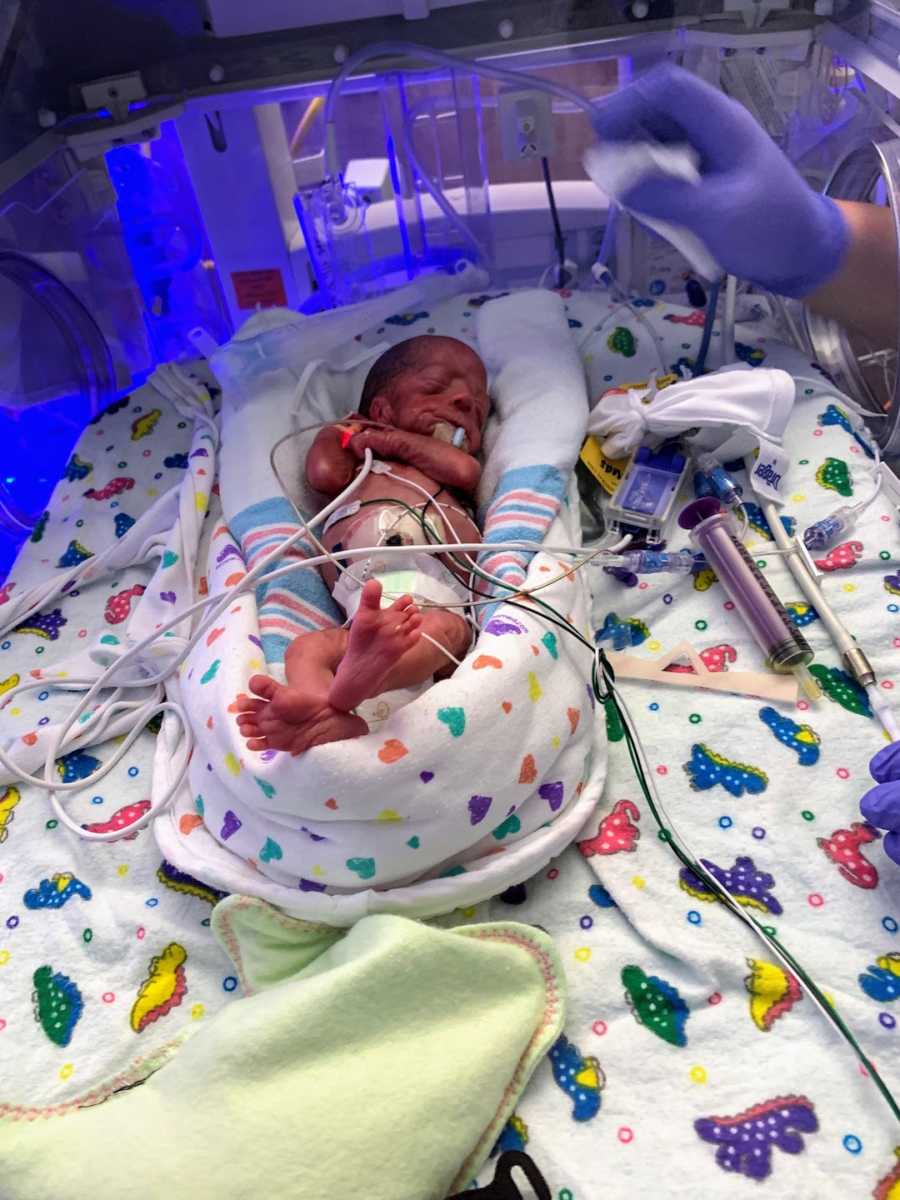
Most of all, I am grateful for Murph and Fitz—my precious twins. They taught me what it truly means to be a mother, and the strength of their tiny, fierce lives continues to inspire me. This is only the beginning of their story. A lifetime of adventures, challenges, and triumphs awaits them, and I will be there for every single one.