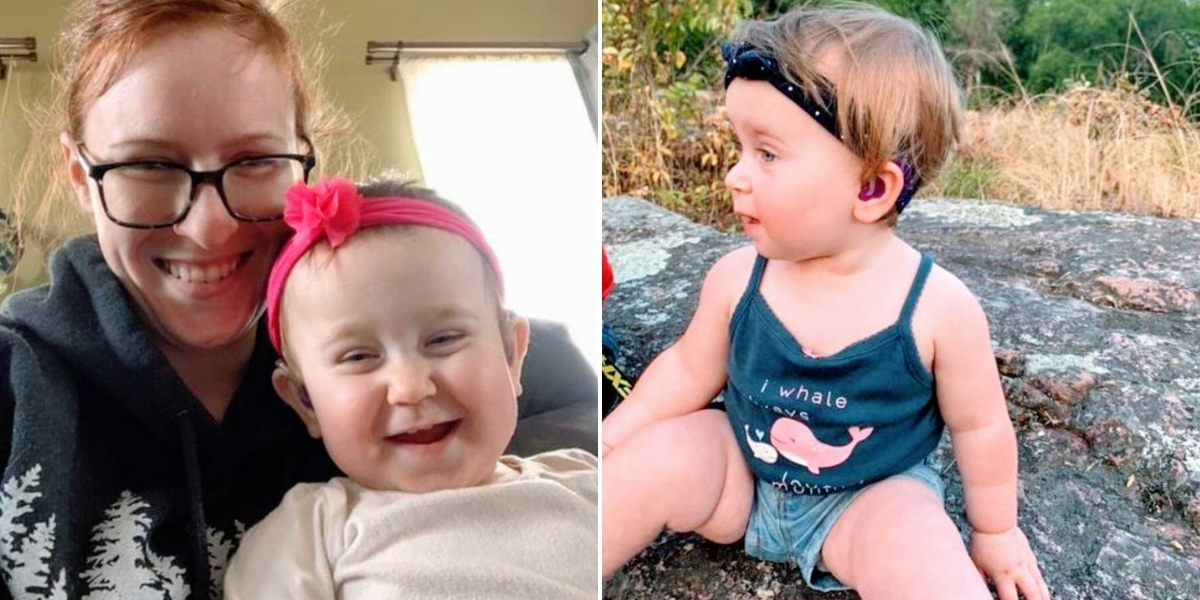
I suppose our story begins the moment we saw that first positive pregnancy test. Emotions came flooding all at once—excitement, worry, fear. Early on, I battled morning sickness for most of the pregnancy and needed medication just to keep it under control. Around 15 weeks, both Greg and I caught a nasty virus, which lingered for me much longer than I expected. And then, of course, the pandemic cast its shadow over everything. Aside from those challenges, the pregnancy felt relatively uneventful—until around 35 weeks.
The 20-week anatomy scan had shown a perfectly healthy little baby, who, it seemed, loved to stay curled up so tightly that we couldn’t find out the gender. By 36 weeks, my blood pressure had risen, prompting my OB to order a nonstress test and some lab work to rule out preeclampsia. A fetal assessment ultrasound was scheduled for the following week. I remember telling a friend that it was just a precaution—I wasn’t worried. Little did I know, that ultrasound would change our lives forever.
When I went in for the ultrasound, I noticed the technician seemed unusually meticulous, but I didn’t think much of it. She told me a doctor would be in shortly. When the doctor arrived, she said, “Your baby has hydrocephalus. Do you know what that is?” The words that followed were almost a blur—she mentioned potential mental disabilities and other complications I struggled to even comprehend. I was in shock. All the dreams I had nurtured for our little one, the happy imaginings of life with her, vanished, replaced with panic and fear. The doctor also explained that I would now deliver at the Women’s Hospital, where every resource would be available for baby. She began arranging appointments for Greg and me to meet with a new OB, neonatology, neurosurgery, and genetics specialists.
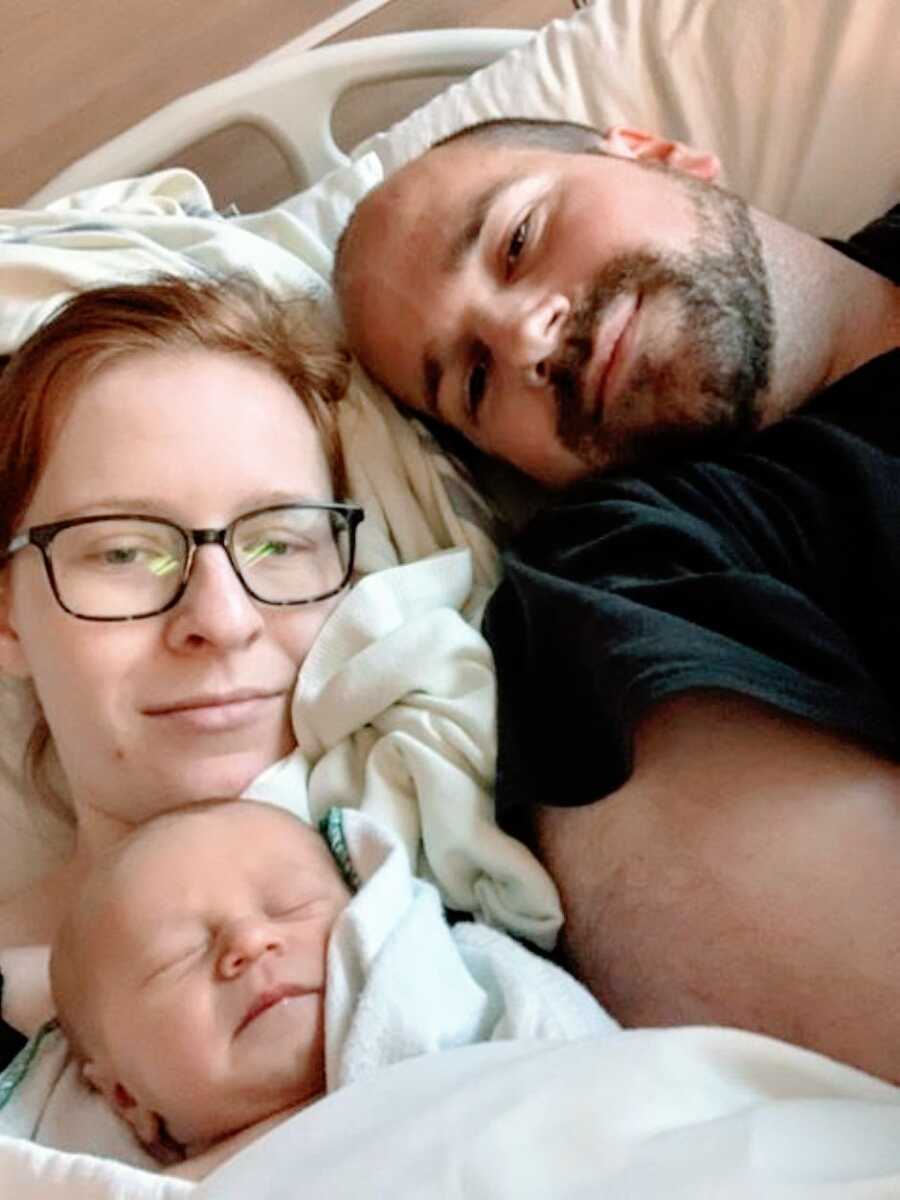
We spoke with many of these specialists by phone over the following days. The recurring message was sobering: no one could truly predict how serious things would be until our baby arrived. We were prepared for a NICU stay and warned that baby’s head might grow too large, potentially requiring a C-section. An induction was scheduled for the beginning of week 39—but our little one had other plans. She arrived three days early, determined to do things her way.
Delivery was difficult. My epidural failed, and a dural puncture left me with an excruciating headache. Baby’s heart rate began to decelerate with each contraction and refused to recover. An episiotomy was performed to get her here faster. Stacey was born with the cord wrapped around her neck and did not breathe on her own. Thankfully, a NICU team was waiting, and they were able to resuscitate her.
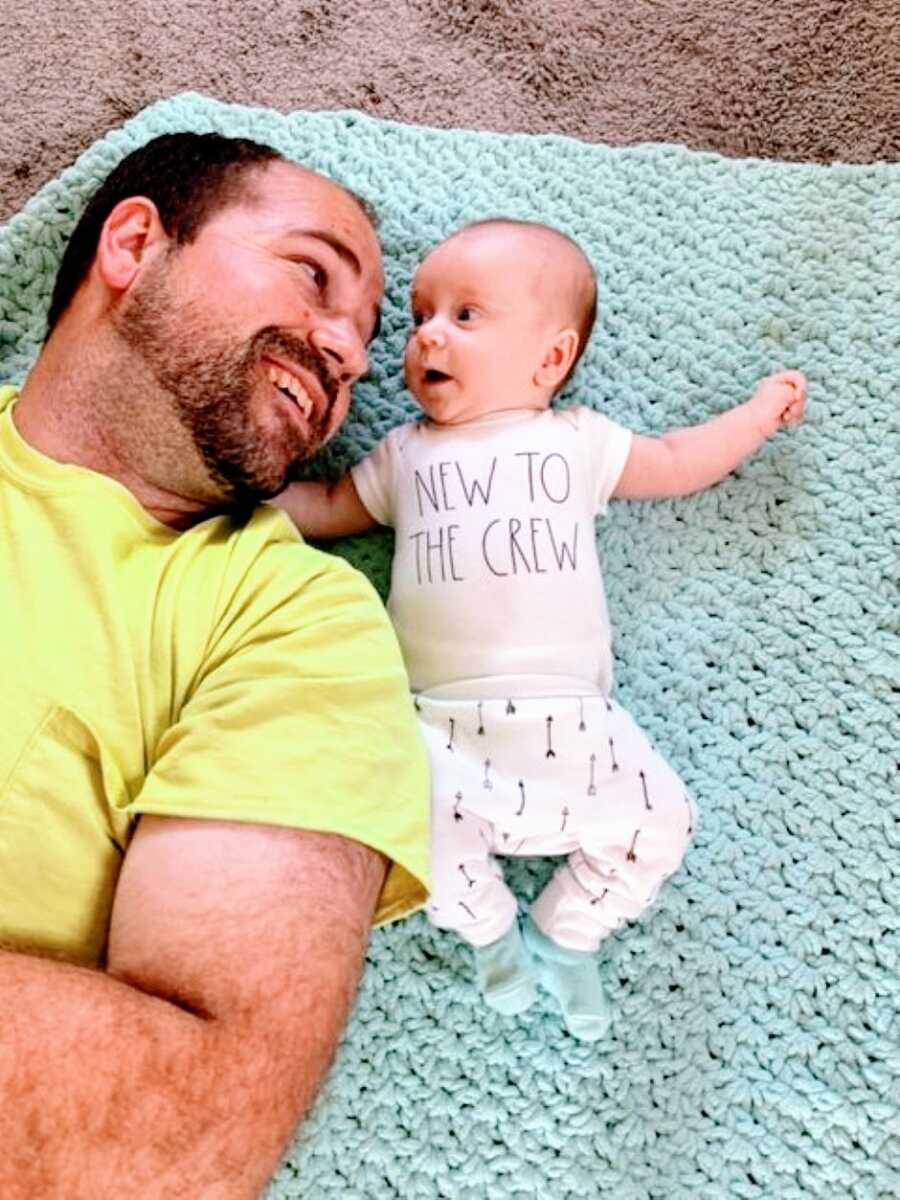
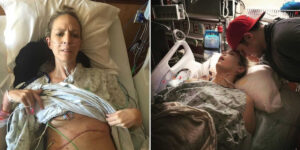
Surprisingly, she stabilized quickly. After monitoring, she was brought to the postpartum floor with me, where we stayed for five days. During that time, she had a head ultrasound, MRI, and genetic testing. Less than 24 hours after coming home, I was readmitted due to the pain from my dural headache and lingering preeclampsia, staying another three days. Finally, we were home together, beginning our first days as a family.
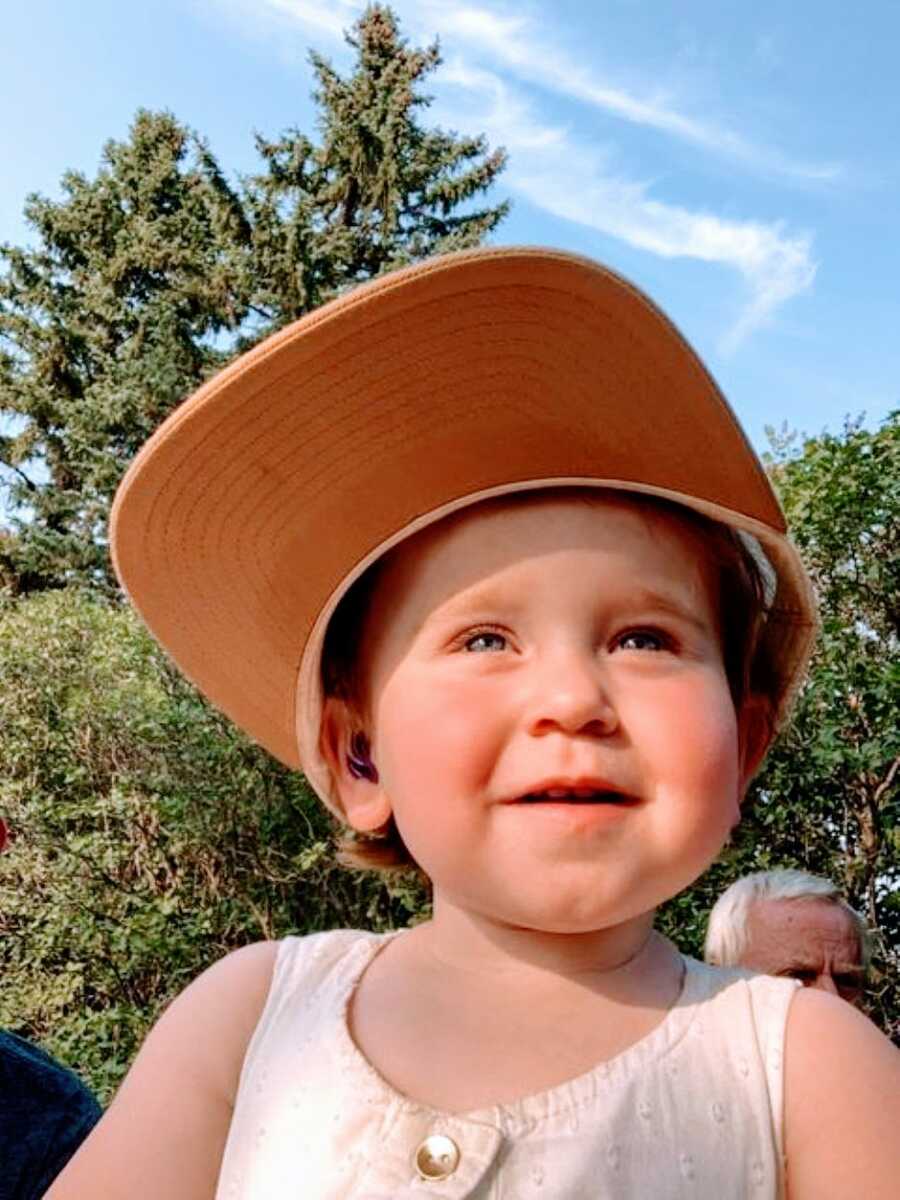
About a week and a half later, Stacey had a wellness check and another MRI. The news was difficult—her pediatrician told me that parts of her brain had never developed. Later, her neurosurgeon confirmed it but offered hope: babies’ brains are remarkably adaptable, and often, other areas can compensate for what is missing.
At three months old, Stacey was diagnosed with Chudley-McCullough syndrome, a rare genetic condition. Both Greg and I are carriers, and there’s a 25% chance it could happen again. Interestingly, the syndrome had first been identified in two of Greg’s second cousins, and the doctors who discovered it were from our hometown. The main symptoms include hydrocephalus and hearing loss. Stacey had passed her newborn hearing test, giving us hope that maybe she would be an exception—but the reality soon hit.
We went for a more specialized hearing test for at-risk children, and the results were unsettling. Stacey did not pass and was referred for further testing at the Children’s Hospital. Around four months, an ABR hearing test confirmed she was profoundly deaf. Holding my sleeping baby, I listened to the sounds through the ear buds, hoping she would respond—but she didn’t. I was overwhelmed with grief, imagining all the sounds she hadn’t yet heard: our voices, songs, the small daily noises we take for granted. I left the hospital sobbing, grateful for a dear friend who held me outside while I cried.
Over time, we began to find hope. We connected with the parents of Greg’s second cousins, who had navigated the same syndrome. They suggested the Central Hearing and Speech Clinic (CHSC), which they had helped establish. A second ABR test confirmed the initial results, but a subsequent ENT evaluation brought encouraging news: Stacey was diagnosed with auditory neuropathy spectrum disorder (ANSD), and her hearing nerve appeared intact, meaning cochlear implants could be an option.
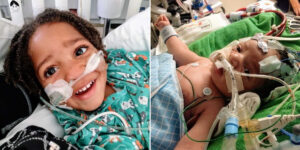
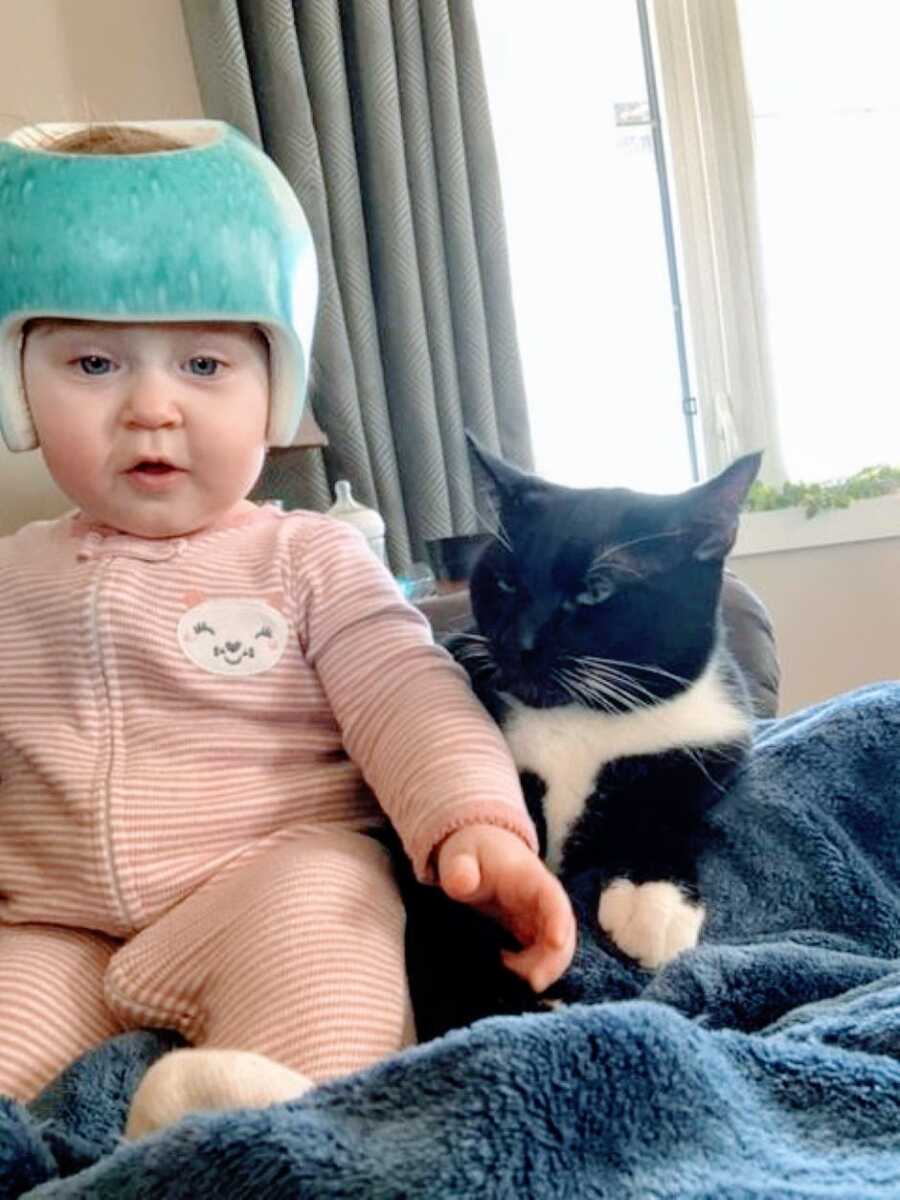
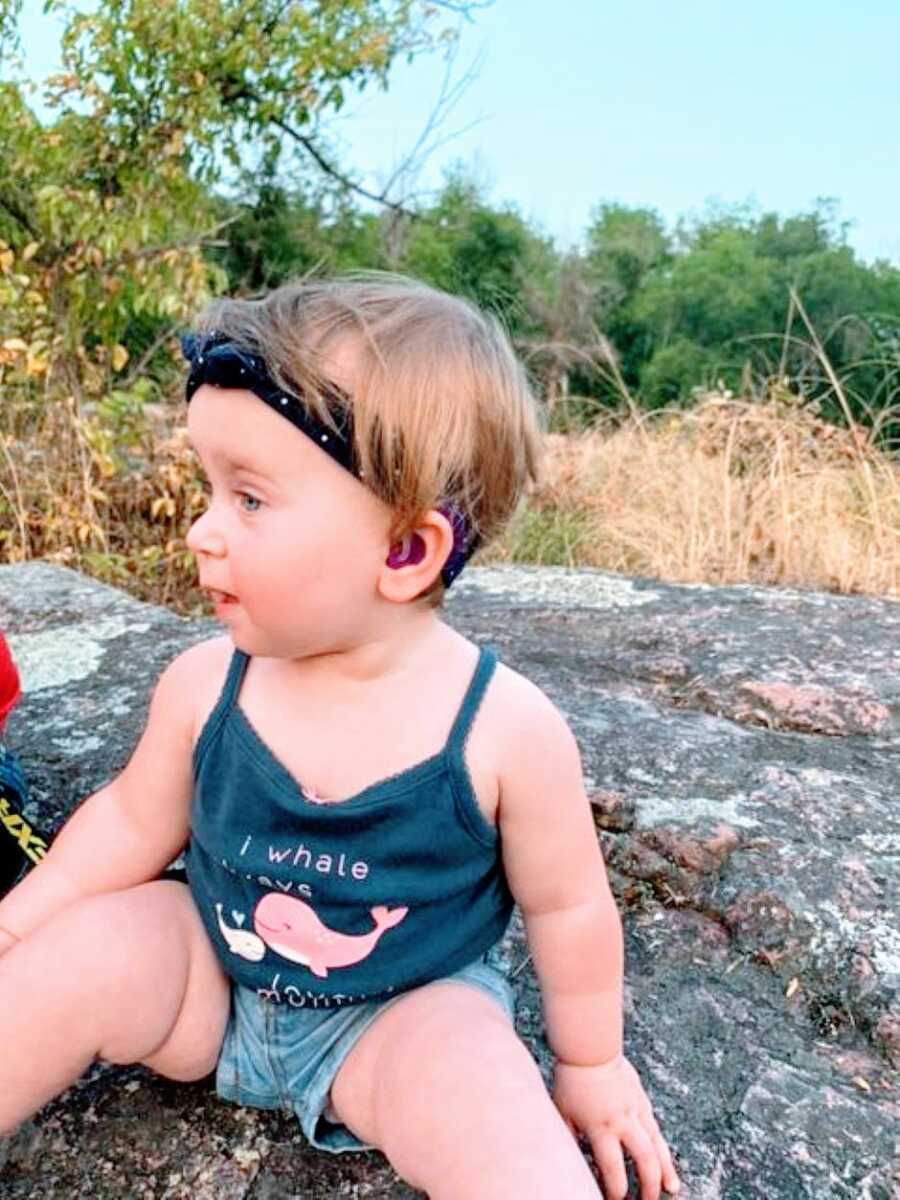
At six months, Stacey underwent neurosurgery. Unlike most children with hydrocephalus, she didn’t need a shunt; instead, a cyst blocking her ventricle was removed to allow fluid to flow freely. Surgery went smoothly, and she was discharged three days later. A couple of weeks afterward, she was fitted with hearing aids, allowing her to hear a little for the first time. Around the same time, she began physiotherapy for torticollis, which had caused her head to tilt slightly and develop a mild misshape. She wore a cranial helmet for four months, and though it made cuddling a bit tricky, her head shape improved dramatically.
Today, Stacey continues with physiotherapy and has added occupational therapy. Developmentally, she is only a few months behind typical milestones—speech being the main area of delay, which we are addressing with therapy. Cochlear implant surgery has been delayed due to COVID, but we are eagerly awaiting her bilateral implants at 15 months, with activation planned a week later. We cannot wait to hear the moment she experiences sound fully for the first time.
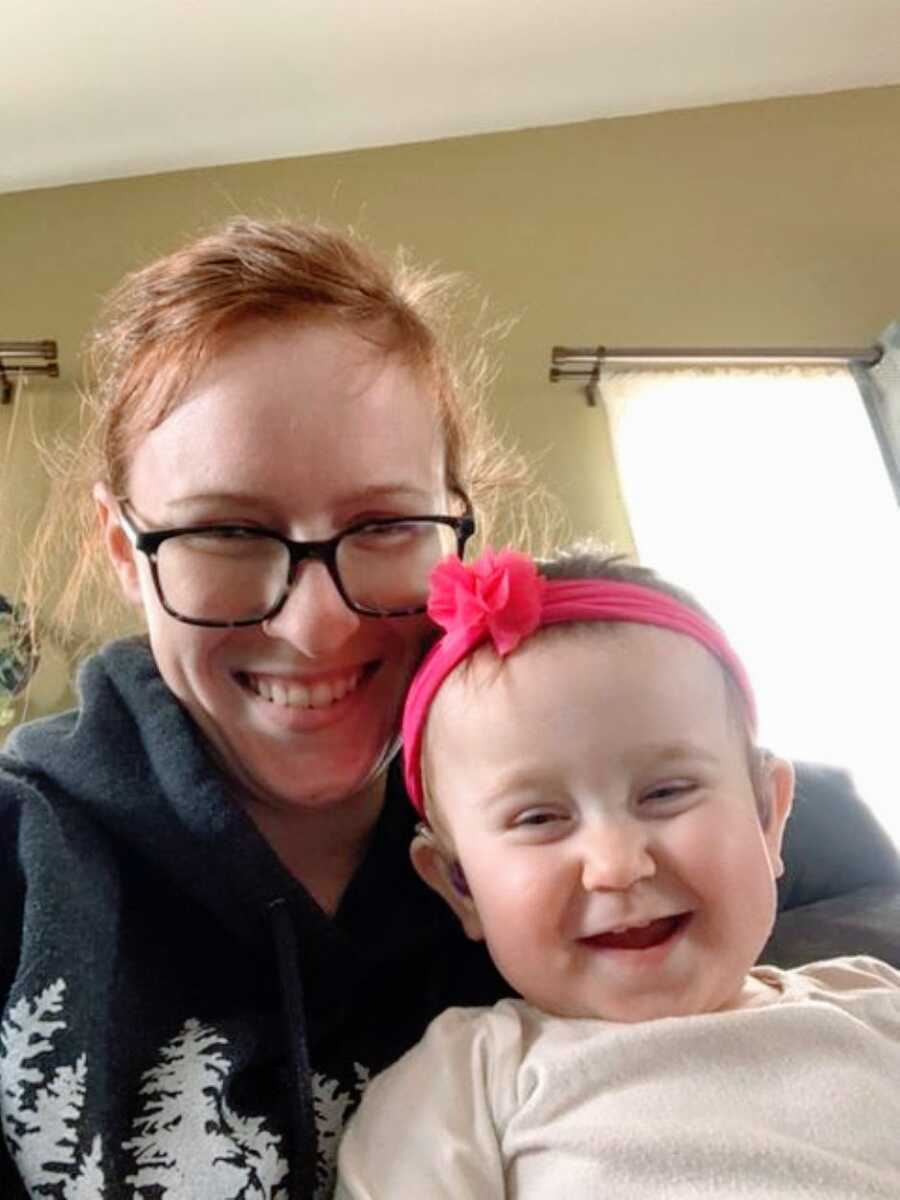
This past year has been an emotional rollercoaster, but we have been supported by an incredible team of specialists and a loving community. Stacey is a happy, strong-willed little girl, stubborn in the best way—determined to do things her way, just as she always has. She faces challenges, yes, but she does so with courage, resilience, and joy. She is not mentally handicapped, contrary to the early predictions, and once her implants are activated, her speech and world will blossom. We are endlessly grateful for the love, guidance, and care that have surrounded us through this journey.