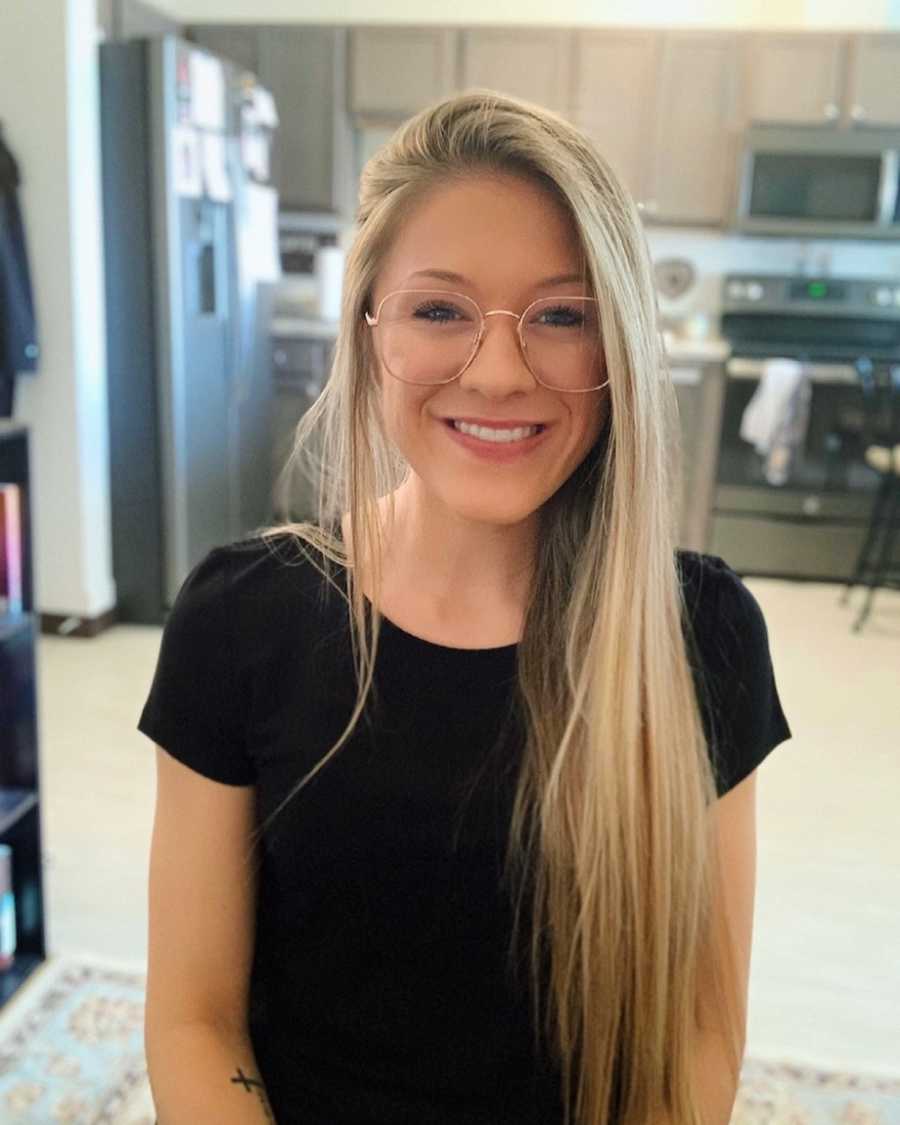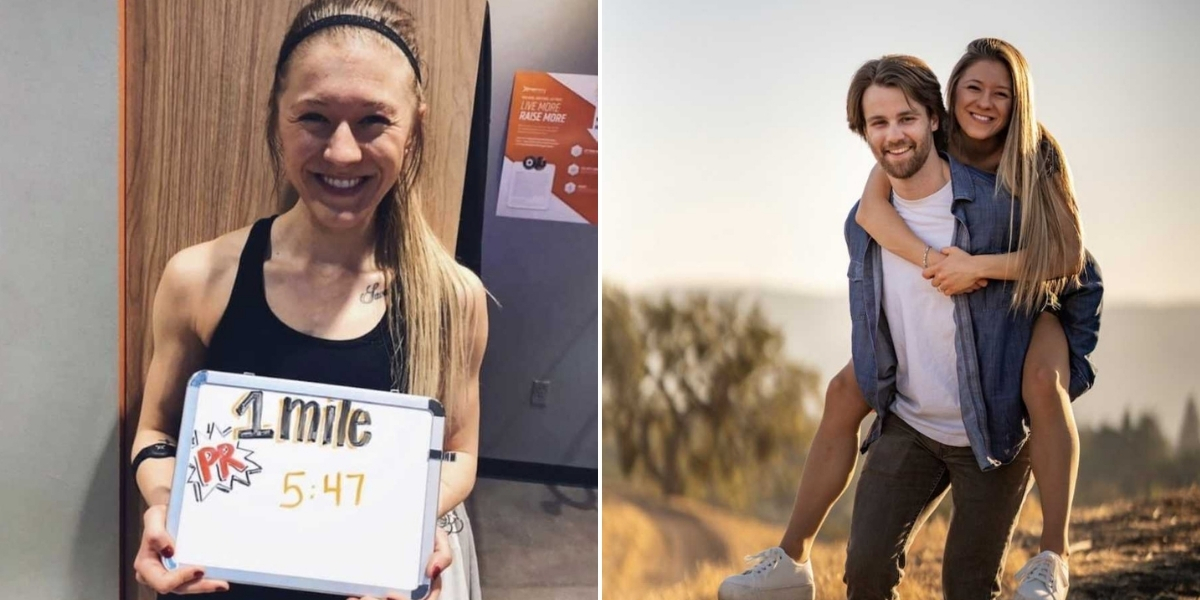
I’ve always been a very physically active person. There’s something indescribable about pushing my body to its limits—the thrill of surpassing goals, the quiet joy that comes with setting new personal records. Growing up, I trained as a gymnast for 20 hours a week, competing on weekends, and occasionally joined my dad for his morning runs before work. I fell in love with the rhythm of my feet hitting the pavement, the dewy morning breeze on my skin, and the steady thrum of my heart making me feel fully alive. At that stage, though, I didn’t truly recognize how transformative running would become in my life.
Everything changed when a wrist injury forced me to quit gymnastics. Losing something I had dedicated most of my life to was devastating. For a while, I felt lost, unsure of who I was or how to fill the dozens of hours I had suddenly gained each week. That’s when I remembered running. I started running consistently on my own, eventually carrying the practice through college while studying pre-nursing and juggling a part-time job. In 2015, I ran my first marathon—the Chicago Marathon—in support of the University of Iowa Dance Marathon. Running became more than exercise; it became therapy, a mental and emotional space I didn’t even realize I needed until I’d lost gymnastics.

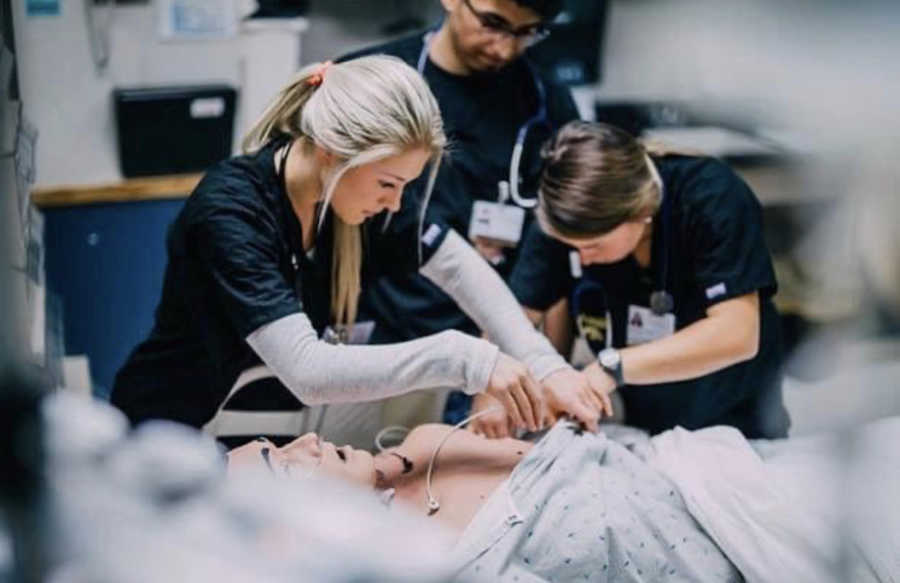
In 2018, after years of hard work, I became a full-time registered blood cancer and stem cell transplant nurse. I was eager to be a small light during some of my patients’ darkest days. I worked 12-hour shifts, three days a week, and relied on running as a meditative escape, especially while navigating the challenging transition from student nurse to floor nurse. Around this time, I also joined Orange Theory Fitness (OTF), a group fitness studio combining cardio and strength training. The friendships I formed there, along with the camaraderie of cheering one another on, helped me feel part of something bigger than myself. The treadmill at OTF became my outlet whenever work felt heavy—after a patient passed, after delivering devastating news, or simply after another high-stress shift.
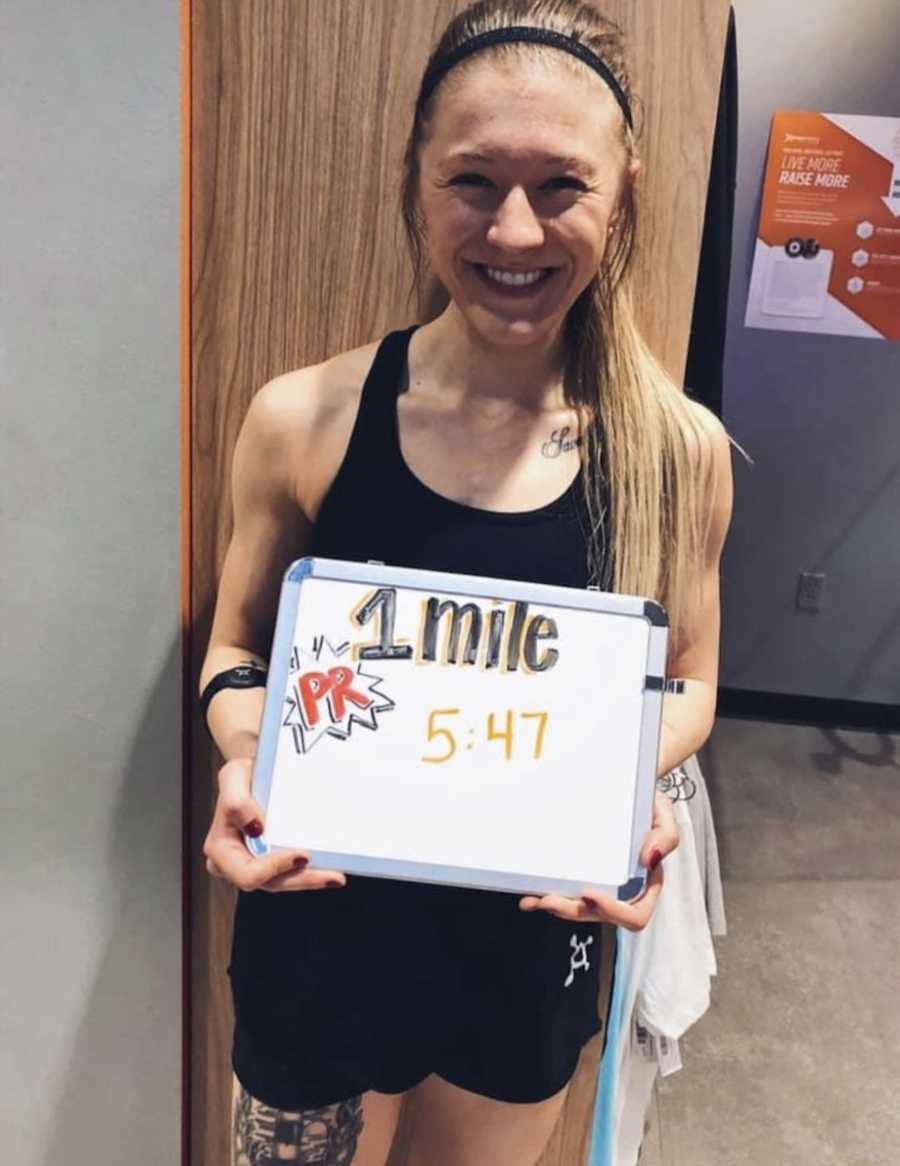
By May 2019, I hit a personal milestone: running my fastest mile at 5 minutes and 42 seconds. I was elated, radiating pure happiness, and excitedly shared with friends my goal of breaking 5 minutes and 30 seconds. But in June, things began to shift. My hips started aching during runs, and I noticed morning stiffness that lingered until I moved around. I brushed it off initially, adjusting my schedule to afternoon workouts, but my body had a story of its own.
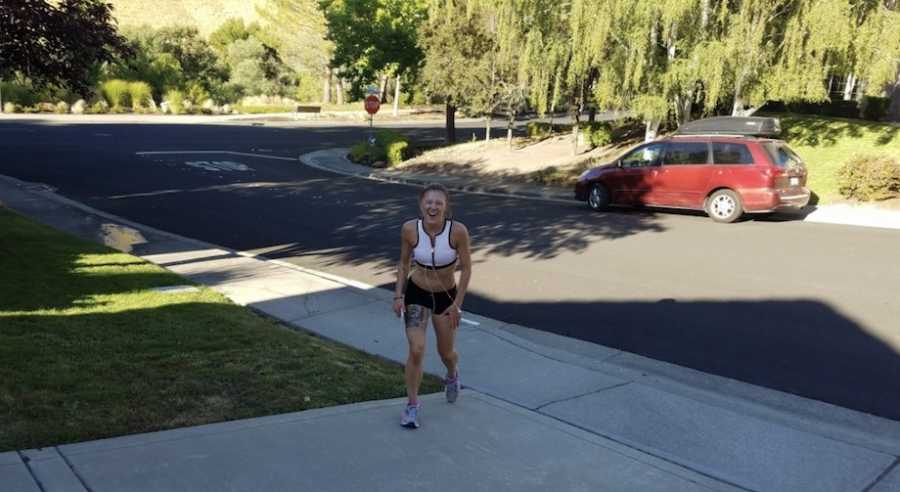
Visits to my PCP led to physical therapy, with the assumption that I’d overdone it at the gym. But I instinctively knew something deeper was happening. Over the next months, my pain worsened. I went from running five times a week to avoiding the gym entirely. Simple morning steps were agonizing, toes swollen and red, leaving me holding back tears. I limped for hours, and 12-hour shifts became daunting. Running felt impossible; even crossing the street quickly to avoid a car was out of reach. This wasn’t a minor injury—it was something far more serious.
I had been diagnosed with plaque psoriasis at 12, mostly affecting my scalp, elbows, and occasionally knees. My dermatologist had warned me of psoriatic arthritis (PsA), urging me to call if joint pain appeared, but it always felt like something that happened to other people—not me. Denial lingered, but the truth eventually caught up. In November 2019, at 26, a rheumatologist delivered a diagnosis: psoriatic arthritis, “textbook case.” Sitting on that cold exam table, grief washed over me in waves. I had hoped it was just an injury, something fixable. But no, this was permanent, life-altering.
In what felt like an instant, my life shifted. From oncology nurse to rheumatology patient. From avid runner to struggling to walk a mile. My body seemed to age decades in months. Races were replaced by medication trials. Friends struggled to relate, and the most common response—“you’re too young for arthritis”—was exhausting. I learned to smile and nod, carrying the isolation silently.
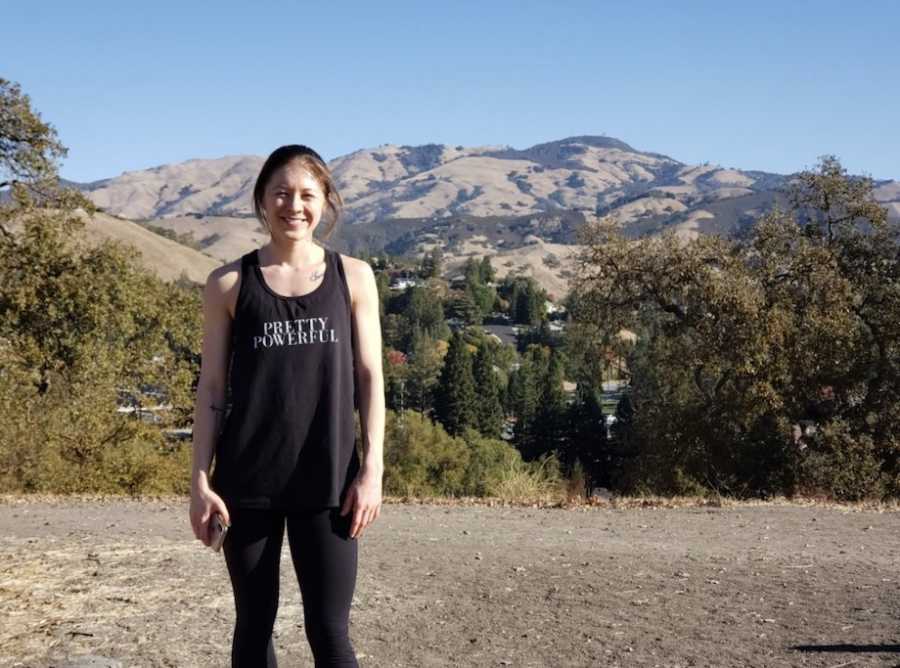
The stress of work compounded with my diagnosis, and soon the pandemic arrived. My primary coping mechanism—running—was gone, and I felt trapped in my body, spinning helplessly. My doctor advised switching to immunosuppressant medication, a terrifying prospect amid COVID-19. I wrestled with fear and confusion, but with patience, guidance, and a careful plan, I began the treatment that would ultimately stabilize my condition.
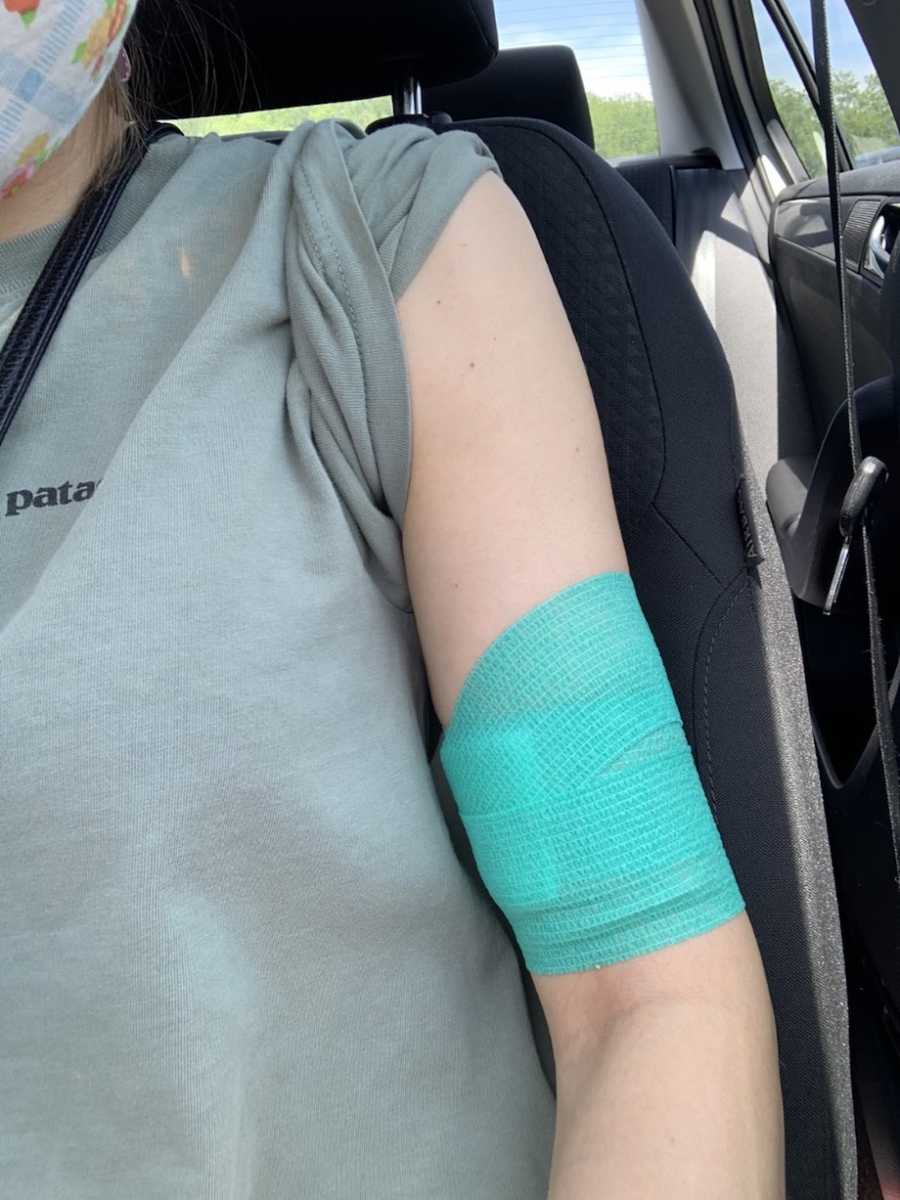
Depression shadowed me during those early days. I felt imprisoned in my own body, fatigued by medication, crippled by joint pain, and emotionally drained. I longed for the rush of running—the breeze on my skin, the heartbeat against my chest—but it seemed unreachable. Guilt gnawed at me for grieving my mobility as a blood cancer nurse, witnessing patients fight for their lives. Grief became a recurring cycle, with each flare-up and setback testing my resilience. Fortunately, I found a compassionate therapist who helped me navigate the unpredictability of PsA.
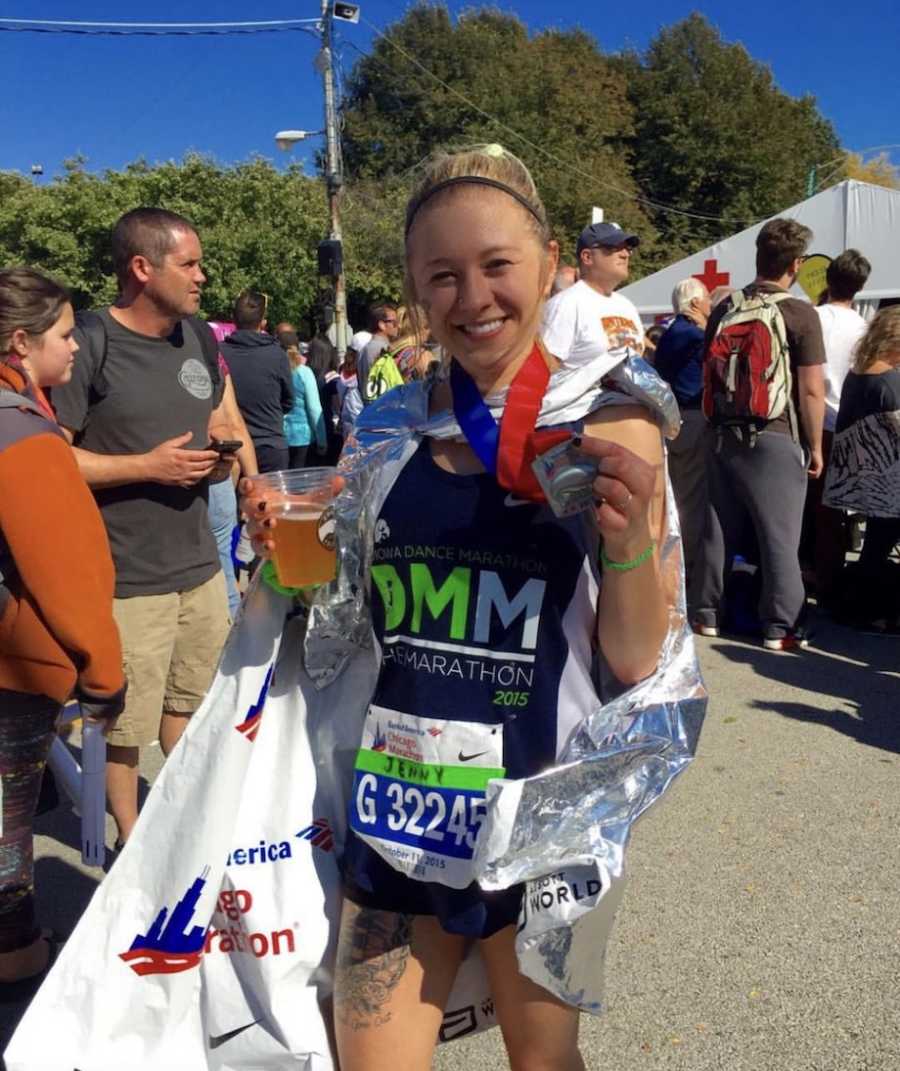
In May 2020, seeking connection, I created an Instagram account. I wanted to meet others my age facing similar challenges. Almost instantly, I found a community that understood, that didn’t dismiss my experience because of age, and that offered space to process grief, pain, and adaptation. Sharing my story became an outlet, similar to running, and also a way to support others navigating PsA. This community became a lighthouse not just for my followers, but for me as well.
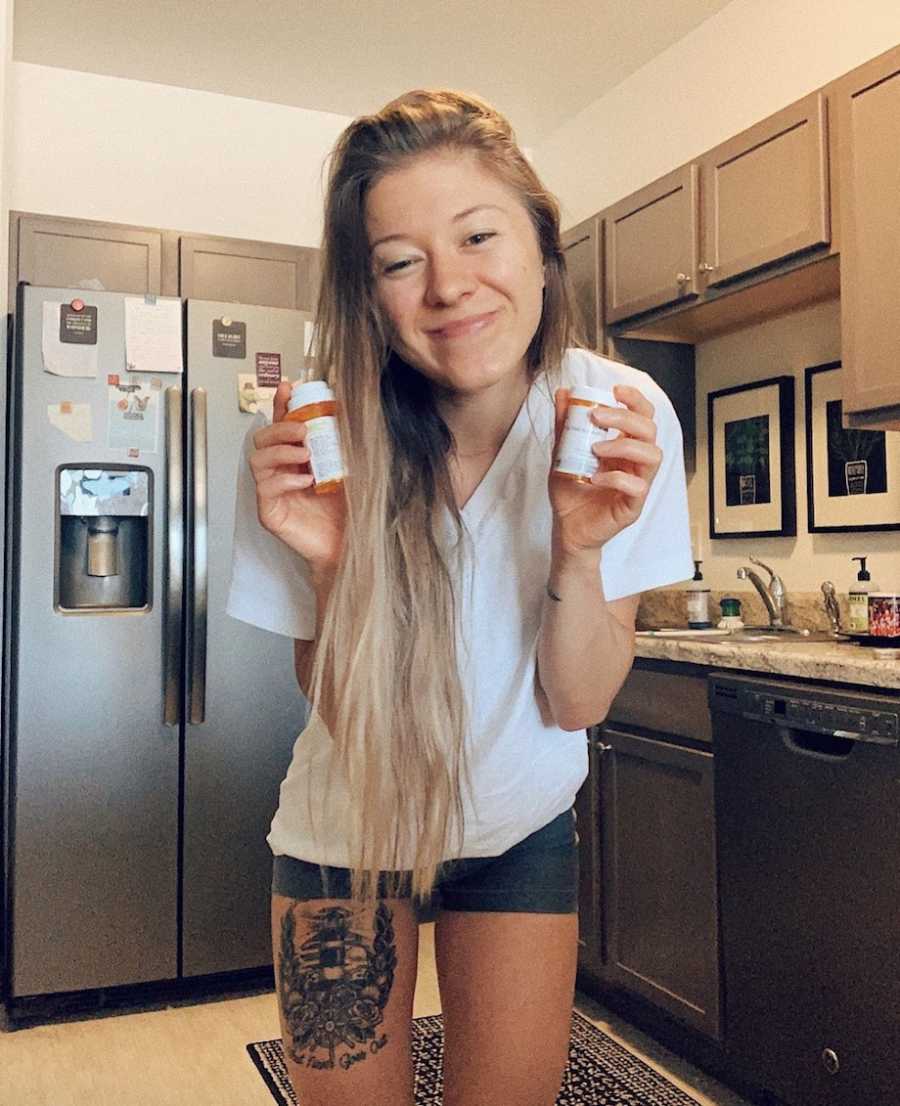
Now, after a year and a half of trial and error, I’m on a medication regimen that works. Fatigue still lingers, but I’ve returned to running, something I thought I’d never do again. Pain at work is minimal, and I no longer fear giving up the things I love. I’ve also partnered with Healthline, guiding others through their PsA journeys via their new app, PSA Healthline, expanding the reach of support beyond Instagram.

To anyone newly diagnosed with PsA: even when it feels hopeless, things can improve. Pain may linger, mobility may fluctuate, but you become stronger, more resilient, and wiser in the process. Your feelings are valid—there’s no need to force silver linings. Your worth remains unchanged by diagnosis, mobility, or need for support. You are invaluable, and your story matters. Share it, because it can light the way for someone else, just as others have for you.