Loss. Perpetual loss. It’s a state of living where your eyes are always open, your guard always up, because you can’t risk another devastating heartbreak. I think of it like people who chain their wallets to their belt—holding tightly to what they treasure, trying to keep it safe.
But what do you do when it’s your own heart you’re trying to protect? And that heart is attached to so many things: your children, your dog, your husband, siblings, your job, money, travel, your own parents… The navigation isn’t simple. It’s messy, disorienting, traumatizing. There are moments of mania, detachment, addictive behaviors, and an undercurrent of fear—so much fear.
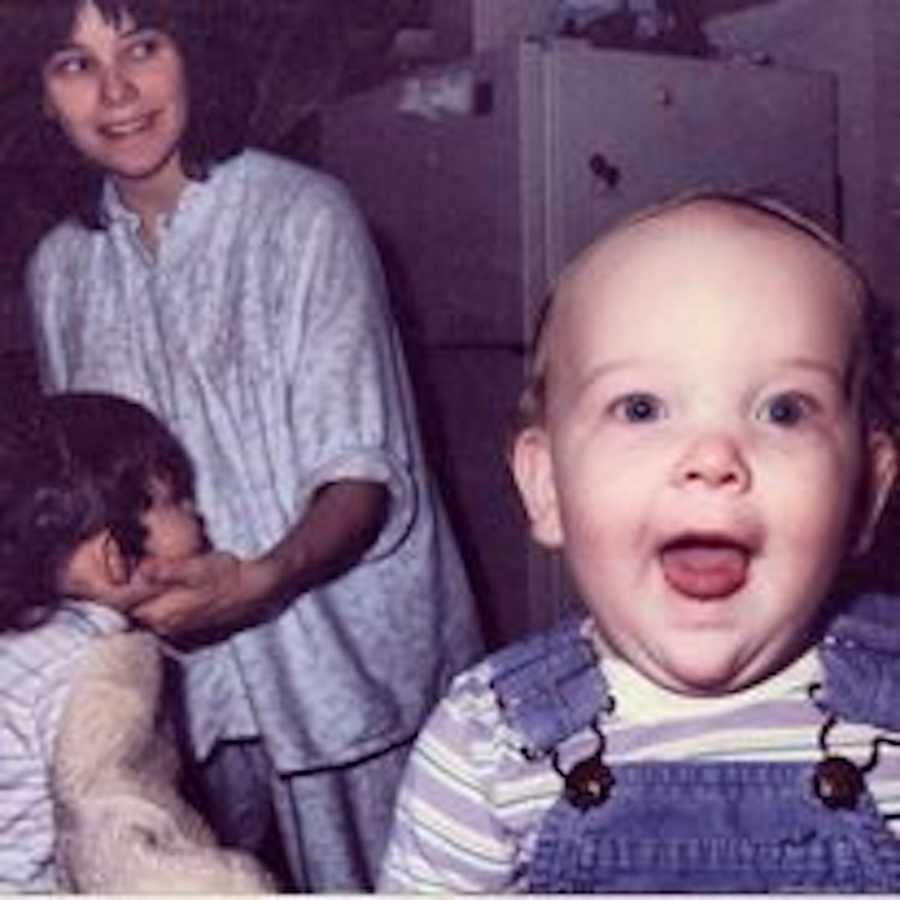
My childhood felt carefree, as I imagine most childhoods do. I was surrounded by a half dozen aunts and uncles and dozens of cousins, every single day. Our house in Kodiak, Alaska, had panoramic windows framing fishing boats, soaring bald eagles, and fog that rolled in like a quiet lullaby. That house was home. And even now, decades later, that life still feels like home—even though it all changed in an instant.
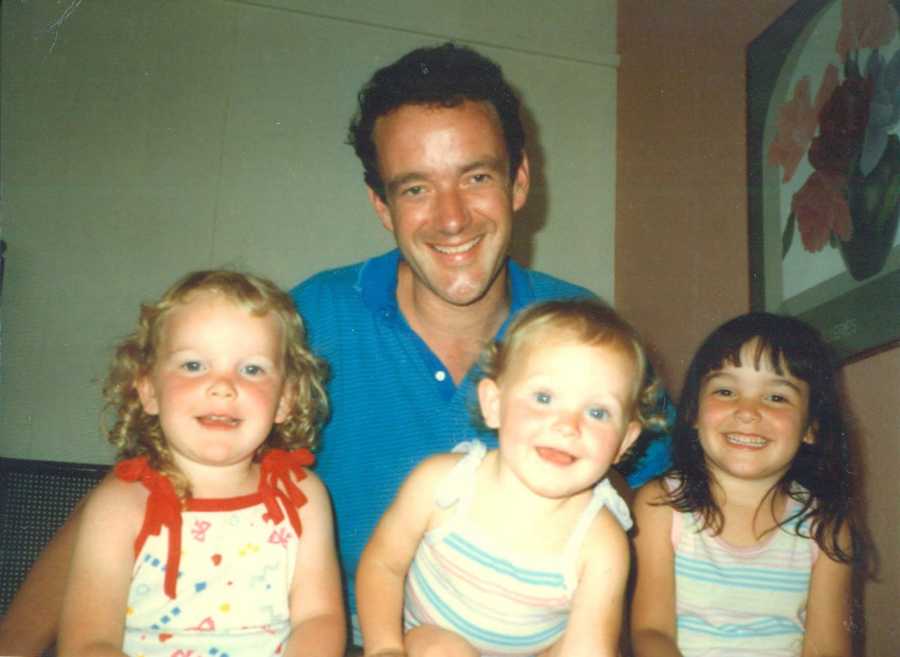
I was twelve when my mother died. My youngest sibling was a baby, just learning to walk. It was Easter, and a brain aneurysm took her from us—just like that. Gone at thirty-five. No warning, no explanation. I’ve spent over twenty years trying to block it from my mind, trying to protect my heart from the rawness of that pain.
Her sudden death changed everything. I changed. I turned to drugs and alcohol to numb the ache, binged and purged on food to fill the emptiness. Anything to occupy my mind, avoid reality, and survive. And for fifteen years, it worked—until it didn’t. Life and loss kept coming, and avoiding them was no longer an option.
It’s like loading everything into the back seat of a car, only to slam on the brakes. Everything flies forward. That’s what sobering up felt like: the protective walls I’d built shattered, and I had to face everything I’d been hiding from.
But then, life kept layering grief upon grief. How can you process new loss if the old loss is still unhealed? Four miscarriages, six aunts passing away, all of my grandparents. Every layer of grief piled heavier on the last, and there was no place to breathe.
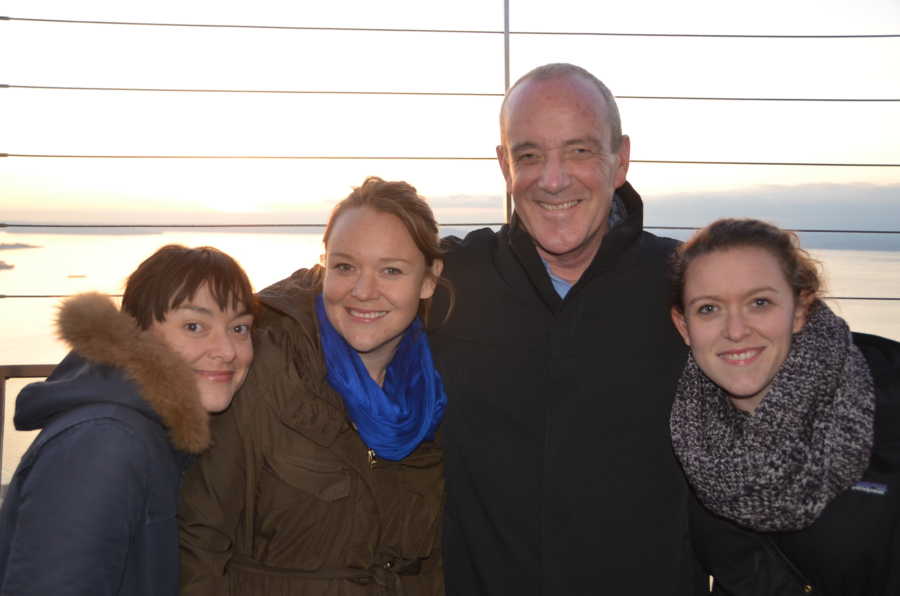
Then there was my dad. My predictable, steadfast dad. He was stubborn, a creature of habit. You always knew where he’d park, what he’d eat, how he’d walk, how he’d answer the phone. After losing so many others, that predictability became my anchor. And now he’s gone. Navigating life without him feels surreal. My husband notices the change. My faith has shifted. I am more guarded, more weary. How do I soften again?
Compounded grief is confusing. Sometimes I don’t even know who I’m mourning. I cry for my dad, but also for everything else I’ve lost. The sorrow is like a dark, stormy cloud, bigger than any single face, yet his presence becomes the symbol of it all.
How do you muddle through that? I don’t always know which loss to address. I just know the sadness hits—cold, detached, angry, resentful. I lash out at the people I love, expecting perfection because maybe I want to be perfect. I want to be healed, but I’m unsure how. I’ve done therapy, treatment, medications. Still, some days, it feels impossible.
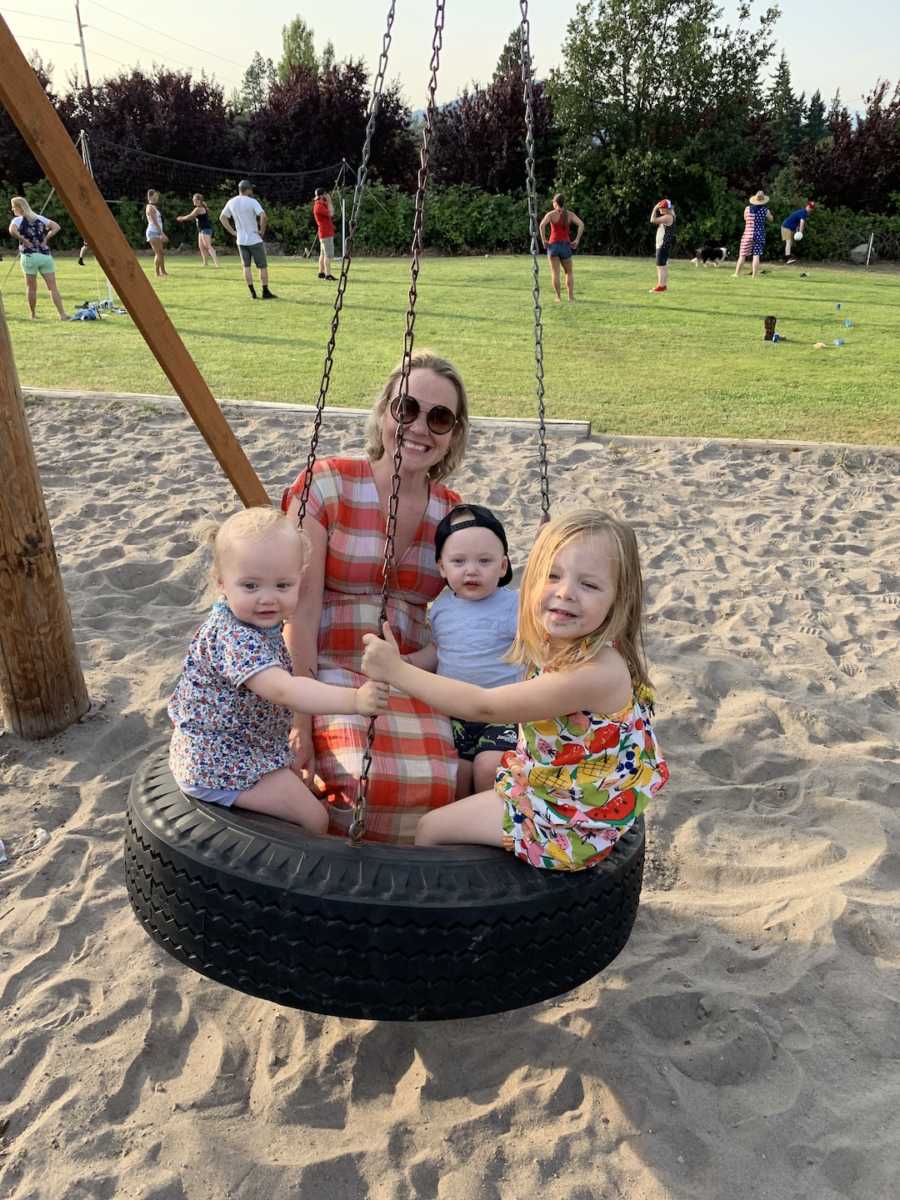
The best I can do is be present. Play with my children. Say “I’m sorry” and really mean it—they didn’t cause any of this. I’m learning to love my family unconditionally, even when my self-love remains conditional. I’m learning to stop beating myself up. To direct my anger at the right things. To grieve intentionally. To allow myself to feel hurt, yet move through it with patience, compassion, and love—for myself, for others. That is my best. And I hope it’s enough.