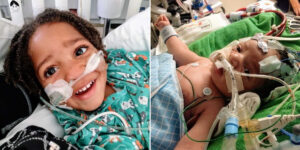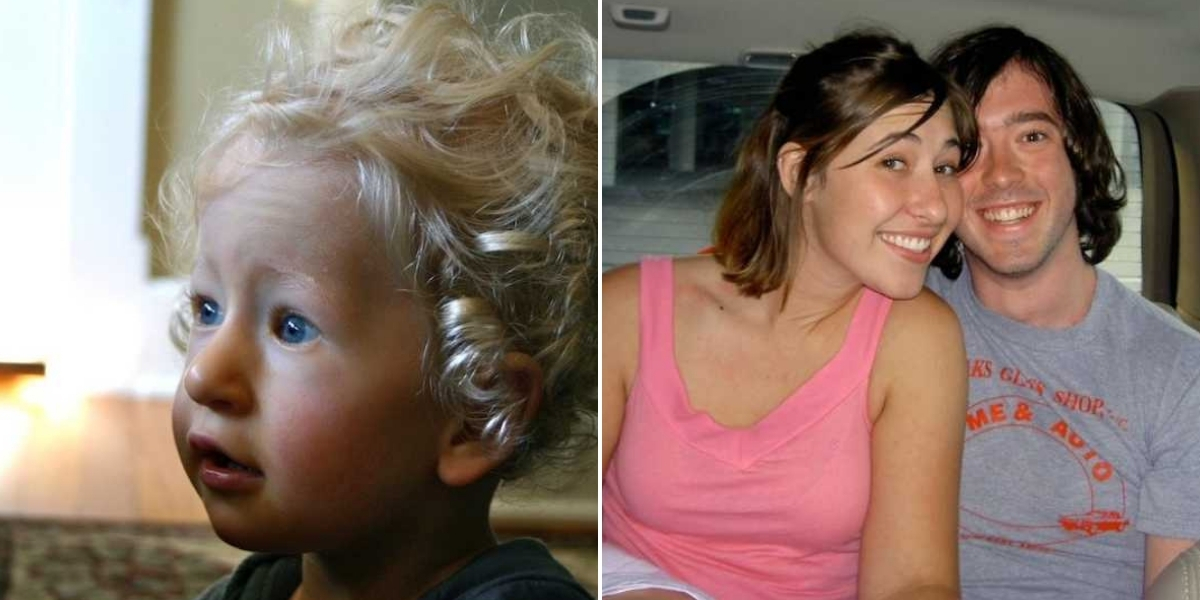
It was early afternoon in September 2008, and I was curled up on our enormous green couch, half-watching Twilight on TV. My seven-week-old son, Asher, was asleep to my right, wrapped in his little blanket, and our dog, Pearl, was snoring softly on my left. The quiet was comforting, the kind of peace that makes you forget the world outside. Then my phone vibrated. I had saved the number as Children’s Genetics ANSWER. My heart skipped a beat. This was the call I’d been waiting for—the moment that would change everything. I paused the movie, took a deep breath, and pressed the green answer button.
“Hello?” My voice trembled.
The voice on the other end spoke gently but firmly. “We’ve received Asher’s testing results. They’re consistent with a genetic syndrome called Prader-Willi Syndrome. This syndrome occurs when the 15th chromosome…”
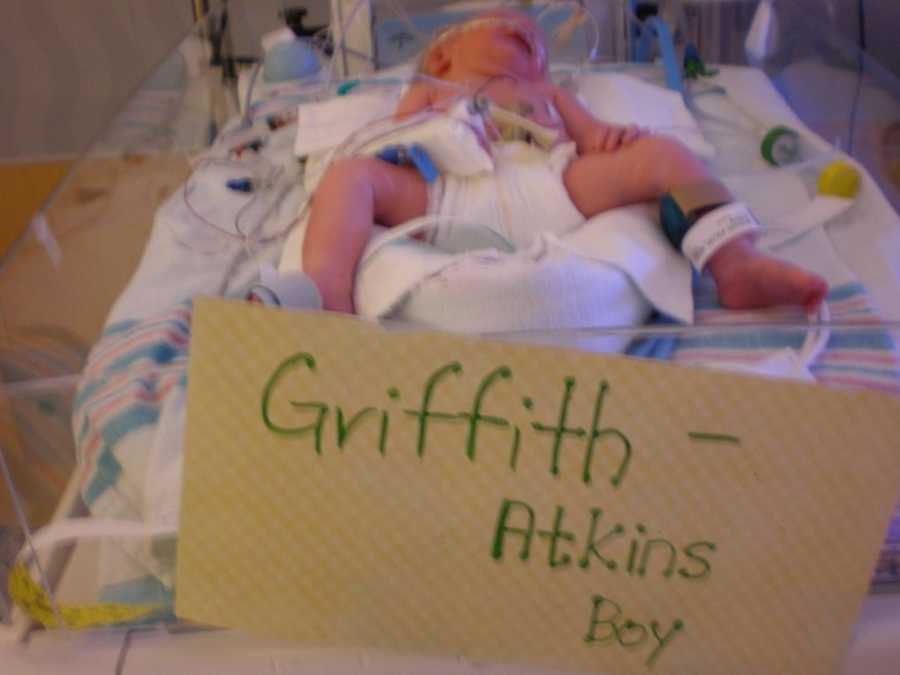
Her words started to fade as my mind raced. The world slowed down around me. I looked down at my perfect baby boy and felt a surge of frustration and disbelief—how could his chromosomes be so flawed? Seven weeks earlier, in a NICU just six miles away, a doctor had mentioned Prader-Willi Syndrome as a possibility. I remembered the clipped, clinical tone that had reverberated in fragments through my mind:
“Parents have to lock the refrigerator… children will eat until they rupture their stomach… cognitive and behavioral challenges…”
I felt sick. PWS affects so much—the part of Asher’s brain that regulates hunger doesn’t function properly, leaving him in a constant state of craving. Other symptoms can include difficulty regulating temperature, psychological struggles, scoliosis, speech and motor delays, and cognitive impairment. I knew our lives had shifted irrevocably.
After scheduling an appointment with the geneticist for Monday, I hung up and pressed play on the remote. Bella Swan and Edward Cullen were cruising in his Volvo (why do all vampires drive Volvos?), but I couldn’t focus. At that moment, I held knowledge that no one else did—knowledge that would shape every step of Asher’s life.
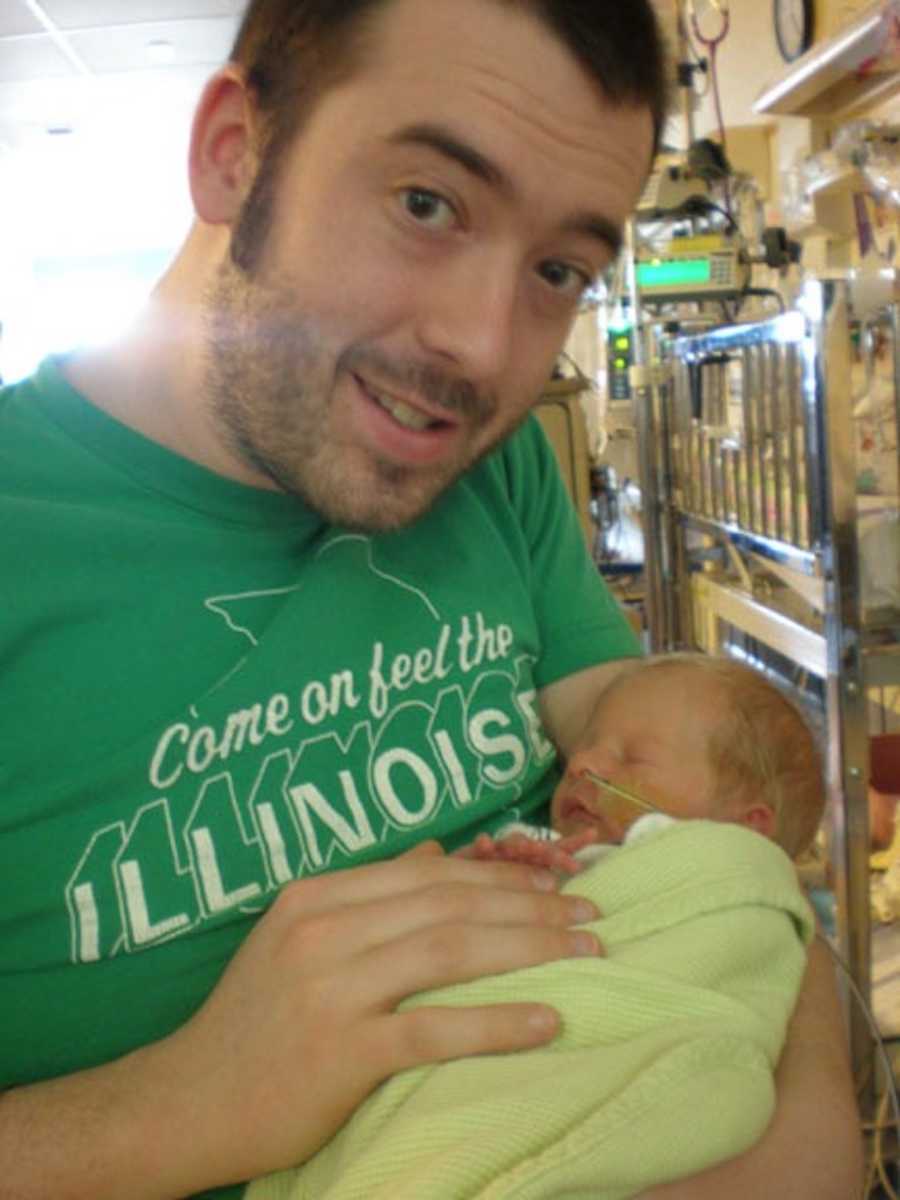
The phone calls that followed are a blur. I called my husband, Will, at work and told him. Then my parents. Each conversation carried grief like a slow tide, washing over the people I loved most, easing my isolation but amplifying the weight of reality. Later, I took Asher for a walk in his stroller, trying to gather myself. We passed our usual coffee shop on Manor Avenue and the park ahead. I had imagined swinging him there, watching him play with friends—but now, every future fantasy felt fragile. Life had shifted, but in the smallest way, it hadn’t—he was still my son, still mine to love.
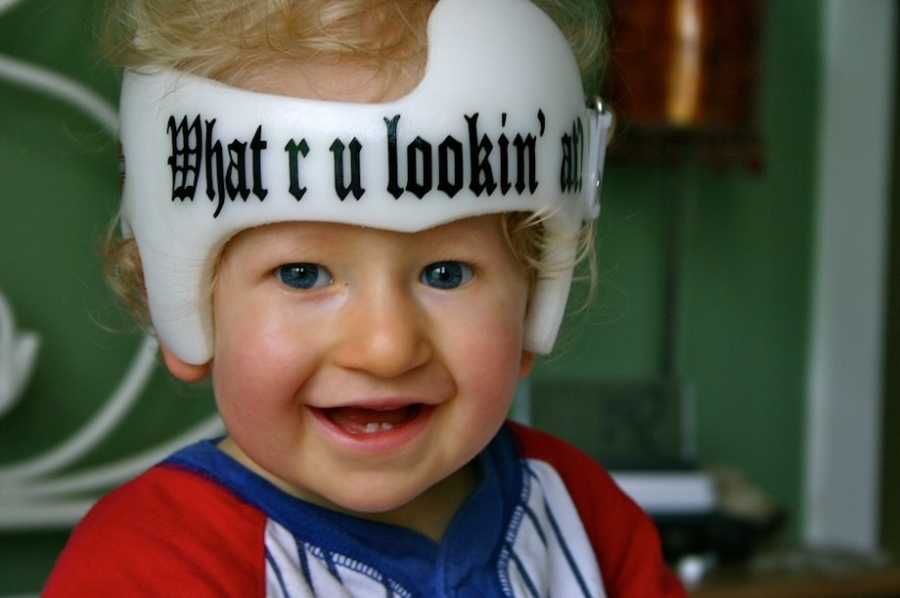
I refused to google Prader-Willi Syndrome. I didn’t want knowledge to alter how I saw my baby, fearing it might change the pure experience of motherhood. Will’s family sought information immediately—his sister, in medical school, dived in. My parents, on the other hand, preferred avoidance. Somewhere in the middle is likely healthiest. Over-researching can increase anxiety, but total avoidance leaves you unprepared. I floated somewhere in between, balancing the unknown with presence.
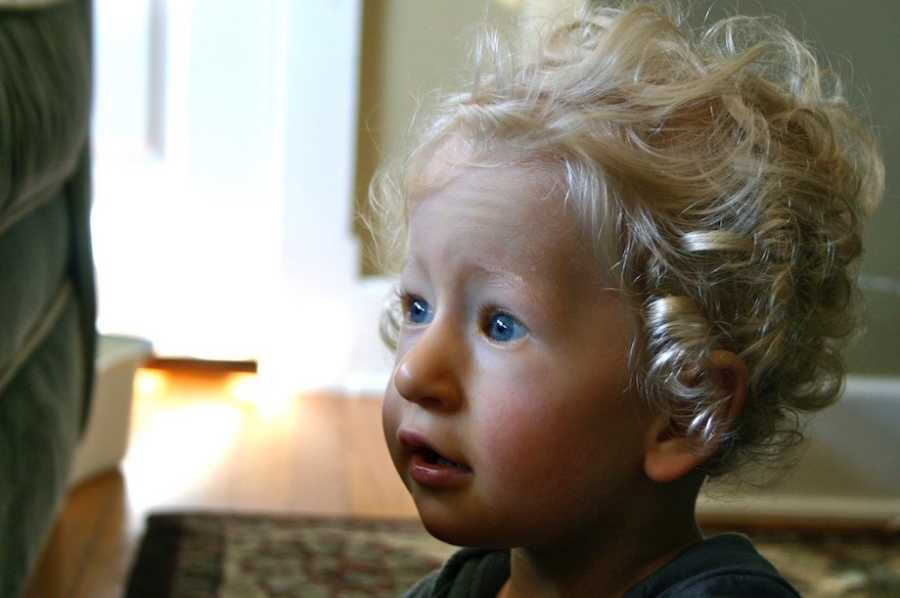
By June 2009, our country was deep in the worst recession since the 1930s. Despite the uncertainty, Will and I were planning our next chapter. After months of searching, we finally made an offer on a cozy 1,000-square-foot Chicago condo, near the El Train, a coffee shop across the street, in a neighborhood we loved. We celebrated the accepted offer on a Sunday evening with a little wine, dreaming of paint colors and furniture.
Then I realized my period was late. Slightly tipsy, I dug out a pregnancy test from the medicine cabinet. The first stick showed two lines: positive. I grabbed another. Same result. Shocked, I ran to the living room to show Will. The news settled in—another child on the way. A surprise, yes, but also a gift. I had married the right partner, pursued the right education, and now life was offering unexpected joy amidst uncertainty.
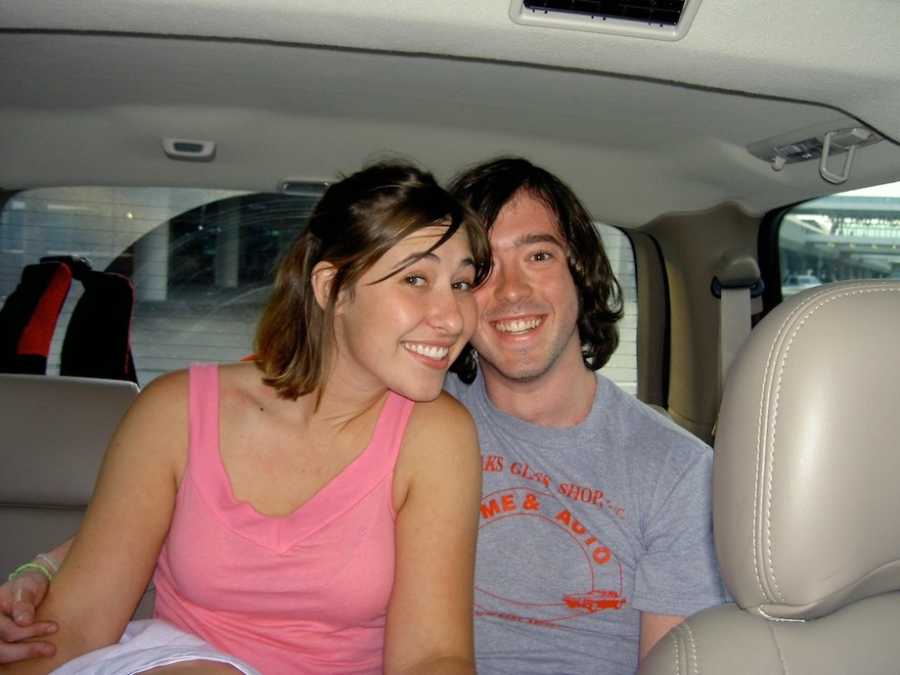
During this pregnancy, I followed every precaution: no raw fish, no lunch meat unless heated, no wine, daily prenatal vitamins, yoga, healthy food. I read What to Expect When You’re Expecting cover to cover, dog-earing the chapters on complicated pregnancies and postpartum recovery. Yet complications arose. At 30 weeks, I experienced frequent contractions, and ultrasounds revealed polyhydramnios—excess amniotic fluid. The doctor explained the risks calmly, but I felt the tension rise. By 36 weeks, with my baby measuring small and blood flow to the placenta concerning, we agreed the safest place for our baby was outside the womb.
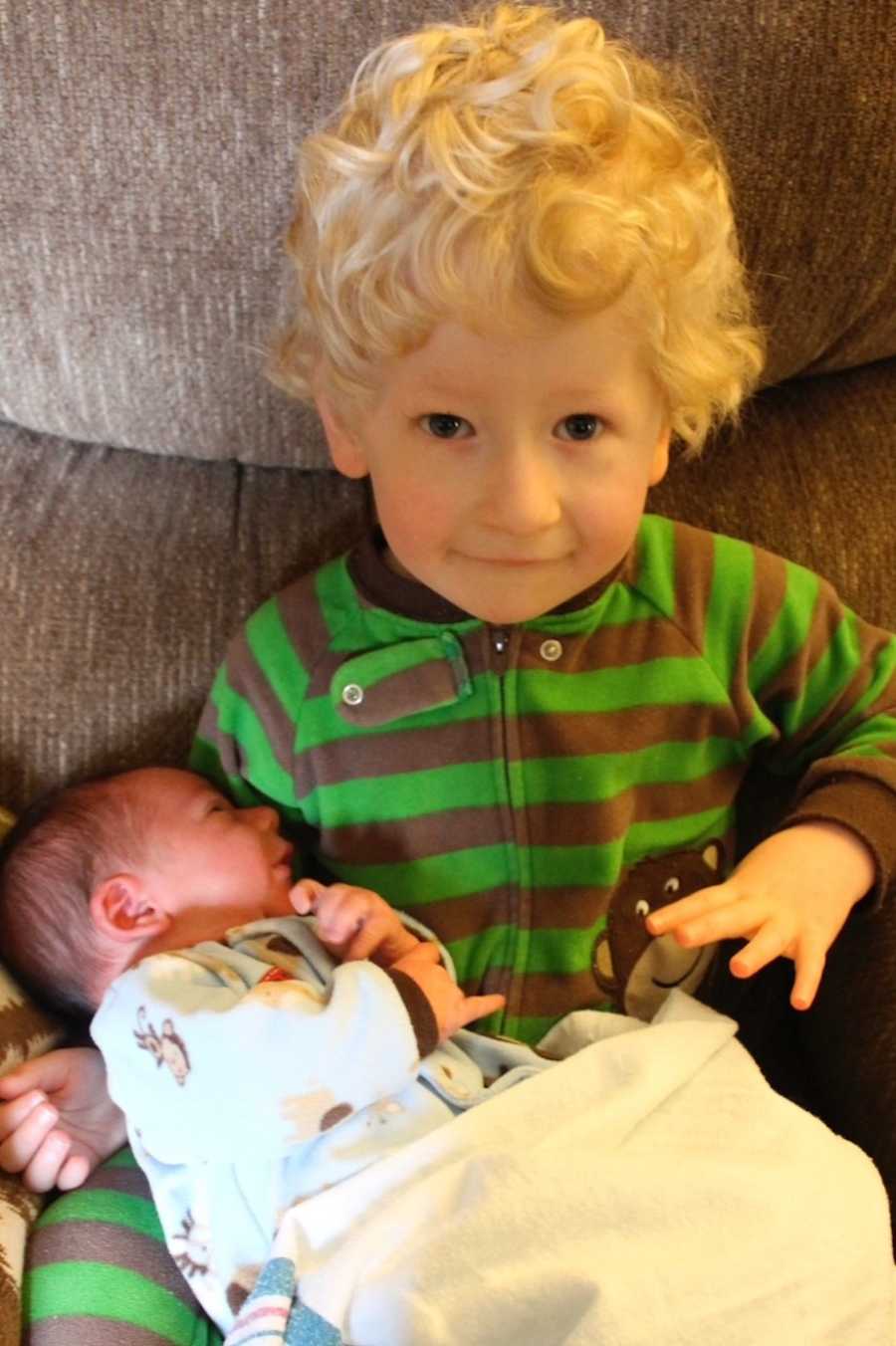
Fast-forward to April 2021. Asher turns 12 on Friday. Birthdays are bittersweet—they highlight milestones he may never reach. He thrives in a loving 6th-grade special education classroom in Chicago, adores Elmo, Young Sheldon, long walks, and playing with Pearl. We have navigated countless therapies, specialists, hospital stays, and sleepless nights. I sometimes feel rage at the unfairness of his diagnosis, mourning the experiences he has missed. The grief became more tangible when we had our second and third sons, highlighting the contrast in parenting experiences.
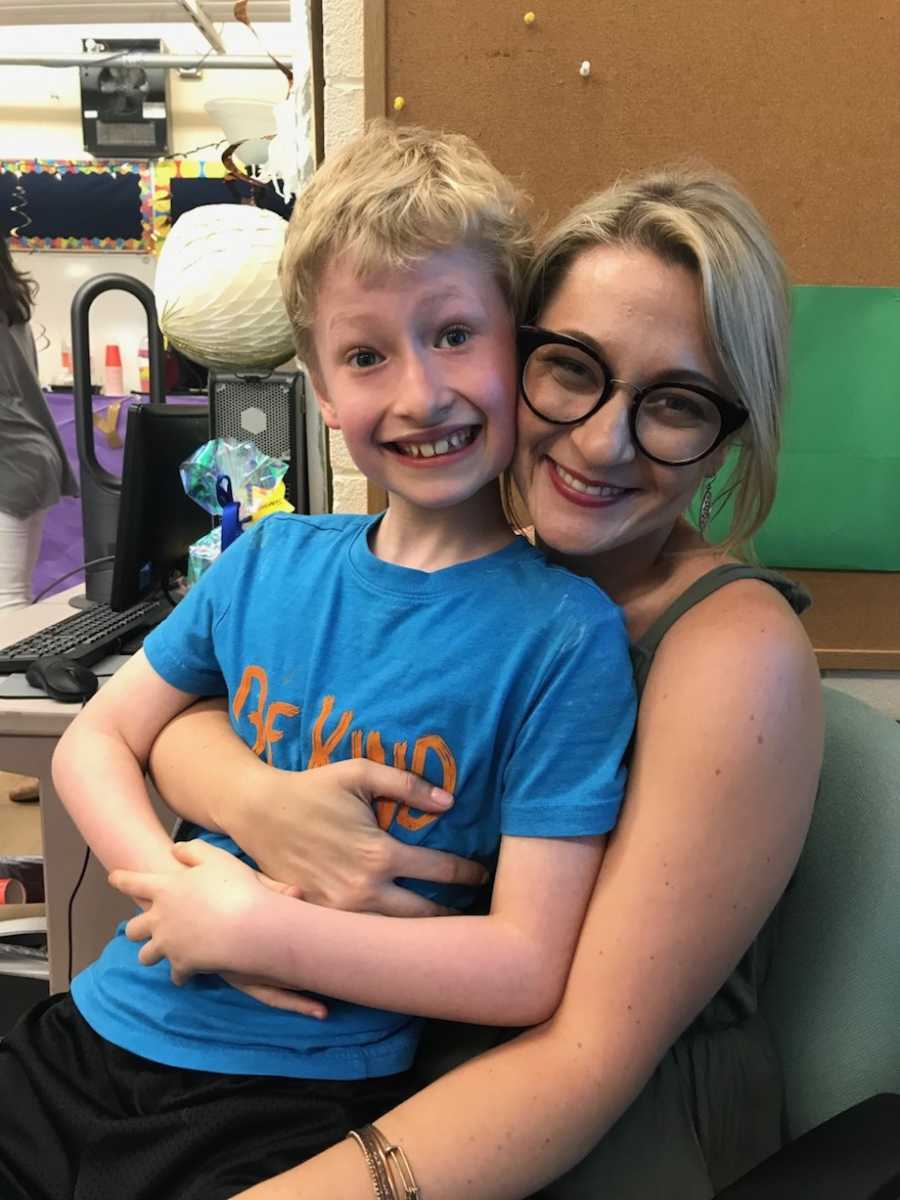
I took three years off from work to care for Asher full-time, then gradually returned, eventually opening a group practice. My journey with Asher has shaped my perspective on suffering and deepened my empathy for others facing challenges.
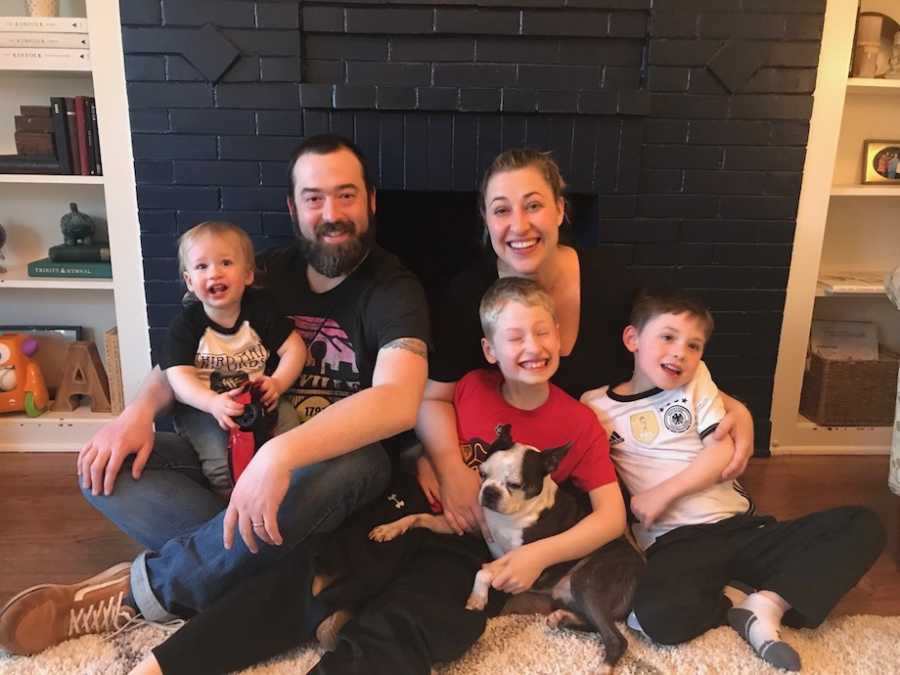
Parenting a child with a disability is a mix of rage, sadness, guilt, and immeasurable love. It’s okay to need breaks, to grieve, and to acknowledge the complex emotions that come with this path. Twelve years in, I can say confidently: parenting a child with a disability is not for the faint of heart. It can be profoundly beautiful, but also incredibly hard.
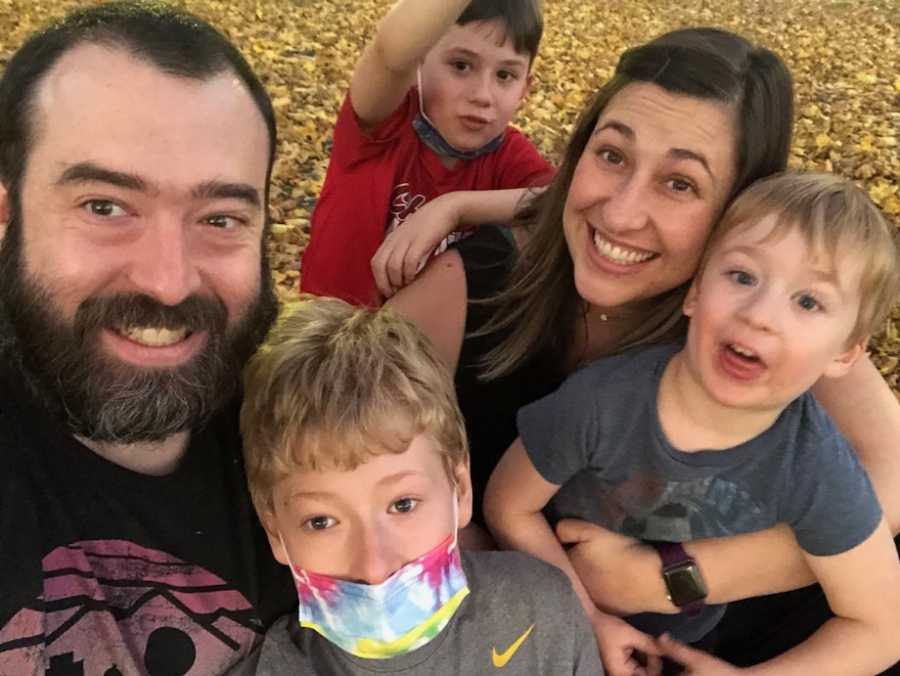
The most comforting truth? I am not alone. There are countless parents navigating similar journeys. If you are one of them, struggling to acknowledge grief, anger, or exhaustion—permission granted. You are not alone.