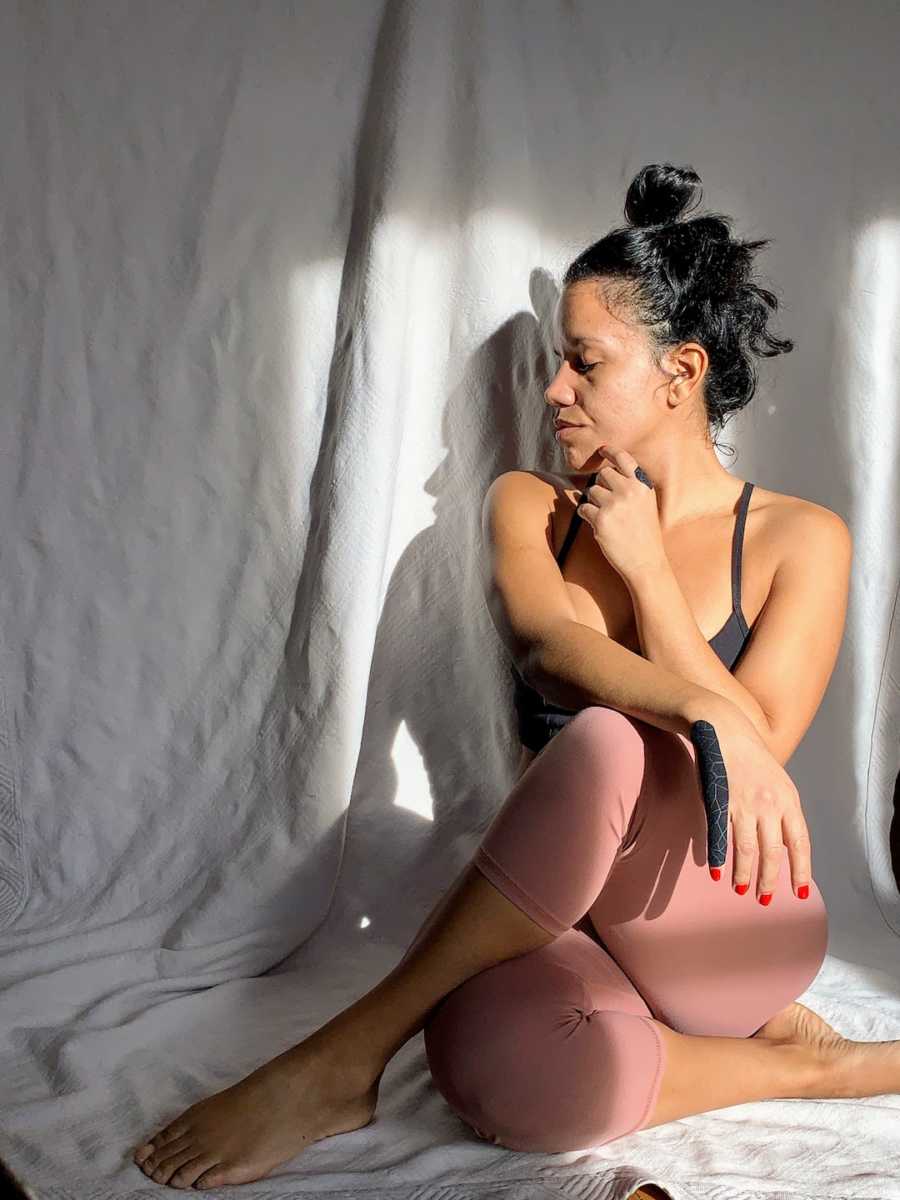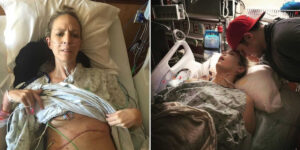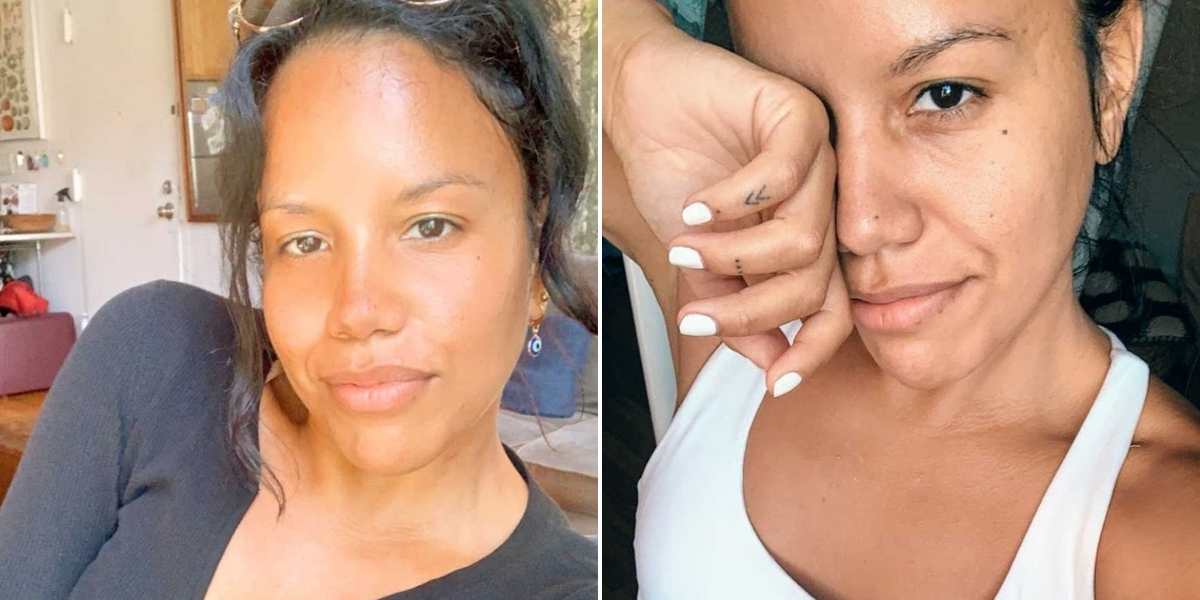
What can I say? COVID changed my life. I’m a super active 35-year-old woman who loves to move, to run, to stretch, to push my body—and after I had COVID, movement became painful.
I contracted COVID last April, and thankfully, it lasted only four days. But those days were rough: body chills, fever, pounding headaches, and—most unsettling—losing my sense of taste and smell for nearly a month. That loss was bizarre and isolating. I even tried an experiment one day: I poured way too much hot sauce on a delicious Roberta’s pizza, just to see if I could taste anything at all. The next morning, my lips were burned, and still, I couldn’t taste a thing. Lesson learned.
The real, lasting aftermath didn’t show up until June. Out of nowhere, my left index finger started hurting and swelling. At first, I brushed it off—I’m a tough cookie, after all—but the pain persisted for months. Soon, I could no longer bend my finger, and the sensitivity was extreme: even the softest brush of a hand towel sent waves of pain through my body. Everyday tasks became a puzzle: zipping my jeans, holding my camera, washing my hands—all of it had to be adapted to avoid agony.
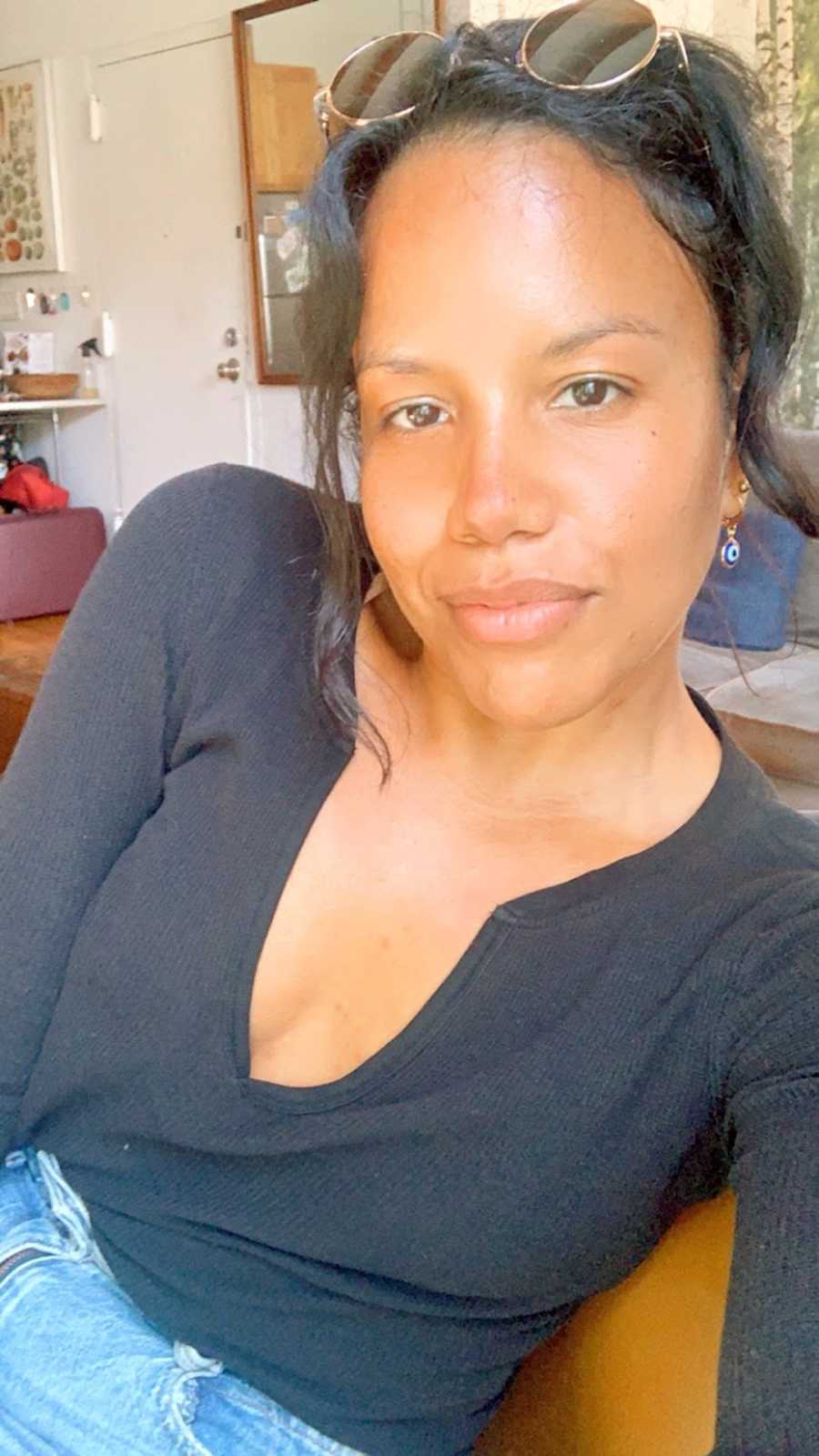
Then my left elbow joined the chorus of pain. Finally, I went to the ER, where the doctors tried to piece it together. An intern asked me to show how I hold my camera. Another questioned whether my cigar habit might have burned my finger. None of it explained the swelling or pain.
When the physician reviewed my X-rays, she said, “There’s no deformity on the finger bone, which is good news. I suspect rheumatoid arthritis.” I left stunned. Me? Mid-30s, no family history, and suddenly possibly facing RA? My doctor ran blood tests to investigate further.
A few days later, after wrapping a shoot, my phone rang. The doctor’s words hit me like a punch: my rheumatoid factor was 762—normal is less than 12. My immediate thought: “Am I dying?” I had no idea what this meant.
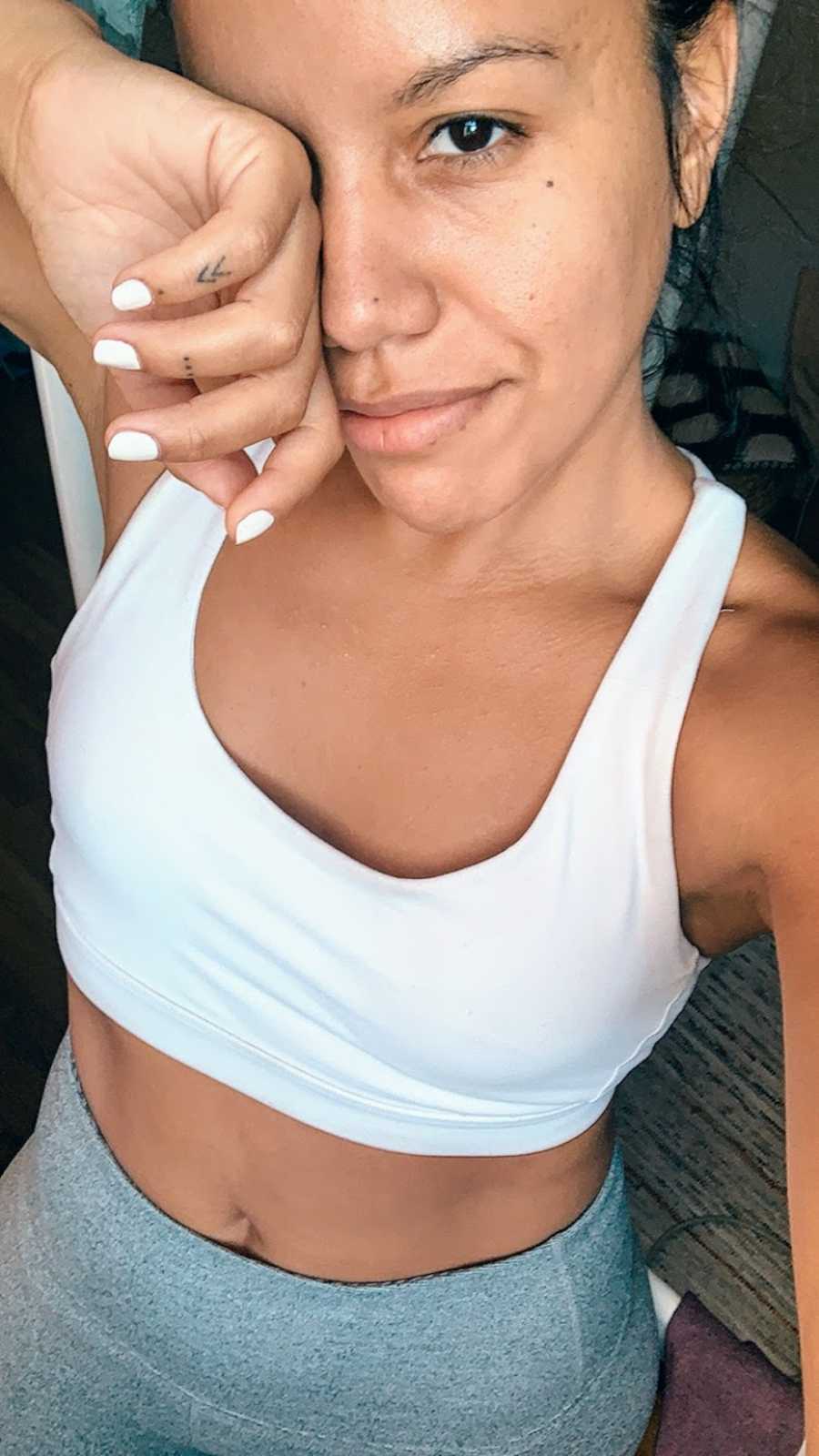
Enter Dr. Green, my rheumatologist, whose care I am endlessly grateful for. He ran more tests and delivered relief: I didn’t have RA. High rheumatoid factor doesn’t automatically mean rheumatoid arthritis; it can reflect inflammation. By then, pain had spread—back of my knees, bottoms of my feet—making every step a challenge.
The pain began affecting my psyche. I had a loft bed, and getting down the ladder each morning was excruciating. I dreaded mornings—the opposite of how I’d always been. Six years ago, I had named my photography business “Morning Bird Photography,” inspired by my love of early starts, yoga, jogging, and greeting each day with energy. Suddenly, mornings were a source of anxiety.
Dr. Green prescribed occupational therapy and medication for pain. I never missed an OT session, though I saved the medication for unbearable days. By January 2021, after 20 sessions, the progress was incredible. My left elbow regained much of its range of motion, and my finger—once impossible to put in my pocket without wincing—could finally play guitar again. I was deeply grateful to Dr. Beata, who guided me through therapy.
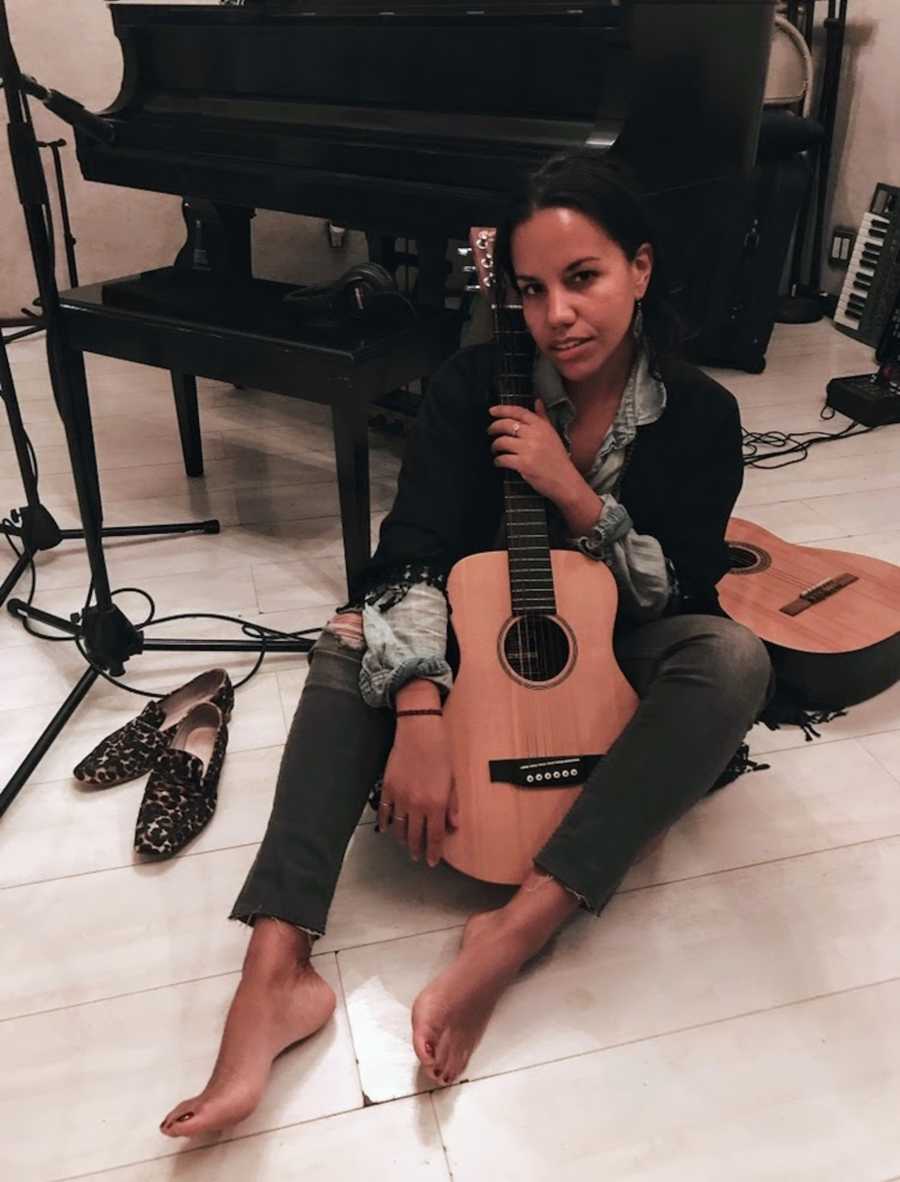
By April, the finger remained slightly swollen, my elbow still ached, and new pains had emerged: the bottoms of my feet, the back of my knees, my neck, even other fingers, which now clicked and stiffened.
Dr. Calpone, a podiatrist, reviewed my history and tests and believed this was a post-COVID inflammatory condition. He sympathized with the mental toll the pain had taken and encouraged me to stay active: walk 2–3 miles a day, drink a gallon of water, and fight stiffness with movement. His support reminded me that healing isn’t just physical—it’s mental.
Now, mind over matter is my mantra. My left elbow is constantly in pain, visibly less straight than the other, and my right elbow has begun to ache too. Joint pain greets me each morning, and some days it’s discouraging.
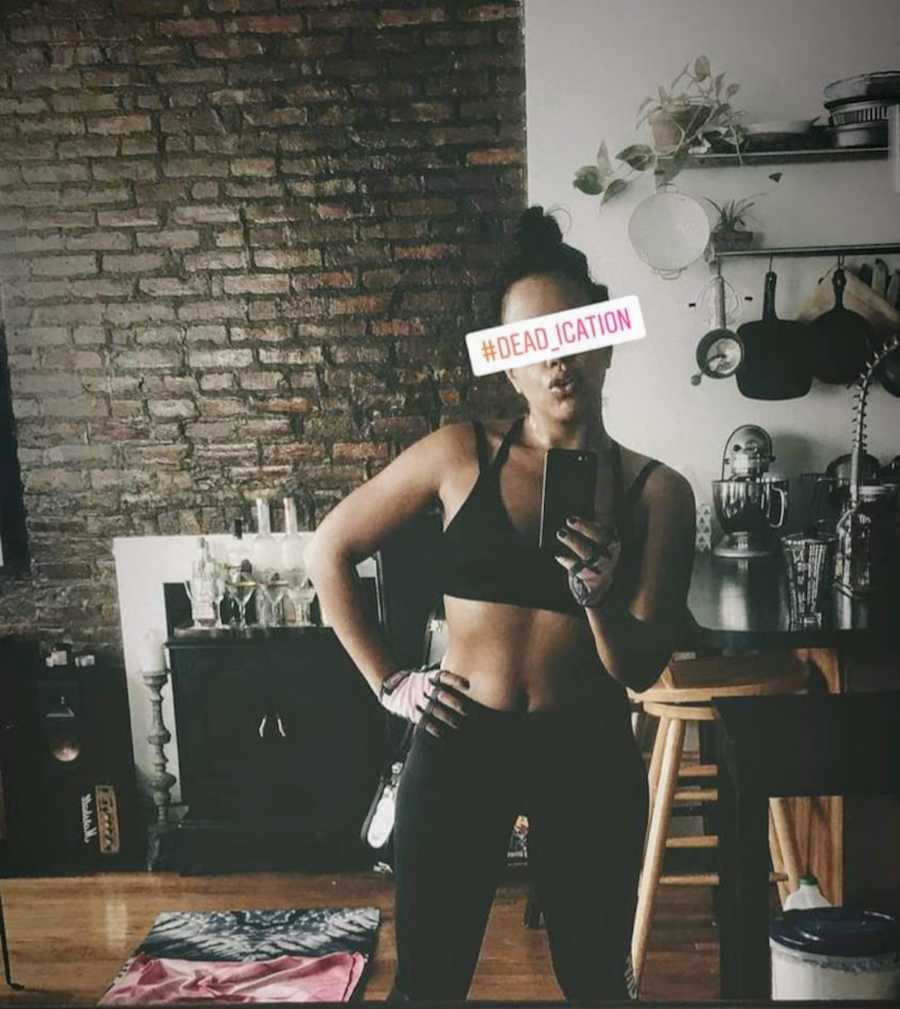
But I’m still the morning-loving optimist I’ve always been. I choose gratitude over resentment, picking my thoughts carefully when waves of despair hit. I put my feet on the floor, start the day, and feel the rush of endorphins from a modified workout. I’ve learned to work through pain, trust the recovery process, and focus on what I can do rather than what I cannot.
Ultimately, I’ve decided to anchor myself in an attitude of gratitude. COVID changed my body, but it hasn’t changed my spirit. I wake each day grateful for life, for movement, for the small victories, and for the chance to keep going—even when it hurts.