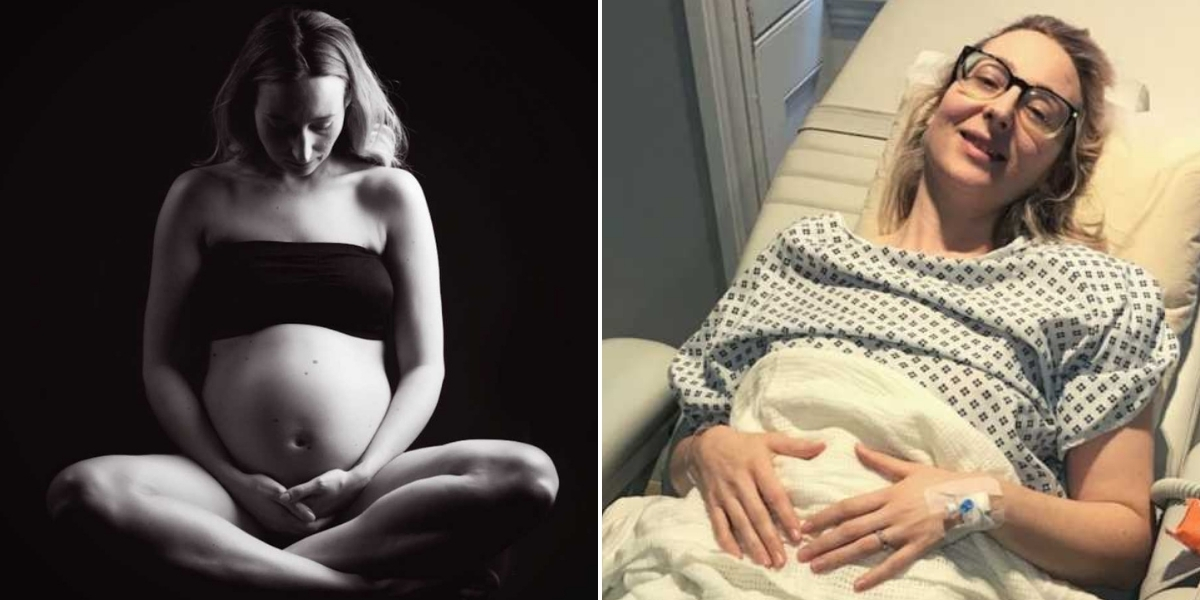
I have always wanted to be a mum. So when, at 32, I was diagnosed with Polycystic Ovarian Syndrome (PCOS), a fear I’d long tried to ignore suddenly became real: would my dream of having a child ever come true? My husband and I had been married for just a year and were eager to start a family. But month after month, we faced the same heartbreak—staring at stark white negative pregnancy tests, my hope slowly giving way to panic. Maybe, I thought, this wasn’t going to happen for us.
At first, the PCOS diagnosis hit me hard. I learned I wasn’t ovulating every month, which explained why conceiving a baby was so difficult. My monthly bleeds were driven by a drop in hormone levels, not by egg release. I was shocked to realize that my body simply wasn’t releasing eggs as it should. We tried less invasive medications, like Clomid and Letrozole, to kickstart ovulation. While these treatments helped address the egg-release issue, another six months passed without a pregnancy, and our doctor suggested we try IVF.
In the UK, waiting lists and post-code availability left us with little choice but private treatment. At first, I felt a surge of excitement—we were one step closer to having a baby. But the optimism was short-lived. Administering the drugs was physically taxing, and I felt awful for weeks. My PCOS meant I had a high AMH level, and by egg collection day, over 30 follicles were ready to be retrieved—a number that overwhelmed me, yet filled us with cautious hope.
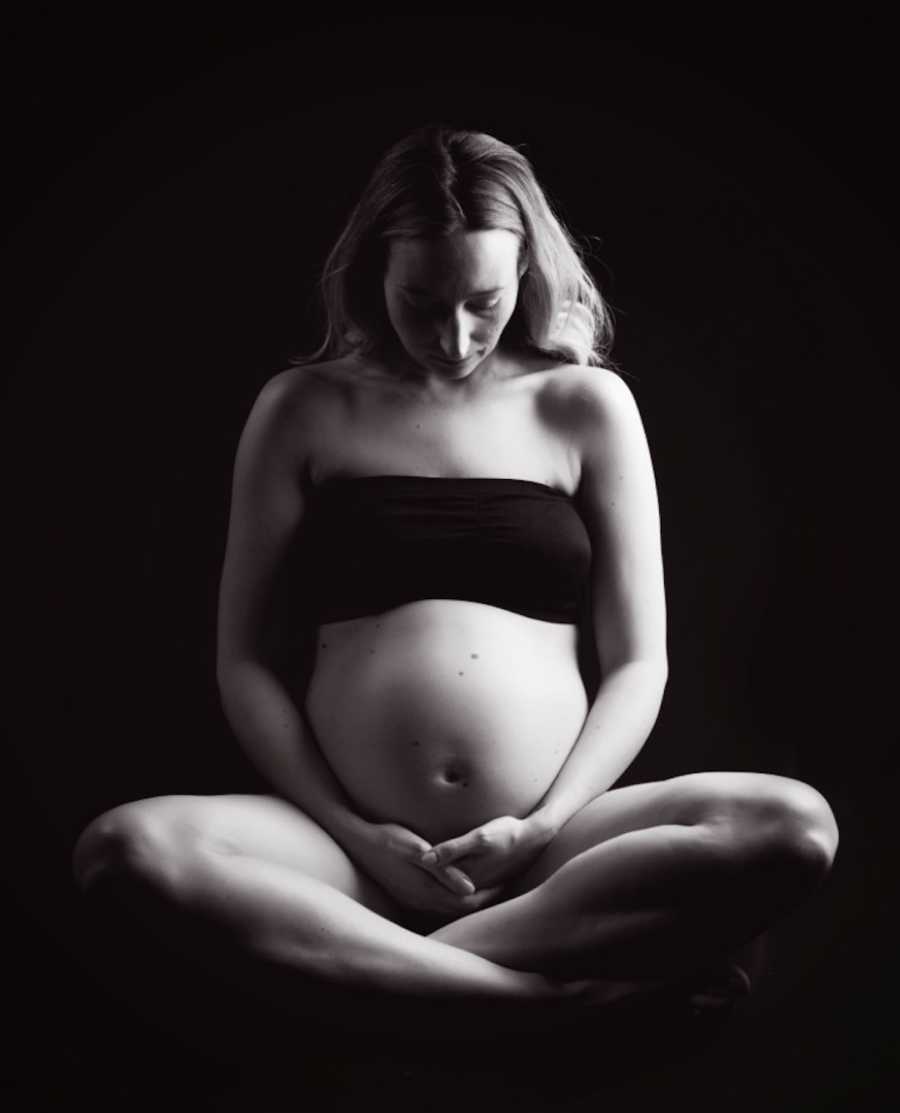
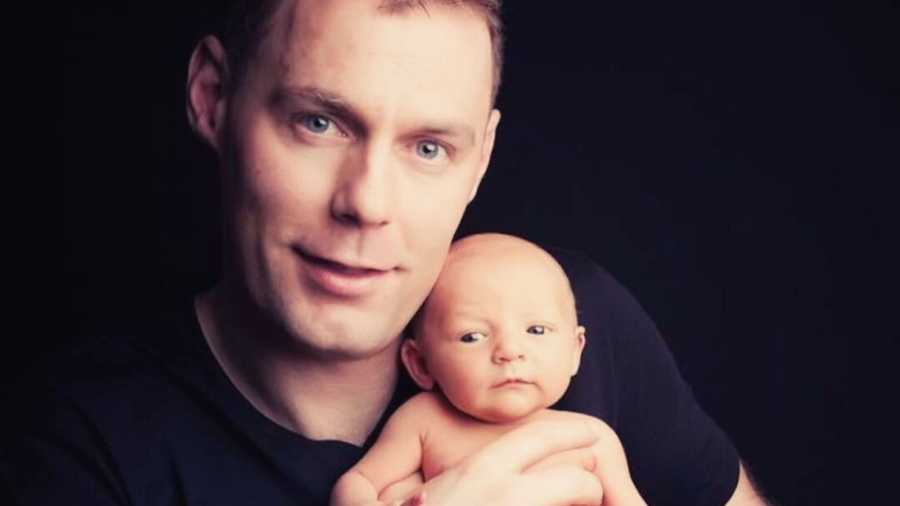
The IVF process worked beyond our wildest dreams. We had embryos reach day five, and on a warm July day, we transferred a single blastocyst. Nine months later, that little embryo became our son, Austin. First attempt at IVF, and it had worked. The pregnancy was healthy and joyful, and on March 24, 2016, I became a mum.
When Austin was just ten months old, we discovered we were pregnant again—naturally. Shock and wonder swept over us; it felt like a fairytale. But soon, unease settled in. Something about this pregnancy didn’t feel right. Trusting my instincts, we booked an early scan at 7.5 weeks. My fears were confirmed: the scan showed a placental sac, but no baby inside. A blighted ovum. Despite being asked to return in a couple of weeks in case of a dating error, I knew the truth. Five days later, on my first Mother’s Day, I started bleeding. That day, I experienced my first miscarriage—a pain I’ll never forget. I sat on the bathroom floor, sobbing, as I passed the pregnancy, holding it in my hands to take to the hospital.
I hadn’t just lost a baby; I had lost a lifetime of imagined moments. Would it have been a boy or girl? Would they have Austin’s blue eyes? In the months that followed, two more miscarriages occurred during IVF treatments. We decided to take a break, focusing on our family of three and giving both my body and mind the rest they desperately needed. During this time, I began blogging about our IVF journey and the miscarriages. The online fertility community became a lifeline, offering words of comfort from strangers who understood exactly what to say. Real-life friendships were harder to maintain, as the losses and IVF changed me profoundly.
Just when we were trying to find our footing, the world shifted again. In November 2018, at 38, my husband Phil was diagnosed with a brain tumor. What we had dismissed as migraines turned out to be something far more serious: a tumor that had spread across both hemispheres of his brain. The MRI scan, prompted by his nausea, excruciating headaches, and tingling down his arm, revealed a high-grade tumor that needed urgent surgery. A craniotomy was scheduled within ten days to remove some of the mass and take a biopsy.
Seeing the fear and uncertainty in Phil’s eyes broke my heart. I couldn’t imagine facing such news myself, let alone watching someone you love confront it. We were faced with complex decisions, including freezing his sperm before surgery to preserve the possibility of future children. The thought of losing him—and losing any chance of expanding our family—was almost unbearable. How could I cope with being a widow before 40?
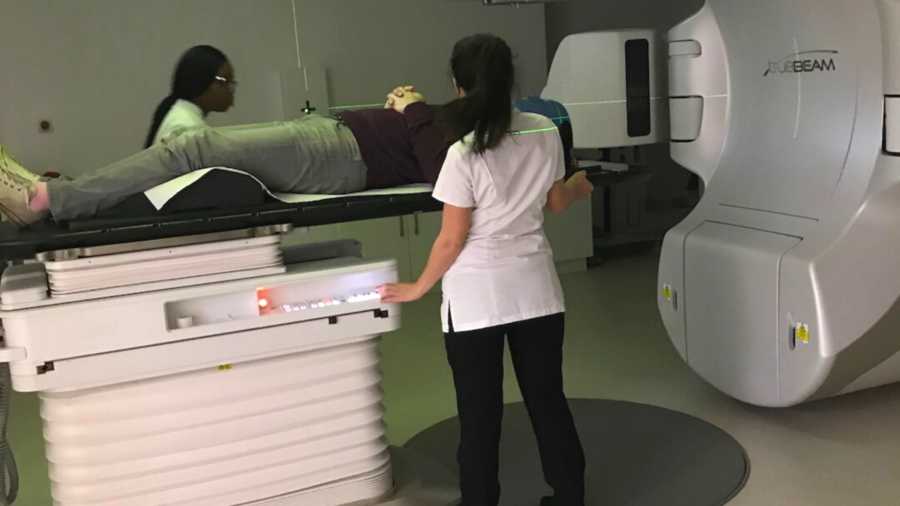
The surgery itself felt surreal, as if it were happening to someone else. Hours later, a phone call reassured me: Phil was okay. He came home just 72 hours later and began daily radiotherapy. The biopsy brought some relief: a grade two Oligodendroglioma, treatable though not curable. On the very day Phil finished his last radiotherapy session, we bravely returned to IVF. Twenty follicles were collected, and four embryos were frozen for future use, allowing both of us time to recover.
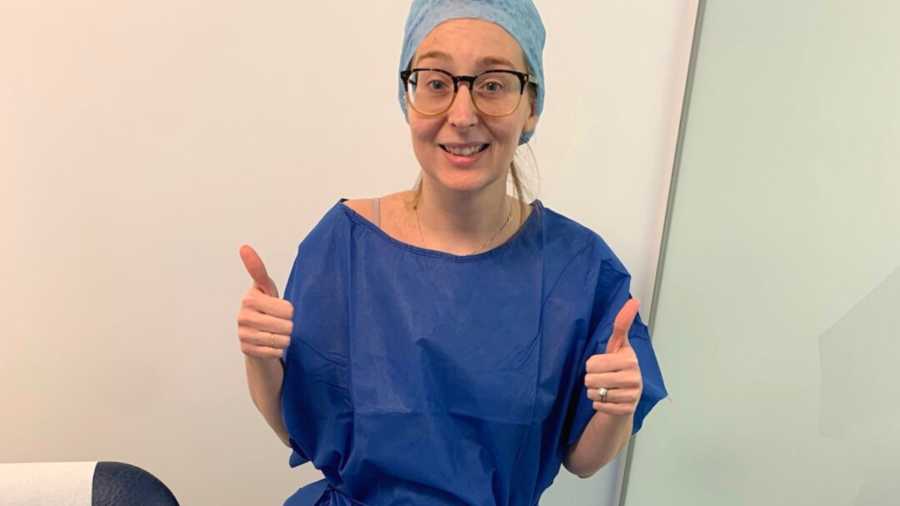
Phil continued monthly chemotherapy, and in May 2019, we transferred two frozen embryos. We were overjoyed at our six-week scan, only to face yet another miscarriage days later. Miscarriage number four, during chemotherapy no less, left us devastated. Two more embryo transfers followed, each ending in heartbreak. By the sixth miscarriage, defeat shadowed us.
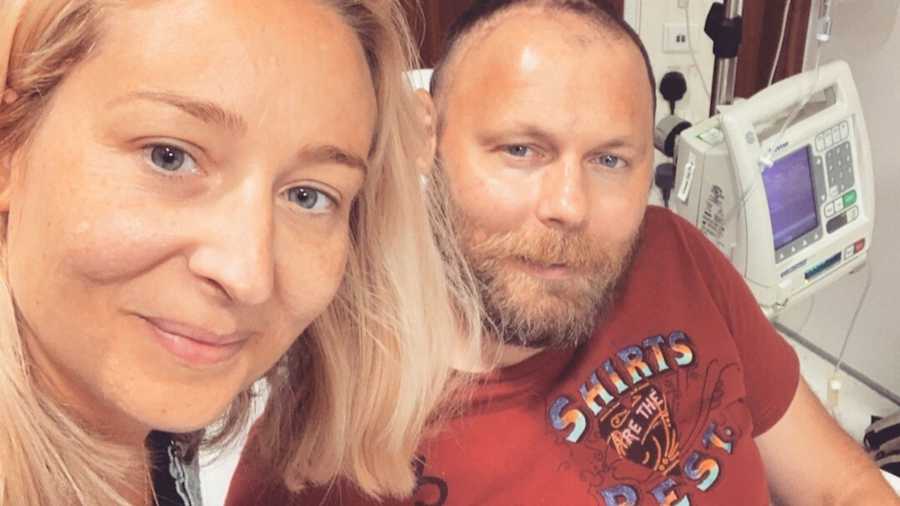
Yet we persevered. In January 2020, we changed fertility clinics and attempted one final IVF cycle. Phil altered his treatment protocol, and finally, his tumor began responding. Supported by family and friends, I continued to blog openly, finding solace in community. Our third egg collection, using the frozen sperm, produced five embryos. We transferred two on day five and anxiously awaited the blood test nine days later. When the clinic confirmed our pregnancy—our eighth—we were cautiously hopeful.
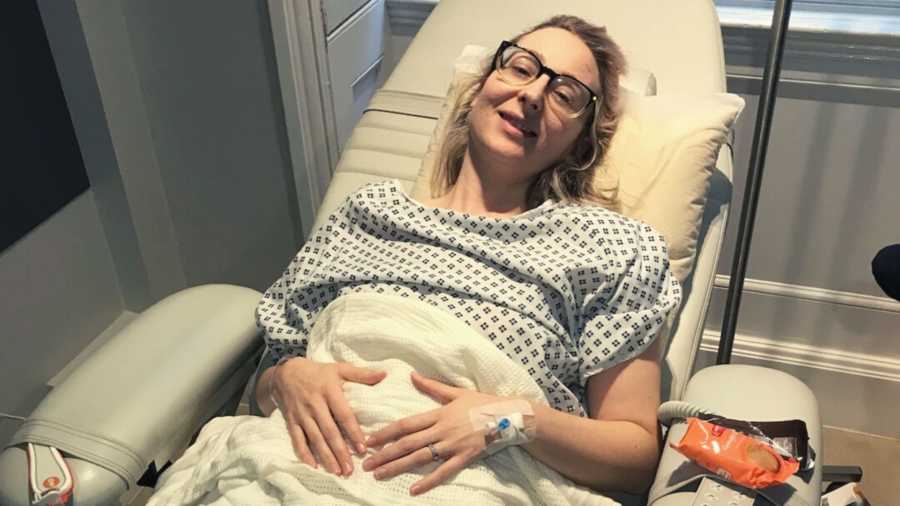
This time, our miracle baby thrived. Scans at six, seven, nine, twelve, sixteen, and twenty weeks brought relief and joy. A global pandemic added anxiety, but we stayed safe in our family bubble. Austin was thrilled to become a big brother, and the anticipation of meeting our daughter grew with each passing week.
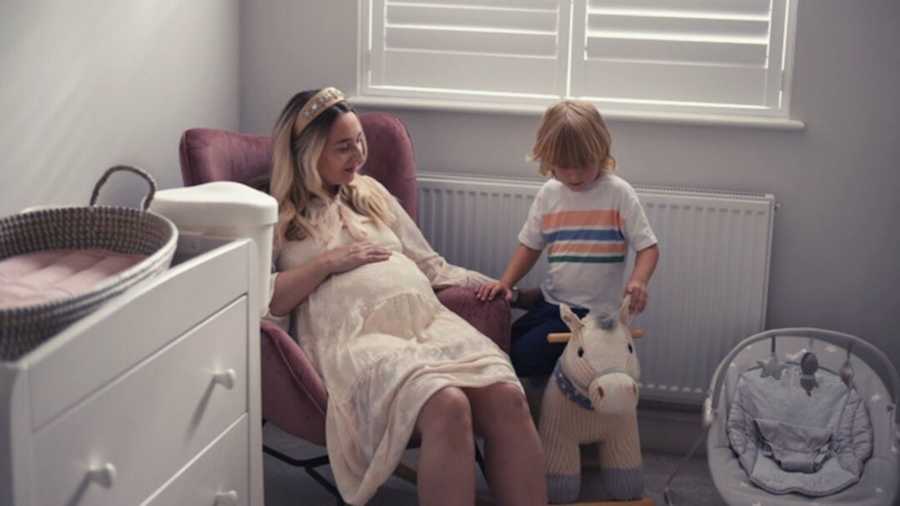
On October 23, 2020, after a swift three-hour labor, our rainbow baby, Autumn Mabel, arrived. Born during a global pandemic, conceived using frozen sperm from the week Phil was diagnosed, she was a symbol of hope and resilience. Watching Phil hold her for the first time was a moment I will cherish forever.
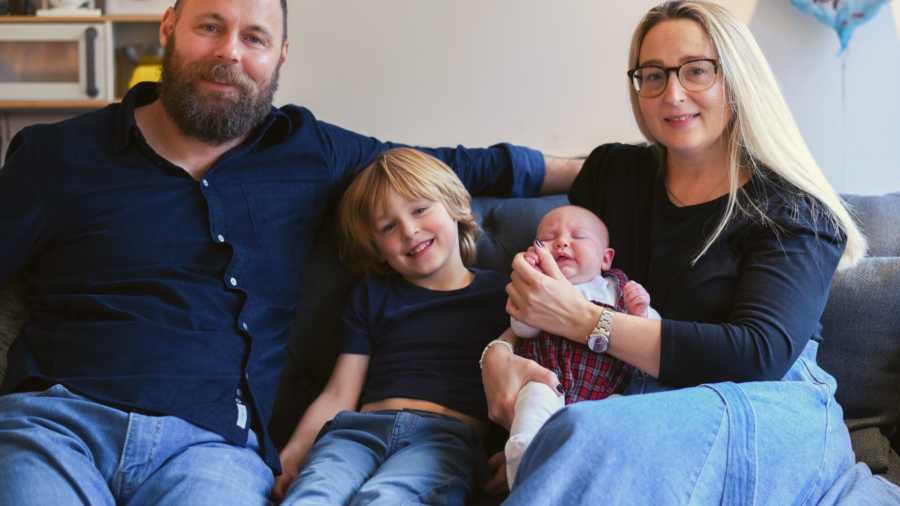
Today, Phil’s tumor is stable, and he continues regular surveillance scans. We don’t know what the future holds, but for now, we are soaking in every precious moment with our two children. Autumn reminds us daily that hope can survive even the darkest trials. And for our family, hope has proven stronger than we ever imagined.