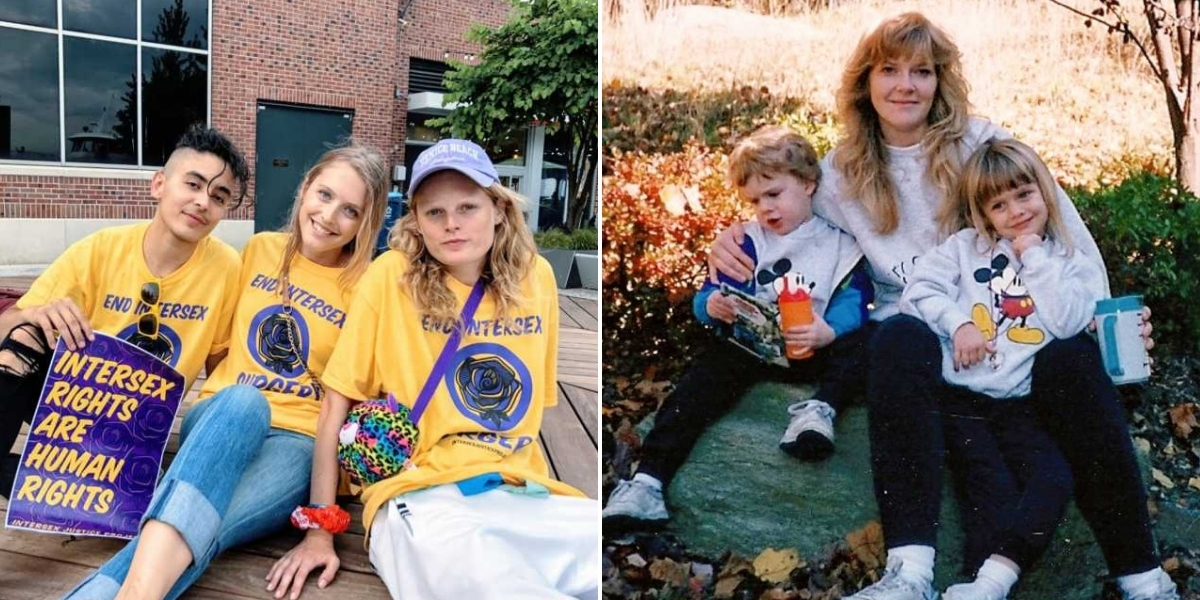
Growing Up Intersex
I’ve shared my story many times as an intersex person—from the car crash before I was born that led to my parents discovering I am intersex, to standing in front of the Texas legislature at 27 and coming out publicly. I’ve spoken about my teenage years and the moments that ultimately pushed me to go public with my identity.
But there’s a large gap between my birth and adolescence that I’ve only ever described in broad emotional strokes. Much of my childhood feels foggy. I’ve since learned this is common among trauma survivors—PTSD can fracture memory, scramble timelines, and blur what truly happened. When doctors feed you a carefully curated narrative about who you’re supposed to be, it becomes even harder to separate lived truth from what you were told to believe.
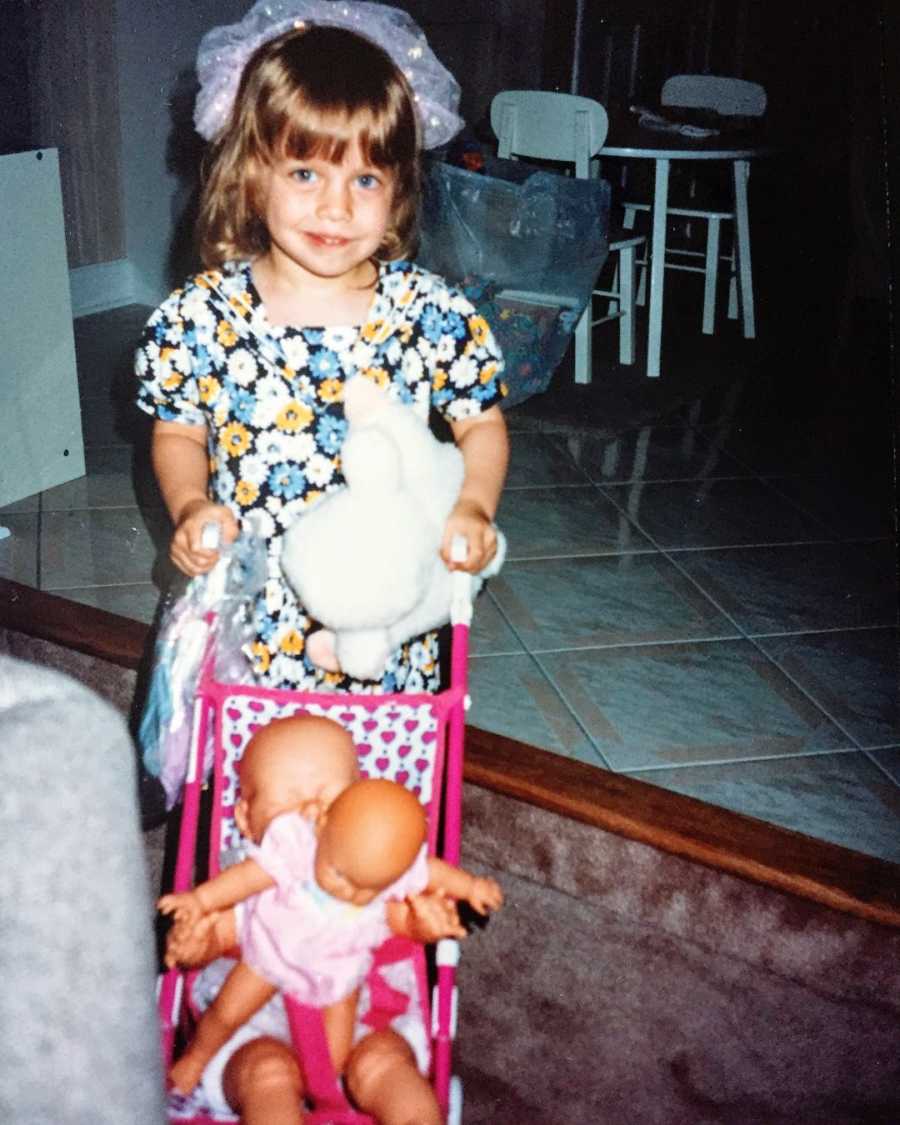
Revisiting these early years feels like an important resurrection. Bringing buried memories back to life—those locked away in a vault, or perhaps a tomb—helps me reclaim my true story instead of the one written for me by others, or the version I repeated to survive. This process is meant to be healing, even if it’s messy. So please bear with me.
Let’s start before the beginning, when my mom was still pregnant. My parents were in a car crash while I was in the womb, and they were overjoyed that the pregnancy survived. Doctors performed an amniocentesis afterward, revealing XY chromosomes. Walls were painted blue, gendered gifts were purchased, and then—shock filled the delivery room when I was born with a vagina.
I was supposed to be named Charles, after generations of family tradition. Even my mom’s name, Charlene, followed that lineage. But I broke tradition immediately. With no girl names prepared, my dad suggested Alicia—a name he loved after surviving a Texas hurricane while living there years earlier. Yes, I’m indirectly named after a hurricane. And honestly, it fits.
Once my name was chosen, far more consequential decisions followed. Doctors noted the discrepancy between my chromosomes and genitalia and recognized I was intersex—though the word was never used. Tests revealed I had internal testes instead of ovaries, and my parents were told I had Complete Androgen Insensitivity. These clinical labels framed my body as a “disorder,” language often used to frighten parents into consenting to medically unnecessary interventions without the child’s consent.
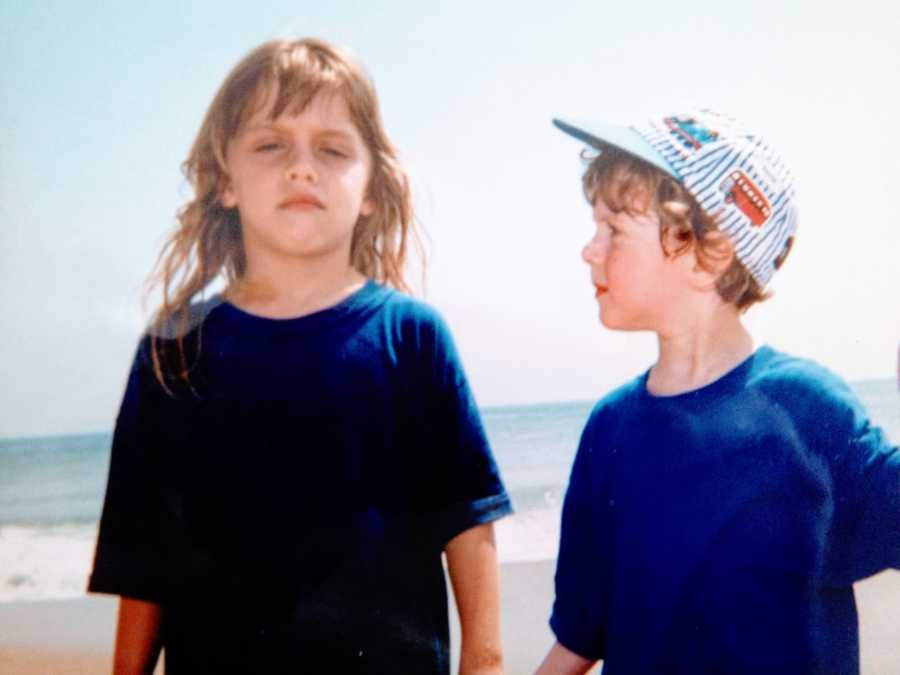
Had it not been for that car crash and the amniocentesis, my parents likely wouldn’t have known I was intersex until I failed to get my period years later. But because they knew from birth, doctors rushed to “normalize” me within the sex binary. They warned my parents I could develop cancer in my testes—something technically true for anyone with testes—and pushed for a gonadectomy. During a hernia repair before my first birthday, my testes were removed. I was forcibly sterilized.
Those organs weren’t just reproductive—they produced hormones essential for natural development. Because my body is insensitive to androgens, it would have converted testosterone into estrogen naturally. Instead, that path was taken from me. Years later, I would need Hormone Replacement Therapy just to induce puberty and maintain basic bodily functions.
The years between that surgery and induced puberty are the blurriest. Hormones deeply affect memory, and without them, I experienced symptoms usually associated with menopause—hot flashes, insomnia, depression—as early as age five. My parents believed it was undiagnosed strep throat, but hearing other intersex stories later helped me understand it was much more.
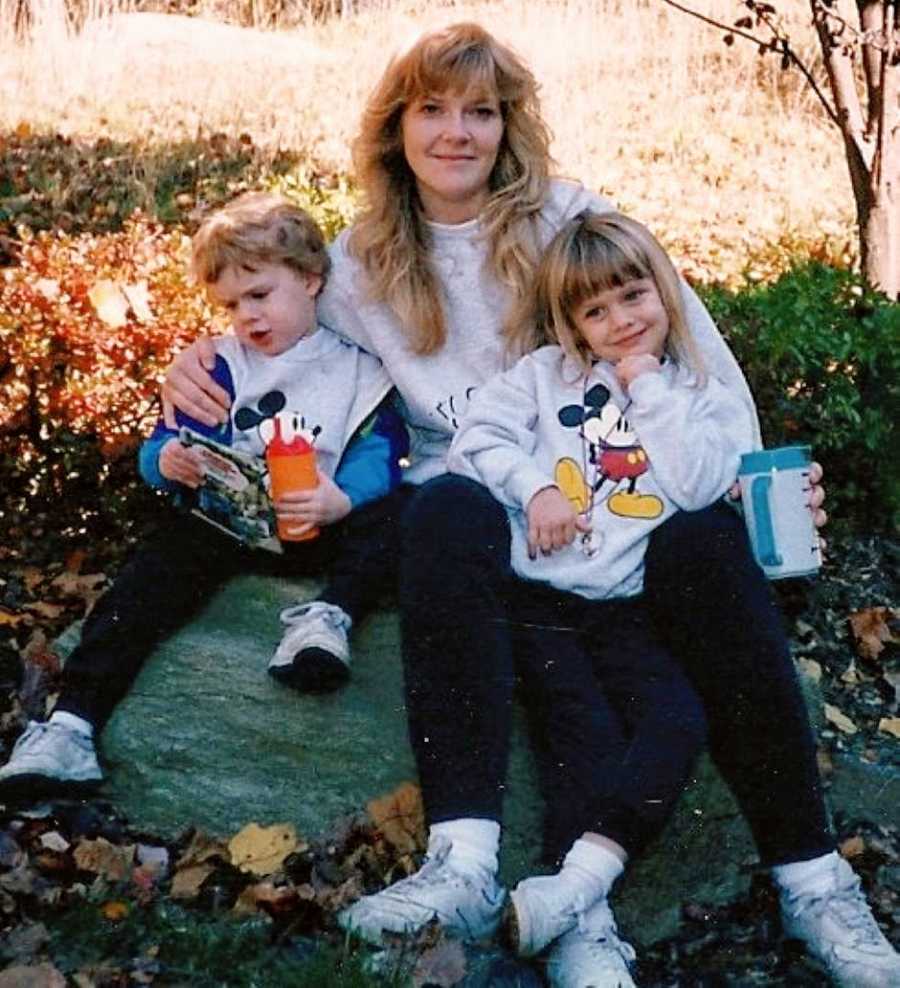
I remember my mom doing everything she could—letting me watch Flipper beside her at 4 a.m., packing “bravery donuts” for school, then picking me up hours later when I couldn’t cope. I don’t blame my parents. They acted on medical advice they trusted. I blame a system that stigmatizes intersex bodies and violates its own promise to do no harm.
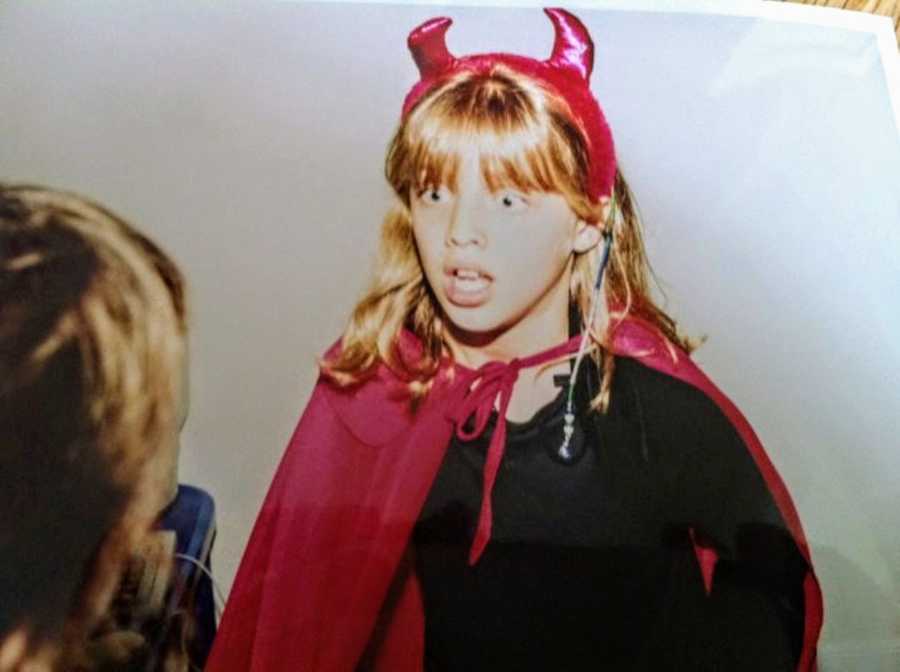
In fifth grade, kids teased me for my deeper voice, saying I sounded like a boy. A parent once scolded my mom in a grocery store about “secondhand smoke,” assuming my raspy voice came from bad habits my parents didn’t have. Ironically, kids also mocked my shiny blue Saucony sneakers—my favorite pair. Children tease difference of all kinds. The answer isn’t erasing diversity; it’s teaching respect. And to the adults who interfered, a little mind-your-own-business goes a long way.
Middle school was harder. Sex ed separated us by gender. I sat with the girls as they talked about periods and pregnancy—experiences I’d never have. The shame and isolation triggered severe anxiety, including panic attacks that caused me to pass out. I carried tampons I didn’t need just to appear “normal” when friends asked.
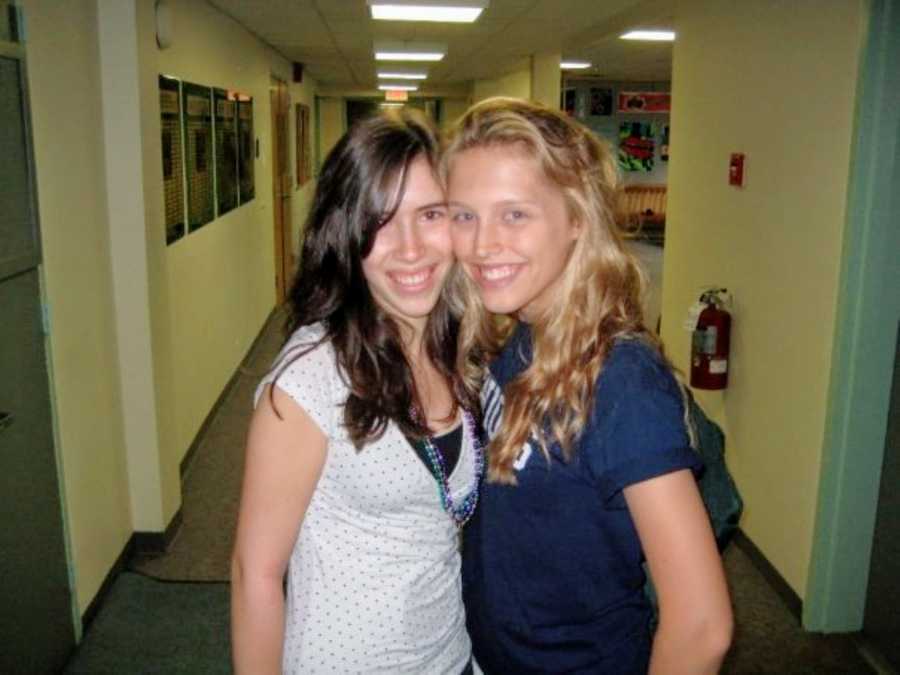
In high school, with my first serious boyfriend, I faced another painful truth: I couldn’t have children. I explained it vaguely, saying I was genetically unable, afraid that the full truth—XY chromosomes, no uterus—would scare him away. One partner accepted me fully. Another couldn’t. I told myself, as friends did, that anyone who couldn’t love me as I am wasn’t worth my time. Still, it hurt. And I wonder how much easier it could be if conversations about infertility weren’t so isolating.
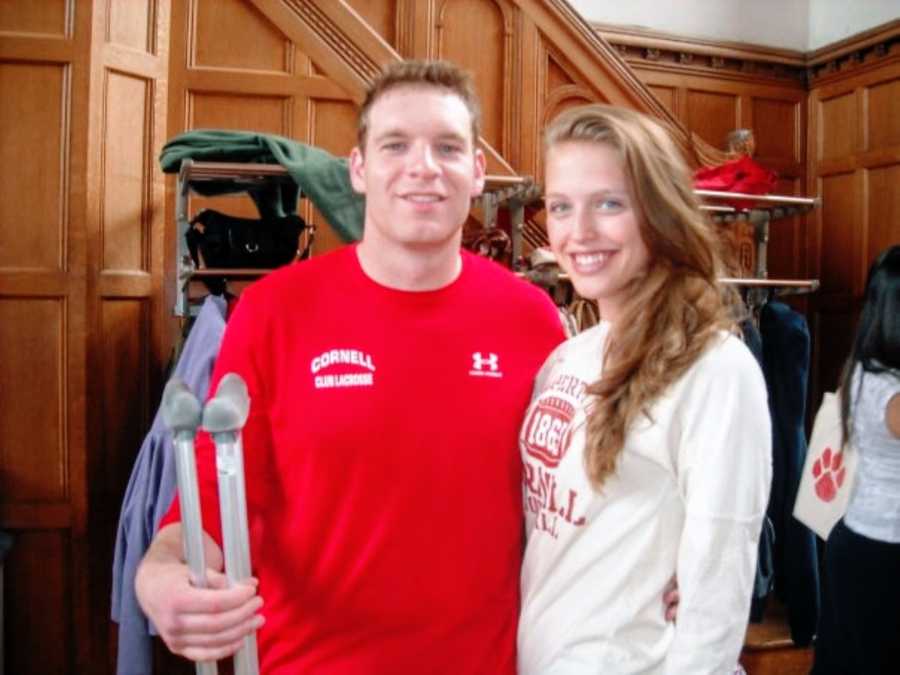
Threaded through all of this were countless doctor visits—the most painful memories of all. Appointments where doctors selected breast sizes to make me a “beautiful woman.” Visits where I was given dilators to prepare my blind-end vagina for penetrative sex, based on assumptions about my future partner. At least once, I was put under anesthesia simply to be “observed.” Feeling like a lab rat isn’t a typical childhood experience—and it’s a lonely one.
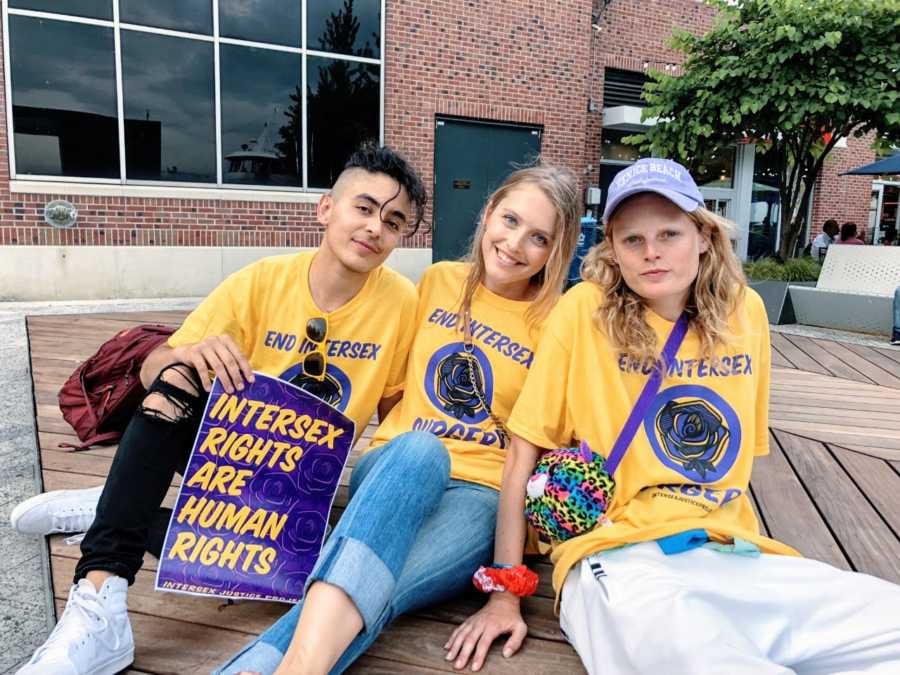
All these moments share a common thread: isolation. Feeling like a freak. That silence lasted 27 years until I finally broke it—another story for another time. I share my childhood now to raise awareness, so intersex kids can grow up with dignity instead of shame.
If we teach people early about the beautiful diversity of human bodies—including intersex bodies—children like me can grow up feeling unique, not stigmatized. Special, not broken. Writing this on Easter, I’m reminded that Jesus believed all humans are created in the image of God—intersex kids included.