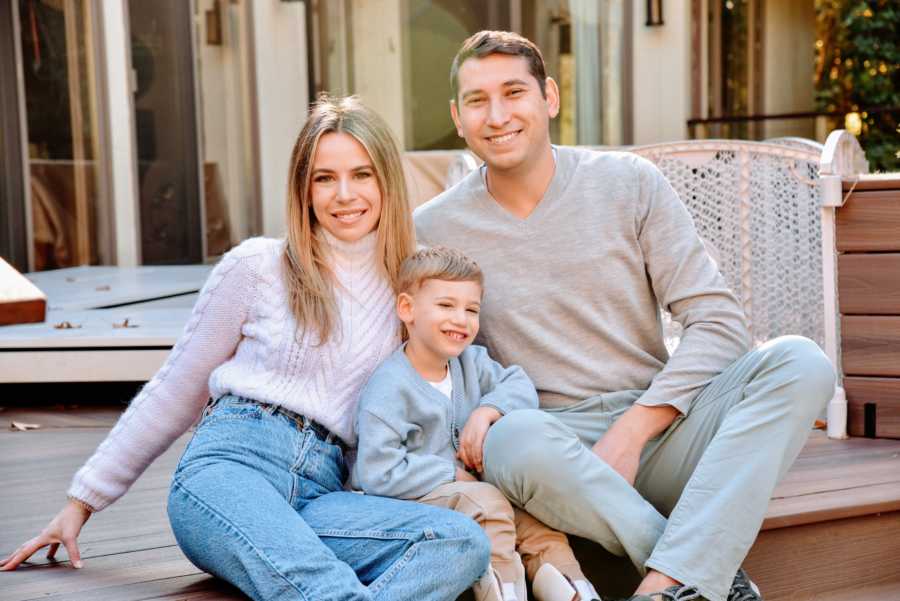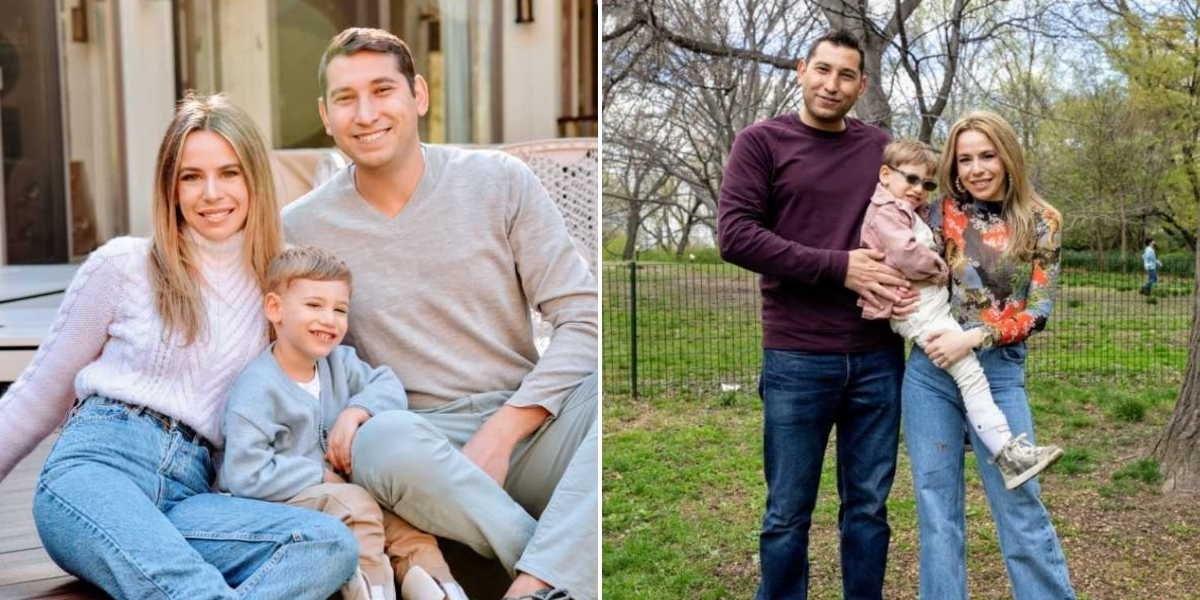
I am currently sitting in NAPA. No, not the wine country—but at the Neurological and Physical Abilitation Center in Boston, Massachusetts, where my four-year-old son, Hunter, will spend the next three weeks in an intensive physical therapy program. A year ago, my life changed forever when I received the devastating news that my three-year-old son had been diagnosed with Charcot-Marie-Tooth Disease Type 4B3 (CMT4B3), an ultra-rare, progressive neuromuscular disease. This condition slowly causes the muscles to weaken and waste away, and eventually can affect his ability to move, see, hear, and speak.
Hearing those words felt like a death sentence. My son, so full of life, was suddenly facing a future trapped in his own body. The life I had imagined for him—running, laughing, exploring—felt suddenly out of reach. And yet, as I looked into Hunter’s bright, spirited eyes, I felt a spark—a fire of hope that refused to be extinguished. In that moment, I made a vow: I would never give up on him, no matter how impossible the path.

Hunter’s story began as a natural extension of a love story. I met my husband, Brett, when I was just 16 years old, at his senior prom. Something clicked between us immediately. Our paths crossed intermittently over the years, but fate had other plans. In the summer of 2006, I literally ran into him in a grocery store parking lot. He asked me out, and our hearts recognized something eternal: we were soulmates.
At 23, Brett proposed. I knew I had found my forever. I dreamed of the perfect life: a cozy home, children, and a couple of dogs. Four years later, I told Brett I was pregnant by putting a T-shirt on our French Bulldog that read, “I’m going to be a big brother.” We were stepping into a new chapter of our lives.
My pregnancy, however, was not without challenges. At 20 weeks, I was told the baby might be growth restricted, and I became a high-risk patient. Every doctor’s visit carried tension, with warnings that I might be admitted at any moment. I had to make it to 37 weeks—what the doctors called the magic number for full-term.
When I reached 37 weeks, ready for this chapter to be over, my water broke. The baby’s heart rate was dropping, and I was rushed to the OR for an emergency C-section. As I lay on the operating table, the doors opened, and I saw Brett in scrubs, tears streaming down his face. I couldn’t wait to meet our baby, to finally hold him, and to know that the long months of worry were behind us.
Hunter was born on April 13, 2017, small but perfect at 4 lbs. 2 oz. After five tense nights in the neonatal intensive care unit, he came home with us. I was overwhelmed with relief and joy—this was, without a doubt, the best day of my life.
The first months were a blur of sleepless nights. I called Hunter my “never-ending newborn.” He ate every two hours and grew steadily, his large, curious eyes following us everywhere. But as he began to develop, I noticed he wasn’t hitting milestones like other children. He was slow to roll, sit, and crawl. Our pediatrician reassured me, attributing the delays to his small birth weight and calling them “slight developmental delays.” But my maternal instinct screamed otherwise.
Determined to help him, I sought second opinions and enrolled Hunter in New York City’s Early Intervention Program, giving him professional physical and occupational therapy. Progress came slowly, but steadily, and I clung to the hope that he would catch up.
By his first birthday, Hunter was still not quad crawling. My anxiety grew. Though he made progress, it seemed the gap was widening. I insisted on the most extensive genetic testing available—whole exome sequencing. When the results came back negative, I was relieved. Doctors continued to tell me to wait: he would catch up. But I couldn’t shake the feeling that something more serious was at play.
By age two, Hunter still wasn’t walking. His friends were running circles around him, and I knew waiting was no longer an option. We enrolled him in additional therapies and had orthotics fitted to support his walking. A new pediatric orthopedic surgeon recommended blood tests to rule out muscular diseases—but again, we were reassured that there was nothing to worry about. Finally, five months before Hunter’s third birthday, we consulted another geneticist who suggested re-scanning his genes.
On May 19, 2020, during the height of the Covid-19 lockdown, the geneticist called with devastating news: Hunter had Charcot-Marie-Tooth Disease Type 4B3. This ultra-rare, progressive neurodegenerative disease was caused by two mutations on the SBF1 gene. Globally, there were only 14 documented cases. The limited information available was grim: untreated, Hunter would eventually be wheelchair-bound, unable to move his hands or legs, and possibly lose sight and hearing. There was no cure, no treatment. I was in total shock.
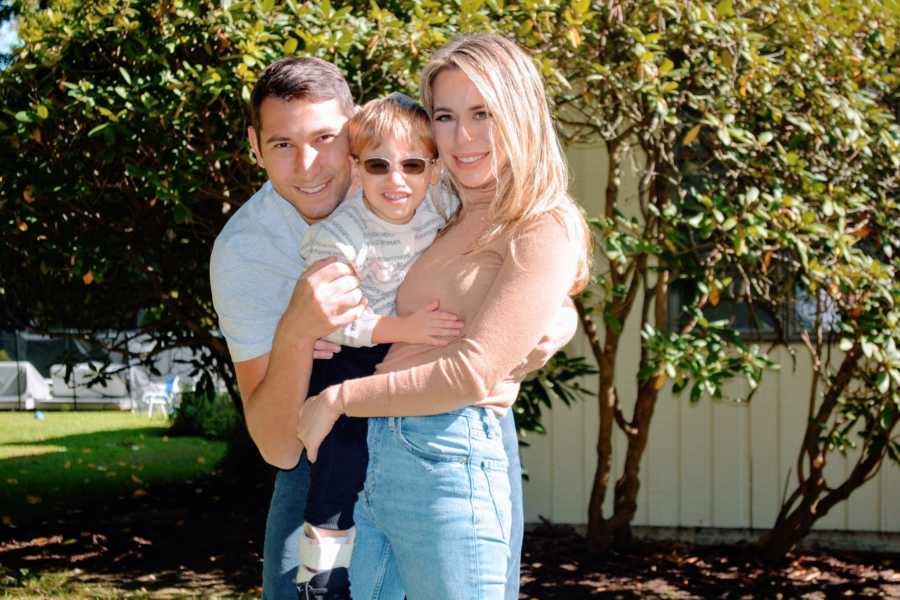
Desperate for answers, we reached out to pediatric CMT experts at multiple prestigious hospitals. With Covid restrictions, this was nearly impossible. When we finally secured appointments, we were told to “take him home and love him,” with follow-ups scheduled a year later to monitor progression. I left with more questions than answers—and a gnawing sense of helplessness.
But then, one day, I looked into Hunter’s eyes, and something shifted. I realized I couldn’t accept inaction. There had to be something we could do. I immersed myself in research, reading every paper, every case study I could find. I learned that gene therapy—introducing a functional copy of the defective gene—might halt the disease’s progression. I became a student of science, racing against time to give Hunter every possible chance.
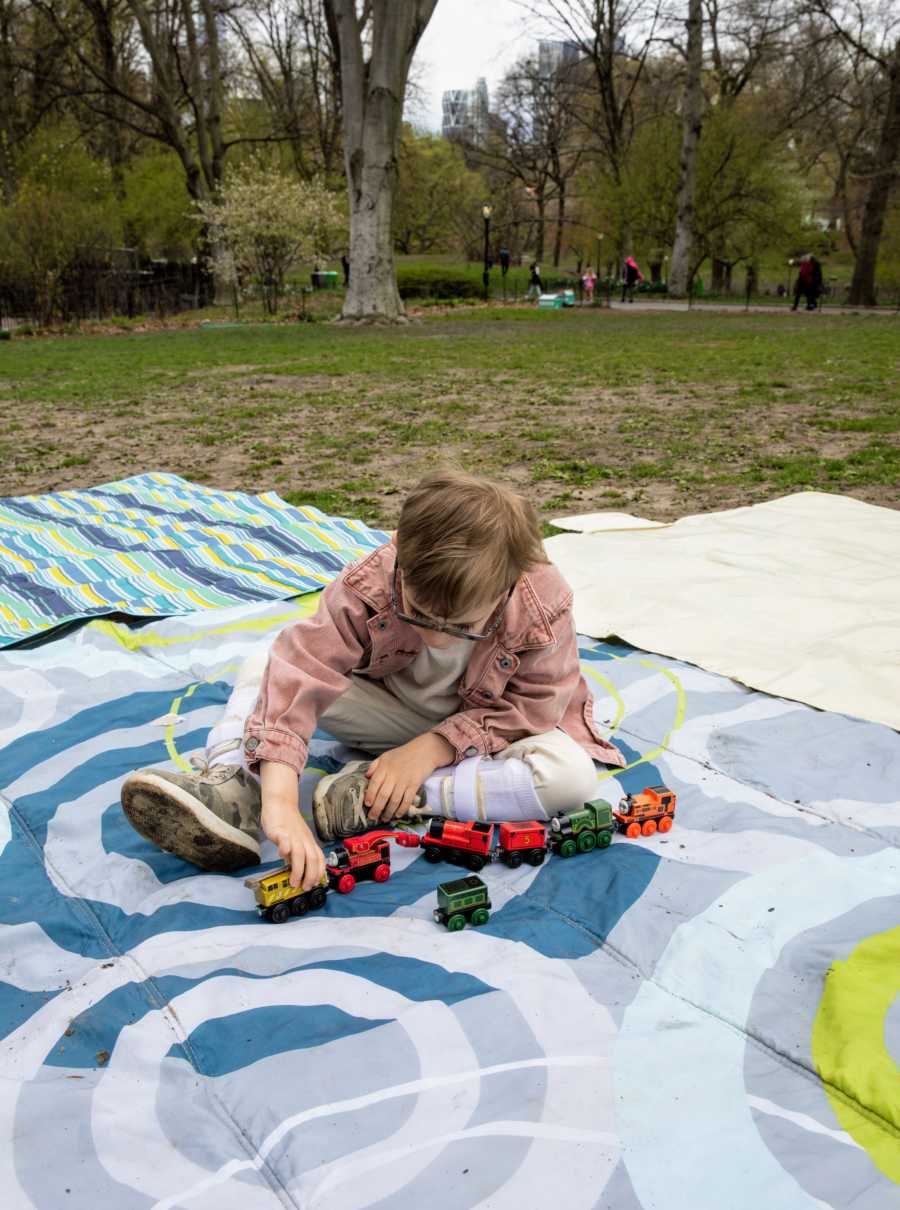
The journey was not easy. Yet, with support from friends, family, and professionals, Brett and I moved mountains. In less than a year, we founded the Hunters CMT4B3 Research Foundation, a 501(c)(3) nonprofit, created a website, raised over $370,000, and hosted the first international CMT4B3 Research Symposium with 25 world-renowned scientists. We built disease models, assembled a global Scientific Advisory Board, and were inducted into The Peripheral Nerve Society as a patient resource. Our work continues with partnerships at top institutions worldwide.
Throughout it all, Hunter has been my superhero. He has endured countless blood tests, MRIs, EMGs, surgeries, broken bones, skin biopsies, and endless doctor visits—all with an infectious laugh and radiant smile. Though he may not walk, jump, or ride a bike like his peers, he is bright, social, and endlessly endearing. Every fall, every stumble, he rises with resilience.
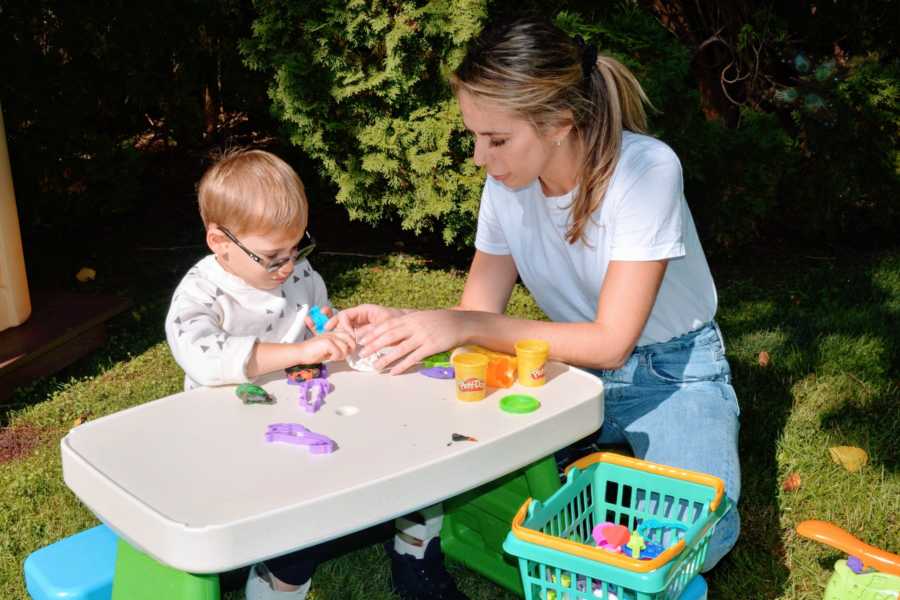
The scientific community is beginning to notice, and momentum is building for CMT research. But there is still much to do. Rare disease research is largely parent-driven and parent-funded. Gene therapy alone costs millions. By sharing Hunter’s story, we hope to inspire change, raise awareness, and give hope to families facing similar battles.
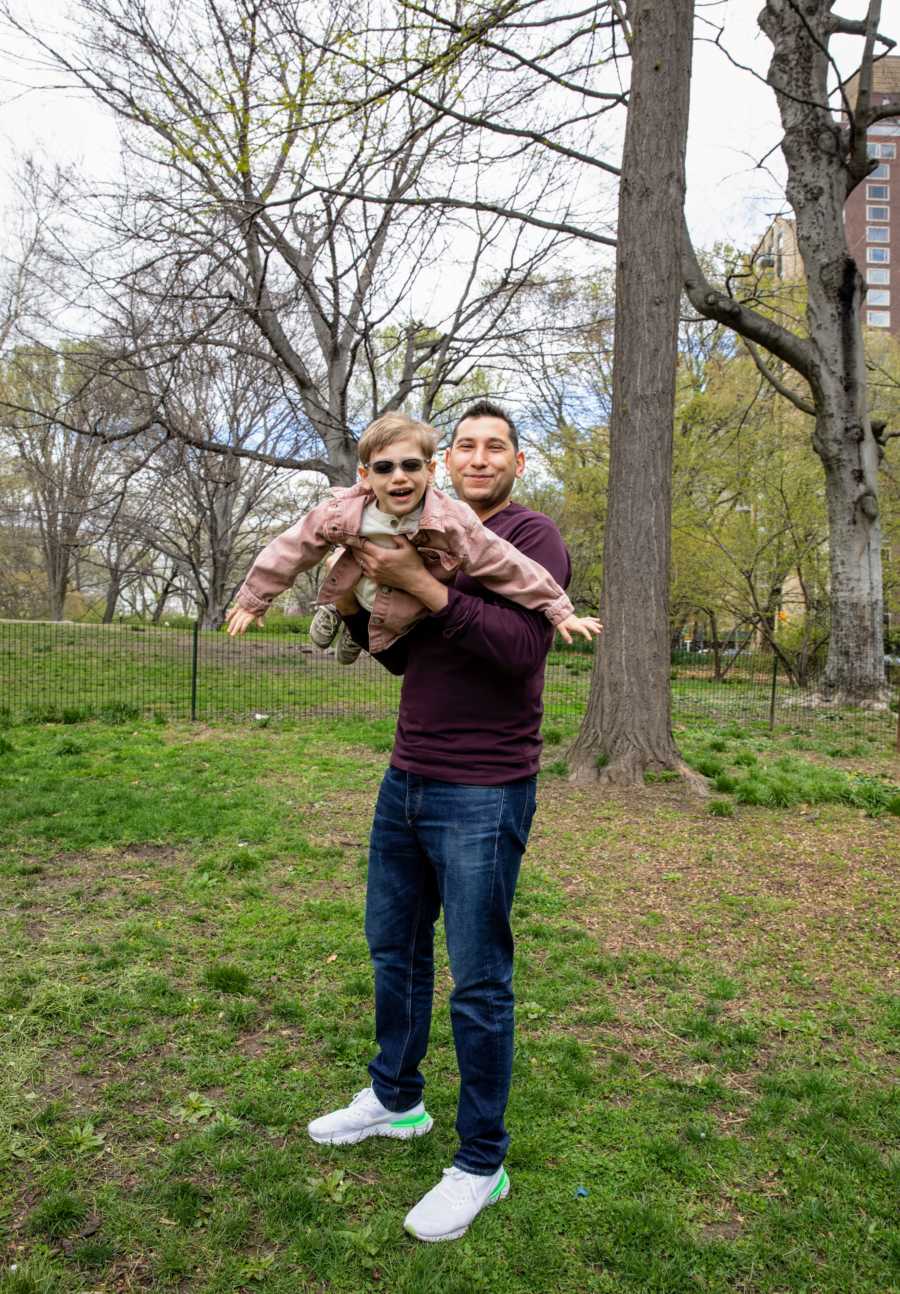
Hunter’s courage transforms my sorrow into relentless determination. I work every day to ensure that he—and thousands of children like him—has a chance at a better future. When I look into his eyes, I see not just the boy he is today, but the lives we can touch and the hope we can create. Love gives you strength beyond measure. And in this fight, we are never alone.