It all started with Chris having stomach pain. At first, we thought it was just acid or reflux. Over the course of three weeks, we went to the hospital three separate times, but each time they dismissed it, telling us to “wait for your GI appointment.” They even treated us like we were seeking pain medication, which was frustrating because it was clear Chris was genuinely uncomfortable and in pain. The earliest GI appointment they could offer was a month away, despite our insistence that his pain was worsening.
By the third hospital visit, Chris had left work early, and a coworker drove him to the ER because the pain was unbearable. He called me, and I rushed over as soon as I got off work. Finally, at this hospital, they took him seriously. They ran tests and scans, and while we waited, the doctor came in with news that shook us to our core: they had found a mass at the top of his stomach. They didn’t know what it was yet, but that was all they could tell us. When the doctor left, Chris turned to me and whispered, “Babe, what if it’s cancer?” I immediately replied, “There’s no way. You’re young, healthy, and the boys and I need you. There’s no way.”
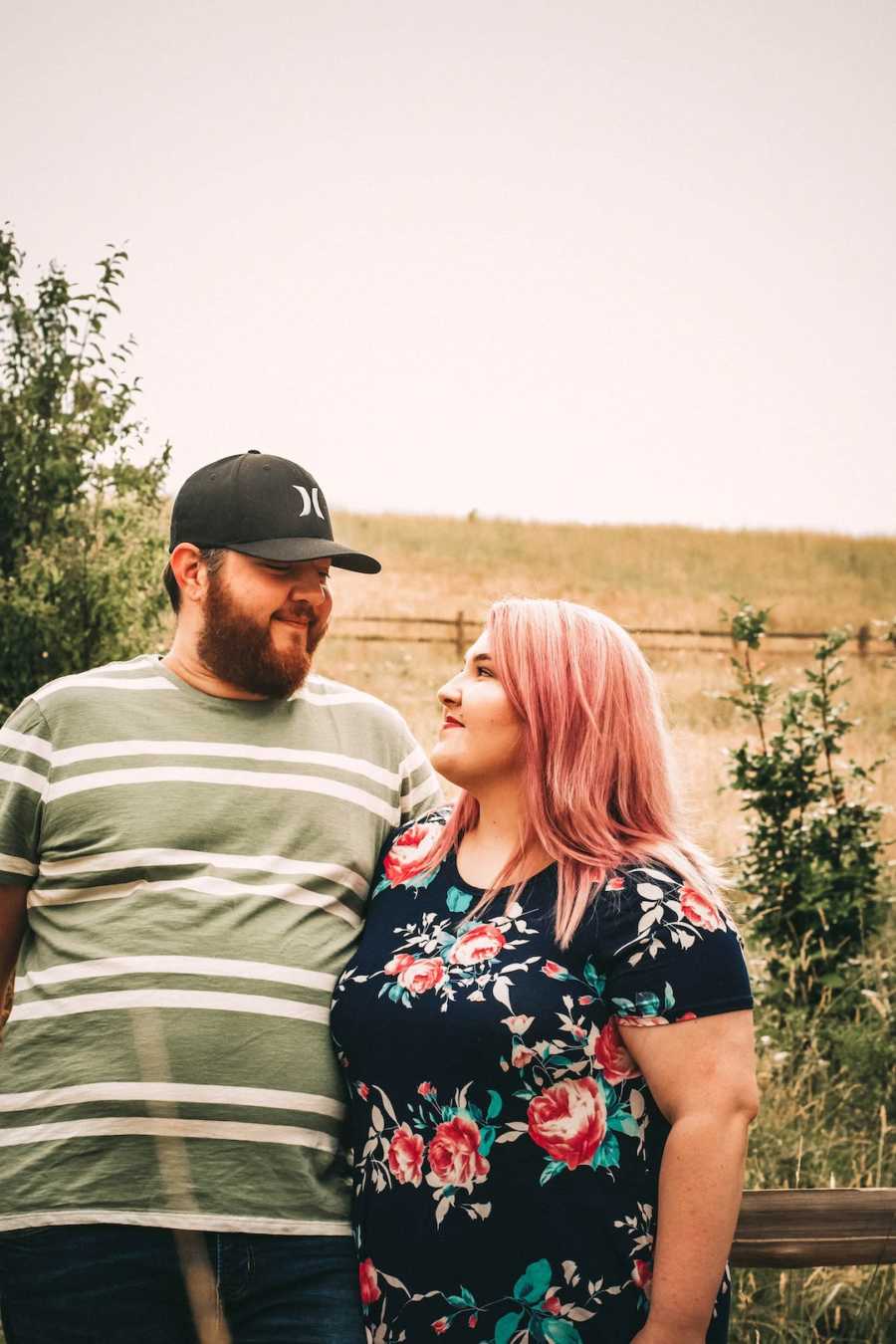
They admitted him to the hospital for further tests and a biopsy. I stayed with Chris every day after work, worrying about him and praying the results would be benign. By Saturday, the results came. The team gathered in his room, and all I remember is hearing, “Unfortunately, it’s cancer.” My mind went numb. I couldn’t even imagine how Chris felt hearing those words.
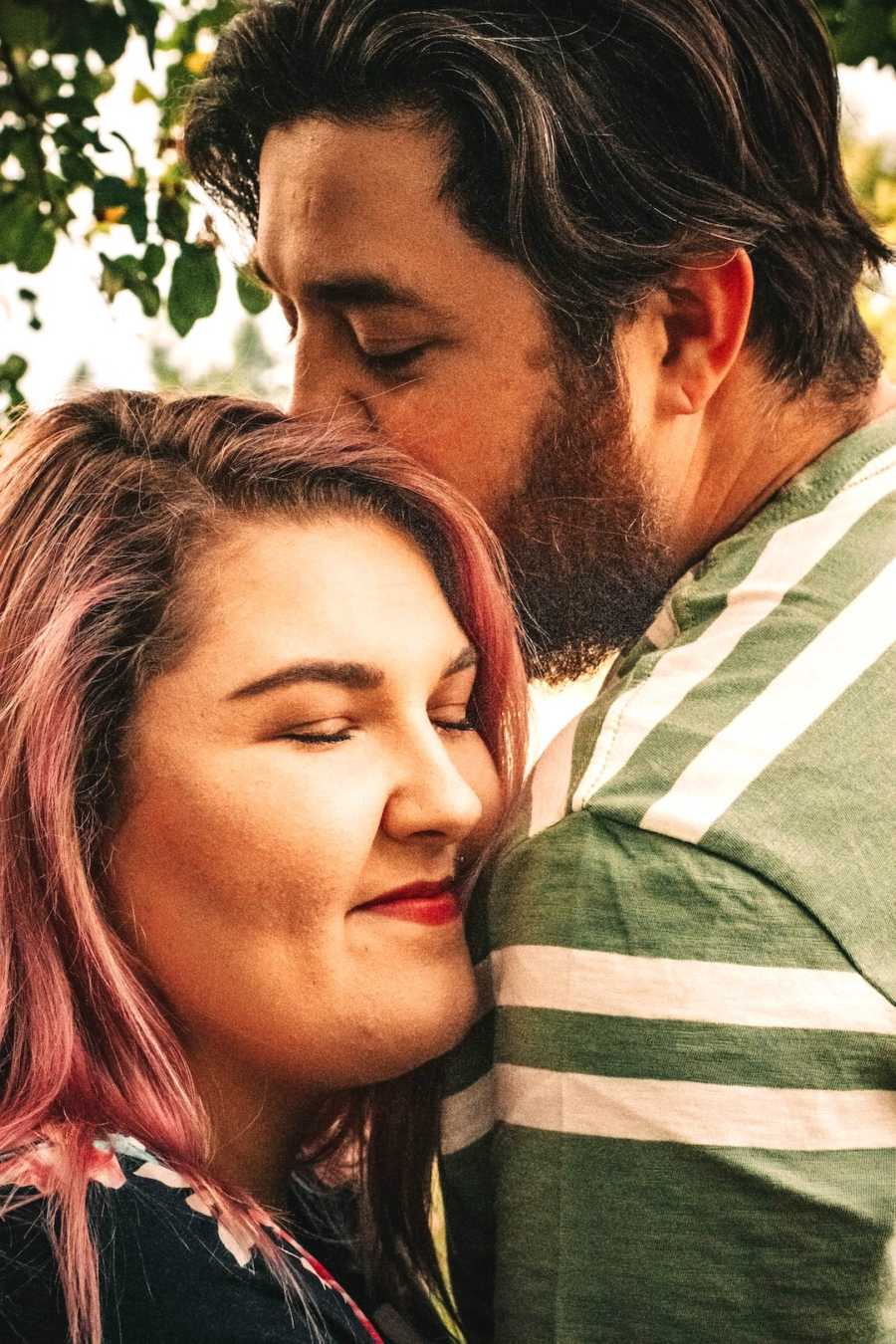
Now that we knew the cause of the pain, we could focus on treating the illness, not just the symptoms. Chris chose to follow the doctors’ recommendation: chemotherapy. He stayed in the hospital for several days, though I honestly lost track of time amid the whirlwind. Suddenly, my world revolved around taking care of him, shuttling the boys to and from school, tending to the dogs and house, and somehow taking care of myself. My dad and best friend were incredible supports, as were Chris’s dad, stepmom, and brother.
I’ve always been stubborn and felt I needed to do everything alone, but this situation quickly proved otherwise. I relied heavily on my best friend Meisha, who helped with the boys, often at a moment’s notice. We made sure they could visit their dad regularly, even when he was hospitalized.
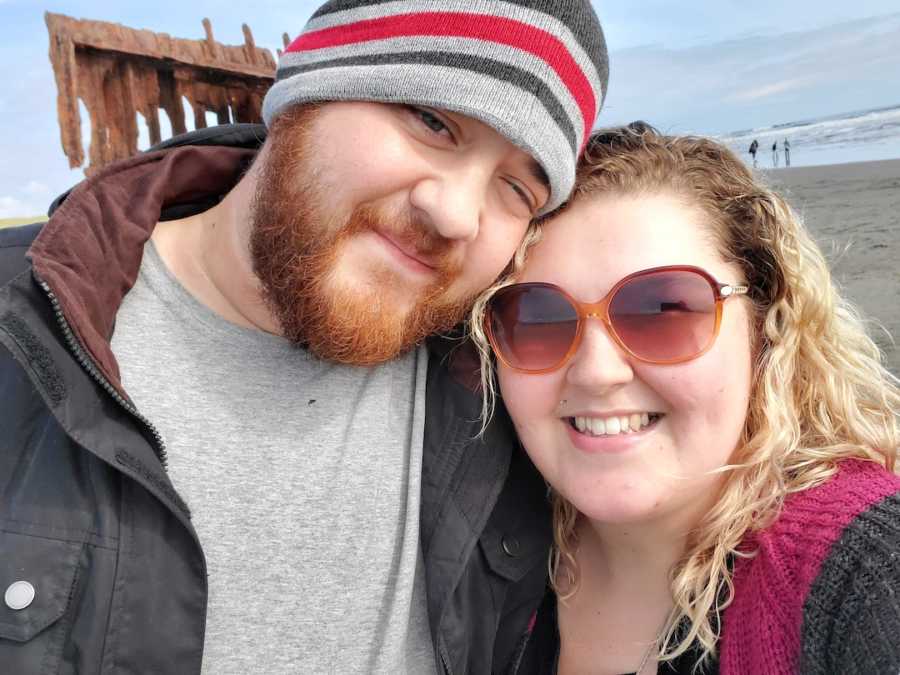
The number of appointments Chris had after his diagnosis was staggering—three or four a week between primary care, blood work, port insertion, fluids, and chemo sessions. Eventually, he had to resign from his job as a Glazer/Shower installer because the pain and chemotherapy made it unsafe to work. It was heartbreaking for him; he loved his job, his coworkers, and his boss. I took off work whenever he had appointments or needed me at home, which by this point was almost constantly.
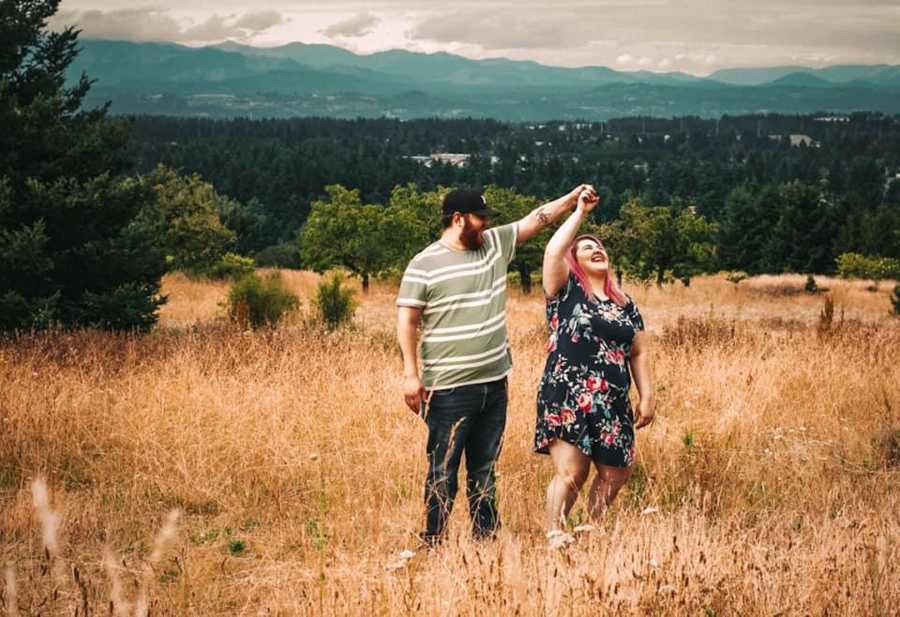
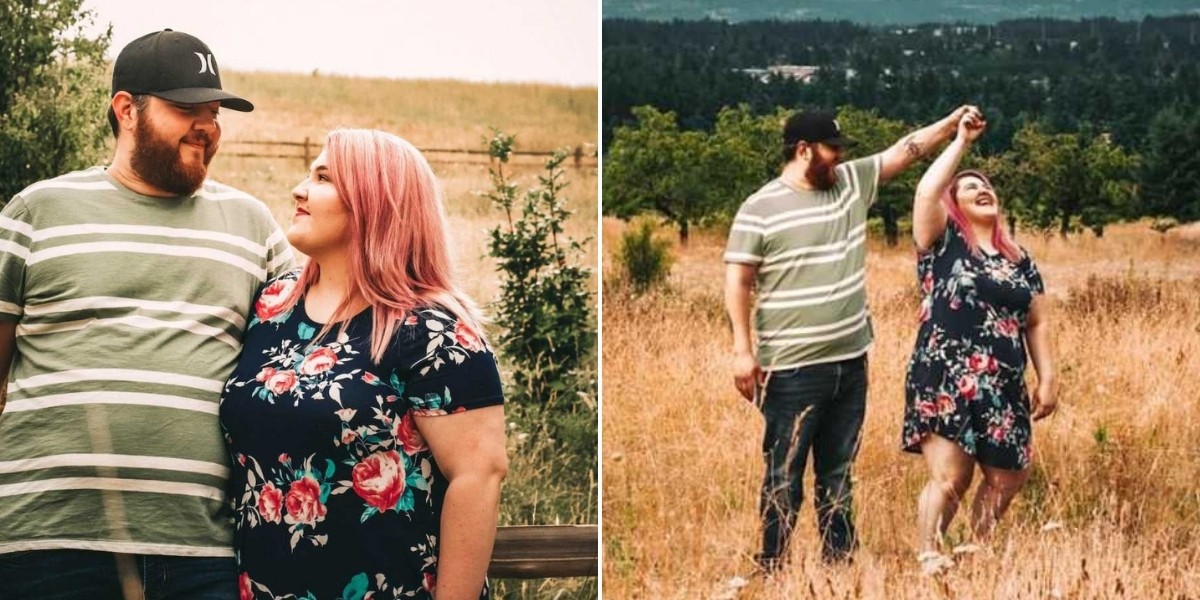
Chris’s hospital stays grew longer as we struggled to control his pain. Medication that worked one day would fail the next, sending us back to the hospital repeatedly. Through all of this, we decided we wanted to get married. It was far from ideal to plan a wedding in just a few weeks, but we felt it was now or never. November 9 became our date, and a friend and I quickly started planning. Thanks to incredible generosity from friends and family, we secured a venue, photography, food, and everything else we needed. My mom even flew in to be there for the day.
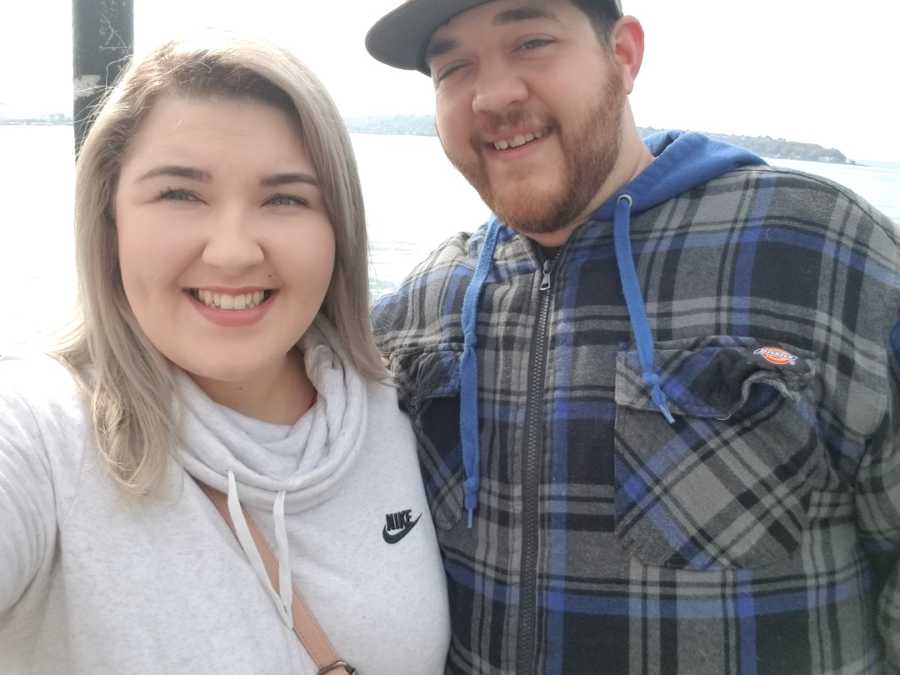
As the wedding approached, it became clear Chris might not be discharged from the hospital in time. We clung to hope, but the reality was grim. Chris suggested getting married in the hospital if needed, but I refused. “You’re getting out,” I told him. “We’ll make this happen.” We agreed to have a backup plan, just in case.
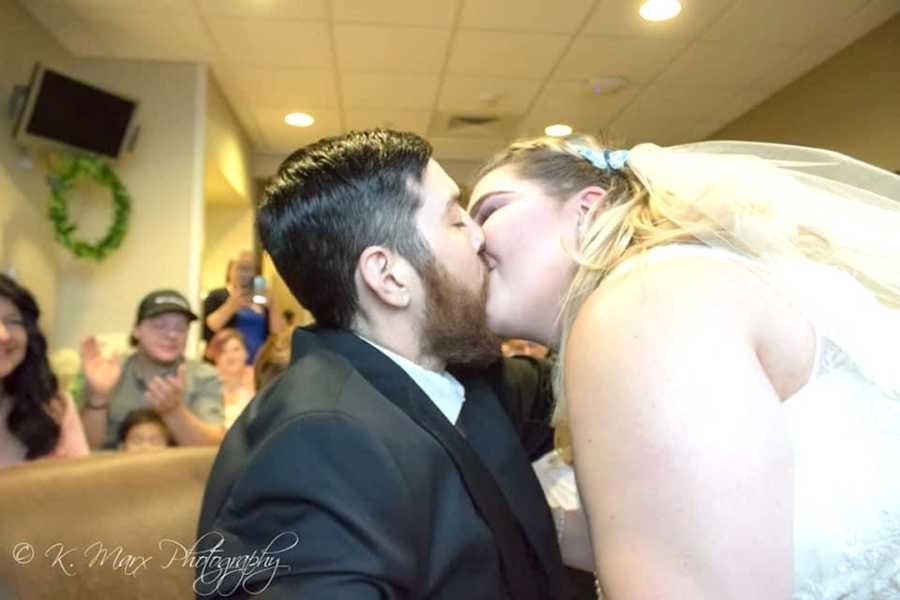
The day before the wedding, we finalized plans to hold it in the hospital’s Oncology unit. On the morning of the wedding, my mom, grandma, and I got ready with friends who helped with hair, makeup, and last-minute details. The nurses decorated the rooms, helped our guests, and were genuinely excited—it was the first wedding they’d ever hosted in that unit. That day, surrounded by family and friends, it felt like it was just Chris and me celebrating our love. Walking down the aisle, I cried before even seeing him. His vows were perfect, filled with love and tenderness. Even now, one year and four months later, I can replay his words in my head—they were music to my ears. Chris was my better half, the sweetest, kindest, and most gentle man I had ever known.
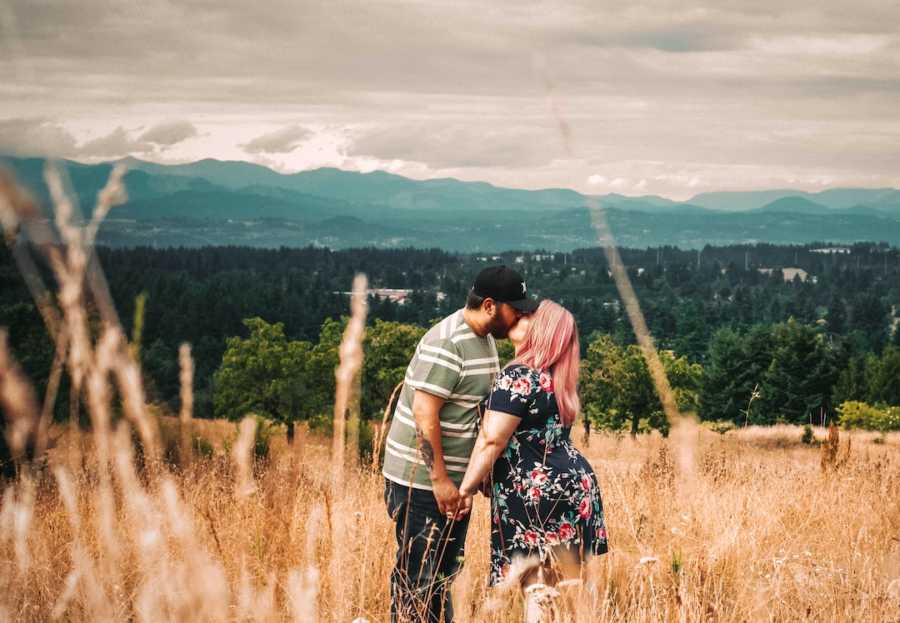
Five days after our wedding, Chris passed away. Time stopped. I was instantly lost, helpless as I watched the love of my life take his last breath. He had chosen comfort care instead of continuing treatment because his body was exhausted. I knew it was true, but my heart couldn’t fully accept it. That morning, something felt wrong. He struggled to do things he physically couldn’t, spoke strangely, and wanted to go home. When he asked for his dad, I held his hand. Moments later, his breathing changed. I knew it was the end. His dad held his other hand, and all we could do was be there with him. He was ready.
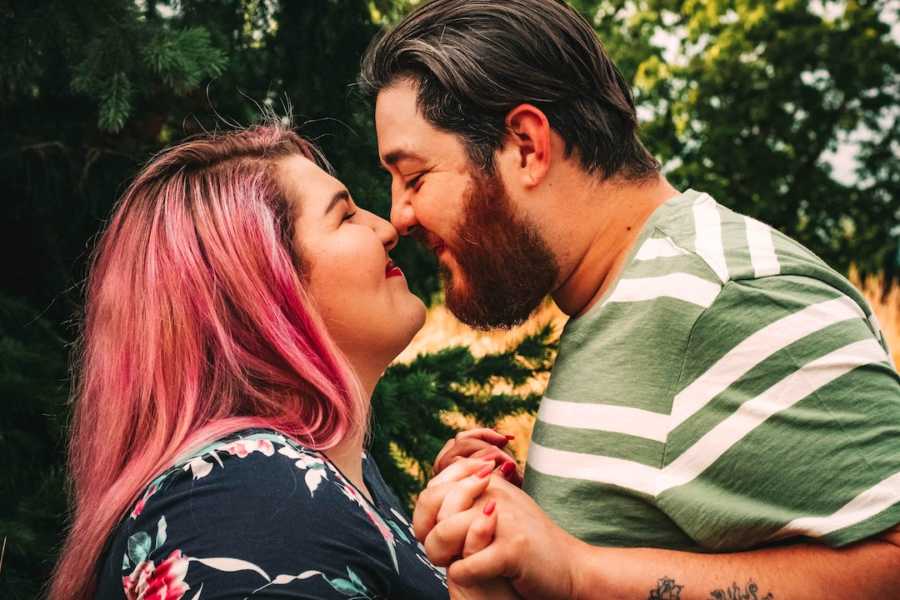
The following week was a whirlwind. Planning a celebration of life while processing my grief felt impossible. The hospital staff immediately began asking about funeral homes, organ donation, autopsies—all while I was still numb. We had to tell the boys their dad had passed. Watching their hearts break was almost worse than losing Chris myself.
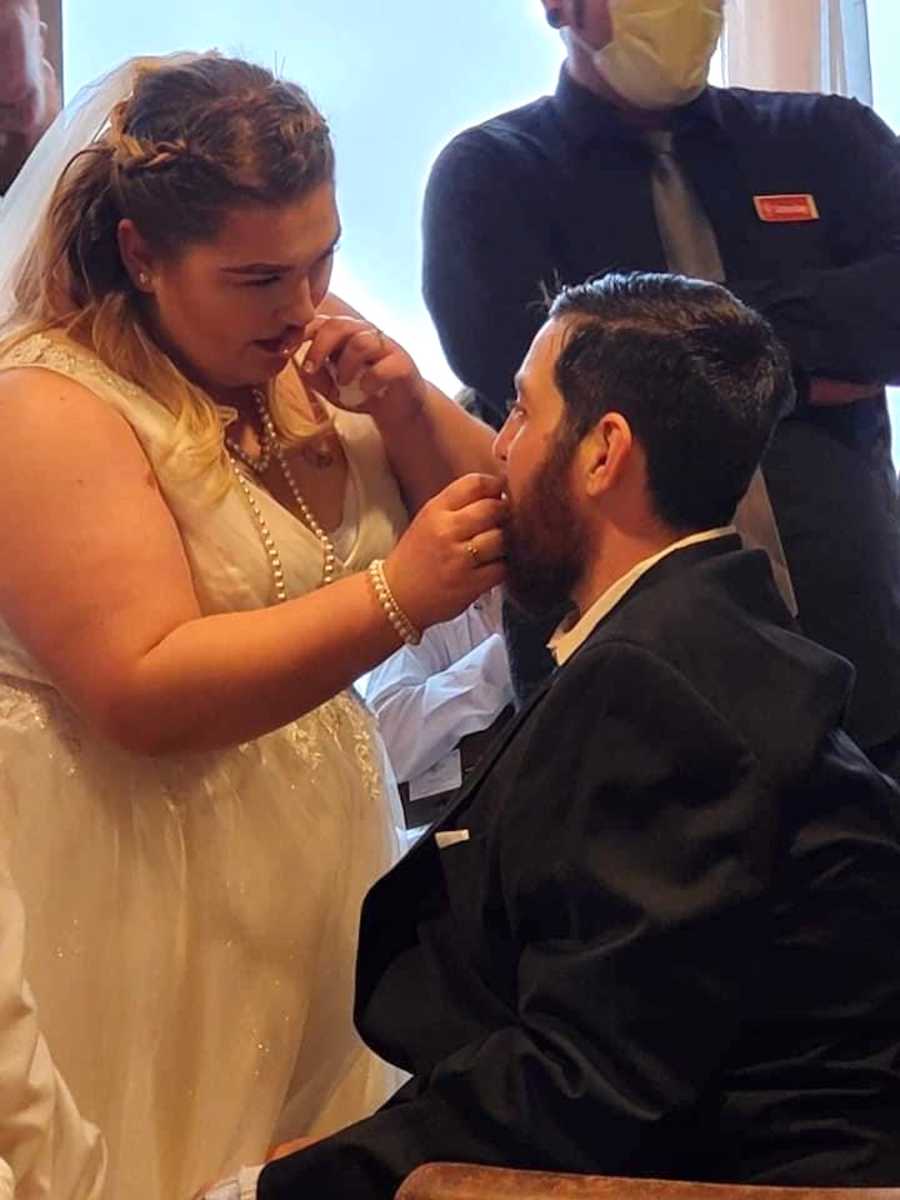
We held the celebration of life at a local venue. My mom got the boys shirts that read, “My daddy was so awesome, God made him an angel.” Seeing them proud and honoring their dad brought me comfort. The turnout was incredible, a testament to how loved Chris was. I know he was watching, smiling, and grateful to see so many people celebrating his life.
Nearly seventeen months have passed since losing Chris. I’ve faced countless emotional highs and lows, struggled with grief, and taken deliberate steps to cope. Therapy, support groups, blogging, exercise—whatever I needed, I pursued. Sharing my memories of Chris through my blog has been especially healing. It’s okay to feel sad. It’s okay to cry. Through it all, I’ve realized I’m not alone—there are people walking the same path of grief, and finding them makes the journey feel a little less lonely.