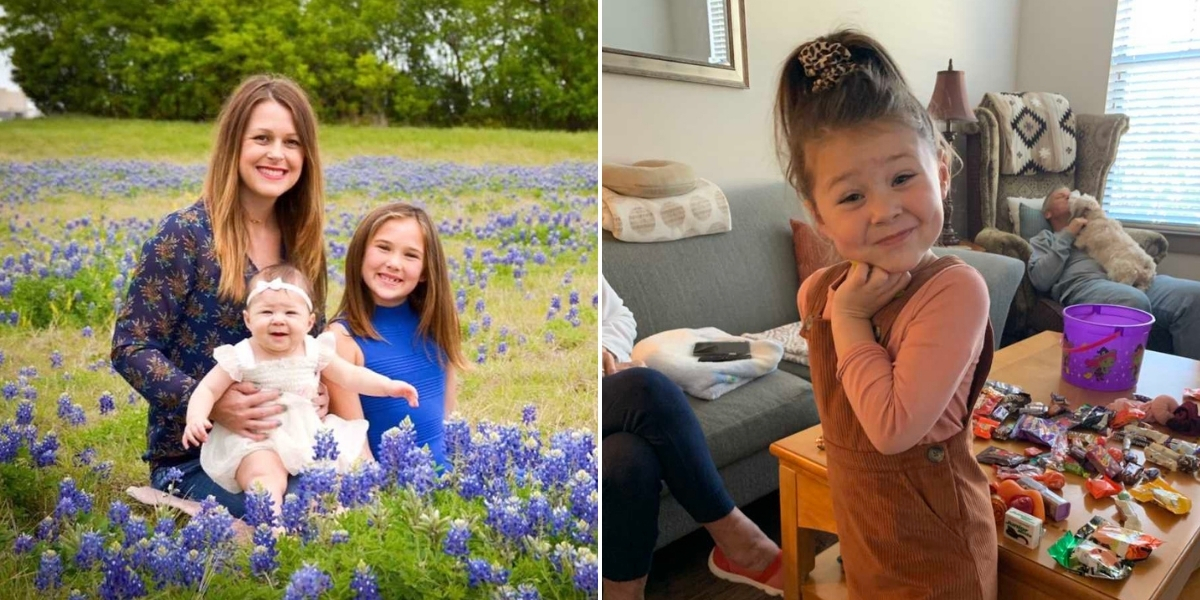
Benning Lynn Richie was born on September 1, 2016, a healthy 8 pounds, 13 ounces, and 21 inches long. From the moment we held her, she was a beautiful, brown-eyed bundle of joy. I cherished three months of maternity leave, soaking up every snuggle and coo, before she headed off to daycare. I was fortunate to breastfeed her for seven months before transitioning to formula, and she thrived. Benning met her milestones with ease—she was in the 95th percentile for height, weight, and head circumference. Her eye exams and hearing tests came back perfect. She was, in every way, a textbook baby.

Not long after starting daycare, however, Benning developed chronic ear infections, which eventually required ear tubes—our second brush with hospitals since her birth. At the time, we had no idea this was just the beginning of many medical journeys we would face together.
As a toddler, Benning was a spitfire. She had a huge vocabulary, an infectious personality, and an effortless way of captivating a room. From early on, we knew she was destined to make a difference in the world. She was unapologetically confident and delightfully goofy. Singing the Little Mermaid soundtrack during playtime or independent work was a regular occurrence. During her preschool years, she was advanced for her age, mastering potty training and independence, though like many toddlers, she had the occasional accident—completely normal for a child learning these skills.

Between her second and third birthdays, we learned we were expecting her baby sister, Demi. Benning could hardly contain her excitement about becoming a big sister. After Demi’s birth, Benning spent more time at home with me during my maternity leave. We were grateful she had mastered potty training before Demi arrived, as we had enough on our plate with a newborn in the house.
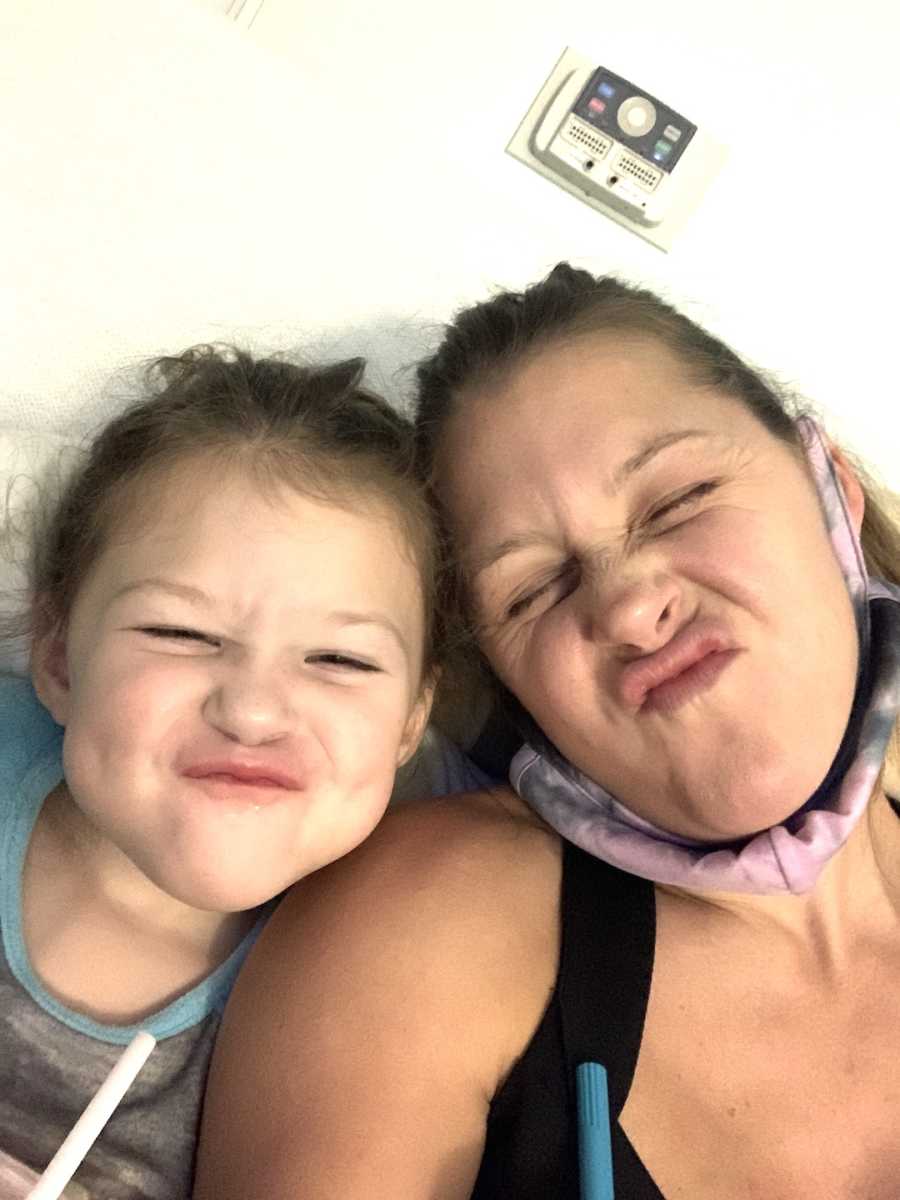
When Demi turned six months old, Benning began showing signs of regression. Nighttime accidents became more frequent, and she sometimes had accidents during the day. Initially, Sal and I chalked it up to a variety of normal factors. Maybe she was adjusting to sharing our attention. Perhaps seeing Demi’s diaper changes sparked a sense of curiosity—or a desire for the same care. Or maybe we had rushed potty training. Yet, despite our patience, her accidents persisted.
We tried everything we could think of—making sure she used the bathroom before bed, limiting liquids before bedtime—but nothing helped. Nights became exhausting. I would wake to find her soaked, the bed soaked, and myself soaked, whispering apologies back and forth in the middle of 3 a.m. showers. Eventually, out of sheer frustration, we set up a pallet on the floor so she could sleep beside me without ruining the sheets. I would rub her back, draping my arm over her so we could hold hands through the night.
Despite our efforts, her thirst only increased. She would chug water before bed and wake up in the night begging for more. “No, Benning, go back to sleep,” I’d say, fearful of the next mess. Yet she cried, hungry, thirsty, and uncomfortable, and the accidents continued.
After about a month, I noticed something alarming—Benning was losing weight. Bath time revealed a small frame I hadn’t noticed before. Desperate for answers, I Googled her symptoms: extreme thirst and frequent accidents. The results suggested diabetes or constipation. I dismissed diabetes at first—she was just three, healthy, and previously thriving. Surely it was constipation. But after another night of crying and accidents, I scheduled an appointment with her pediatrician at Cook Children’s.
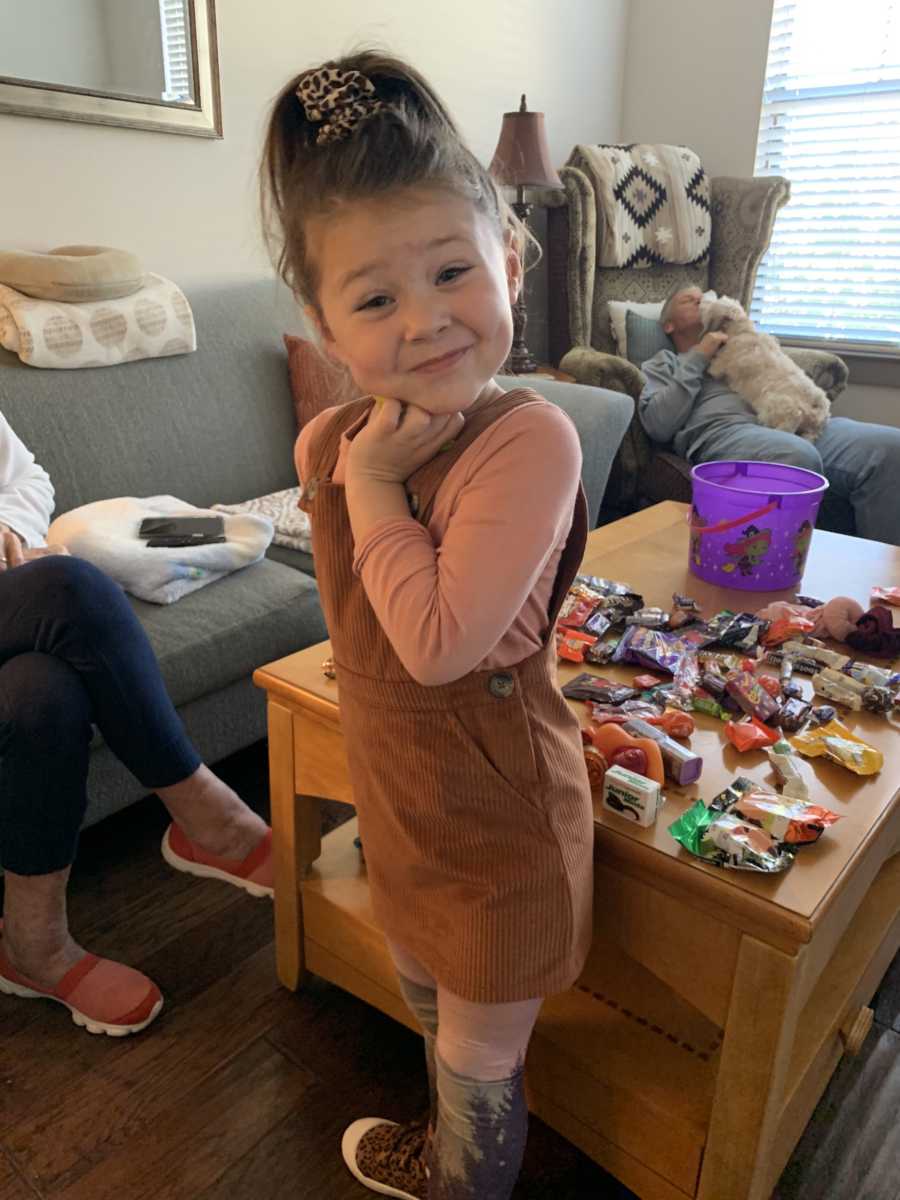
Her pediatrician, confident it was constipation, had already written a prescription. But before leaving, he checked her urine. I remember sitting with Benning, Demi at home with Sal, as the doctor returned and said, “Unfortunately, I was wrong. Her glucose levels are in the 500s. We need you to go to Urgent Care immediately.” My mind froze. “Glucose levels? She just needs to poop,” I thought. The doctor looked at me with a solemn expression and said, “I’m so sorry.” Tears slipped over my mask as I nodded.
I wanted to collapse, but I kept my composure for Benning. “What does this mean?” I asked, my voice tight. “Her glucose levels are dangerously high,” he said. “I’m pretty sure she has Type 1 Diabetes.” I couldn’t believe it. She was healthy, active, hitting milestones—this couldn’t be happening. Yet, we had no choice but to act. Directions to the hospital were handed to me, and we left immediately.
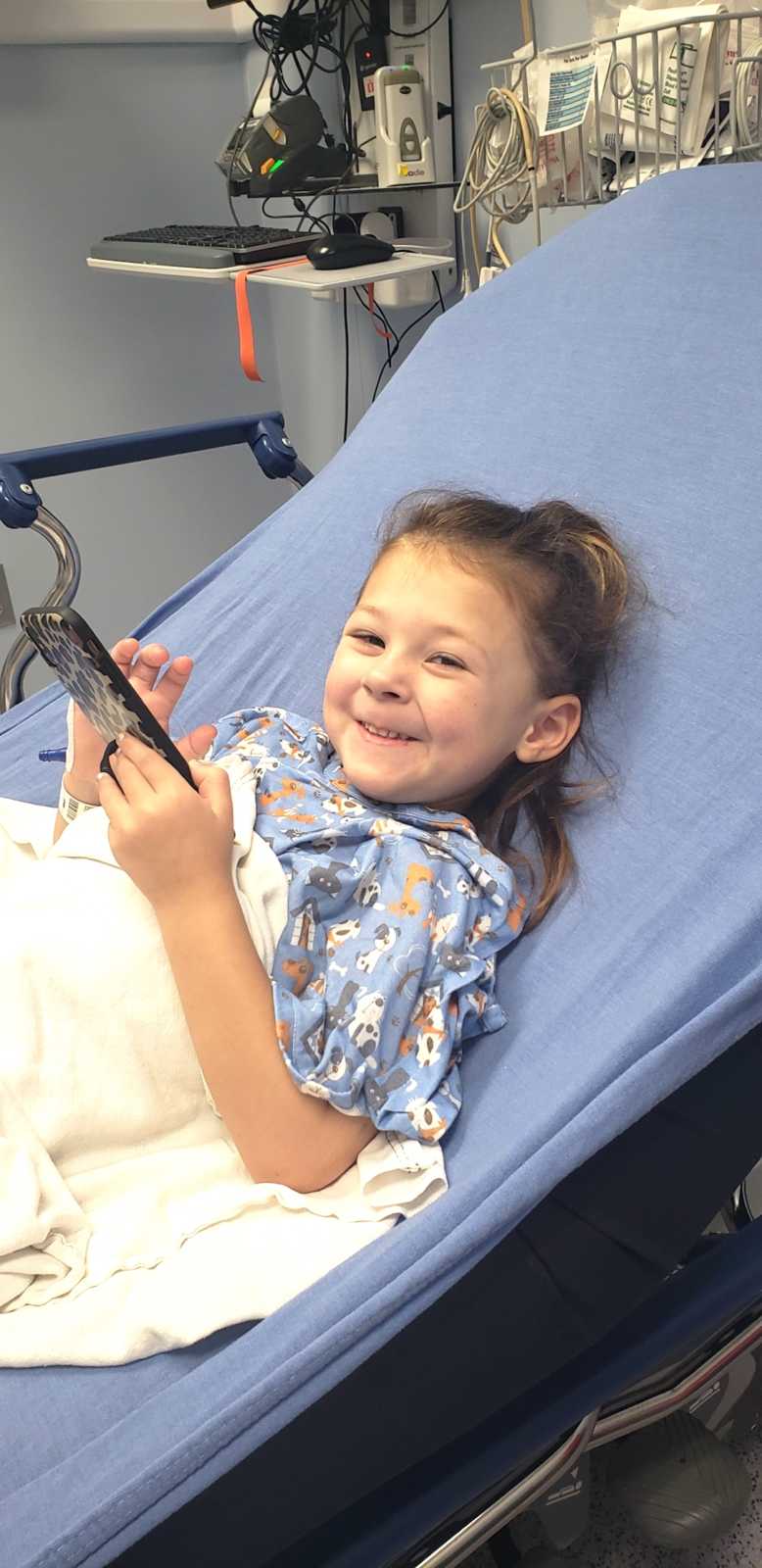
I called Sal from the car, tears streaming, explaining what the doctor had said. Benning asked questions, and I tried to keep it simple: “We need to go get some tests to make sure everything is okay.” Due to COVID restrictions, only one adult could accompany her.
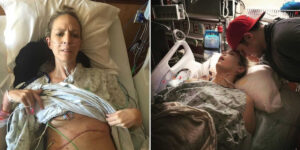
At the hospital, the nurses hooked her up to machines and took blood to confirm the urine test. Benning was scared; I was terrified. When the results confirmed Type 1 Diabetes, the reality hit me hard. They ran additional tests to check her organs. “Did I miss something?” I wondered. But thankfully, there was no damage—early detection had saved her from more serious complications.
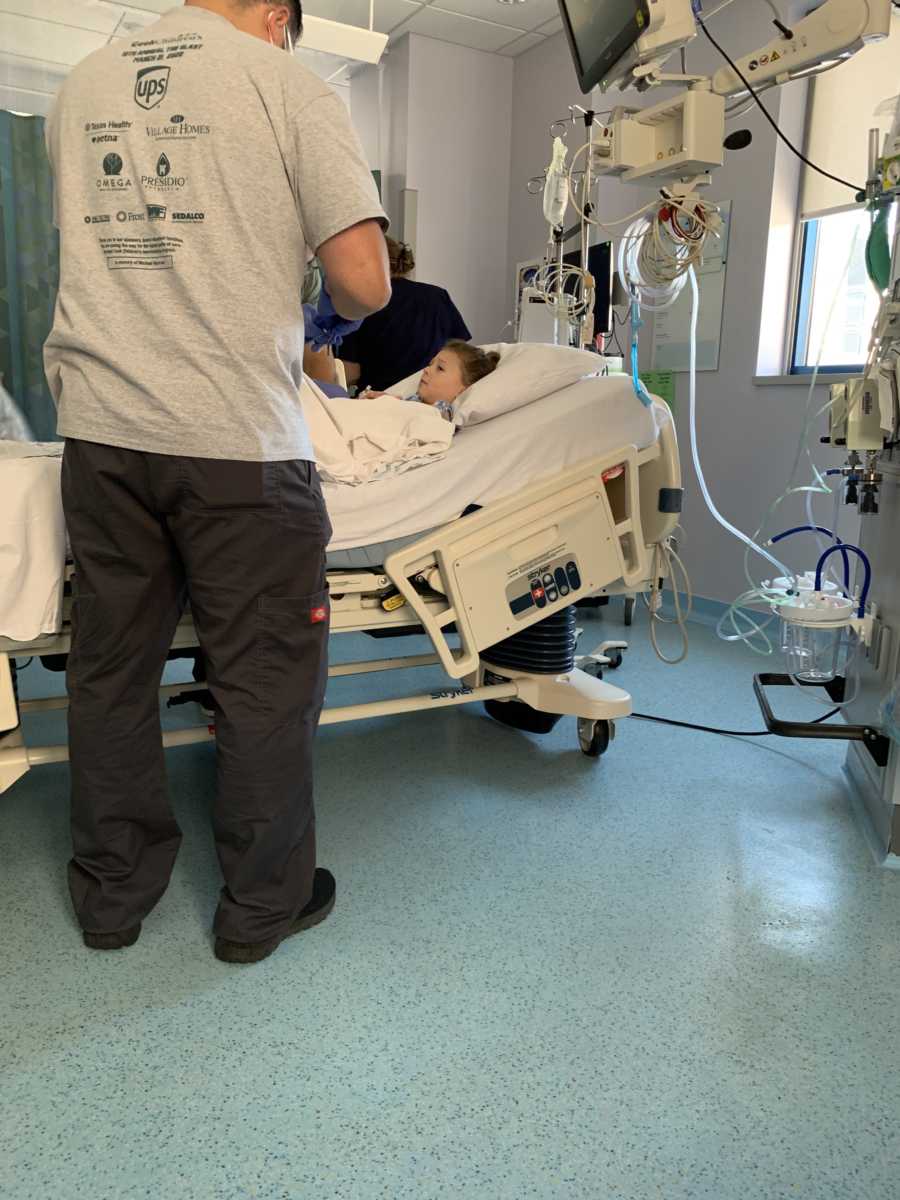
We were moved to the ICU for closer monitoring. Walking beside her, passing critically ill children on life support, was a sobering wake-up call. Benning was frightened, screaming, and in pain, yet she was the healthiest child on the floor. Grieving for what could have been, I also felt gratitude—our situation, while devastating, could have been worse.
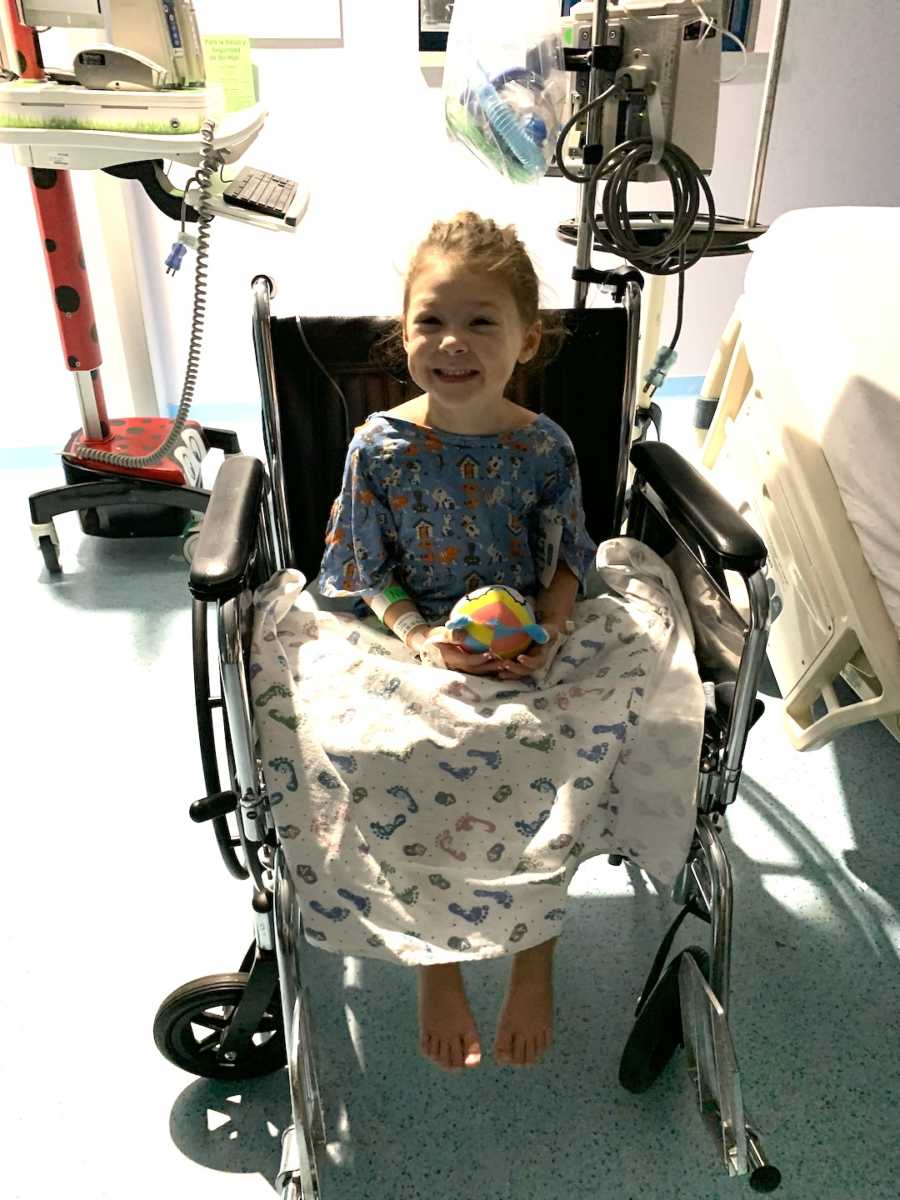
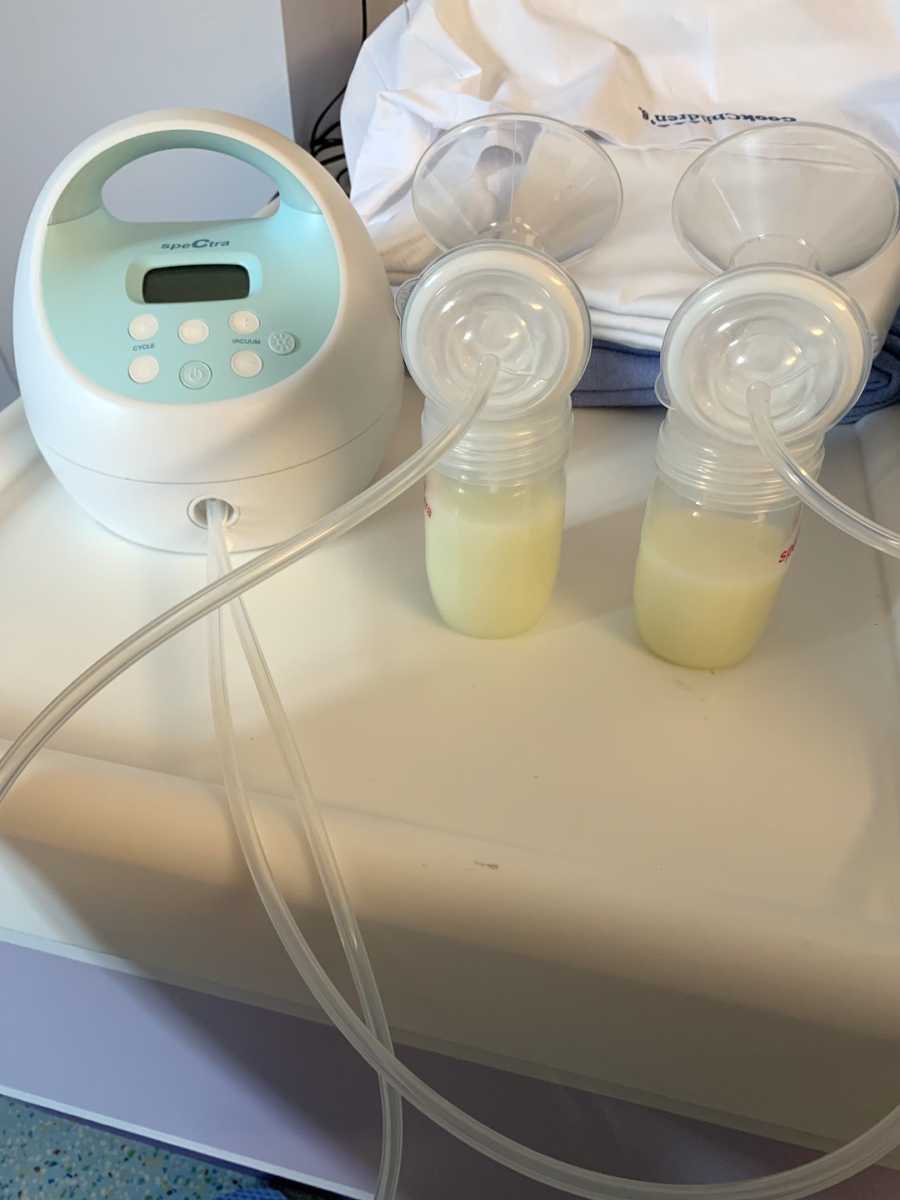
Eventually, we were transferred to a regular room. A simple pediatric visit had turned into a three-day hospital stay. I was exhausted, navigating postpartum life while nursing Demi and learning to use a pump for the first time, storing milk in a bucket of ice provided by kind nurses.
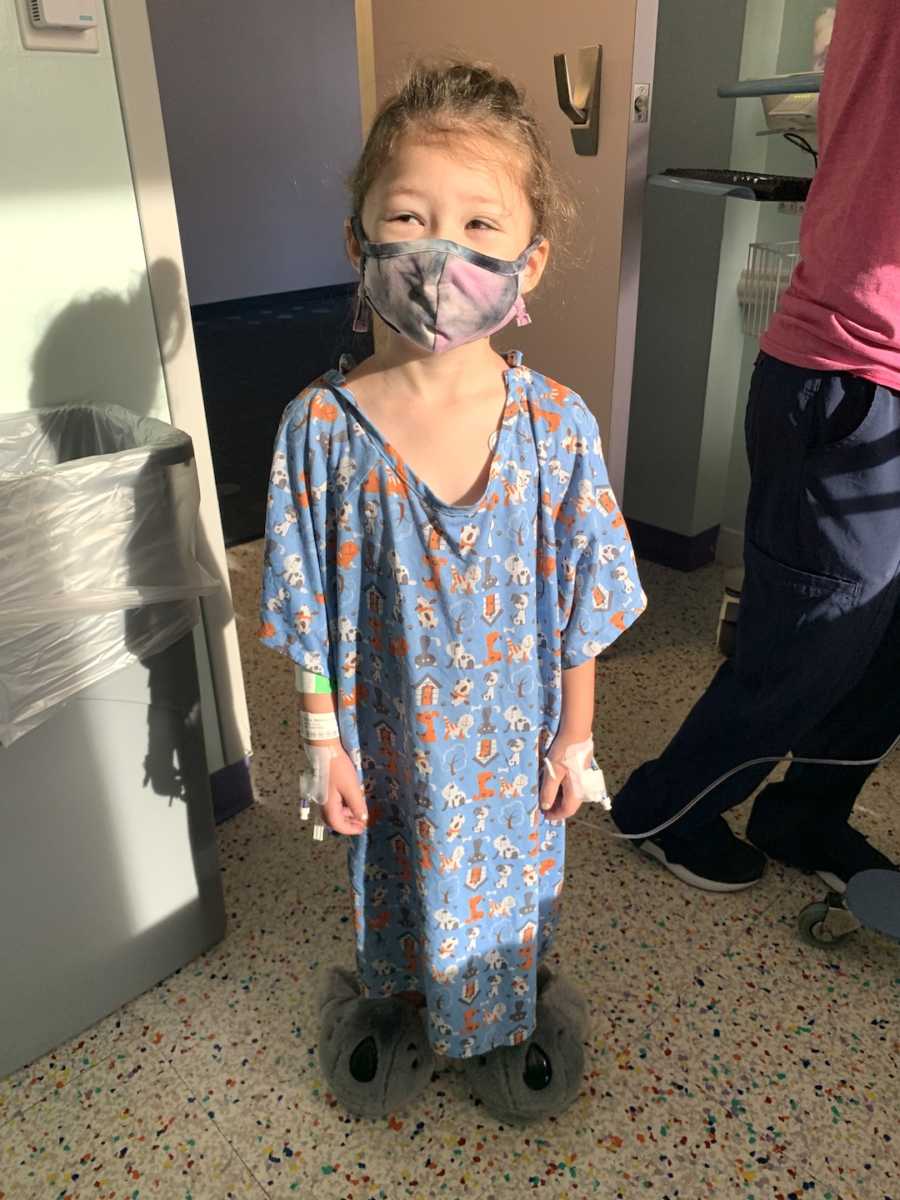
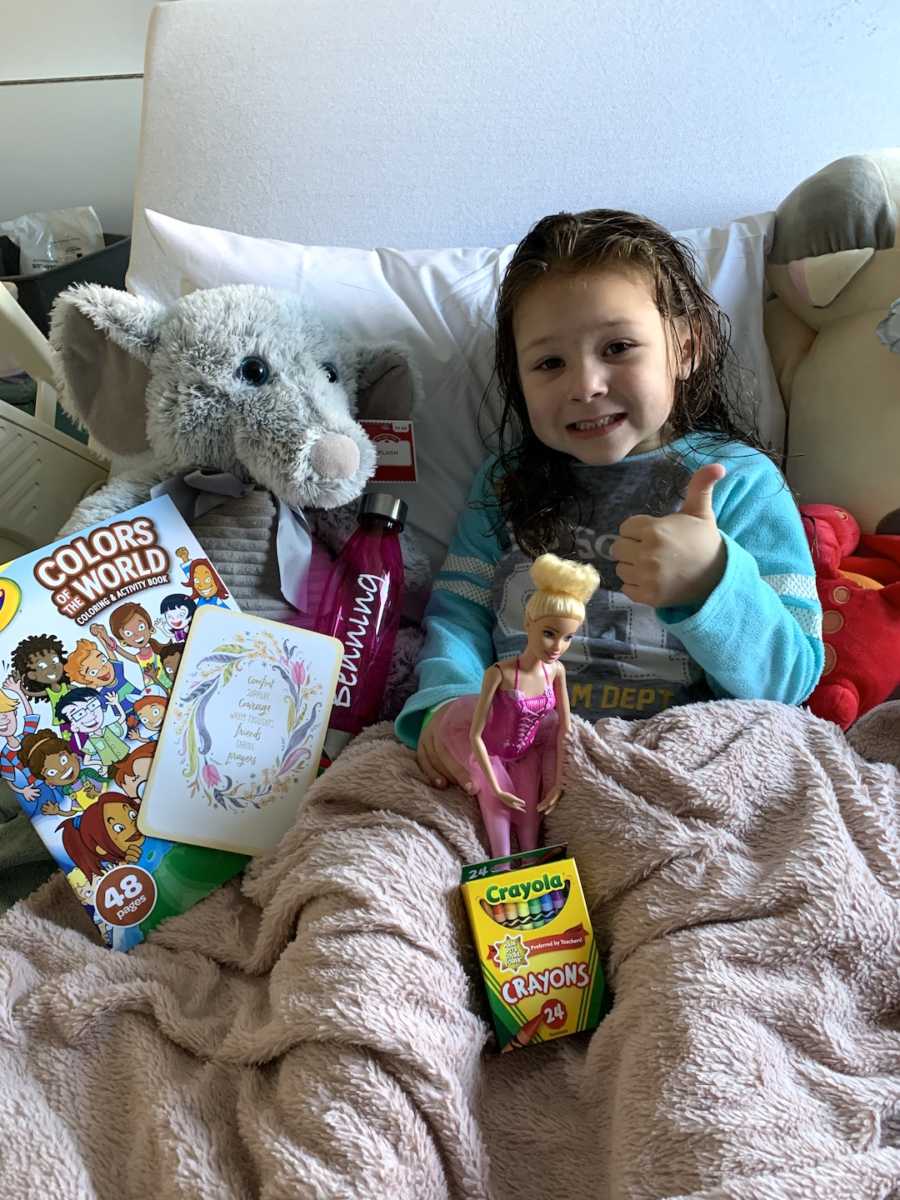
The next three days were intense—crying, shots, finger pricks, and non-stop education. How could I possibly keep her alive at home with this level of care? Pricking her finger and administering insulin often required three nurses to hold her down. I doubted my ability, went into the hall to sob, but learned everything I could about Type 1 management: carb counting, insulin ratios, glucose monitoring, and emergency care. The Child Life Specialists became our lifeline, distracting Benning with sand art, slime, and coloring during procedures. The nurses even revealed a “secret” fridge of sugar-free snacks, reassuring us that life with Type 1 could be full and manageable.
After three days, we were sent home, armed with knowledge and support, but terrified. Nighttime glucose checks became routine, insulin injections were administered before meals and at night, and we relied on our Dexcom G6 continuous glucose monitor to give us some relief. Friends with Type 1 helped us navigate sensor applications and offered encouragement when we doubted ourselves.
Six months into this lifelong journey, Benning’s life has rhythm and routine. She understands diabetes doesn’t define her. She plays soccer, attends school, and proudly explains her Dexcom to her peers. When she reflects, she says things like, “I don’t want to have diabetes,” but also shows remarkable hope: “Mom, I won’t have diabetes forever… because of heaven.”
Our lives have changed, but we’ve adapted. Meals, snacks, sports, and bedtime all involve planning and vigilance, but nothing is off-limits—just modified. We’ve learned resilience, patience, and the meaning of unconditional love. Benning’s goofy, confident personality shines through, unaffected by her diagnosis.
This journey has reinforced a powerful truth: “You don’t know how strong you are until you have no choice.” We’ve faced fear, tears, and countless needles, yet Benning thrives. She will do everything she dreams of, and we will be there to guide her. To all parents: trust your instincts, listen to your children, and never discount their feelings. Benning’s story reminds us that while we can’t prevent every hardship, love, vigilance, and hope will see us through.
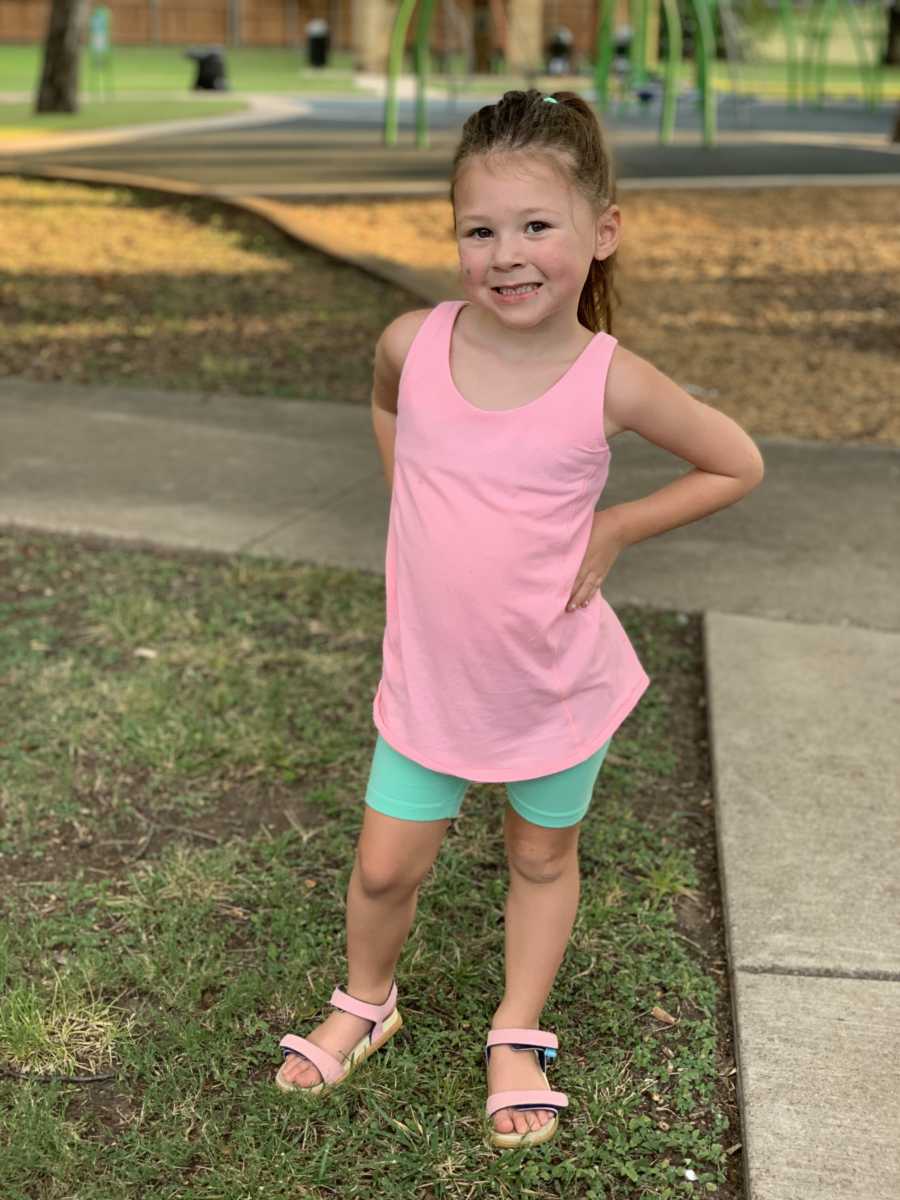
Her symptoms were classic warning signs we didn’t recognize, but none of it was her fault. None of it was ours. And with love, care, and perseverance, we are all going to be okay.