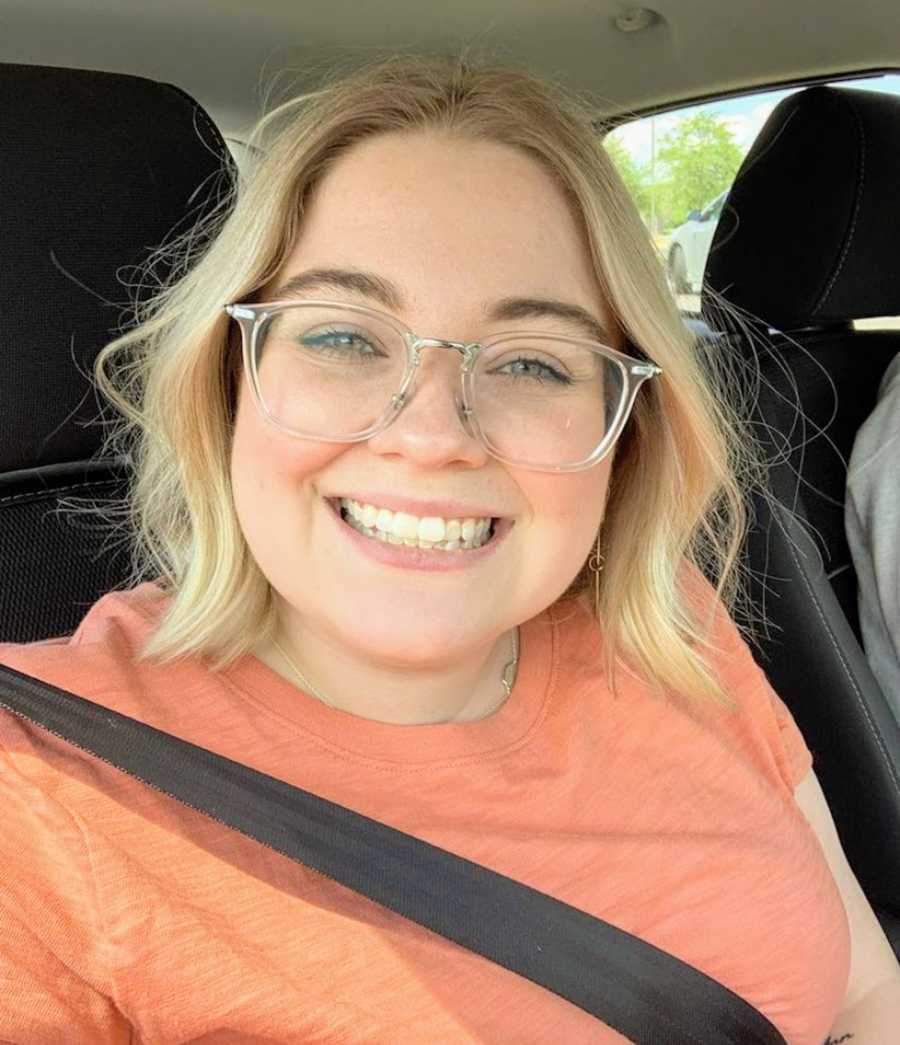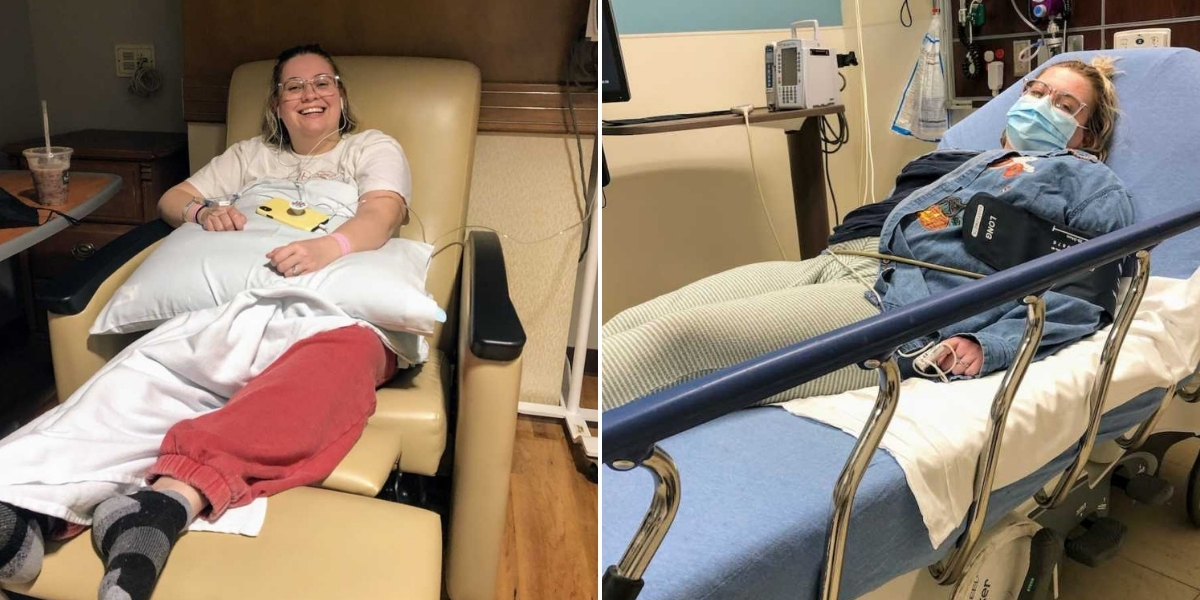
Hi! My name is Kellie, and I am a chronically ill and disabled woman. I have been officially diagnosed with thirteen chronic illnesses, with several more still suspected. The most severe and disabling among them are Ehlers-Danlos Syndrome (EDS), postural orthostatic tachycardia syndrome (POTS), gastroparesis, fibromyalgia, autoimmune gastrointestinal dysmotility (AGID), and autoimmune atrophic gastritis. Three of these are considered rare diseases, and despite everything, I am incredibly grateful that I was diagnosed as quickly as I was.
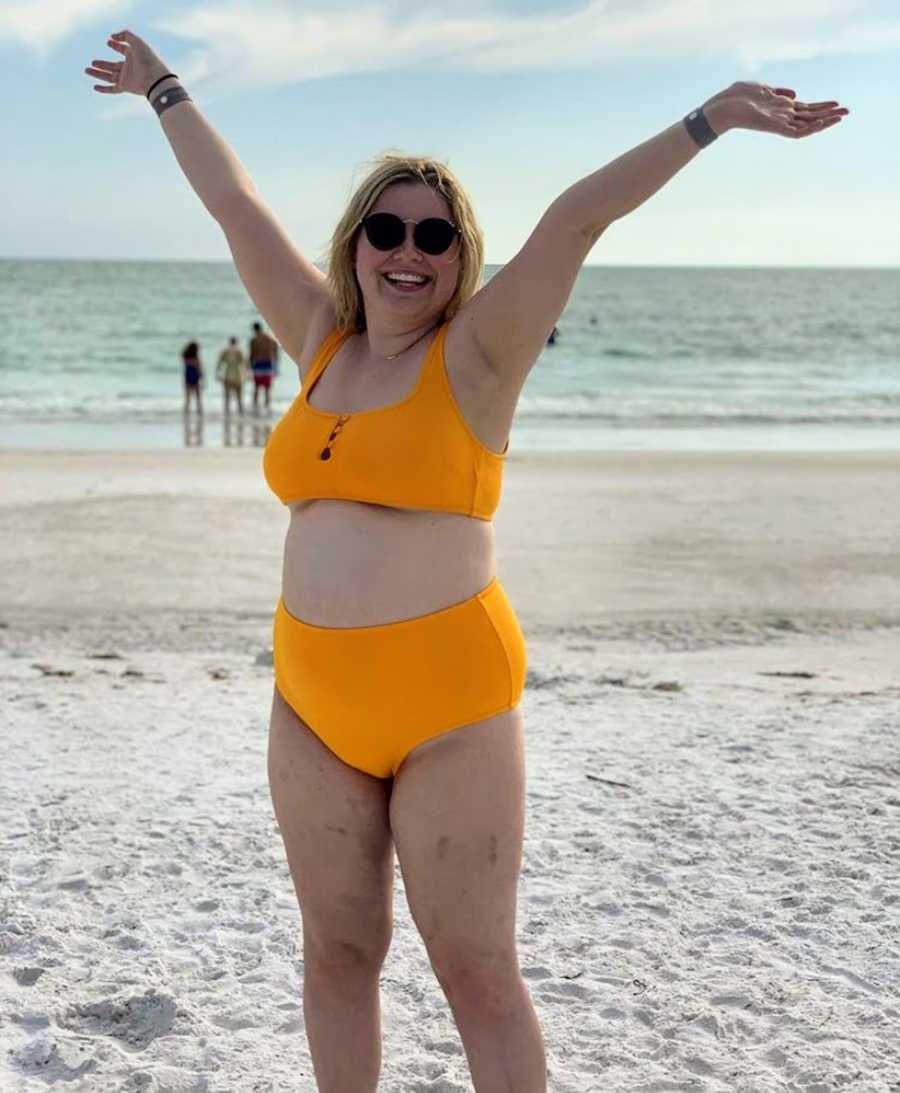
I first realized something was wrong when I was sixteen years old, during my junior year of high school. My life suddenly spiraled, and nothing felt normal anymore. Every morning I woke up with excruciating stomach pain that left me curled up on the floor, screaming in the fetal position. I dealt with relentless nausea and nonstop diarrhea, with no relief in sight. At the time, one of the households I lived in was deeply toxic, and I wasn’t believed. Instead of compassion, I was mocked, ridiculed, and forced to go to school anyway, only to call my grandma to come pick me up when I couldn’t make it through the day. One of my parents would stand over me while I cried on the floor, calling me a faker and a liar, telling me to “suck it up.” That pattern continued for most of my life. He eventually walked out and didn’t attend my wedding. To this day, he still doesn’t believe anything is wrong with me. We haven’t spoken in over a year, and that distance has been necessary for my own well-being. Being told to “suck it up,” even as an adult, is something that will haunt me forever.
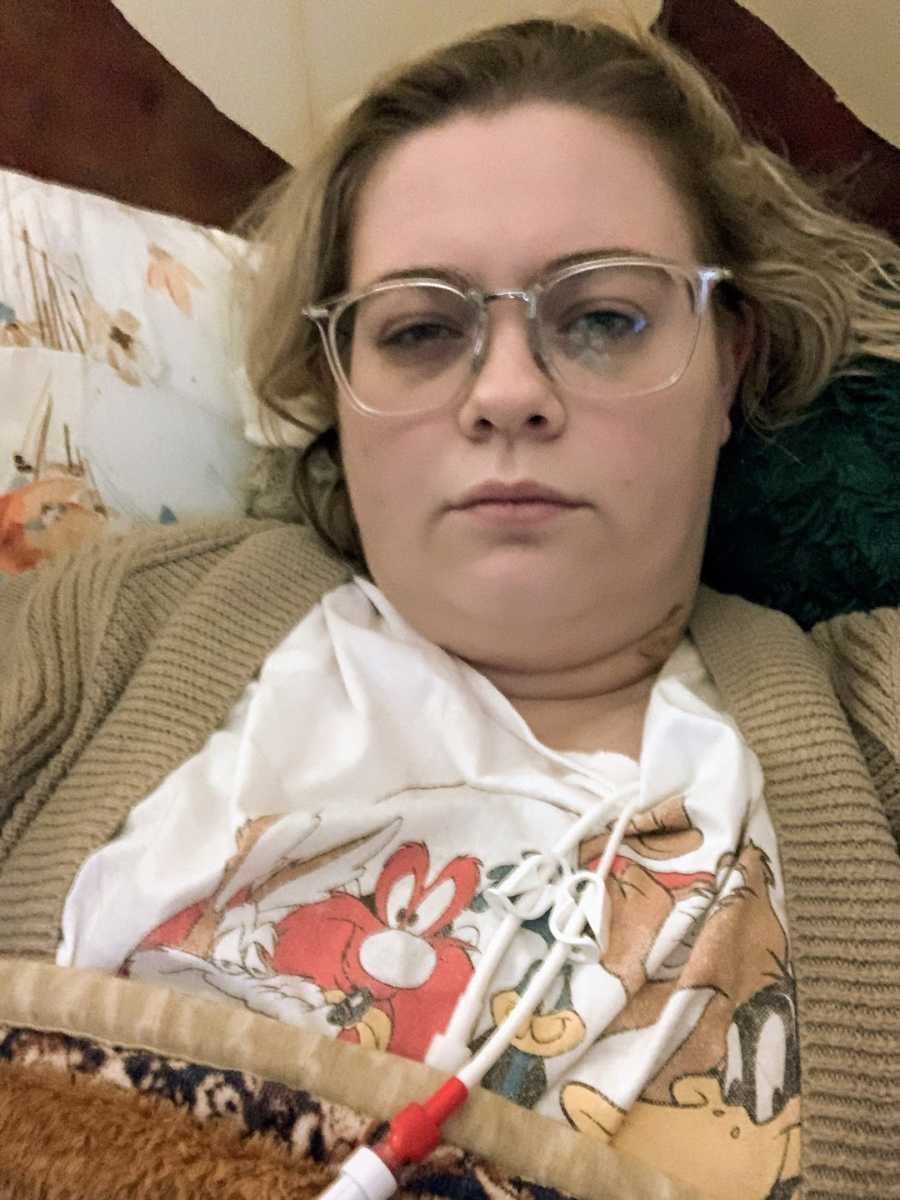
School was already challenging, but being chronically ill made it unbearable. I had special bathroom passes from every teacher so I could leave class whenever I needed to, and while it was clear something was wrong with me, no one ever asked. Thankfully, my mom believed me. She began taking me to my pediatrician, but nothing abnormal showed up—except anxiety. I had lived with anxiety and depression since I was six, so this explanation didn’t sit right with me. I knew anxiety wasn’t causing the pain and symptoms I was experiencing. Things escalated quickly when I began losing weight at an alarming rate. Every week my jeans fit looser, even when they were brand new. My friends were terrified and convinced something serious was being missed. In just one month, I dropped from 180 pounds to 95 pounds. My mom held me and cried, genuinely believing she was watching her child die.
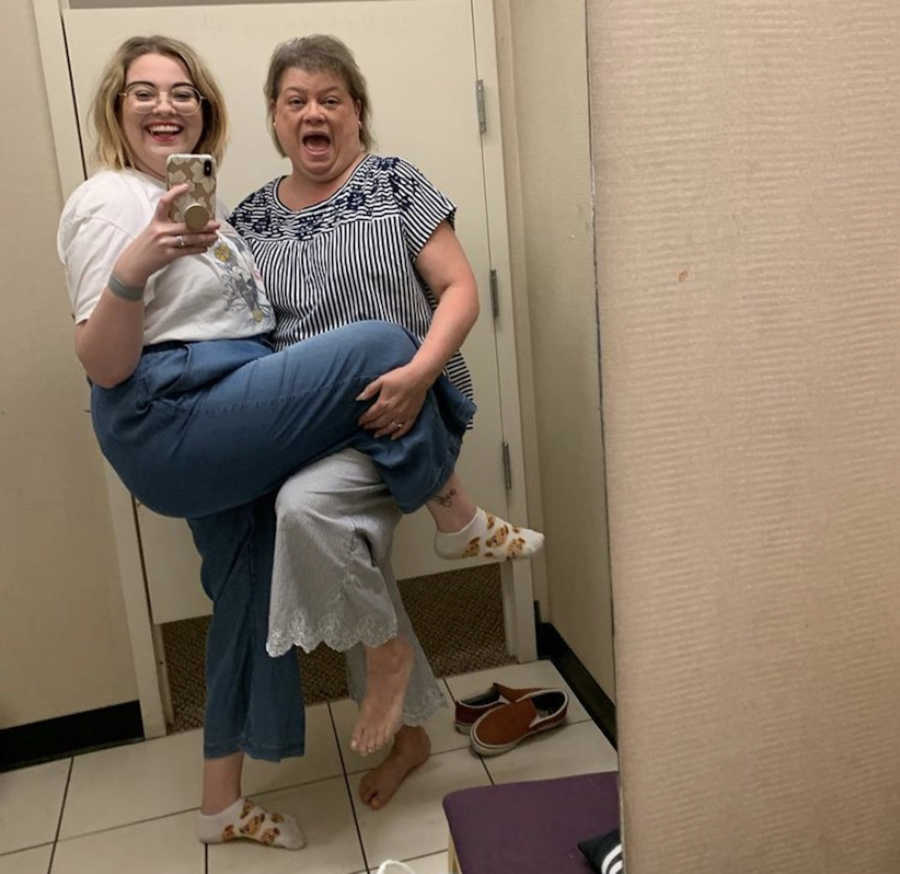
At that point, I was placed on medical leave from school. A teacher came to my house once a week to drop off assignments and pick them up. I ended the year with mostly Ds and had to attend summer school, and honestly, I’m amazed I passed at all. My mom was convinced I was dying, and I was starting to believe it too. A return visit to the pediatrician finally resulted in a referral to a pediatric gastroenterologist, where I received my first diagnosis: irritable bowel syndrome (IBS). IBS is often a controversial diagnosis, commonly given when doctors can’t find anything else wrong. While I do believe I have IBS, I also believe a lot was missed at the time due to incompetence. I adjusted my diet and managed to gain some weight back.
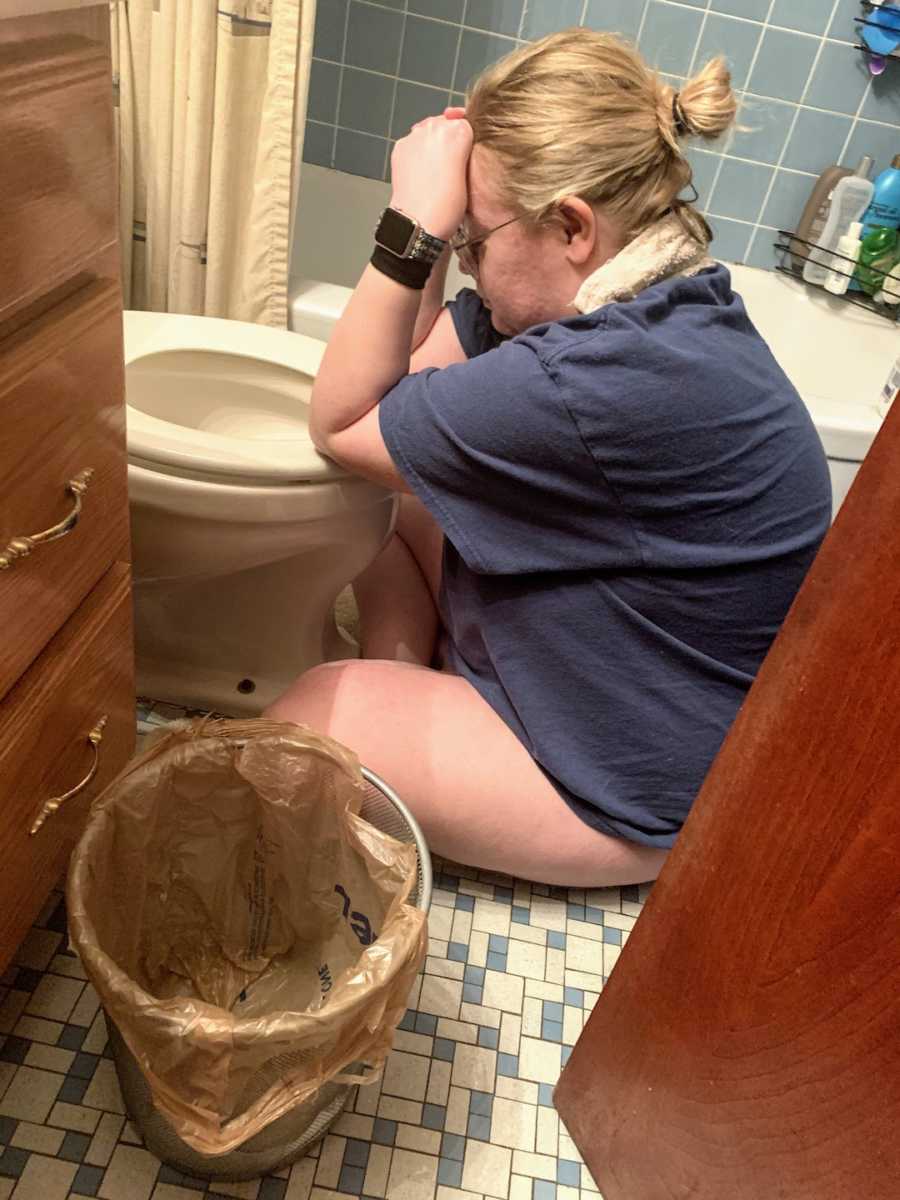
For a while, I was doing okay. I could eat without screaming in pain, though I still missed far more school than most students and lived with constant nausea. I was functioning—barely—but it felt like progress. Fast forward to my sophomore year of college. I was nineteen, enrolled in eighteen credit hours, actively participating in marching band, and thriving. Before classes even began, during band camp, everything fell apart. The nausea and fatigue returned with a vengeance. I didn’t leave my bed for three weeks. I lay there sobbing, retching into a trashcan, and begging for the pain to stop. Poor physical health completely destroyed my mental health, and there were many days I wished I wouldn’t wake up. Even now, those thoughts resurface during particularly overwhelming flares.
I missed most of band camp and the first week of classes with no improvement in sight. I couldn’t eat without gagging for hours afterward, followed by unbearable pain that left me screaming on the dorm bathroom floor. With the help of my incredible band director, I made the difficult decision to take medical leave. He sat with me, hugged me as I cried, and reminded me that my health mattered more than anything else. I dropped my classes and moved back home. By then, I had transitioned to an adult gastroenterologist, who would become one of the most important advocates in my medical journey. He believed me, fought for answers, and referred me to countless specialists who helped uncover what was really happening.
After endless testing, I was diagnosed with severe GERD and gastroparesis. Because I was born premature, part of my stomach lining formed in my esophagus, causing it to produce acid as well—explaining why I choke and struggle to breathe. Gastroparesis means my stomach is essentially paralyzed and doesn’t empty properly. While a normal stomach empties in four to five hours, mine can still be full more than twelve hours later. This causes constant nausea, pain, bloating, vomiting, and regurgitation. I’ve spent years cycling through liquid diets during flares, essentially starving just to survive. Gastroparesis is the most disabling and miserable disease I have. To make matters worse, I also have emetophobia—the fear of vomiting—which has caused me to faint before. Living with both conditions feels cruel and unfair.
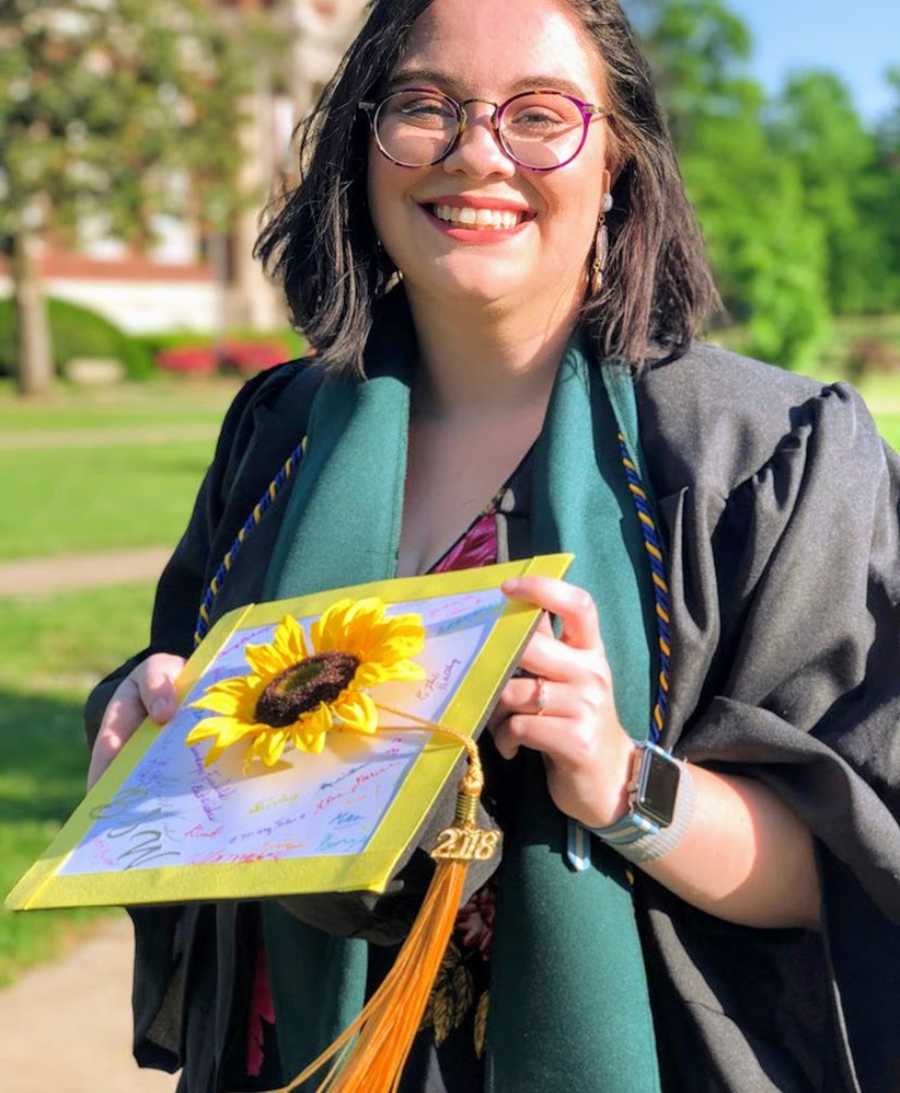
Medication helped somewhat, and by spring semester I returned to school, but it was never easy. I missed over twenty days of class and eventually had to stop my gastroparesis medication after it caused terrifying neurological side effects that could have become permanent. I pushed through, thanks largely to compassionate professors who worked with me. I graduated in 2018 with a bachelor’s degree in social work, completing my final semester online. The faculty at Murray State went above and beyond to help me succeed, and I owe my degree to their kindness.
After graduation, I began working at an assisted living facility—a place where I felt I truly belonged. But new symptoms emerged, and I ignored them. I shouldn’t have. I began collapsing multiple times a day at work, experiencing chest pain, cold sweats, nausea, and near-fainting episodes. My workplace grew frustrated rather than concerned, and I eventually quit before I could be fired. A desk job didn’t help either. I was fired after weeks of missed work and severe symptoms, marking the beginning of a sharp decline in my health.
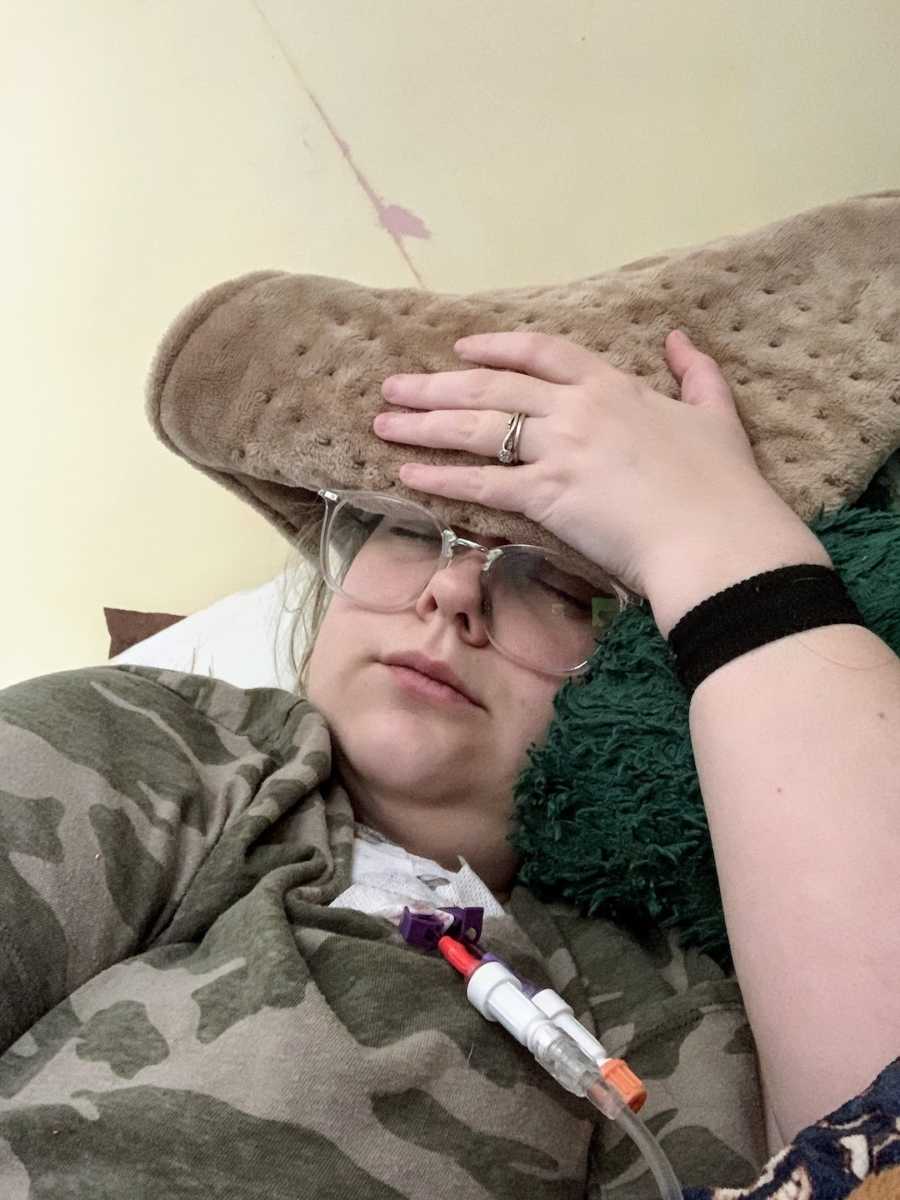
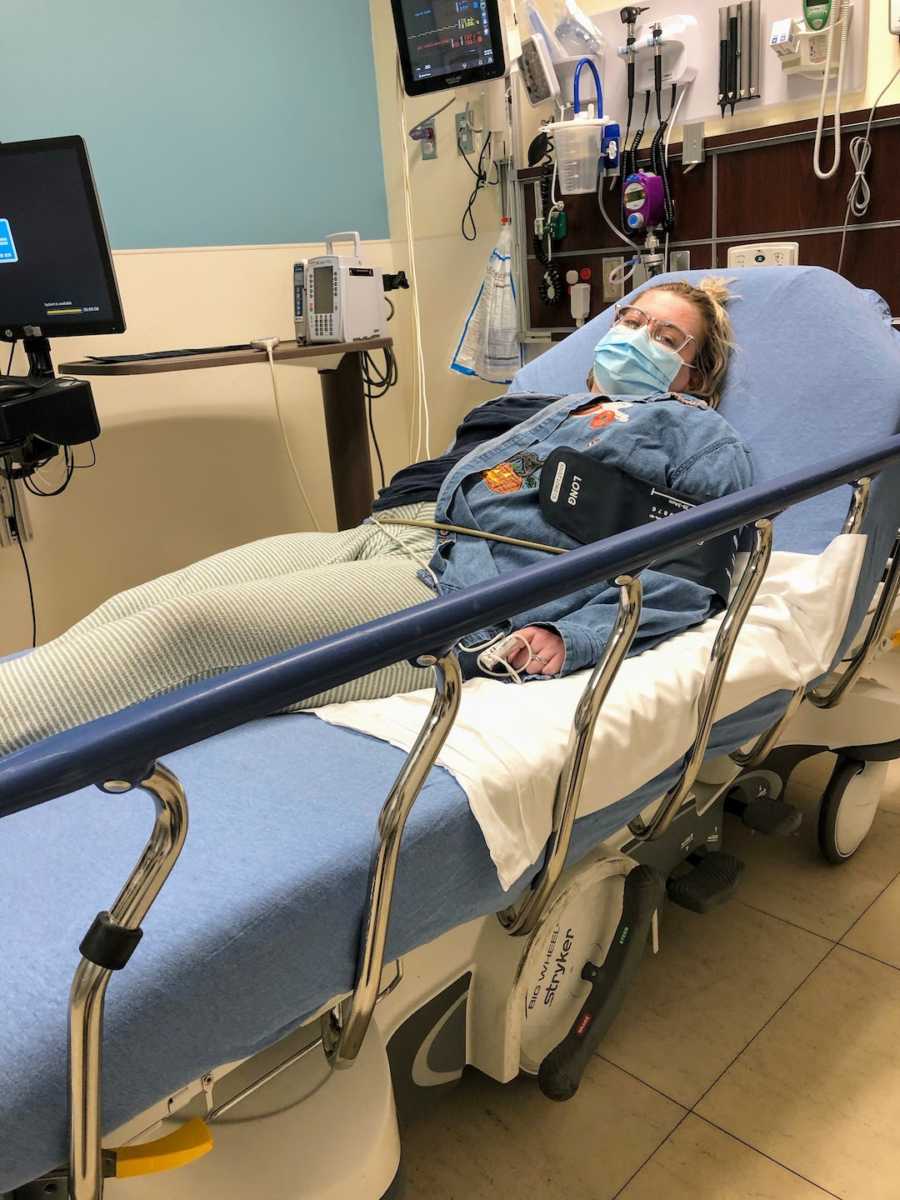
Since then, I’ve seen more than twelve specialists. I was diagnosed with POTS after my heart rate repeatedly spiked into the 200s simply from standing. My blood pressure drops dangerously low, and answers are still elusive. I was later diagnosed with fibromyalgia and hypermobile Ehlers-Danlos Syndrome, a genetic condition I’d unknowingly lived with my entire life. Looking back, the signs were always there—I just didn’t know they weren’t normal.
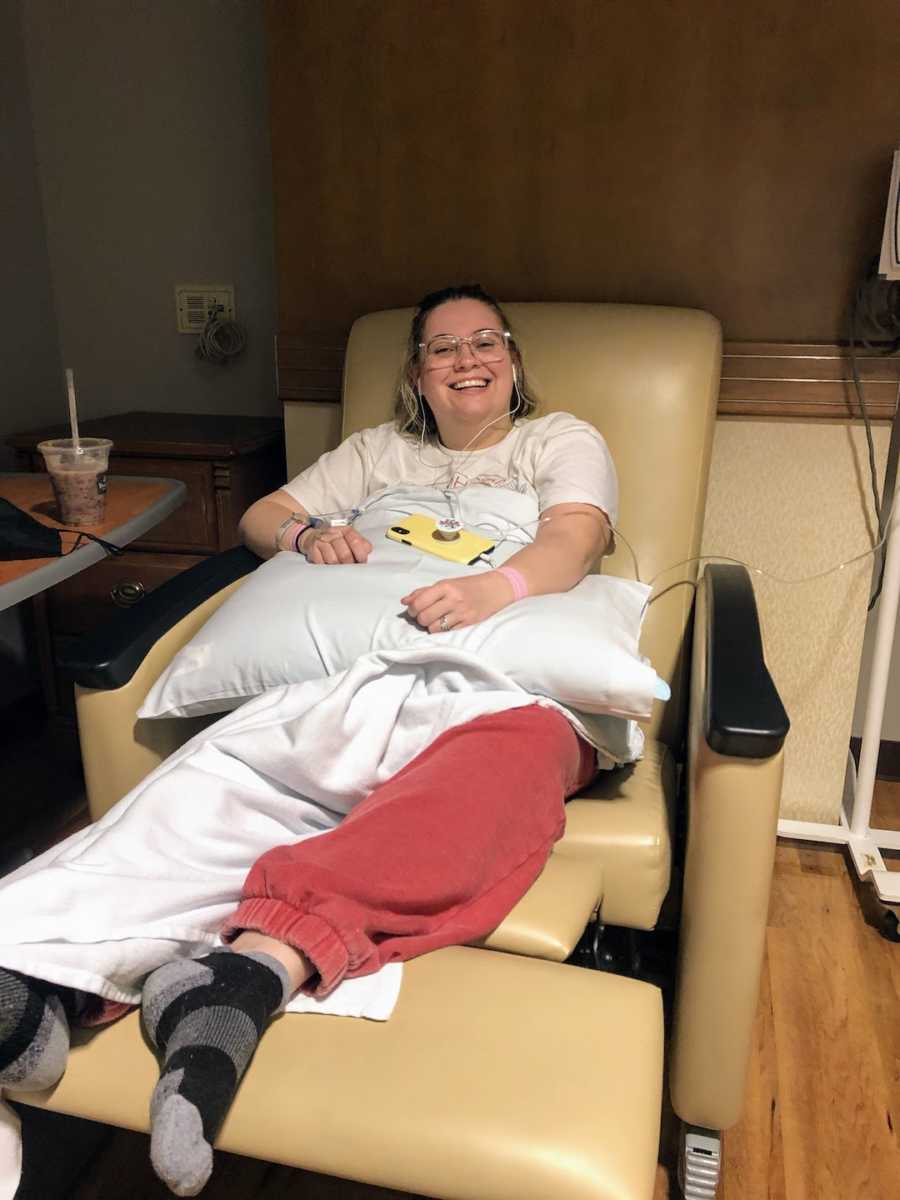
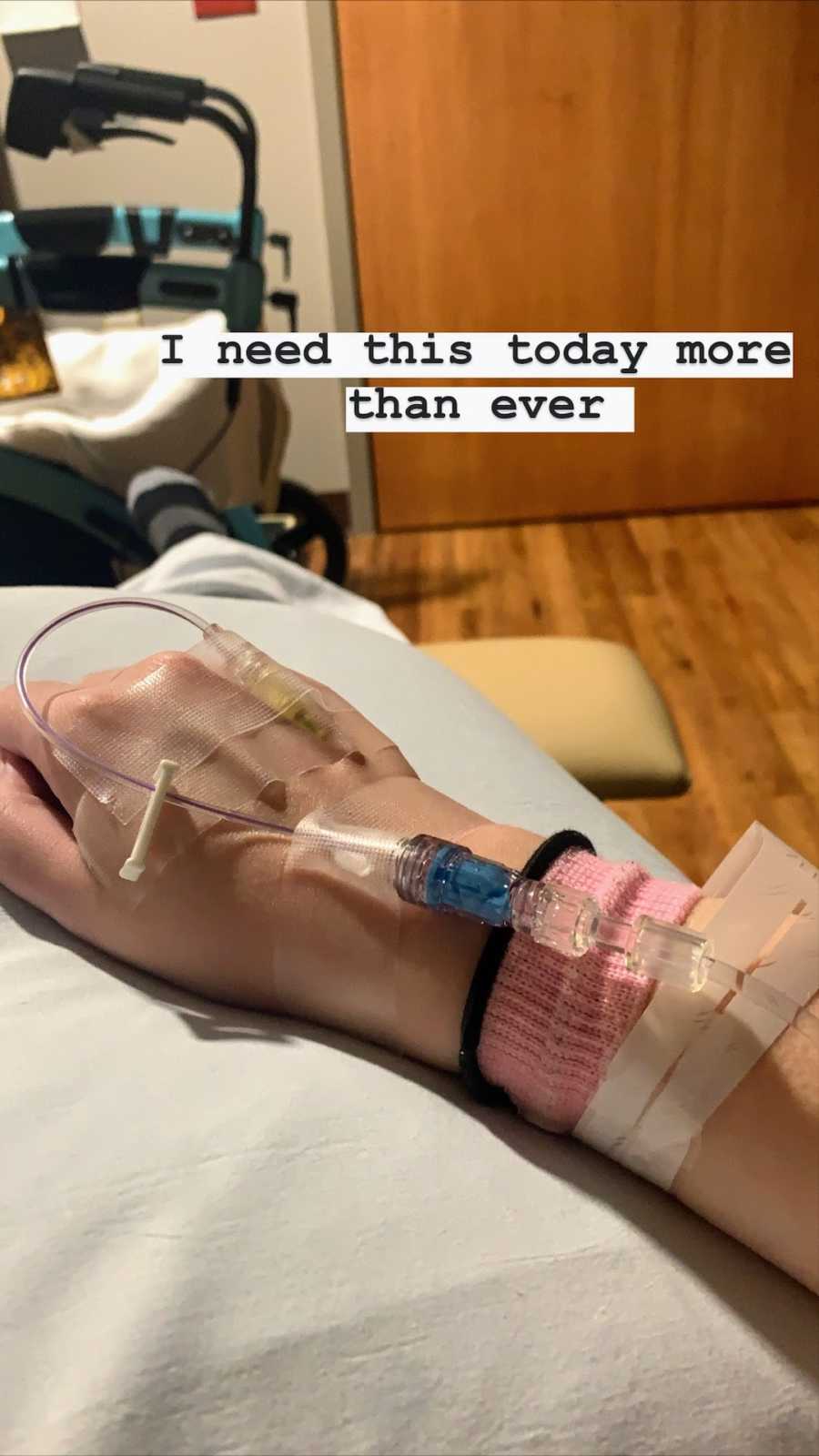
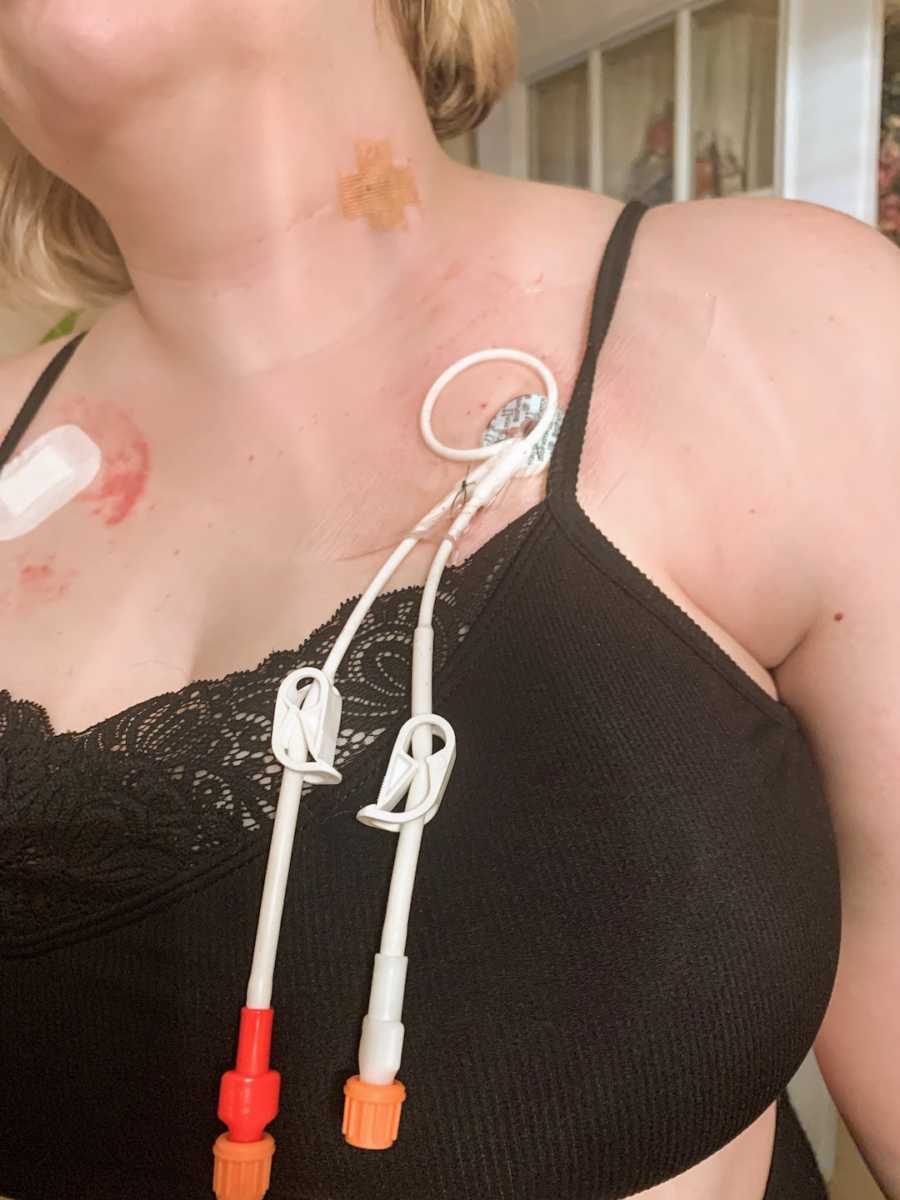
More recently, I was diagnosed with AGID and autoimmune atrophic gastritis. AGID causes my immune system to attack my autonomic nervous system and is believed to be the root of my gastroparesis and POTS. I now receive daily IV fluids, IV nausea medication, weekly IVIG infusions, and will soon receive a gastric stimulator. Getting a central line was traumatic and required emergency surgery when the first one failed—but it has also saved my life.
Autoimmune atrophic gastritis prevents me from absorbing nutrients, causing permanent B12 and iron deficiencies and pernicious anemia. It also increases my risk of stomach cancer threefold, a reality that is terrifying and overwhelming.
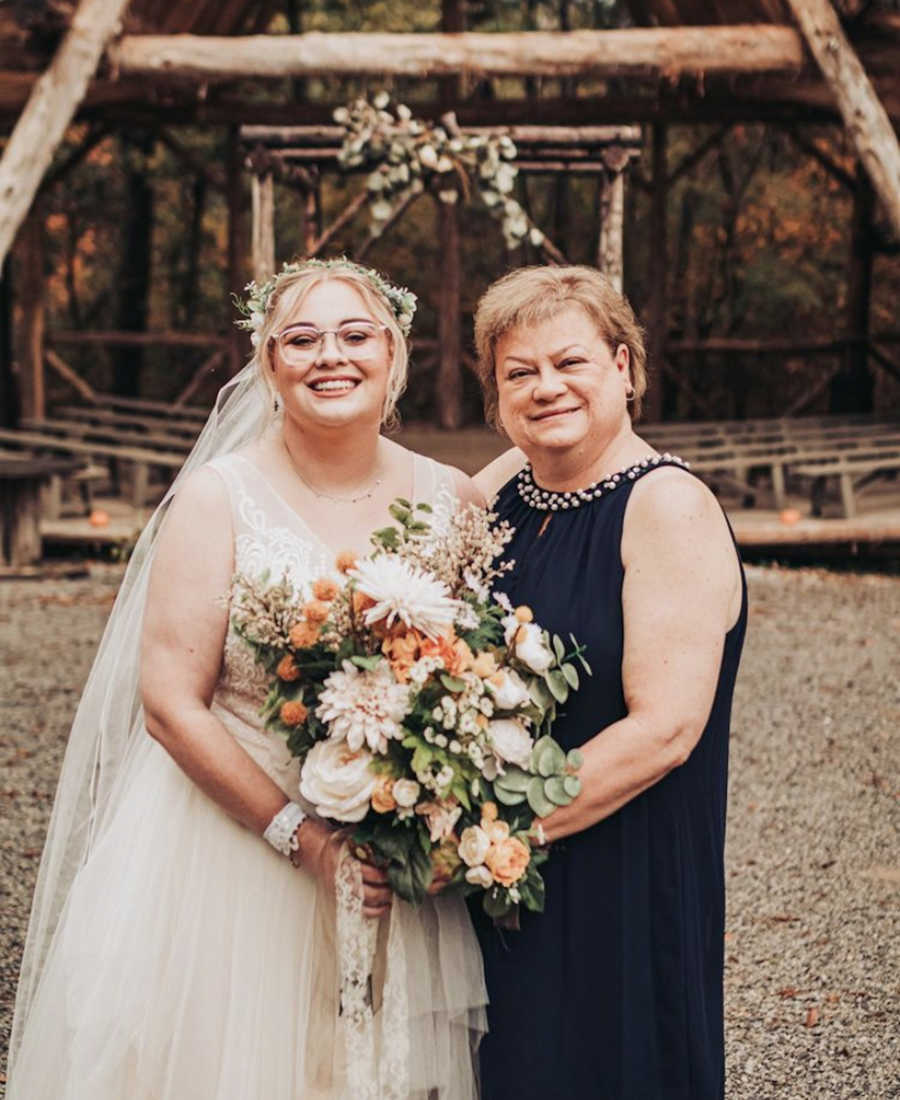
Today, I am completely disabled. I cannot work, I need help with daily tasks, and I rely on mobility aids and medical equipment to survive. Most days are spent in bed with my lap dog, managing symptoms and medications. Despite the isolation and grief, I hold on to hope—largely because of my wife. We’ve been together since I was sixteen, and they have been my unwavering caregiver, advocate, and partner. I would not be here without them.
If you’re struggling, know this: disability is not a punishment. It is an obstacle, and with support, compassion, and resilience, it can be faced. Keep listening to your body. Keep fighting. You are stronger than you think.