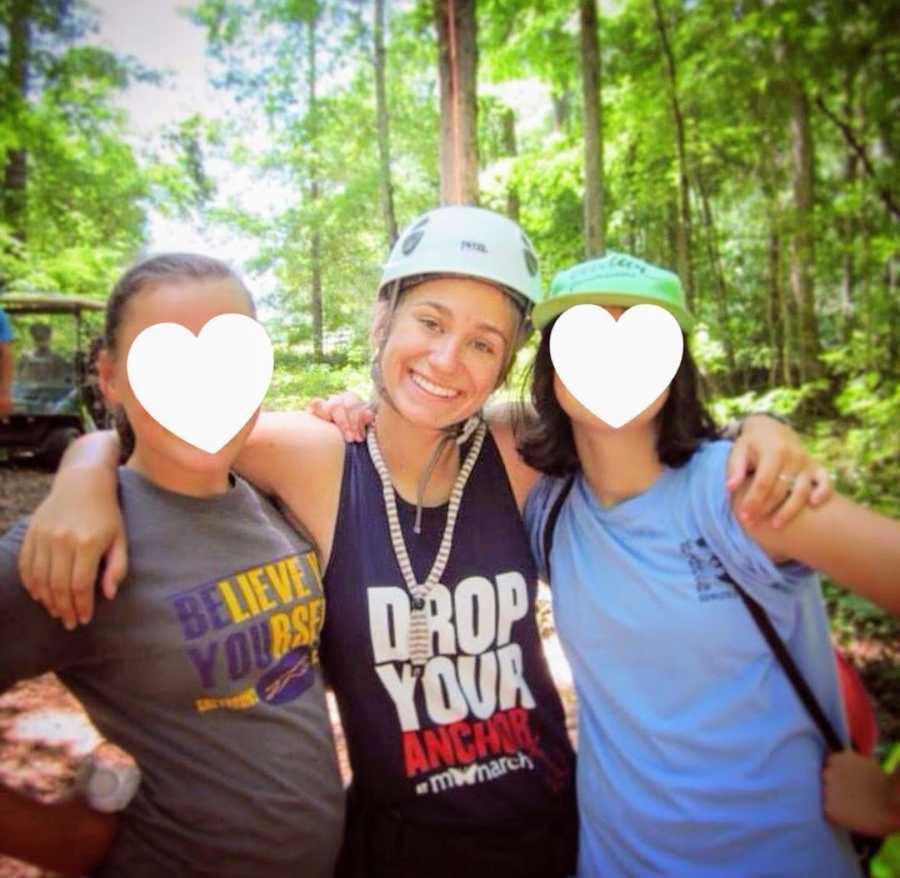
I saw her sitting by the lake—the camper I had struggled the most to connect with all summer. She avoided eye contact, stood sullenly, and seemed closed off from everyone around her. My heart sank, but I knew this was the moment. I walked across the grass and sat down right beside her. I don’t remember what I said first—or if I even spoke before she did—but soon she began to talk. She told me about her favorite book. Then, hesitantly, she shared something much deeper.

“My mom is in prison,” she said quietly. “I haven’t seen her in months. So now, I’ve been living in this group home. I’ve moved homes so many times.” I stayed silent, letting her words hang in the air.
She continued, “I don’t really get to see my brother. I don’t really have anyone.” Her twelve-year-old voice carried the weight of a lifetime of struggles. I had no perfect words. All I could say was, “I’m so sorry. I’m sure it’s so hard.” I leaned over and hugged her gently around the shoulder. In that moment, words didn’t matter. What mattered was being present. I sat with her in the hurt, in the loneliness, and in the loss. I couldn’t fix her world—but I could be there for her.
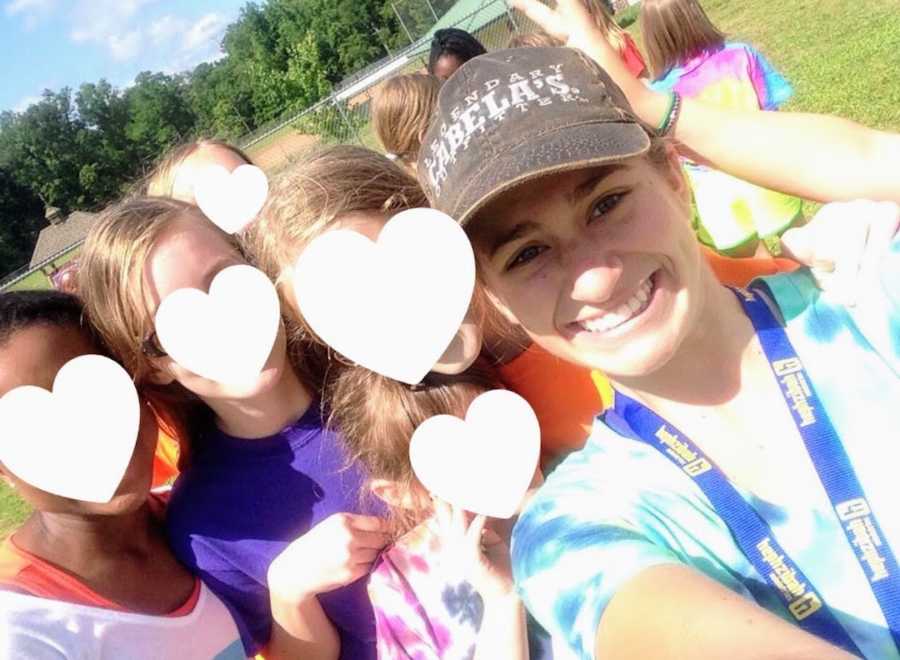
The next day at camp, she was completely different. She greeted me with a bright smile and playfully teased my tacky tie-dye T-shirt. Her face seemed lighter, more open, filled with hope. I noticed how easily she began to smile and make friends. That moment stayed with me. I thought, If one conversation can change the trajectory of her summer, how can I be part of changing the trajectory of a child’s life?
That thought set me on a path that eventually led me to CASA—Court Appointed Special Advocates for Children. Throughout college, I dove deeper into learning about foster care, foster youth, and foster families. I wrote research papers, developed workshops, and gave talks. The more I learned, the more I realized how little the general public understands about foster care. Friends would ask questions like, “Foster care? Don’t we have orphanages in America?” or say, “I don’t understand why a parent would give up their child.”
These questions fueled my determination to educate others. Foster care isn’t something far away—it’s right outside your back door. Children and families are struggling with job loss, substance abuse, mental health issues, and domestic violence. The circumstances are complex, heavy, and heartbreaking. And yet, there is always something we can do. Not everyone is called to foster or adopt, but everyone can step in and make a difference.
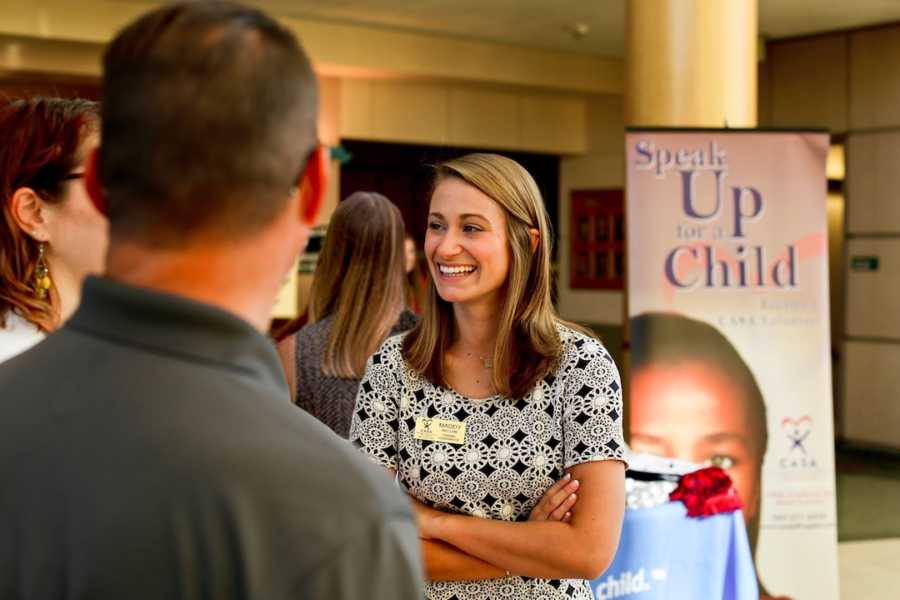
I wanted to act immediately. This “something” became CASA. I applied, interviewed, and completed 40 hours of required training to become a child advocate. I was told I would meet weekly with a child—or sibling group—in foster care, providing advocacy, support, and consistency. I was told, “Be present. Be consistent. Advocate in court on their behalf.” That was exactly what I had been searching for.
The first day I met the children I was assigned, I was nervous, jittery, and unsure. What if they think I’m awkward? What if they want nothing to do with me? What if I can’t help them? (Spoiler: they did think I was awkward at first—but they loved me anyway.) That summer day in 2019 became the start of a lifelong friendship. We went for ice cream, they teased me for saying “cool,” and slowly, we built trust.
Over the next year, I advocated for permanency, therapy, and meaningful visits with biological parents. I was there when they moved schools, changed homes, and went weeks without seeing a younger sibling. There were tears, moments of loss, but also sparks of hope. One year later, they told me, “You’ve been here this whole time.” One day, she paused her favorite Taylor Swift song and asked, “Will we still get to see you when this is all over? You’re my break in the week. You’re the one place I can be myself and really share what’s on my mind.”

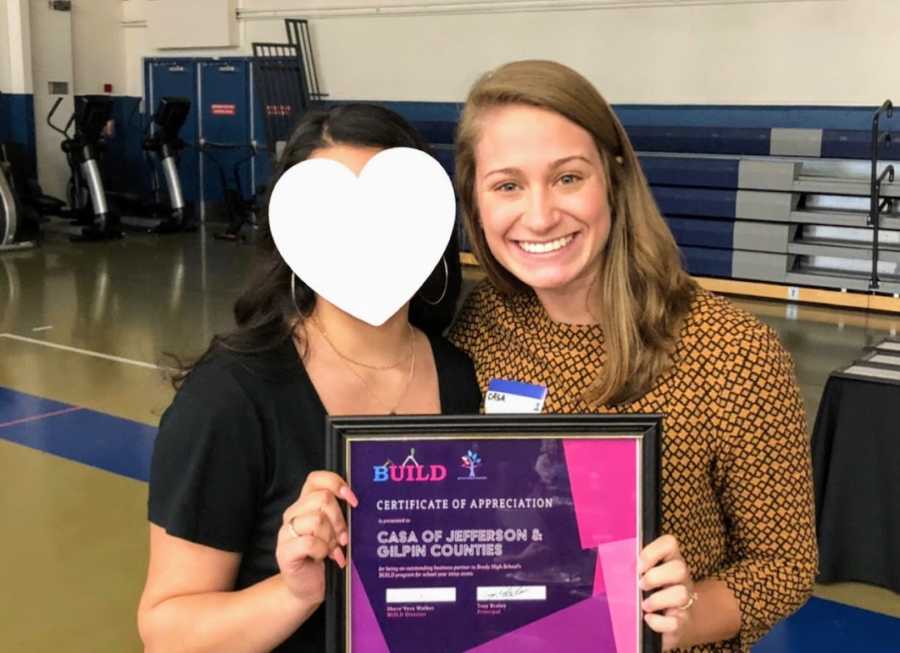
That moment crystallized why I do this work. Consistency matters. Showing up matters. Today, as the Training and Retention Coordinator for CASA of Jefferson and Gilpin Counties in Colorado, I get to empower other adults to step up for abused and neglected children. I recruit, train, and support advocates, helping them make a lasting impact. It’s a small part of a larger dream—to inspire others in child welfare to step outside their comfort zones and change lives. As Paul Shane Spear said, “As one person, I can’t change the whole world, but I can change the world of one person.”

Looking back, I realize the children changed me more than I changed them. Their resilience, forgiveness, and ability to overcome unimaginable challenges made me stronger. I watched them love their parents despite hardships, forgive where it was hard to forgive, and rise above circumstances. Now, he’s headed to high school, she’s going off to college—and I am honored to witness their growth, their thriving, and their impact on the world.

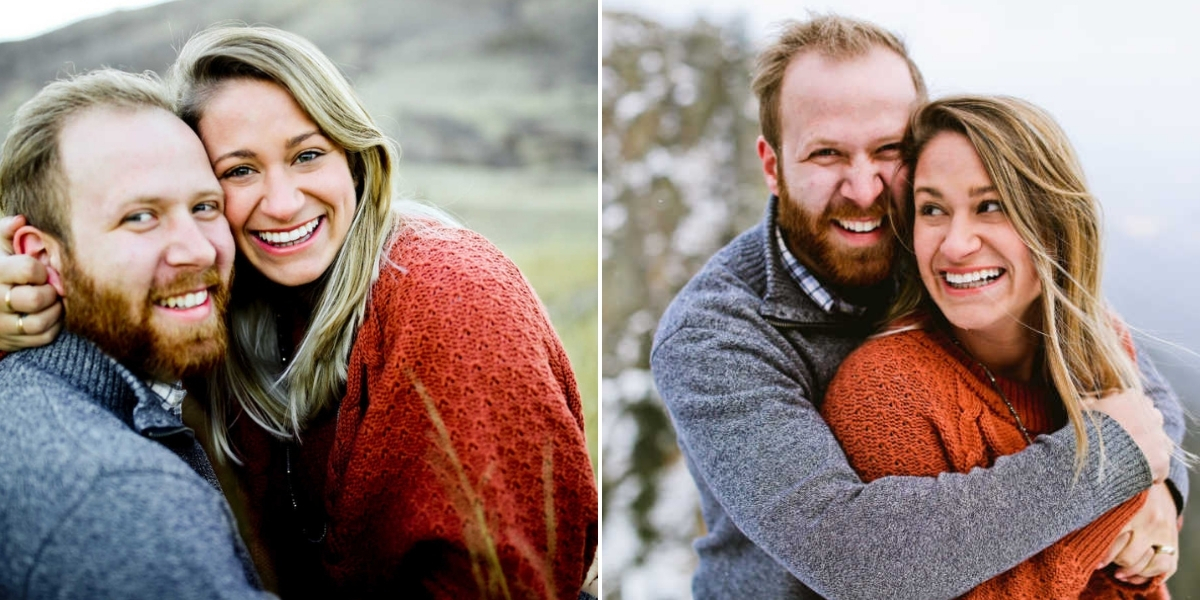
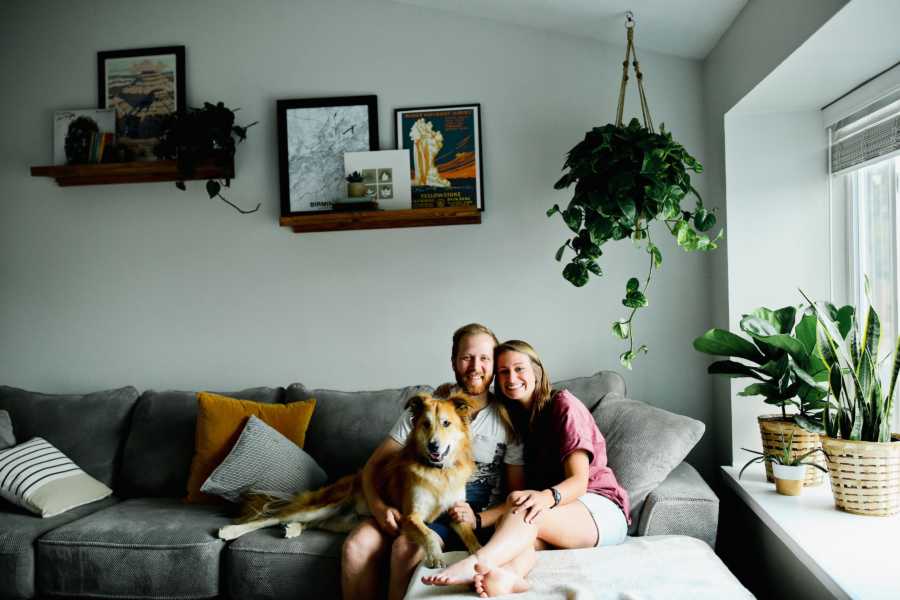
Their strength inspired my next step: becoming a foster parent myself. We know it will be challenging, navigating parenthood for the first time and caring for a child in our home. But if a few hours a week of consistency can change a child’s story, we believe a stable, loving home can transform a child’s life. There are many unknowns ahead, but my husband and I are eager to step in as an “in-between” family—supporting children until they can safely return to their first family.

Children and parents need support. They need someone to show up without judgment, without their own agenda. That’s exactly what the Lord has done for me. It’s messy. It’s scary. It’s uncertain. We will make mistakes, and we will get attached. But being uncomfortable for a season is worth it when it changes the story of a child—or a family—for a lifetime.