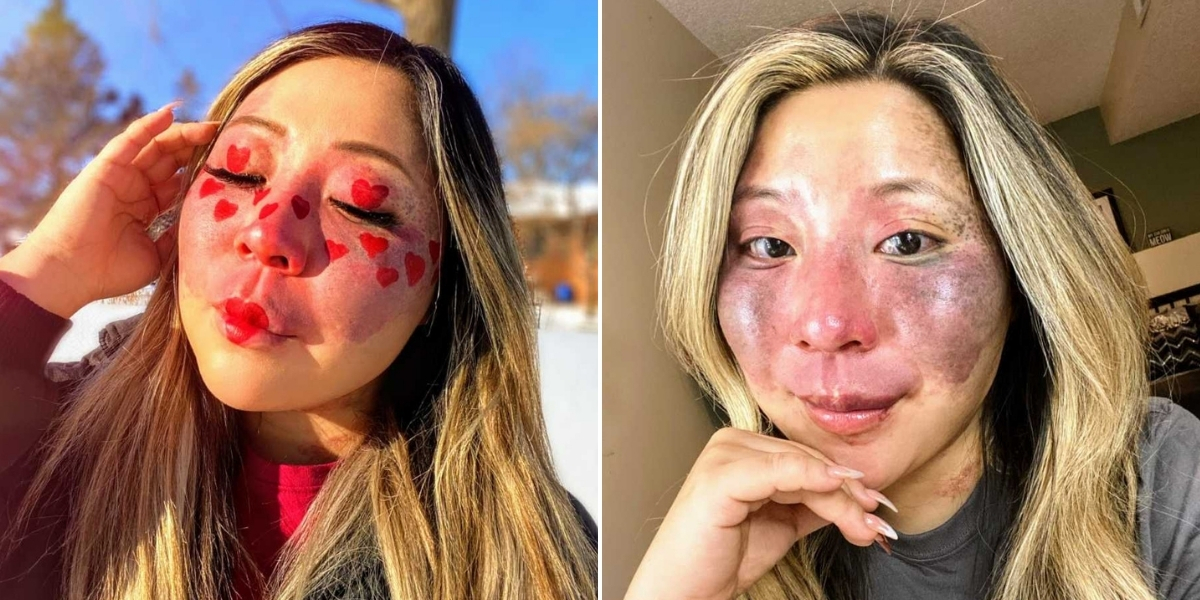
I was born in Seoul, South Korea, and adopted when I was just eight months old. I grew up in a small town in Northern Minnesota with my parents and three older siblings, all of whom were also adopted from Korea. At first glance, that might sound like a unique story—but there’s another aspect that made my journey even more distinct: I was born with a Port Wine Stain and a Blue Nevus. Port Wine Stain is a vascular malformation, meaning my veins lie closer to the surface of my skin, creating a reddish “stain.” Blue Nevus is a blue-colored birthmark that resembles bruising.
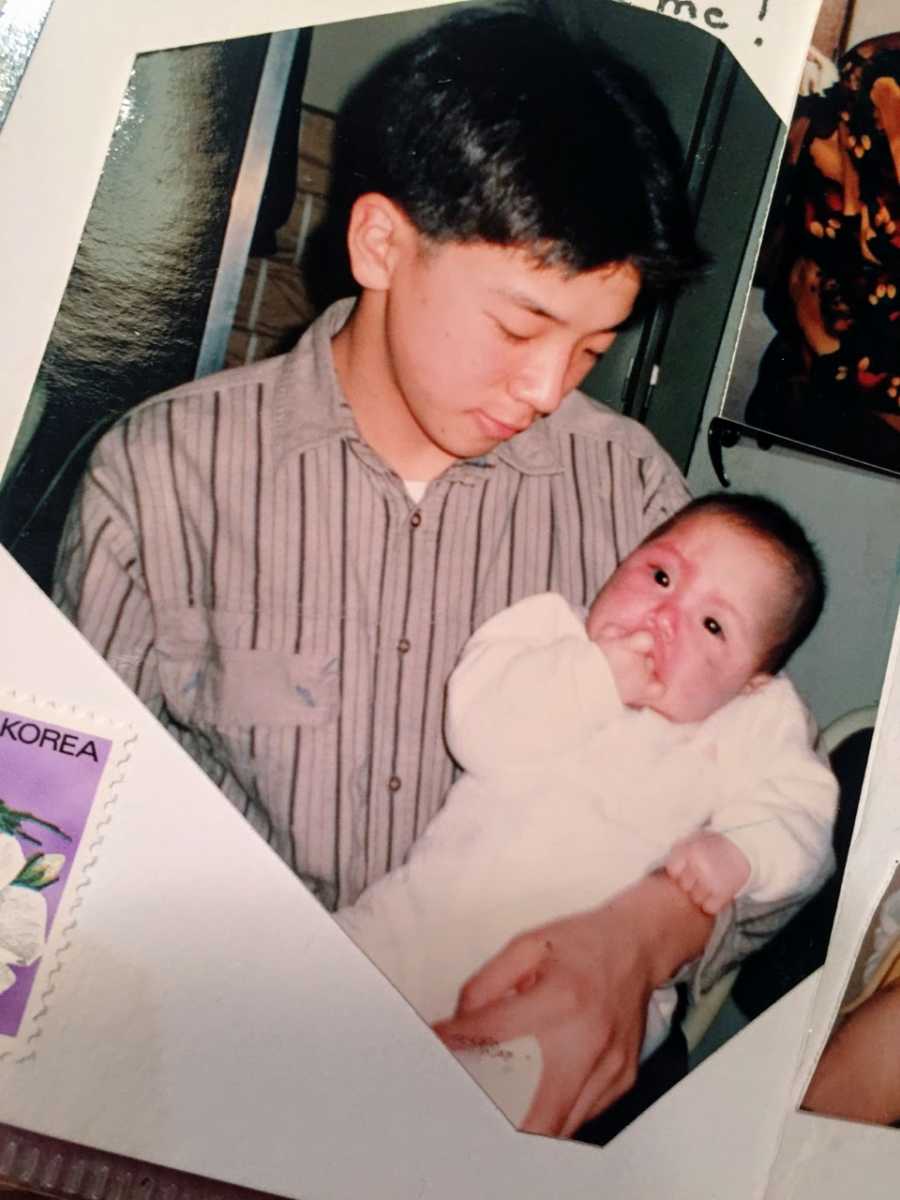
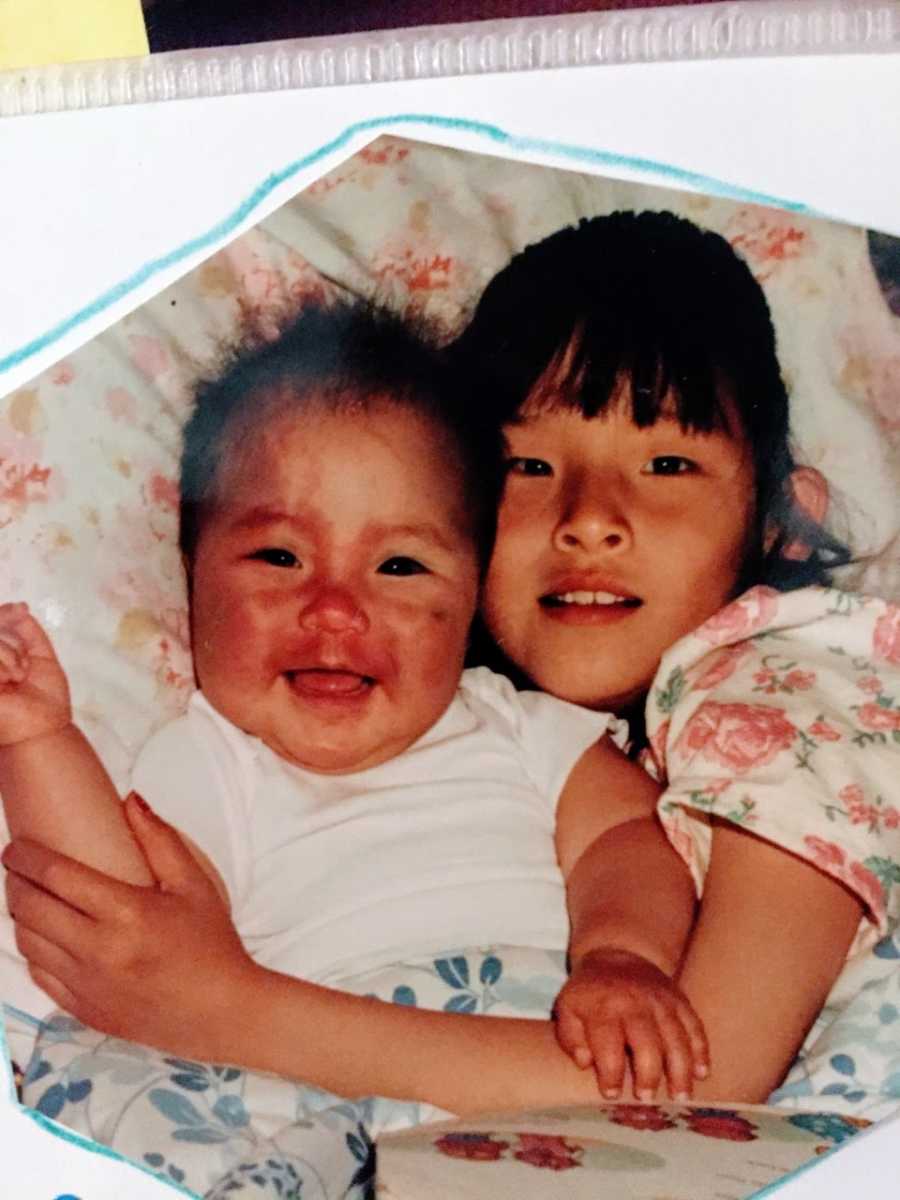
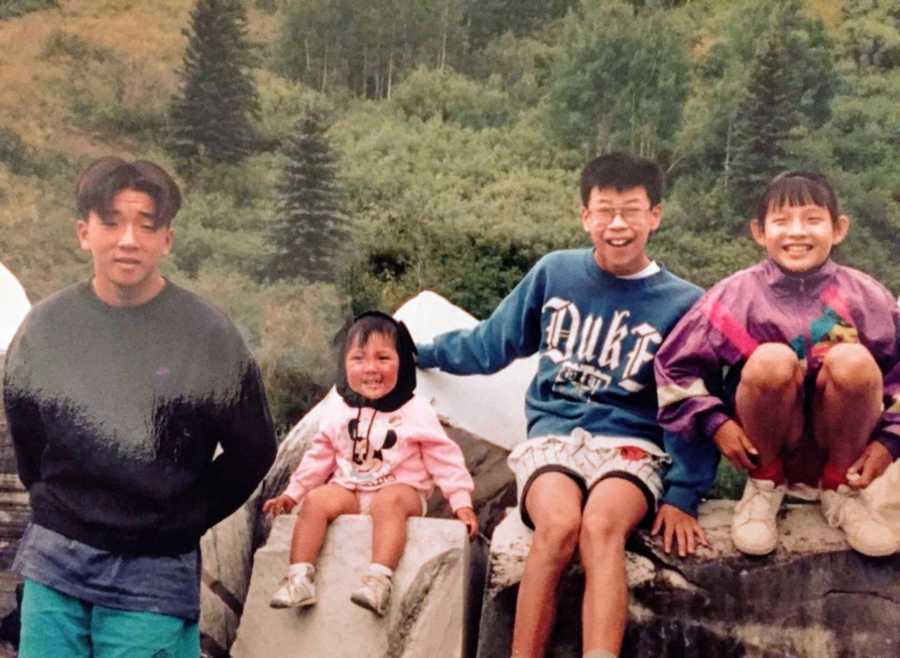
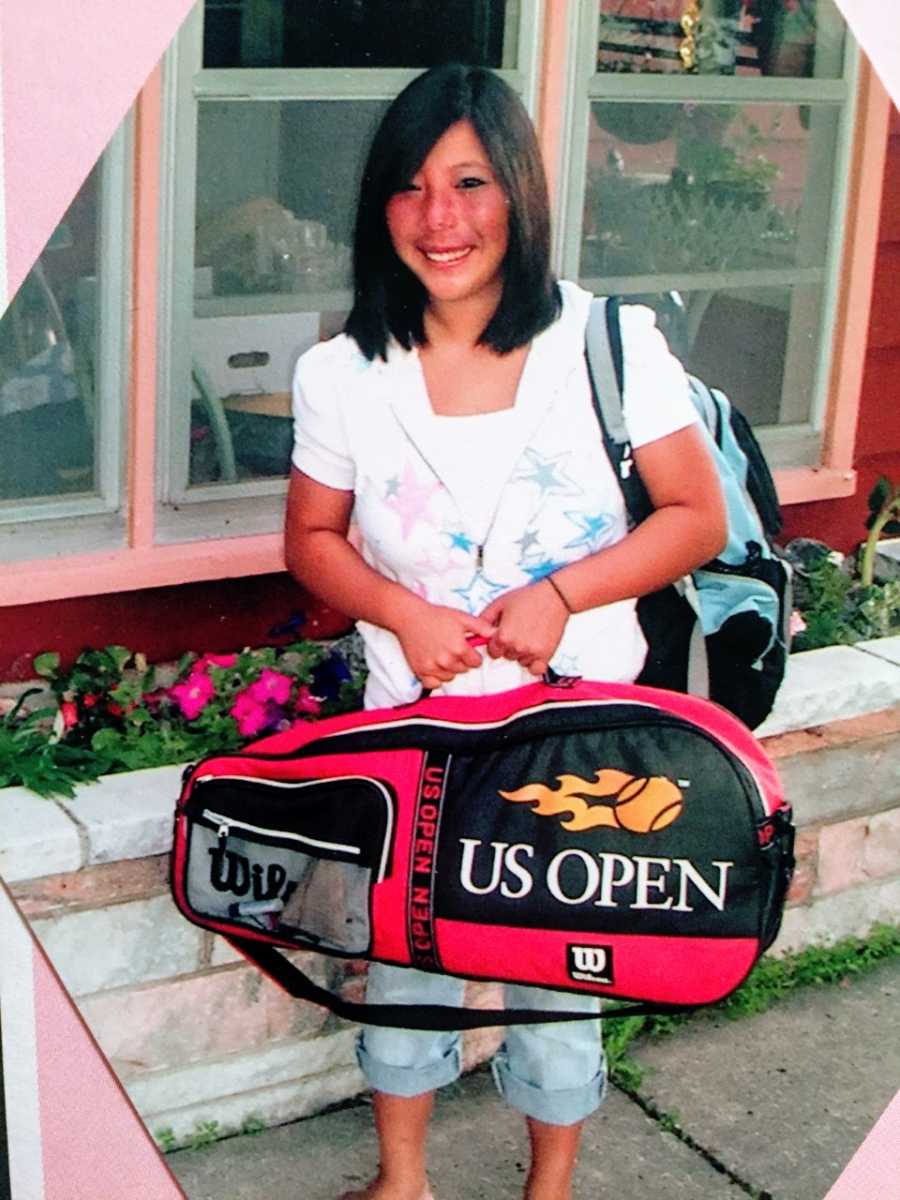
Growing up, I never felt different from the other kids around me. My family did an amazing job of protecting me from feeling singled out because of my appearance. It wasn’t until kindergarten that I began to notice I might be different. I remember walking through a store with my family and wondering why other kids stared at me. Around the same time, memories of my laser treatments started to resurface.
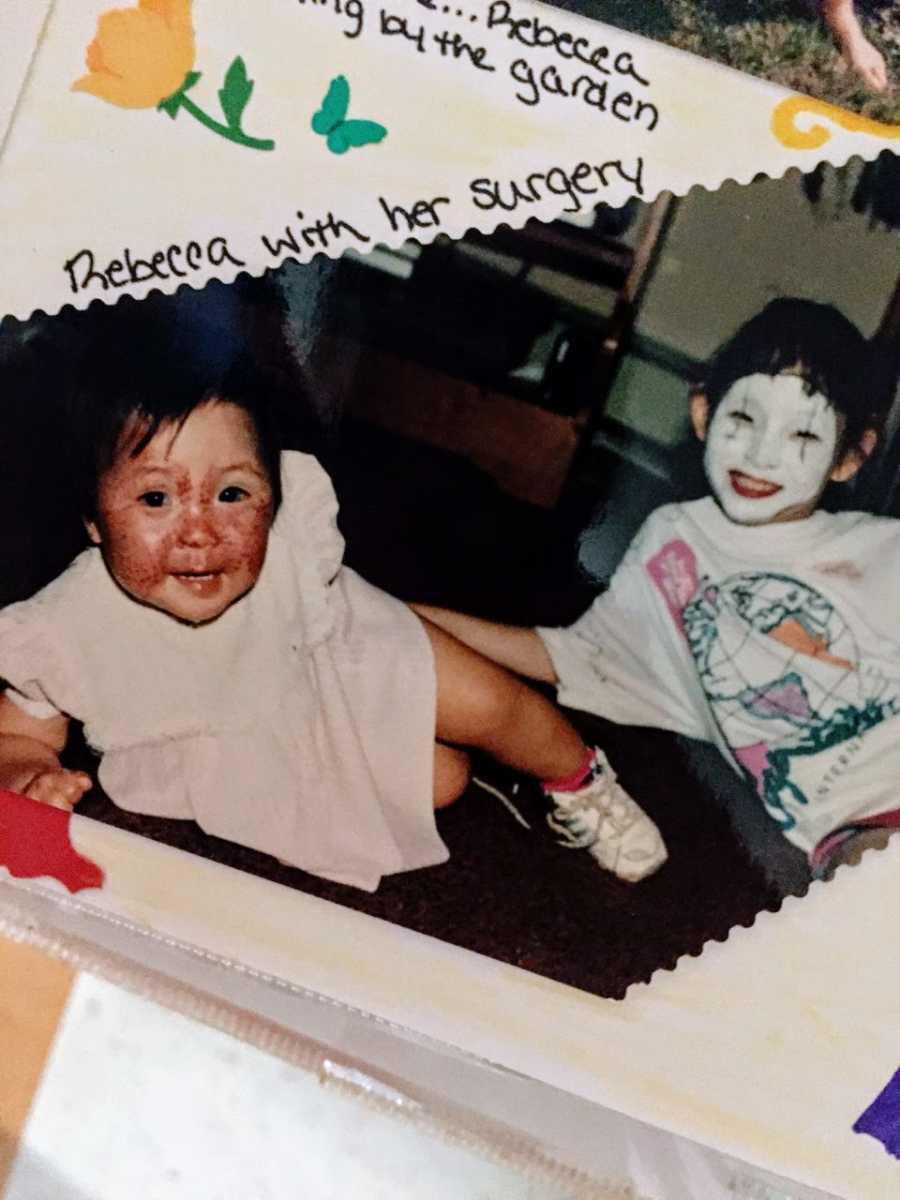
From infancy until I was 12, I had 25–30 laser treatments. My parents did everything they could to make these experiences positive. Treatments meant special trips and the chance to pick a restaurant or activity afterward, which made each visit exciting. The nurses were always kind and generous, giving me popsicles after treatments—once, I ate so many I got sick! Initially, the treatments were effective, but by age 12, my birthmark had stopped fading, and we decided it was time to stop.
When I was seven, I started treatments with a new doctor using a different laser. Unfortunately, the settings were too high, and I suffered severe burns on my face. Large blisters formed almost immediately, and the pain is still burned into my memory. I remember lying on the couch, crying, while my mom gently applied cold compresses. Returning to school was hard—I dreaded using the restroom, afraid of exposing my face to other kids. I spent countless moments staring at myself in the mirror, wondering, why me? The bruising and “dots” left by treatments made me feel hideous, and I wanted to hide my face from everyone except my family.
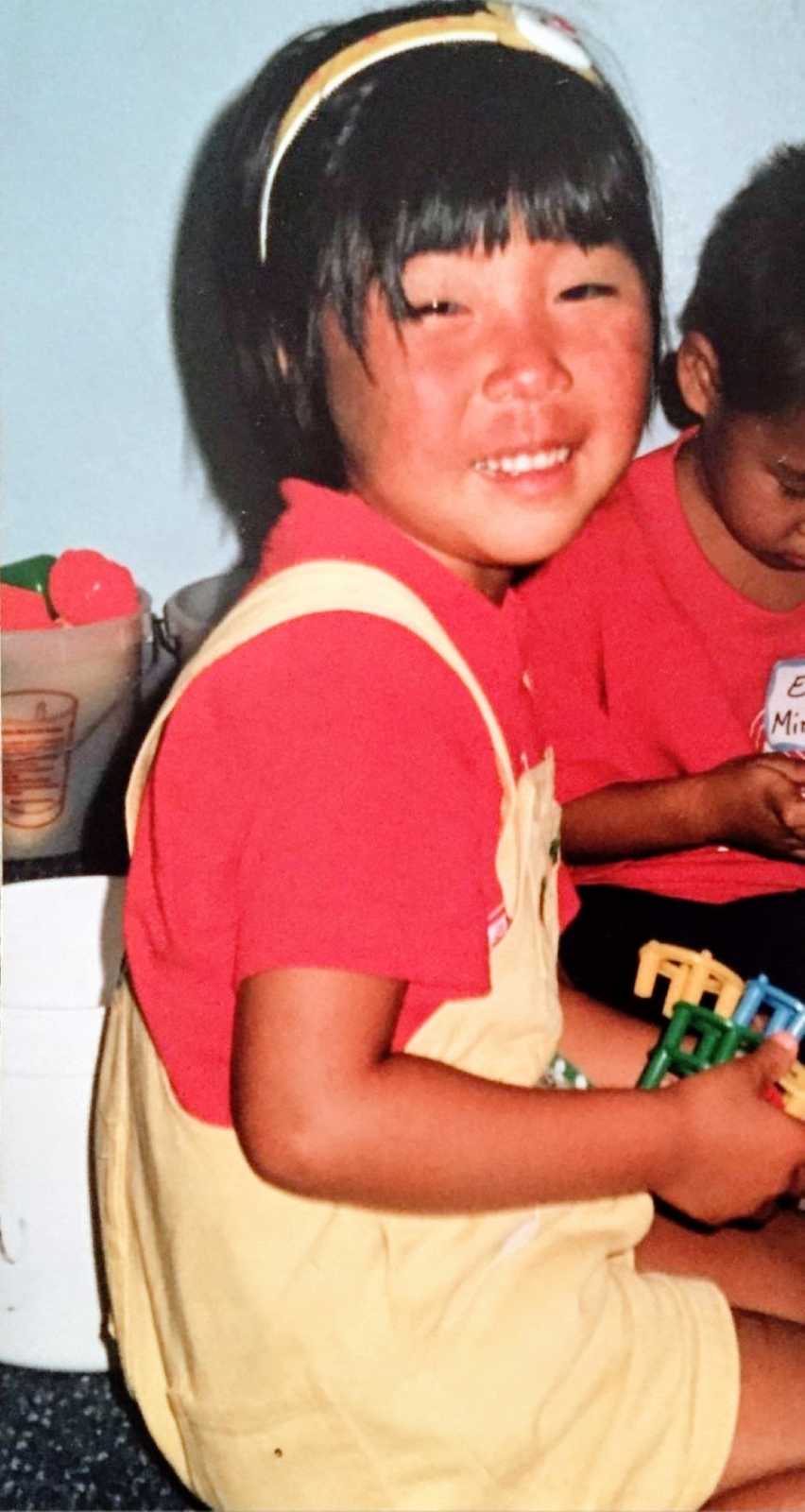
While I had wonderful friends, there were also painful experiences. When my two elementary schools combined into one middle school, I encountered kids who didn’t know my story. One day, a friend told me she overheard a boy call my face “crap”—he actually used a harsher word. I felt sick with embarrassment and anger. That moment marked the beginning of my desire to hide my birthmark from the world.
As I got older, my self-consciousness intensified. I began to worry no one would ever find me attractive because of my birthmark. Makeup became my shield—a security blanket I could hide behind. I experimented with products designed for birthmarks and scars, trying different brands and formulas, always feeling like a fraud. The makeup often felt thick, cakey, and uncomfortable, but I kept using it out of fear of being different. This habit persisted through college. By then, I despised the mask I wore, both physically and emotionally.
A year after finishing college, I began watching YouTube makeup tutorials and realized there had to be a better way. I wanted to feel free from the heavy mask I wore every day. I was thrilled to buy my first high-end makeup product, sensing that something special was beginning. While I still struggled with self-acceptance, this was the first step toward embracing my true self.
After three years of teaching myself makeup techniques, I decided to pursue my Esthetician’s Certificate to become officially certified in skincare and makeup. In December 2018, I posted a photo showing half my face with makeup and half without—the first time I had shared a makeup-free photo on social media. Hitting “post” was nerve-wracking, but the response was overwhelmingly positive. Peers reached out to express their pride, and I felt like I was truly beginning to accept myself.
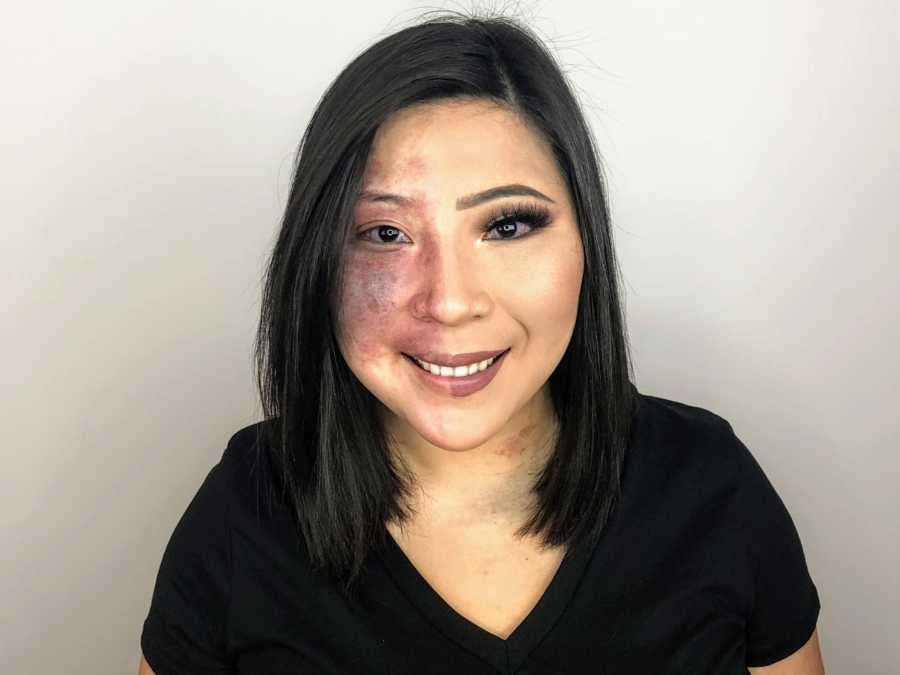
Starting Esthetician school brought back moments of insecurity. I worried: Will these girls accept me? Will they want to be friends with someone who looks like me? Thankfully, I met incredible, genuine women who not only embraced me but also made me feel valued because of my uniqueness. For the first time, I began to see my birthmark as something to appreciate rather than hide.
After completing school, I pursued a career as a makeup artist, sharing my looks and story on social media. As I gained followers and clients, I also embraced self-love more openly. I posted more photos without makeup and was continually surprised by the positive response. People reached out—parents of children with birthmarks, individuals with birthmarks themselves—thanking me for spreading awareness and creating a sense of community. It was incredibly rewarding to help others feel seen and understood.
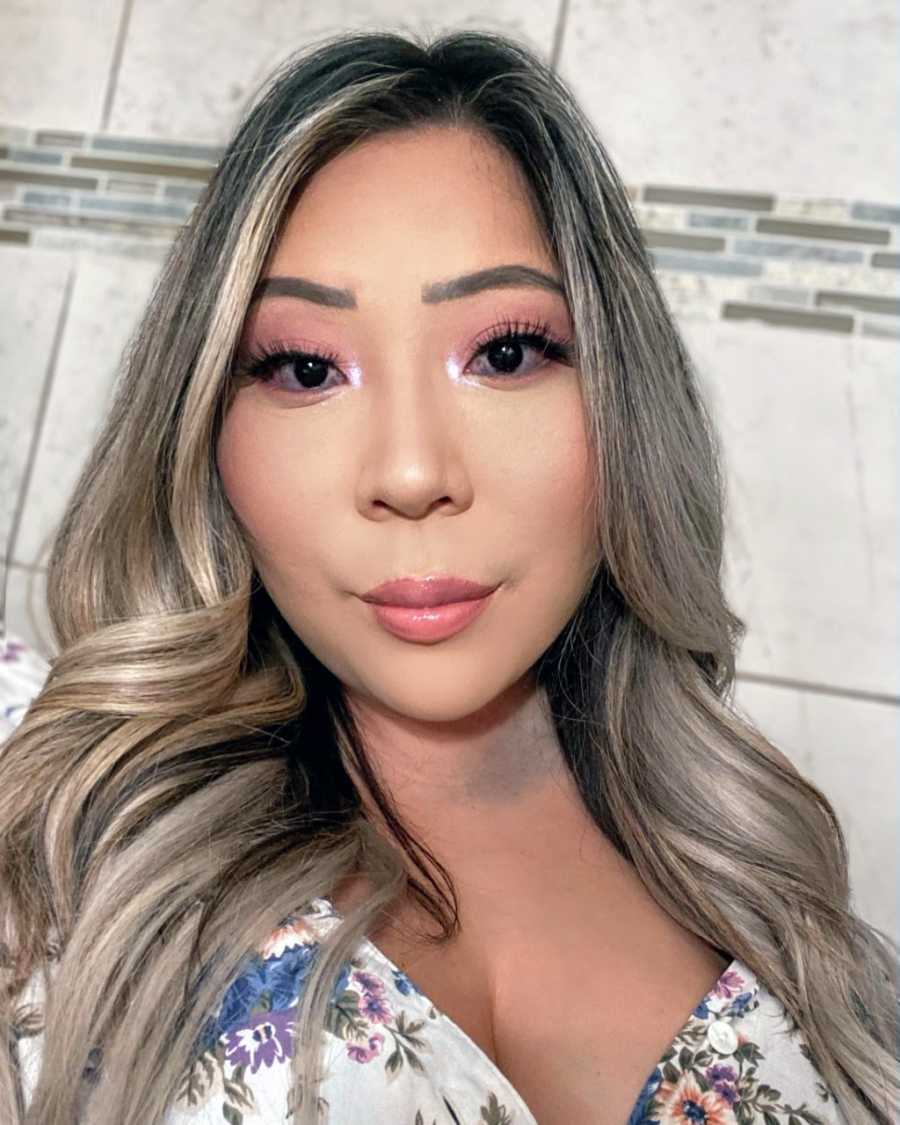
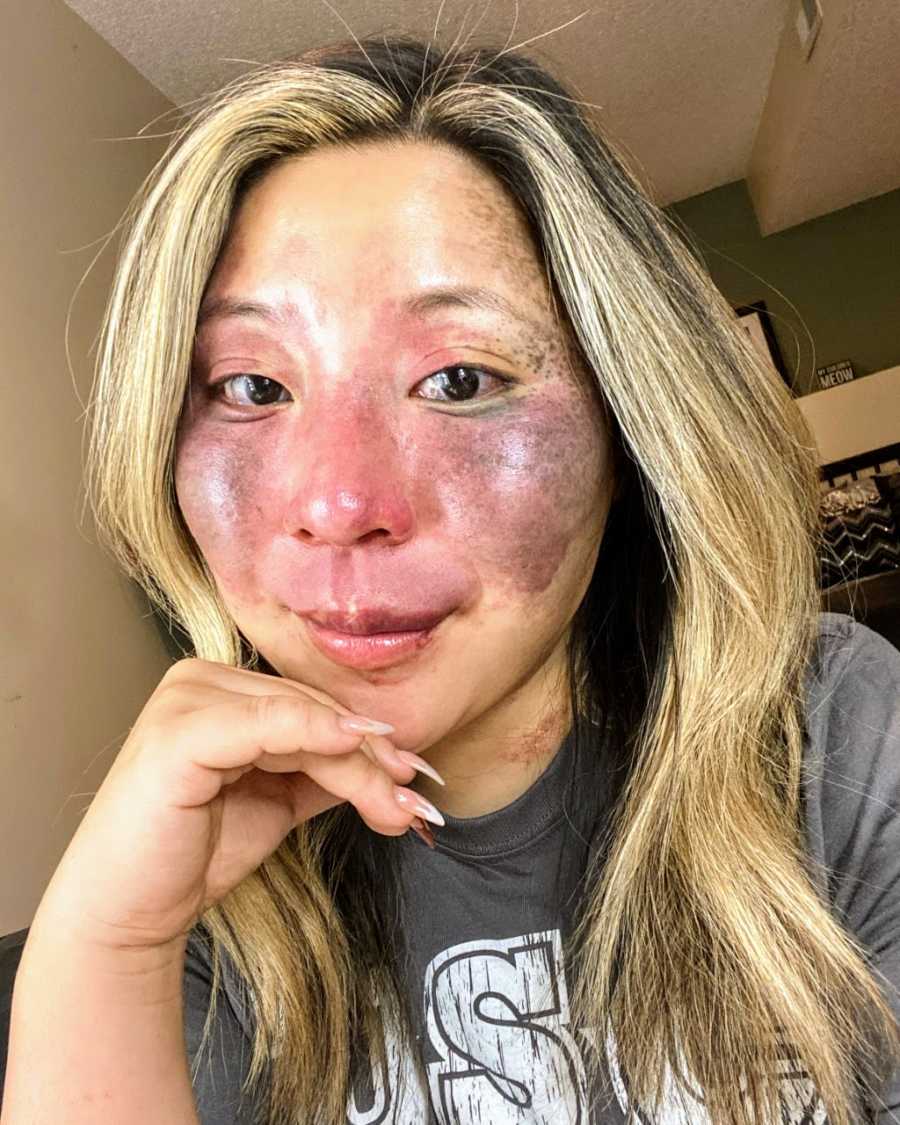
About a year ago, I joined TikTok on a whim. I didn’t expect much, but within the first month, I gained over 75,000 followers. From there, growth came quickly. I realized the power of sharing authenticity in a world full of curated, perfect images. I’ve since been noticed by major makeup companies like Laura Mercier, Rare Beauty by Selena Gomez, Jouer, and more—all because I chose to show the world my birthmark.
I wish people would stop comparing themselves to influencers. True self-love begins when you stop measuring yourself against others. Each of us has unique experiences and stories, and embracing those differences can become our greatest strength. The very thing I once feared most about myself—my birthmark—has become a blessing.
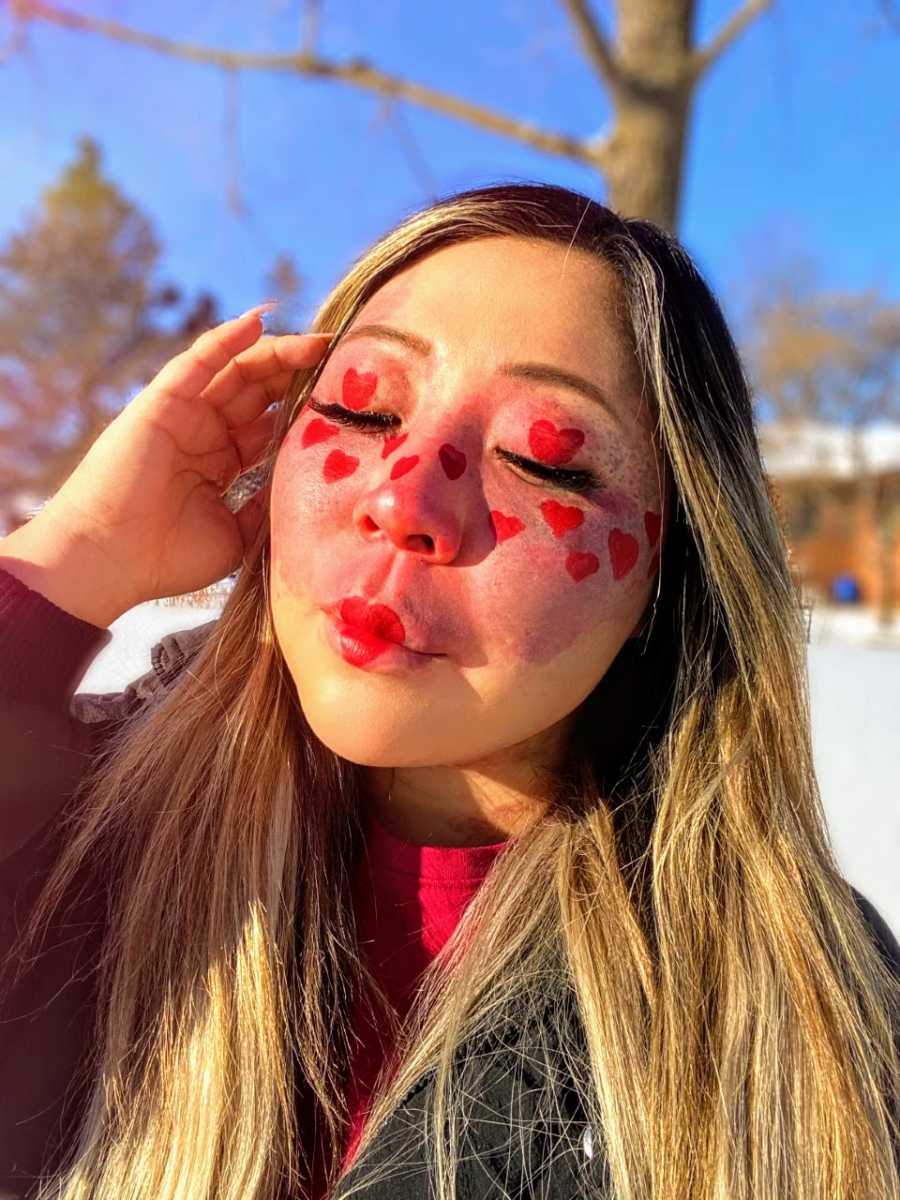
It has shaped me into an empathetic person, someone who can help others feel beautiful just as they are. Recently, when asked if I would ever remove my birthmark completely, I realized I wouldn’t. It’s a part of who I am, and it has guided me toward my passion, purpose, and self-acceptance. Looking back, ten-year-old me would never have believed any of this was possible. I am deeply grateful for the journey and hope to continue inspiring others to embrace themselves fully, proving that appearance should never hold you back from your dreams.