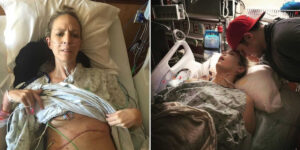
When I held my second child in my arms for the very first time, I felt something I hadn’t experienced before. Feeling her nurse, spending that first precious night together, and finally taking her home from the hospital felt like a series of small miracles—one after another. Each moment was a quiet reminder of God’s grace, and I’m endlessly grateful that these seemingly “normal” experiences became a part of our story. It was a stark contrast to what we had lived through with our first birth.
After Jaxlee was born, I endured some of the deepest, most wrenching pain I’ve ever known. I was grieved by the uncertainty surrounding her health and her future. If you know our story at all, you know that Jaxlee is nothing short of a miracle. She has overcome countless obstacles, and every new milestone she reaches is a testament to her incredible strength. Her joy is contagious, and her resilience is inspiring—but it didn’t start out that way.
Shortly after giving birth, as I cradled my brand-new baby girl, I stared at her tiny, delicate face—the face I had spent the past nine months, or maybe my entire life, dreaming about—just as every mother does. Having read every book I could get my hands on, I was eager to start breastfeeding right away. I asked the nurse to guide me through a proper latch, positioning Jaxlee perfectly, swaddled just so, and placing my nipple on her ruby-red lips. But nothing happened.
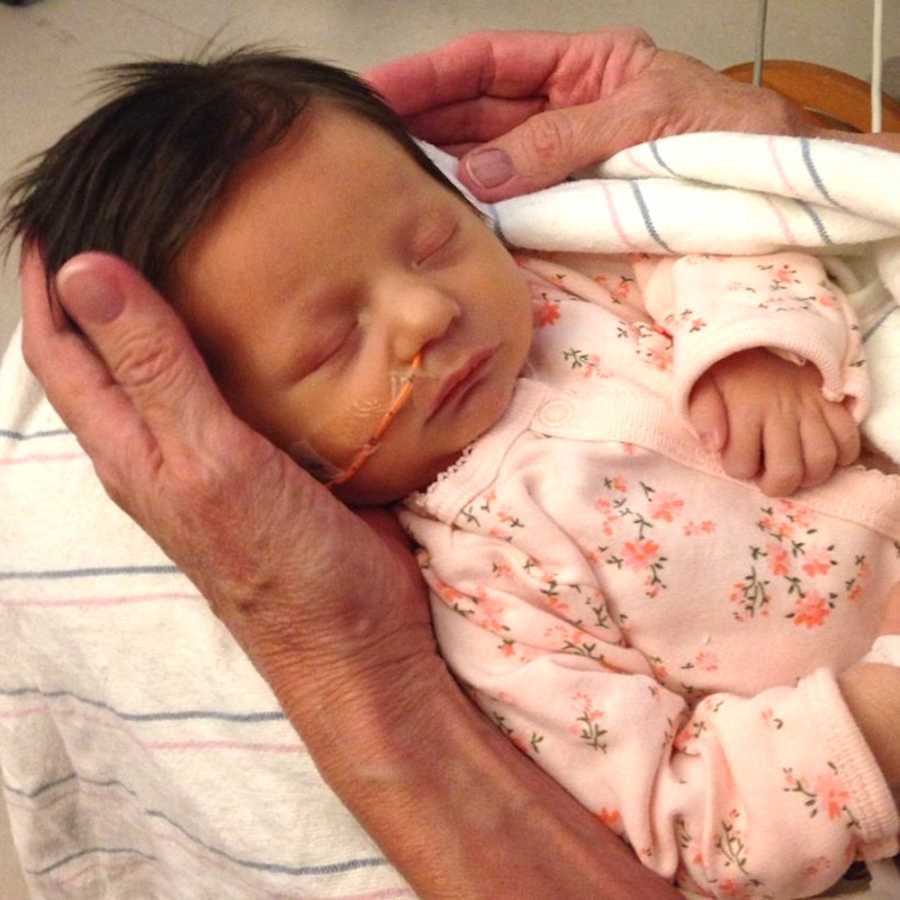
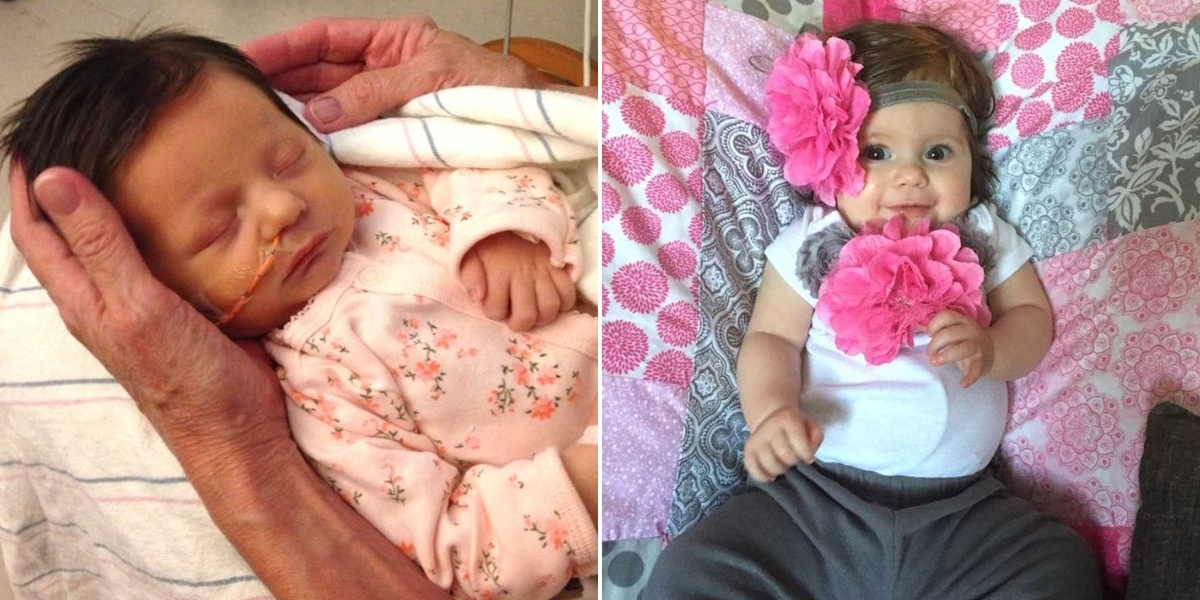
Her mouth didn’t make that tiny, rhythmic suckling sound I had imagined. She didn’t root or move toward me, and there was no flutter in her eyes, no sign of hunger, no life moving through her tiny body. The nurse tried to stimulate her by placing her finger in Jaxlee’s mouth, but still, nothing. None of the books had prepared me for this.
At first, we were reassured, “She’s probably just tired from the delivery. Let her sleep.” But as hours passed, nothing changed. She still wouldn’t eat, wouldn’t suck, wouldn’t show any sign of hunger or alertness. Panic began to set in.
Late that evening, the Neonatologist came in and said to Jonny and me, “I think Jaxlee should be admitted to the NICU for observation.” My heart sank. I had never imagined this—never considered it even a possibility. Shortly after the doctor left, a team of medical professionals entered our room and carefully carried Jaxlee away.
Jonny and I were left alone, our arms empty, our hearts heavy with fear and uncertainty. I sobbed as they wheeled her out of the room, wishing I could hold her just one more time, smell her, kiss her, feel her warmth. But she was gone, leaving a silence that felt unbearably loud.
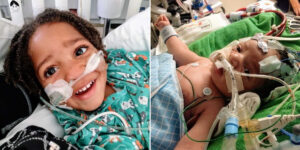
Once I was allowed to see her, I made my way to the NICU. I will never forget the smell of that sterile, beeping room, the sight of a tiny life surrounded by cords and monitors. There she was—my baby—hooked up to machines, with a nasogastric (NG) tube, an IV, chest leads, and pulse pads on her feet. I whispered a silent plea: “What happened to my baby?”
I held her as long as I could until the nurses gently told me I needed to rest. I had to leave her for the second time that day, and my heart shattered as I walked away. Back in my room, I did the only thing I could do: I began to pump, knowing that my milk could be delivered through her tube. When I finished, exhaustion and grief overtook me, and I cried myself to sleep.
The next morning, I hurried to the NICU, my arms aching to hold her again. I brought my pumping supplies, ready to spend every possible minute beside her. That became our first routine—a lifeline in a world that had suddenly felt so uncertain. I would return to my room only for brief moments, then rush back to be near her. It gave me a small sense of control as her mother, and I clung to it with everything I had.
After a few days, it was time for me to be discharged. Leaving the hospital while my baby stayed behind was excruciating. The staff insisted I go home to rest and shower, but it felt unbearable to leave her behind. Jonny and I left, sobbing, listening to “Lord I Need You” by Matt Maher, my arms achingly empty.
Jaxlee spent the next three weeks in the NICU under the care of amazing nurses. We shuttled back and forth between home and hospital, and every moment I wasn’t with her, I was pumping, caring for her from afar. Slowly, we adapted to a new way of life. It took two years for doctors to diagnose her with Cerebral Palsy, a long period of uncertainty where we didn’t know exactly what she needed.
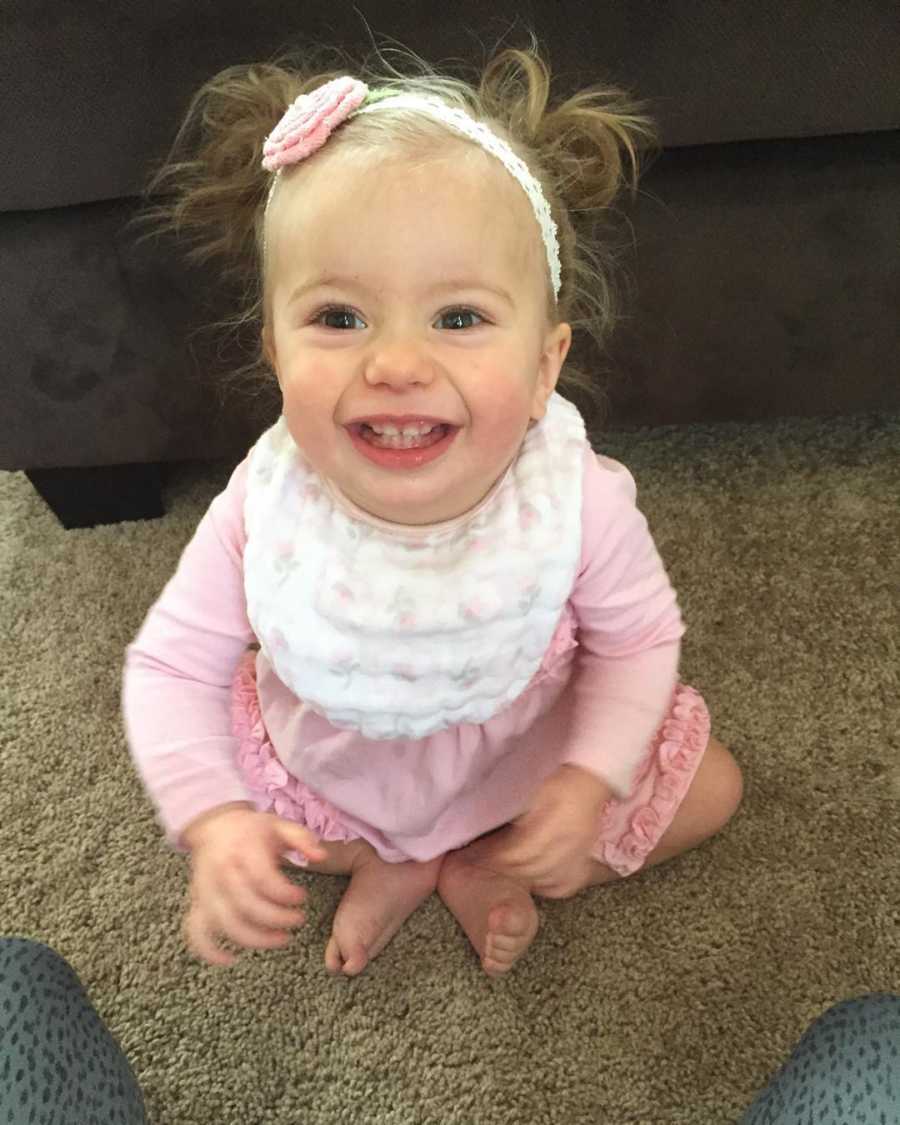
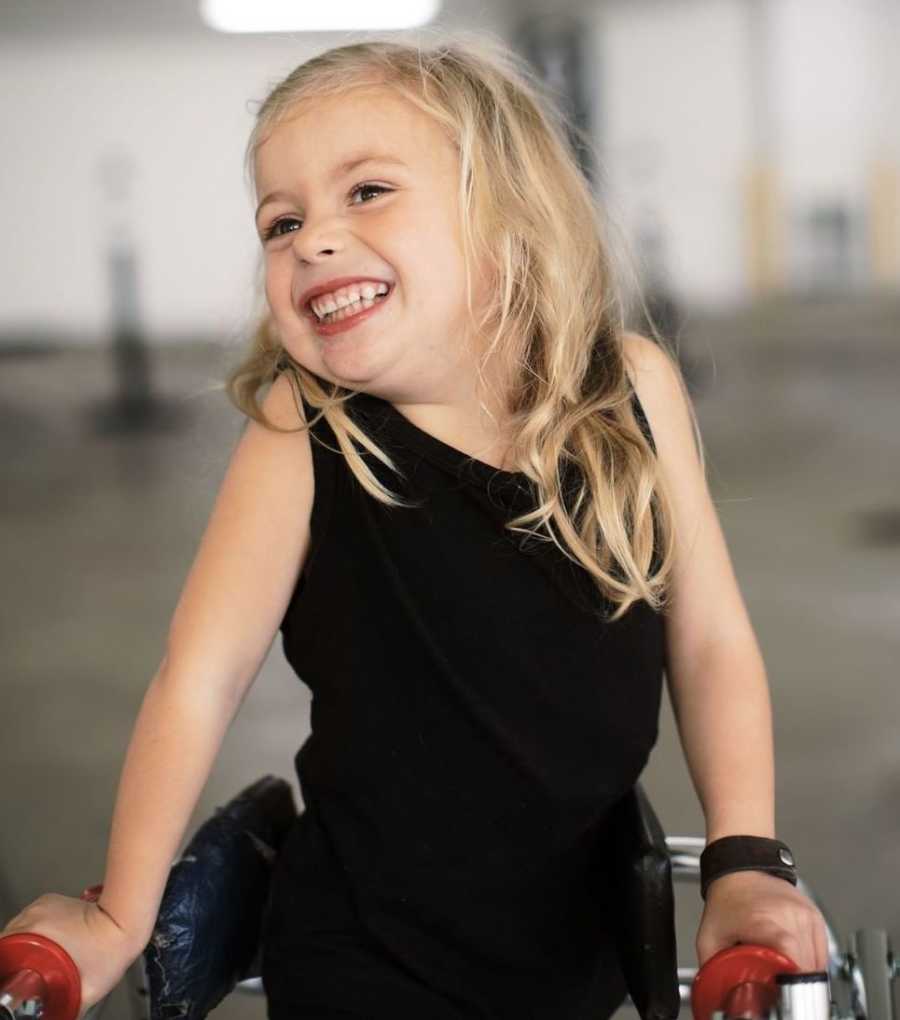
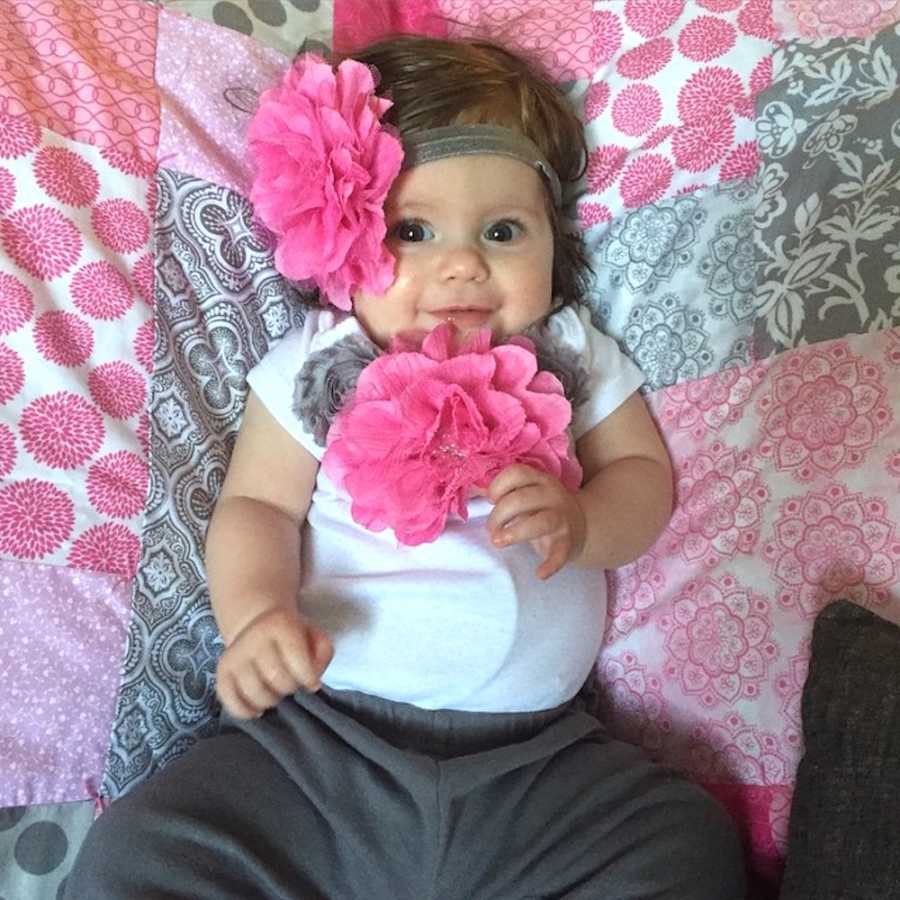
Even in those darkest moments, we found glimmers of joy. Jaxlee’s smile lights up any room—or any social media page—but it’s not just her cuteness. It’s the resilience behind that smile. She has weathered unimaginable challenges since birth and continues to conquer new ones every single day.
I’ve experienced deep loss in my life, on multiple occasions, but I believe that enduring profound pain expands our capacity for joy and gratitude.

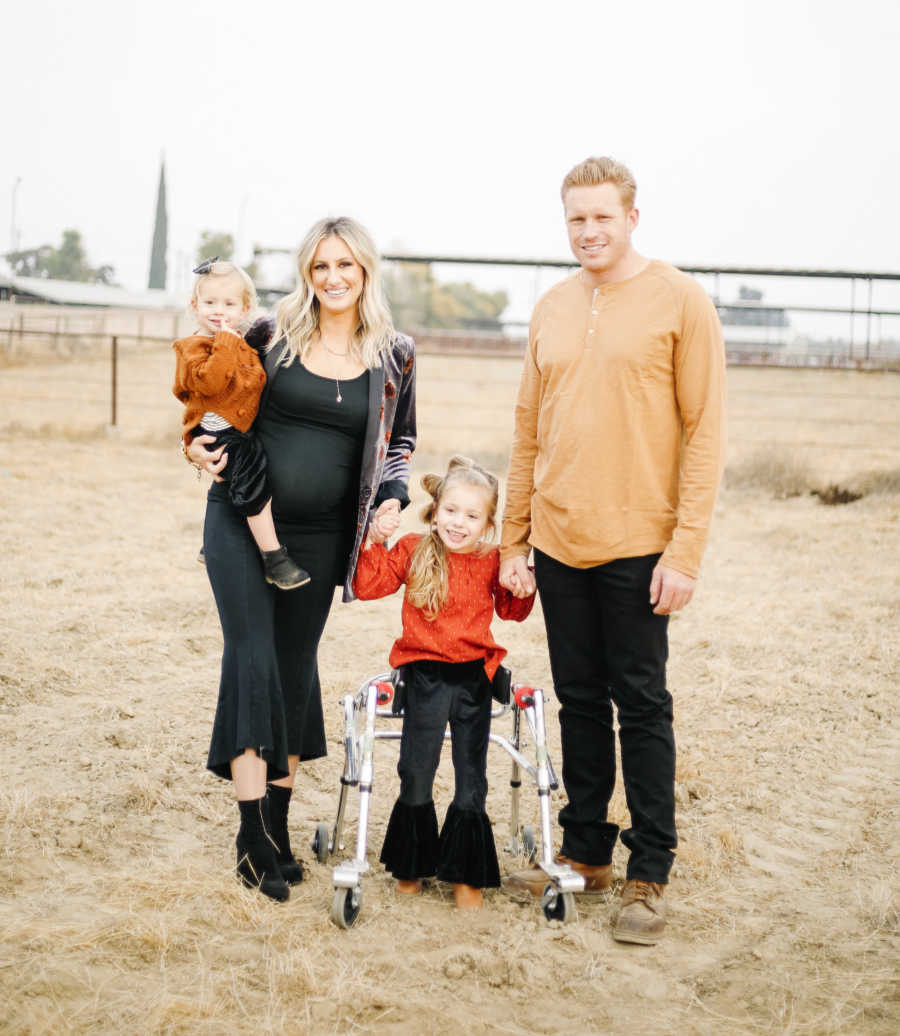
When I look at my two daughters, two sisters with very different stories, I see the truth of that belief. We experience immense joy with Jaxlee, especially because of the strength she has shown, and we experience just as much joy with Braelynn, whose story is different but no less vital to our family.
Wherever your story finds you—whether you are a NICU warrior or facing your own personal struggles—I hope you can glimpse the spark of hope amidst the pain. It is there, even when it’s hard to see.