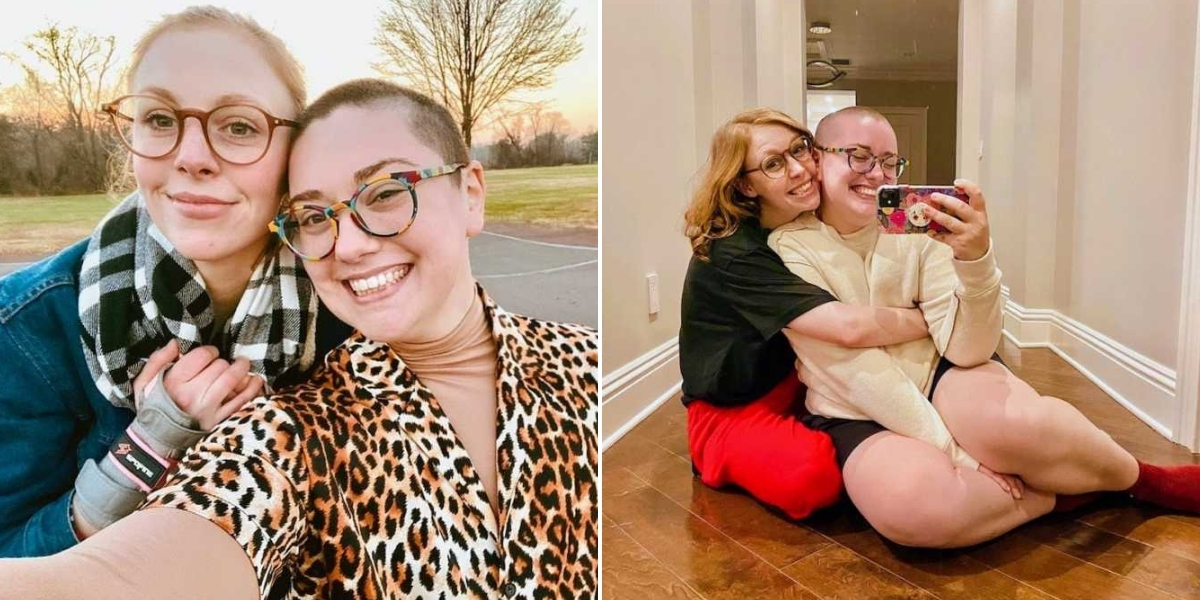
I grew up in a rural town with a population of just 693 people, and for the longest time, I felt certain I was the only queer person there. The hardest part was that I didn’t really know what being queer even meant, or how queer I truly was. I just knew I was… different. I felt like I didn’t quite belong anywhere. I promised myself that the day I left for college, I would never live in a small town again. There just wasn’t enough room in a place so small for someone like me. And back then, I still wasn’t even sure exactly what “someone like me” meant.
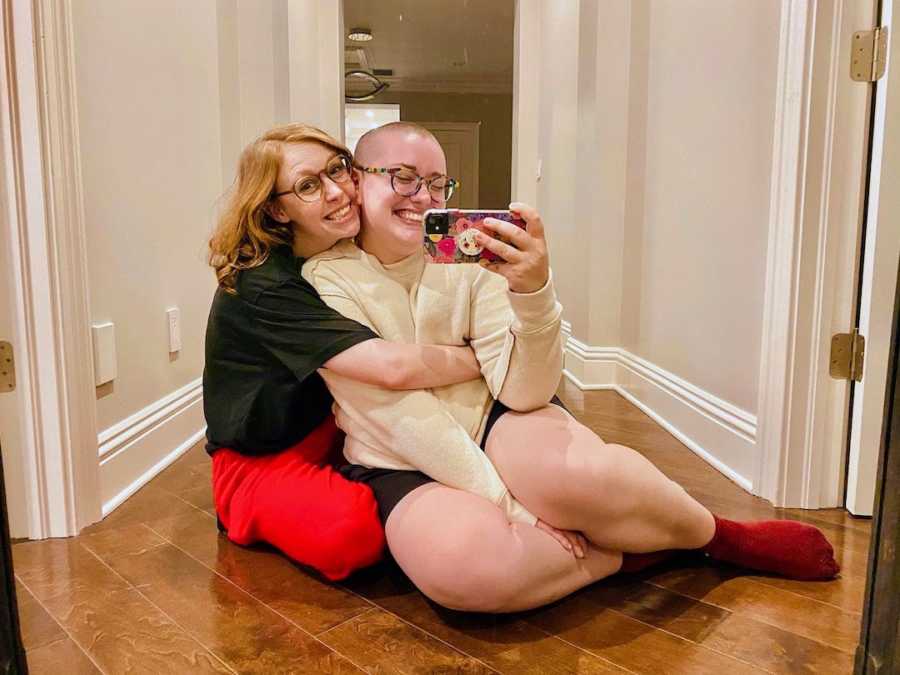
If someone had shown me back then what my life would eventually look like, I never would have believed it. I never would have imagined that I’d one day settle just 30 minutes from the house I grew up in. I never would have believed I’d find a partner to share this wild ride of life with—someone who is not just a lover, but my best friend, my soulmate, my home.
It was beyond even my wildest childhood dreams to be so incredibly happy, so fully aligned with my body, mind, and soul. I never imagined I’d feel at home in a trans body. I never imagined I could be everything I longed to be. I never imagined I’d grow into someone who could look back at my journey with gratitude, humility, and awe.
It all started at birth, when the doctor looked at what was between my legs and spoke the first sentence that would script my life: “It’s a girl!” I was my mother’s first daughter, the first girl cousin, the first niece, the first granddaughter—the first excuse to buy pink bows and dolls. And everyone was thrilled. My existence began wrapped in this feeling of being “the first.” I was special because I was the first girl, expected to be feminine, soft, shy, sweet—the first baby girl to love.
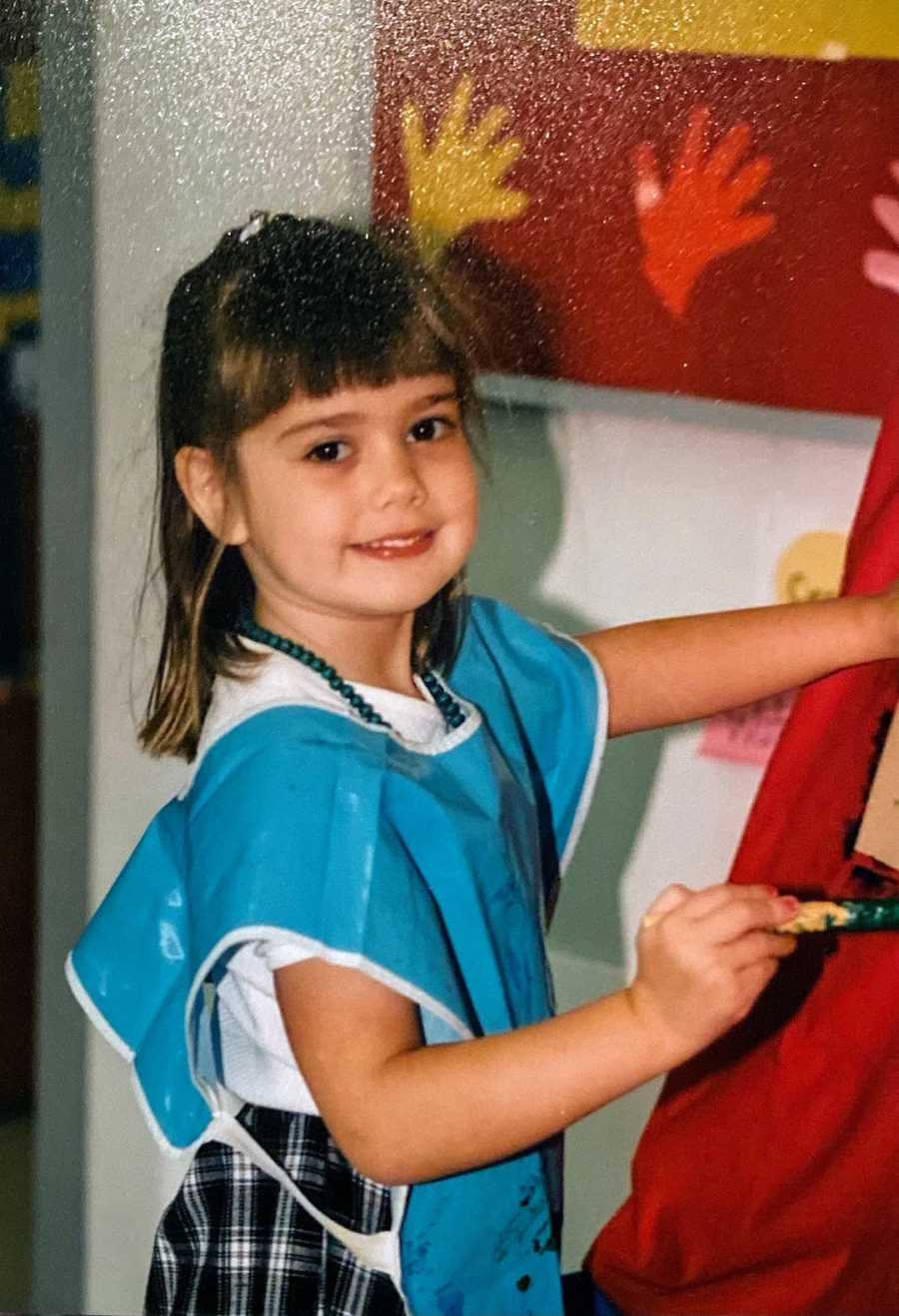
When I was 4 or 5, I told my mom I didn’t want to play soccer anymore because a boy on another team, Iggy, called me “girly-girl.” She told me he probably thought I was cute, maybe even liked me, and that I shouldn’t be uncomfortable with being called feminine. I took it as a compliment. “Girly-girl… that’s fine,” I told myself. By the time I was 6, I had a Junie B. Jones fill-in-the-blank journal, full of prompts I loved. One prompt asked me to write five rules I’d change if I were in charge of my house. Number four: “Not have to shower every day.” Number two: “Eat less vegetables.” But number one? “I wish I could wear whatever I wanted.”
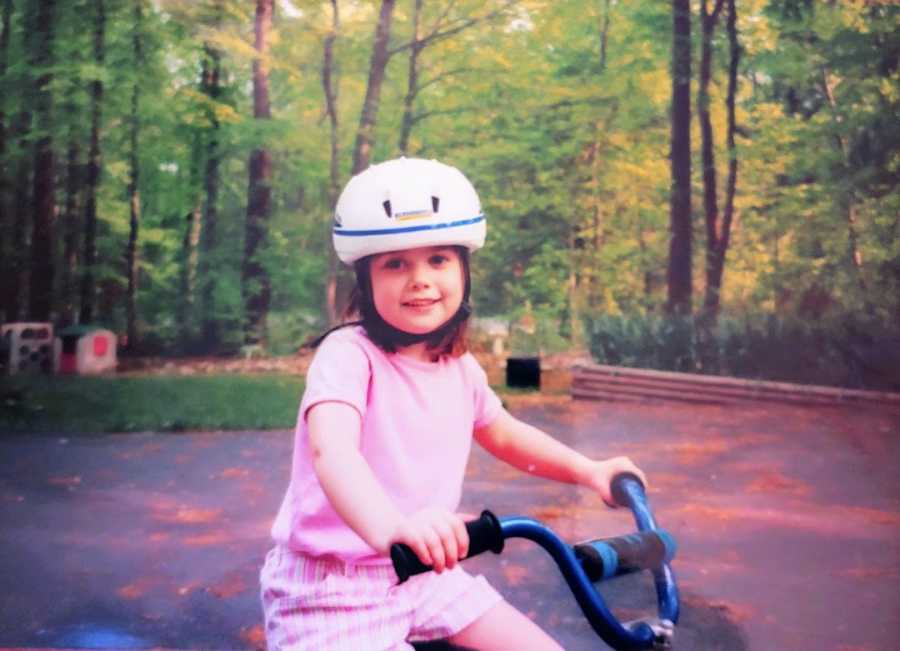
I found that journal again when I was 24, and I wished I could have told my 6-year-old self what I know now—that the longing I felt wasn’t wrong. It was a signal of the freedom I would one day find.
Dance was my world. I danced seven days a week at my local studio, eventually working there as an assistant teacher as a preteen and teenager. Dance gave me joy, creativity, and a community I cherished. But it also brought struggles. The dance world is steeped in a rigid gender binary, and it was suffocating to exist as a gender-expansive individual within it. I thought I was “gay” early on because it seemed to explain my feelings, but deep down, I knew it wasn’t the whole story. Fear, shame, and lack of vocabulary kept parts of me buried.
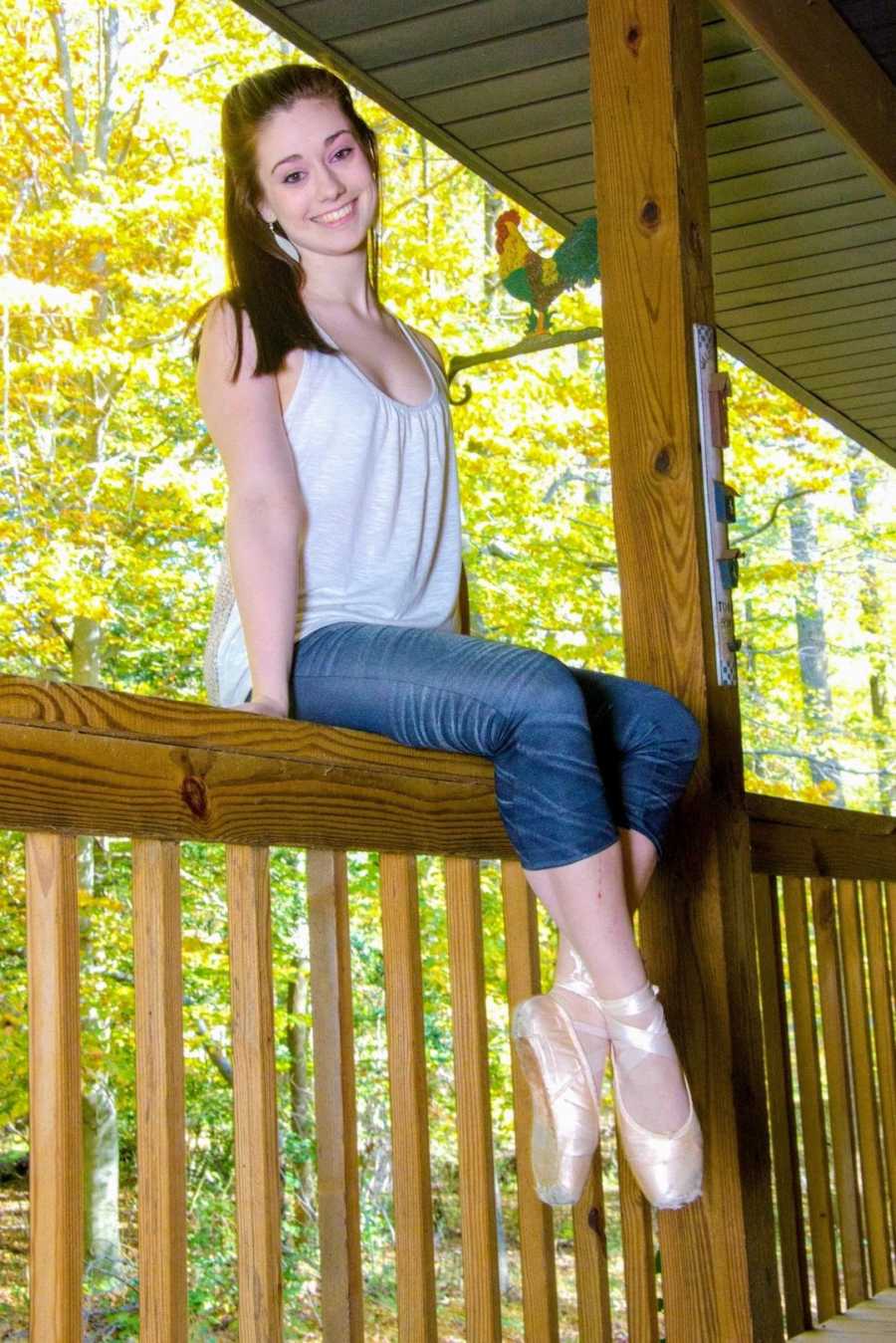
My mom had put me in dance because, “It’s what girls do.” From the very beginning, gender divided us: far more girls than boys enrolled, different uniforms, different expectations. Boys wore black shoes, girls pink; boys wore white t-shirts and black bottoms, girls black leotards and pink tights. Hair had to be long enough for buns. I begged my mom to cut my hair shorter, and she always said no. Dance college seemed like an escape, my ticket out of my small town. Pittsburgh became home, at least temporarily.
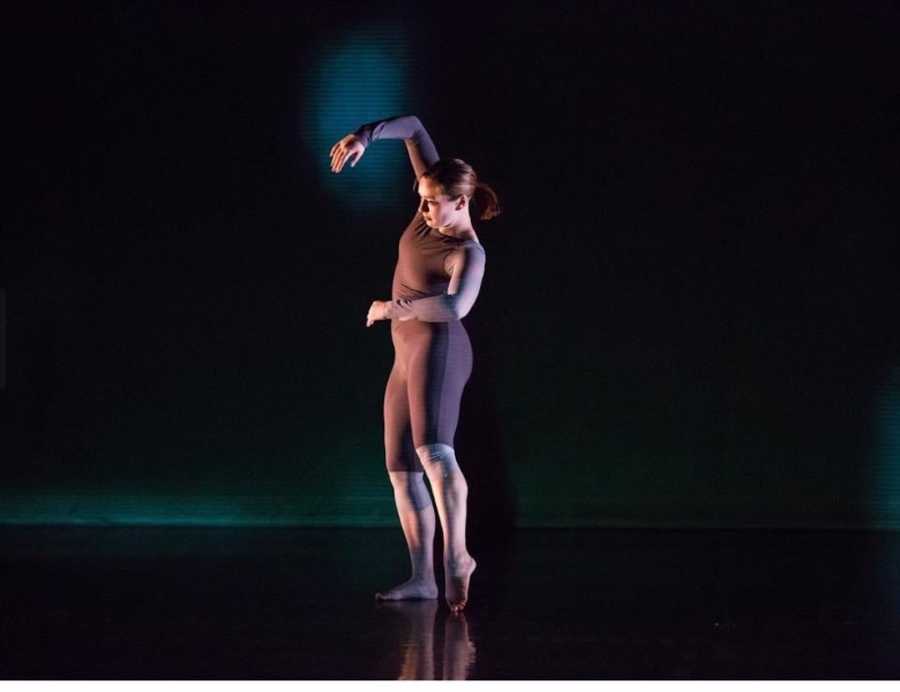
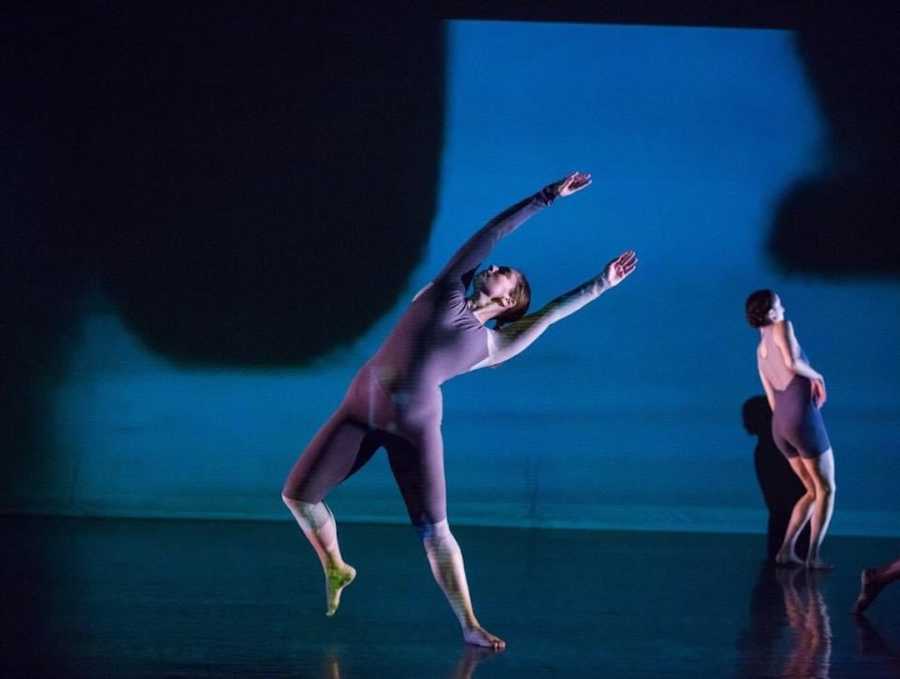
Even in college, I carefully navigated the gendered world of dance. I waited until last to go across the floor so I could move with the boys—they were allowed to jump higher, turn faster. Teachers called us “ladies” and “girls,” typecasting me as fragile and feminine. To succeed, I tried to fit the mold. But it was suffocating, and after college, I stepped away, still unsure of who I truly was.
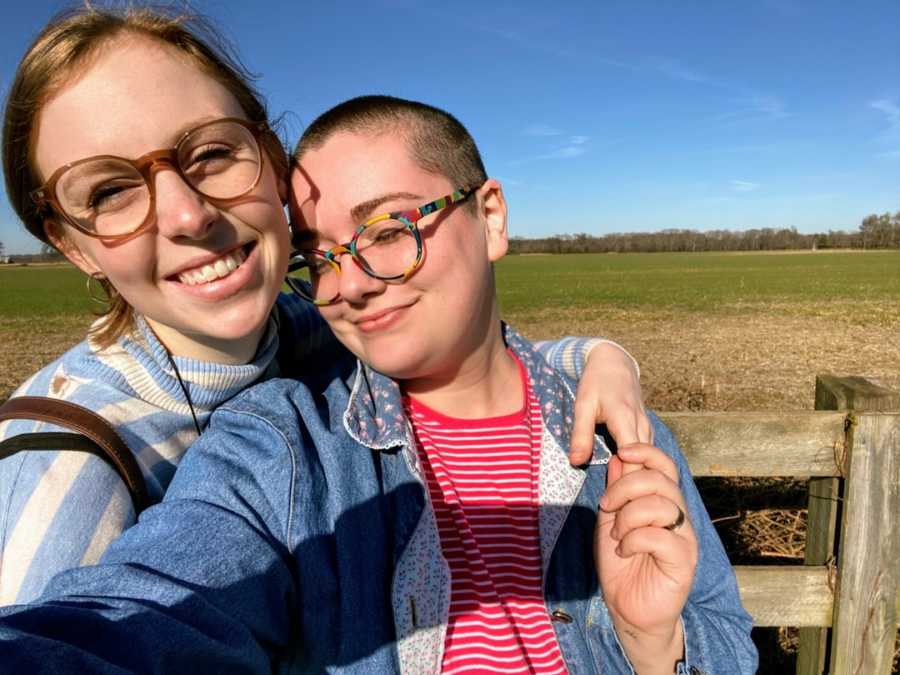
In college, I met my fiancée, Hannah, a spark in my life after years of trauma and abuse. I knew immediately she was the one I would marry. And yet, despite having what I thought I wanted—love, stability, a future—I still wrestled with conflicting feelings inside. Some nights, I cried silently in our rented bedroom, not wanting to wake her, trying to name the unease in my chest. I hated looking at my chest in the mirror. I hated leaving the house, forced into a daily mask of cis-femininity. Sometimes she would hear me. And one night, she asked simply, “Are you a trans man?”
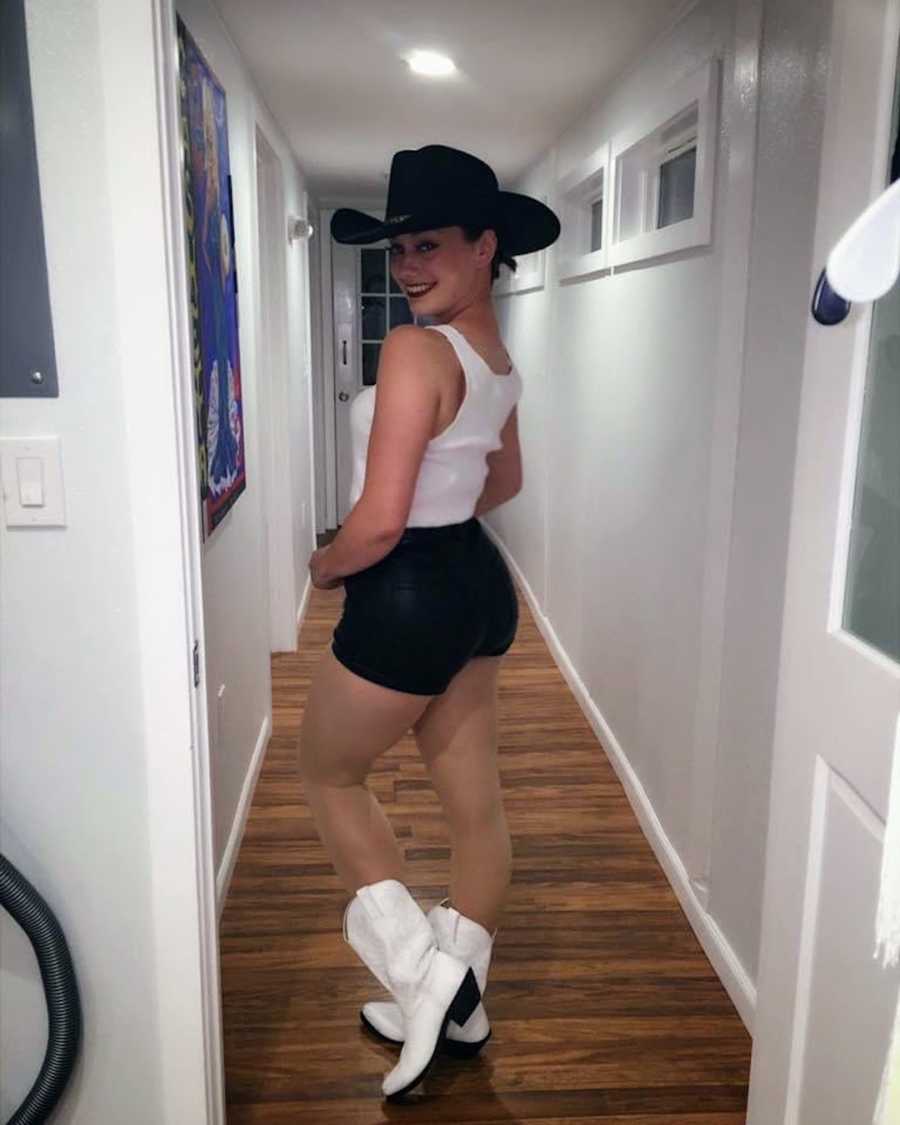
Time stopped. My heart raced. Could this be it? Was this what I had been holding back all these years? And then I sobbed—not because the answer was yes, but because the answer was something entirely different. I realized I wasn’t a trans man. I almost wished I were, because that would have been simpler. But I didn’t want to be a man, and I didn’t want to be a woman. I didn’t want to live in a black-and-white world, or even a gray one. I wanted a world that reflected me—a rainbow world, vibrant and limitless.
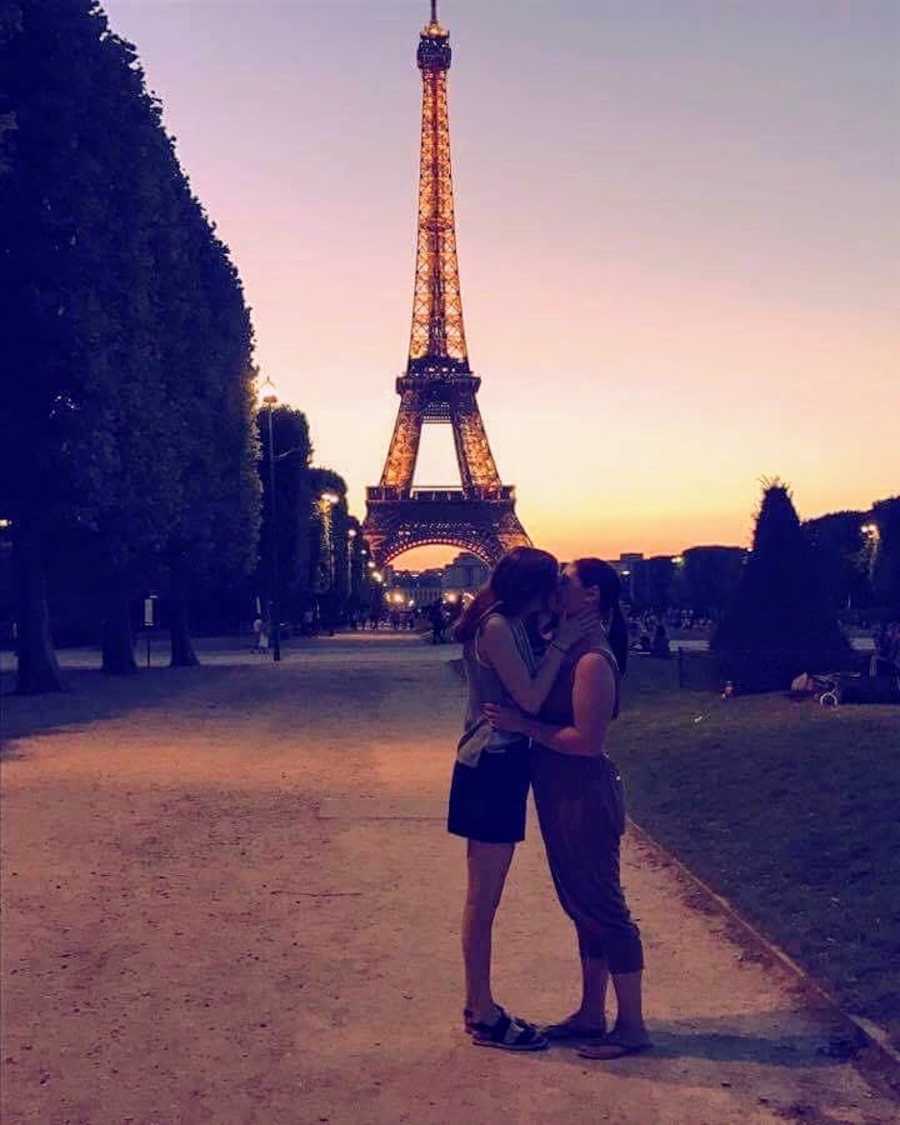
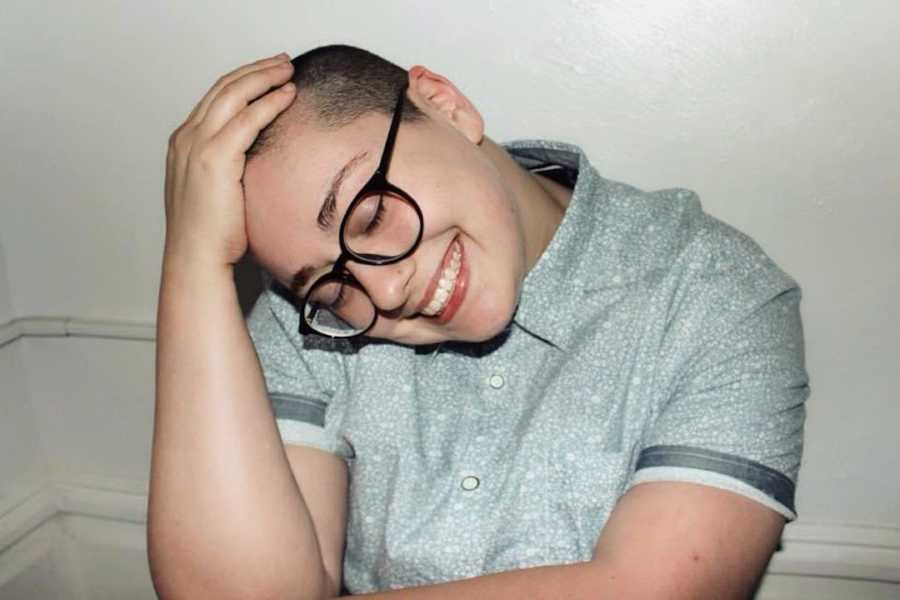
That rainbow world existed online. I found the non-binary community, the vocabulary, and the stories that made my life click into place. I shaved my head, rebuilt my wardrobe, and began using they/them and she/her pronouns interchangeably. Conversations with my family followed—tough, raw, educational. And slowly, they became my biggest cheerleaders.
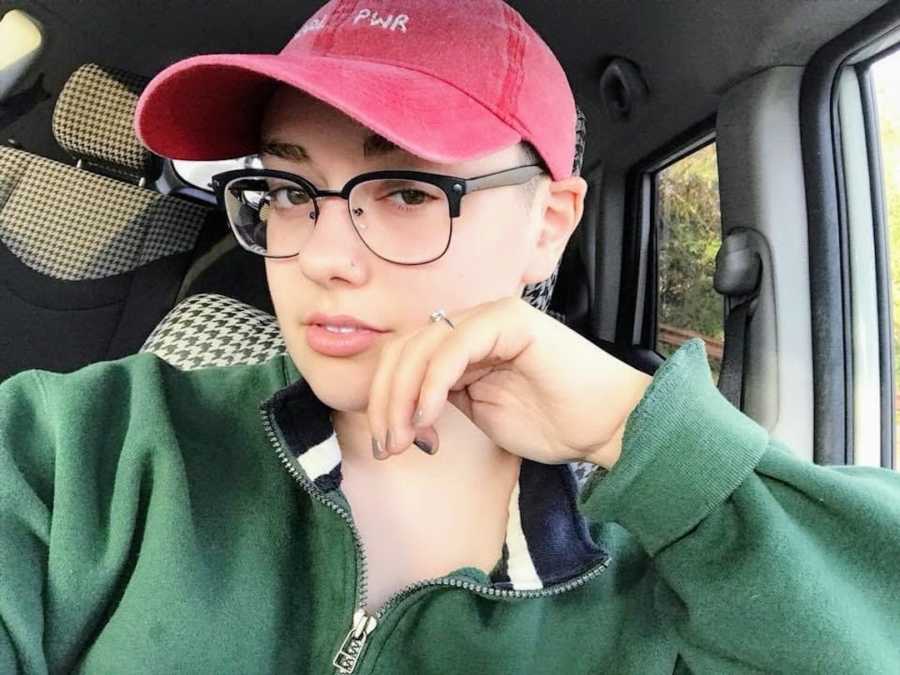
My dad, a former state delegate, helped me publish a children’s book on inclusion and diversity, encouraging me to include my pronouns in the author bio. My mom practiced my pronouns on her plants. I decided I wanted non-binary top surgery—a chance to feel aligned with my body. I sought therapy, obtained letters of recommendation, secured insurance, booked consultations, and finally set a surgery date. Every step felt like carving a path to gender euphoria.
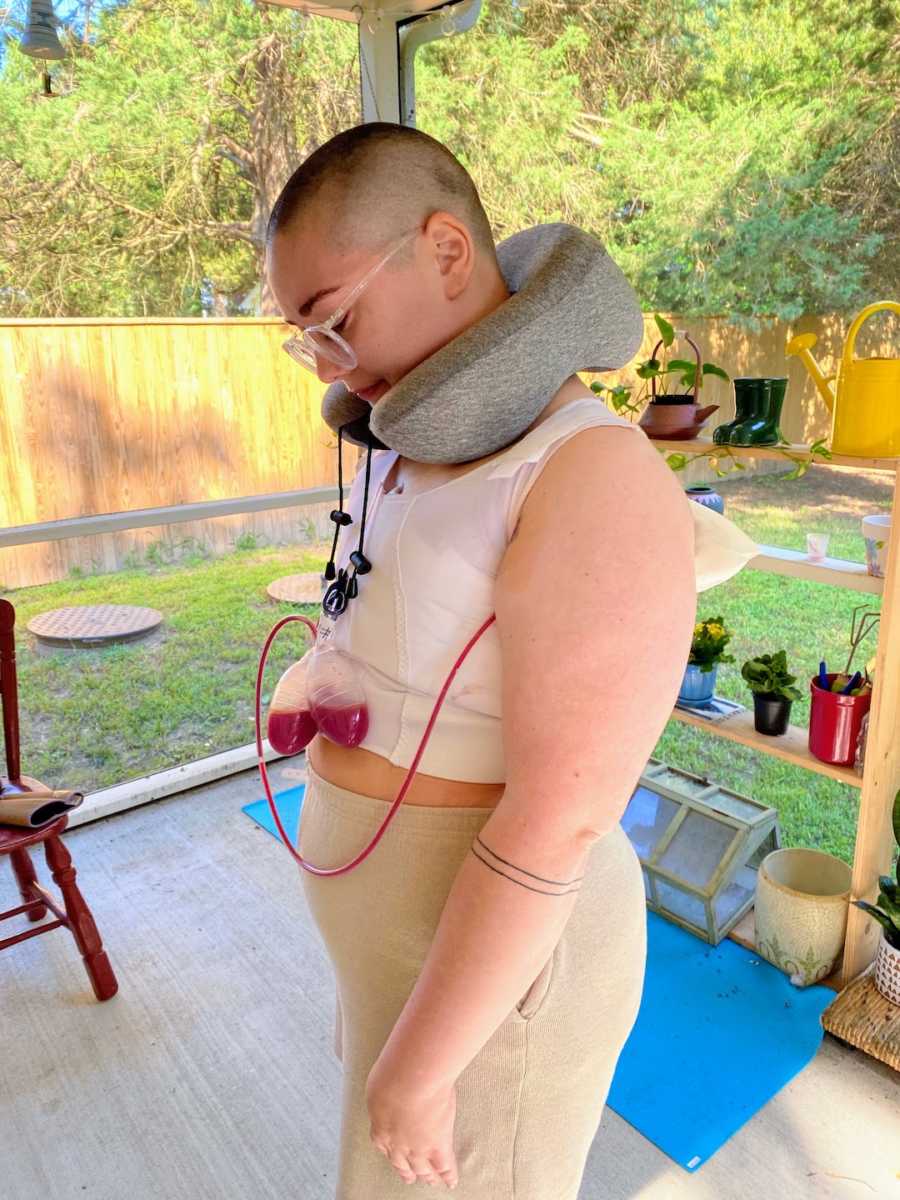
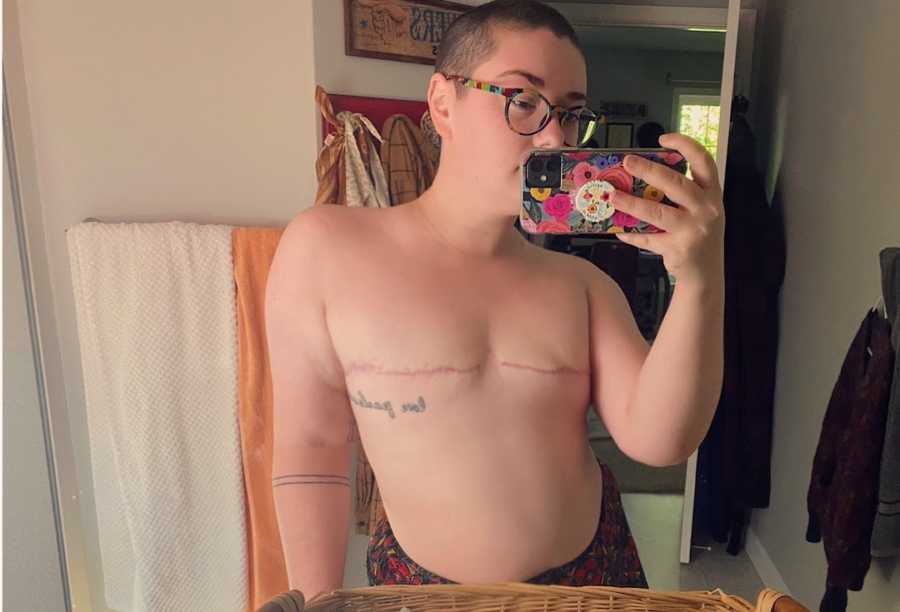
I documented the entire process online, wanting to be the representation I never saw: a neurodivergent, non-binary, femme, plus-sized, nippleless queer person getting top surgery. I hoped to reach even one person. Instead, the support poured in—from strangers, friends, and long-lost connections. Being vulnerably, authentically me became a gift not just to myself, but to others.
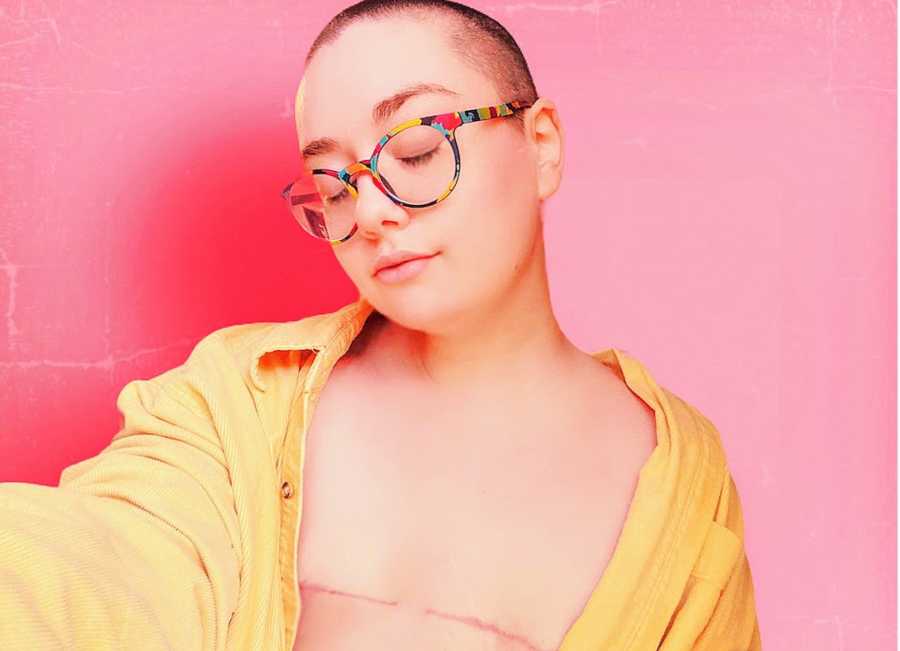
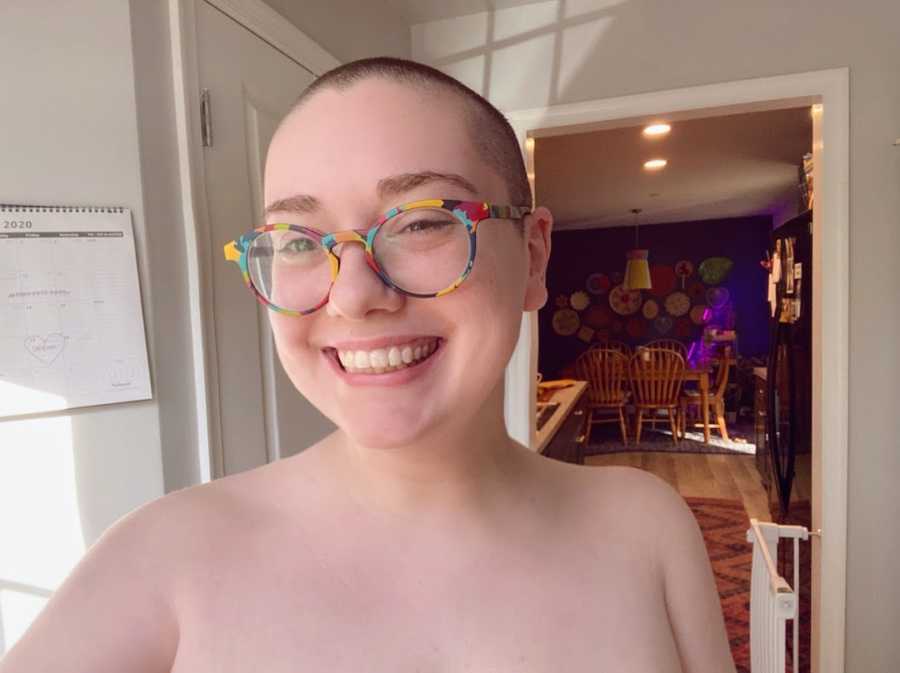
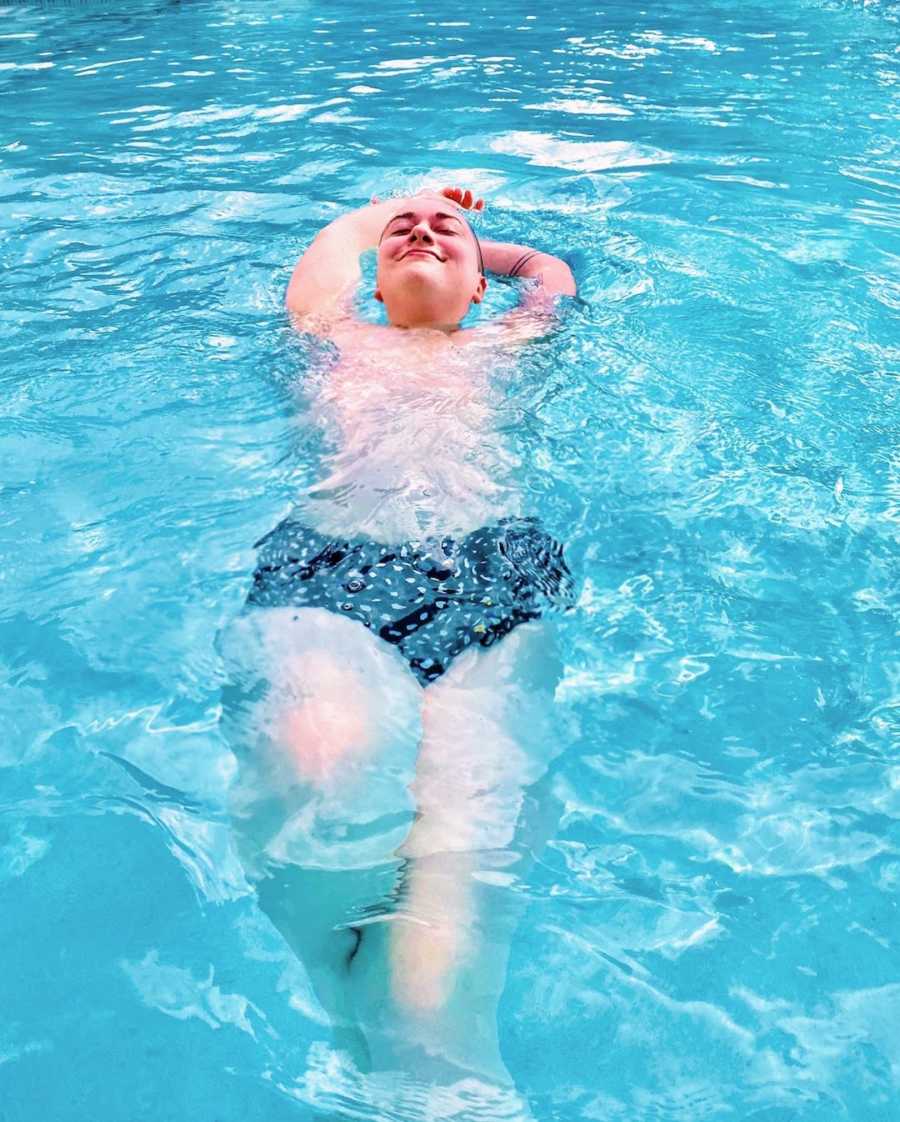
The post-op experience didn’t bring depression—it healed my pre-op depression and dysphoria. I finally felt at home in my body. For the first time, I could express femininity freely, on my own terms. I could simply be human, fully myself, exuding all the shades of who I am. Life began again. Swimming for the first time in euphoric joy, planning a wedding, teaching dance, pirouetting with a new center of gravity, living openly as my fully-realized, non-binary self—every moment felt alive.
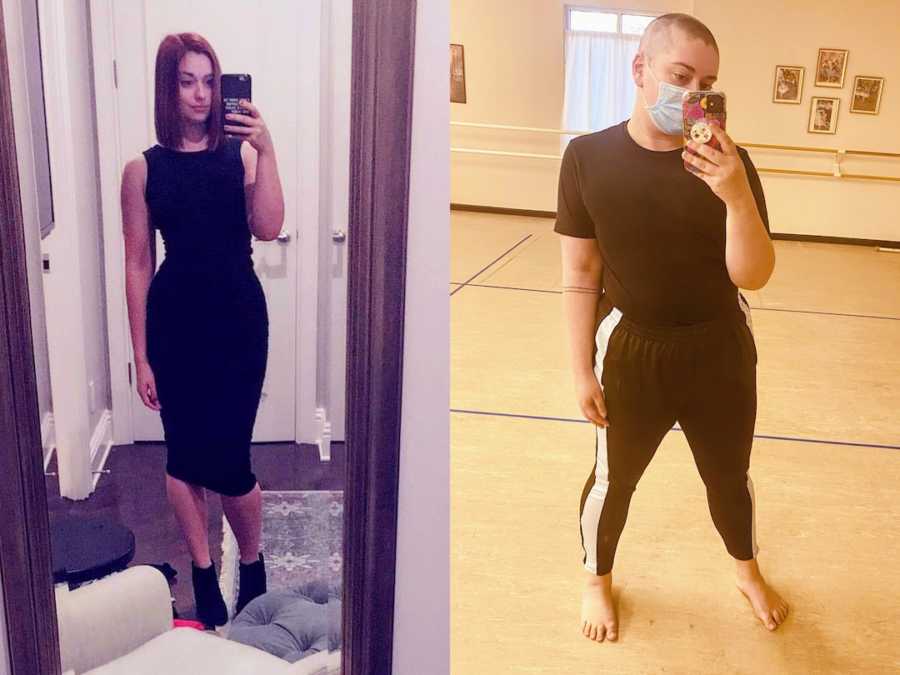
I make my classroom a safe space for all dancers, teaching that dance is for every body and gender. I continue to learn from the queer community, modeling allyship, tolerance, and openness every day. My mottos guide me: educate, don’t hate; kill ’em with kindness; take advice from my 6-year-old self and wear whatever I want; be a traditionalist’s worst nightmare. Because new paths are how we progress—and finally, at last, I am walking mine.