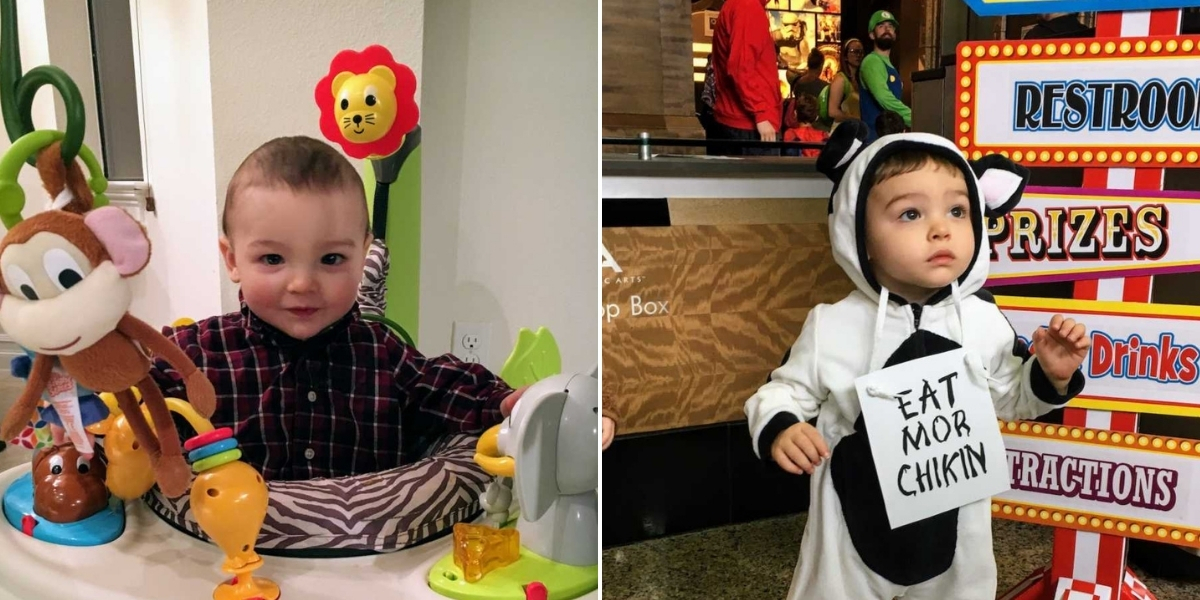
I’ll never forget the moment I realized that my youngest son, Barclay’s journey, would look very different from that of his three older siblings. Up until eighteen months, Barclay had hit his developmental milestones like clockwork. He was an energetic, curious, and very busy toddler—imitating sounds, using some words, making eye contact, and responding to his name. I still remember the first time he spoke in a two-word phrase. He was standing at the baby gate, waving to my husband, Brent, who was heading out the door for work, and said, “Bye, Dad.” Brent and I froze, smiled from ear to ear, and showered him with praise.
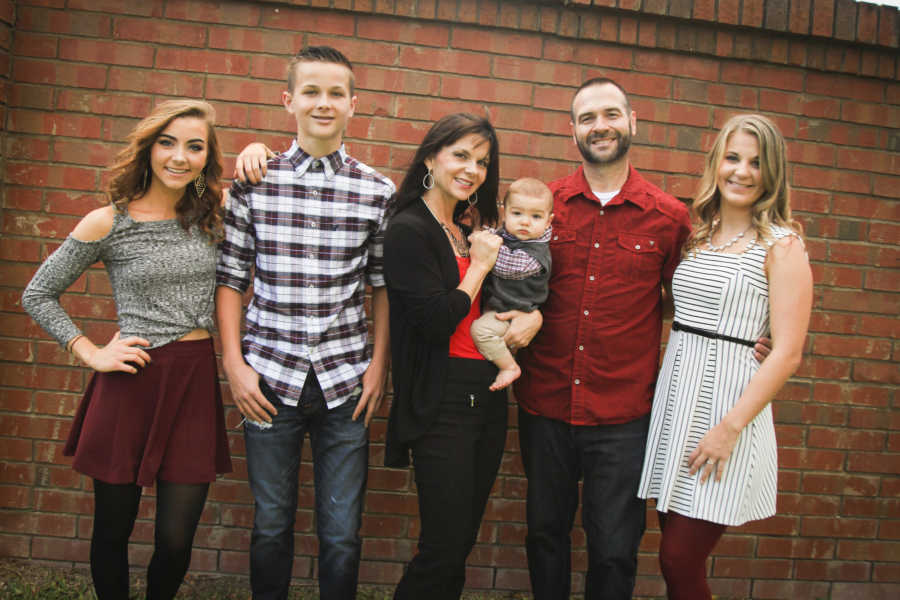
As soon as Brent left, I grabbed Barclay’s baby book and carefully recorded his latest milestone, never imagining it would be the last one in that book for quite some time. I called my mom to share the news: “Guess what! Barclay just said his first two-word phrase!” She was as thrilled as I was. With our older children, a milestone like this had sparked a language explosion. Naturally, I expected the same from Barclay. But the next day, as he stood again at the baby gate, I heard him say from the kitchen, “Bye, Duh.” The second word seemed stuck. My heart sank. It felt like a blaring alarm, a spotlight shining on my child, and I had no idea what it meant.
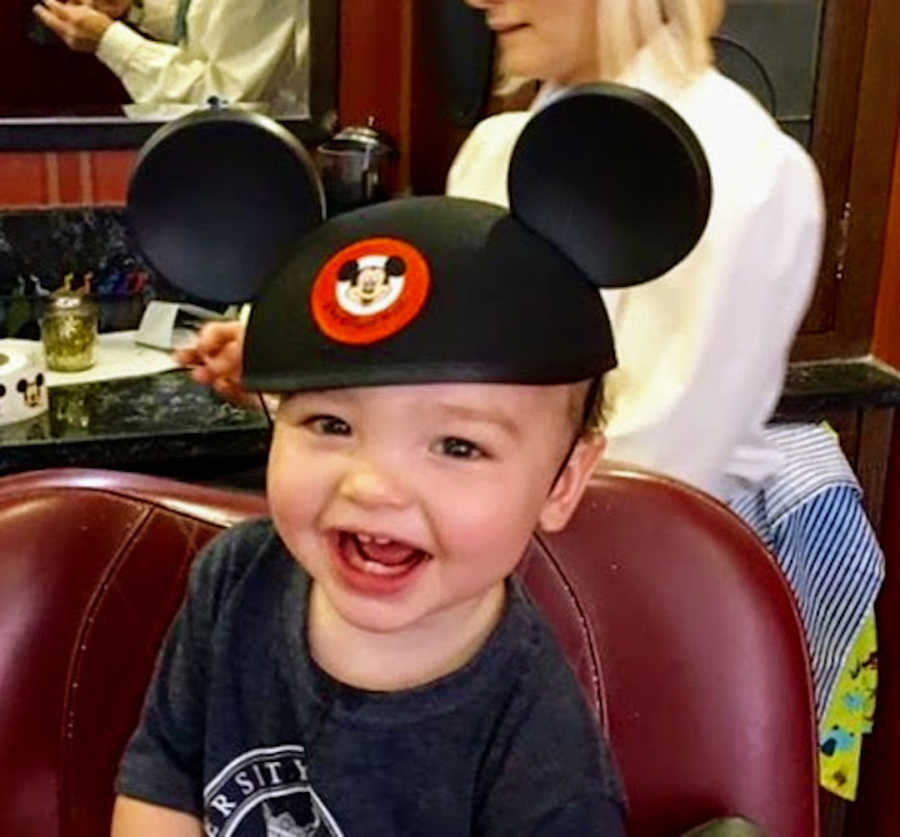
Almost overnight, Barclay lost nearly all the words he had previously known. I mentioned it to his pediatrician and requested a speech evaluation. She was less concerned than I was but wrote the referral. While waiting for the appointment, I researched speech delays and regressions, desperate to find ways to help him communicate. I started teaching him baby sign language, and, to my relief, he picked it up quickly.
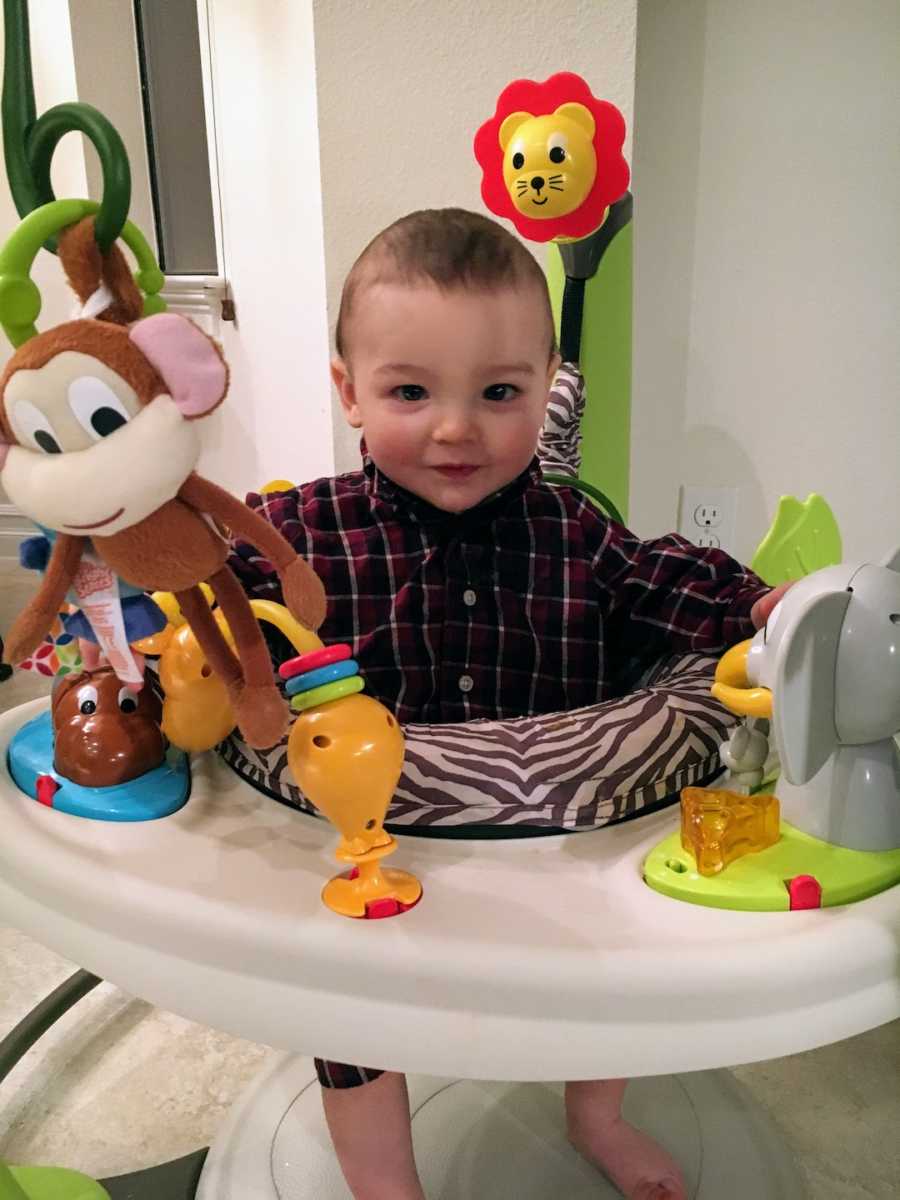
When the speech evaluation finally came, it confirmed delays in both expressive language—his ability to speak—and receptive language—his understanding of words. An occupational therapy evaluation followed, revealing delays in fine motor skills, like using utensils, and gross motor skills, like catching a ball or pedaling a tricycle. A month later, he began both speech and occupational therapy. But progress was slow. He resisted almost every activity, distracted by anything in the room, always wanting objects the therapist hadn’t planned to use. He became obsessed with turning lights off and on, ignoring any guidance. Eventually, therapists resorted to strapping him into a chair. Flashcards were ripped; tiny beads meant to develop dexterity were flung across the room. We both hated going.
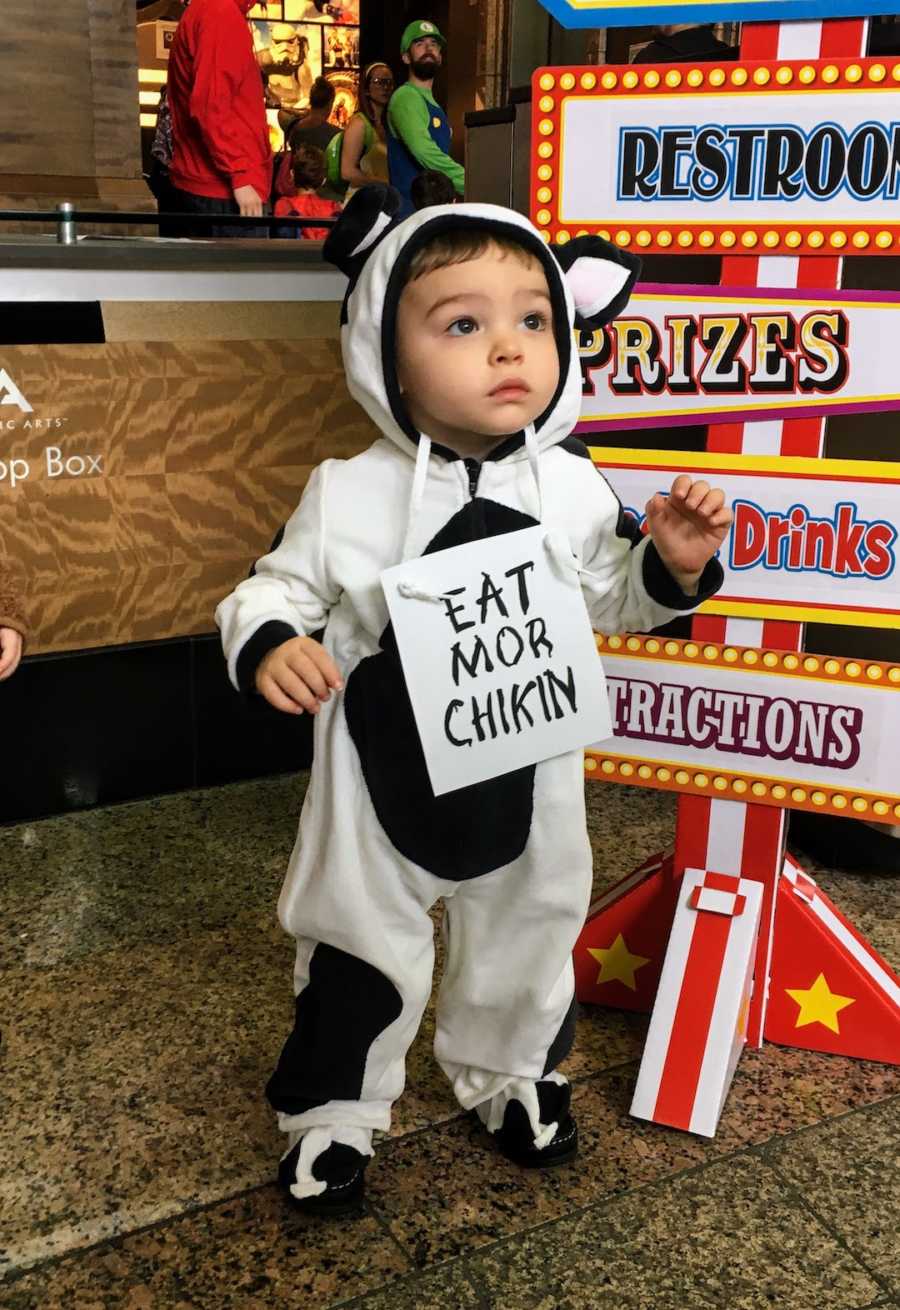
Hoping that being around other children might help, Brent and I enrolled Barclay in a preschool program with a teacher experienced in sign language. At first, he loved it. But soon, other behaviors surfaced. He refused to sit and feed himself, darted off while lining up for recess, and wasn’t potty trained. After multiple parent-teacher conferences and failed interventions, the school explained they could no longer meet his needs. I understood—but I also began doubting myself, wondering if I could meet his needs either.
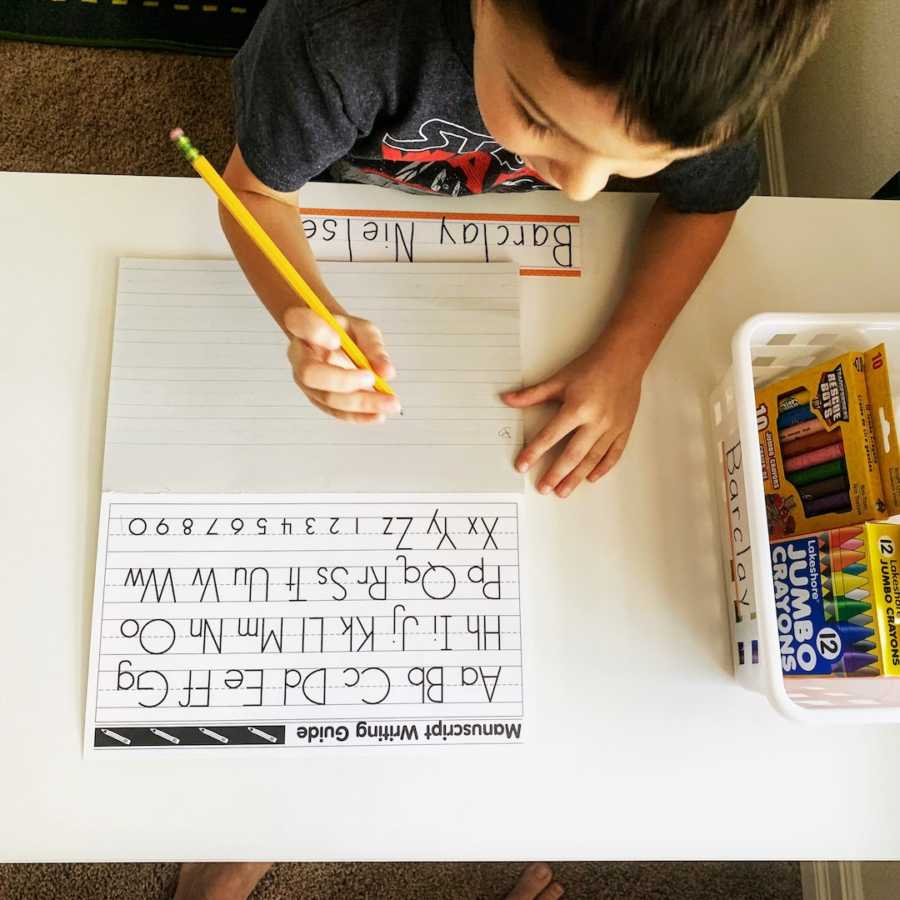
Around this time, I learned about Early Intervention, a free program available in every state for children with developmental delays. Since private therapies weren’t working, I hoped additional services might help. Barclay’s evaluations lasted nearly four hours. He resisted nearly every activity, throwing a toy train so hard it hit an evaluator in the forehead. By the end of that exhausting day, I felt like a complete failure. On the drive home, he fell asleep instantly, giving me a moment to cry in private.
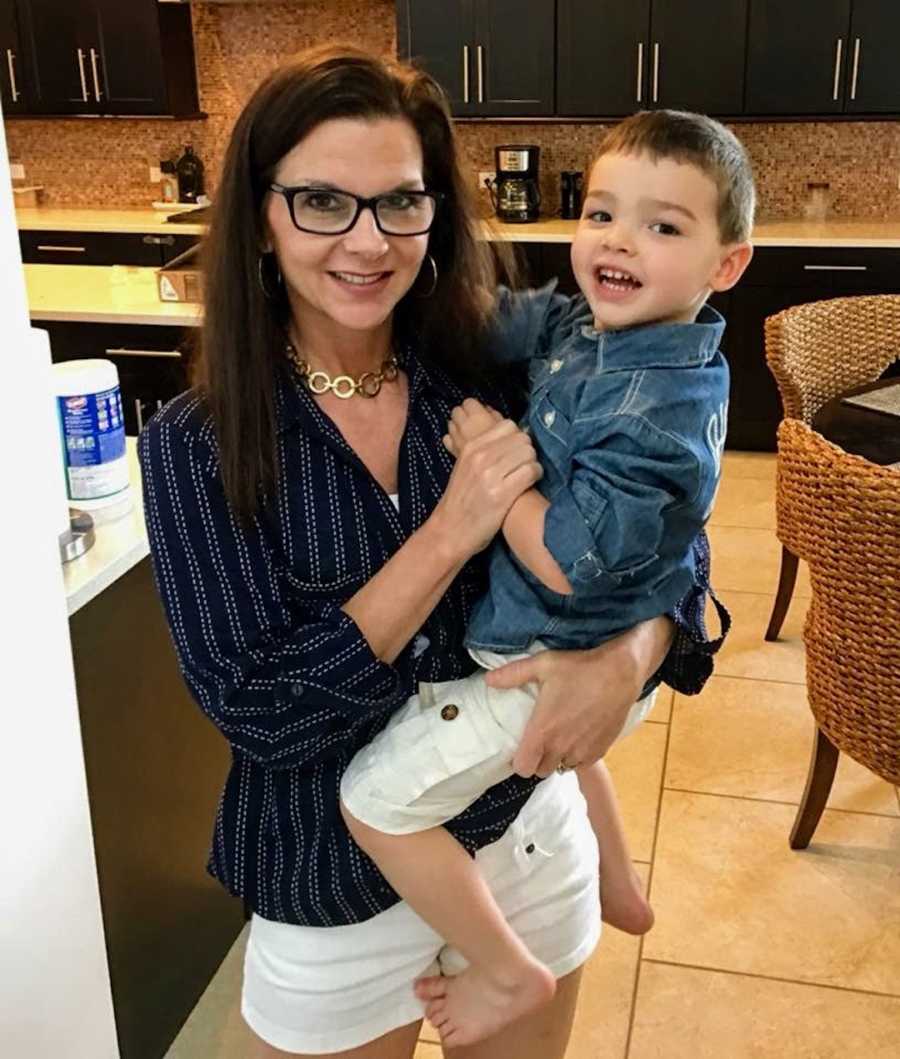
Weeks later, Early Intervention recommended behavior therapy. I was initially offended—did they think my son was “bad,” and I was failing as a mother? I soon realized how much I would learn from his first behavior therapist. For the first time, someone helped me understand Barclay’s world and how he experienced it. Around this time, he was diagnosed with Childhood Apraxia of Speech (CAS), a motor-planning disorder. His brain knew how to speak and perform motor tasks, but his body struggled to execute them. Receiving a label was a punch to the gut—but at least we had answers. I moved him to a center specializing in play-based therapy, where we both were happier, and progress began, albeit slowly.
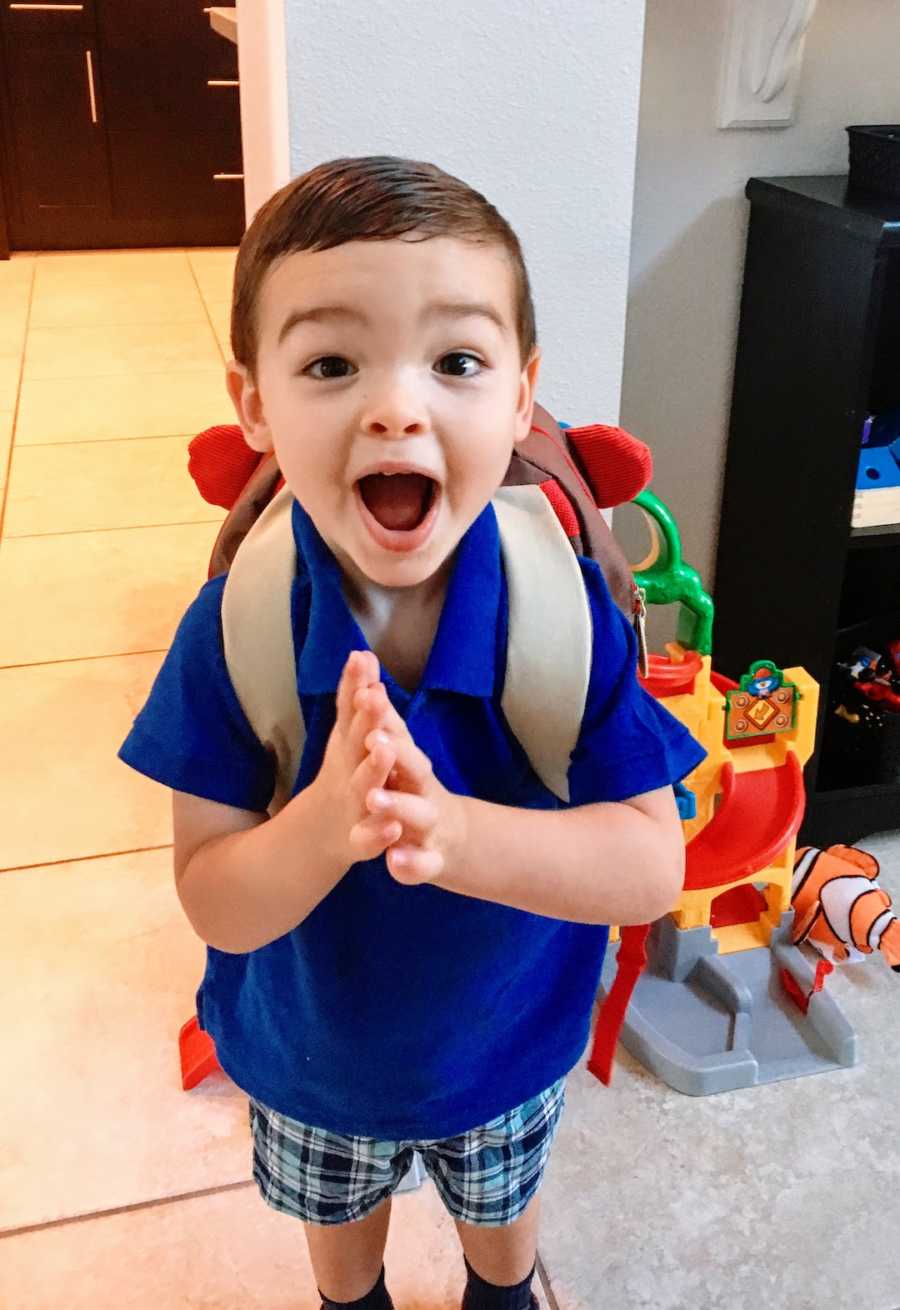
Despite this, I felt something more was happening. Research led me to a developmental pediatrician—experts in tracking children’s developmental milestones. Within minutes, she diagnosed Barclay with severe ADHD. She explained that addressing the ADHD would help him learn to speak and manage impulsive behaviors. He was only two and a half. Starting medication at three felt overwhelming—I looked at my little boy rolling on the floor, surrounded by toys, and thought, “I can’t imagine it.” But I trusted her advice. Diagnosis number two. Another gut punch. But more clarity.
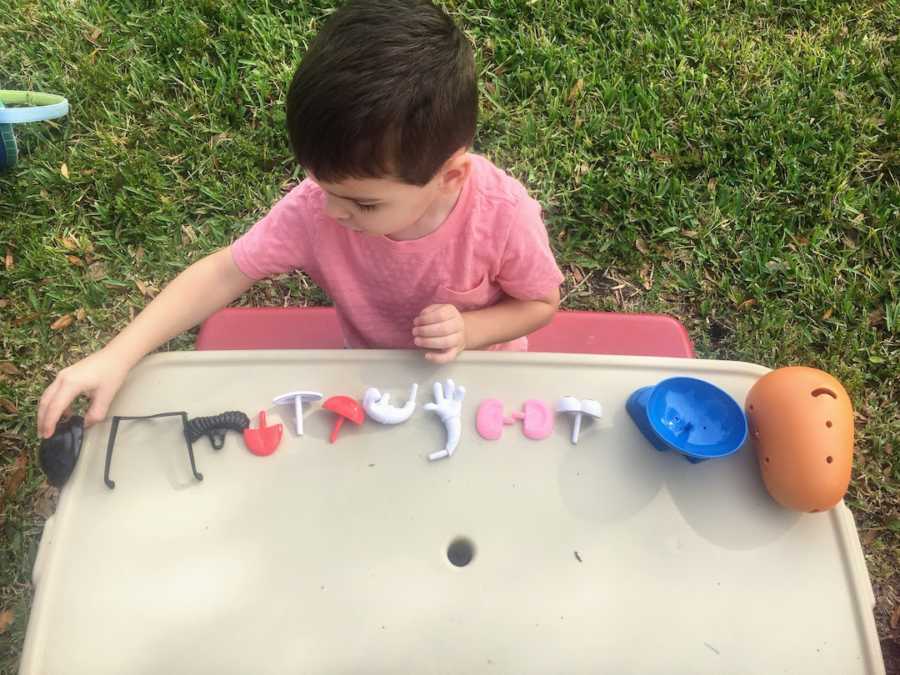
ADHD explained so much. Barclay’s energy was constant; he ran when he should walk, climbed when he should sit, and jumped when he should stand. Taking him anywhere was a challenge—he had no concept of danger or social boundaries. At this point, he received speech therapy, occupational therapy, and behavior therapy. Finally, I felt we had a team I could trust. Together, we began addressing other emerging behaviors: he lined up toys instead of playing with them, spoke only a few words, couldn’t answer simple questions, and had intense meltdowns over routine changes.
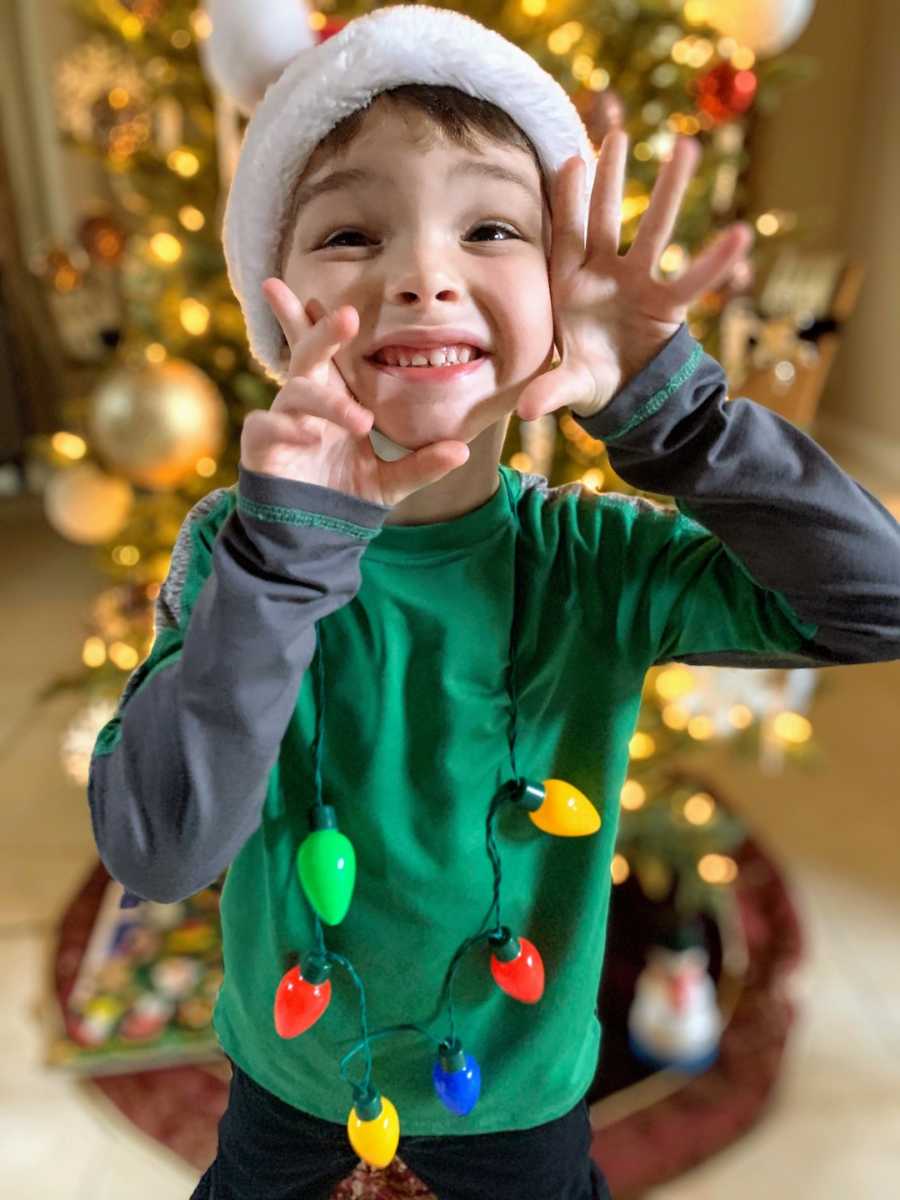
Even his diet became extremely limited—soft, bland, room-temperature foods—which we jokingly called the “Nursing Home Diet.” I knew another evaluation was needed. In June 2018, Barclay was diagnosed with autism spectrum disorder (ASD). This time, it didn’t feel like a gut punch—it explained everything. ASD meant severe social communication challenges, repetitive behaviors, and sensory sensitivities. The good news: with the right interventions, children with ASD can overcome challenges and thrive.
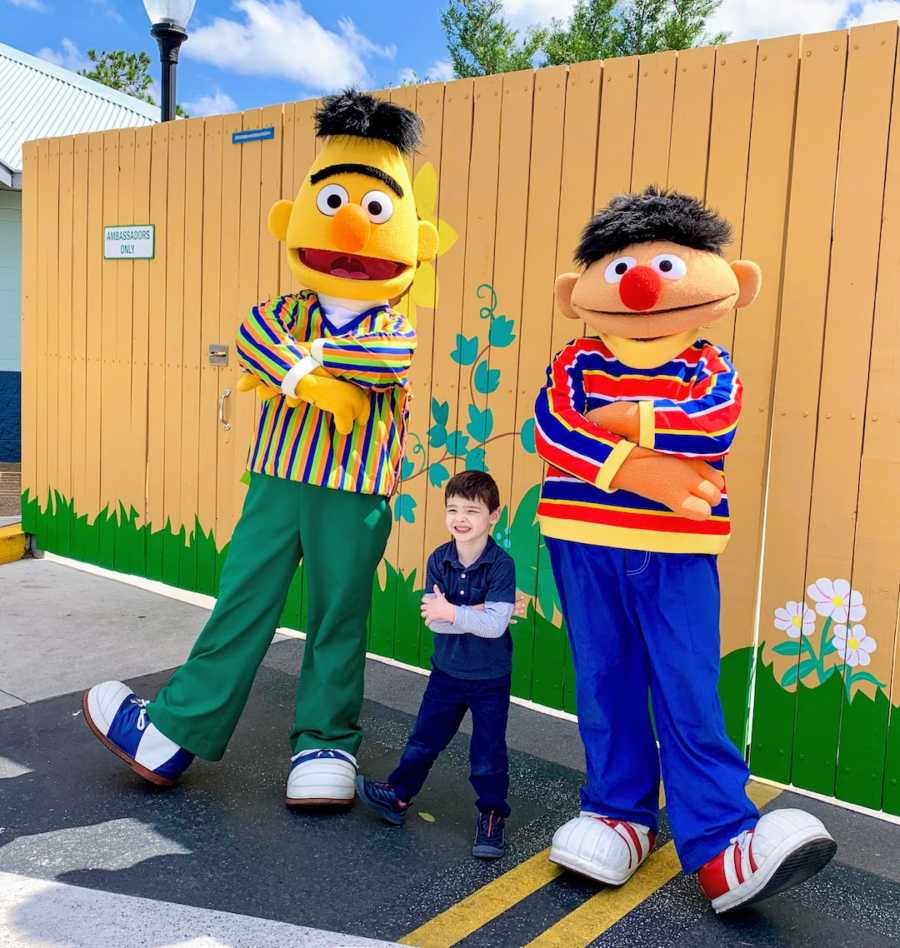
Soon after, Barclay began a full-time applied behavior analysis (ABA) program at an amazing autism center. Over two and a half years, he has flourished. He also attended a year of ESE preschool, where his dedicated teacher helped him excel academically, moving quickly from a two-day program to three days a week. In the fall, he’ll start a supportive autism charter school, where we know he will continue to thrive.
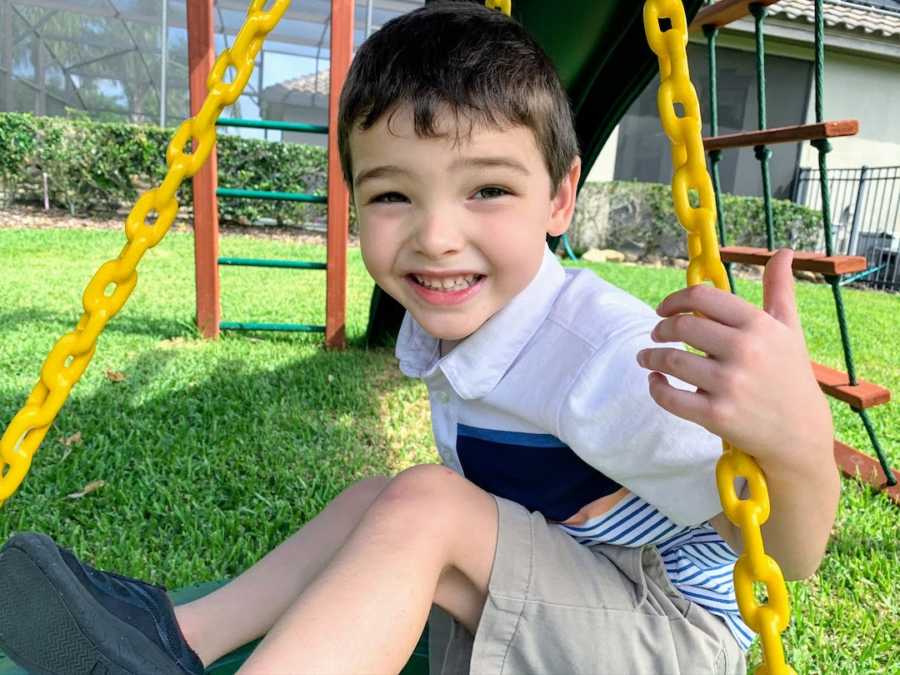
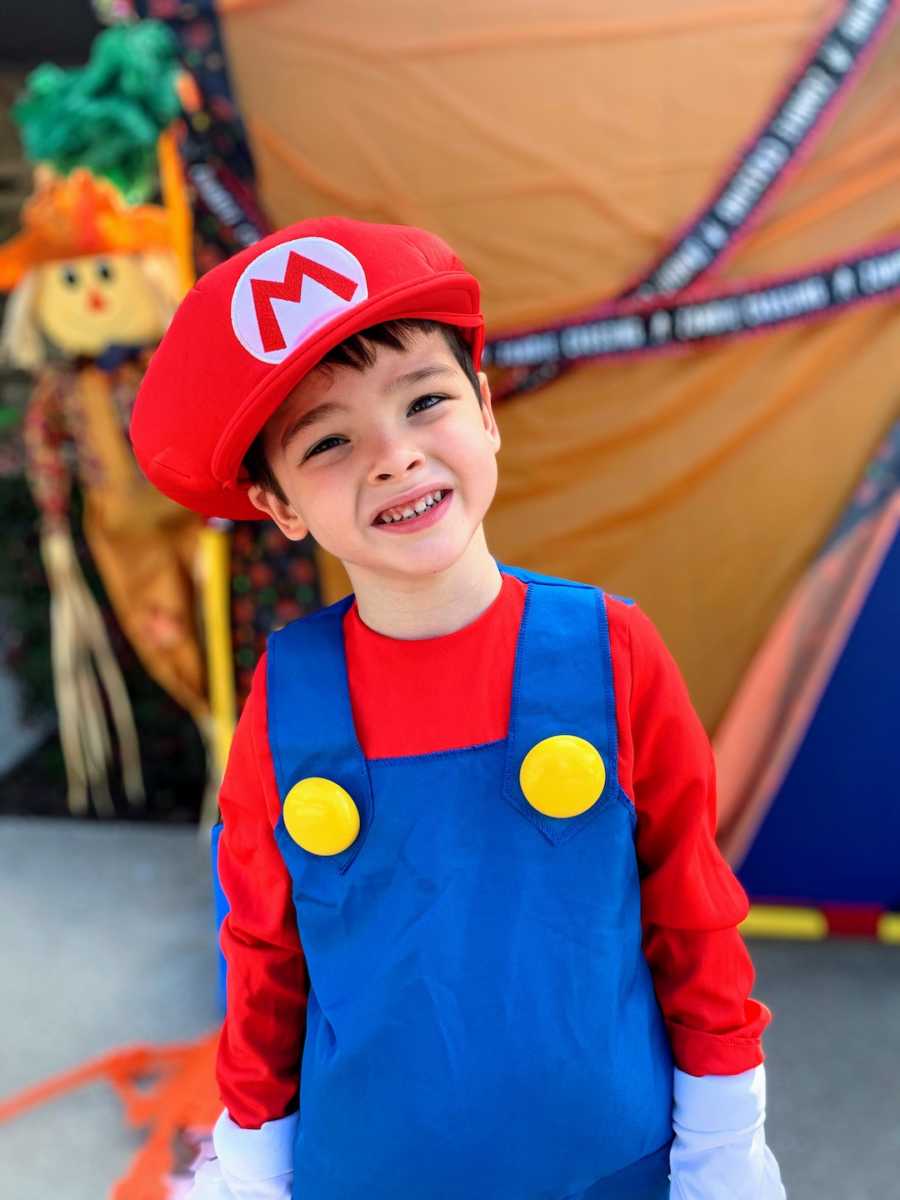
Today, 5½-year-old Barclay is fun, energetic, and happiest of all, confident in his own skin. He’s obsessed with Star Wars and Mario, amazes us with his memory, and lights up every morning greeting his ABA therapist with, “You are my best friend!” In ABA therapy, he builds communication, independence, and social skills with remarkable success.
When I look back to that first morning he waved goodbye to Brent, struggling to speak, I want to tell my frightened, confused past self: “It’s going to be okay. You’ve got this. Your son is exactly who he was meant to be, and you’ll learn how to help him become the best version of himself.” That journey inspired me to start the Big Abilities blog and podcast and join the Collaborative Corner for Exceptional Children’s nonprofit. My mission: to help families like ours guide their exceptional children from limitations to limitless possibilities.