“This doesn’t feel like just an anxiety disorder,” my Steps 2 Wellbeing therapist said during an assessment. “It seems like much more… have you ever considered Autism?” I scoffed. Autism? That couldn’t be right. It seemed so far-fetched. And yet, it wasn’t the first time someone had suggested it. Autism, autistic, spectrum—I’d heard those words throughout my life so often that I’m not sure why I was shocked when a professional finally sent me for a diagnosis.
Jumping ahead, the psychologist noted that I was “chopping and changing stories and jumping between them,” a common autistic trait, apparently. I would have apologized, but I’m learning not to say sorry for the things that make me who I am—and I am a lot of things.
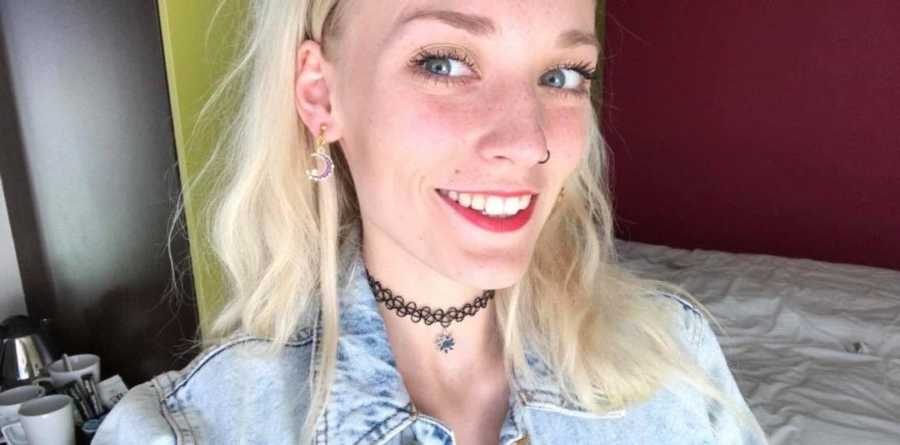
I’m fiercely loyal to my friends, deeply passionate about the things I believe in, and I strive to be an individual—completely different from everyone else. I was born with a natural gift for loving animals; no matter how nervous or fragile they are, they always seem to seek peace with me over anyone else. I’m Gracie. I’m 24 years old. And I’m autistic. Without that, I don’t think the ‘Gracie’ everyone has come to know would exist. When people hear “Autism,” they think “disability,” but it’s so much more. This is my autistic journey.
I was born in 1996 on the south coast of England. Back then, autism was far less recognized. People act like it’s a modern phenomenon—but just because something wasn’t widely diagnosed doesn’t mean it didn’t exist. I grew up in a typical family setup: a loving father, mother, an older sister, and a dog. We had a big house with a big garden. My room was painted purple, though I had always preferred blue. My mother, however, spent much of my early childhood trying to make me “normal” and “girly,” never finding my quirks endearing or humorous. One day, frustrated, I grabbed a roll-on deodorant and drew my initials across my purple wall. The stain remains to this day—a reminder of a meltdown that could have been avoided with a little understanding.
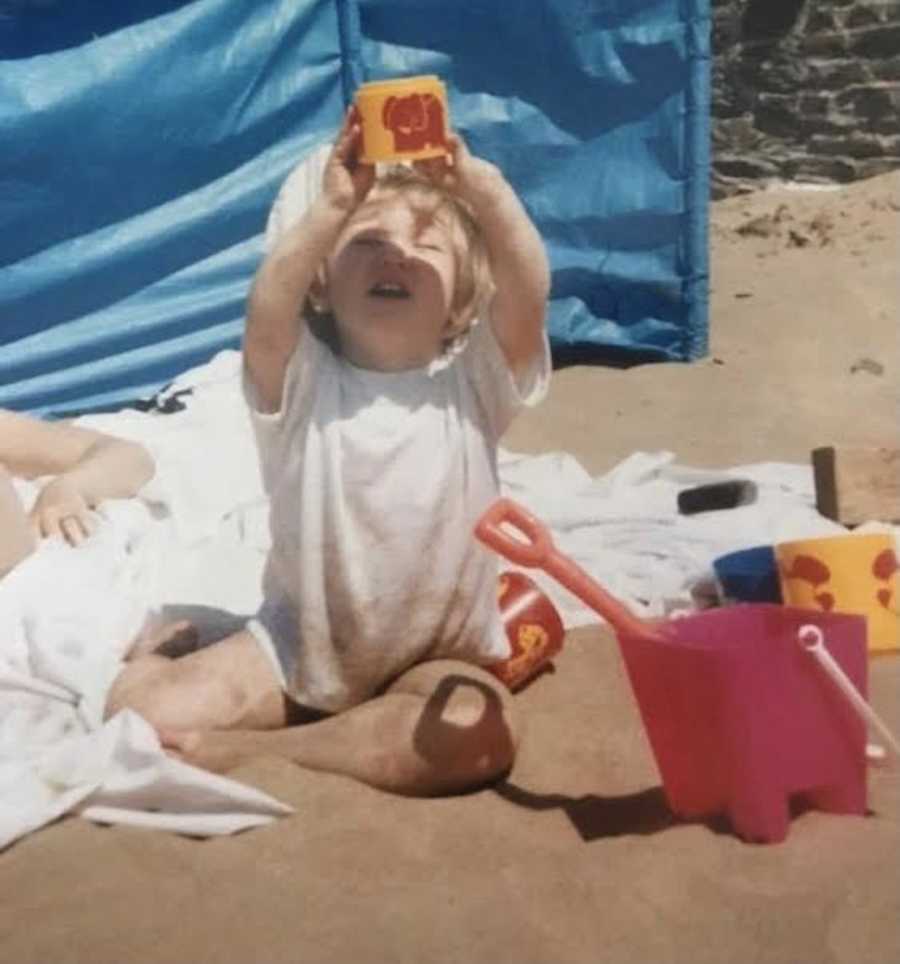
When I was five, my mother chose an episode of Coronation Street over me. I had a meltdown over a toy I hadn’t even intended to play with and yanked open a wooden door with such force that it revealed a rusty nail at eyebrow height. My forehead split open, blood gushing everywhere, yet I barely registered pain—another autistic trait, ‘inappropriate response to physical pain.’ My sister was far more distressed than I was. My father raced me to A&E in his brand-new X-Trail, focused more on my injury than the car itself—a stark contrast to my mother, who seemed indifferent.
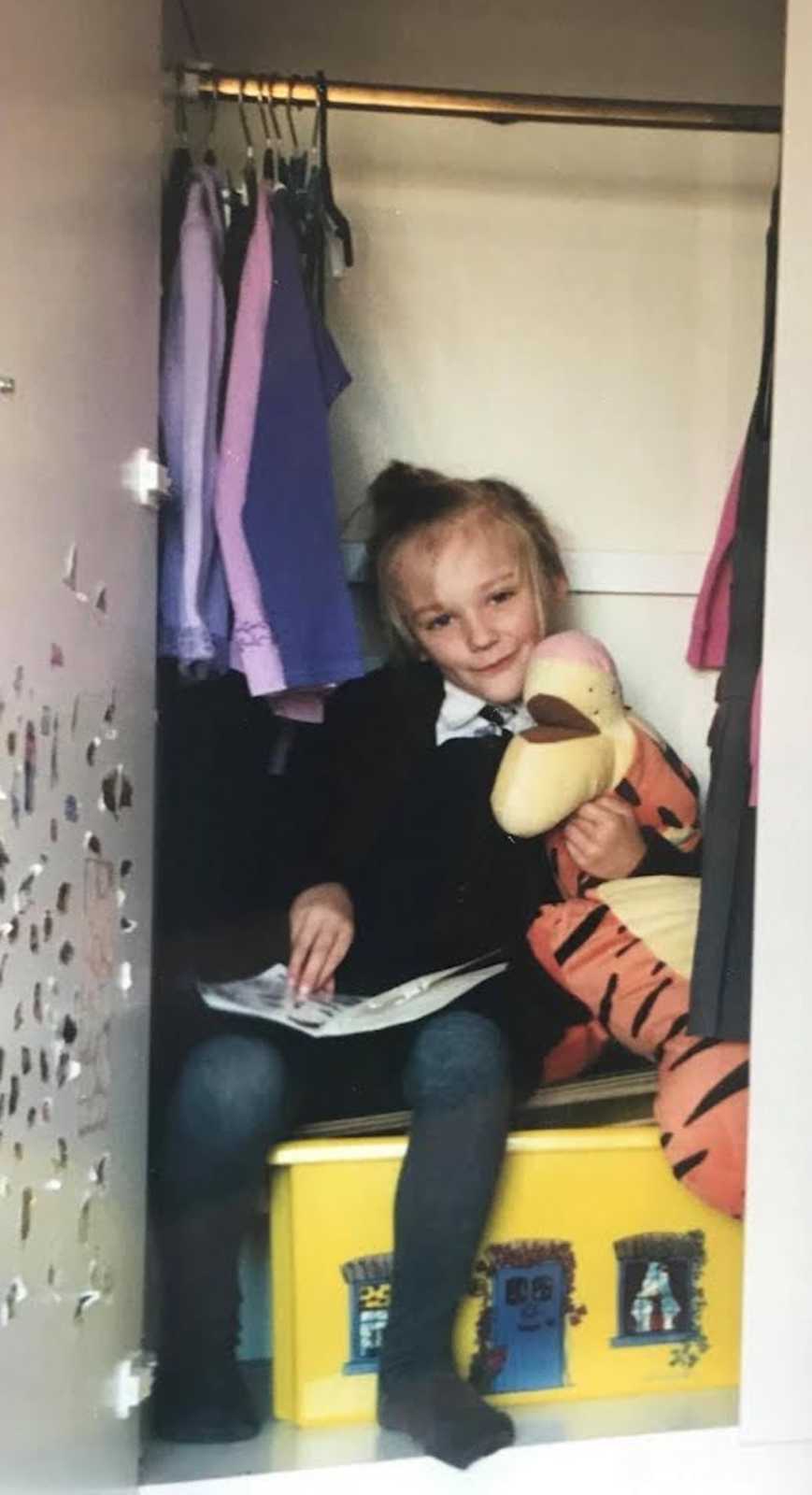
After the hospital glued my head back together, I was left with a scar that remains vivid today. I used to hide it under my hair, embarrassed. Over time, I’ve learned to see it as a unique part of me.
At six, my parents divorced after years of unhappiness. Joint custody began, and the next several years were, in my words, hell. I never stayed at one house longer than 48 hours, constantly living out of a rucksack. At school, I longed for my dad’s house; at my dad’s, I thrived, running with my dog in the garden and playing in the park. At my mother’s, I would lock myself in the bathroom, wrapped in my duvet and clutching my teddy bears, crying for the safety and love I felt at my dad’s.
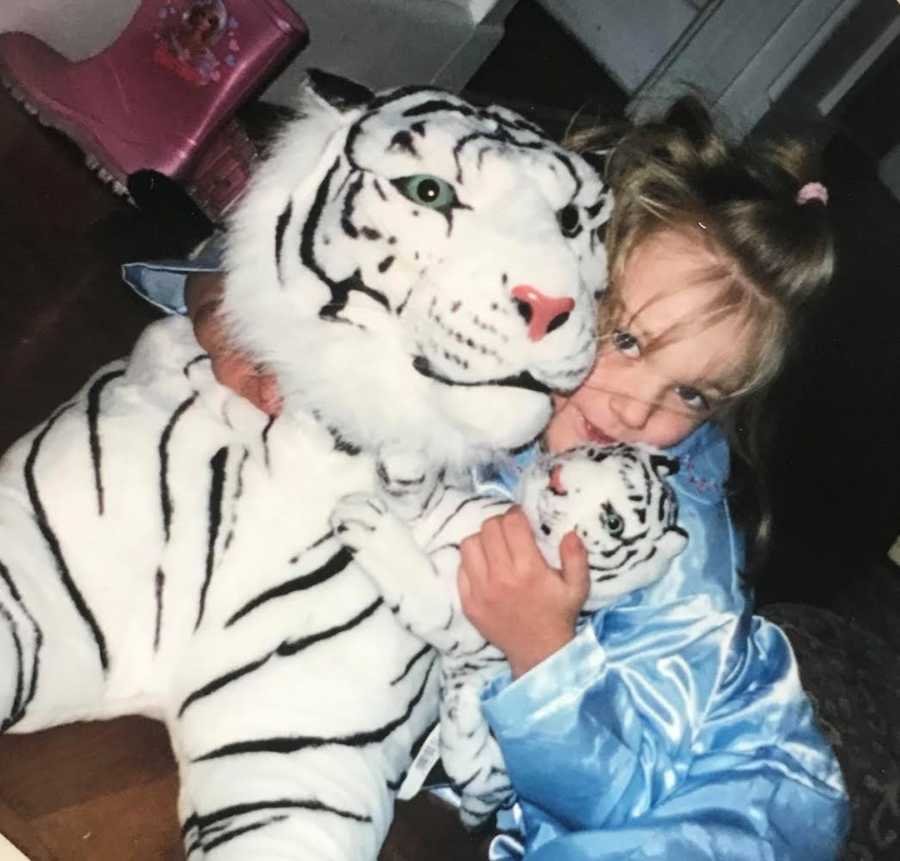
My mother frequently left me in the care of childcare groups, neighbors, or the local church just to be away from me. Her neglect and, at times, abuse persisted into my teenage years. I can honestly say I’ve never had a relationship with her. I don’t remember feeling wanted or loved by her, and I believe my autism played a role in her resentment. In contrast, my father’s love seemed to grow in direct proportion to the quirks she disliked.
From an early age, I knew I was different. I preferred boys’ clothes, and my dad encouraged me to shop in the boys’ section, while my mother forced dresses, frills, and floral cardigans upon me. I developed a fascination with dog breeds, identifying hundreds just by sight. My dad celebrated it; my mother dismissed it. Food was another struggle. I had a sensitive mouth and could only eat certain textures. My dad catered to me without hesitation; my mother often left me hungry.
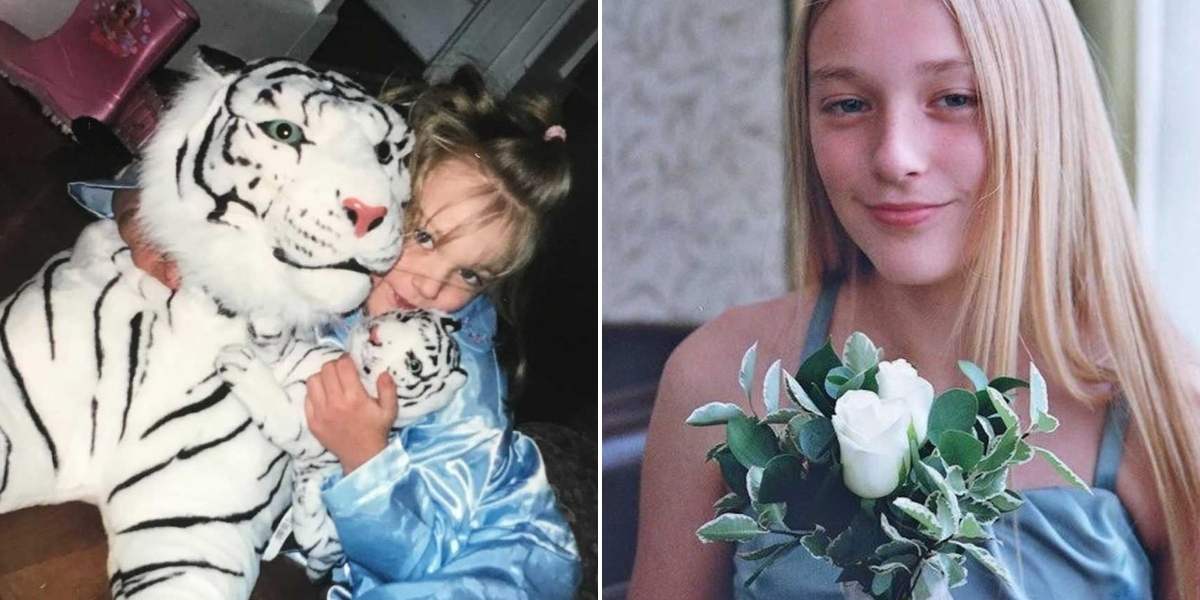
I found comfort in soft toys and Disney films, obsessively collecting teddy bears—a special interest that continues today, with over 1,000 in my collection. When my dad brought home my first dog, it opened a new world. Dogs were simple, humans complicated. With dogs, I knew what they wanted, and they knew what I needed: love, friendship, affection.
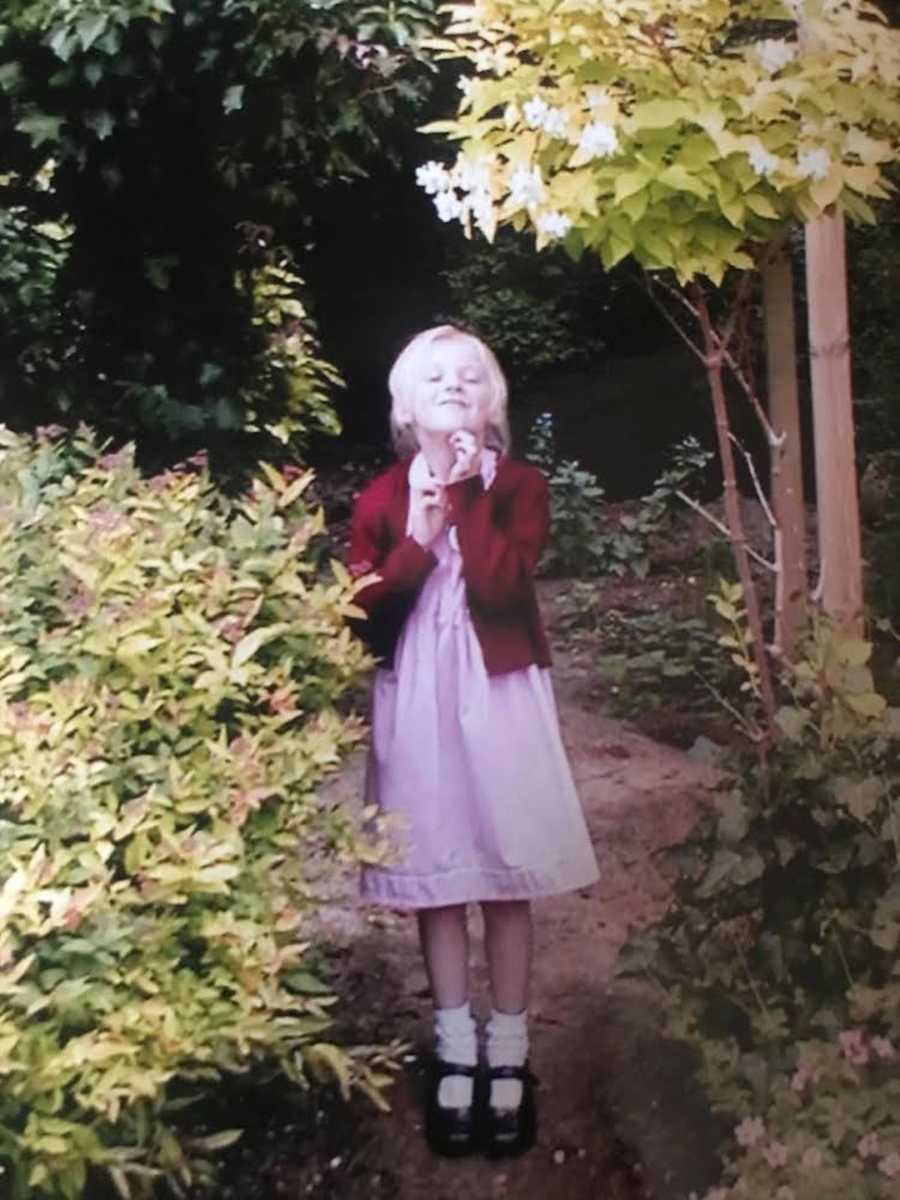
School was a battlefield. I hated sharing toys and preferred lining them up by color or size rather than crashing cars into each other. Meltdowns were frequent and intense, triggered by disruptions or invasions of my space. Staff would call my mother repeatedly, labeling me as “out of control” or having “severe behavioral difficulties.” Autism and ADHD were suggested by teachers, but I was dismissed as a “bad kid.” By age 11, I had been banned from swimming lessons, fitness clubs, and even Girl Guides for hiding under tables rocking back and forth.
Secondary school brought more challenges. My mother remarried, and domestic abuse entered my life. Anxiety, neglect, and overwhelming school stress led me to develop anorexia—a coping mechanism tied to my autism. I spent most of my teen years trying to escape home, often staying at my best friend’s house, skipping school, and stimming to manage meltdowns. Teachers dismissed my behaviors as disruptive, never offering support or referrals.
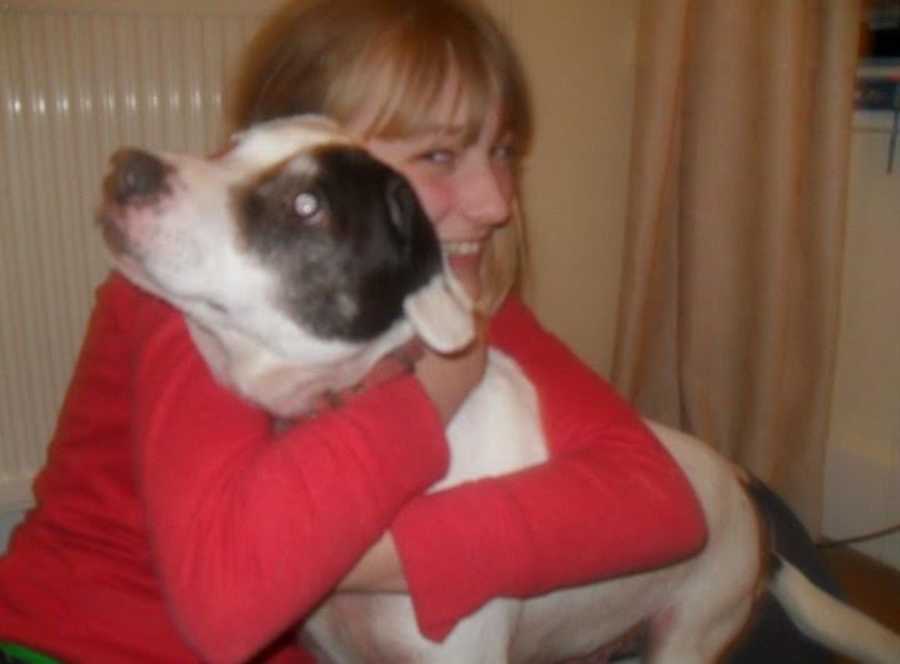
Despite repeated suggestions from staff that I might be autistic, no help came. A month before GCSEs, I was moved to a small SEN classroom, where I finally began to absorb information without constant meltdowns. I took exams in a sports office due to my mental health, achieving slightly better grades than predicted, but I had been allowed to slip through the cracks. Proper training for teachers could have changed my life earlier.
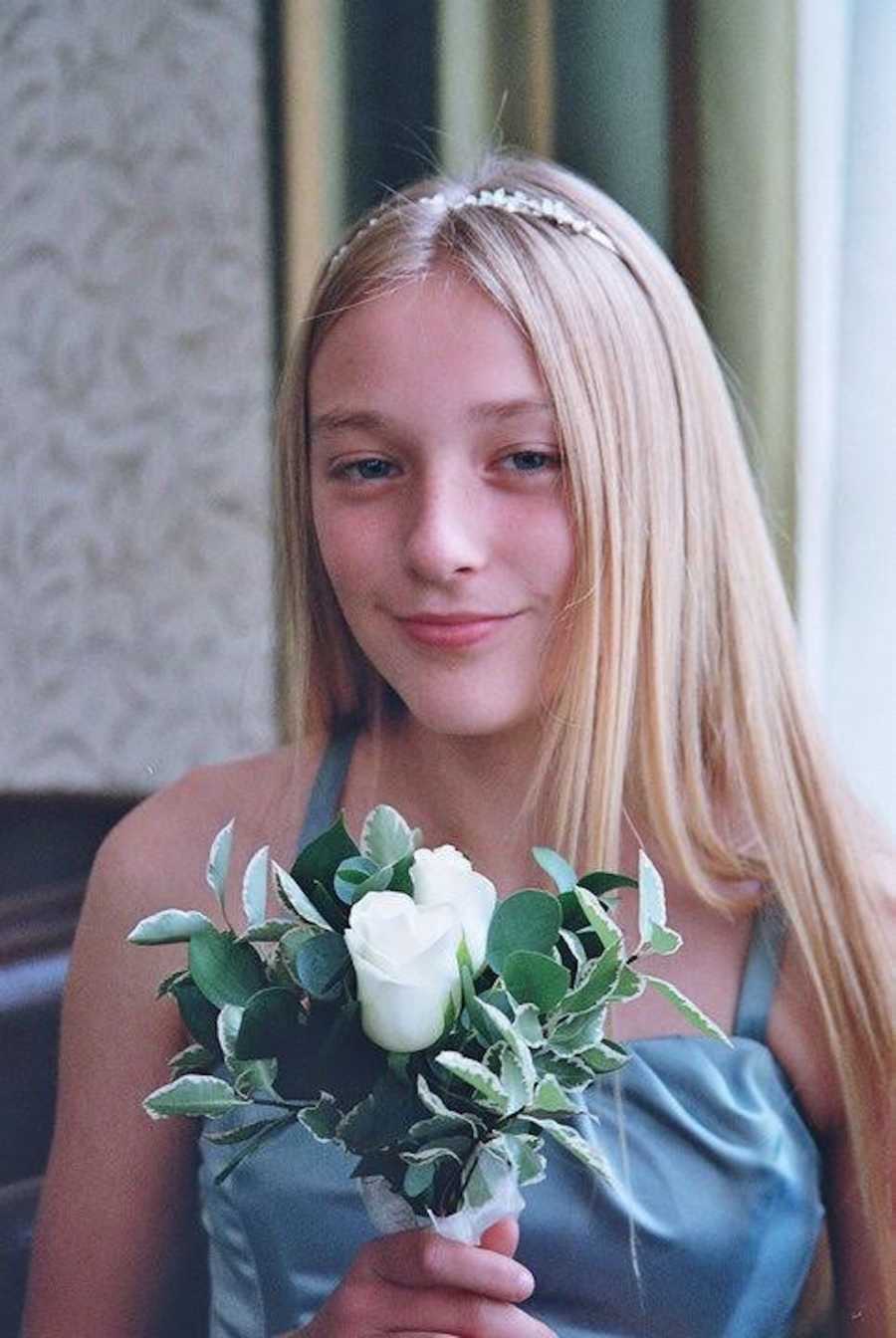
At 16, my mother finally kicked me out. I walked to my dad’s house, tripping over bin bags containing all my belongings, and he welcomed me without hesitation. From that day, I lived with him. I tried multiple colleges but struggled academically until I found a specialized Animal College. Studying Animal Care for a year, commuting three hours daily, I felt at home. My meltdowns were manageable around animals, and for the first time, I felt safe among peers with learning differences. I cried when the course ended, but I completed it and earned my qualification.
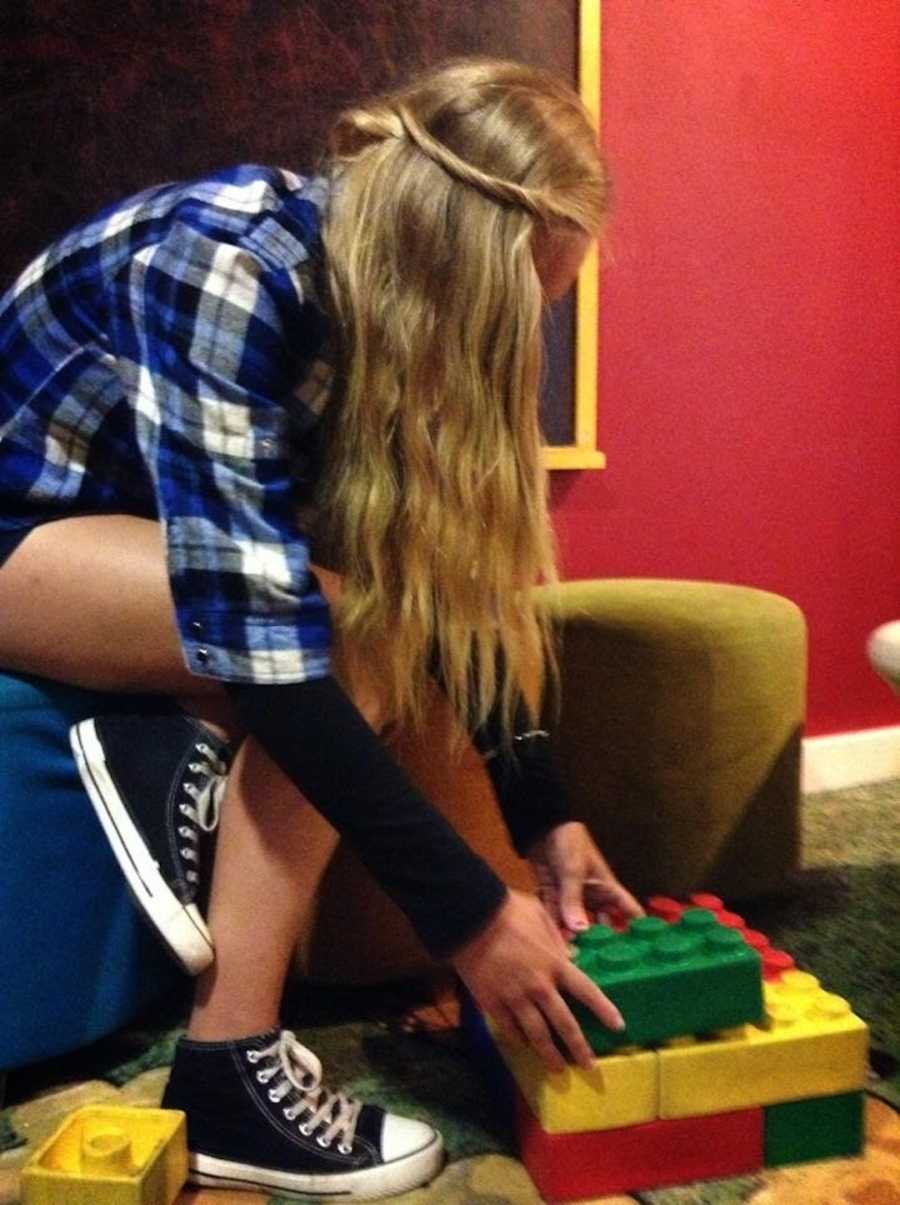
Afterward, I sought help for my longstanding anxiety. A dismissive GP initially turned me away, but I persisted and was referred to Steps 2 Wellbeing. Counseling diagnosed me with generalized anxiety disorder, but the therapist saw the signs that had been missed for years and referred me for an autism assessment. Ten months later, at 19, I received my official diagnosis: Autism Spectrum Condition.
Initially, I was in denial. Could this really be me? I didn’t fit the stereotype. I had friends, social skills, no exceptional academic talent—but the diagnosis didn’t define limitations; it explained a lifetime of experiences. Over time, I shared it with family and friends. Reactions varied: embarrassment, denial, or acceptance. Some friends tried to use it against me; others embraced it. I’ve learned to surround myself with those who accept me and love myself for who I am.
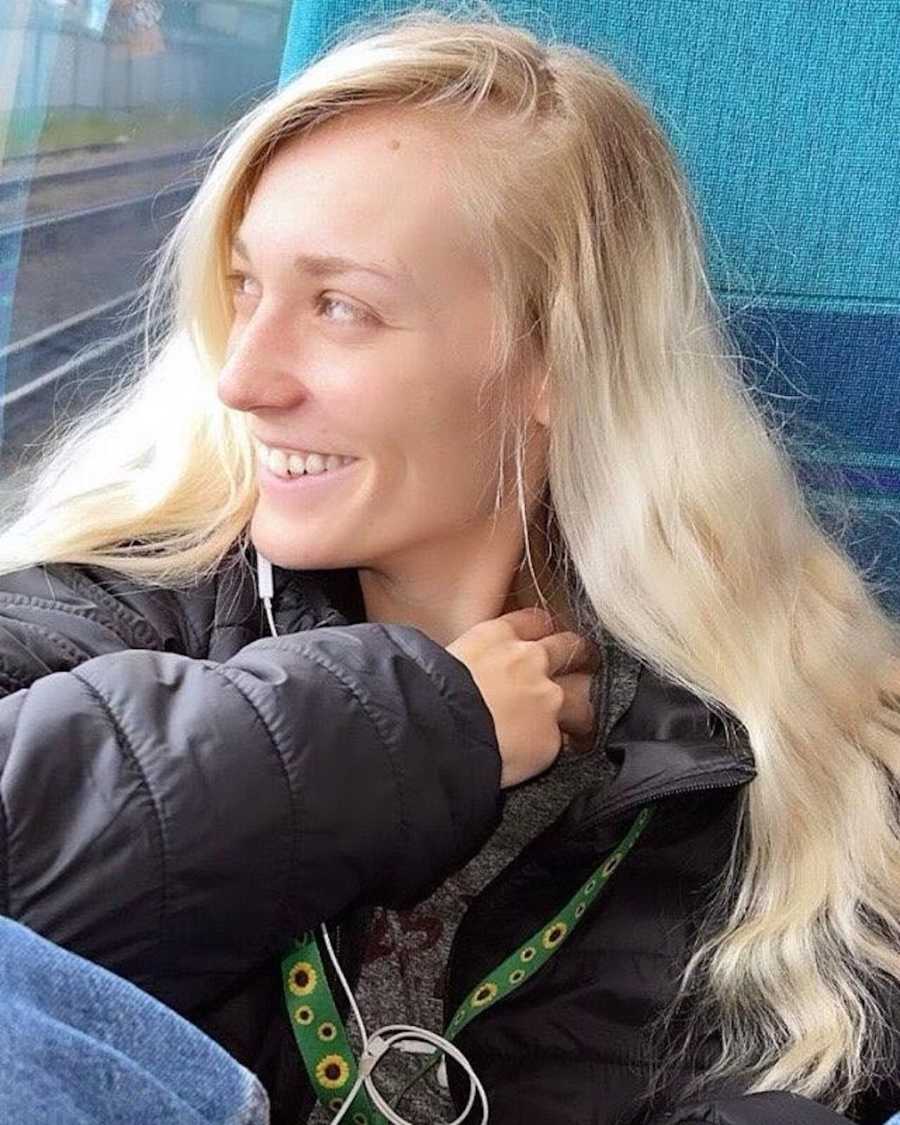
Being autistic comes with hurdles: lost jobs, hospital visits without understanding my pain, and trusting the wrong people. But I won’t apologize for my traits anymore. I won’t stop flapping in public, pursuing my special interests, visiting arcades at 25, collecting soft toys, or dressing differently. My autism is part of everything that makes me Gracie. I am many things—but above all, I am autistic.”