Trigger Warning: This story contains mentions of depression, sexual assault, and disordered eating that may be triggering to some.
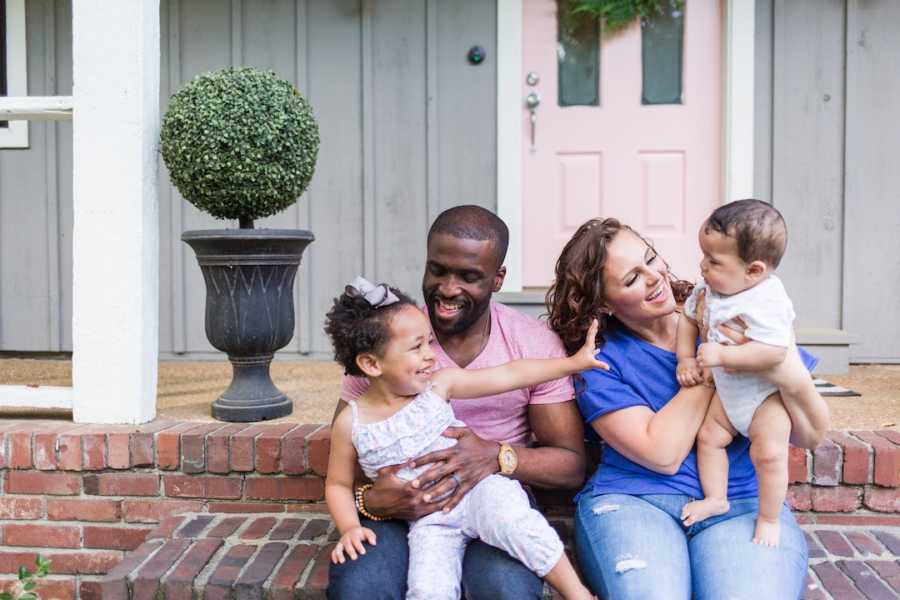
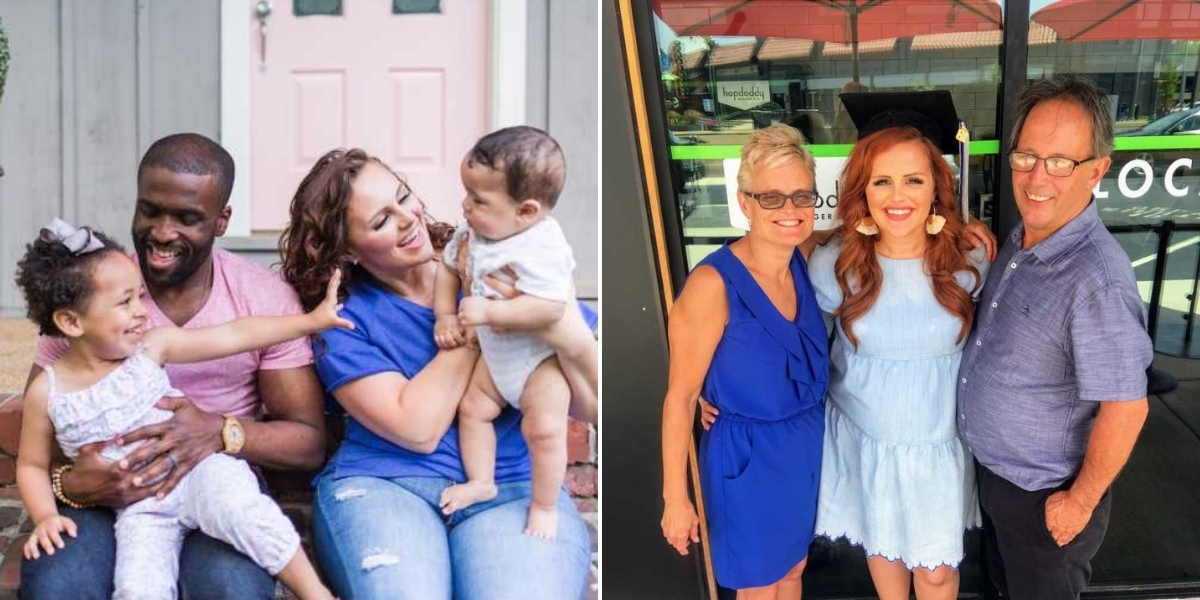
My name is Alanna Mizell. I am a working mom of two, married to my amazing husband, Steven. Together, we host a podcast called The Mizell Show, where we share our unconventional life in Memphis, Tennessee. Our goal is to inspire a new generation, sparking open conversations about diversity, inclusion, and topics many shy away from. But behind our public life, my personal journey has been a deeply emotional one, shaped by struggles I only recently learned to confront.
My battle with depression began after the birth of my second child. He is now two and a half, but his birth was incredibly traumatic. I was induced after passing my due date. My son was measuring large, and my doctor worried my petite 5’2” frame wouldn’t be able to handle delivering him naturally. On a Monday evening, we kissed our daughter goodbye and headed to the hospital, full of hope and anxiety. I was induced the following morning, and everything seemed to be progressing normally—until it wasn’t.
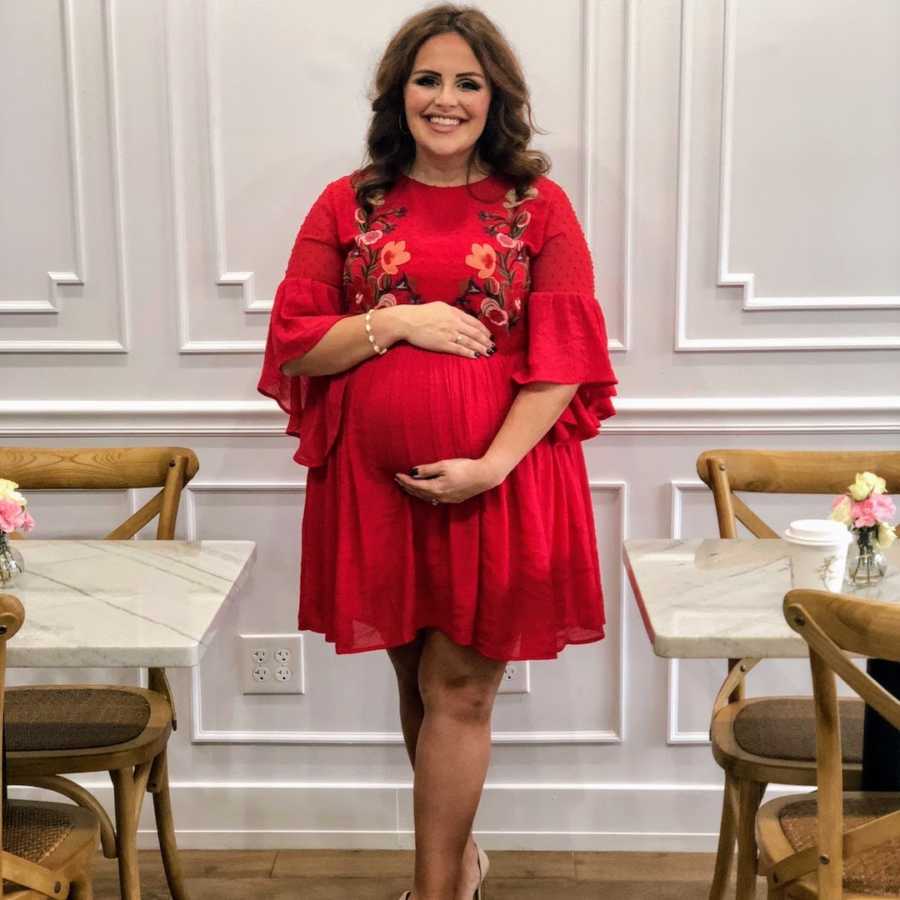
I had my epidural, and early on, I reached 8 centimeters. But nurses kept coming in and out of my room, and I could sense something was wrong. I kept glancing at my husband, trying to read his expression. Then the lead nurse came in, called my doctor, and I knew we were heading toward a C-section. From the moment my doctor arrived to the time my son was born, only seven minutes passed. My husband didn’t make it into the delivery room before we heard our baby cry. It wasn’t until I was on the operating table that a nurse paused to tell me both Briggs and I were going to be okay. Now, looking back two years later, I know we were never in real danger—but in that moment, fear was overwhelming.
Three days postpartum, the pain of breastfeeding hit me like a wave. While nursing Briggs, I had a massive panic attack. I looked at Steven and saw the longing in his eyes to take away my pain. In that raw moment, I told him I wanted to throw our son. It was the first time I realized something inside me was deeply wrong. But I pushed on, hiding my feelings. In the following months, I endured nightly terrors, imagining one or both of us dead on the hospital table. At my six-week postpartum appointment, my doctor asked how I was feeling—I couldn’t even speak; I just cried. Friends, family, and even my doctor assumed I was just a busy mom of two, needing to “take the edge off.”

After months of trying different medications, I found myself sobbing uncontrollably, telling Steven he’d be better off with a different wife, and that our children would be better off with a different mother. I truly believed those words in the moment. My brain was not functioning correctly. I told myself this was just anxiety—something I had battled my whole life—and that it would pass. Recently, I stepped away from my full-time job to focus on my mental and emotional health, recognizing that healing myself is not selfish—it’s necessary.

My struggles with anxiety began much earlier, as a child. From elementary school, I battled with my weight and body image. I was always one of the larger kids, and being a cheerleader only made it more apparent. I vividly remember my first “diet” in fourth grade: skipping breakfast and lunch, eating only at dinner so my parents wouldn’t worry. That Christmas, my aunt complimented my weight loss, and I learned something early: losing weight could lessen my anxiety and earn approval.
Through my teenage years, I channeled my anxiety into sports—field hockey and softball—and maintained an illusion of control over my relationships. Even in those moments of control, panic attacks were common. I would curl into a ball, rocking myself for hours until the tightness in my chest and the inability to breathe finally subsided.

College brought intensified anxiety. I sought medication for the first time, traveling 30 minutes to a doctor I wouldn’t run into in the lobby. The medication did nothing to help—except cause weight gain, which only worsened my mental state. Therapy was a constant in my life: my family always saw a therapist, and I followed suit in college and during pregnancy. Therapy taught me structure, goal-setting, and perfectionism—but it never taught me how to process pain or communicate emotions.
In July 2020, I began working with my current therapist. Unlike past experiences, she challenged me to excavate my pain, without shortcuts or quick fixes. She helped me validate my emotions, and slowly, I confronted trauma I had long buried: two sexual assaults, two miscarriages, struggles with infertility, and decades of anxiety. For ten years, I had not shared the details of my assaults with my husband. I had never written them down, never allowed myself to fully process that none of it was my fault.
Healing has meant revisiting the moments I most wanted to forget. Therapy allowed me to reopen old wounds safely, teaching me that my story is just that—a story—not the definition of who I am. I reflected on how my anxiety began so young and how I had normalized being in constant fear. I finally admitted to myself that depression and anxiety have been part of my life for nearly twenty years. I had suffered quietly, hidden panic attacks, and intense emotions behind a façade of perfection.
I am here to say: it gets better. Anxiety and depression may not disappear entirely, but you can learn to navigate them. For me, this means taking time for myself, processing emotions daily, and being honest with those closest to me. I tell Steven and others when I’m struggling, asking for prayers and understanding. I take solitary walks, read, and allow myself breaks without shame. I no longer hide my thoughts; I verbalize them, bringing light to the fog of depression.
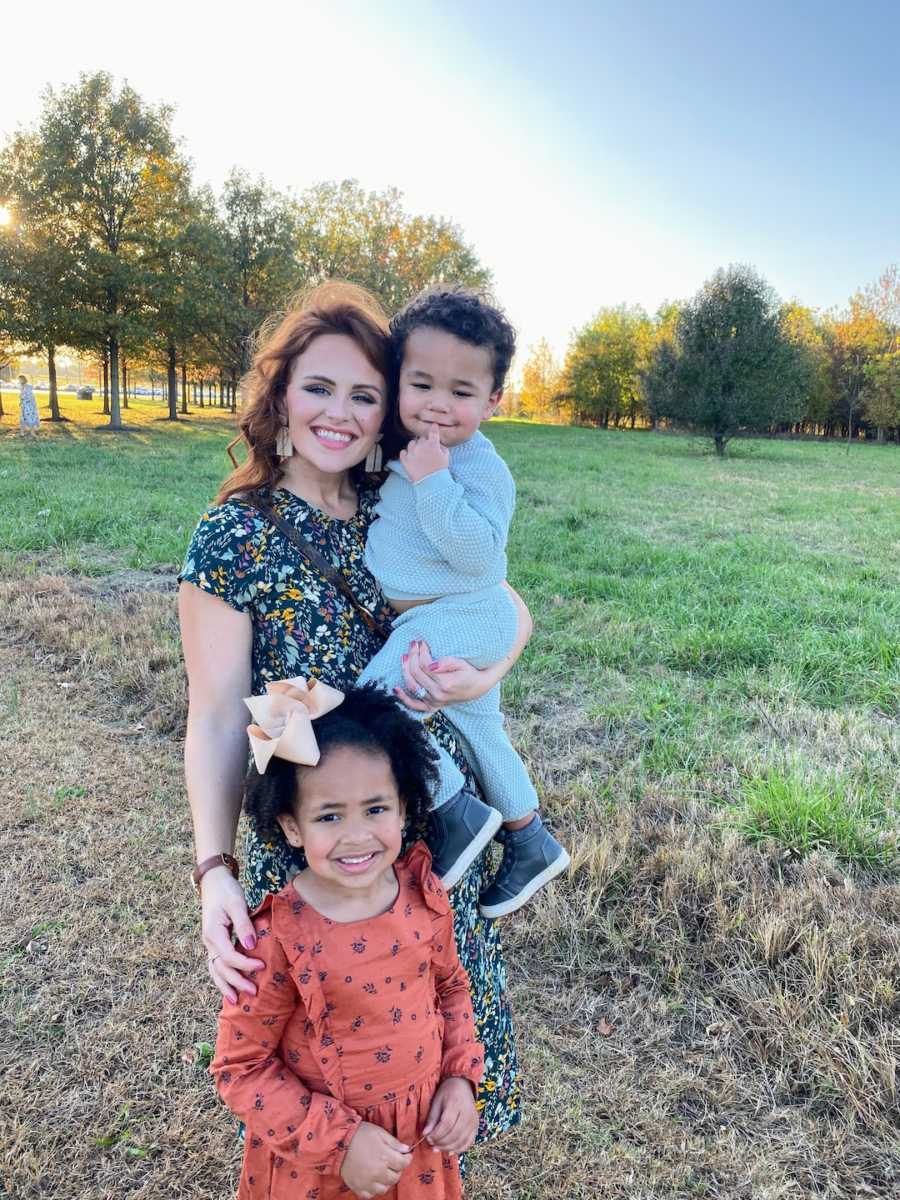
Even now, some days are harder than others. But I know I am worthy, enough, and valued. And you are too. Your struggles do not define you. You are seen, you are loved, and you are more resilient than you realize.