Trigger Warning: This story contains mention of miscarriage and baby loss.
I always imagined myself surrounded by children one day. Growing up with just one sibling who rarely wanted the “little sister” tagging along often felt lonely. At church, I would watch the big families — kids laughing, playing, always having someone beside them — and I quietly promised myself that one day, that would be my home.
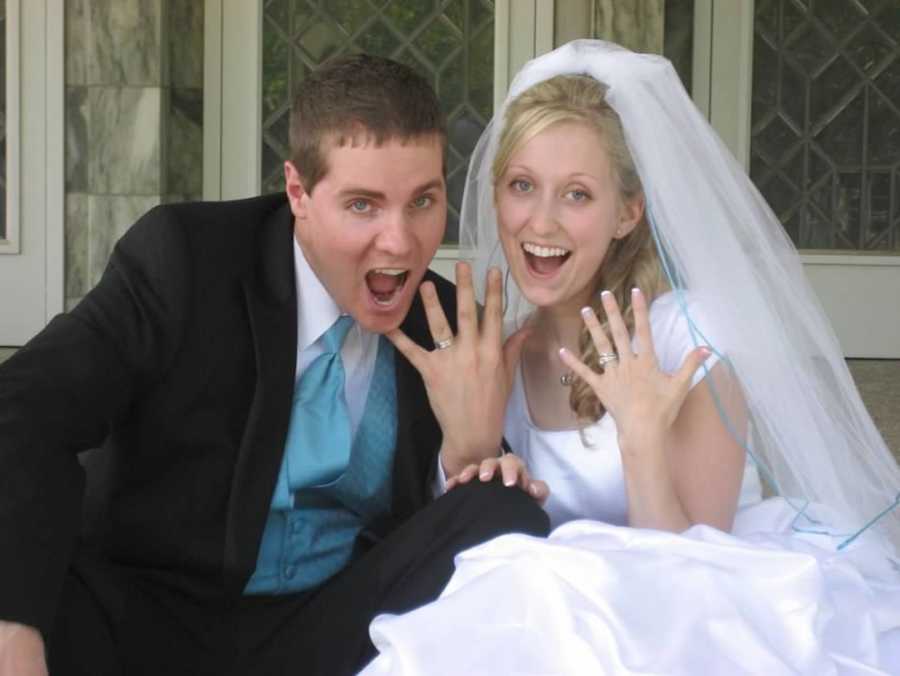
When I met my husband, I discovered he came from a large family, and the thought of cousins, holidays full of noise, and a bustling future lit us both up. We married in 2007, focused on finishing school, and always stayed open to starting our family. But months slipped into years with no surprise pregnancies.
In 2009, everything suddenly shifted. One of my husband’s brothers called to share that he had been diagnosed with severe male factor infertility — likely hereditary — and urged my husband to get tested. A specialist confirmed the same issue: an epididymal obstruction that meant very little sperm could exit his body, and the few that did were too weak to result in a natural pregnancy.
We were crushed, yet hopeful. Surgery felt like our chance — but after months of follow‑ups, nothing changed. His sperm count remained nearly nonexistent. To have a family, the medical burden would fall on me.
That realization was painful. My body was healthy. I was vegan, exercised, avoided caffeine, and didn’t even take medication for my Rheumatoid Arthritis — and now I was preparing to inject myself with hormones and go through invasive procedures to have a baby. Fear and sadness pressed hard on my dream of a big family.
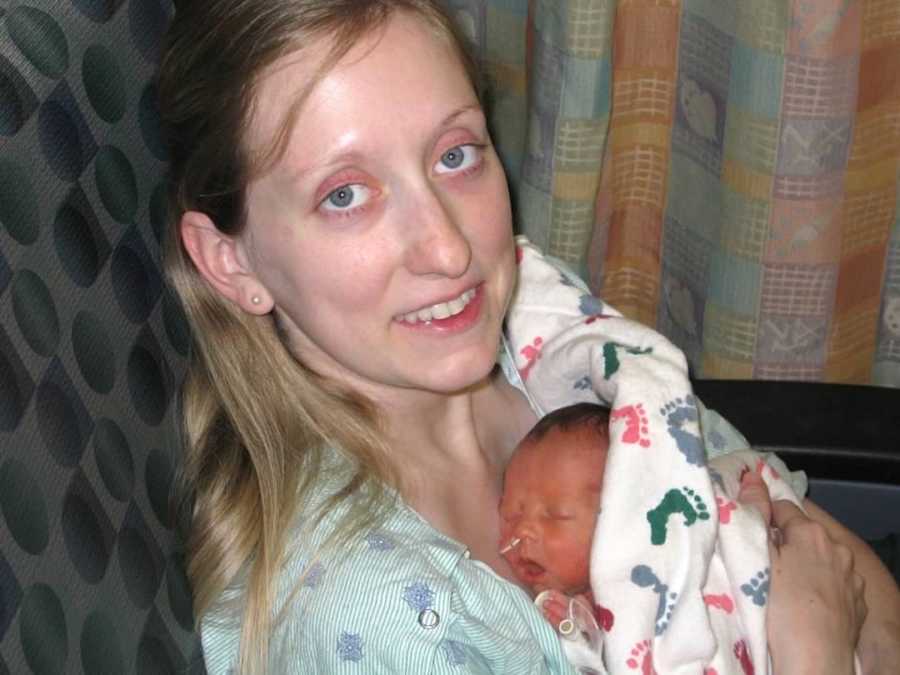
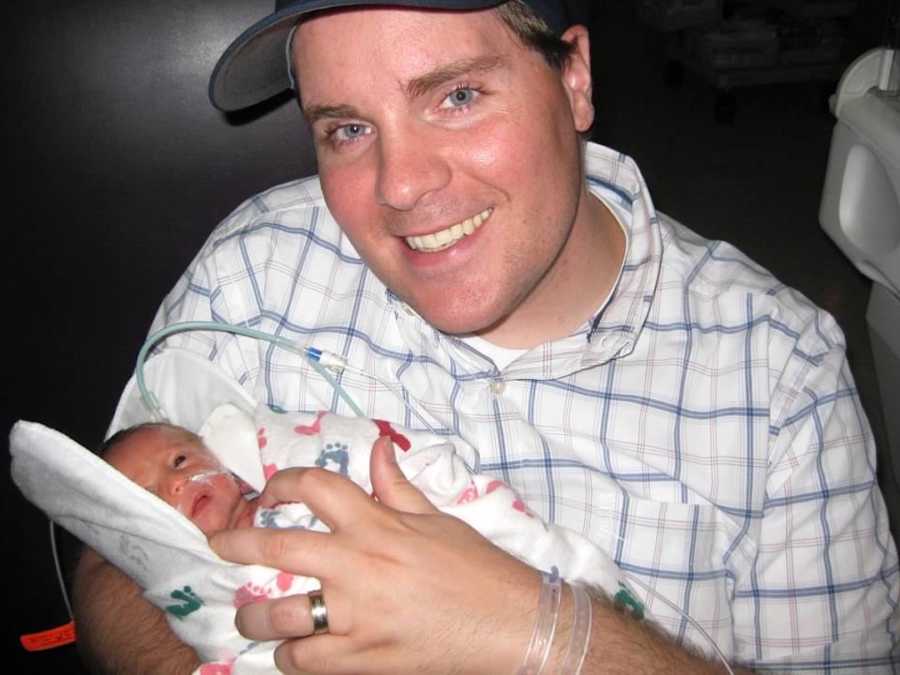
After countless hours researching, I finally found a fertility specialist I trusted. He patiently answered every question, and by 2010 we began IVF with ICSI. Miraculously, it worked the first time. We were expecting twins — and the joy of knowing our babies would grow up with each other felt like a dream finally forming into reality.
Over the next four years, we tried naturally for another child. We tracked cycles, monitored temperatures, changed diets, and followed prescriptions — but only one pregnancy occurred, and it ended at six weeks. Heartbroken, we returned to IVF.
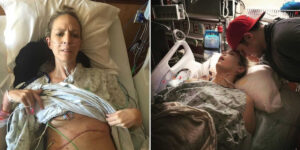
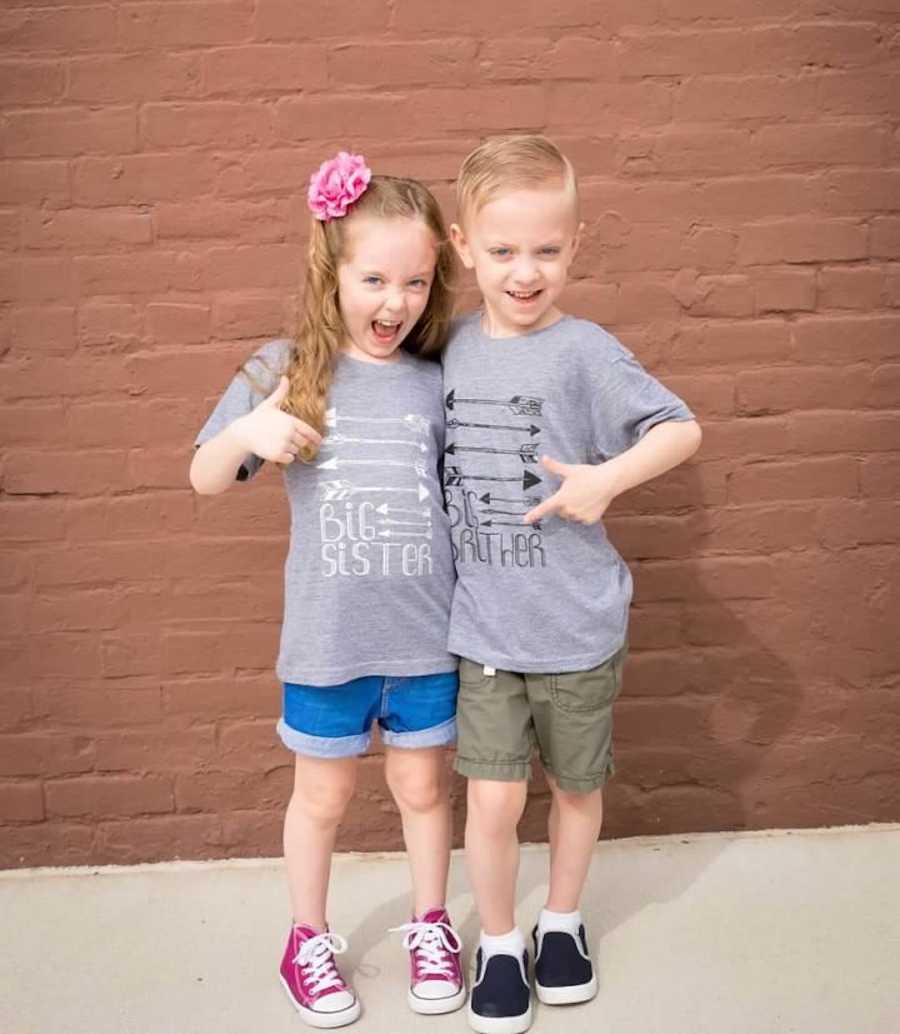
In 2015, we became pregnant again. For the first time, I let myself believe early. I bought tiny clothes and “big sibling” shirts for the twins. But as the second trimester approached, my symptoms faded, and deep down I knew something was wrong. Testing revealed our baby boy had Trisomy 13. Before we could even process it, an emergency ultrasound confirmed he had passed. We stared at the still screen through tears while the technician quietly left the room. When my doctor spoke, he tried to console me — but instead said my baby would have looked like a “mutant.” I will never forget hearing those words attached to the child I already loved.
That loss changed everything — who I trusted, how I saw grief, and how determined I became to keep going.
The next year brought more IVF cycles and multiple failed transfers. People began pulling away. Some told me to stop trying, others said God was punishing me, and a few cut me off completely because my journey made them uncomfortable. Their words hurt — but so did the idea of surrendering the dream that had lived in me since childhood.
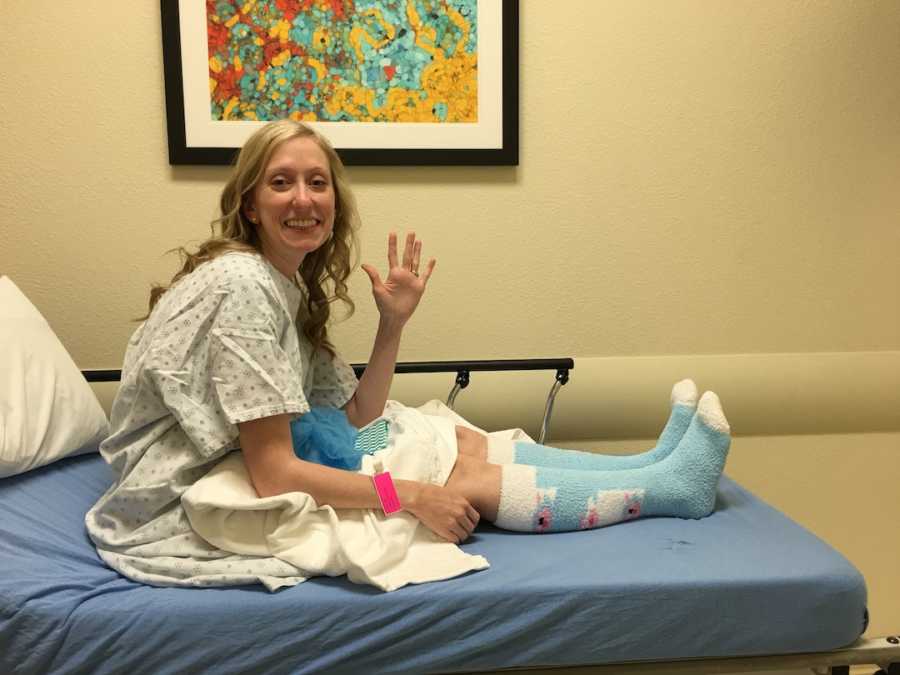
Then in 2016, another pregnancy — and at 24 weeks, we finally felt safe enough to share. Our twins were thrilled to become big siblings. In 2017, our second set of twins arrived, and although we thought our family might be complete, the moment I held them, both my husband and I sensed — this wasn’t the end.
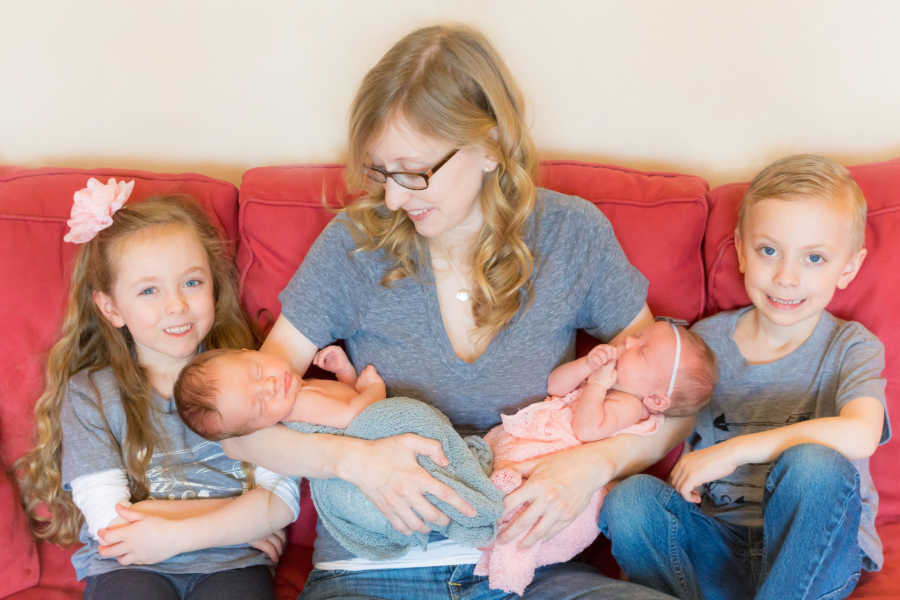
As they grew, all four children began asking for another baby. We saved again and returned to our fertility clinic. Several frozen transfers failed. I miscarried our baby girl and needed another D&C. Drained and grieving, I considered walking away.
But one morning, I woke up with a strong, undeniable feeling: try one more retrieval — and transfer two embryos. When I told my doctor, he immediately said he felt the same — he believed my body was meant to carry two at a time. After a lot of prayer and tears, we said yes. Those two embryos became our third set of twins, born in 2020.
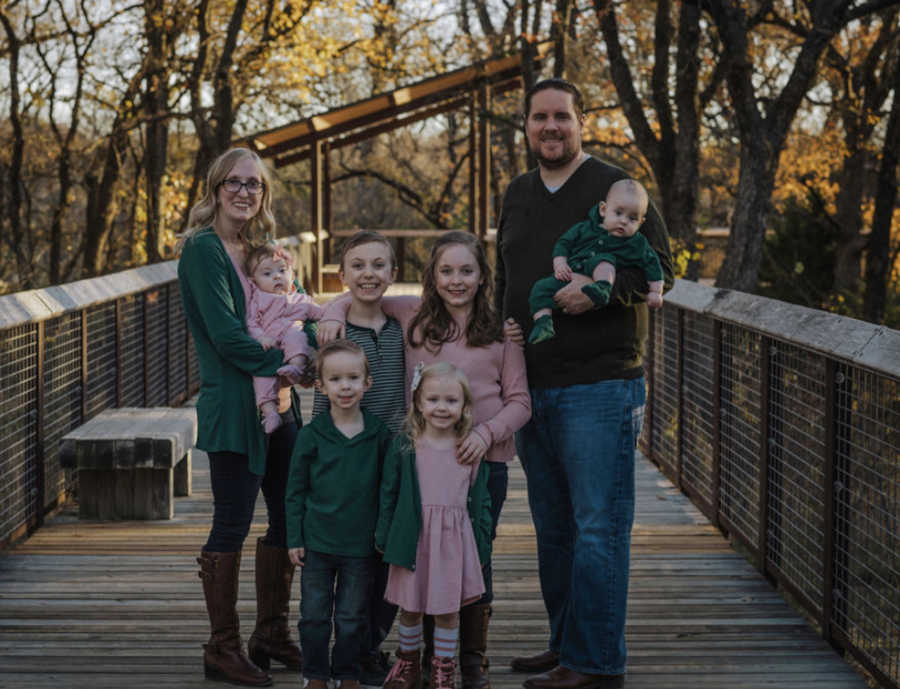
They arrived in the middle of the pandemic. Overnight I went from a working mom supporting our treatments to a stay‑at‑home, homeschooling mother of six. It was overwhelming — and yet, the greatest blessing. The kids bonded deeply, helping feed bottles, change diapers, and care for their new siblings like teammates.
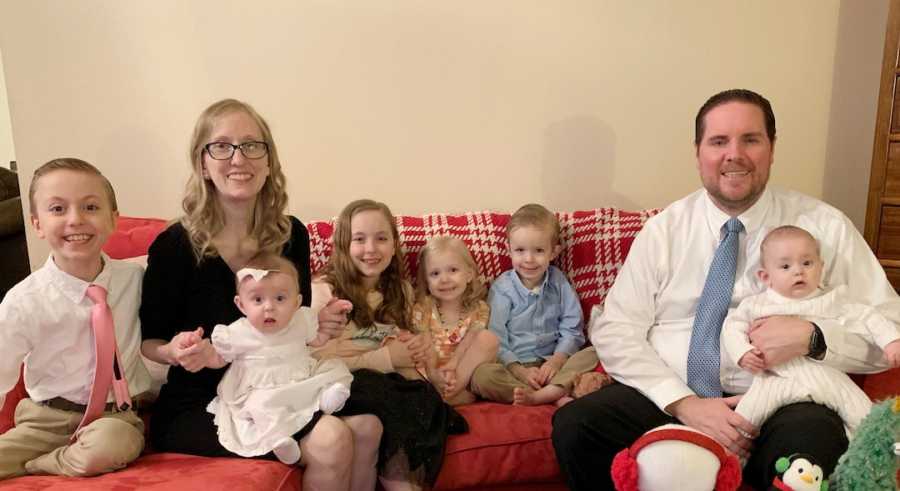
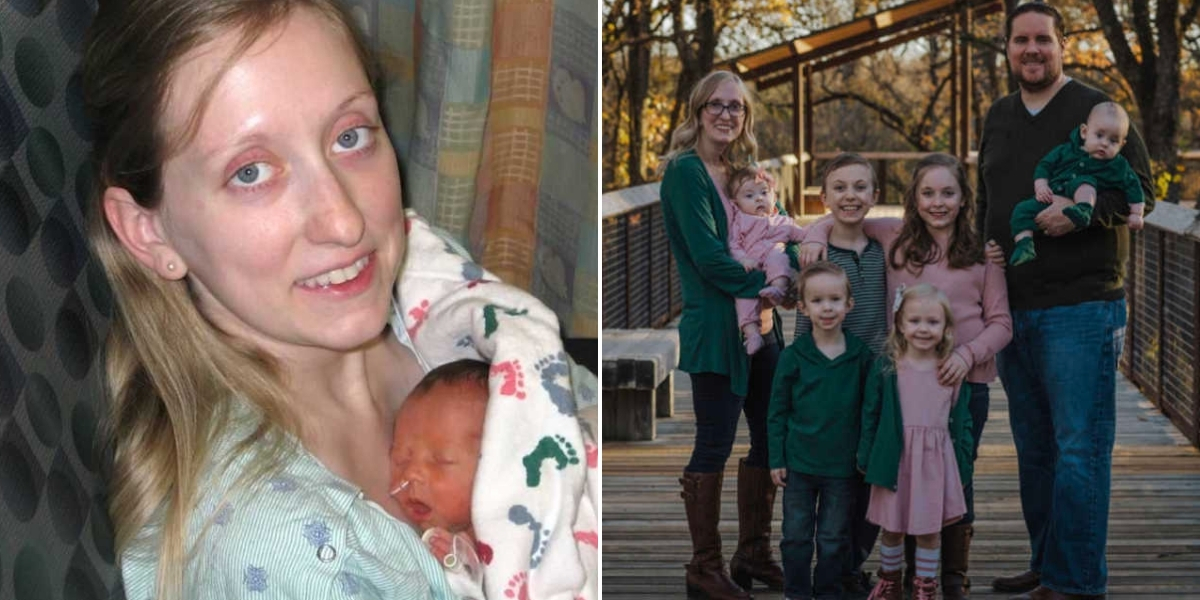
Today, our home is rarely quiet and never tidy. Blanket forts, toys, laughter, and arguments fill every room. But every mess reminds me why we endured all the injections, surgeries, losses, and painful words.
My children now have the kind of sibling relationships my husband and I once only dreamed about.
If you’re reading this and facing infertility, please know — your story isn’t over. Find a doctor who listens. Surround yourself with people who lift you up. Hold tight to hope. And above all — never give up on the family your heart longs for.