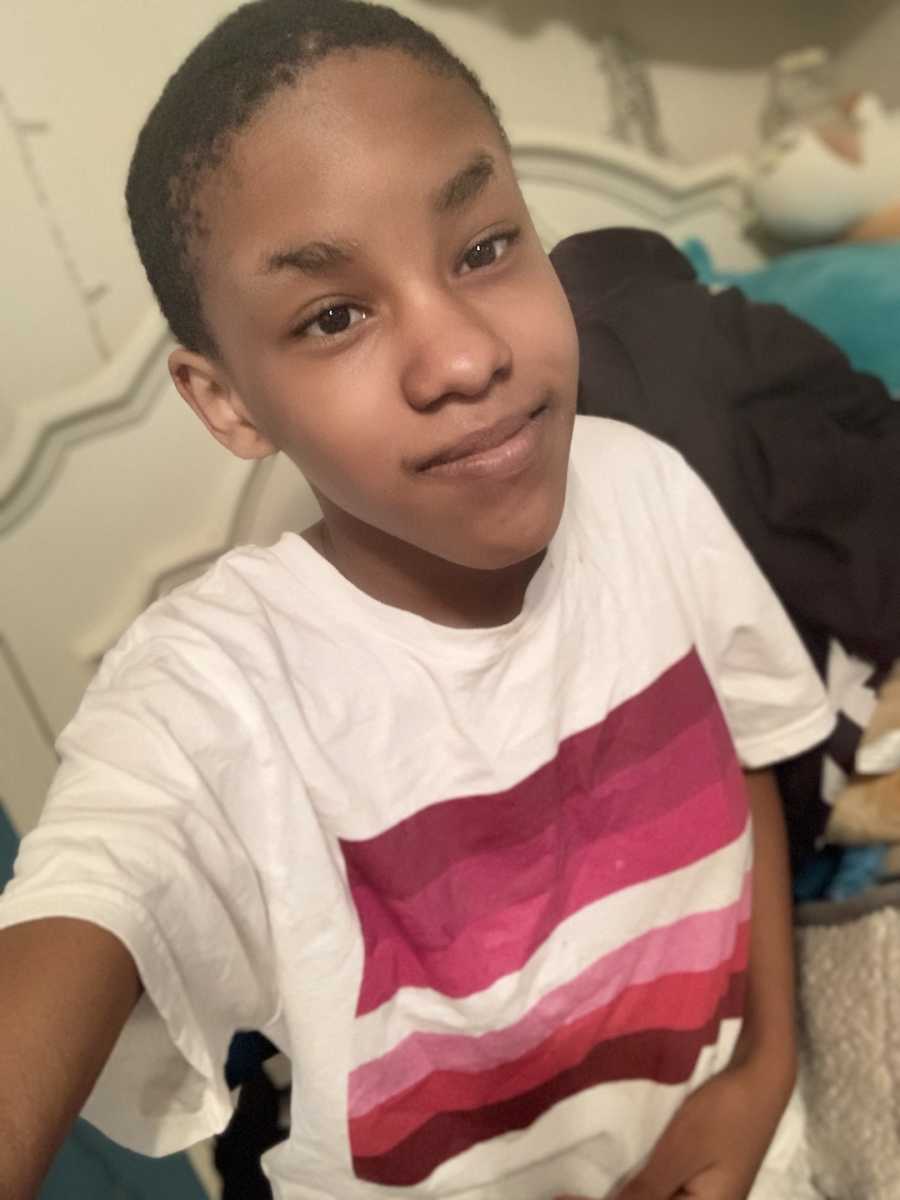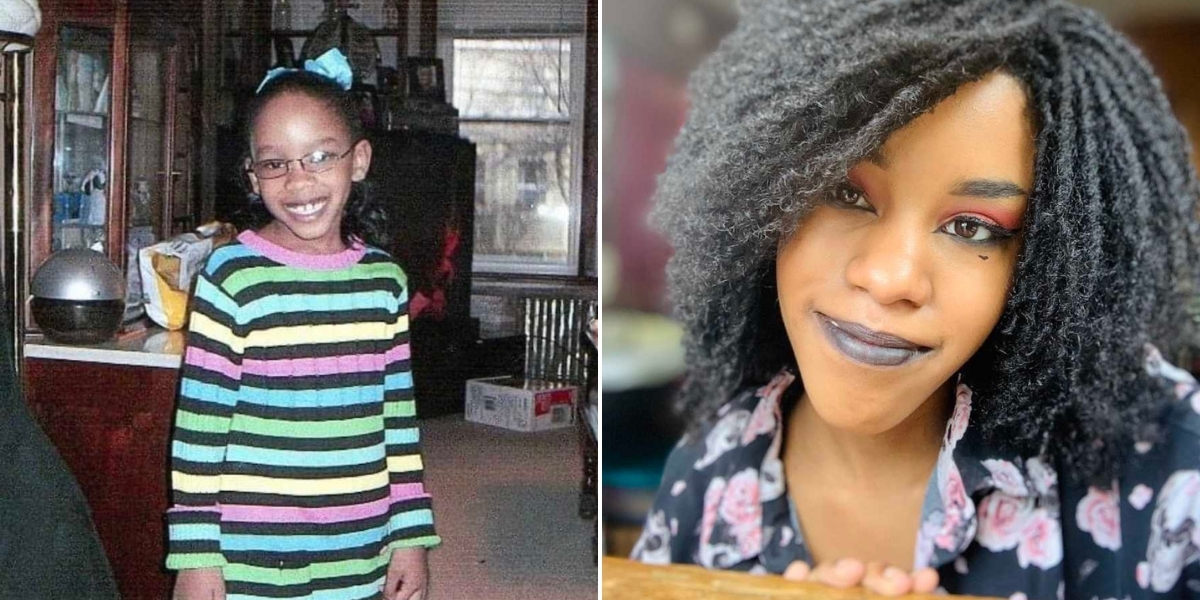
My name is Marionna DeGroat. I am a non-binary, gay, autistic advocate, and I want to share a little about what it’s like to be me. My journey has been full of highs and lows, days filled with joy and days where I felt ready to give up. But through the unwavering support of friends, family, and a wonderful online community, I’m here today to tell my story.
I remember waking up at 8:00 a.m. for my first day of elementary school, buzzing with excitement to leave home, learn new things, and make friends. My mom helped me onto the bus, calling out, “Have a good day, Mickey!”—one of my childhood nicknames, inspired by the two big puffs she styled my hair into, like Mickey Mouse ears. But despite my excitement, school wasn’t what I expected.
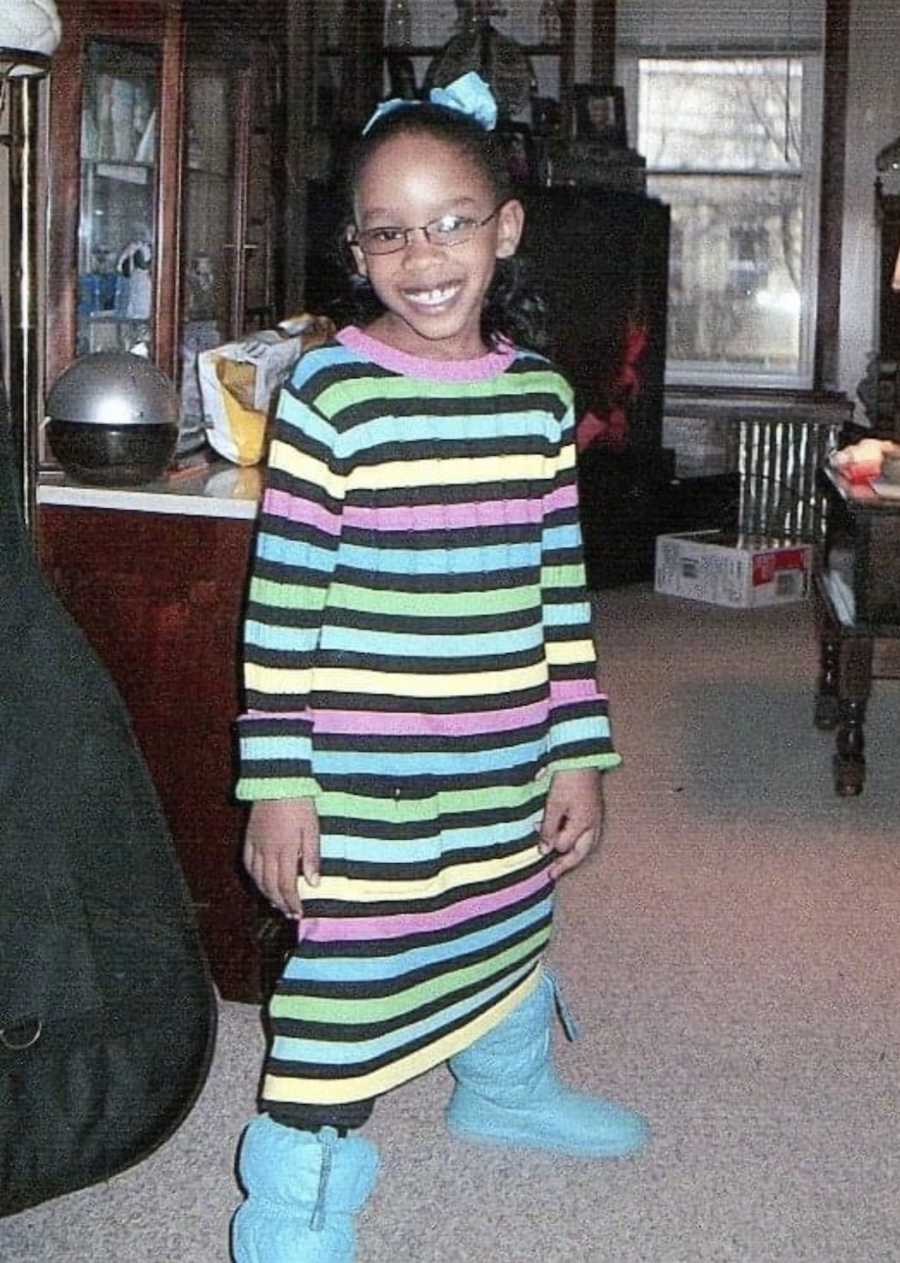
Throughout those early years, I watched everyone else make friends effortlessly. Playdates, sharing snacks, laughing together—these things seemed to come naturally to everyone but me. I remember wondering, How do you just become friends with someone? What even is a friend? I tried to join conversations, sometimes speaking too much or interrupting unintentionally. At recess, I’d ask if someone wanted to be friends, only to be laughed at or ignored. I didn’t understand what I was doing wrong.
I did make one friend, though, whom I’ll call M. She was kind, and we spent hours talking and enjoying each other’s company. For a while, I felt seen and accepted, no longer the loner who had always been laughed at. But that sense of belonging didn’t last. In middle school, M and I drifted apart. A girl I’ll call R became close to M and began spreading lies about me—claims that I would steal M’s boyfriend or insult her, none of which were true. M, unfortunately, believed her, and our friendship ended.
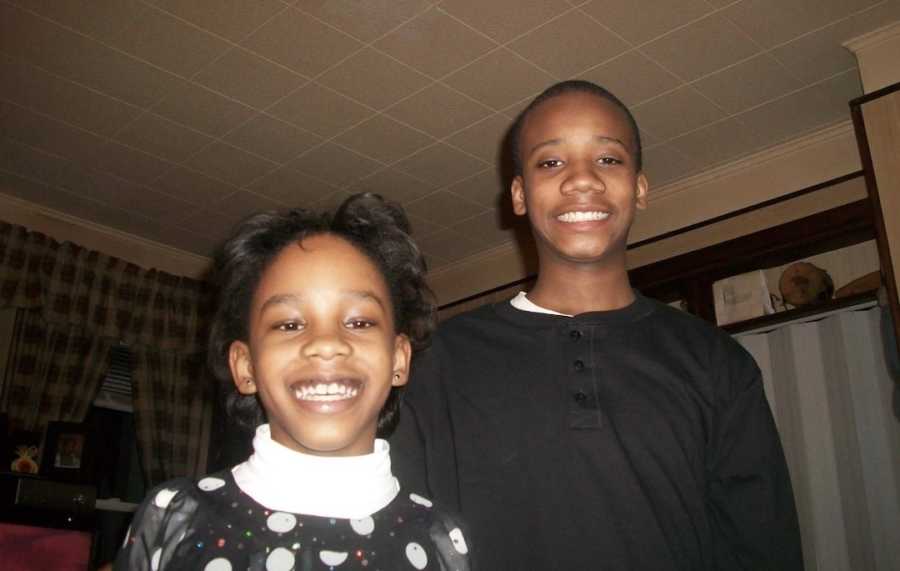
Once again, I felt heartbreak and isolation. Bullying didn’t stop—kids called me “weird” without explanation. I remember one girl bluntly telling me she hated me and when I asked why, she said, “Everything.” Everything? What does that even mean? I questioned myself constantly and tried to adapt by mimicking others, pretending to like things I didn’t, even copying mannerisms from classmates and TV. By seventh grade, it worked—I had friends again, but they were not the same as M.
By sixth grade, my struggles with school intensified. I failed math and was performing poorly overall, so my teachers suggested I move to special education. Initially, I dreaded it—being in “special ed” carried a stigma of being “stupid.” But it turned out to be a blessing. The class was small, and the students were kind and understanding. I felt like I had finally found people who got me. Still, I faced challenges and was often told I was “too sensitive,” words that stung deeply. I had always felt different, and I hated myself for it.
High school brought some relief. Bullying eased, I had a small circle of supportive friends, and I began discovering more about myself. One important realization was that I was a lesbian. I had never liked boys, but now I understood I was attracted to girls. My friends and family supported me, and learning about the LGBTQ+ community was life-changing—I finally felt seen.
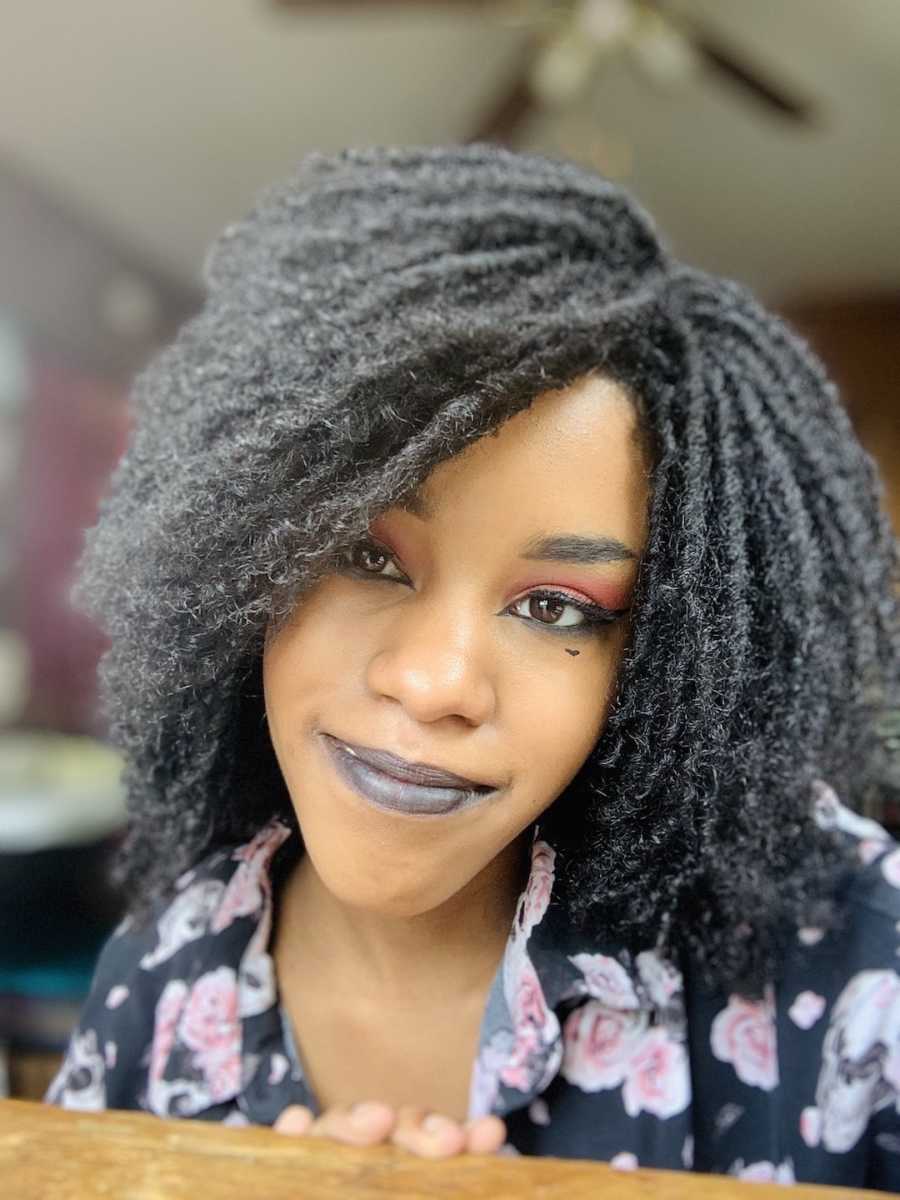
Graduation was bittersweet. I left behind bullies and peer pressure, stepping into the world as myself. Yet, life outside school was still challenging. I got a job, tried college (which lasted only three weeks), and struggled with organization and exhaustion. I was searching for answers and, through research, found many labels—yet none seemed to fit… until I discovered autism in late 2020. Reading about it felt like a key unlocking my mind. Everything clicked: the bullying, the masking, the self-doubt—it was me, and suddenly I had clarity.
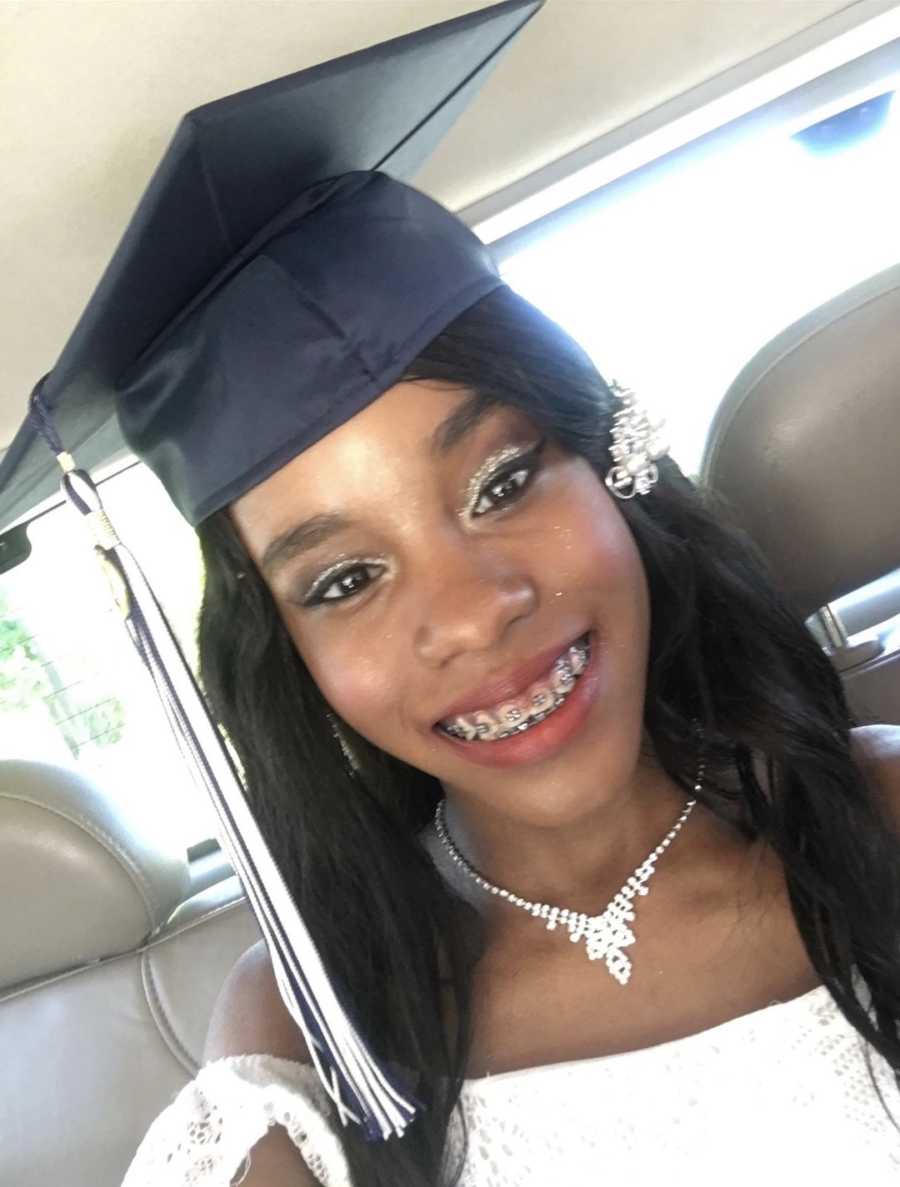
I joined the autistic community online, creating an Instagram account that now has over 2,000 followers. For the first time, I felt truly seen and supported. Earlier this year, I pursued a formal diagnosis. After calling dozens of centers—most expensive or child-only—I finally found one that accepted my insurance and evaluated adults. On April 10th, I did my intake with a neuropsychologist and my mom, reviewing my life from birth to now. On April 20th, I was diagnosed with Autism and Generalized Anxiety. I felt euphoric. I finally understood my differences and could embrace them rather than hate them.
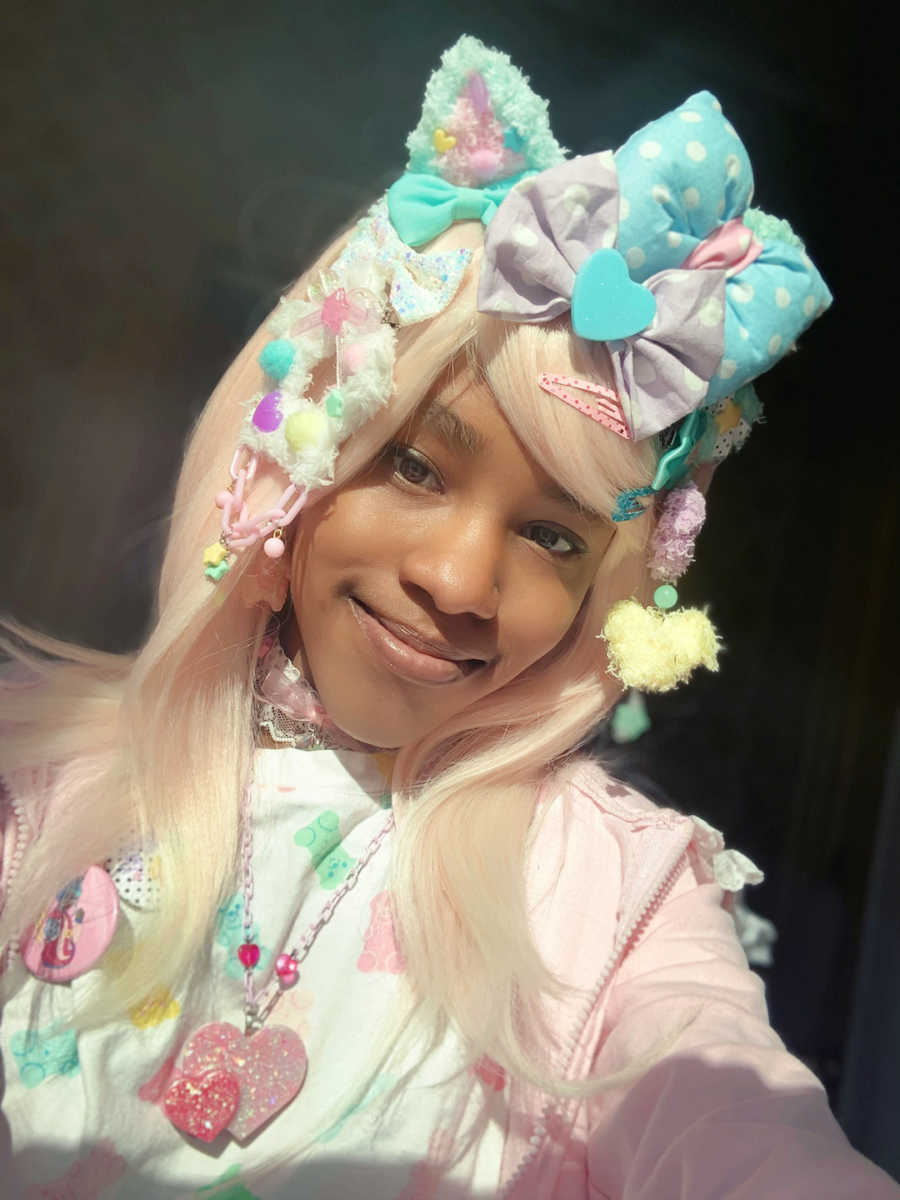
Being part of the autistic community helped me rediscover my identity, including my gender. I realized I didn’t feel like a boy or a girl—I just felt like me. I came out online as non-binary, and my friends celebrated me. Recently, I shared this with my family, reading my thoughts aloud to my mom and brother while shaking and crying. Their understanding and support was overwhelming, and I felt seen on every level.
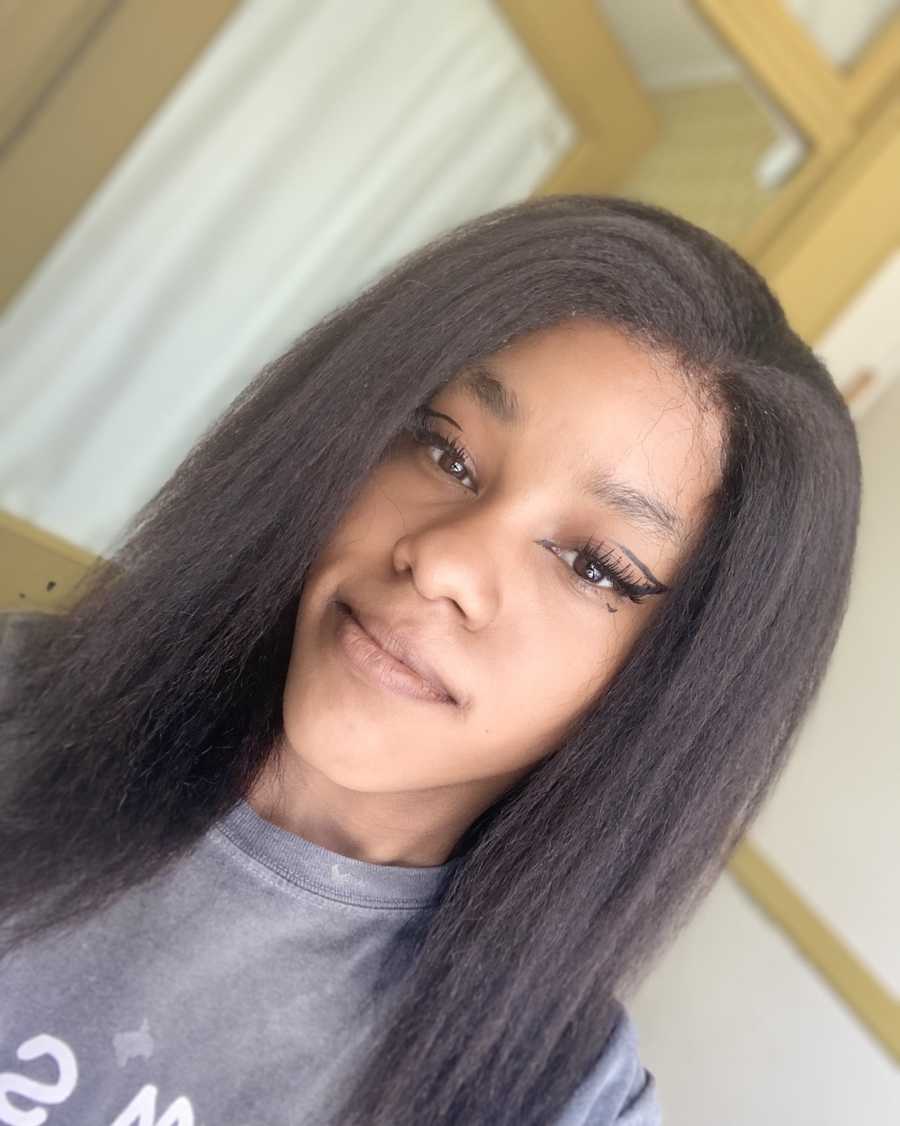
And here we are today, May 30th. My life is wild, messy, and beautiful. I share my story to inspire others to embrace who they are. I now advocate for autism acceptance, hoping autistic kids grow up proud of their differences. It’s okay to be different. It’s okay to be yourself. Unique is not just okay—it’s beautiful.