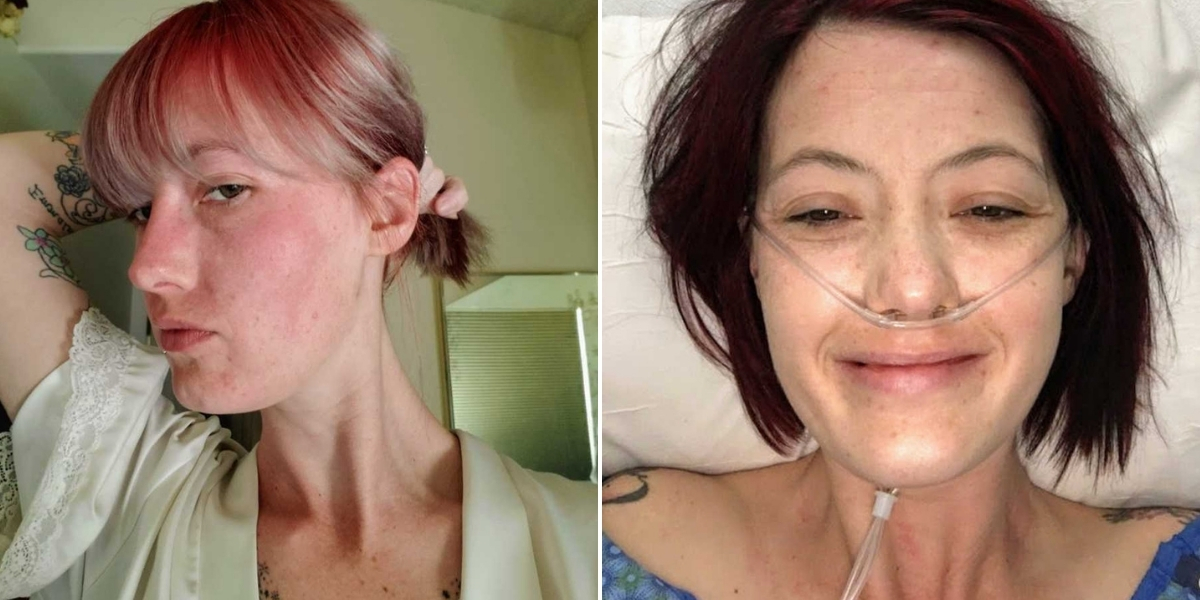
“You don’t look sick.”
“You’re too young to be this sick.”
“It’s all in your head.”
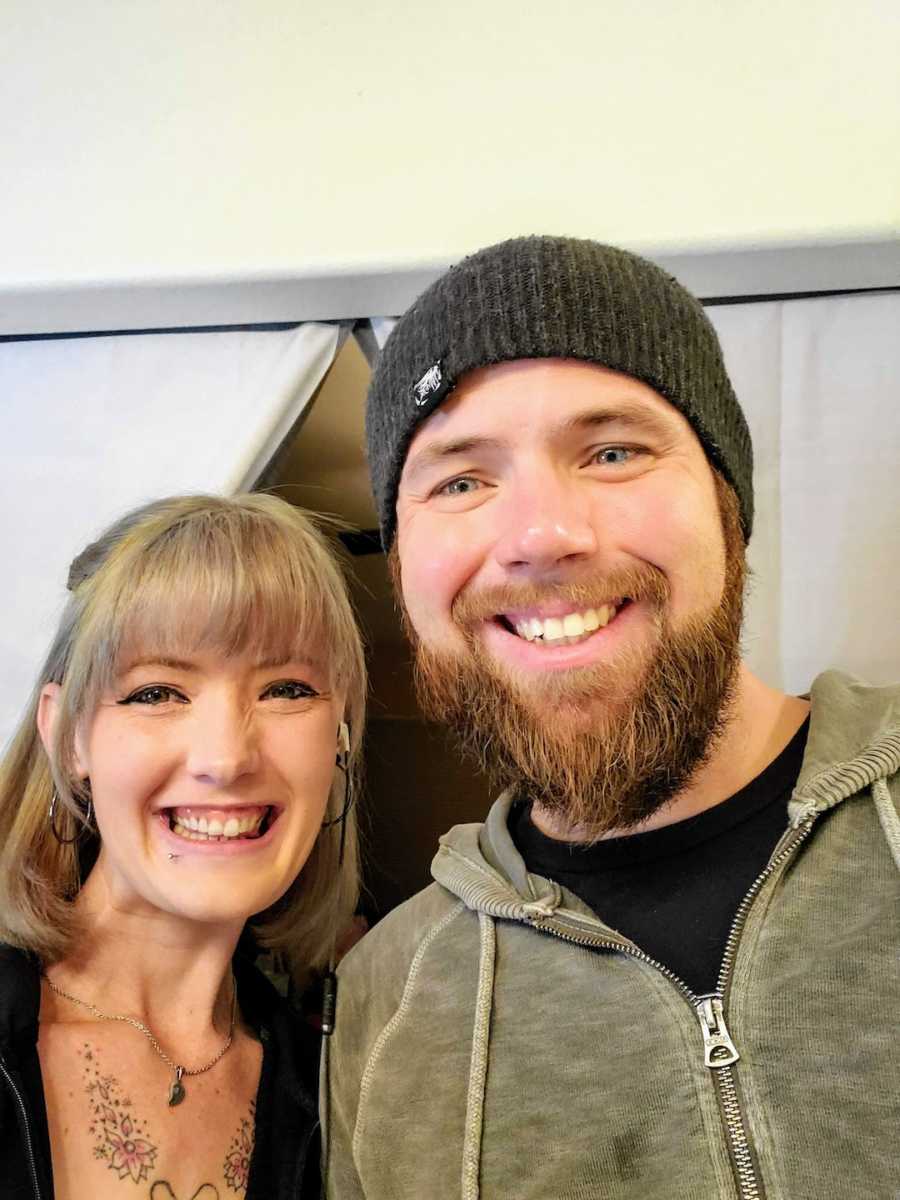
No one wakes up one morning and decides, Hey, I think I’ll be miserable and chronically ill for the rest of my life. We don’t get to choose this path. For some of us, it’s predetermined in ways we never asked for. Still, here we are—chronically ill, chronically fighting, and yes… chronically awesome.
Life had very different plans for me. From the moment I was born, my life was already complicated. I entered this world with drugs in my system, and I feel the effects of that every single day. As a child, I was constantly sick. My emotions and my health were tightly intertwined, making everything feel more intense and overwhelming. Stomach issues, sinus problems, headaches, balance issues—ugh. My teenage years brought more of the same, only heavier. Depression, anxiety, PTSD, endometriosis, interstitial cystitis, knee surgery, an appendectomy, a miscarriage, and a tubal pregnancy followed. After my youngest daughter was born when I was just 21, I had a hysterectomy because I could not stop bleeding. It shattered me, but I knew there was no other choice.
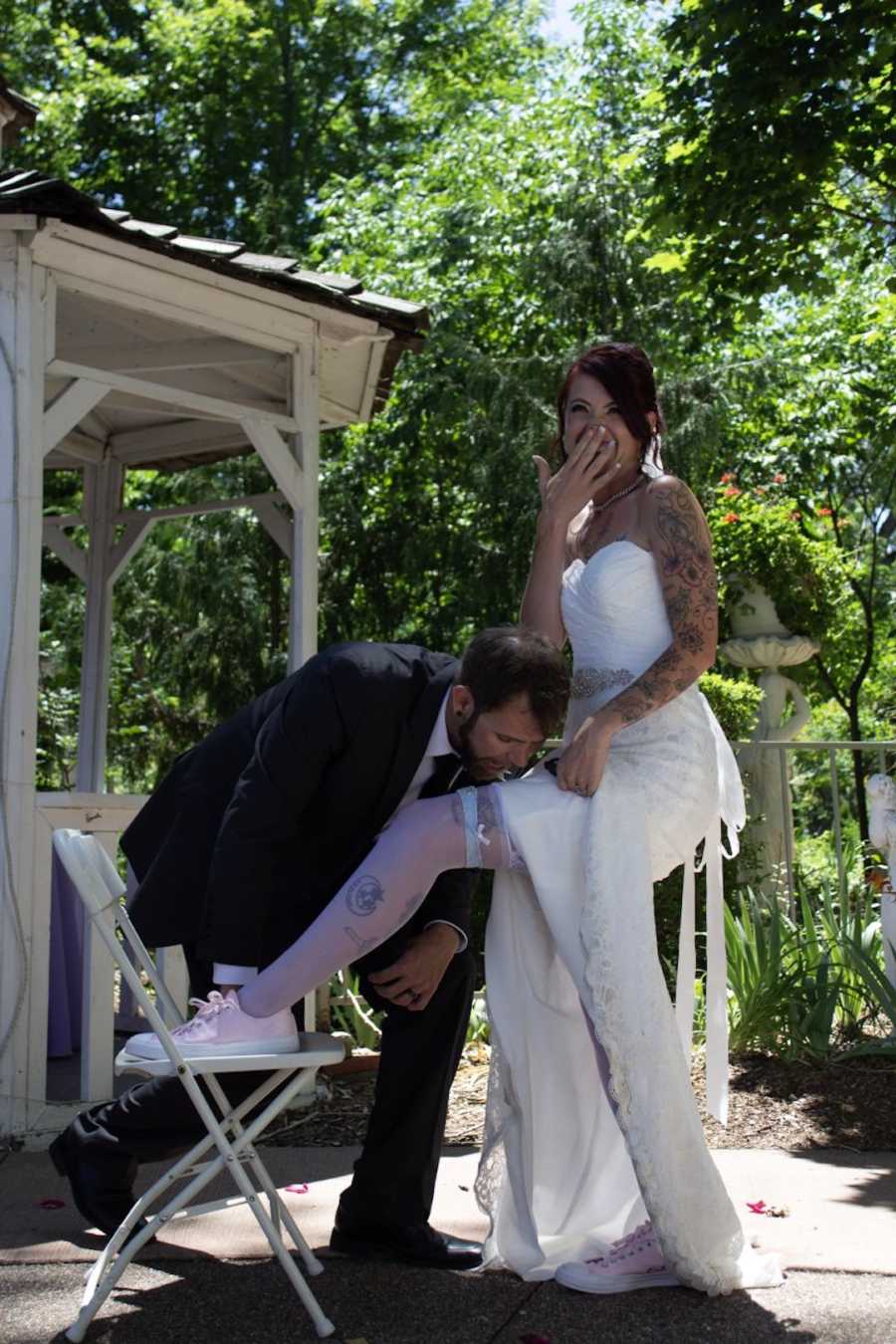
Adulthood is where things truly unraveled. In 2018, I realized my body was dealing with far more than anyone had understood. I had my dream job as a hospice CNA, a happy marriage, and four beautiful children. Life felt full—until, suddenly, my large intestine quit without warning.
November 23, 2018 began like any other day. I went to work early, had a great shift, and planned a salon visit with my mother-in-law. But while I sat there, my body quietly prepared for war—and I was the battlefield. My stomach began to ache and swell, and by the time we got home, I couldn’t hide the pain anymore. Through tears, I surrendered and went to urgent care. That visit was the first of many—over 30 in just two years. CT scans, bloodwork, endless questions, and the same conclusion every time: “You’re constipated.” Laxatives were prescribed, and I was sent home feeling defeated and unheard.
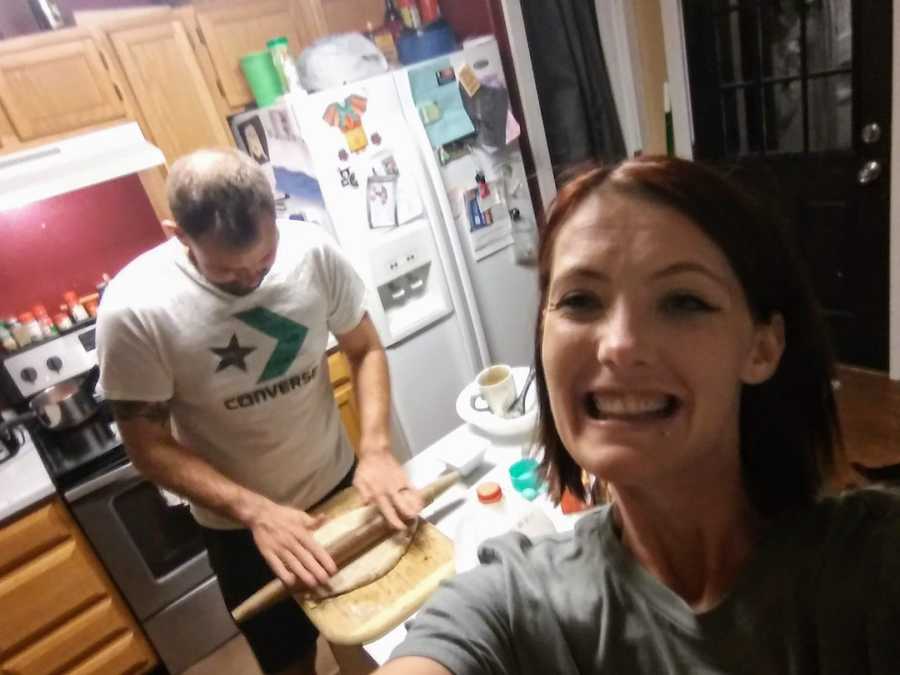
The frustration grew as nothing helped. Emergency room visits followed, with stronger medications but no answers. Day after day, week after week, we bounced between appointments, urgent care, and ERs, trying medication after medication. Three weeks in, I finally saw a gastroenterologist and went on medical leave from work. I barely left the house. The couch became my world, the bathroom my only destination. Fear settled in deeply—but I was never alone. My husband, children, and in-laws carried me when I couldn’t carry myself. Their love became my lifeline.
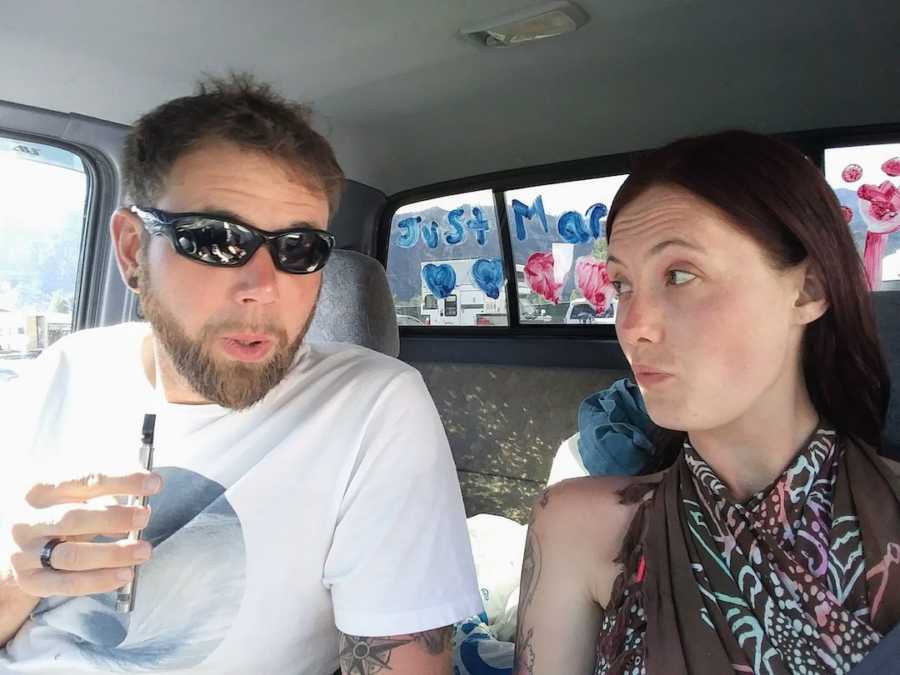
The GI specialist ordered countless tests—exhausting, invasive, and humiliating. Eating made everything worse, sleep offered no relief, and bloating became constant. Strangers asked when I was due, not knowing I was slowly dying inside and unable to have more children. By then, I had endured countless enemas and procedures. “Butt stuff” became a running joke. Humor was survival. After months of misery, doctors finally identified the culprit and referred me to a surgeon.
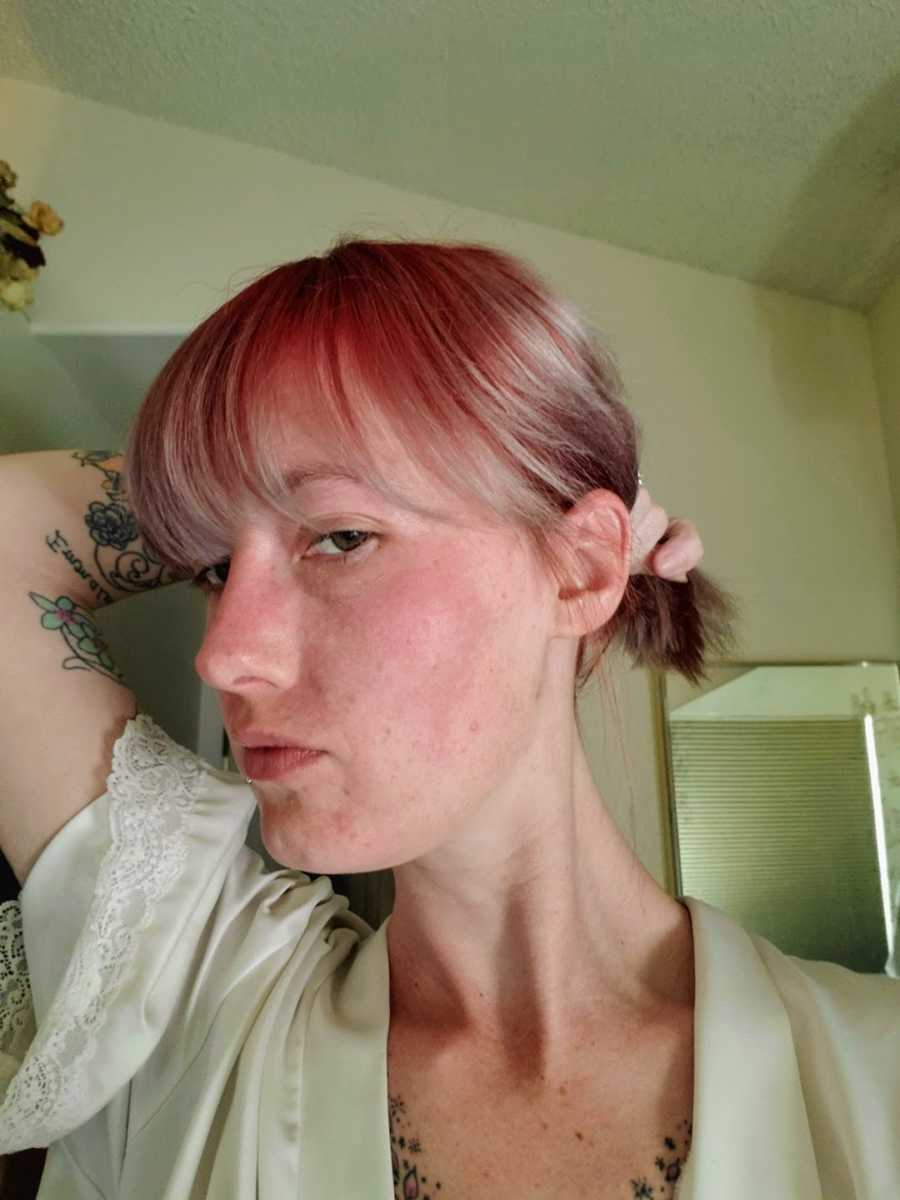
By this point, death felt close. Plans were made—what my children would keep, how my husband might move on. I wanted a fighting chance, but not life support. I wasn’t done living. I wanted to see my kids grow up. Yet my body kept failing—weight loss, weakness, darkness closing in.
The diagnosis came: colonic inertia—a paralyzed colon. I was impacted, swollen, exhausted, and desperate. In March, we traveled to a colorectal surgeon who finally understood. I begged for surgery, even a colostomy if it meant relief. With my dad on one side and my husband on the other, I cried tears of joy when I was told I was a good candidate and wouldn’t need a bag. Surgery was scheduled for April 5, 2019.
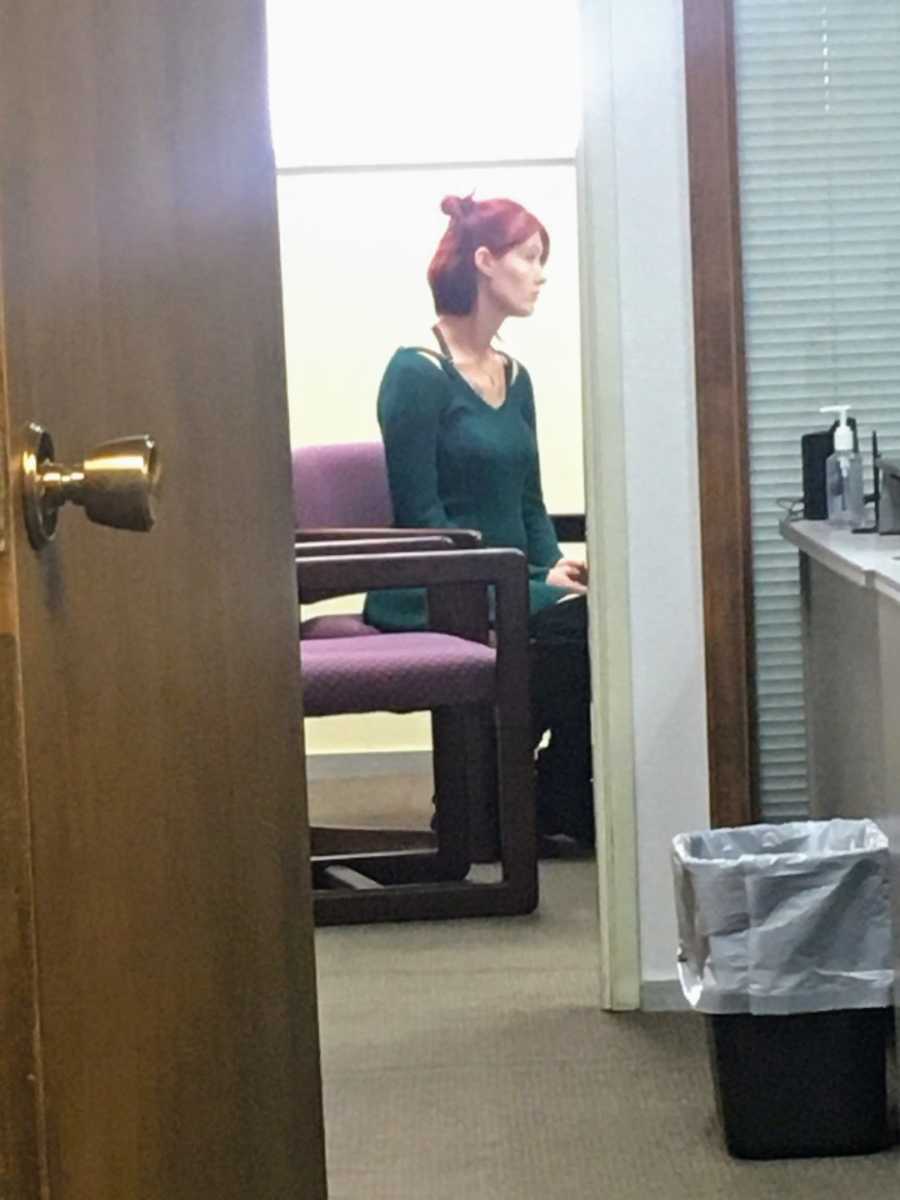
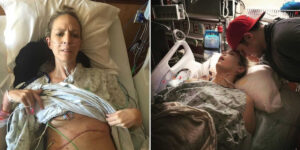
That day finally arrived. After months of waiting and fear, I was ready. Prayers were said, hands were held, and promises were whispered as I was rolled into surgery. When I woke, I needed to know where my husband and father were—and asked for cranberry juice, as always. The pain was different. New. Hopeful.
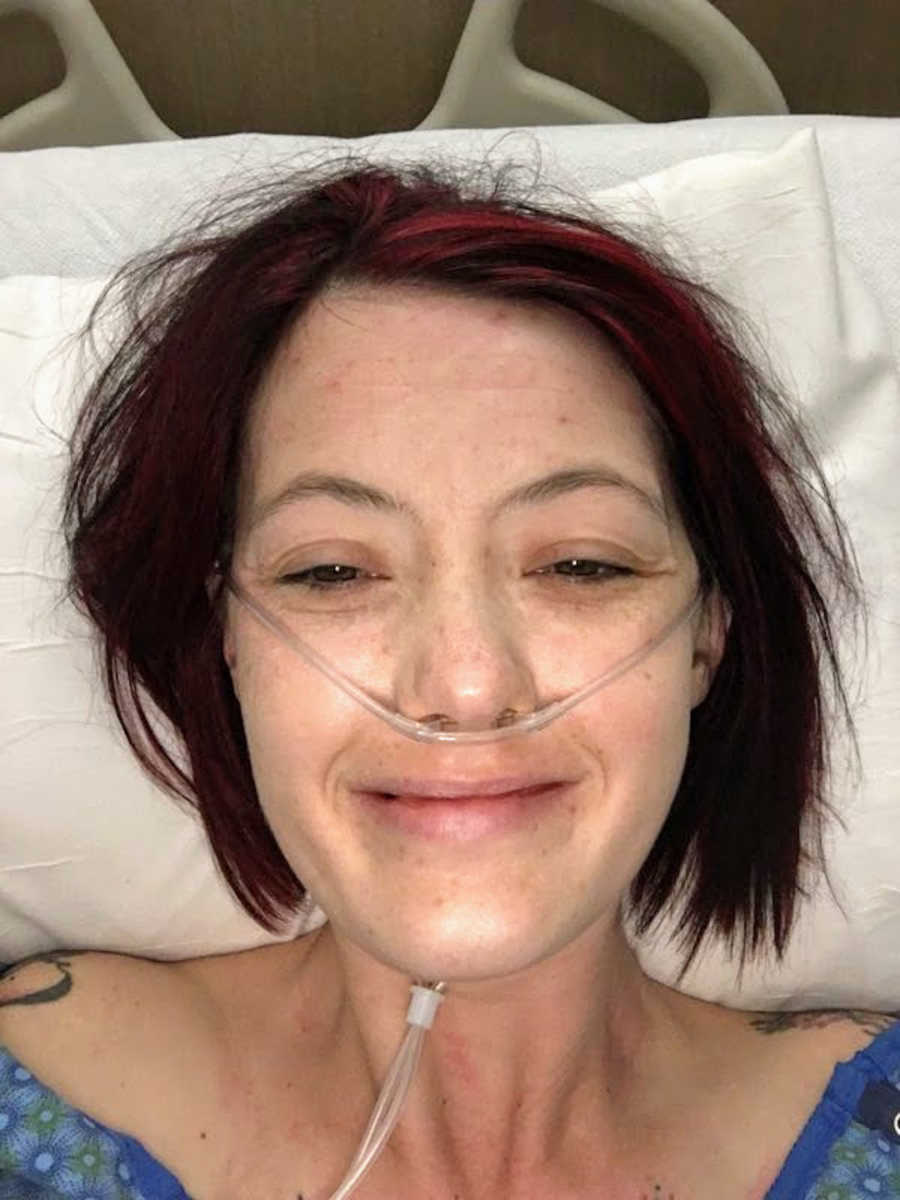
Recovery wasn’t easy. Four days later, I was released and headed home, stopping often so my husband could help me to restrooms along the way. But just days later, something went wrong. Soup triggered unbearable pain, and we rushed to the ER again. Seven days post-op, I was ignored until I began vomiting bile. Only then did they act. My surgeon intervened, and I was transferred back to his hospital.
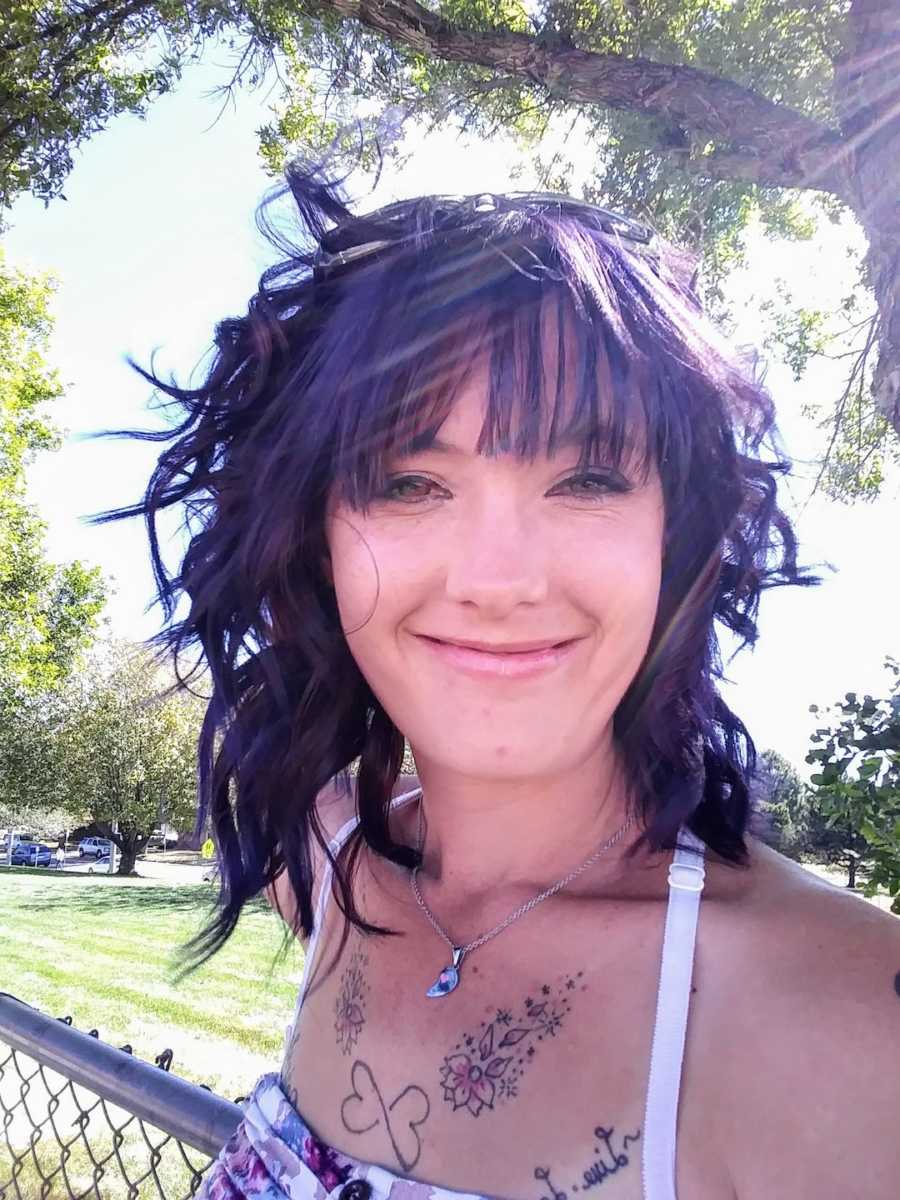
There, things escalated. I needed an NG tube, experienced unbearable discomfort, and learned I had an ileus and a massive hematoma that required removal. Eventually, I returned home again, slowly adjusting to my new normal. For a while, things improved.
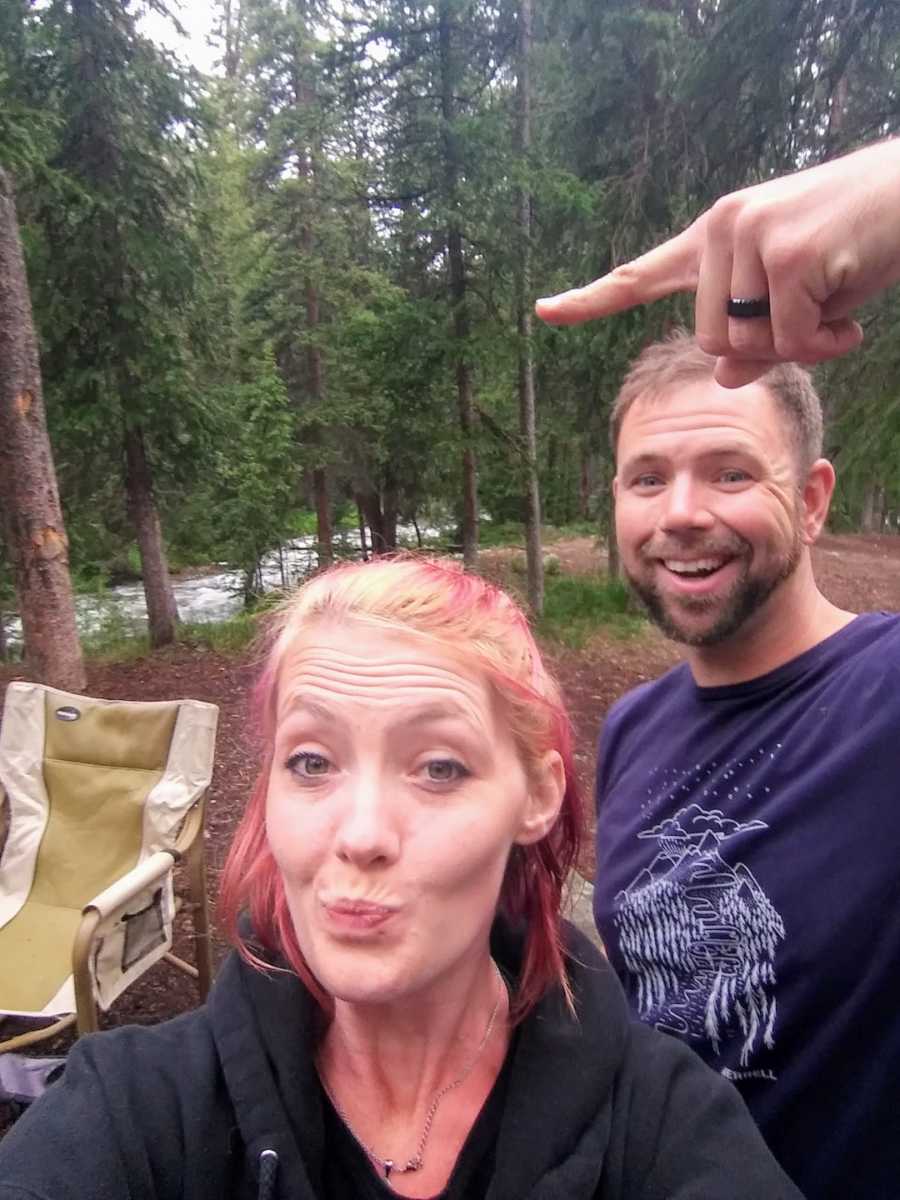
Then I declined again. Heart issues, blood pressure changes, new symptoms, no answers. My diet became more restricted—no gluten, fiber, red meat, eggs, dairy, most fruits and vegetables. More diagnoses followed: fibromyalgia and Chiari malformation. Relief and frustration coexisted. Management became the goal. I now take over 30 pills daily, learning what my body can tolerate.
Fatigue makes connection hard, but community matters. Love matters. I share my story because someone once shared theirs with me when I felt alone. You are never alone unless you choose to be.
This condition is progressive, but it will be managed aggressively. I’ve already chosen life. When the time comes, I’ll face decompression surgery—once or many times. I won’t give up. My health does not define me. I am still Mia—just slower, gentler, and learning to love myself more deeply. And maybe that was the lesson all along: to let myself be loved.