“I think you need to plan for a permanent intellectual and physical disability, not just a developmental delay. It is unlikely she will ever catch up to her peers.”
I remember sitting there, frozen, hearing the doctor predict my six-month-old daughter’s future. My husband and I drove the hour home in complete silence, the words echoing in our minds: permanent intellectual and physical disability. When I got home, I dropped to my knees on the living room floor and let out a primal scream into a couch cushion. How could this be happening? Just three weeks ago, I thought I had a healthy baby girl with a bright, limitless future. Now we were being asked to imagine a life I hadn’t even considered.

When Juniper was six months old, we began noticing unusual movements—her arms jerking up, her body crunching, her head dipping, eyes deviating. At first, it happened only once a week, in clusters of two to five. Reflux? Strange baby twitches? I wasn’t worried. She wasn’t my first child; I was no longer a “paranoid new mom.” But within days, these movements escalated. They happened at every sleep and wake cycle, lasting twenty to forty seconds each time. “It’s probably nothing,” I told my husband, “but maybe we should go to the ER just to be safe.”
Our local hospital saw the movements, too, but told us it wasn’t an emergency. “Don’t worry,” they said. “It isn’t something that will permanently impact her life.” But as we drove the hour to the children’s hospital the next day, I felt a gnawing unease. Juniper was hooked up to an electroencephalogram (EEG) to check her brain activity, and when the physician entered the room, the look on his face told me everything before he spoke.
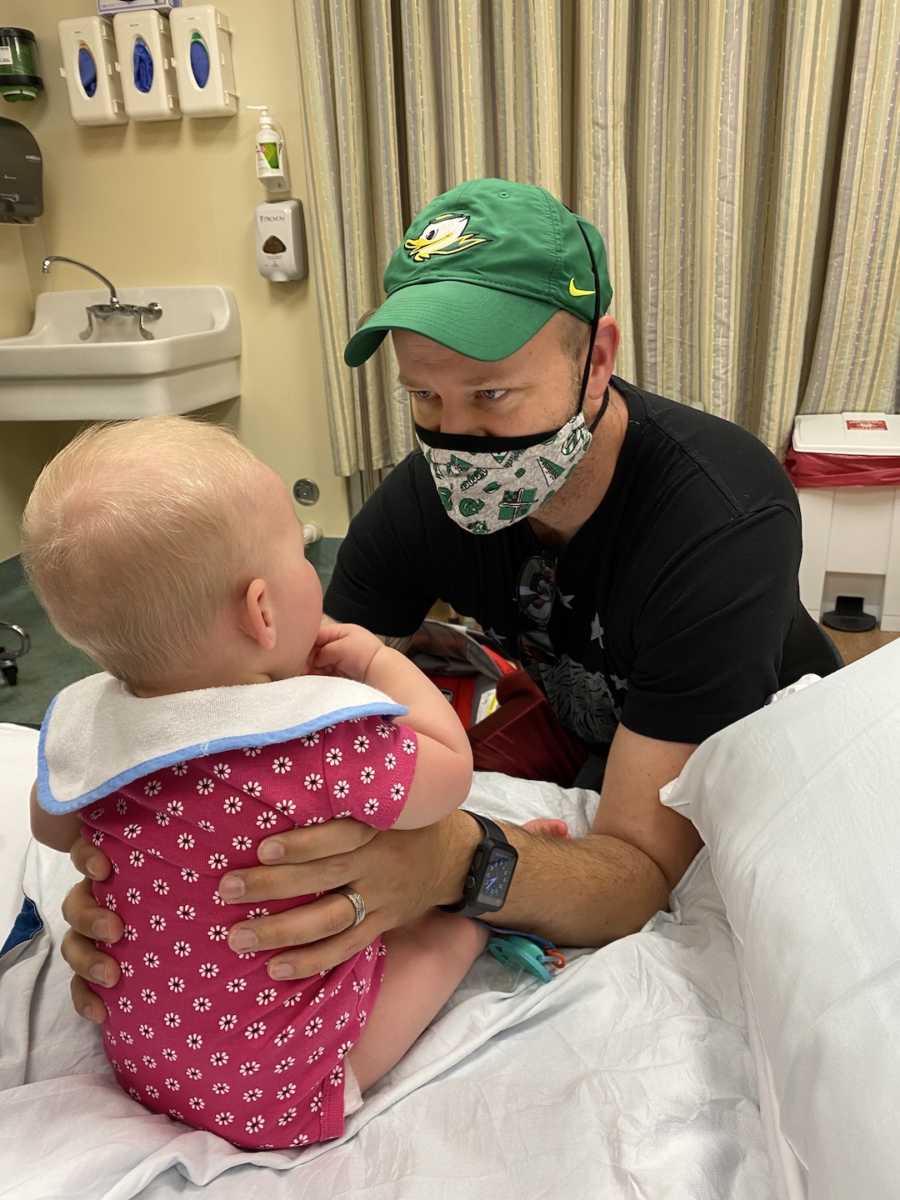
Juniper was diagnosed with Infantile Spasms (IS), also called West Syndrome, a rare and dangerous form of epilepsy. Each movement we had been noticing was actually a tiny seizure—and she was having hundreds a day. Her brainwaves showed hypsarrhythmia, a chaotic pattern resembling static on a radio, constantly interrupting her ability to process the world. Every seizure was like her brain “rebooting,” shutting down and starting back up again. If we couldn’t stop the spasms and the hypsarrhythmia, she wouldn’t be able to encode experiences or learn; her brain would be overwhelmed and developmentally stalled.
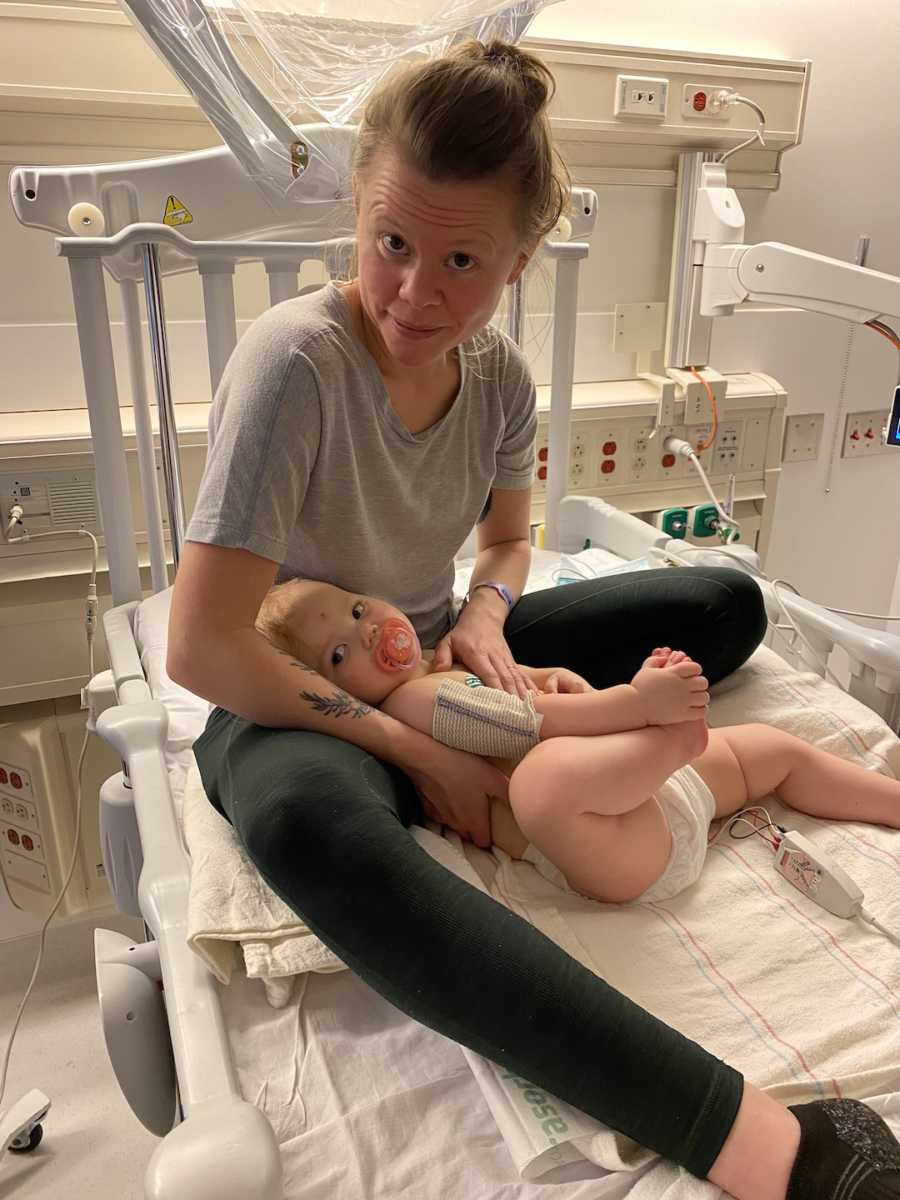
“Don’t Google it,” the nurse warned. Of course, I did. And my heart sank. Words like catastrophic, debilitating, regression, global developmental delay flashed across my screen. Outcomes for IS depend on treatment response and underlying cause, but I knew in that instant we were facing something serious. Epilepsy was a symptom—perhaps of a genetic variation, metabolic syndrome, brain injury, or malformation—and the possibilities were grim. I cried more during that five-day hospital stay than I had in my entire life.
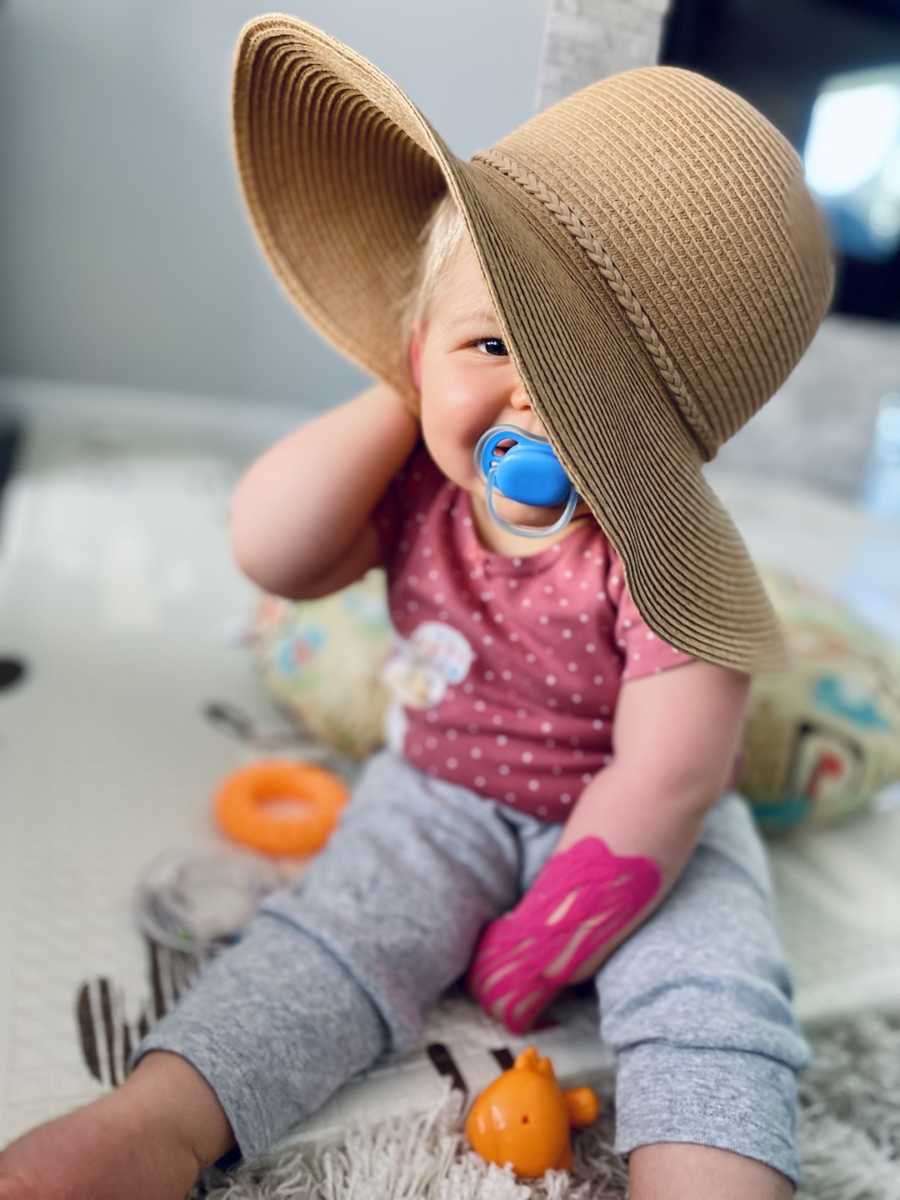
“Juniper presents really well,” the attending physician reassured me. “Most kids with IS aren’t engaged with the world; they’re flat. I think this treatment will work for her.” He meant well, but in hindsight, I wish he hadn’t given me hope so soon. Juniper began high-dose steroid treatment, and I learned to inject her chubby thighs twice a day. She gained five pounds in a month but became irritable, uncomfortable, and inconsolable. “This is hard,” I told myself. “But we just have to get through it. Everything will be okay.”
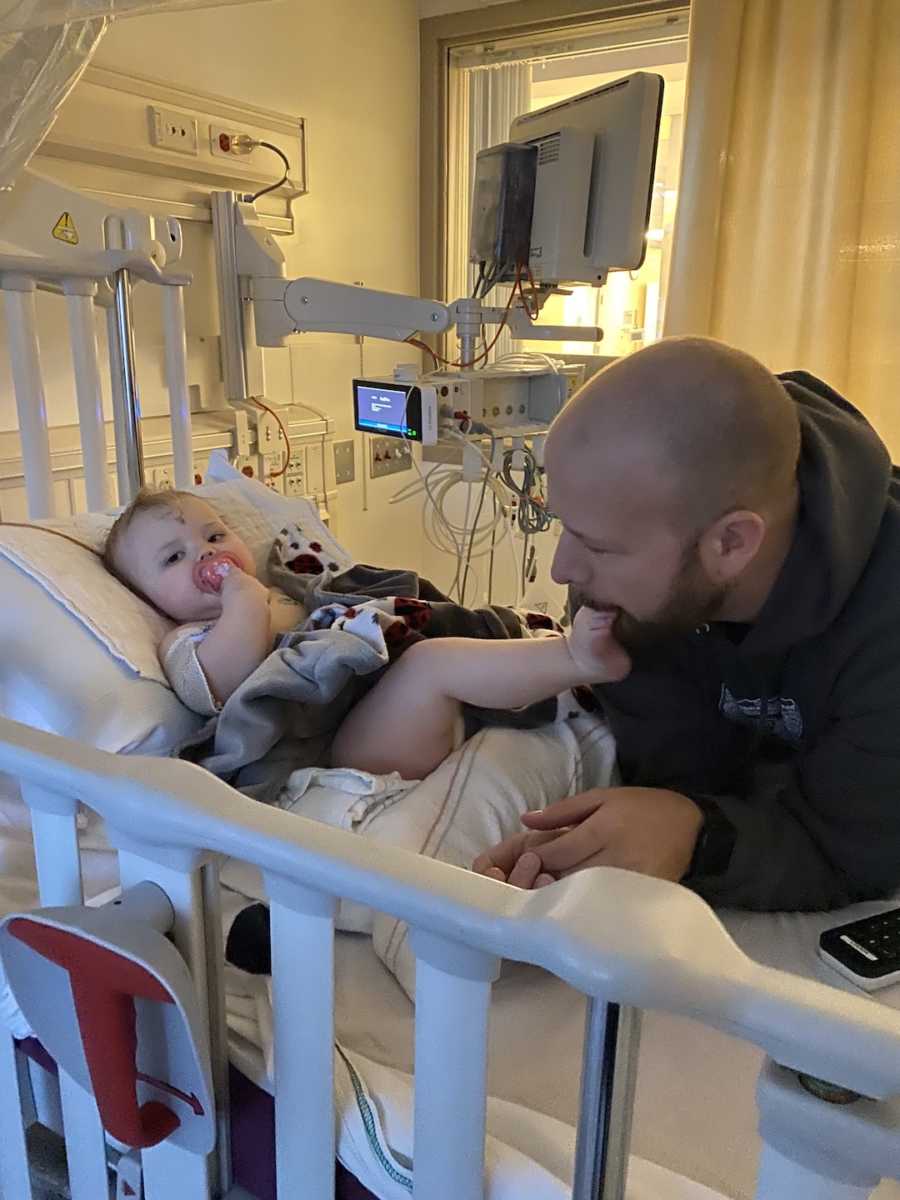
Two weeks in, the doctor delivered the next blow. While the steroids had stopped the hypsarrhythmia, the spasms persisted. I begged him for reassurance—surely she would grow out of this, surely she’d catch up. But he said, “I think you need to plan for a permanent intellectual and physical disability, not just a developmental delay.” No. I refused to believe it. Another medication was prescribed. It temporarily stopped the spasms, but only for six weeks. Then, the hypsarrhythmia returned, crushing our hopes.
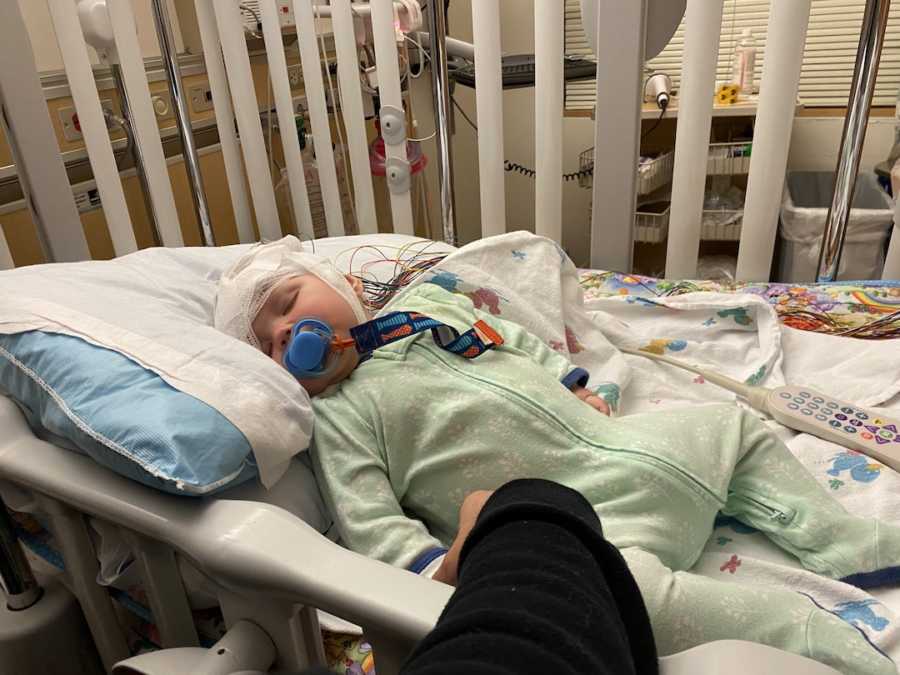
For the first time, I realized Juniper might not be cured. Statistical odds were bleak: after failing two frontline treatments, future medications had only a slim chance of success. Desperate, we sought a second opinion. EEGs, MRIs, and PET scans were run. “Please,” I whispered to the universe, “please find something that explains her seizures. Please make her okay.”
Finally, a new doctor delivered both relief and terror: Juniper’s spasms were caused by a brain malformation called focal cortical dysplasia (FCD). A clump of neurons hadn’t migrated properly during early brain development—a leading cause of intractable epilepsy. Relief came from knowing the cause, and possibility of a cure emerged, but the treatment was daunting: brain surgery, specifically a hemispherectomy, to remove the dysplasia.
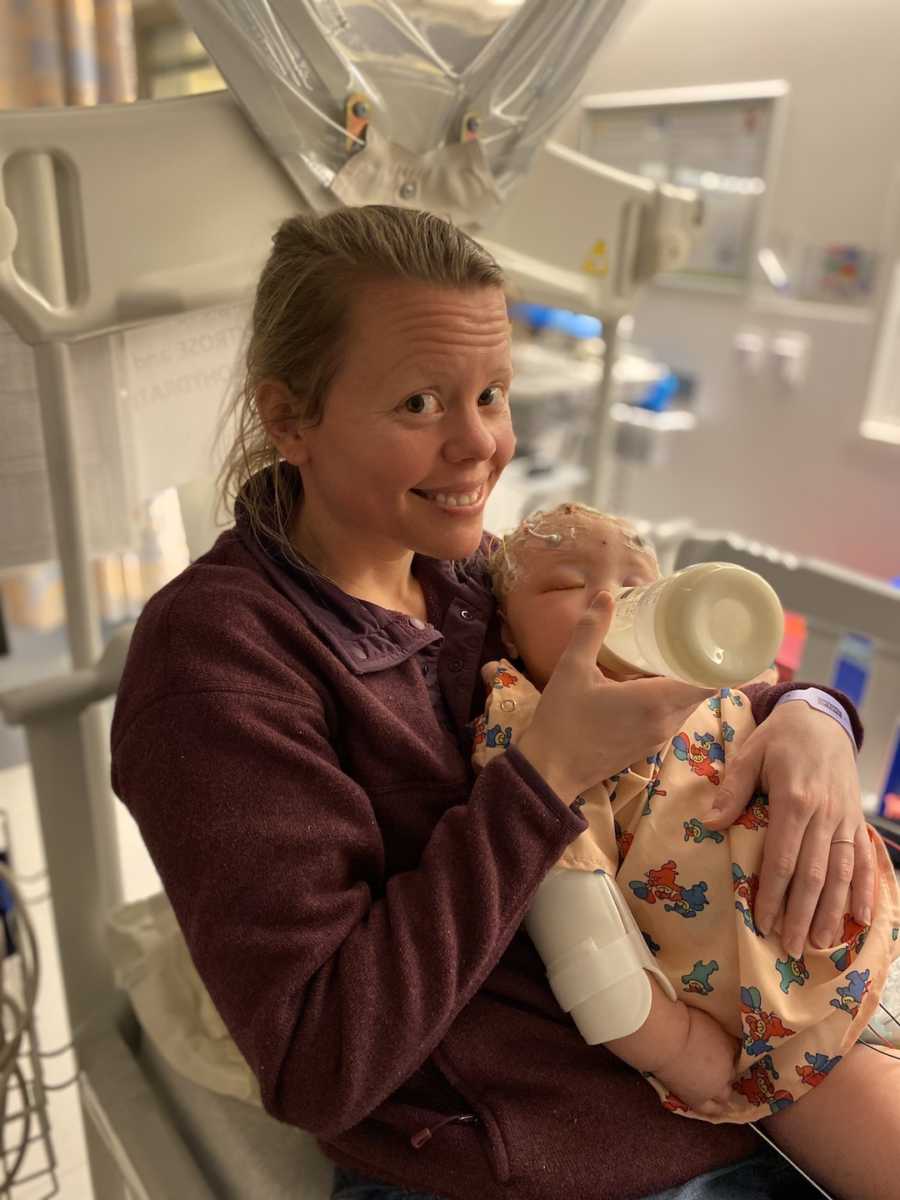
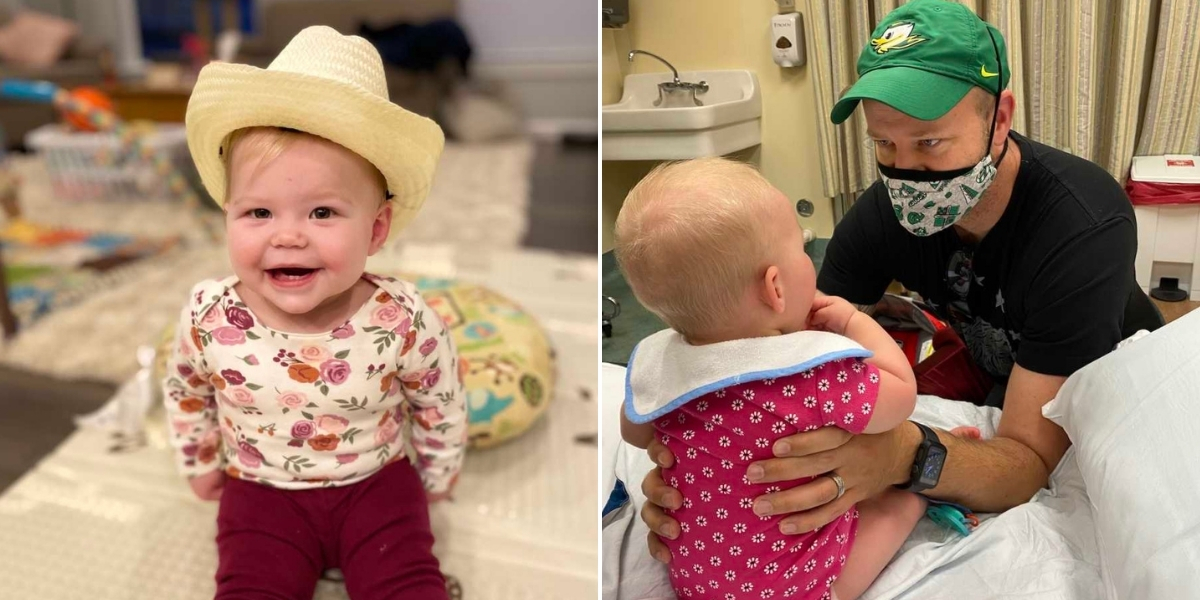
Due to COVID restrictions, only one parent could stay overnight. The night before surgery, I sat alone in a tiny, dark hospital room, watching my sweet girl sleep. Four days earlier, she had celebrated her first birthday attached to an EEG machine. She laughed, rolled, smiled—she looked so healthy. Tomorrow, half her brain would be removed. The hope was that her young brain could rewire itself, giving her the best chance at a life free of seizures. But the cost was steep: vision loss in her left eye, partial paralysis, possible speech, cognitive, and sensory challenges. She would not look the same, and her life would be forever changed.
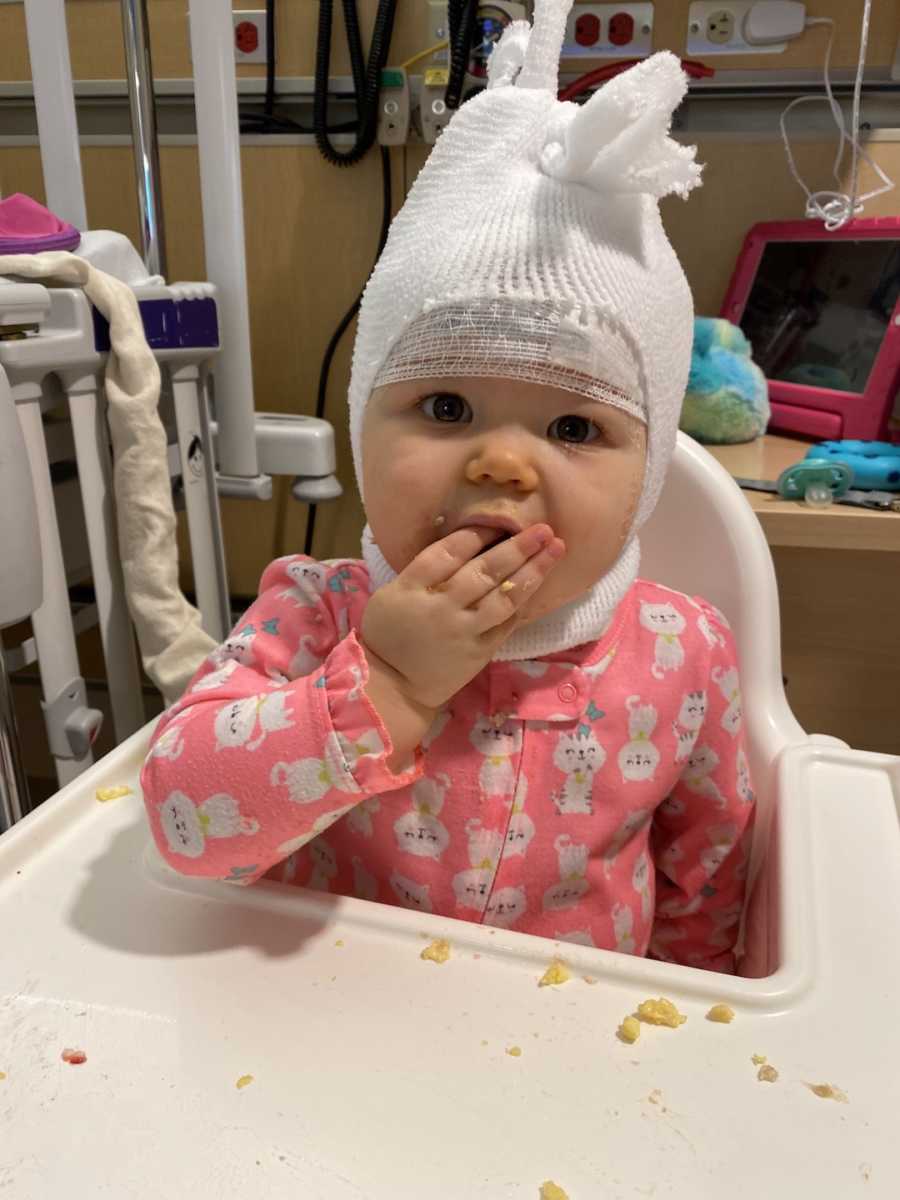
The morning of surgery is etched in my memory. I held Juniper as the transport team wheeled us toward the operating room. She kept smiling at me, unaware of what was happening. I kissed her over and over, begging for protection, pleading for a better future. Then I handed her to the nurse. As she disappeared behind double doors, I fell to the floor, sobbing. My husband found me moments later; we held each other, trying to summon hope amidst the fear.
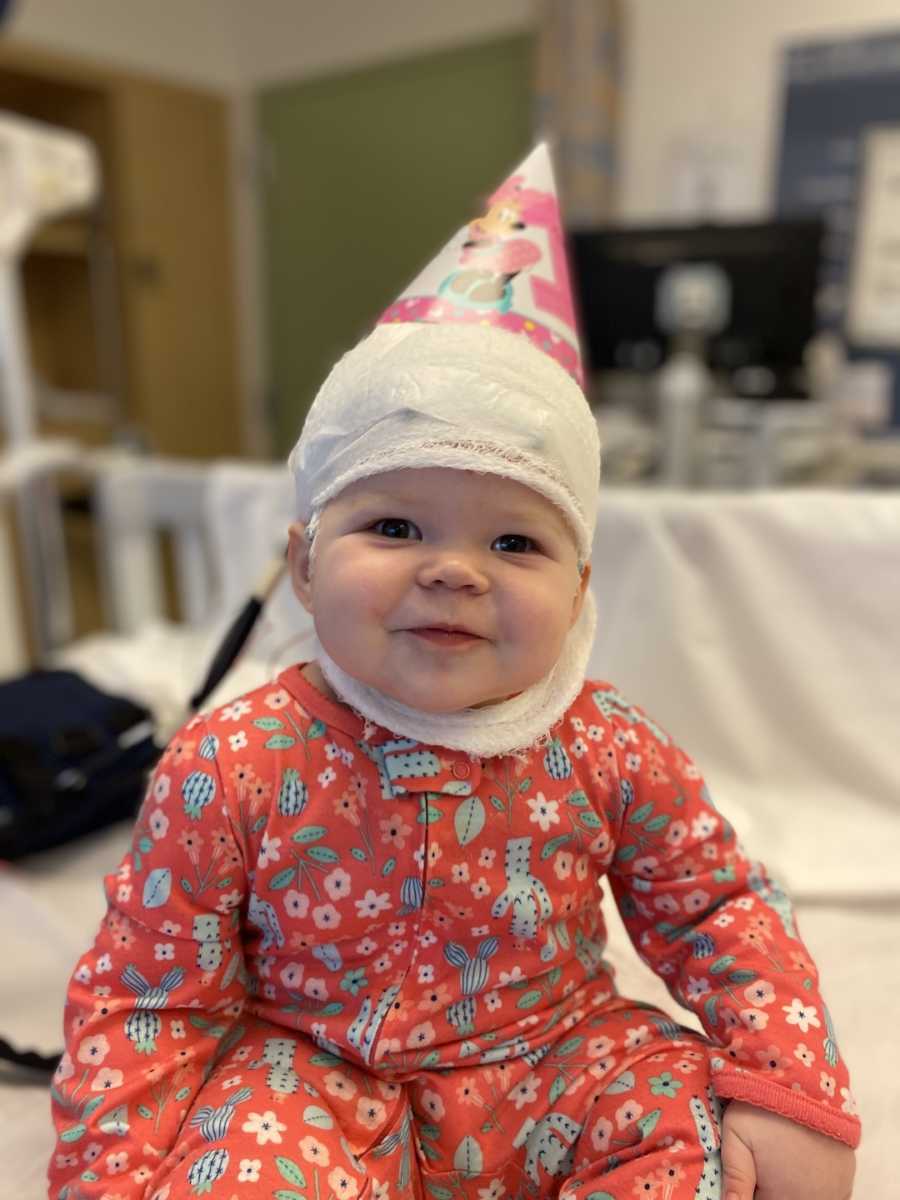
Looking back, that first doctor’s prediction was partly right. Juniper will not “catch up” to her peers. She will have disabilities, challenges, and a very different life. But she has never been one to follow expectations. She defied them at six months old, she defied them during treatment, and she continues to do so. Her seizures have decreased drastically, though clusters still appear. Her spark, her joy, her personality—these are what define her. She has surprised doctors, and I know she will continue to surprise everyone around her in positive ways.
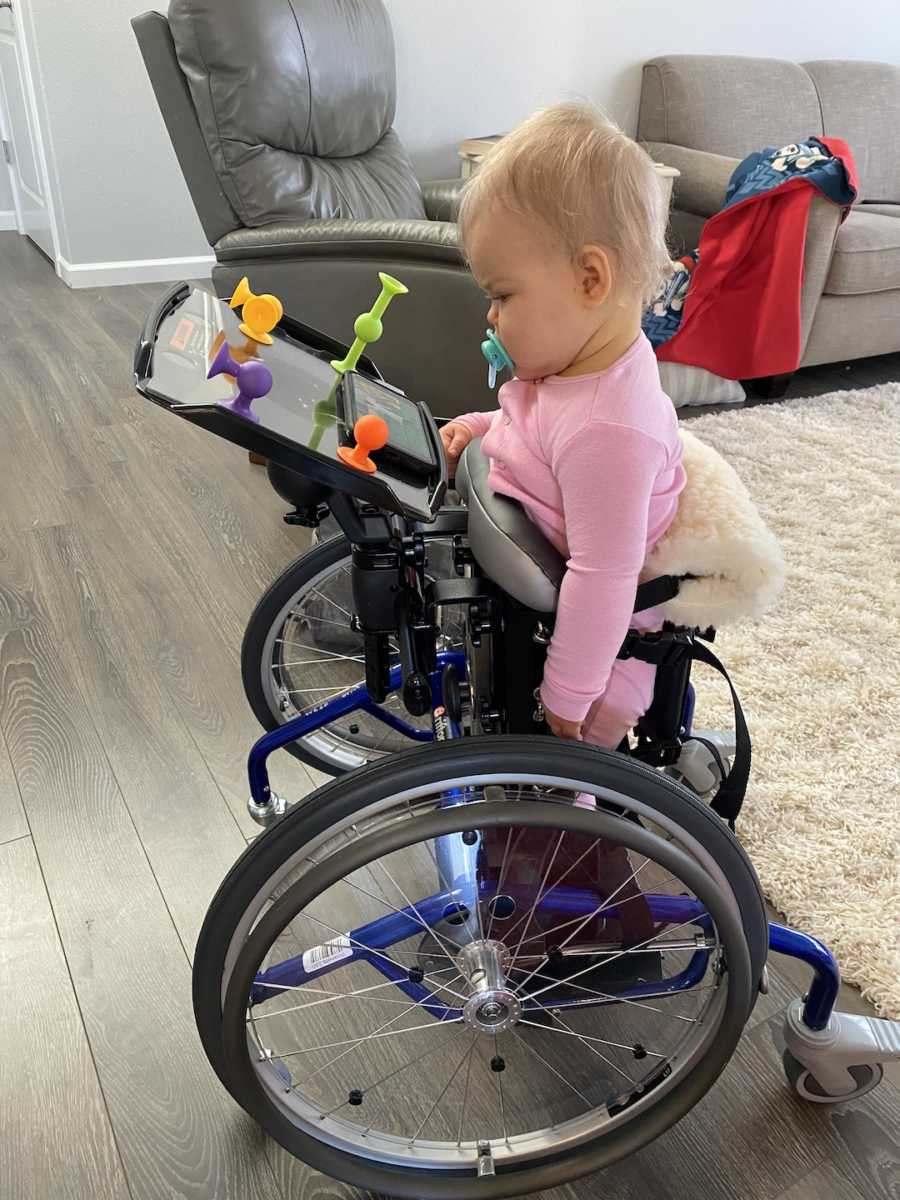
Juniper will chart her own path. She doesn’t fit neatly into boxes, and she doesn’t let limitations define her. As a parent, I am often asked what she cannot do: she doesn’t crawl, doesn’t walk, isn’t verbal, doesn’t respond to her name. But if I focus only on her deficits, I would miss her laughter, her love of food, her joy in dancing with her dad, her playful grabbing of my face, her fascination with sparkly accessories, her delight in life’s small moments. This is her “sparkle,” her light.
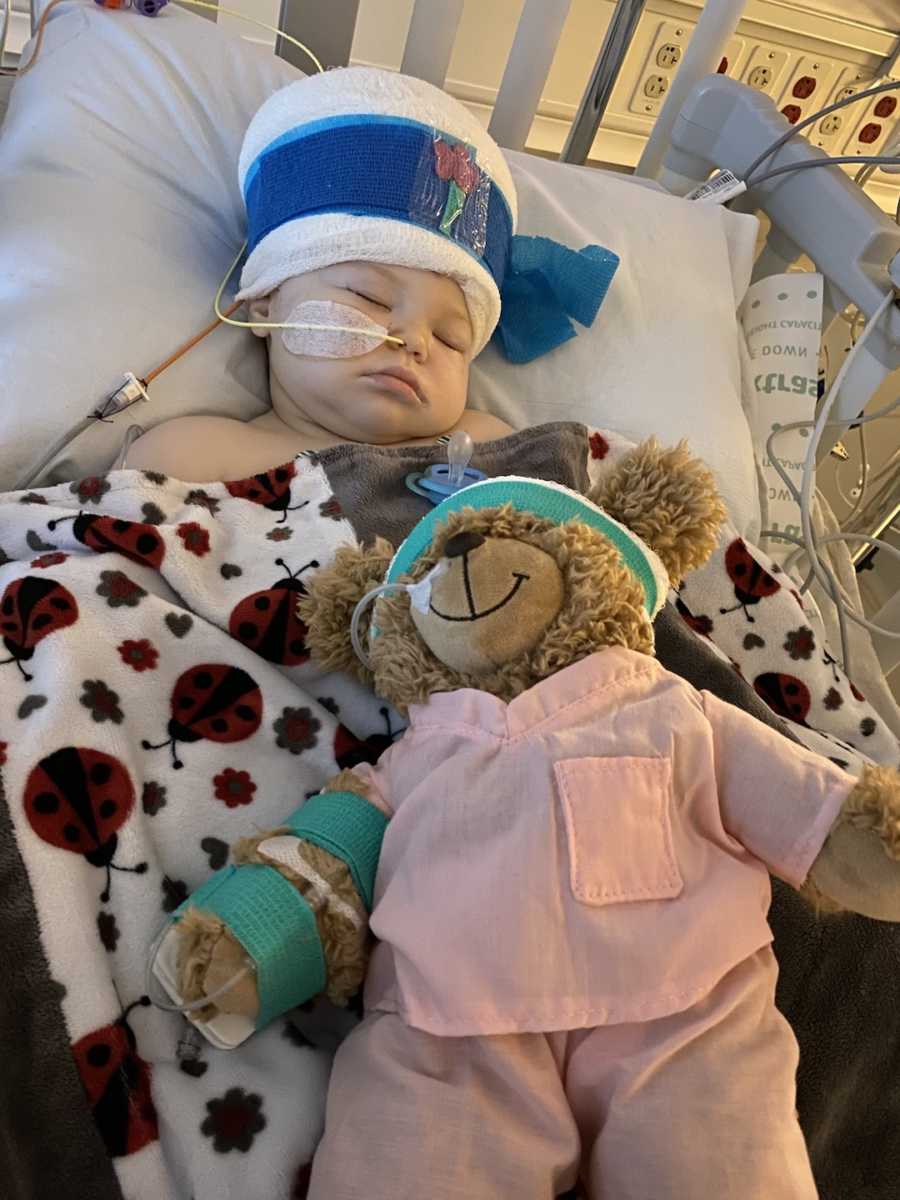
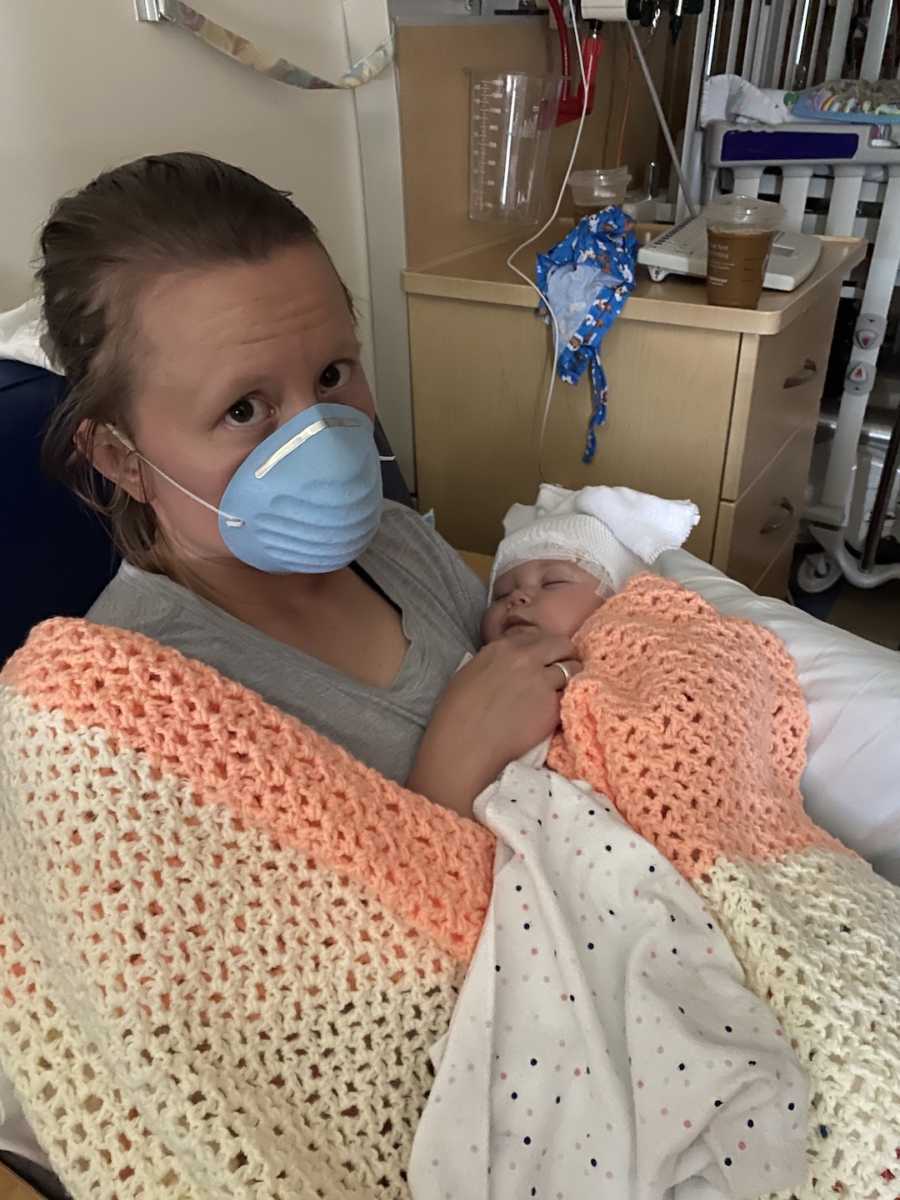
Yes, Juniper has epilepsy. She has half a brain. She has permanent disabilities. Her life will be different than I imagined. But different doesn’t mean bad. Her life is full of love, laughter, and joy. She is rare. She is fierce. She is perfect. She is my heart. She is my joy. She is Juniper.