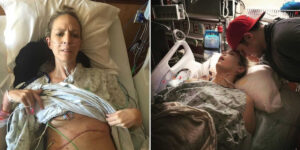
You never truly know how long it will take to become pregnant. That uncertainty exists for everyone—but for me, there was a time when I believed it might never happen at all. During my senior year playing college soccer, I stopped having a menstrual cycle, something that isn’t uncommon among female athletes. Later, while earning my nursing degree in 2008, I saw a specialist who told me my hormone levels were “possibly a little low,” but nothing to worry about since I wasn’t trying to have children at the time. I trusted that reassurance and moved forward with my life.
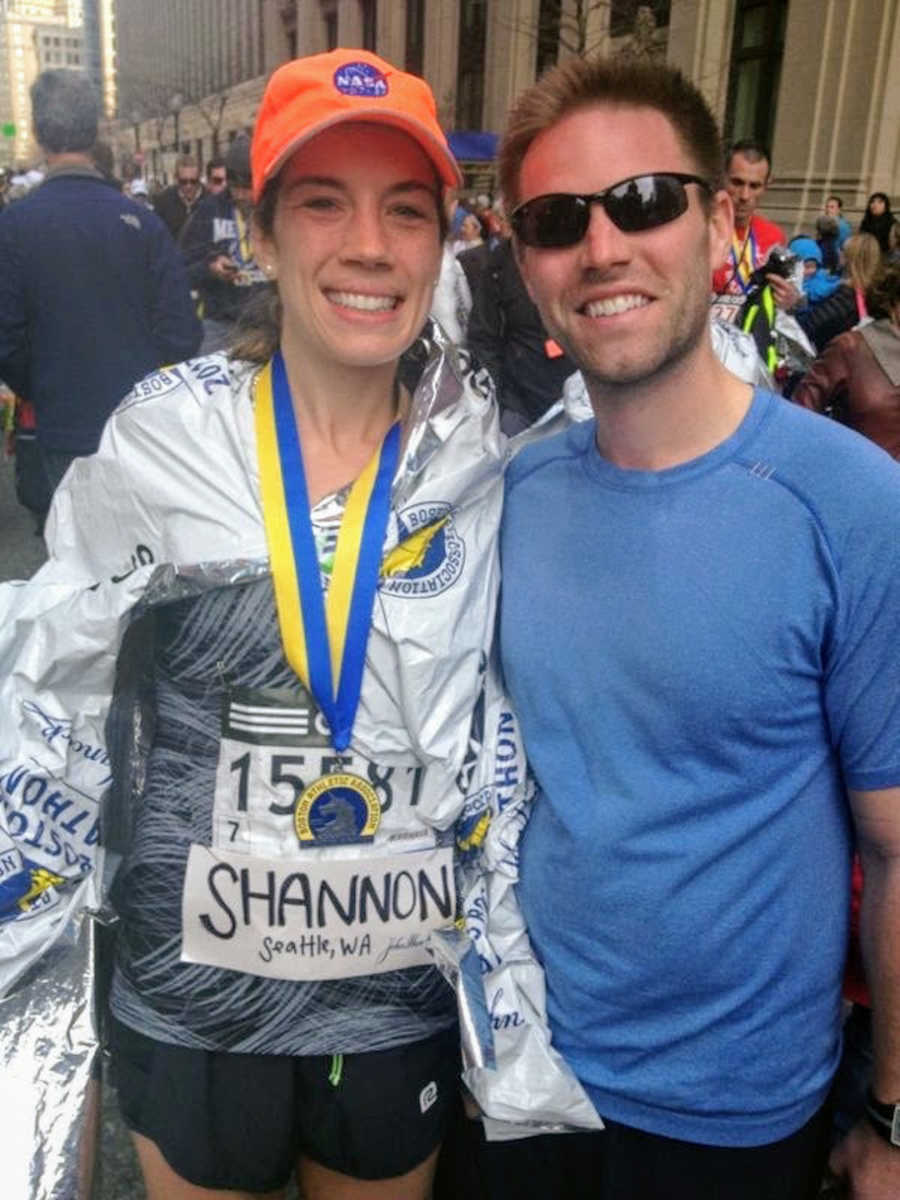
In 2013, my husband and I decided we were ready to grow our family. I was finishing training for the Boston Marathon, so my OBGYN suggested I complete the race, reduce my activity afterward, and give my body time to “normalize” to see if my cycles would return. Months passed, and they didn’t. Additional testing revealed my hormone levels were indeed low, and I was quickly referred to Seattle Reproductive Medicine. After further evaluation, I received a diagnosis that changed everything—hypogonadotropic hypogonadism. In simple terms, I don’t ovulate on my own. Fertility treatments were my only path to pregnancy. After two unsuccessful IUI attempts, we were told IVF was truly our only remaining option.
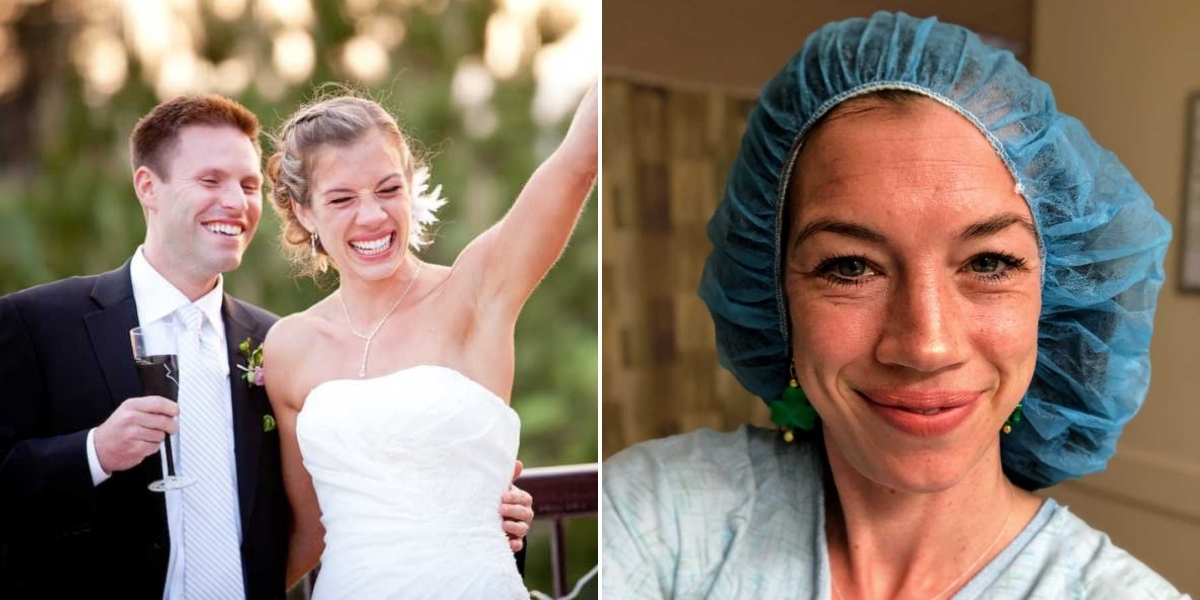
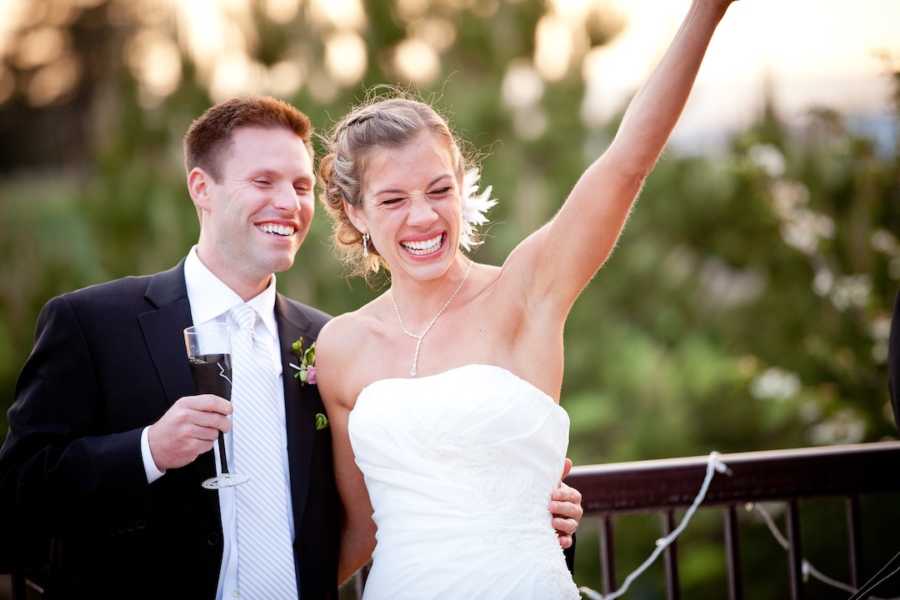
That night, my husband and I went home and talked everything through. But honestly, it wasn’t even much of a debate. We trusted the clinic, and our desire to become parents was overwhelming. We had discussed adoption as well—my youngest brother was adopted from Korea and is one of the greatest gifts to our family—but we decided to pursue IVF first. On January 4, 2014, I wrote in my journal during one of my darkest moments. I felt lost, alone, and uncertain I would ever carry a child:
I wrote about always knowing I was meant to be a mother, about imagining three or four children filling our three-bedroom home. I reflected on how, growing up, pregnancy always seemed easy—accidental even—for so many people. It never occurred to me that it could be so difficult. I learned that one in eight couples struggle with infertility, and that many insurance companies in the U.S. don’t cover fertility treatments at all.
The financial reality was staggering. Between office visits, medications costing thousands per cycle, ultrasounds, blood work, sperm analysis, and the average $13,000 cost of IVF, the burden was immense. While my insurance provided minimal coverage—just $500 toward testing—I knew many others weren’t even that fortunate. Infertility treatment has become a privilege, and that realization weighed heavily on me. Though I was grateful we could move forward, I carried deep guilt knowing so many others couldn’t.
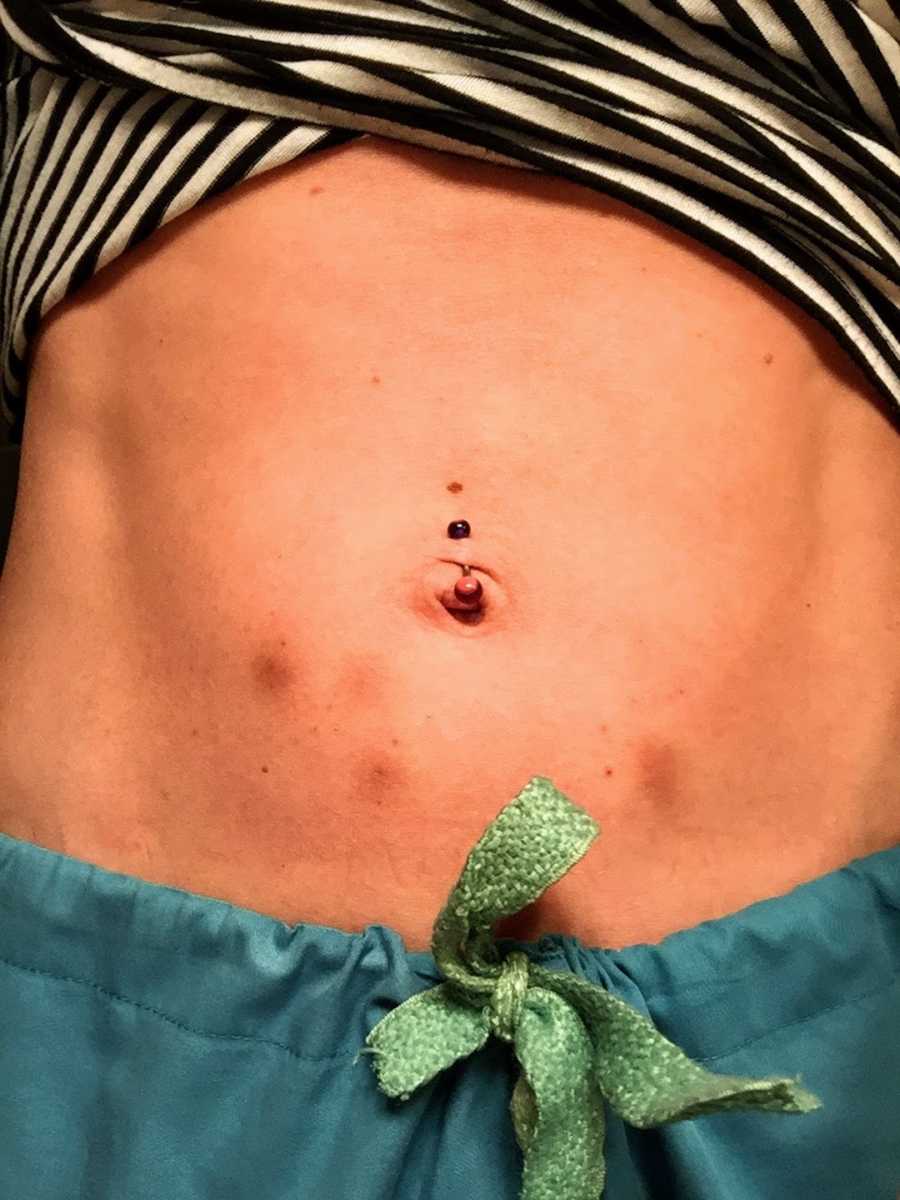
That guilt extended in many directions, especially toward my husband. He is the most incredible man and would make—and did make—the most amazing father. I felt guilty that when he married me, he never imagined this would be our struggle. Yet he never once blamed me. He held me through tears, believed in hope when I couldn’t, and carried strength for both of us when mine was gone.
Infertility brought countless stressors I never anticipated. I didn’t know I would cry without warning or give myself injections in my abdomen for days on end. I hadn’t imagined the mental toll—constant worry about hormone levels, exercise, food, follicle growth, egg retrieval numbers, and the fear that we might never become pregnant. I wondered endlessly if I had caused this through years of intense training or pushing my body too hard.
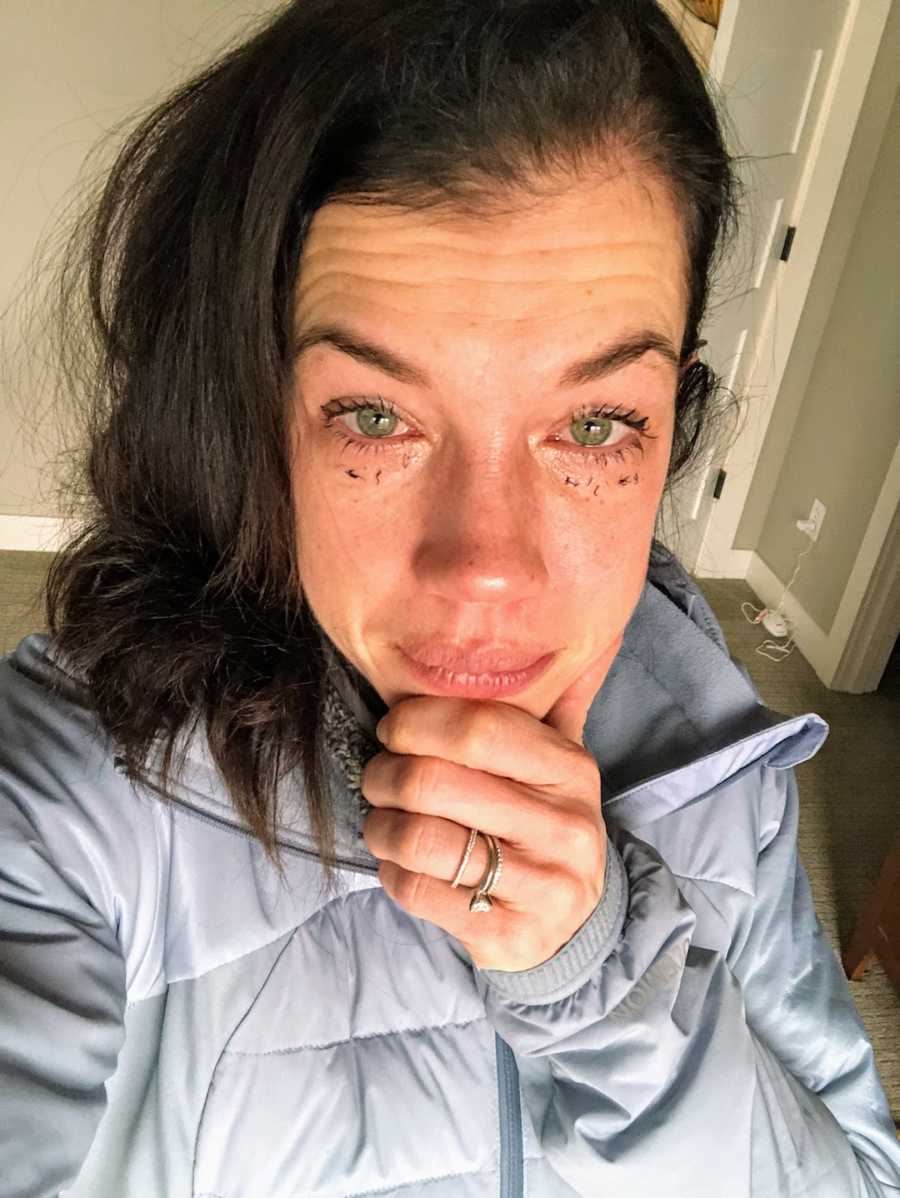
I also didn’t know how deeply I would long for pregnancy—how grateful I would be to feel nauseated or exhausted if it meant I was carrying a child. Even now, as a mother of five thanks to IVF, those emotions still resurface. My heart aches for those still waiting, still trying, still longing to become mothers. These feelings don’t disappear once you have children. When others experience failed IVF cycles, I grieve with them. I know that darkness.
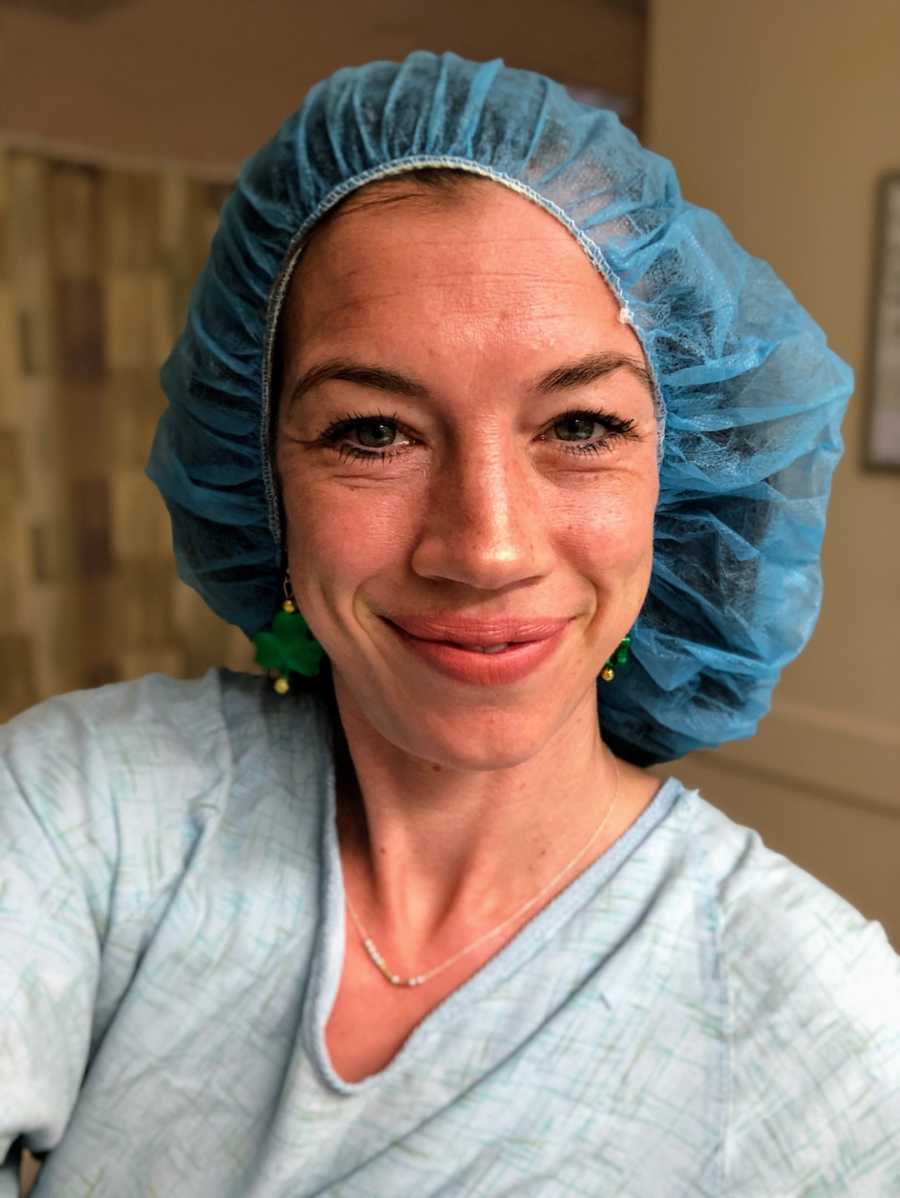
On April 3, 2014, while at work, I received a phone call I will never forget. I hesitated to answer—it was my fertility doctor, and just two months earlier she had called to tell me our embryos hadn’t implanted. That call had shattered me. But this time was different. She said, “Shannon, you’re pregnant. It worked.” Our miracle daughter, Brooklyn, was born on December 5, 2014.
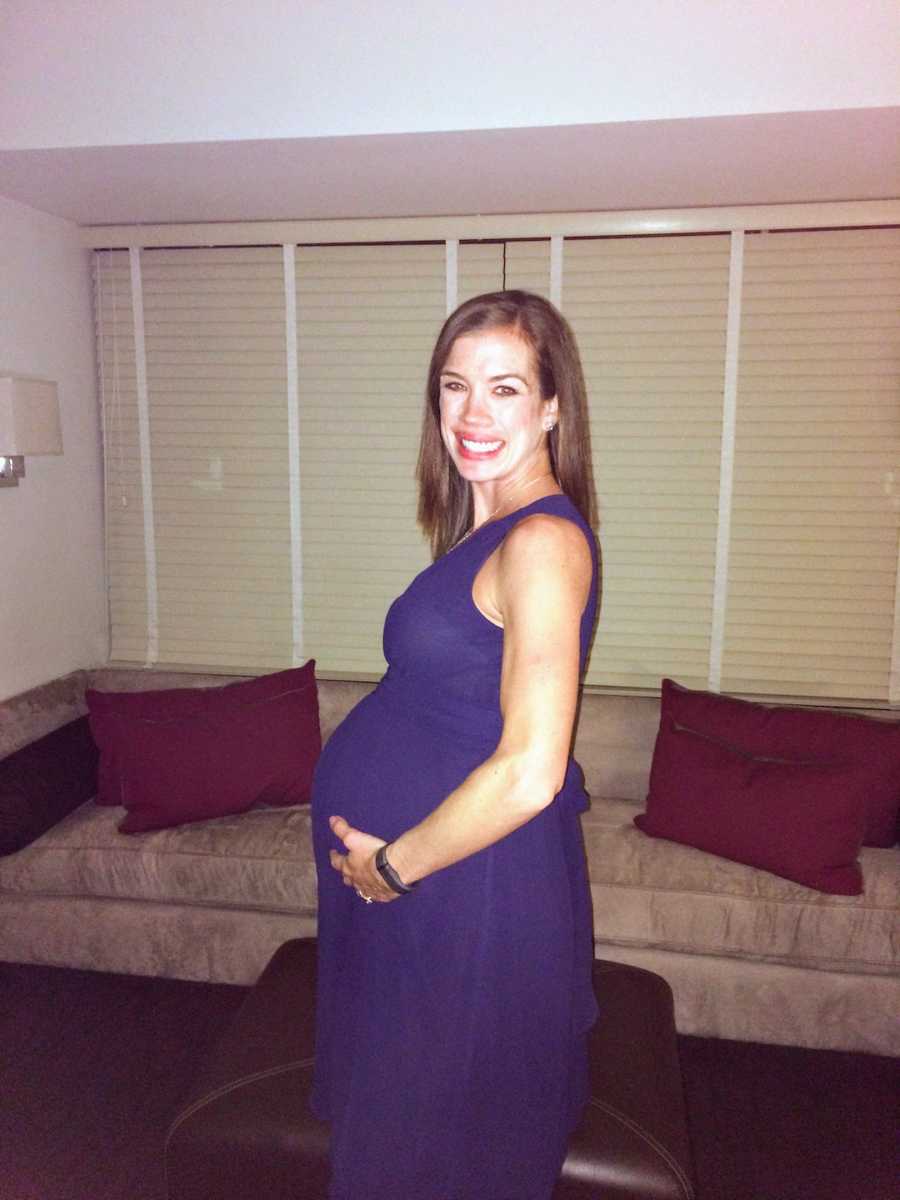
In the fall of 2015, we decided to try for another child. Even with gratitude for our first, the second IVF cycle came with fear and pain. My body responded poorly to the medications, and at one point, a nurse told me she had never seen such a response. I felt broken all over again. Still, my doctor trusted my body, and we continued. We transferred two frozen embryos, and on July 24, 2016, our sweet Jameson was born.
Soon after, I felt compelled to share my fertility journey publicly. Some family members worried about me sharing something so personal, but I knew in my heart I had to. Other people’s stories had helped pull me out of isolation, and I wanted to do the same for someone else.
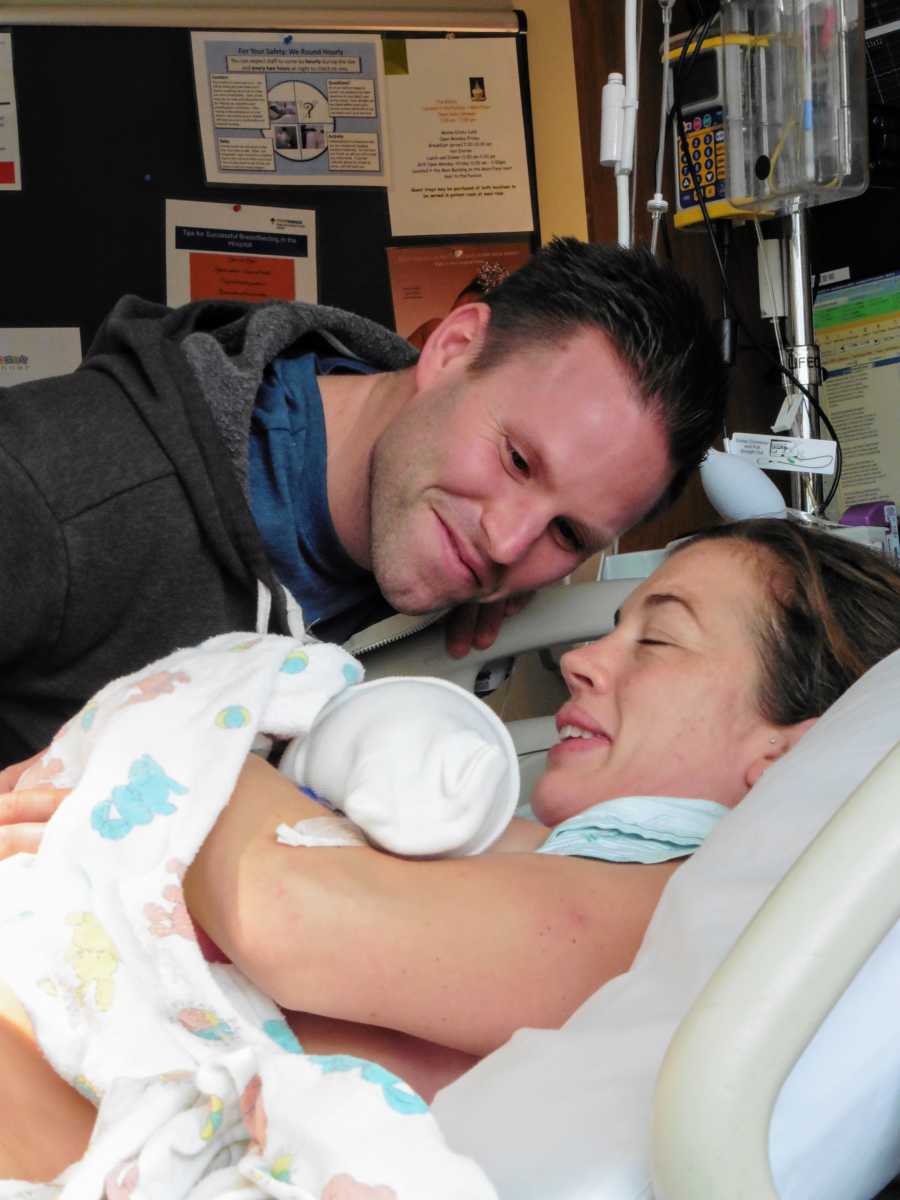
In March 2017, we decided to try again—this time with no frozen embryos remaining, meaning another full IVF cycle. The physical and emotional demands returned. During one visit, I broke down in tears in front of our nurse, Haley. Though I was deeply grateful for my two children, our vision for a larger family remained. Infertility doesn’t become easier just because you already have kids. It is still painful, exhausting, and anxiety-filled. Haley reminded me to hold onto cautious optimism.
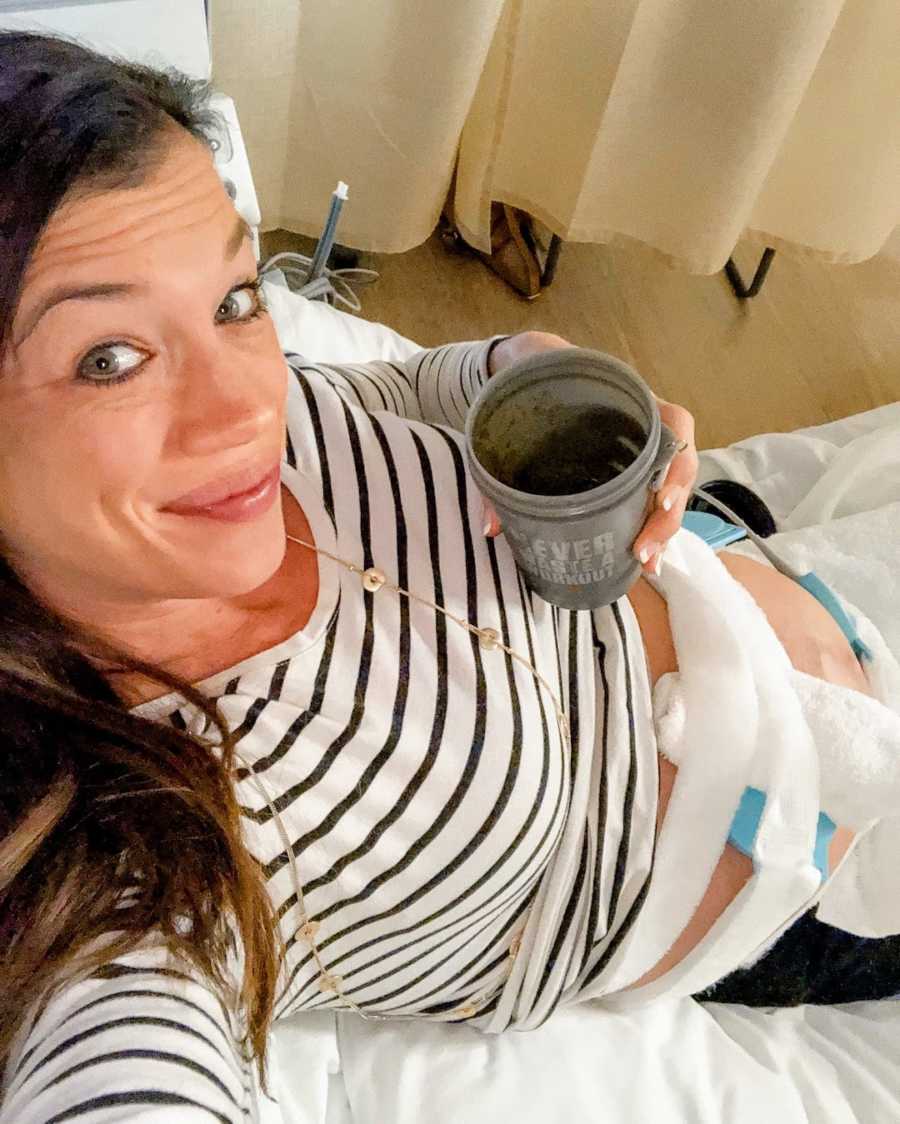
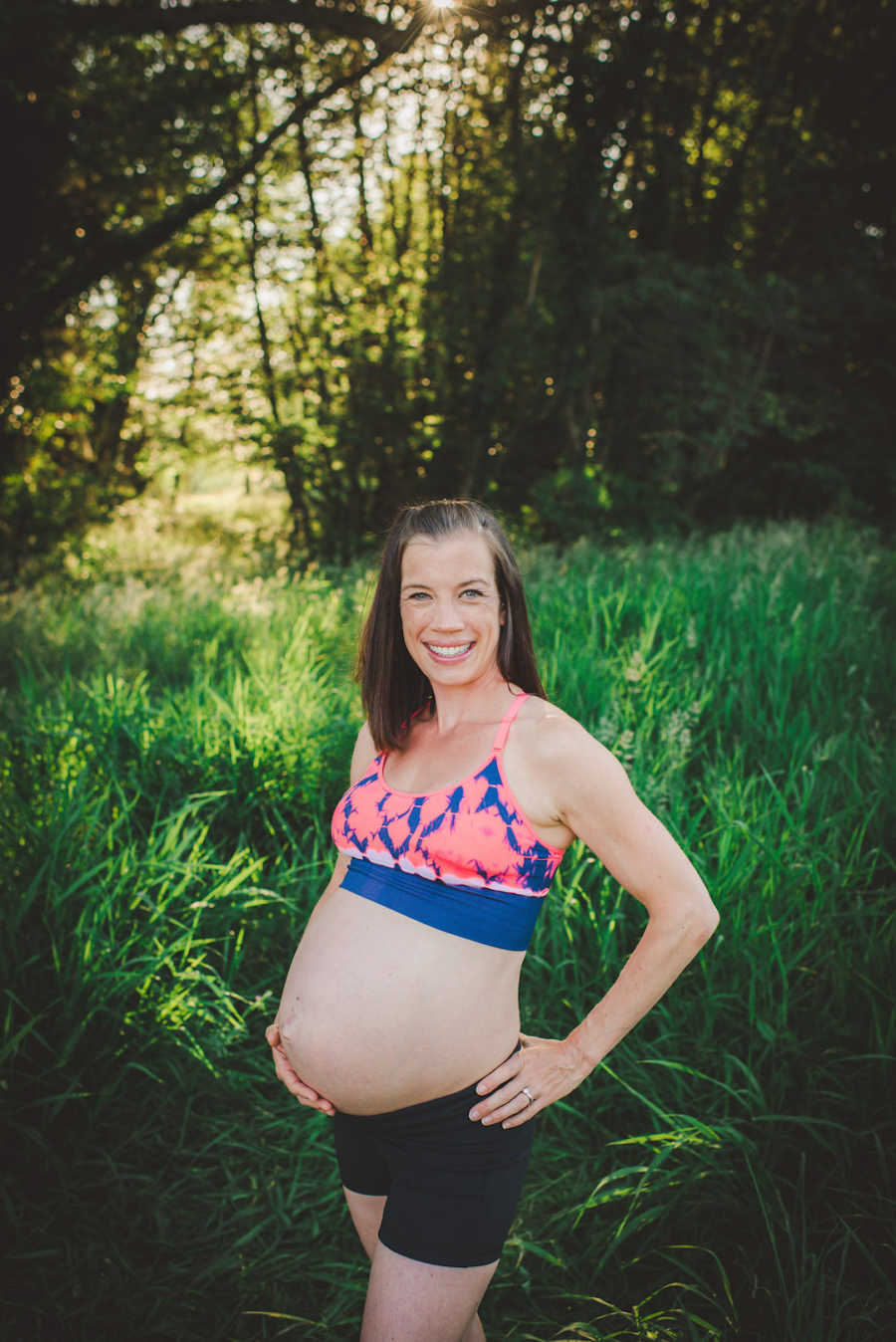
On February 10, 2018, we welcomed our third child, Madden. With no embryos left, we once again faced a decision. We’d always imagined three or four children—and we weren’t done yet. We chose to pursue a third and final IVF cycle. I had always felt twins would be part of our story.
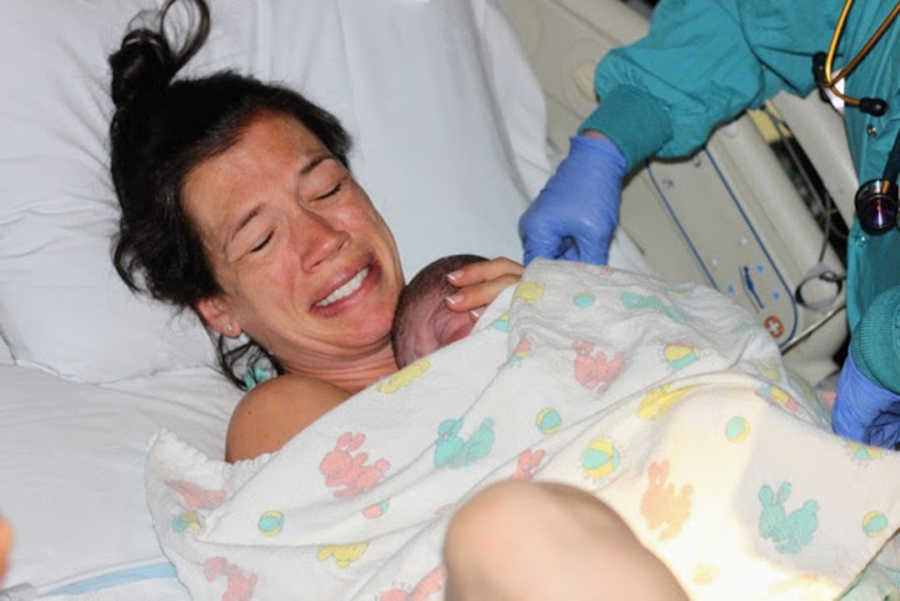
On April 9, 2019, that feeling became reality. Two embryos were transferred, and on November 14, 2019, our fraternal twins, Camden and Chloe, were born at 36 weeks and 4 days.
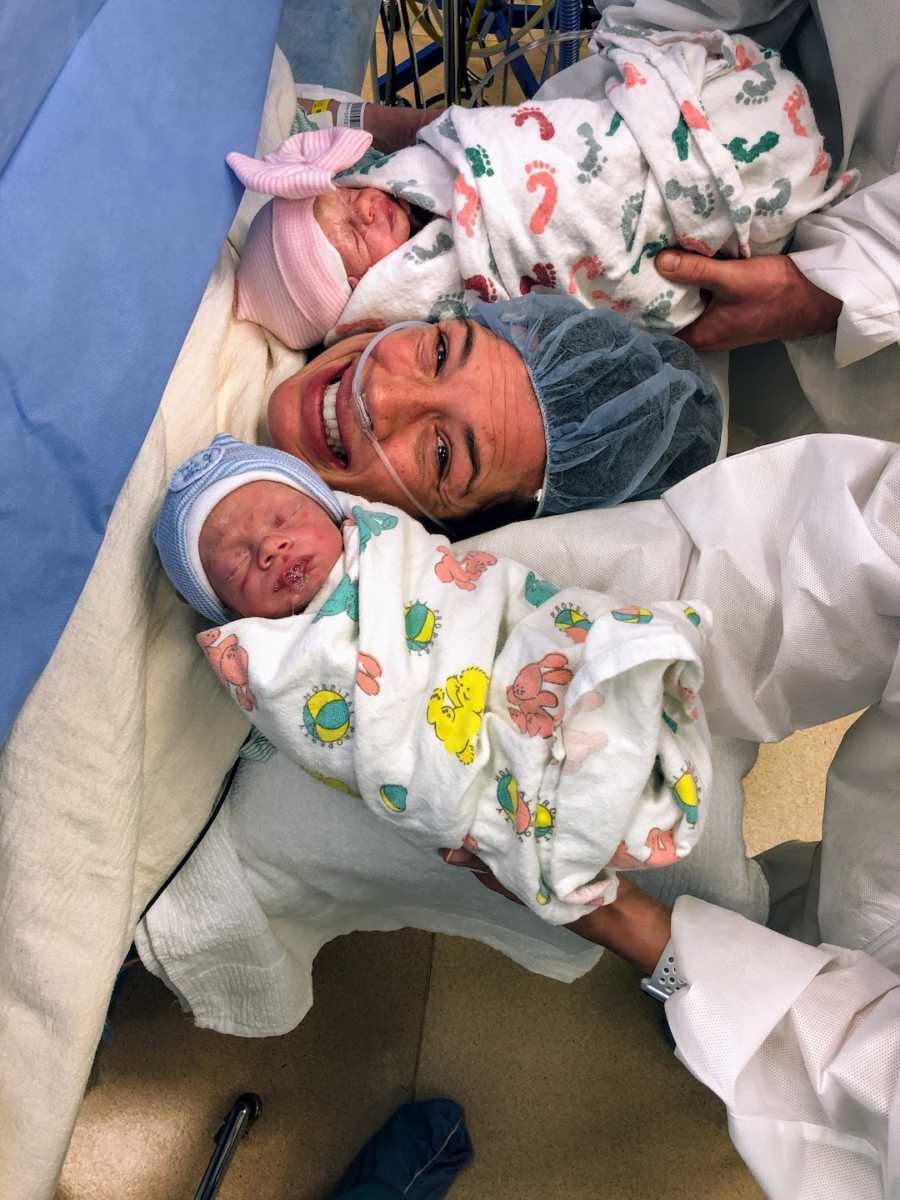
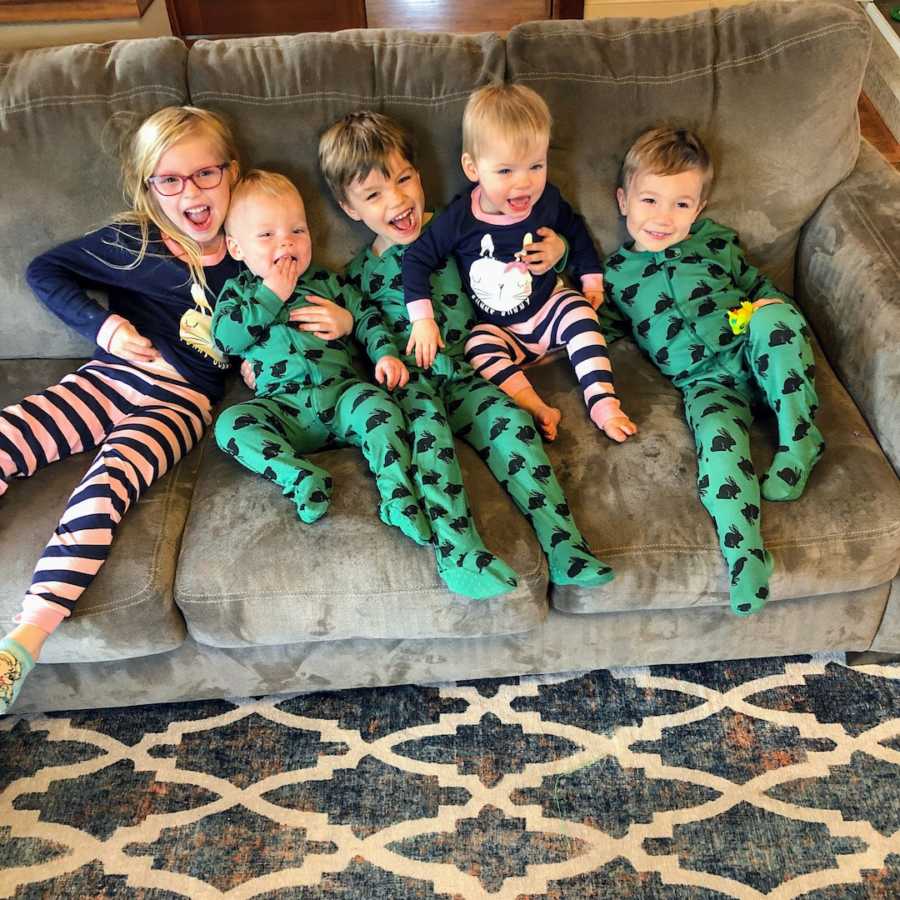
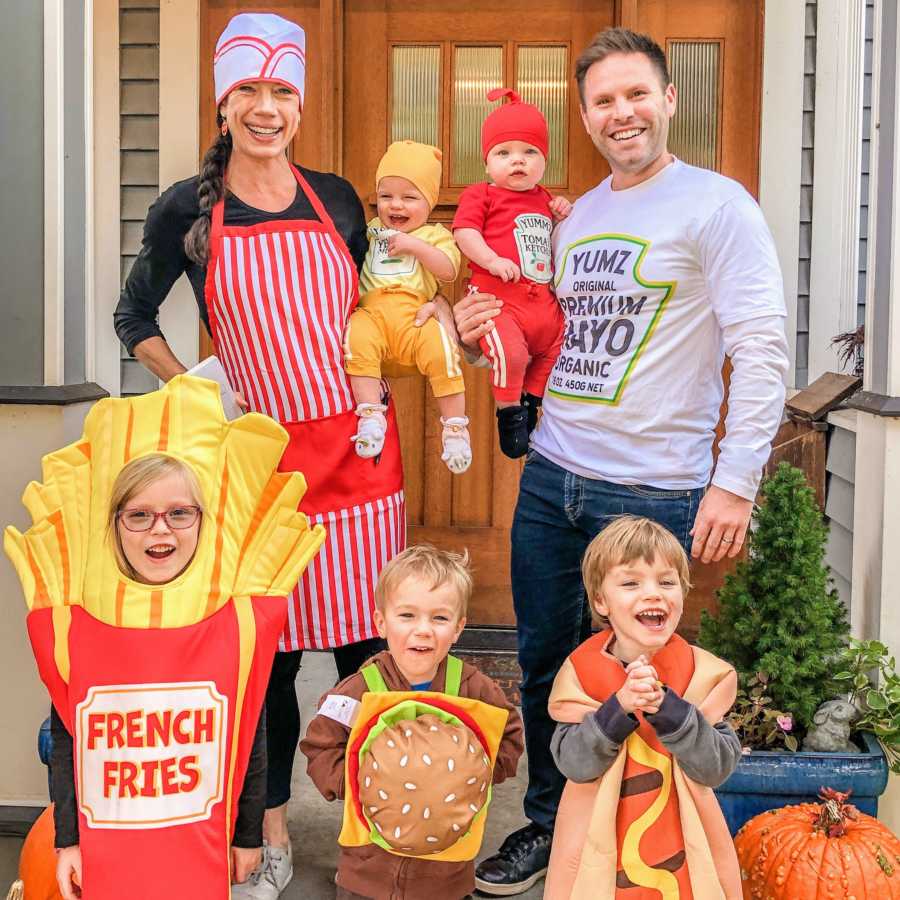
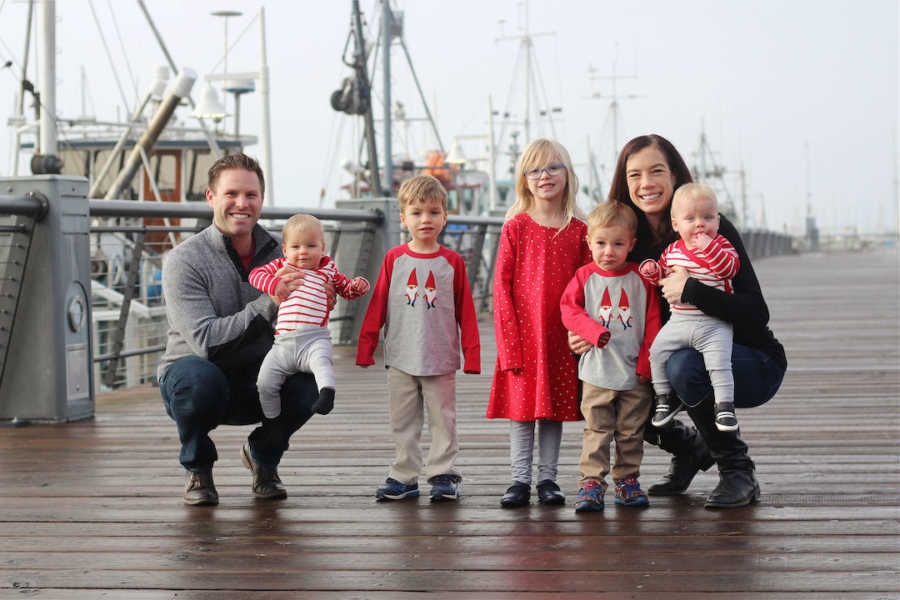
I share this story with humility and guilt, knowing how many are still struggling. Infertility shaped who I am. It taught me patience, gratitude, empathy, and hope. We are incredibly blessed—five children from eight embryos across three IVF cycles. We pray daily in gratitude and for those still waiting.
I share my story so you know you’re not alone. I have been there. I will cry with you, celebrate with you, and stand beside you—whether we know each other or not. My heart is always with you.