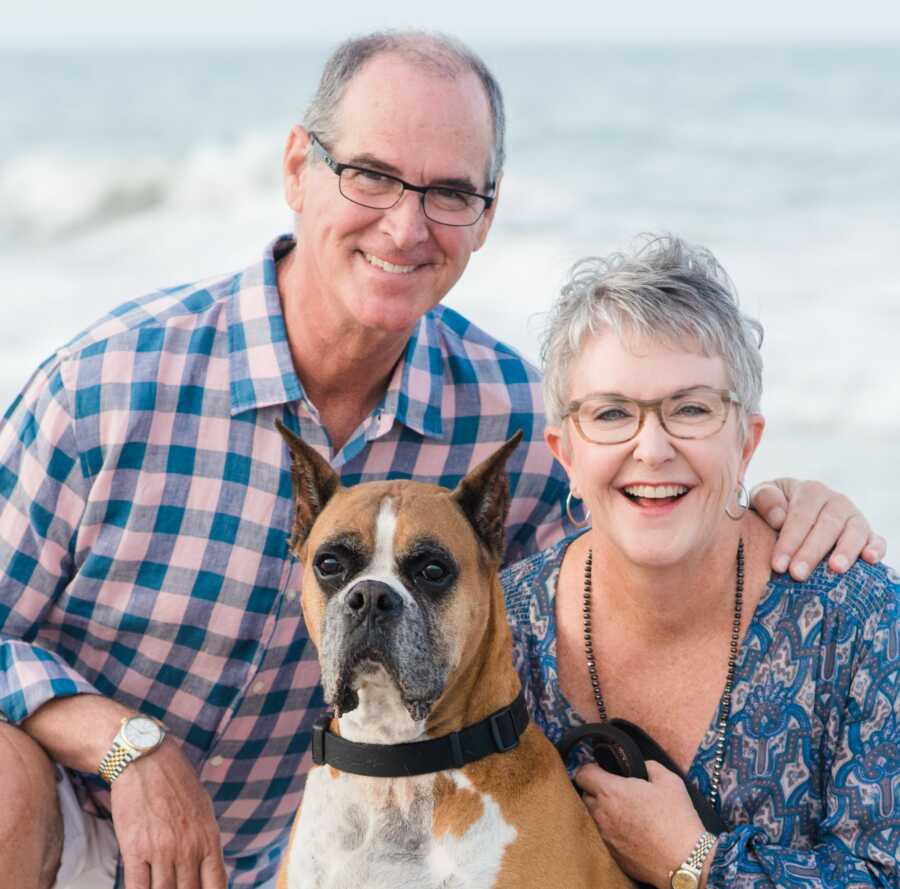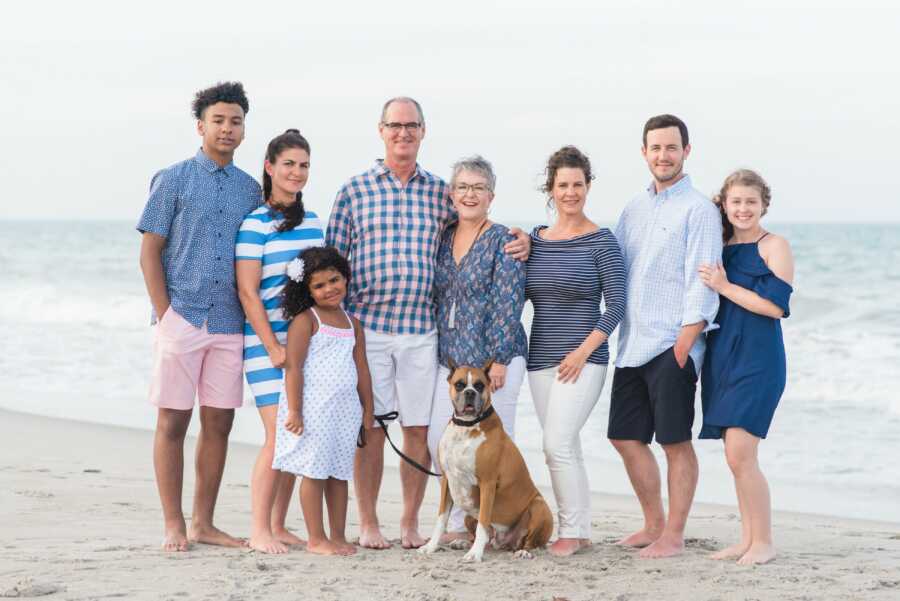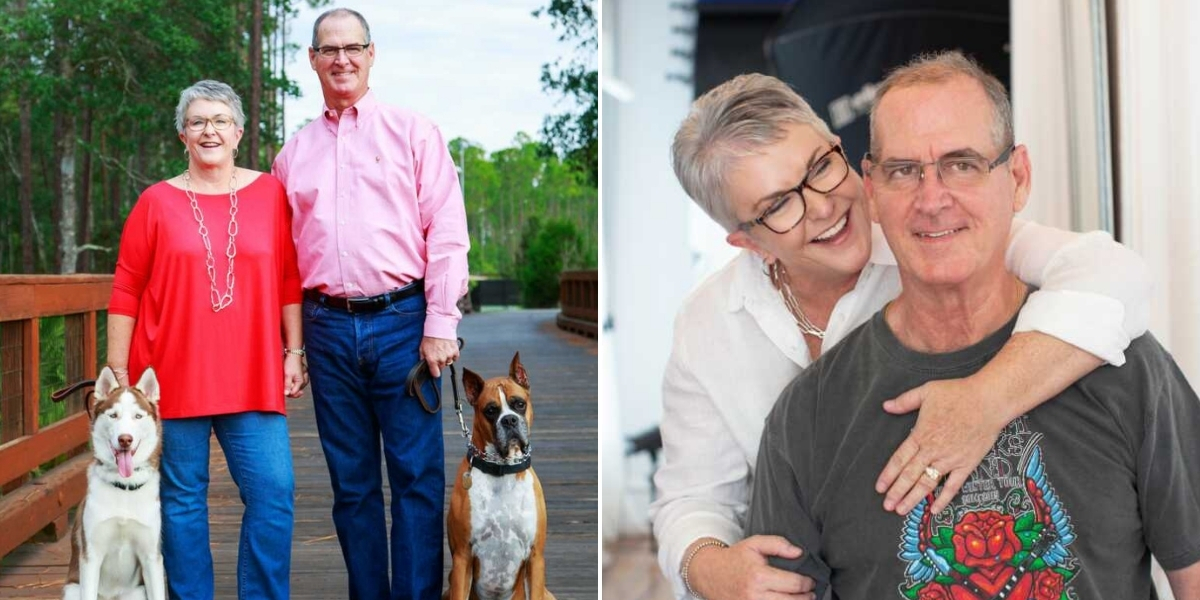
It was May 2013, and I was sitting at my desk when I got a call from Steve. As a traveling salesman, he called me often while on the road to check in and give updates about his trips. But this call felt different—I could hear it in his voice. He was scared. He was in Myrtle Beach, South Carolina, for a conference, had gone to check in at the hotel, and suddenly realized he was in the wrong city. The conference wasn’t in Myrtle Beach—it was in Charleston. In thirty years of traveling, Steve had never made a mistake like this before. And hearing the fear in his voice—it scared me too.
I had noticed moments of confusion creeping into his everyday life before and had even asked him about it. “Are you confused? You seem confused,” I’d said a couple of times. Each time, he admitted, quietly, “Yes, I’m confused.” But this was different. That day, we worked together to get him to the right hotel and ensure he could do the work he came to do. It seemed like a simple problem to solve, but unknowingly, that moment would change our lives forever.

We made an appointment at the Mayo Clinic, and at age 59, Steve was diagnosed with Mild Cognitive Impairment. He began taking Aricept, hoping it might buy us some time. In 2016, we joined a clinical trial for an experimental drug, traveling monthly to Mayo for infusions.
About a year later, I mentioned to Steve’s doctor, almost in passing, that Steve had been placed on 90-day probation at work. He was frustrated—it was the first time in his thirty-year career this had happened. Without hesitation, his doctor said it was time for Steve to retire and go on disability. That was the day he used the word “Alzheimer’s” for the first time. I remember sitting there, stunned. Steve had never heard it before, and the weight of it hit us both like a tidal wave. That was our lowest moment, and I’ll never forget how raw and overwhelming it felt. We cried together, then went to my sister’s house, where she and her husband cried with us. That day, it became real—my husband had Alzheimer’s, and he could no longer work.
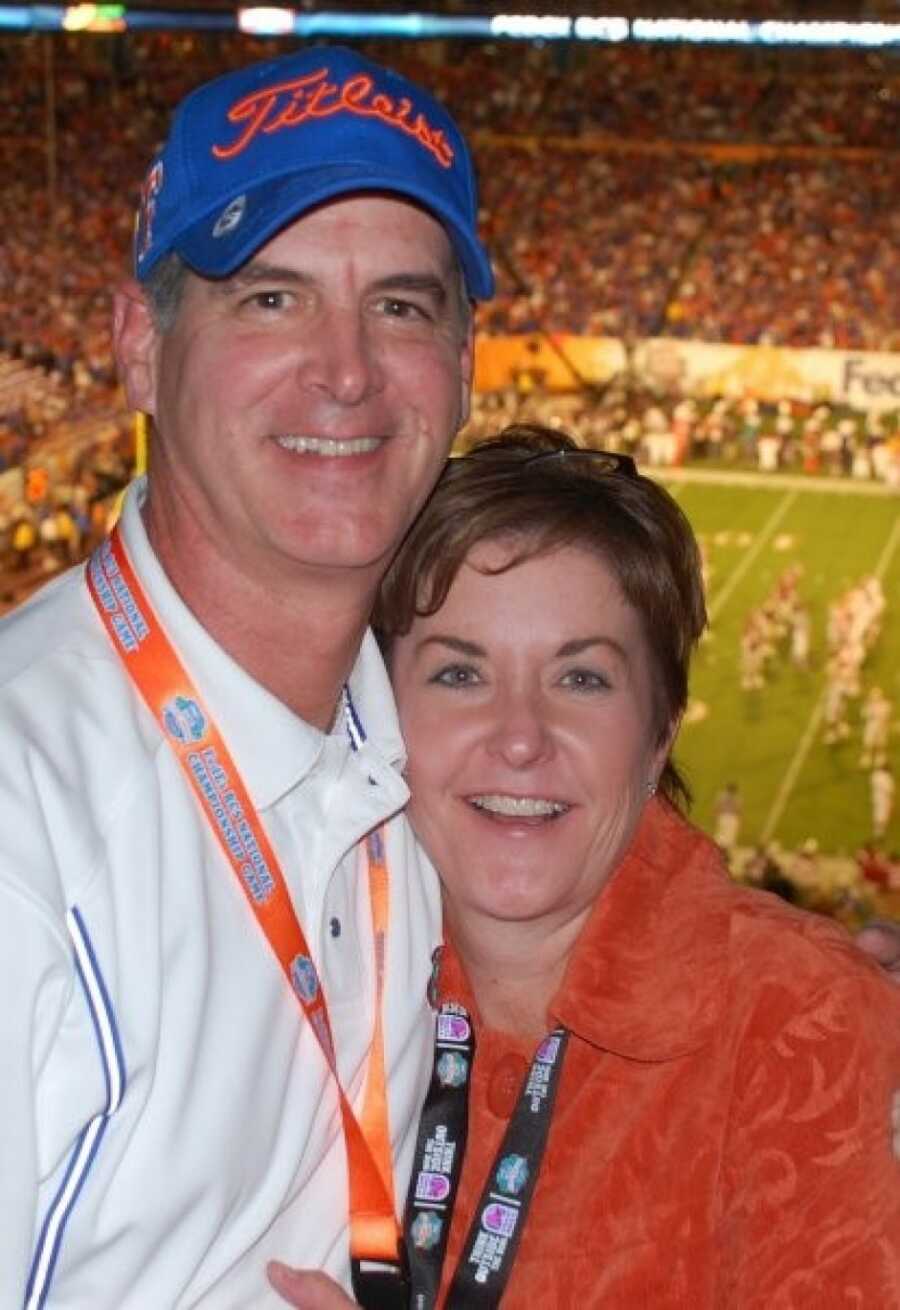
At first, retirement suited him. Steve enjoyed golfing, relaxing after decades on the road, and being home. He was independent for a while, but over time, the slow decline became clear. In 2016, I began working from home so I could be with him. By 2018, I could no longer leave him alone. In 2019, I hired full-time help and moved my office out of the house, thinking that would solve the problem. But when I came home, he was angry—he’d been isolated in the house all day, engaging in “exit seeking” behavior, and we had to install deadbolts to keep him safe. Even with an aide there, the days were long and frustrating for him.
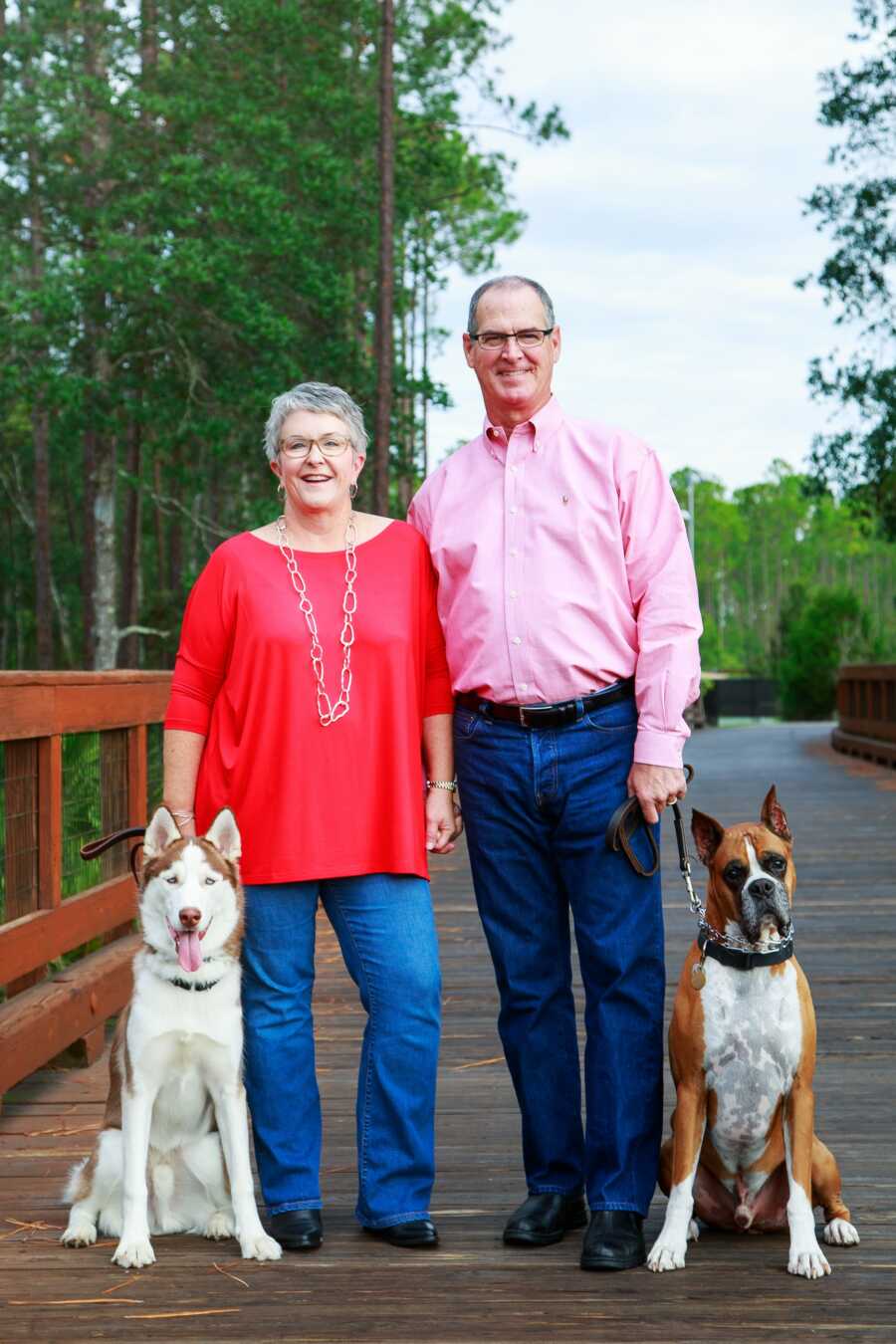
After three months, I made the hardest decision of my life: placing him in a memory care center. It was terrifying. Was it too soon? Should I have tried harder at home? What if he hated it and hated me for it? Questions like these kept me awake at night. But Steve, always the social butterfly and natural people-person, thrived there. He made friends easily and loved being surrounded by staff and other residents. He had a special spot at the front desk, greeting everyone who came in. I visited every evening, got him ready for bed, and we ended each day lying in bed, watching TV, and enjoying our time together.
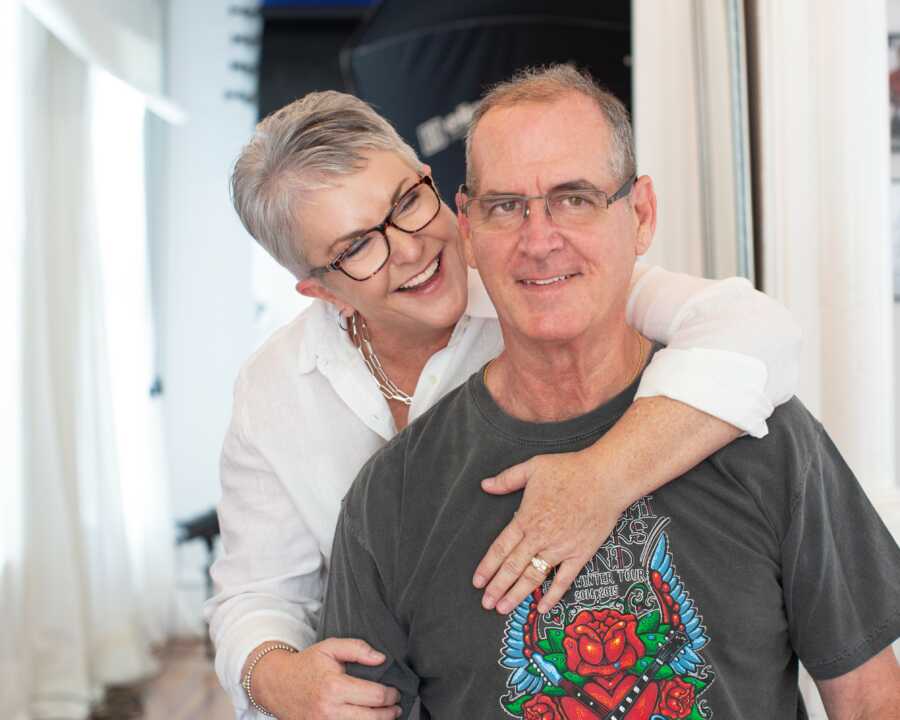
Then, in March 2020, COVID hit. On March 10th, I visited him as usual. The next day, the center called and told me I could no longer see him. Panic set in. I called the director, begging for a solution—volunteer, work, anything. They said, “Let’s see what happens; this is new.” We thought the restrictions would last just 15 days, but those days stretched into weeks and months. I became increasingly vocal, emailing the governor, local politicians, tagging them on social media, contacting friends who might have influence. My mantra became: There has to be a better way! We isolated residents to protect them—but the isolation was killing them.
By mid-June, a local news station began covering the story. Weeks later, out of the blue, I received a call from Steve’s facility’s corporate office. They offered me a part-time job if I still wanted it. I asked what the position was. “Dishwasher,” they said. I didn’t hesitate: dishwashing it was.
On July 3rd, after a drug test, fingerprinting, COVID test, and twenty hours of online training, I worked my first shift as a dishwasher. And that evening, after 114 days, I walked into Steve’s room. My heart pounded—I feared he might not remember me. When he turned to face me, the first thing he said was, “Mary.” He remembered me. I wasn’t too late.
Our reunion went viral. Every major network covered it, from NPR to Inside Edition. TikTok videos reached over 1.4 million views. We even had interviews with Steve Harvey and a two-page feature in People magazine. After that, I worked as a dishwasher two days a week, which allowed me to spend the rest of my time with Steve. We returned to our evening routine: getting him ready for bed, lying together, watching TV, and cherishing the quiet moments.
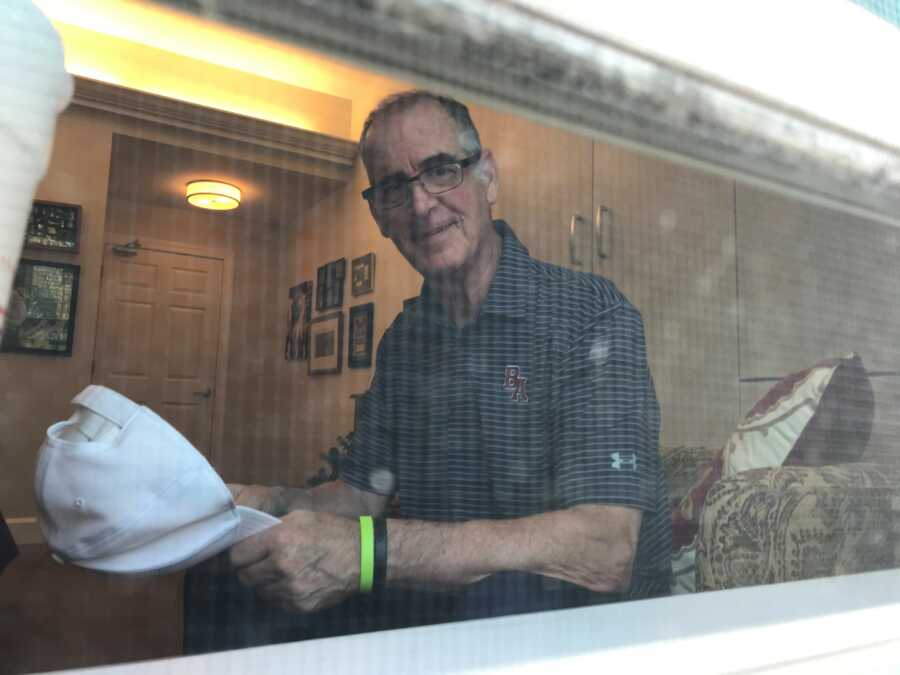
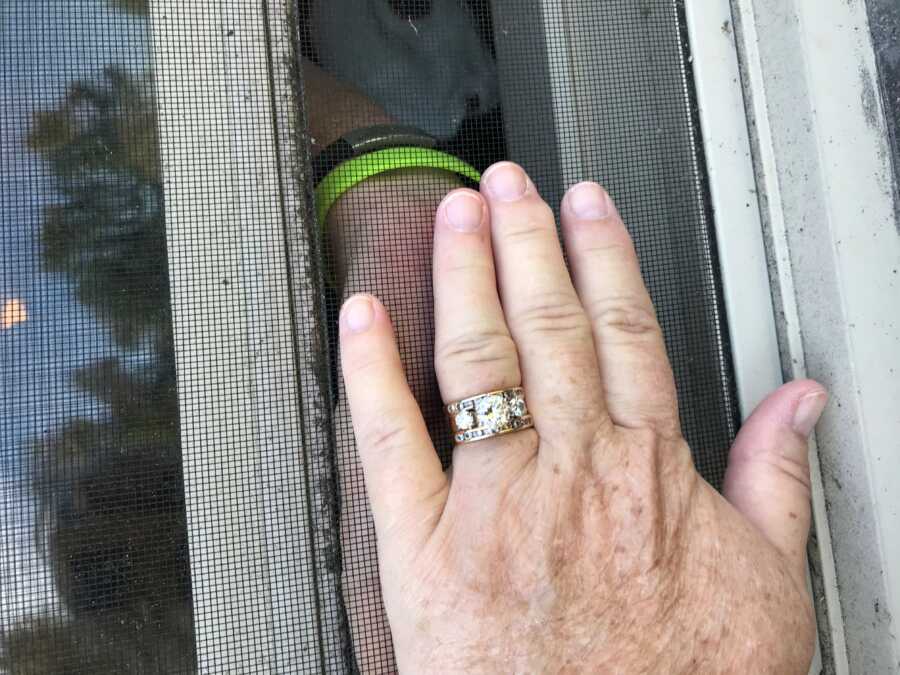
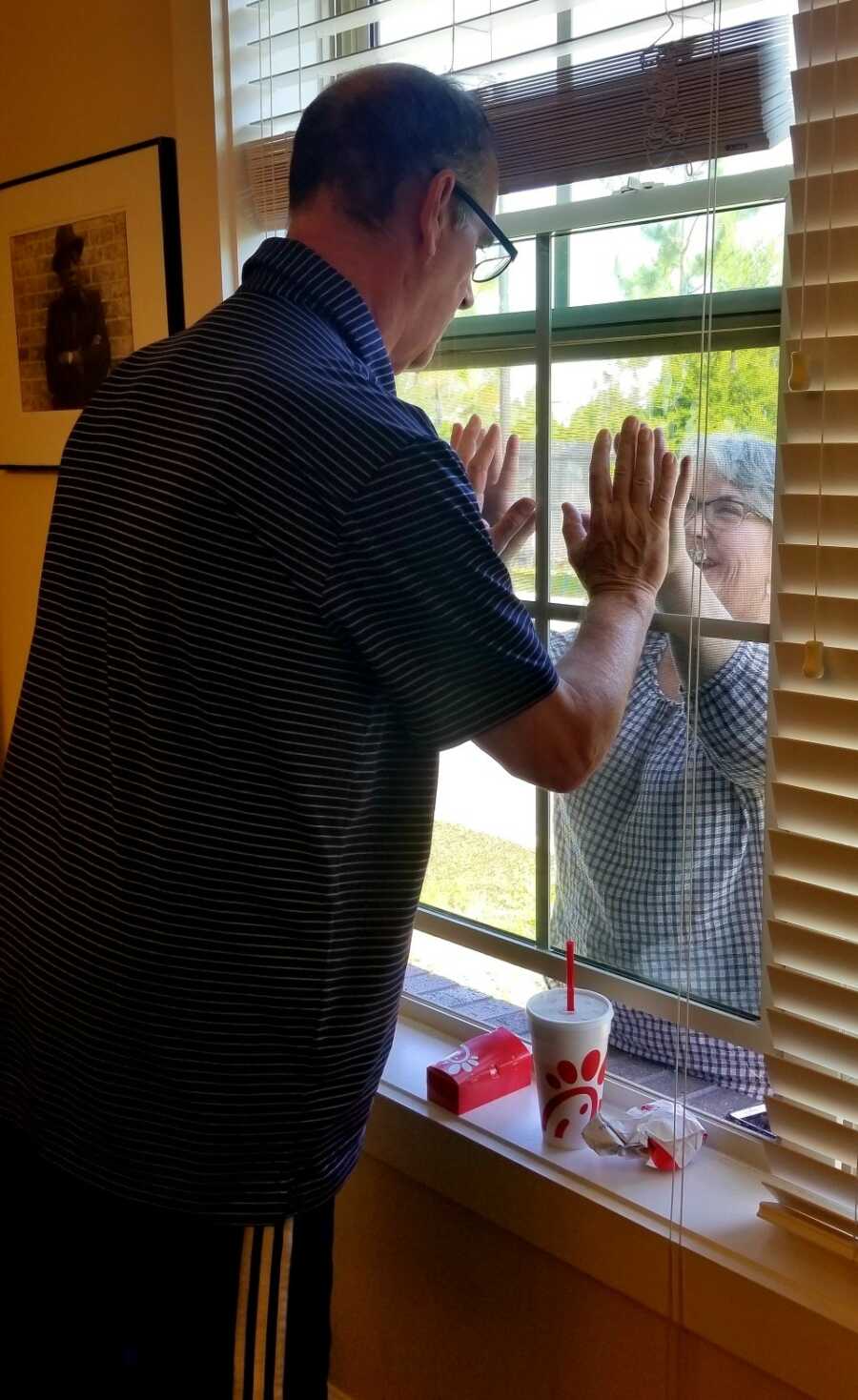
Through our story, I realized countless caregivers across the country were trapped in similar helplessness. I founded Caregivers for Compromise, a Facebook group now with over 14,000 members, providing support, advocacy, and community for those separated from their loved ones. Our advocacy caught the attention of Governor DeSantis, and I was appointed to the Florida Task Force on the Safe and Limited Re-opening of Long-Term Care Facilities. Our efforts led to the creation of the “essential caregiver” designation, allowing safe, meaningful contact with loved ones once again.
On the day Steve was diagnosed, I promised him I would be by his side every day, holding his hand through this journey. For 114 days, I could not. But I reached him in time, and together, we’ve fought not just for him, but for thousands of others who deserve the same dignity and connection. Our fight continues until the federal and state Essential Caregiver bills pass, ensuring that isolation can never again steal precious time from families.