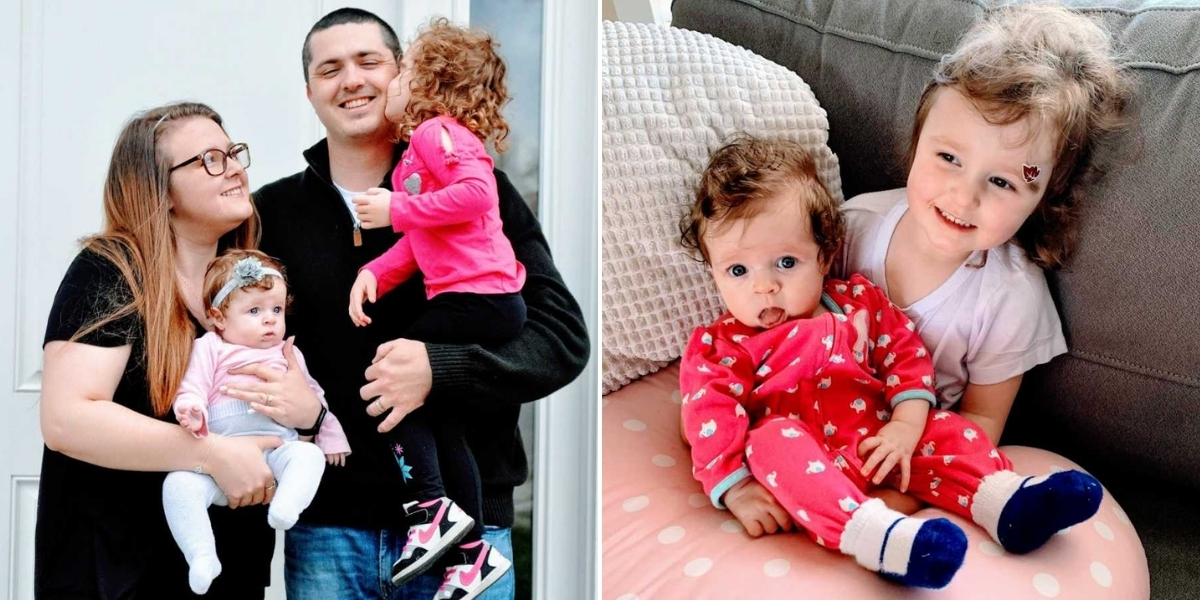
My husband, Kyle, and I met and fell in love in Salt Lake City while attending college. We married, and not long after, our first daughter, Aurie, was born in 2017. Our family felt complete, and life was full of joy. Two years later, in the fall of 2019, we welcomed our second daughter, Andie—just months before COVID would change the world.
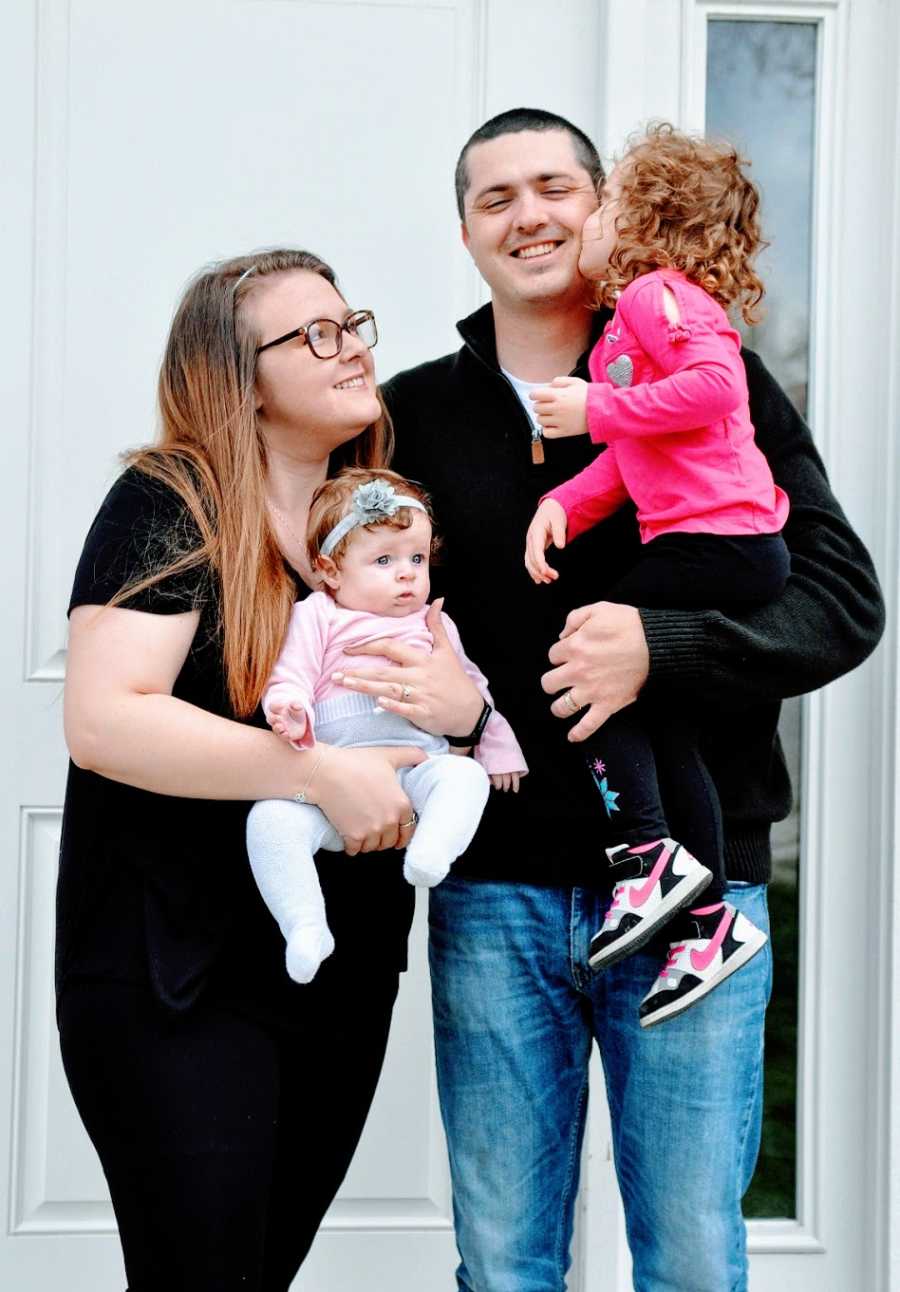
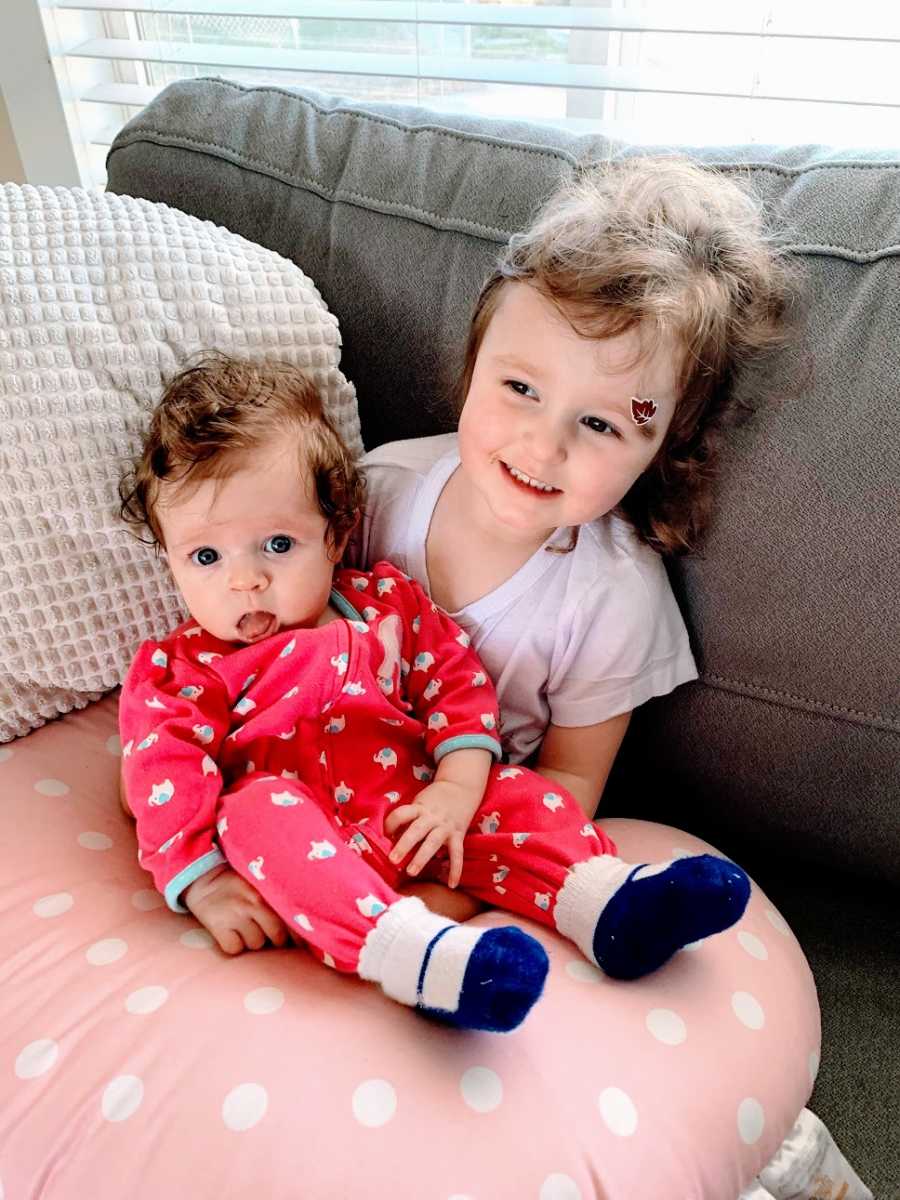
From the very beginning, our daughters shared a bond that was impossible to miss. Aurie was always asking to hold her baby sister, carefully trying to swaddle her and carrying her around while watching her favorite shows. Their connection was beautiful and heartwarming—a perfect picture of sisterly love.
During Andie’s 4-month check-up, the pediatrician noted she was on the smaller side but otherwise healthy. The next morning, Kyle had woken up early with Andie to let me sleep in. That morning, everything changed.
I woke to Kyle standing at my bedside, holding our daughter. “Lexie! I’m not sure what’s happening, but Andie is acting strange. Will you look at her?” At first, I didn’t see it, but then I noticed Andie’s left arm and leg rhythmically jerking. Her eyes were open, fixed upward, and she seemed unaware of her surroundings.
Panicked, we FaceTimed my mom, who is a pediatric nurse. She immediately recognized the signs. “She’s having a seizure,” my mom said. “How long has it been?” When we told her three minutes, she instructed us: “Call 911—now.”
By the time EMS arrived, Andie’s convulsions had stopped. The paramedics thought it might be a febrile seizure, common in young children. But we noticed something alarming: the side of Andie’s small body that had been moving was now completely unresponsive.
Her pediatrician told us to go to the emergency room immediately. At the hospital, we waited, terrified. Something didn’t feel right, and when I called for help, we were rushed back. A team of doctors and nurses surrounded us. We learned Andie’s seizure hadn’t truly stopped—it had continued without the visible jerking. After an hour, they finally managed to stop it.

Tests and scans revealed a rare diagnosis: Dravet Syndrome, a lifelong genetic disorder that causes frequent, prolonged seizures. But seizures are just one part of it. Children with Dravet often face challenges with eating, sleeping, walking, and learning. They require early interventions like physical, occupational, and speech therapy. Kyle and I were devastated to learn that 1 in 5 children with Dravet don’t survive into adulthood.
In an instant, the vision of the future we had imagined was shattered. The months that followed were relentless: seizures, hospitalizations, countless medications, and procedures. We watched our baby endure more than many adults do in a lifetime, including one seizure lasting over five hours. She was sedated, intubated, and even transported by helicopter.
Although we loved living in the Rocky Mountains, we realized we couldn’t stay. The nearest Dravet specialist was more than 350 miles away. We moved to Houston, Texas, where my parents still live, giving us support and access to a world-renowned medical center.
We quickly learned that seizures come in many forms. Before Andie’s first episode, Kyle and I knew nothing about epilepsy. We thought seizures looked like what we’d seen in movies—full-body convulsions, eyes rolled back, foam at the mouth. Andie’s were different.
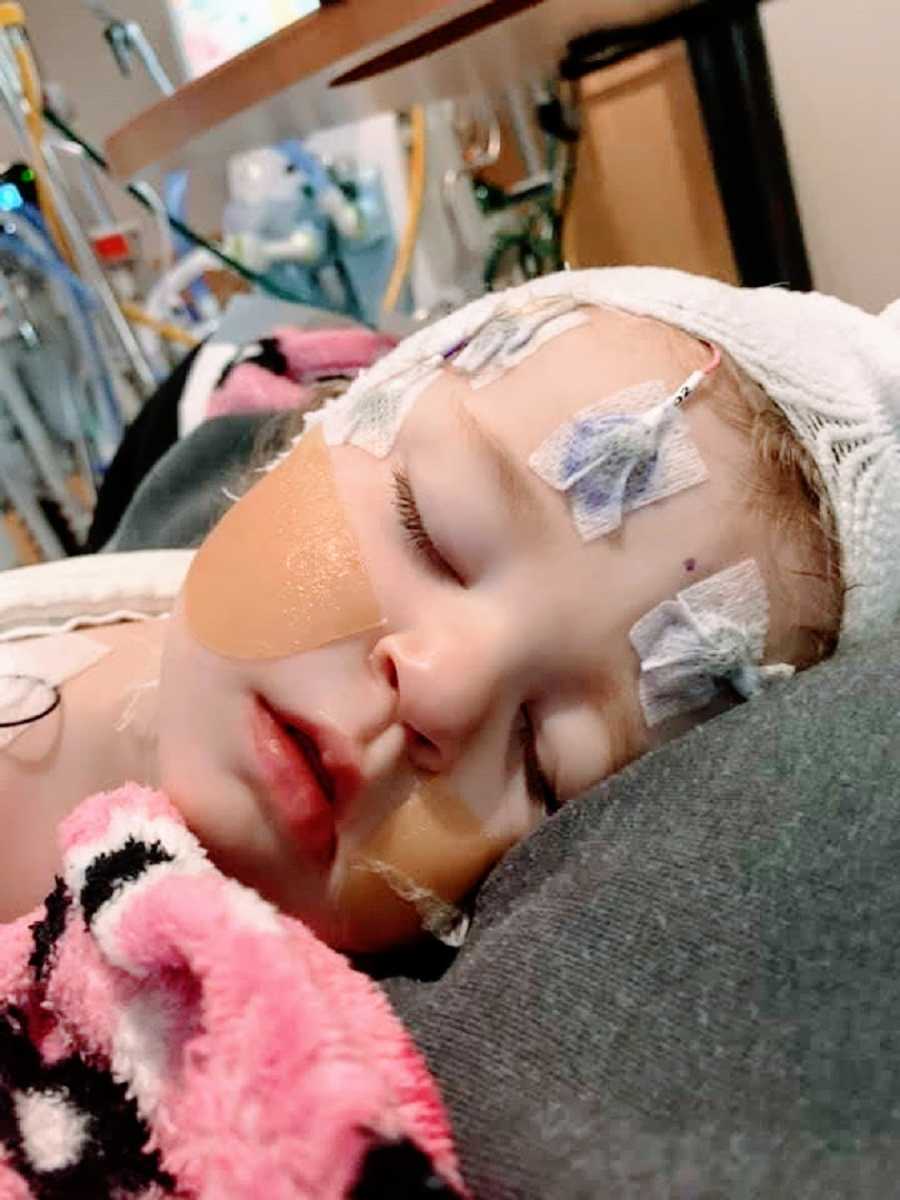
Her first seizure was hemiclonic, affecting one side of her body. She also experiences myoclonic seizures, brief moments where her head drops as if losing consciousness, and absence seizures, where she slowly falls and appears to stare into space. Each seizure is unpredictable, often happening when Kyle is at work.
In the beginning, I panicked every time. My hands would shake uncontrollably, and I often cried as I prepared medication and called 911. I realized my anxiety was affecting Aurie. I knew I needed to change.
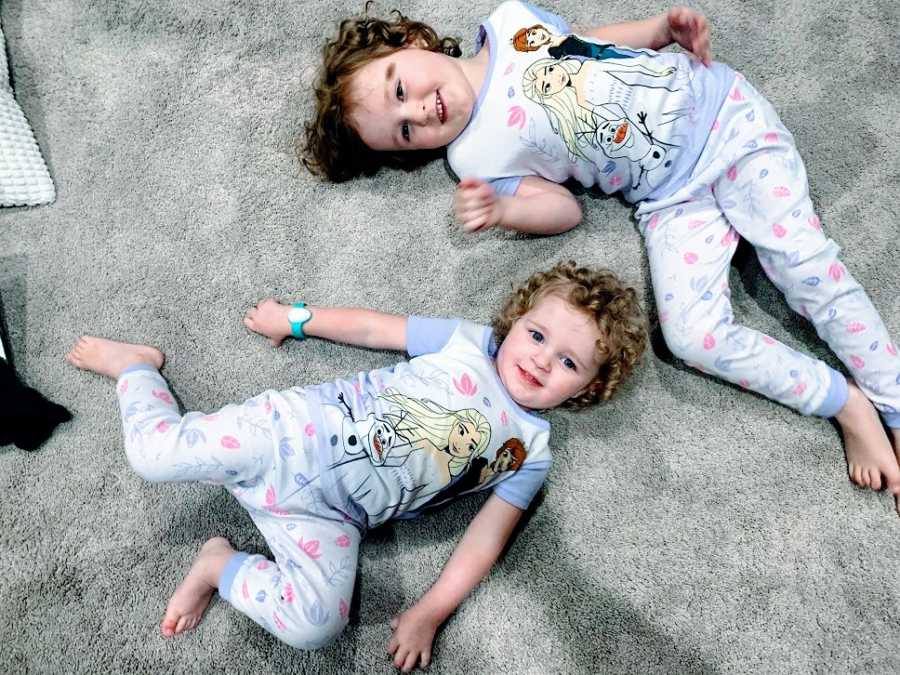
I began calmly explaining to Aurie what was happening, giving her a role during seizures. “Aurie, will you get a pillow for Andie?” I’d ask. She’d rush to help, often bringing a blanket and stuffed animal too. We also created a safe space for Aurie if she didn’t want to watch. Preparing together made a world of difference.
The past year has been filled with heartbreak and challenges. Our calendar is dominated by doctors’ appointments and therapy sessions—physical, occupational, and speech—to help Andie walk, eat, communicate, sleep, and manage her seizures. During the pandemic, no one besides Kyle and I could visit her in the hospital, leaving Aurie worried and confused. At three years old, she would ask, “Why does Andie have seizures?”
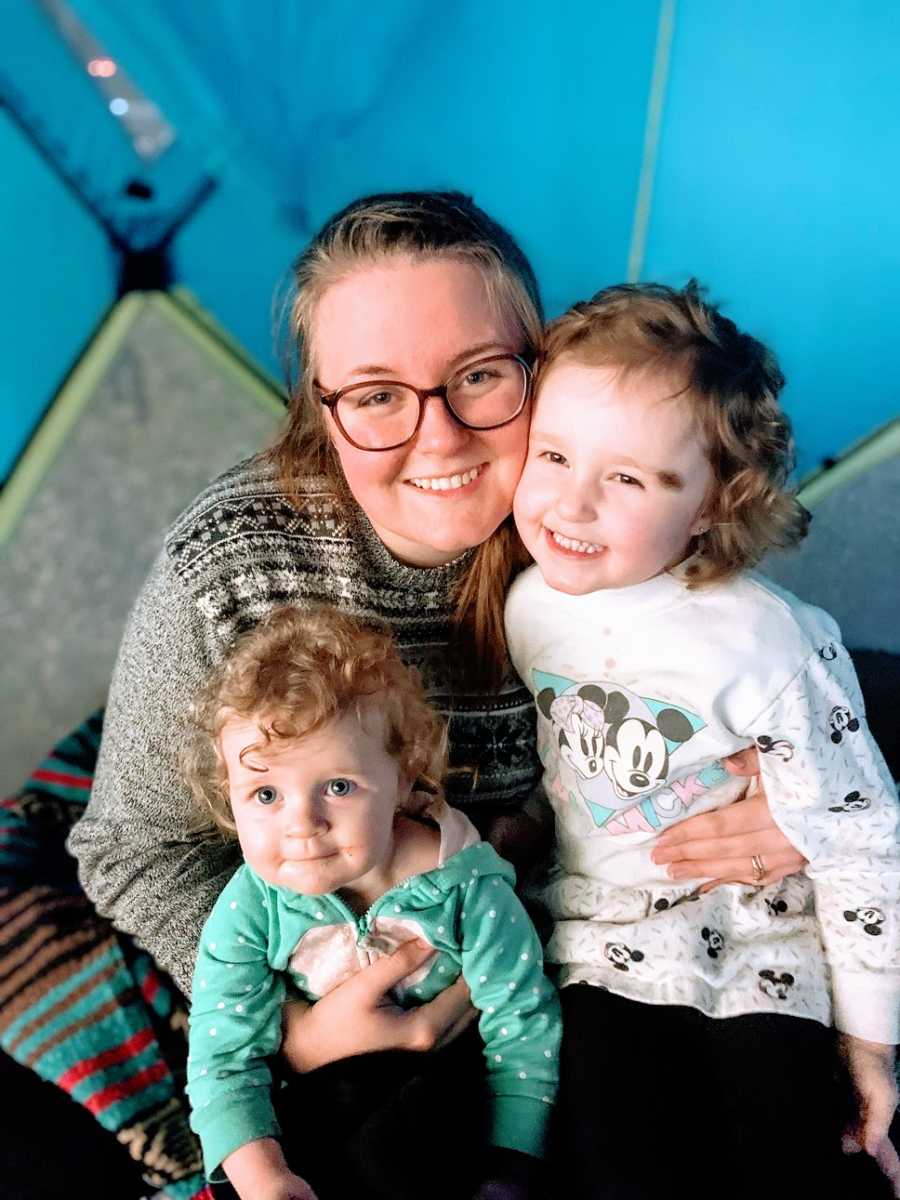
Her concern inspired me. I wanted a way to explain seizures simply for a preschooler. After finding few suitable children’s books, I decided to write one myself. For seven months, I researched, wrote, and illustrated, creating a rhyming, engaging book to explain what seizures are, what causes them, and how to respond.
The result is Andie and the Storm: A Book About Epilepsy. The book features Aurie and Andie in simple illustrations that children can color themselves. Seeing Aurie’s delight when she first held the book—her eyes lighting up, exclaiming, “So cute! Read it to me!”—was priceless. Every night since, we’ve read it together, helping Aurie confidently explain seizures to friends.
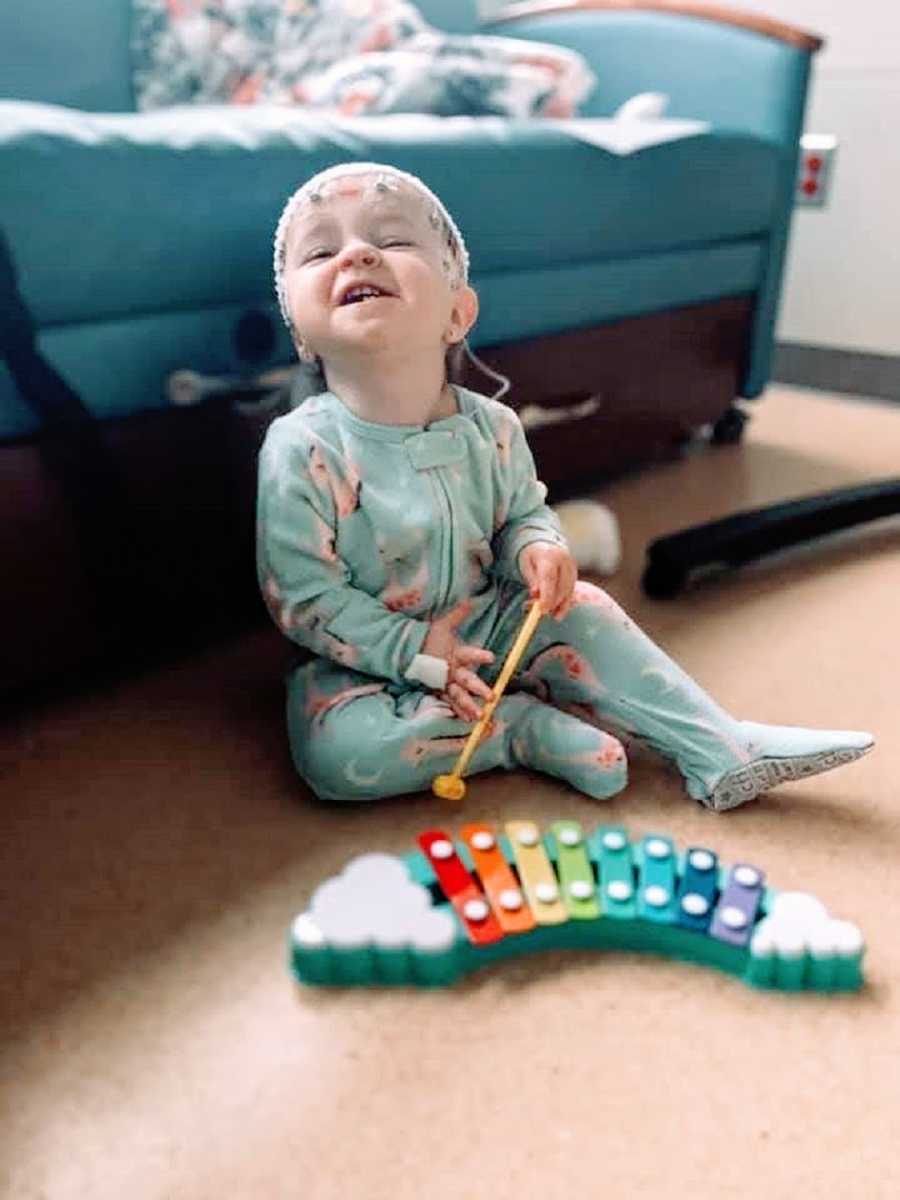
Amid the chaos, we’ve discovered silver linings: deep friendships, generous support from strangers, and an outpouring of love from our community. Andie keeps up with her peers through therapies, medications, and specialist care. She has faced setbacks, but hope drives us forward. New treatments for Dravet are emerging, and we believe a cure may one day exist.
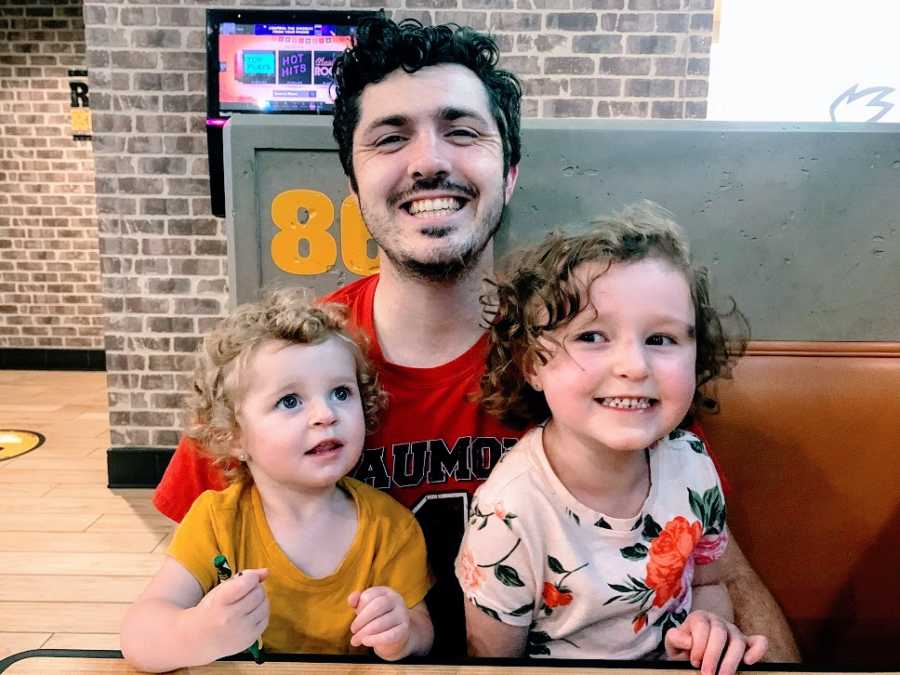
Andie’s resilience inspires us every day. I hope our story brings hope to families facing epilepsy and reminds everyone: life is fragile, unpredictable, but also filled with love. Don’t let fear paralyze you—be present, cherish the moments, and hold close what matters most.