“It’s not her, it’s him. She isn’t leaving.” Those words will forever echo in my mind whenever someone asks about my journey with Crew. It’s not how my pregnancy began—ironically, it’s how it ended. To truly tell this story, we need to go back to March 2020. That month, I experienced a miscarriage, a heartbreak I knew all too well. I called my doctor, explained what had happened, and scheduled an appointment to be checked out.
Then came April 28th. I felt a strange sense that something was different and decided to take a pregnancy test. To my utter shock, it was positive. Could this really be happening? Could I really be having my third rainbow baby after so much loss? My mind raced with disbelief, hope, and fear. I immediately called my OBGYN, and to our relief, the tiny little sac was there. Miraculously, my previous loss wasn’t affecting this pregnancy. Waves of joy and worry hit me at the same time—fear that history might repeat itself, fear for this little life I was carrying.
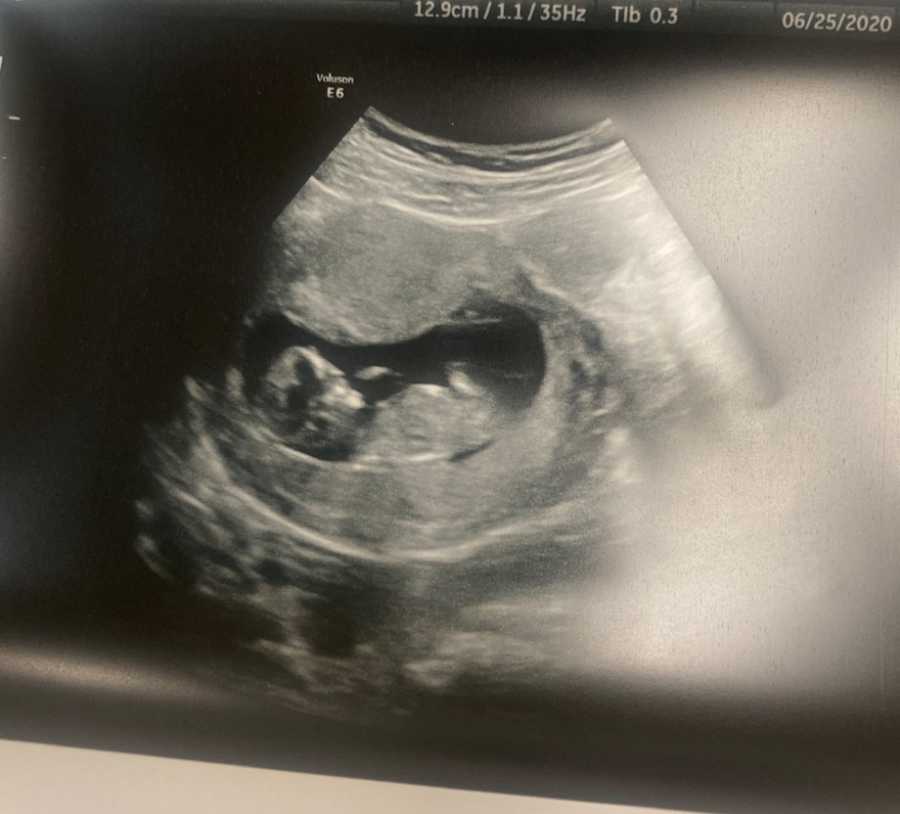
Pregnancy for me has never been easy. I have hyperemesis gravidarum (HG), a condition causing severe, relentless nausea and vomiting. It makes every pregnancy high-risk. In 2020, with COVID-19 changing everything, my high-risk pregnancy looked even more isolating. Every doctor’s appointment was alone. Every ER trip for fluids was alone. Much of my pregnancy, though brief, was spent in hospitals, worrying constantly despite ultrasounds showing my baby was okay—though “okay” would not last.
At 16 weeks, Crew looked small. Doctors were concerned about IUGR, a growth restriction in the womb. I blamed myself. All that vomiting, all that sickness—was I hurting my baby? I spiraled into guilt and depression, even though HG is something beyond my control.
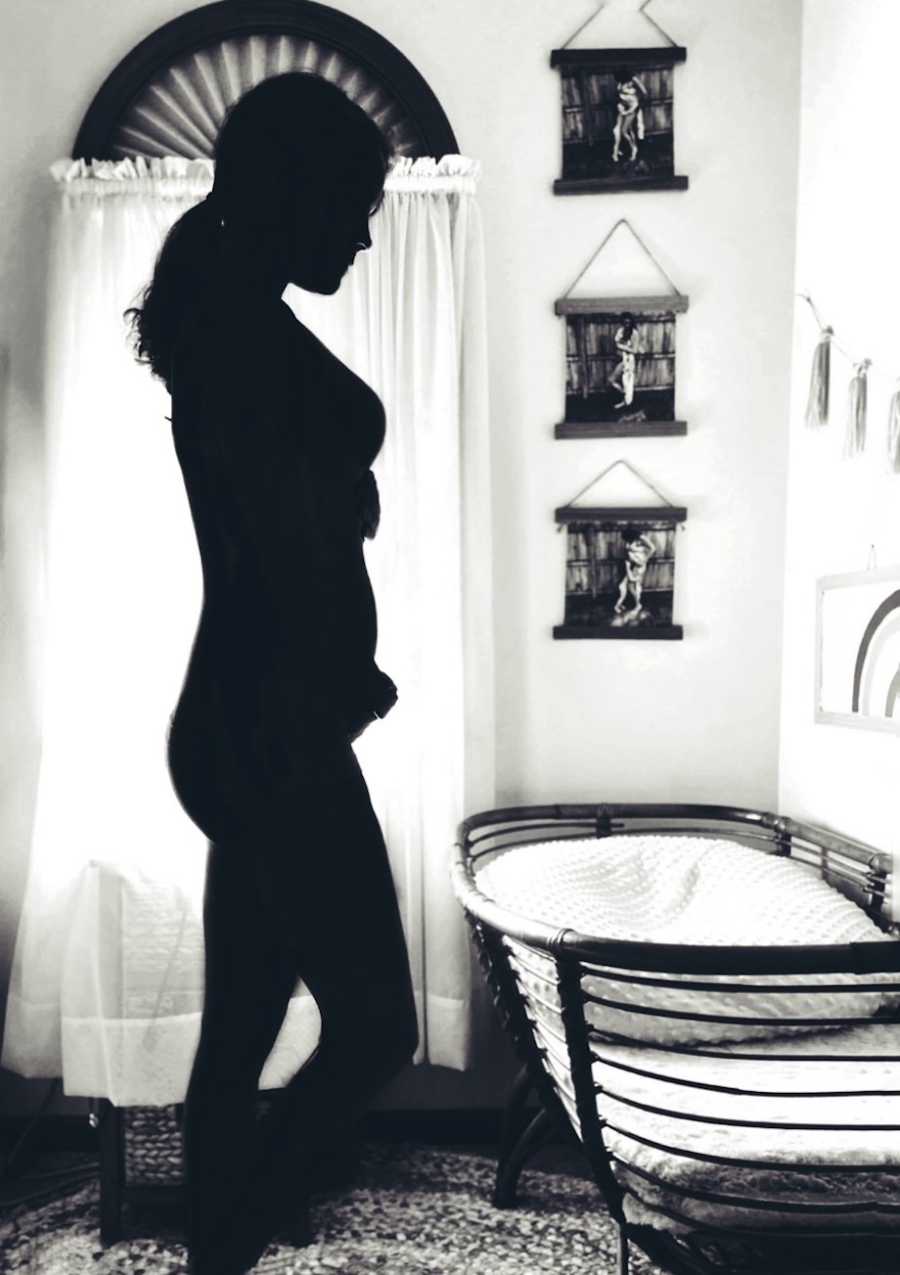
By 20 weeks, the scan showed Crew was still small but—thankfully—no IUGR. Relief washed over me, even if cautiously. The doctors would continue monitoring him, but he wasn’t deteriorating, which was all I could hope for.
Because of my HG, genetics, and naturally small frame, my pregnancy was barely visible. I chose not to announce it widely, sharing the news only with a few close friends and immediate family. Between a global pandemic, past loss, and my constant sickness, I didn’t want the added stress of public attention or questions.
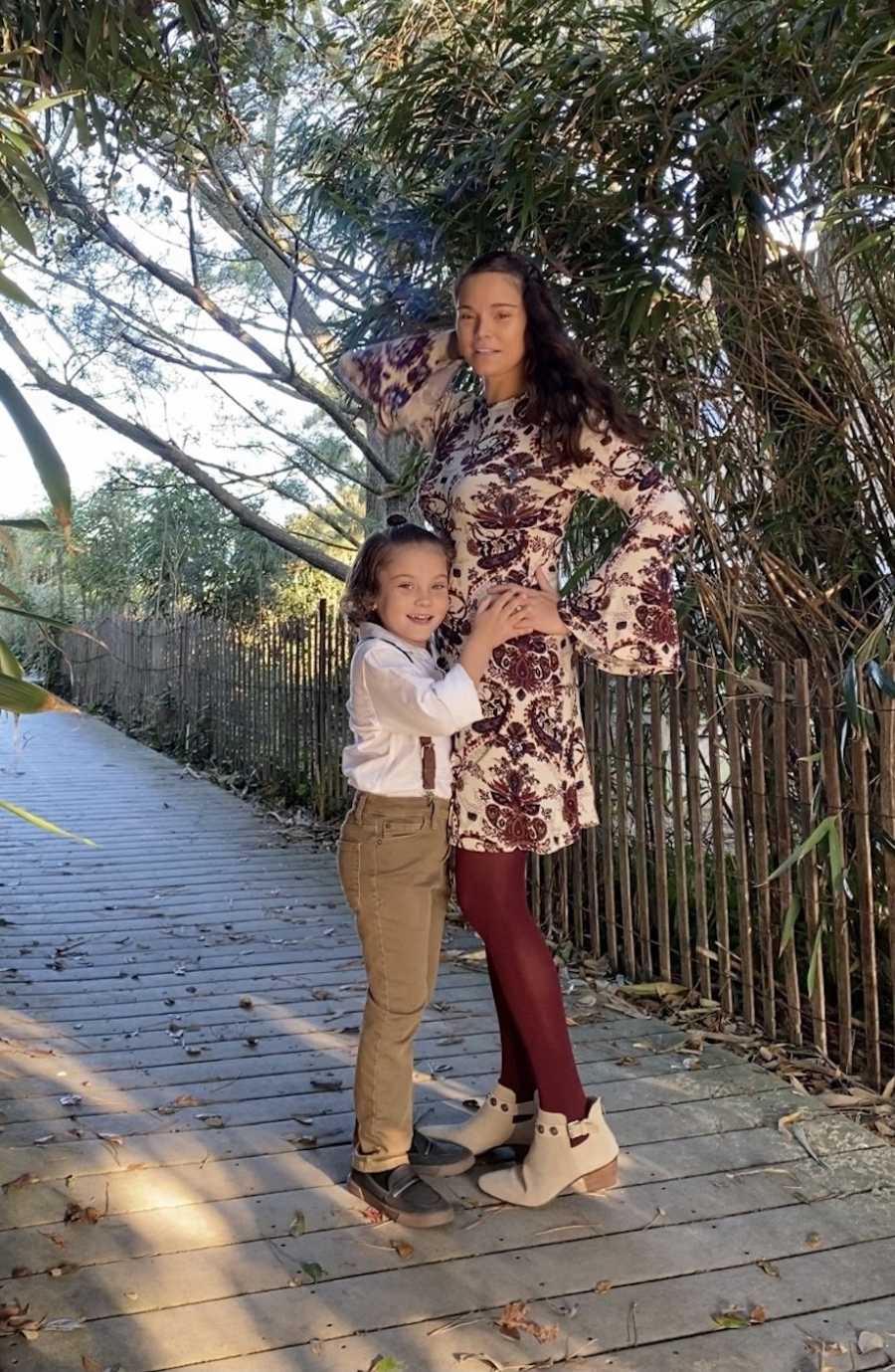
Then came what is often called “the light at the end of the tunnel”: the third trimester, when a baby is considered viable. After having my second child at 34 weeks, hearing “viable” carried enormous meaning. I felt like if something went wrong, my baby had a chance. But I never got to hear the words “Your baby is term.”
September 3, 2020—a day I simultaneously wish I could forget and will never forget. I felt off, dehydrated, and knew I needed fluids. I called my OB’s nurse line, and she told me, “If you feel something is wrong and you’re dehydrated, come in. If you feel better, you don’t have to stay.” I told my husband I was heading to L&D, and he rolled his eyes with a familiar mix of exasperation and love. “Same story, different day?” he asked. I nodded, grabbed my usual hospital bag, and left.
The L&D staff knew me well—too well. The front desk nurse turned to a favorite nurse and said, “Ebony, your skinny friend is here again!” It was a running joke that I was tiny, which I took in stride. I was checked in, found to be dehydrated with some random contractions, given meds, and started on fluids. One nurse stayed in the room after giving the meds, keeping the monitors turned away from me, chatting to keep me calm. Little did I know, she was closely watching Crew’s heart.
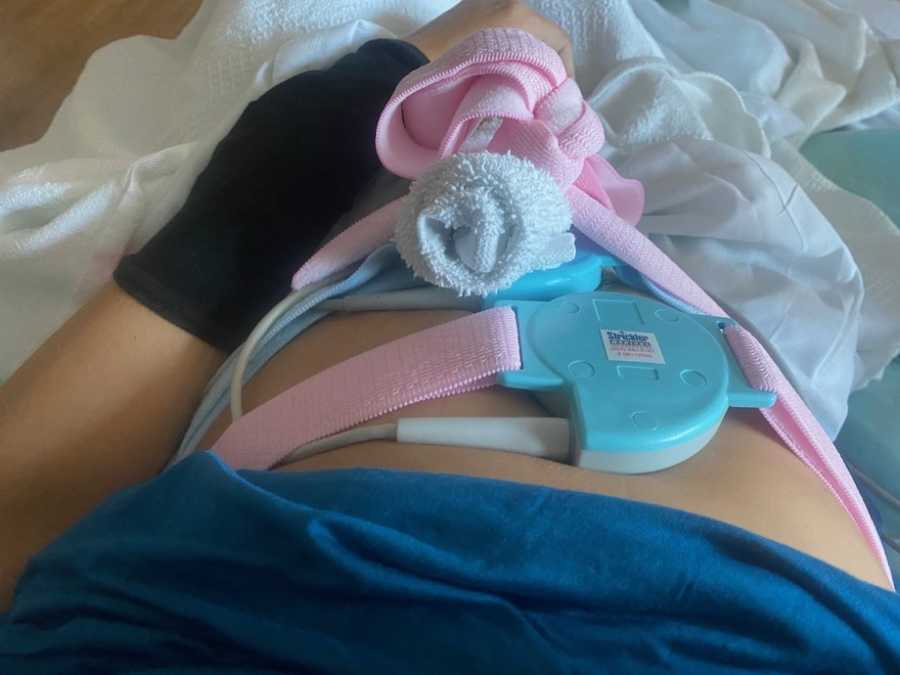
And then came the words no mother at 26 weeks ever wants to hear. The nurse stepped out and said, “It’s not her, it’s him. She isn’t leaving.” I froze, wide-eyed, unable to comprehend what she meant. Moments later, the charge nurse and midwife explained Crew’s heart rate was dropping dangerously. I had to stay, monitored closely, with tests and precautions. My heart sank. I wanted to scream, cry, do anything to make my baby safe. Fear overwhelmed me.
I had to call my parents to explain the situation and arrange care for my older children so my husband could come to the hospital. The first day was monotonous, just shifting positions and trying to stay comfortable. The second day, my OB doctor came into my room, chair pulled up, face serious. She explained that I would not be leaving until the baby was delivered—whether that happened that day, tomorrow, or in weeks. My heart shattered thinking of my 5- and 2-year-old at home, missing me and unaware of how serious this was.
The doctor offered a transfer to another hospital near a children’s hospital, where they might tolerate heart rate dips better. But the thought of being away from my trusted OB and my family made me decline. “I’ll stay here with my family,” I said. A c-section was planned, papers signed.
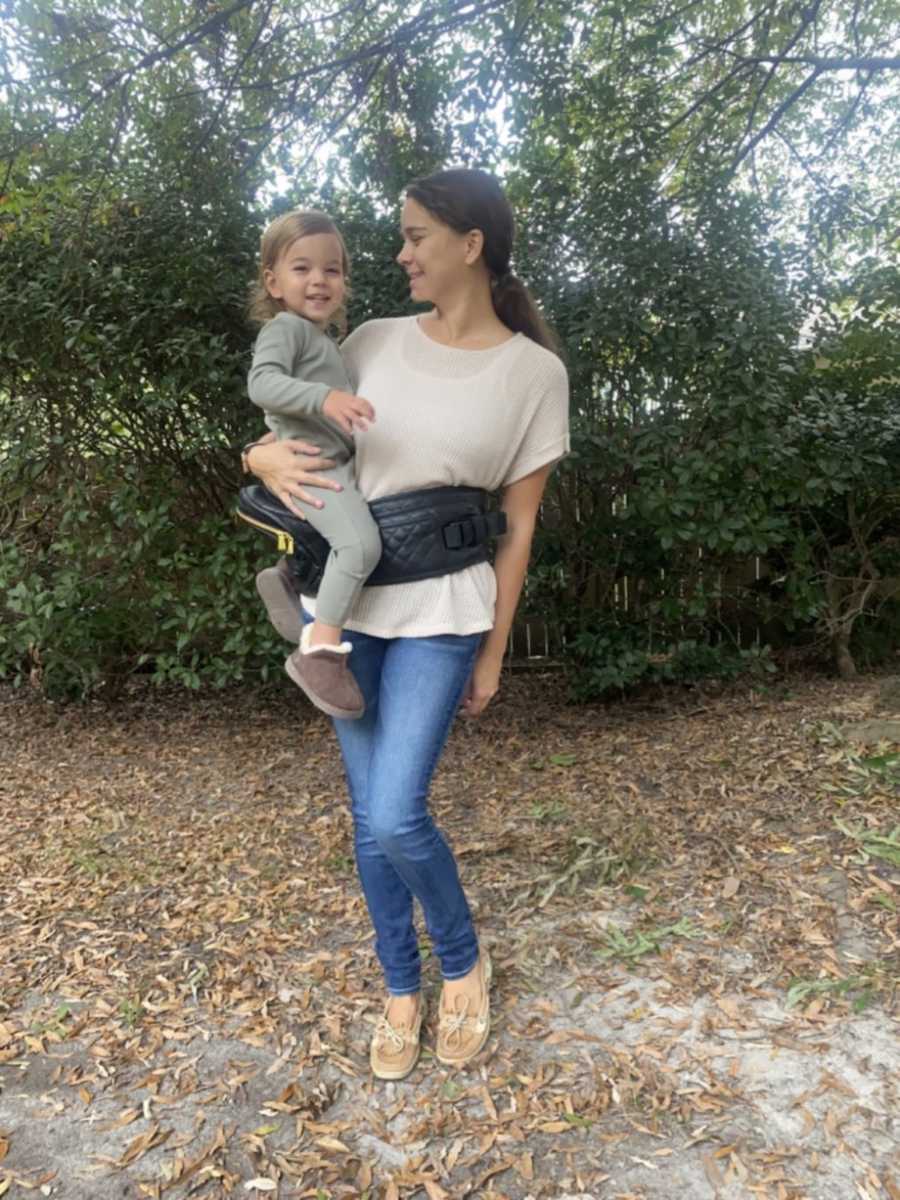
At 7 p.m., my favorite nurse arrived—the same nurse who delivered my second son at 34 weeks. Her eyes showed concern, but she didn’t speak, and I understood the unspoken message: this would not be long. She focused on keeping me comfortable and monitoring Crew.
Then, time simultaneously slowed and raced. PTSD from this moment lingers even as I write. My nurse burst in: “He is off the monitor. The doctor is coming!” I didn’t understand at first, but it meant Crew’s heart rate had nearly vanished. Nurses and doctors scrambled, prepping me for emergency surgery. “It’s there, but barely,” the doctor said. “We have to go now.”
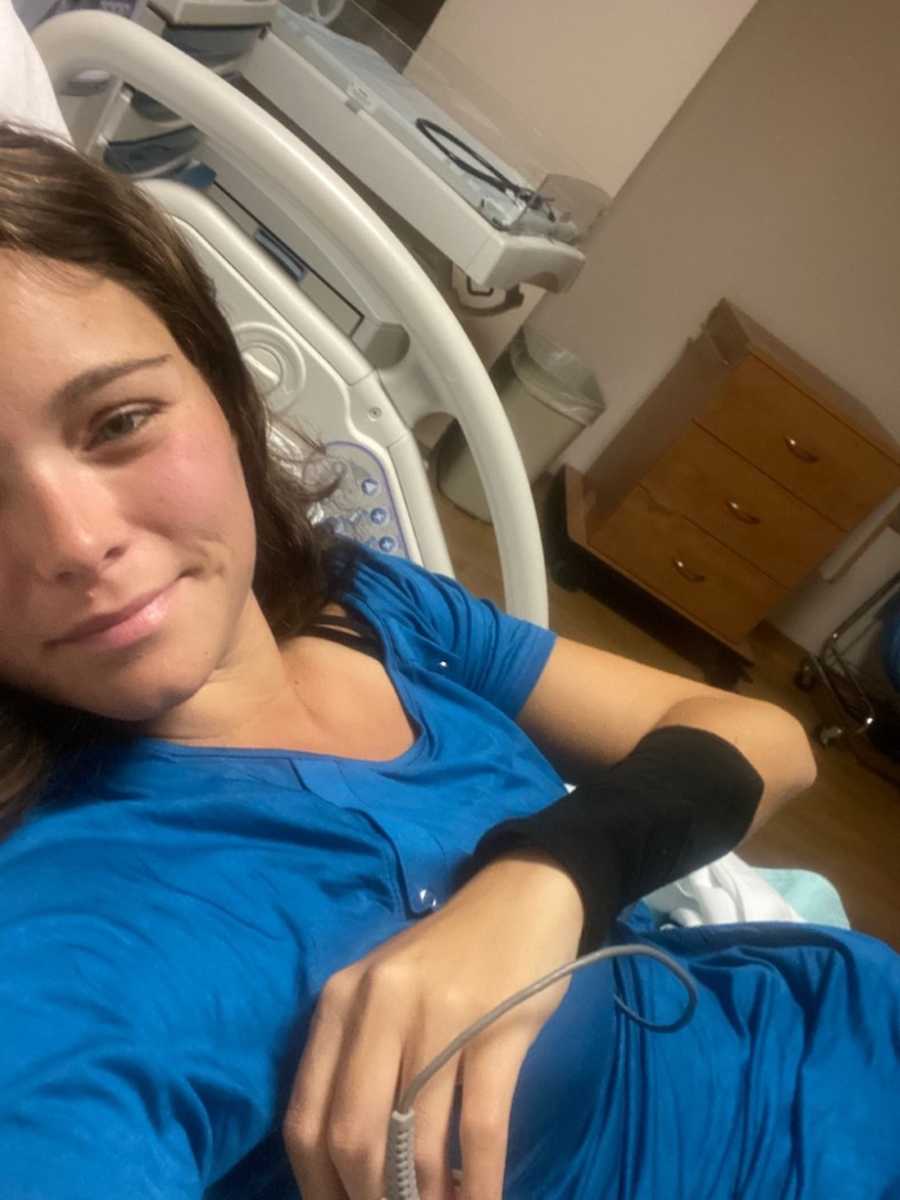
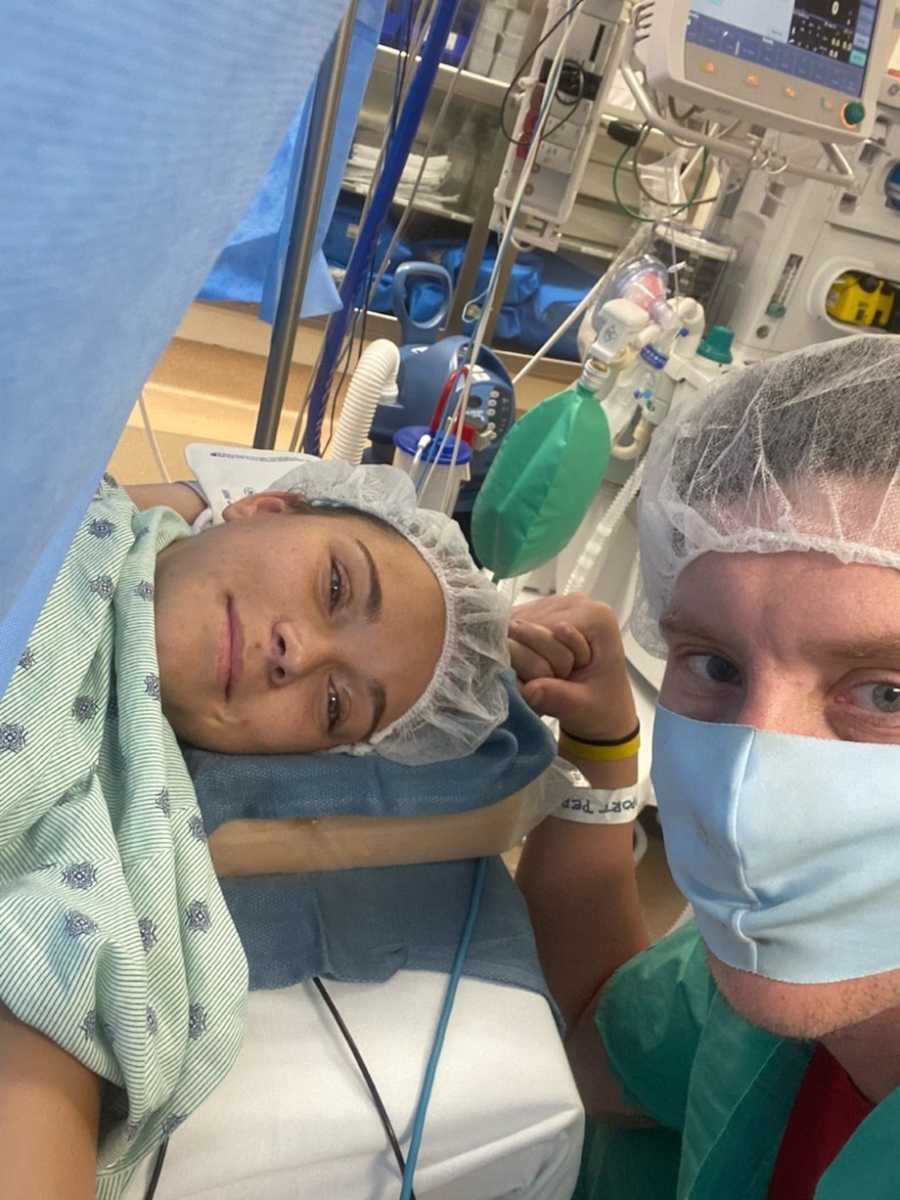
At 12:01 a.m., I called my husband, verified my mom was en route to our house, and confirmed neighbors were caring for my older kids. The OR was blindingly bright and freezing. I received a spinal anesthesia and tried to stay still. When the OR tech joked, “Did you feel that?” I laughed nervously. “No,” I said, relieved to hear he had already started.
At 12:21 a.m., Crew was delivered. They told me he was breathing, but that was all. My husband arrived two minutes later to see his son briefly before Crew was rushed to the NICU. Recovery from the crash c-section was excruciating, yet less than 12 hours later, I walked to the NICU to see him.
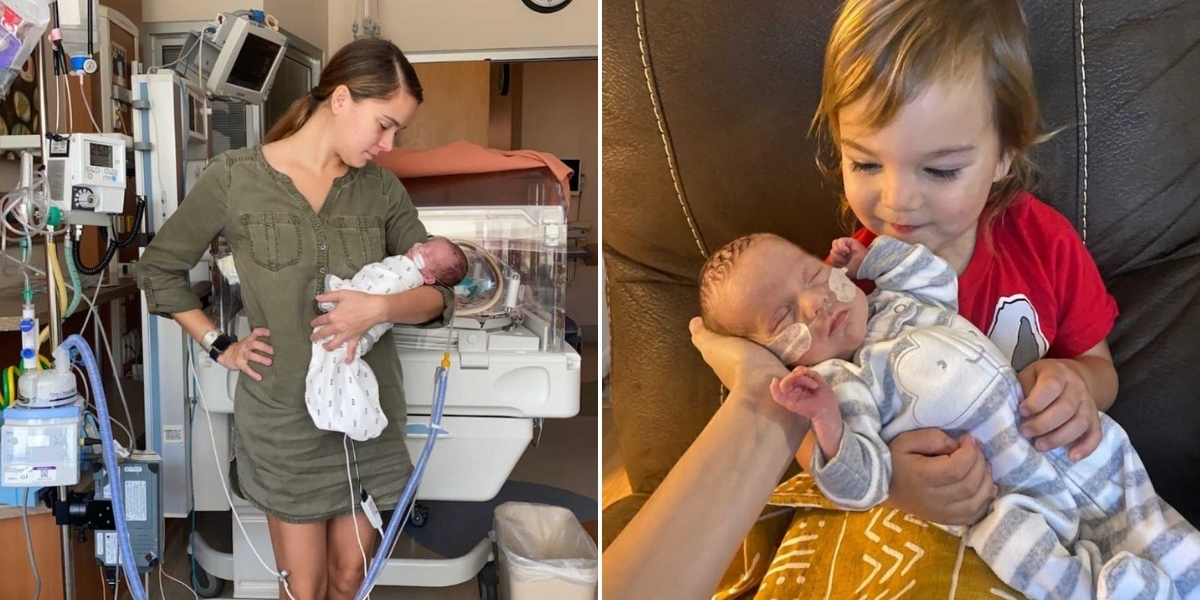
The NICU was a new kind of challenge. I was told it would be 92 hours before I could hold him, and for the first time, I realized that almost everything about my baby’s care was in the hands of others. Crew was born at 26 weeks, weighing 2 pounds, 7 ounces, and measuring 14.5 inches. His due date had been January 5; his birthday was now October 3. The beeps, wires, and oxygen were overwhelming, and it was hard to reconcile my love with my lack of control.
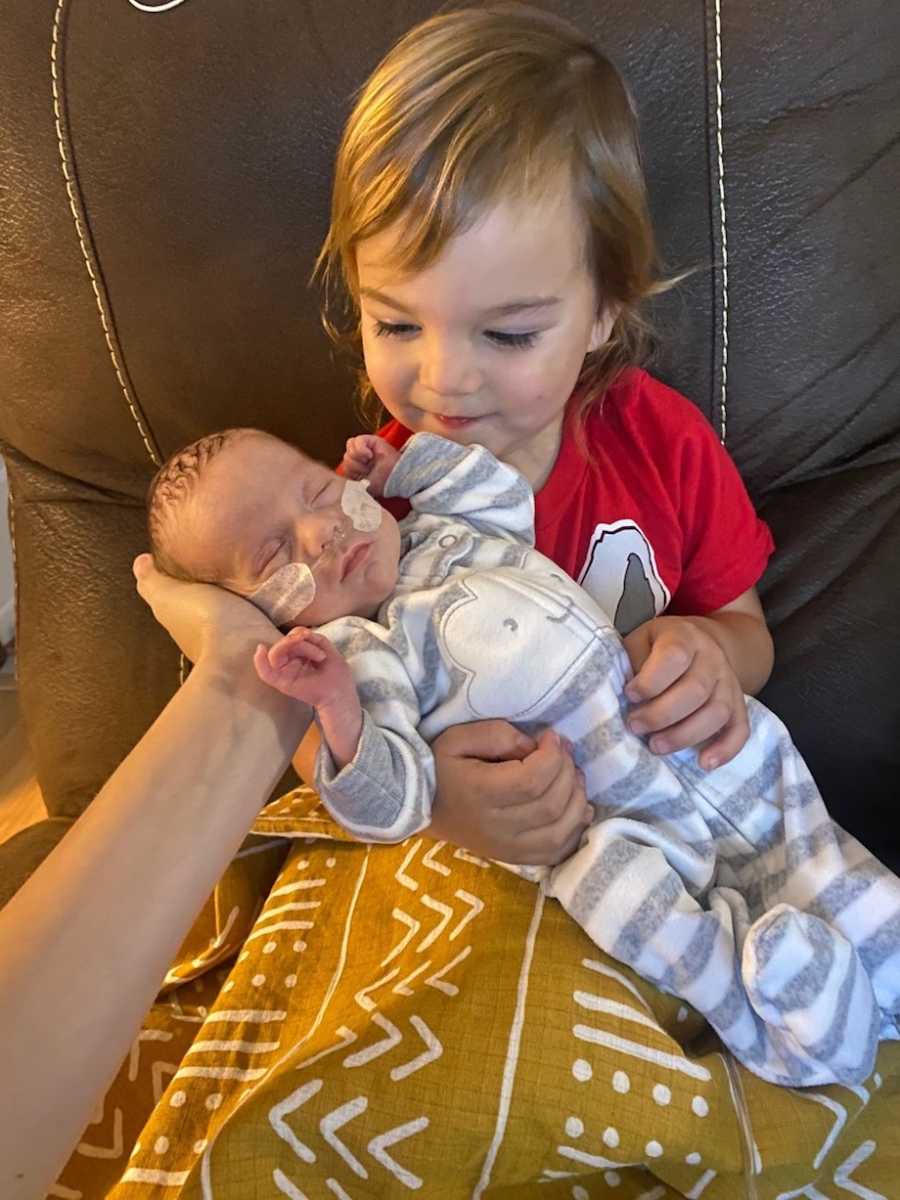
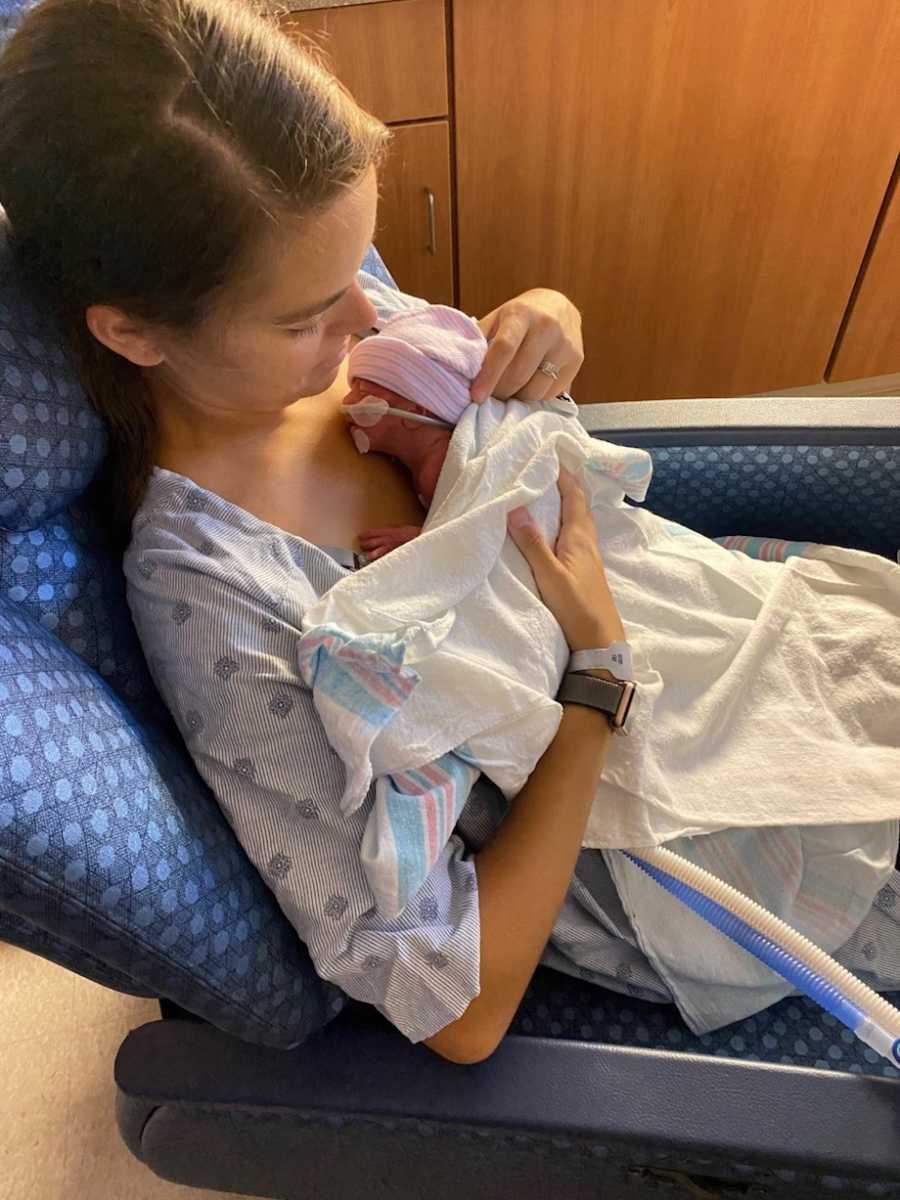
For 67 days, I navigated pumping every three hours, caring for my other children, and visiting Crew for 2–5 hours daily. No matter how much time I spent with him, it never felt enough. When it was finally time to go home, tears of joy fell freely. My older children, who had not met their brother, finally did. Seeing my 5-year-old’s sheer delight, and eventually my 2-year-old’s protective adoration, was indescribable.
To any new NICU mom, I want to say: it’s okay to not be okay. Reach out for support. Accept help. Life may throw a curveball with a micro-preemie or special needs baby, but you are not alone.
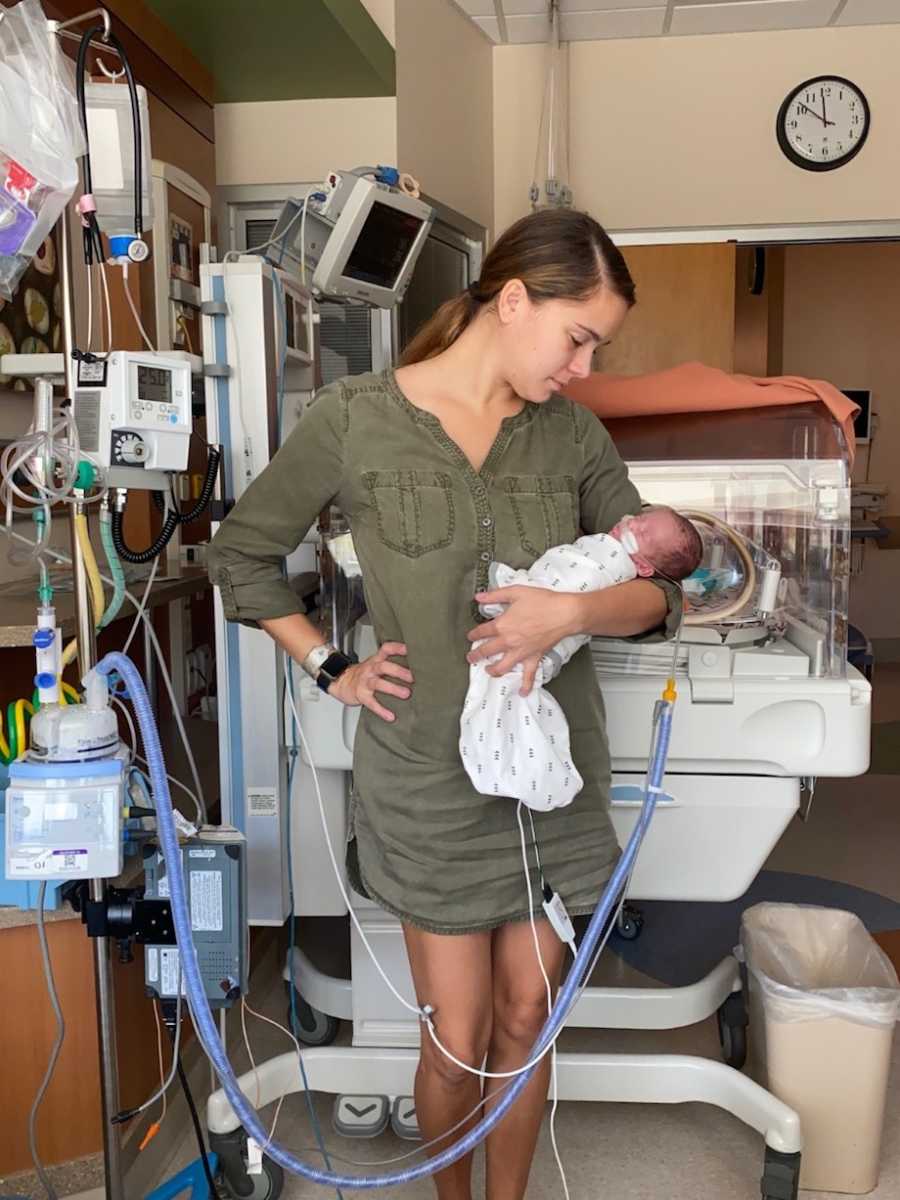
Today, Crew is 5 months old (2 months adjusted). We still see specialists and monitor his growth, but he’s thriving. I continue to navigate life with three children, PPD/PPA, and the PTSD from my c-section, but with the love and support of family and friends, I am surviving—day by day, step by step. Life may be hard, but moments of joy make every struggle worth it.