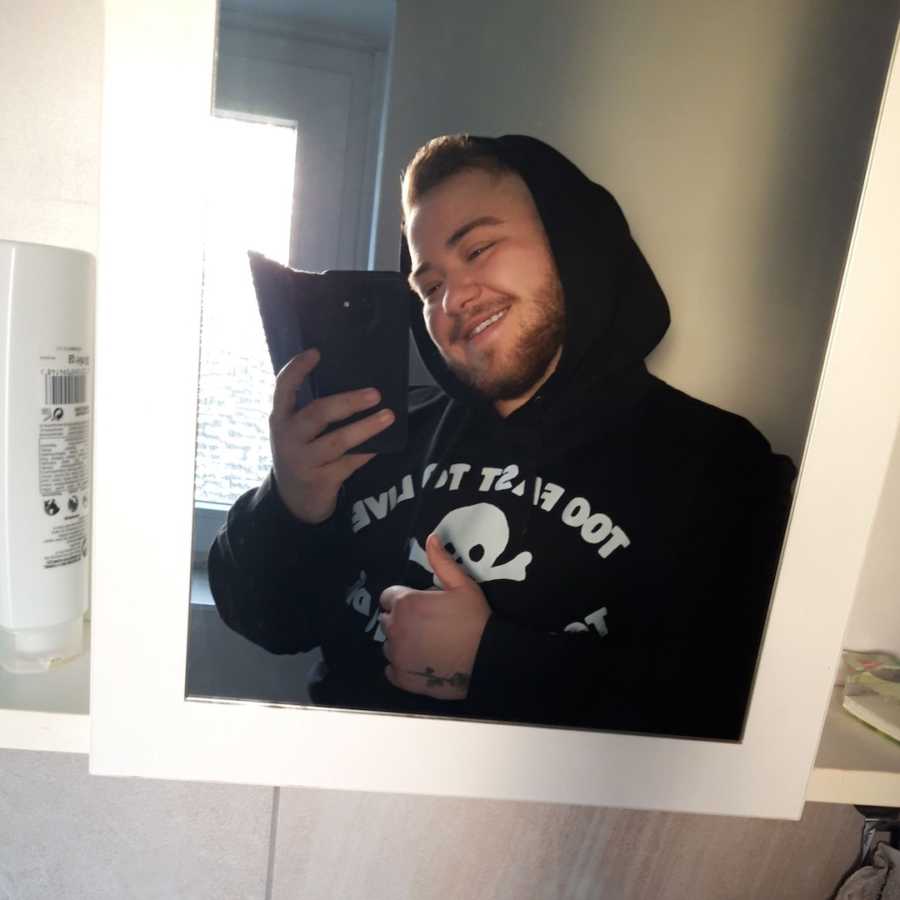
My name is Julien Jayden, but most people call me Jay. I’m transgender, which means I cannot identify with the gender I was assigned at birth. I grew up in a small town near Hamburg, Germany. My childhood was fairly ordinary, but even at five, I knew I was different—I wanted short hair and preferred playing only with boys.
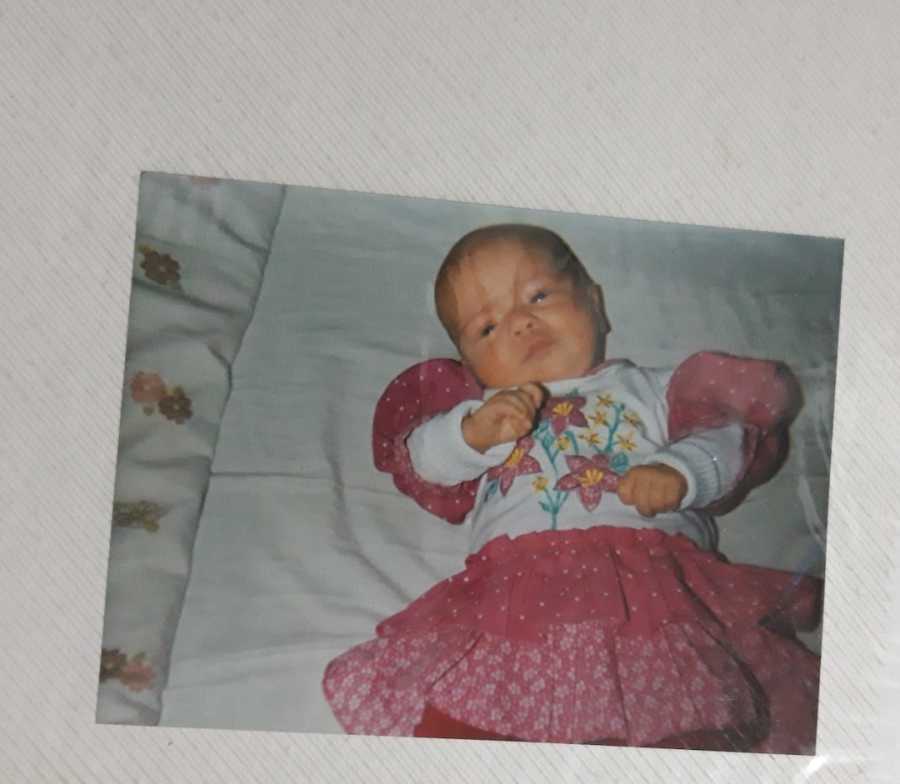
My mother was very relaxed and supportive, letting me cut my hair short. I went through primary school without much trouble, then onto secondary school, and that’s when things started to feel complicated. I remember my mother introducing me to her friends, and they’d ask, “Who is that boy?” She would reply, “That’s my daughter.” At the time, I didn’t understand why it bothered me so much, but it did—I felt a constant unease, though I couldn’t put it into words.
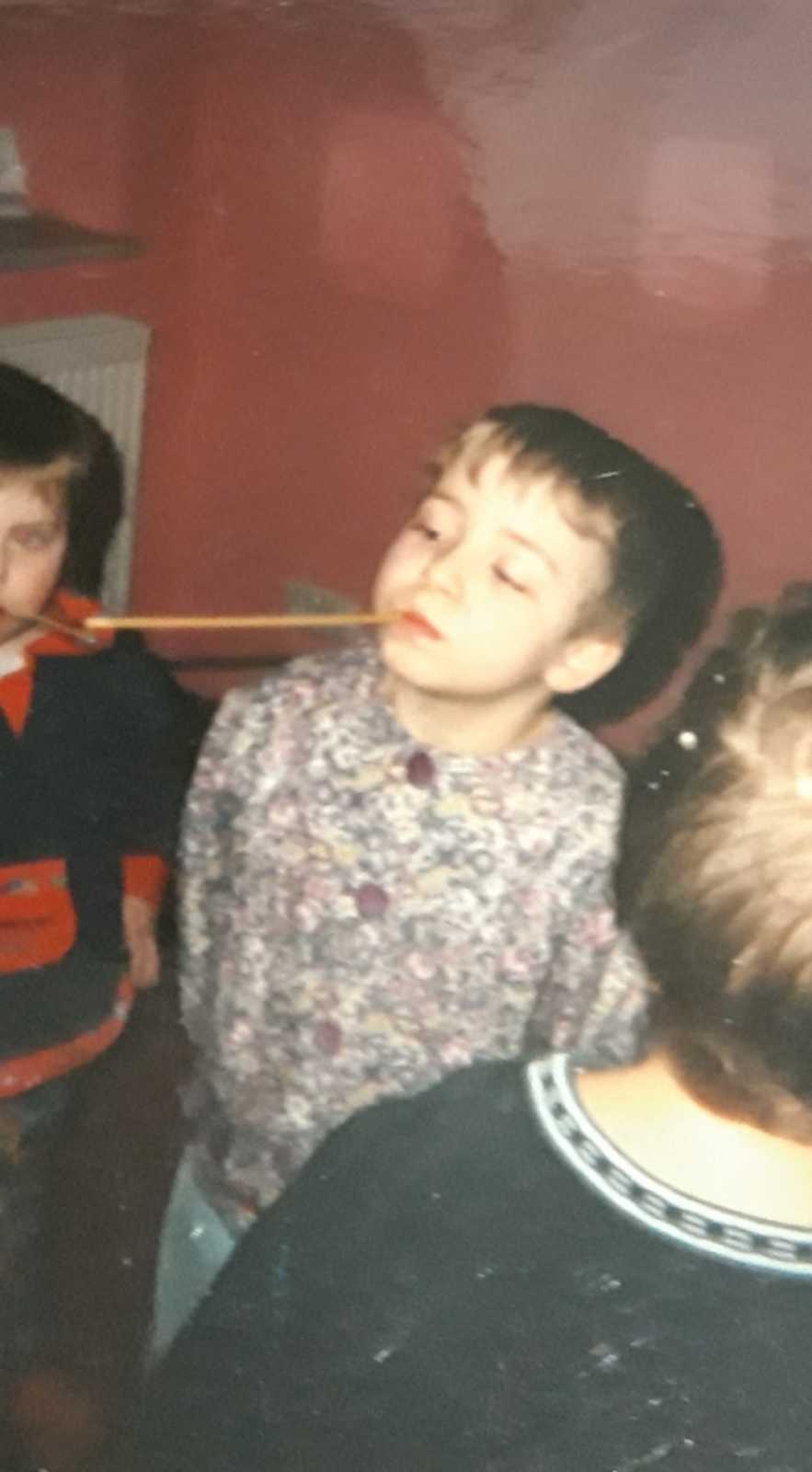
When puberty began, I grew my hair out to fit in, but I kept wearing boys’ clothes and refused makeup. I was always curious about guys, though nothing ever developed beyond that. I felt disconnected from the other teenagers, and the confusion about my feelings and identity made me sad and lonely. People often told me I “behaved like a boy,” but it didn’t really affect me—I simply didn’t feel like the other girls around me. After secondary school, I went into vocational training, hoping adulthood would bring clarity.
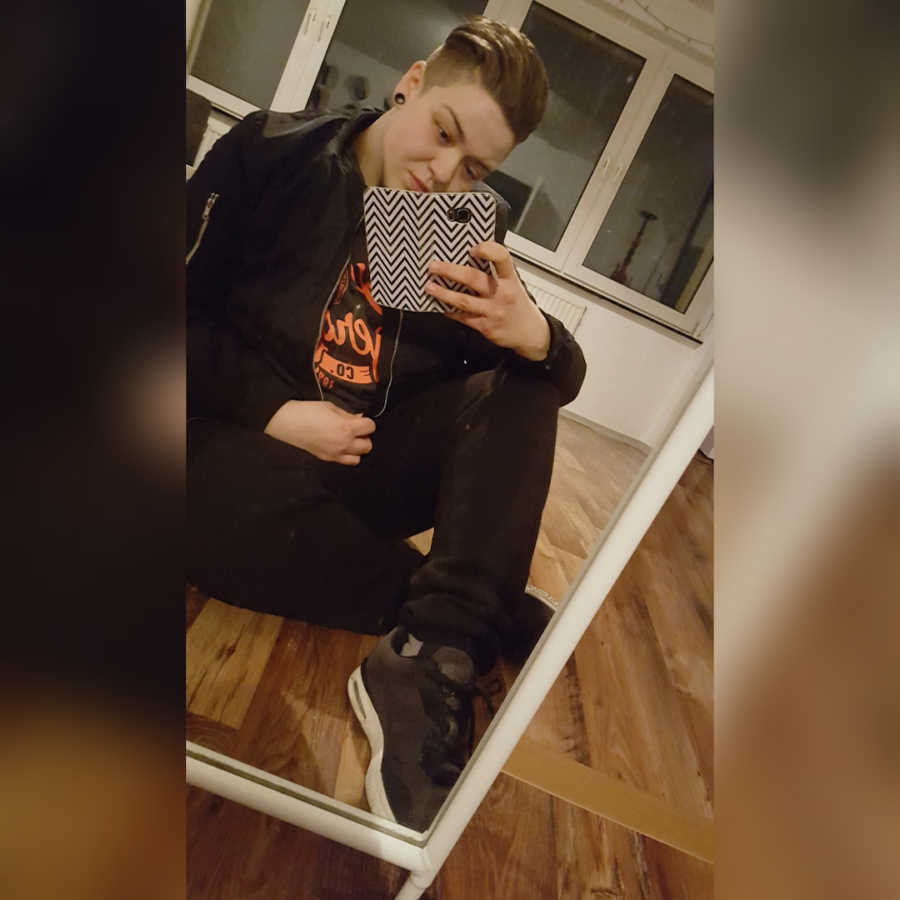
At 19, I noticed that guys didn’t show interest in me, so I came out as a lesbian and cut my hair short again. This caused no issues with anyone, but internally, I still felt incomplete. Something was missing. My body didn’t match the person I felt I was inside.
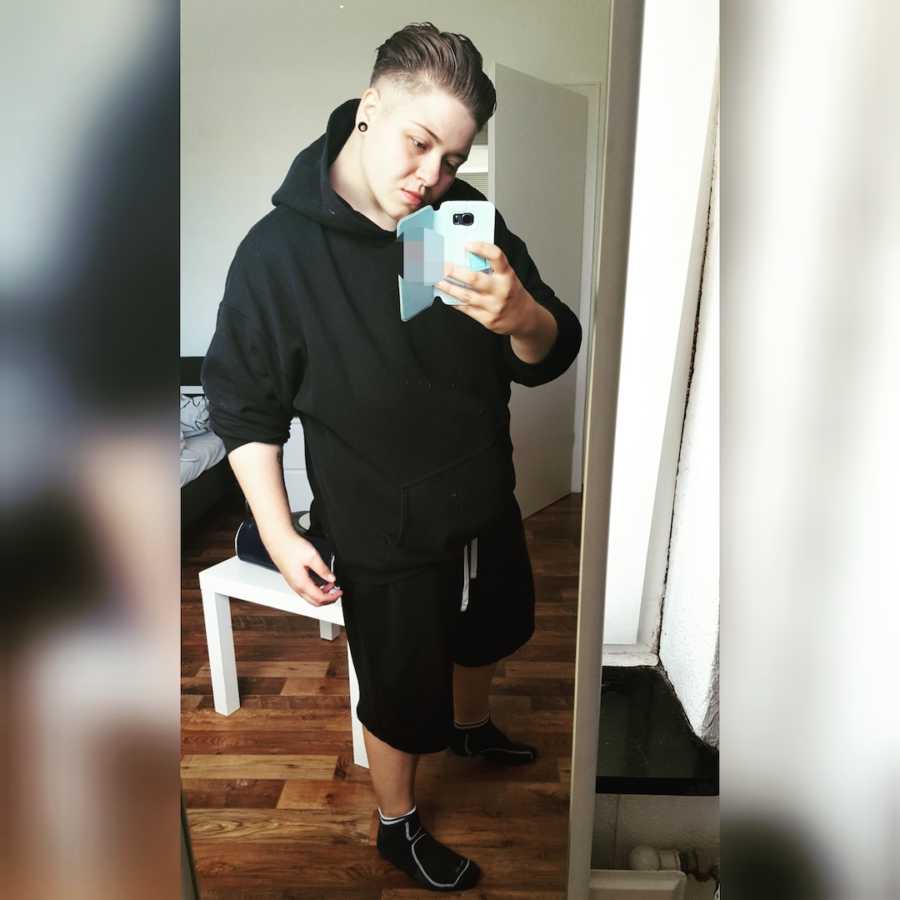
At 21, everything changed. I saw a television report about a transgender person and felt an immediate connection. The more I researched, the more I realized this explained everything about why I had always felt different. For the first time, I understood myself. But fear kept me silent, and for two more years, I hid who I truly was. My mental health began to suffer. Even basic interactions, like talking at a supermarket checkout, became agonizing because my voice revealed my assigned gender, and that mismatch tormented me.
Unfortunately, things worsened. I lost my job, stopped leaving the house, and often had thoughts of ending my life. I finally understood the only way forward was to seek help and start accepting myself. At 23, I came out to friends and family. To my surprise, there wasn’t a single negative reaction. My family finally understood why I had always felt different and offered their full support, as did my friends.
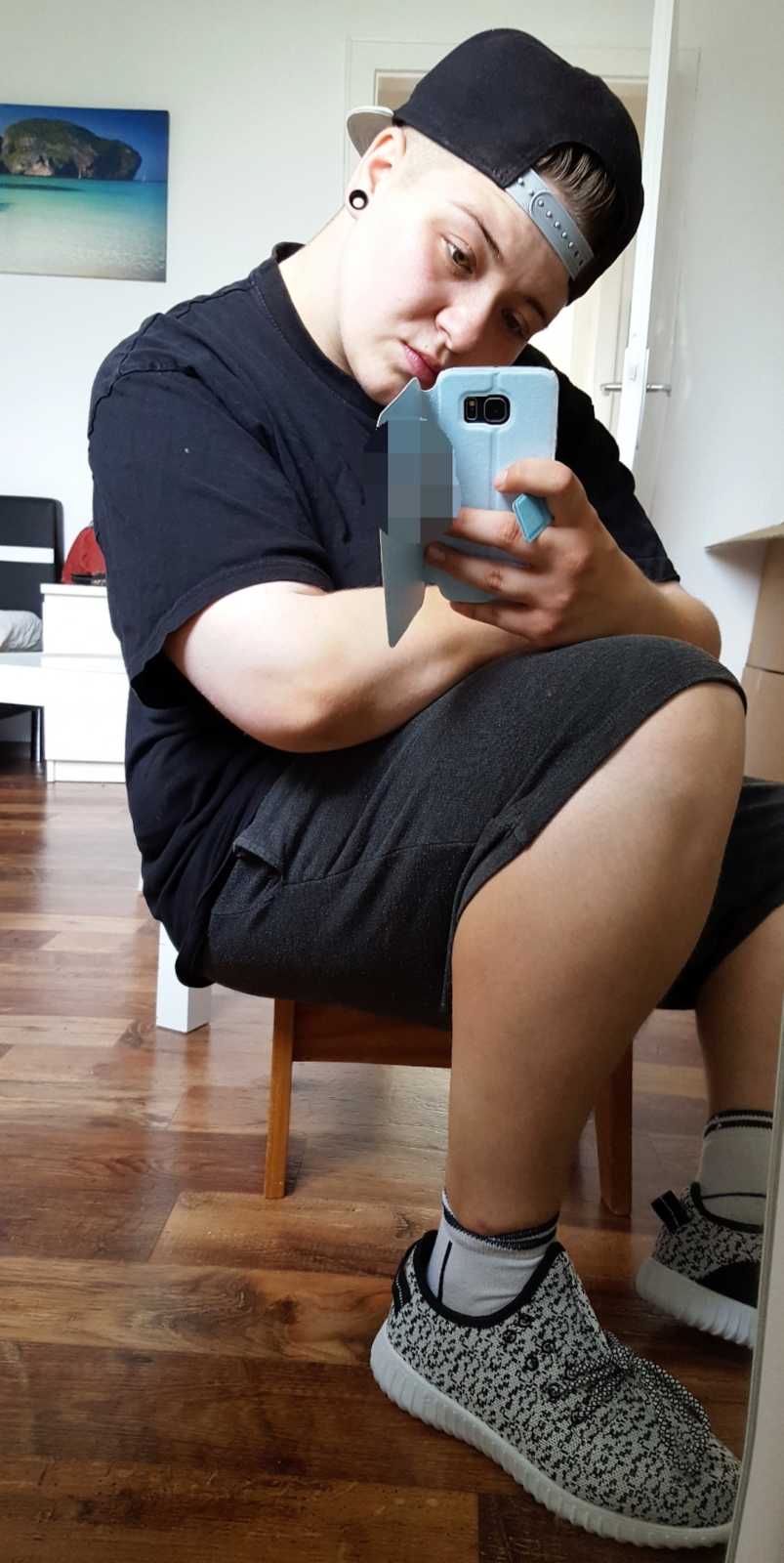
Growing up without a father, I was particularly anxious about my grandfather’s reaction. I avoided visiting him for a year out of fear, but when I finally saw him, he embraced me immediately. I cried as he told me it didn’t matter if I was a boy or girl—as long as I was happy, he loved me just the way I am. Those words remain some of the most beautiful I’ve ever heard.
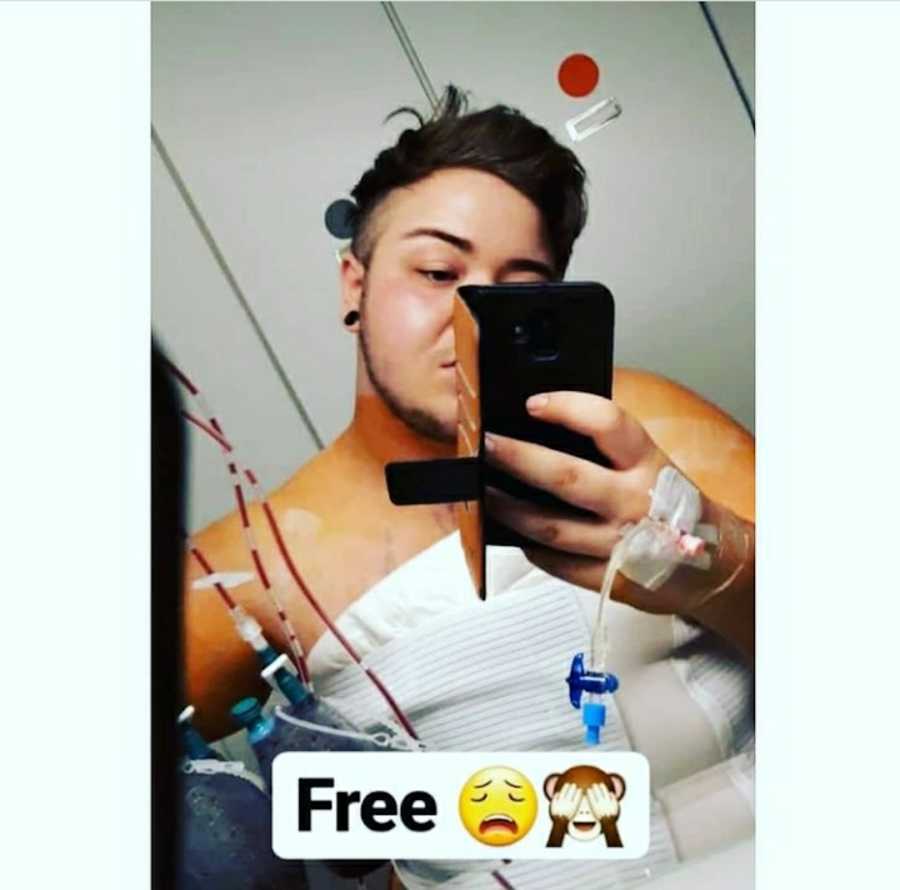
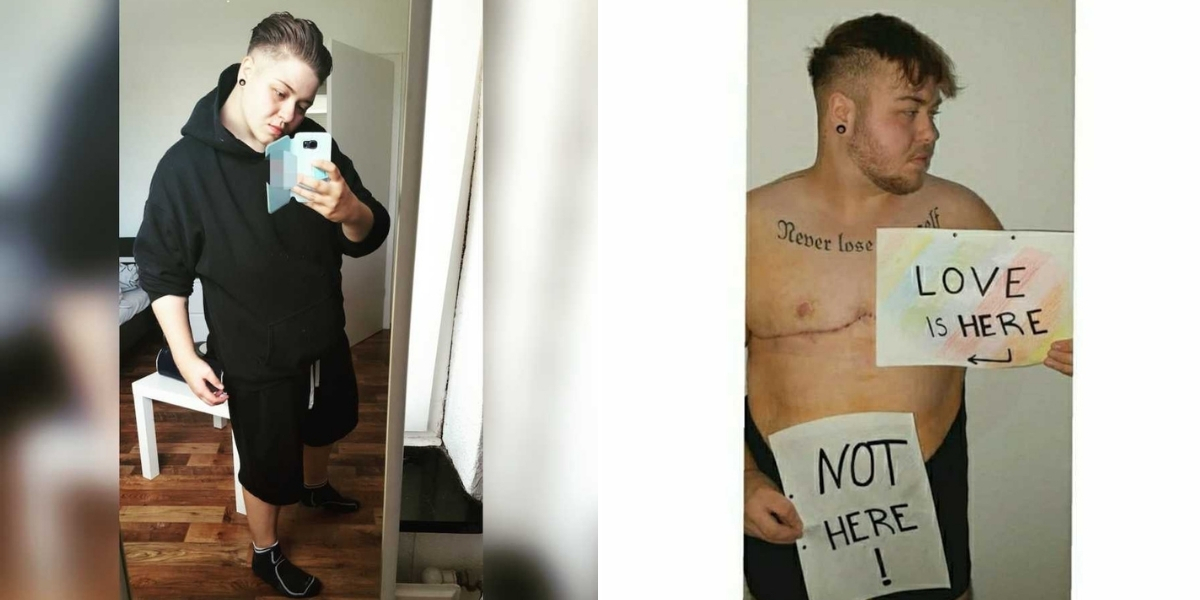
With that support, I finally felt ready to live my life openly. I began seeing a therapist, which became a crucial part of my journey—three hours every week, learning to understand and accept myself. In 2018, I received my long-awaited testosterone. Tears of joy came as I felt my body starting to align with who I am inside. Patience is key in this process, as everyone’s journey unfolds differently. In Germany, testosterone is affordable—a small supplement of $12. My beard began to grow, and I scheduled surgery to remove my breasts. The entire operation was covered by health insurance after applying, though my nerves ran high before the procedure. The medical team’s professionalism and kindness eased my fears.
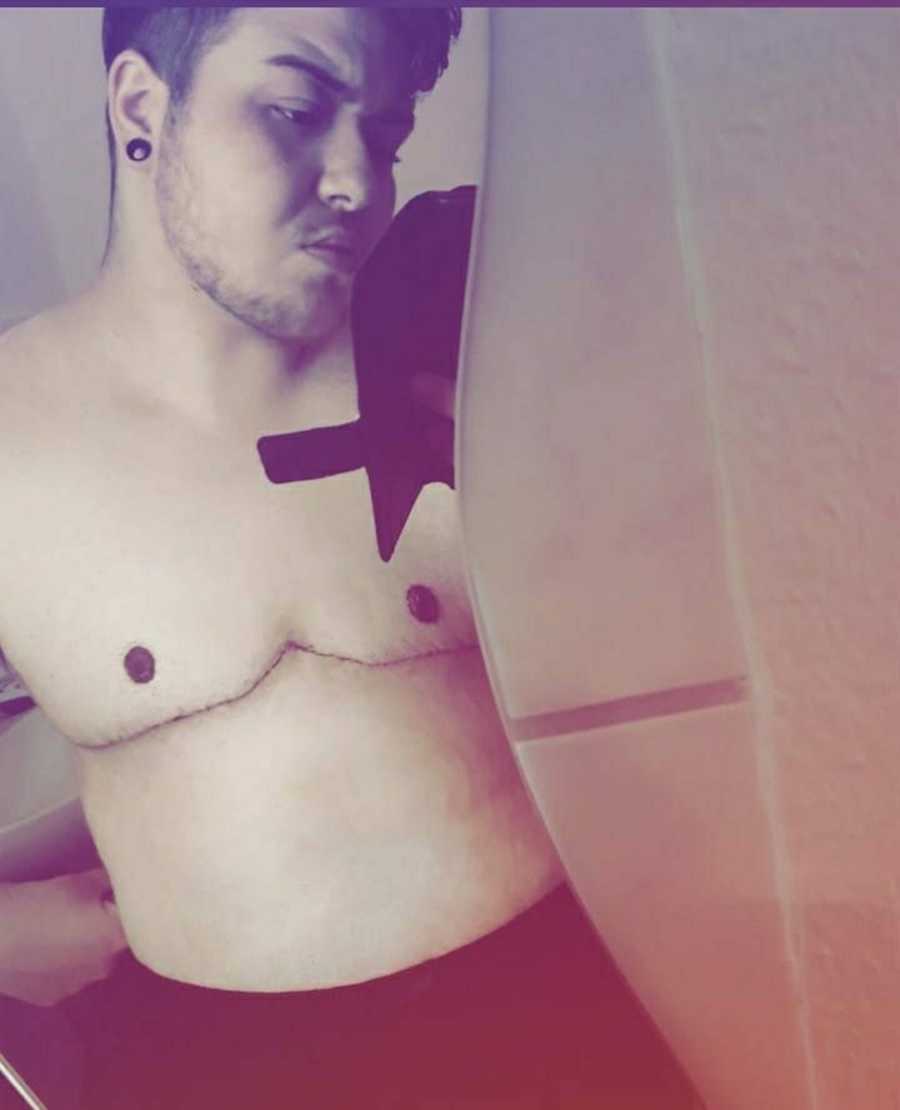
Three days after surgery, I saw the results for the first time. I had never been happier. No more binders, no more sweaters in summer. I stood in front of the mirror for minutes, tears streaming, barely believing it was real. This was freedom—my freedom—and no one could take it away. I legally changed my name and gender to Julien Jayden, cementing this step in my journey.
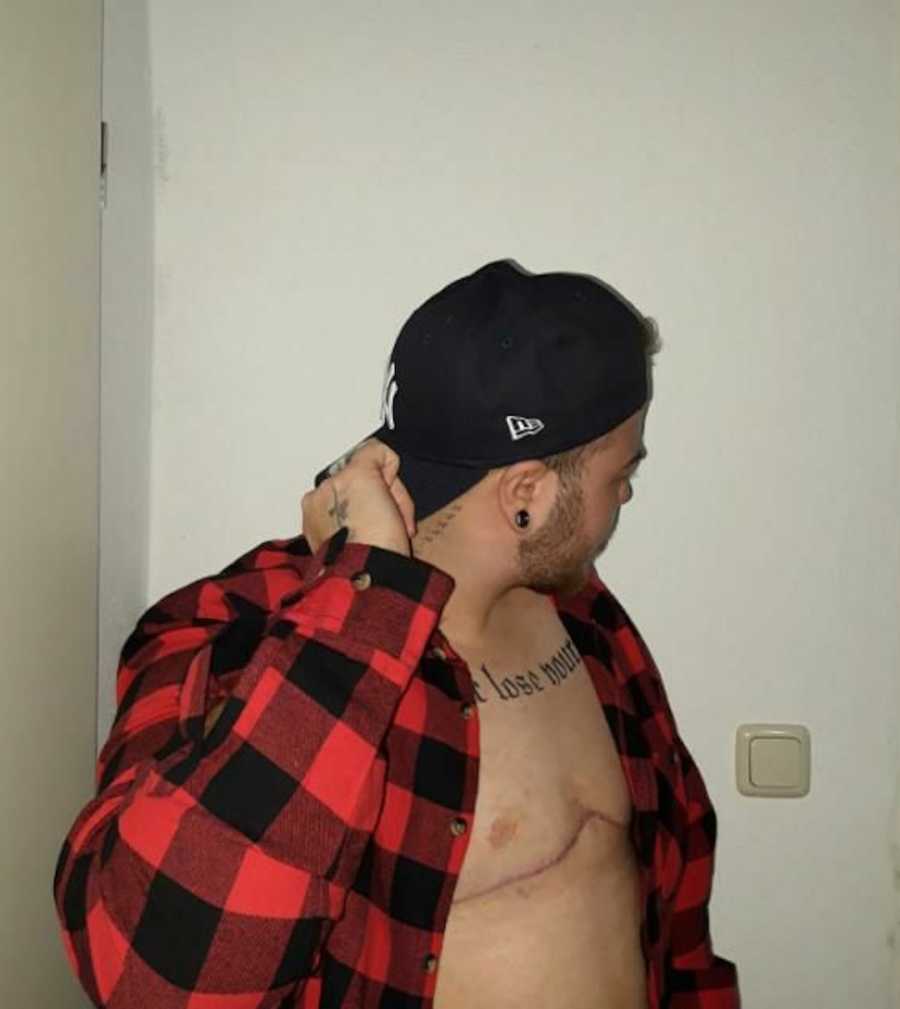
Looking forward, I plan to have my uterus removed and eventually undergo phalloplasty, but I’m taking each step at my own pace. Initially, I hesitated about removing my uterus, worried about losing the chance for biological children. But I realized there are many paths to parenthood, from adoption to assisted reproduction, and countless children in need of loving homes.
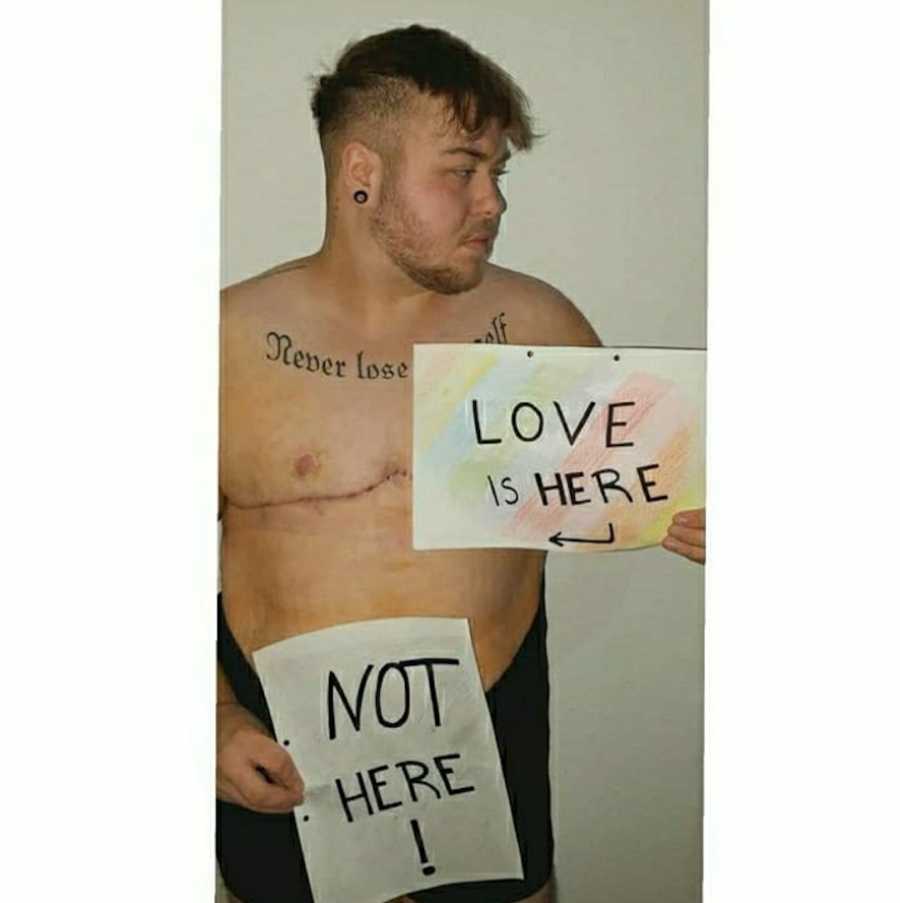
I encourage anyone on a similar path to take their time and be sure of their choices. Some steps are irreversible, so clarity and confidence are crucial. But whether someone opts for surgery or simply lives authentically as they are, every choice is valid.
When I see myself now, I often think, “Dear younger me, we made it.” The scars on my body aren’t marks of weakness—they are symbols of resilience and determination. I urge everyone to stand firmly in who they are. Even if my friends or family had opposed me, I would have still followed this path.
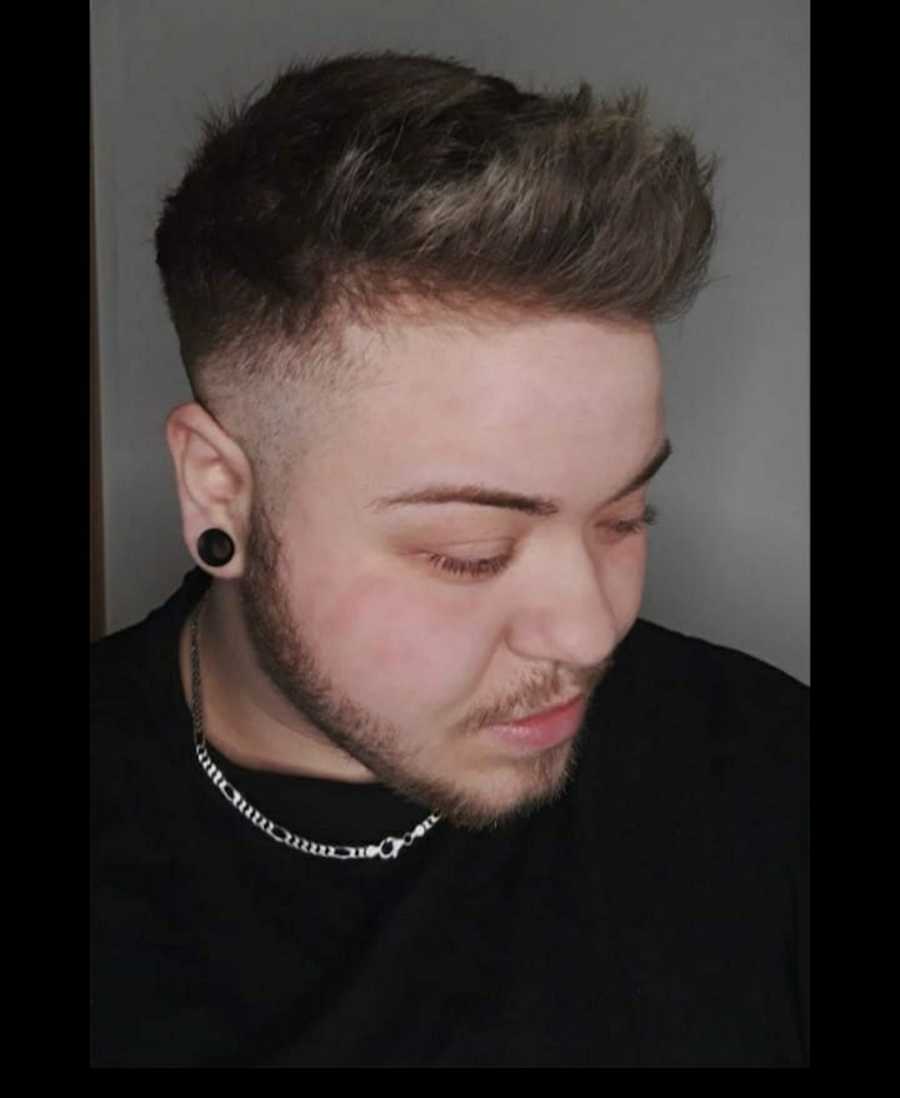
Today, I live openly and proudly as a trans man. Happiness comes from self-acceptance. I strive to support others, even if only by sharing my story, because no one should feel alone. Through this journey, I’ve met wonderful people in the LGBT community who have become like family. Coming out can be frightening, but it’s profoundly liberating.