Dave and I met through his sister, Nina, who was my good friend. At the time, we were both looking for roommates, so that’s how we started living together. I didn’t know Dave very well at first, but over time, we became great friends. For a couple of years, our friendship grew stronger until we couldn’t deny the chemistry between us. I ended up moving out, and then we started dating—kinda backward, wasn’t it? In August 2000, Dave proposed to me on a beach in Thailand, and by December of that year, we were married.
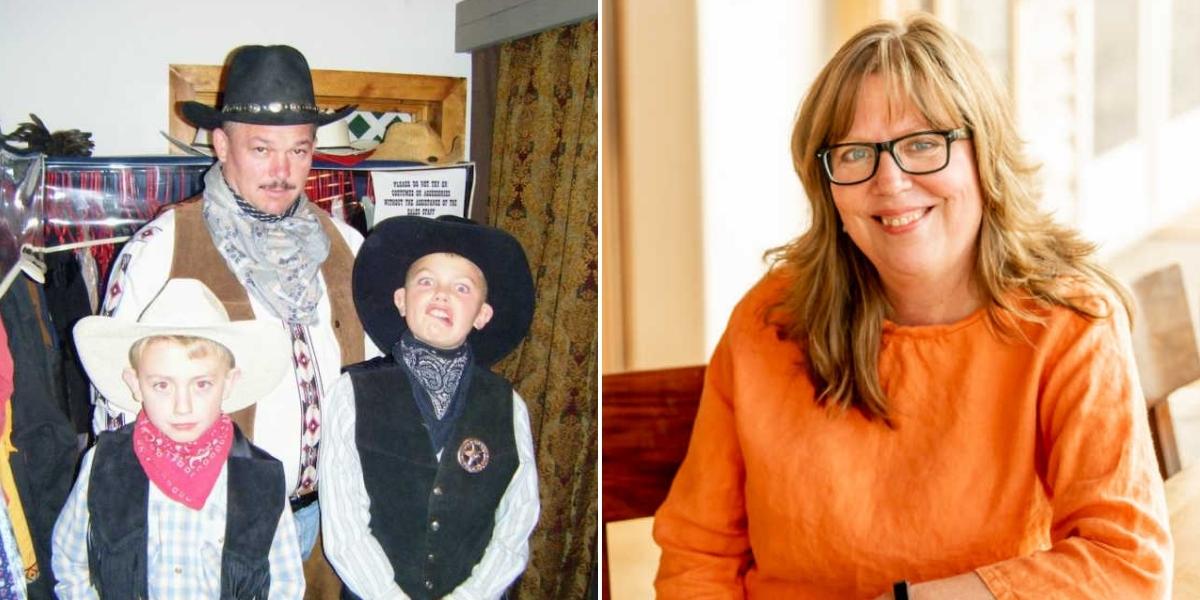
Our journey into parenthood was not simple. Dave and I experienced fertility challenges, so in 2005, we adopted our sons, Brad and Bryce, through the Oregon foster care system. Brad was seven, and Bryce was five. They were brothers, and their bond was immediate and precious. At the time, we were living in Portland, but in 2007, we decided to move to eastern Oregon to raise our boys in a smaller, more close-knit community. Dave had spent most of his career teaching high school math, but he found an opportunity to teach K-12 music in a small town outside LaGrande, Oregon. Music was his true passion, and teaching it allowed him to follow his heart while reconnecting with the place he grew up and the family he still had there.
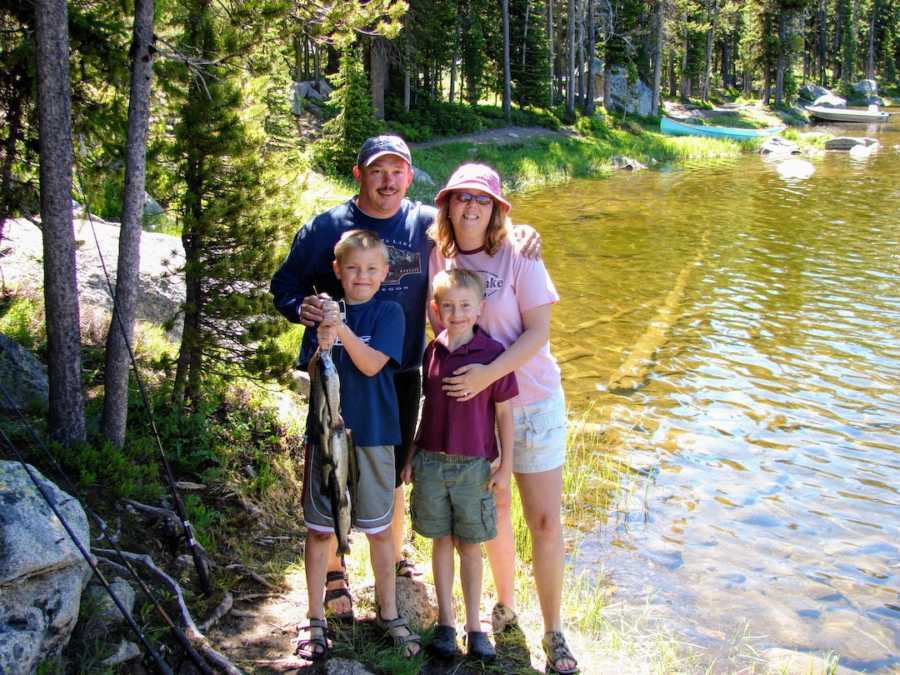
Life in eastern Oregon was full of adventure and love. Winters were spent playing in the snow, while summers were for camping and fishing. Brad and Bryce thrived in sports—soccer, basketball, football—and Dave coached their football and baseball teams. One of the things that made our marriage so strong was the deep friendship we shared before we even said “I do.” We knew we had each other’s backs. We were best friends, partners, and loving spouses. No marriage is perfect, but ours was built on respect, trust, and a sense of safety for one another.
Dave was born to be a dad. From the moment we brought Brad and Bryce into our lives, he dove in headfirst, and I did the same. Our lives quickly revolved around the boys, almost as if we were making up for the early years they had missed before joining our family.
Then, one snowy Saturday morning in January 2011, everything changed. Dave passed away in his sleep at just 46. The medical examiner determined that a respiratory illness and sleep apnea caused him to stop breathing. Brad was 13, and Bryce was just days away from turning 11. They had already endured so much trauma in their early years, and I couldn’t fathom them losing both of their dads at such a young age. Fortunately, they had developed early coping skills navigating foster care, but the weight of this loss was immense.
A month after Dave’s passing, I remember Brad telling me he needed to be “the man of the family.” I appreciated his heart, but I assured him he didn’t have to carry that burden—he just needed to be a kid. In the first few months, I was numb. I hardly cried, which scared me. I moved through life like a zombie, and it wasn’t until the shock wore off that the tears finally came.
Parenting alone while grieving is nothing short of exhausting. I returned to work after a five-week leave, the boys had school, sports, and homework, and the household responsibilities didn’t stop—meals, bills, carpools, groceries. Dave was gone, and I was doing it all. By the end of that school year, I moved us back to Portland to be closer to my support system. The reality of our new life hit hard, and in my grief, I found myself reaching for wine in the evenings to soothe the pain. I felt lost, as if I’d never feel love, joy, or purpose again.
Recognizing that this coping method wasn’t sustainable, I sought help. I started grief counseling, both to process my own pain and to support the boys. It was comforting to hear that my thoughts and feelings were normal in such deep grief. My counselor helped me see that I had been too hard on myself and that simply keeping my family afloat was a monumental accomplishment. She reminded me that taking care of myself wasn’t selfish—it was necessary for me to take care of Brad and Bryce.
I began practicing self-care in small, intentional ways—massages, pedicures, long baths. These rituals weren’t indulgent; they were lifelines. Each step I took helped me rebuild confidence and gave me the courage to face the world again. Slowly, I realized I wasn’t alone and that joy, love, and purpose could exist again. About 18 months after Dave’s death, I felt ready to explore dating and the possibility of companionship, intimacy, and love once more.
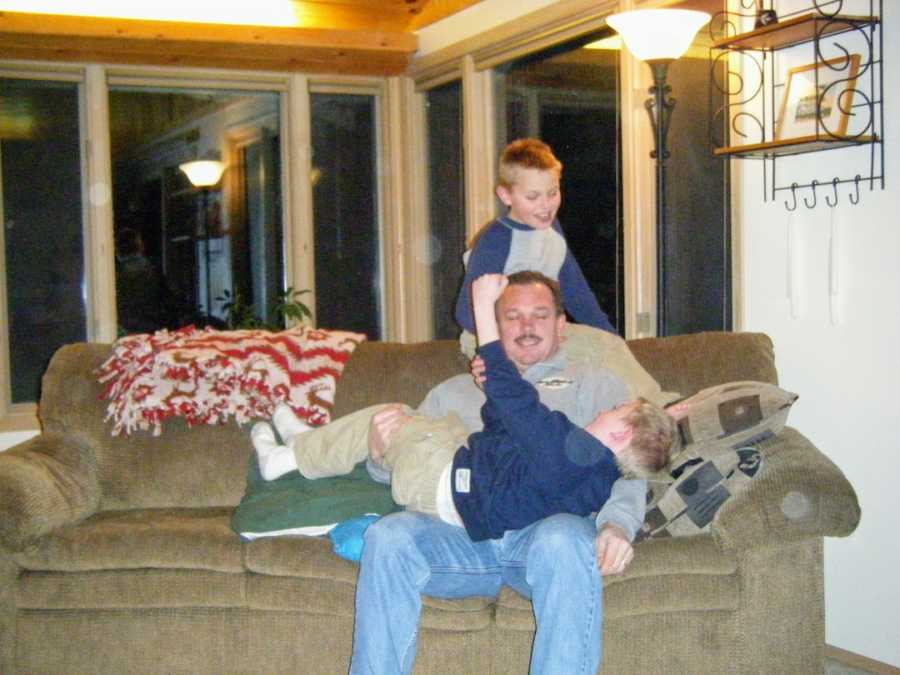
Dating as a grieving widow required clarity and thoughtfulness. I made a detailed list of what I wanted in a partner, knowing the value of a strong, healthy relationship from my years with Dave. When I met Sean, I was cautious, still processing my past and unsure of how to share my life fully. Sean was kind, generous, funny, confident, and willing to engage deeply. It felt like the universe had placed him in my path. Over time, I realized I had enough space in my heart to honor both Dave and Sean.
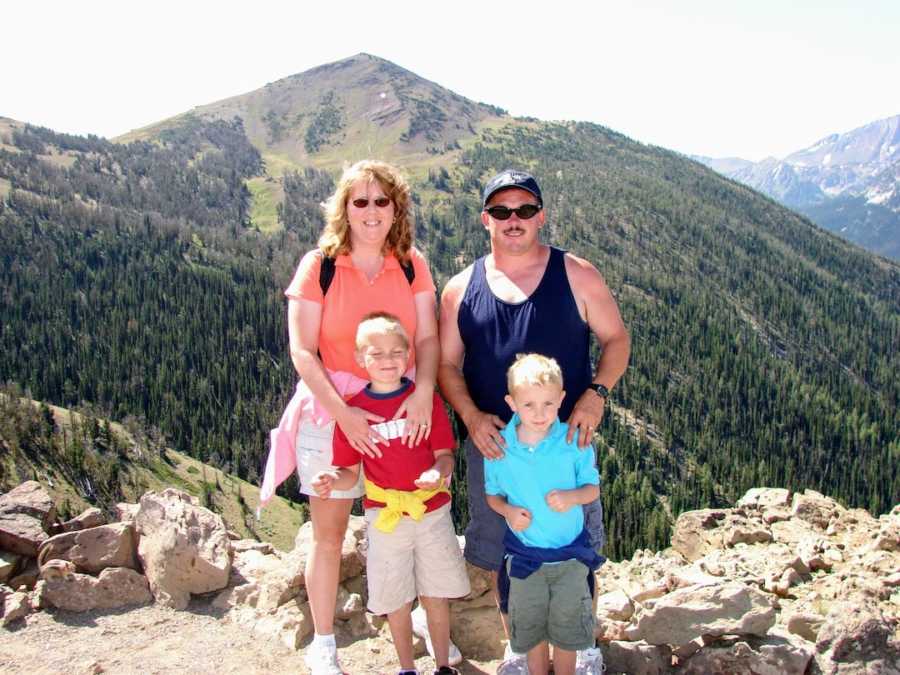
In 2015, surrounded by family and friends, Sean and I were married on the Oregon Coast. Our life together grew in love, joy, and partnership. Then, one day, a simple beauty subscription box arrived at my door. It sparked a thought: what if widows had access to consistent support and self-care during their journey? What if someone understood their pain and sent them tools to nurture themselves?
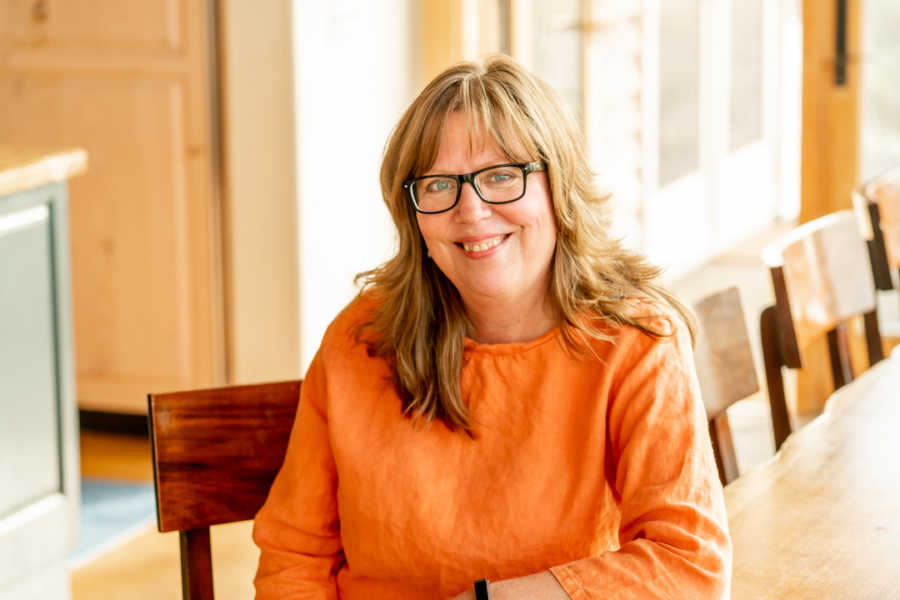
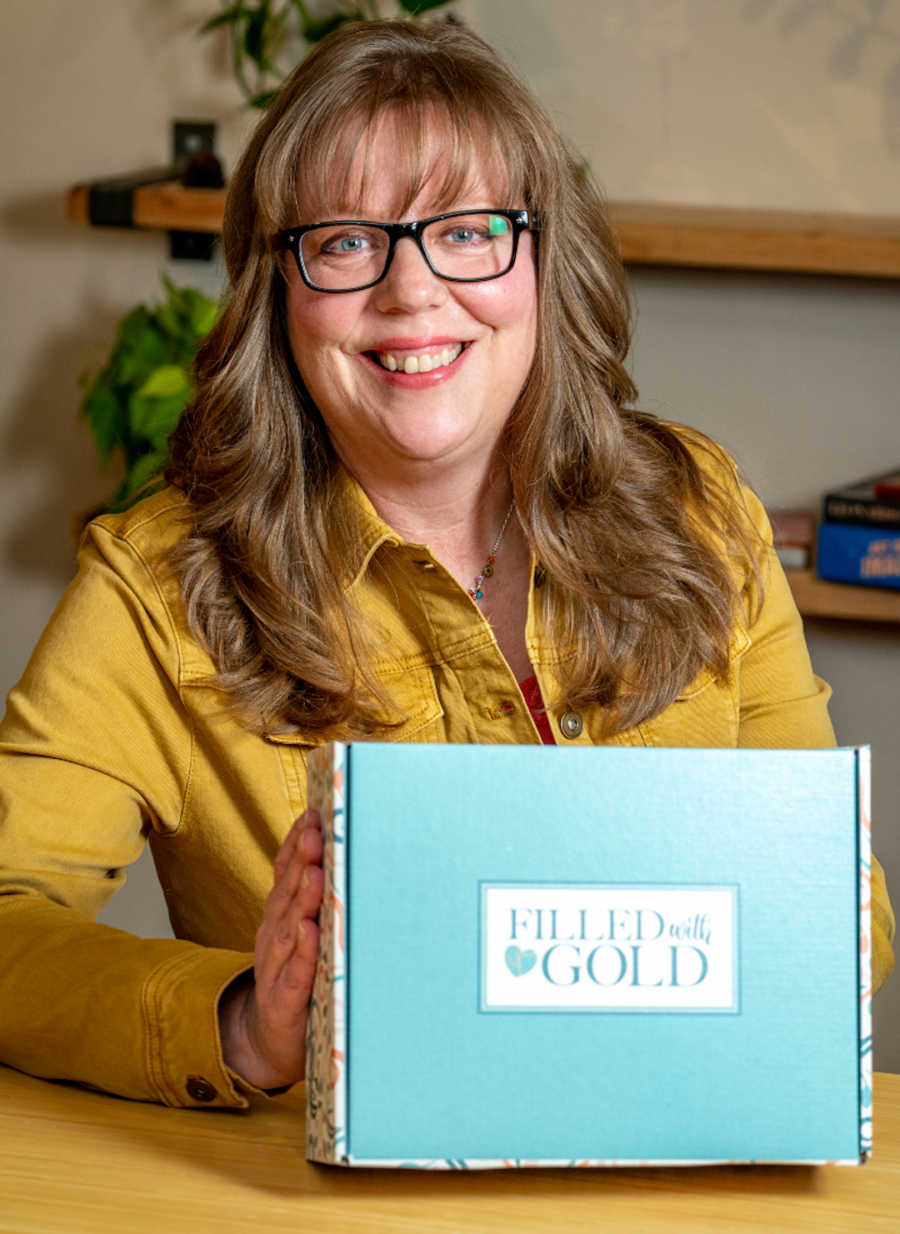
This idea led to the creation of Filled With Gold, a subscription box designed to support widows with self-care. As someone who has lived through unimaginable loss, I wanted to provide other women with love, compassion, and hope. If I could navigate the depths of grief and find joy and purpose again, they can too. Filled With Gold is my way of extending a hand to widows everywhere, reminding them that even in the darkest times, healing and light are possible.