Sometimes life takes turns you never expect—some good, some devastating—and all you can do is step out in faith and trust that God is working behind the scenes. In 2016, with our youngest child already seven years old, we were certain our family was complete. We had no plans to grow, no intentions of changing what we had built. But life, it seemed, had other plans. Amidst so many shifts and changes over the past year, I couldn’t help but feel that God had a sense of humor—throwing a curveball I never saw coming: we were expecting another baby.
Fast forward to November 13th, at my 20/21-week ultrasound. The appointment began normally enough. The sonographer was kind and lighthearted, joking to put us at ease. But as soon as our baby appeared on the screen, her tone shifted. She grew quiet, and I felt an uneasy tension rise in my chest. Something felt wrong. I tried to hold my composure, waiting for her to speak. She reviewed the images over and over, trying to confirm what she was seeing, and finally said, “Something looks abnormal.”
Tears welled in my eyes instantly. My husband reached for my hand, holding it tightly, trying to steady me as she stepped out to fetch the doctor. In those moments, my mind raced. Just minutes earlier, we were preparing for a healthy baby boy. Now, we were hearing words like CPAM, sequestration, and diaphragmatic hernia—terms I quickly memorized, desperate to research and understand what they meant.
From the ultrasound, we learned that our little boy’s heart was positioned on the right side of his chest, and a mass occupied the space where it should be. There appeared to be an opening in his diaphragm, and his stomach was located near the mass. The doctor explained that it looked like a congenital diaphragmatic hernia (CDH)—the most serious of the diagnoses. Immediately, I was scheduled to meet a neonatal physician at a high-risk pregnancy center that very day. We had only a few hours before the appointment, and I spent every minute researching.
I learned that CDH occurs when a hole forms between the chest and abdomen, allowing abdominal organs—stomach, intestines, liver—to enter the chest. This prevents the lungs from fully developing. While this isn’t an issue in the womb, where the fetus doesn’t need to breathe, after birth it can make survival extremely difficult. I also read about pulmonary sequestration (BPS), which is a cystic piece of abnormal lung tissue that does not function like normal lung tissue, usually positioned adjacent to or within a portion of the lungs.
At the high-risk center, we met with doctors and sonographers who meticulously examined image after image, trying to determine the baby’s position and which organs were affected. After hours of review, they concluded that it was not CDH, but BPS. While still serious, it was not as life-threatening as the first diagnosis. Within half a day, our journey had swung from anticipating a healthy baby, to fearing a 50% survival rate, to receiving a less severe diagnosis. Yet, it was clear: Aiden would need surgery after birth, and we were scheduled to meet with a pediatric surgeon and pediatric cardiologist.
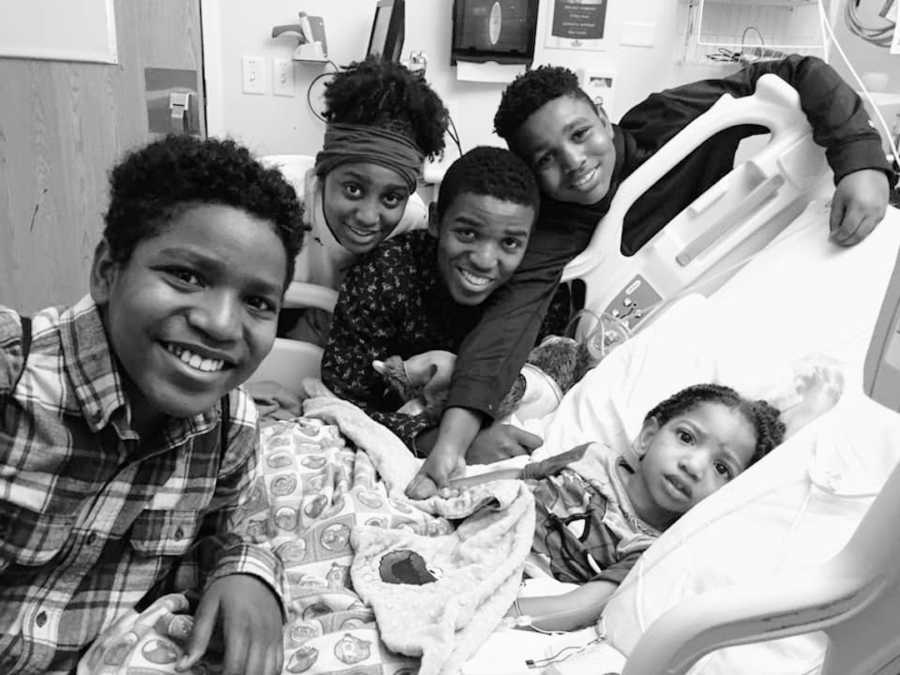
From November to December, the diagnosis remained uncertain. Doctors and specialists could not definitively rule out CDH, meaning the serious possibility lingered. During this time, we finally shared the news with our older children. Their joy at a new sibling was tinged with worry and love; they prayed daily for him, spoke to him gently, kissed my stomach, and asked constantly how he was doing. Their love was fierce and unwavering.
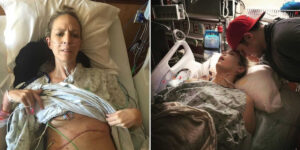
By early January, we received confirmation: Aiden had both BPS and CDH. In under two months, we had moved from expecting a healthy baby, to a serious diagnosis, to a less serious one, and then finally to both conditions. As I entered the third trimester, Aiden appeared to be thriving. He was active, growing, and moving, giving me moments of joy that balanced the constant worry. Still, the thought of the unknown haunted me—what if, after all this, he did not survive? I shed quiet tears but reminded myself that understanding the full picture was necessary to be prepared for what we might face.
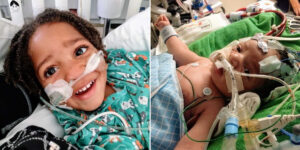
On March 28, 2016, Aiden arrived. He was beautiful, but shortly after birth, his condition deteriorated rapidly. Within hours, the NICU became a flurry of machines, beeping monitors, and nurses working frantically. Aiden’s organs had shifted into his chest, pushing his heart to the right and leaving his left lung nearly nonexistent. His blood pressure plummeted, and he was sedated and paralyzed to ease his pain and prevent resistance to treatment.
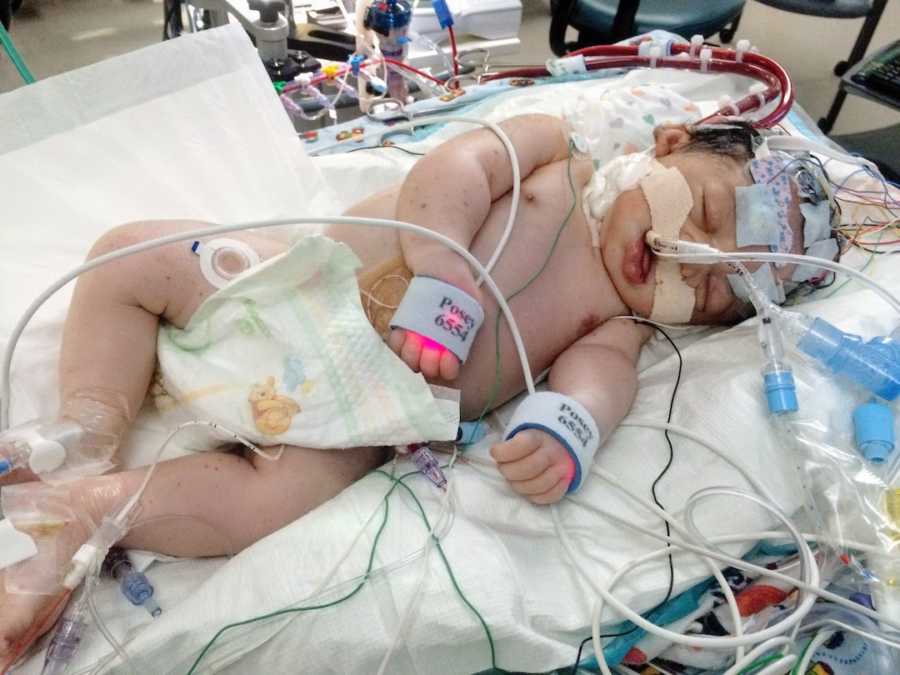
As the morning progressed, his condition worsened. He coded and required resuscitation. Multiple interventions failed, and it was determined he needed ECMO—extracorporeal membrane oxygenation—to circulate oxygenated blood through his body while his heart and lungs rested. I had researched ECMO extensively and chosen a delivery hospital equipped for it. But when the physician explained they only had ECMO for heart patients, not lung patients, my world stopped. My chest tightened. Panic and guilt flooded me. I felt responsible.
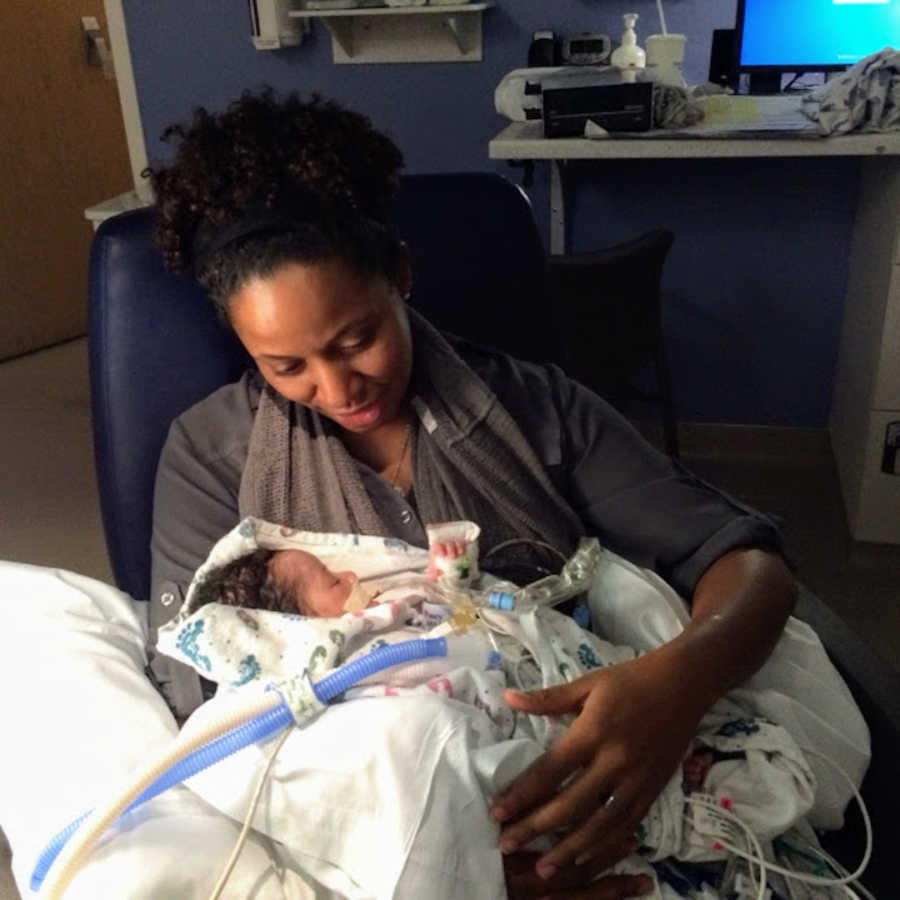
I had to set my emotions aside and fight for Aiden. He was airlifted five hours away to a Level IV NICU at Primary Children’s Hospital in Salt Lake City. His condition remained critical. During the transfer, he was manually ventilated for twelve hours, receiving inadequate oxygen to his brain and organs.
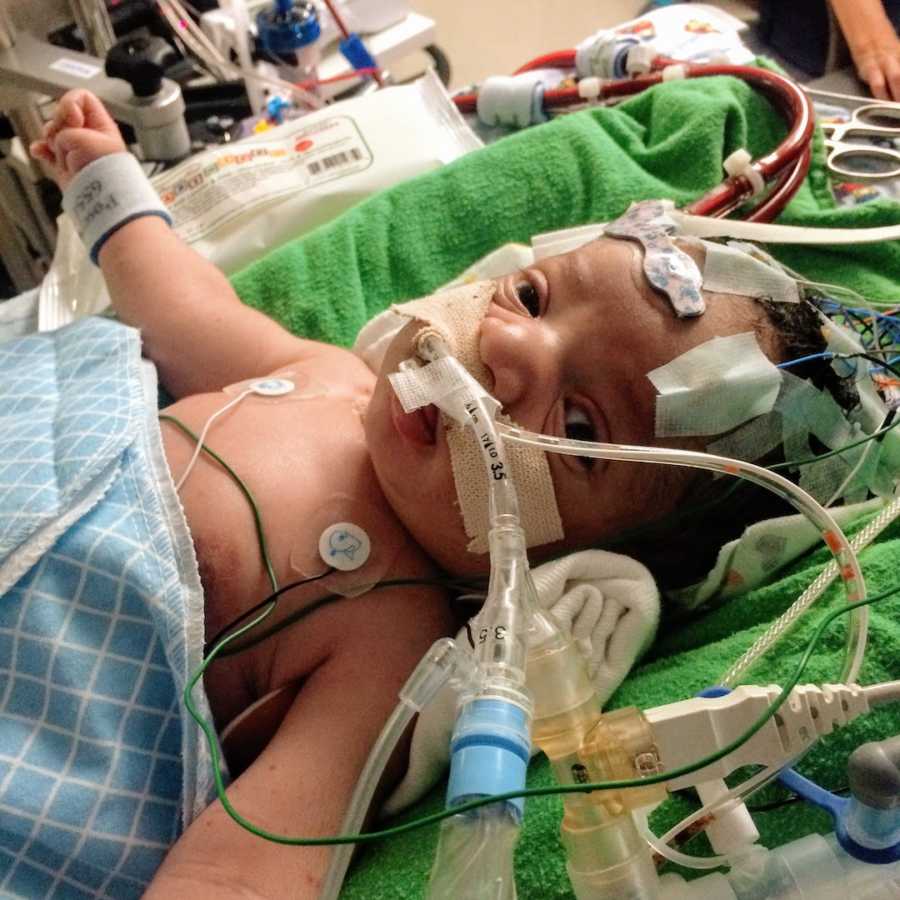
In the days that followed, complications mounted. Doctors raised the possibility that Aiden might not regain brain activity. They asked us to consider withdrawing life support. My heart refused. I asked for time—time for God, for miracles. Over the weekend, I prayed incessantly for his healing. By Sunday morning, Aiden opened his eyes. Progress had arrived, and the discussion about life support was no longer needed.
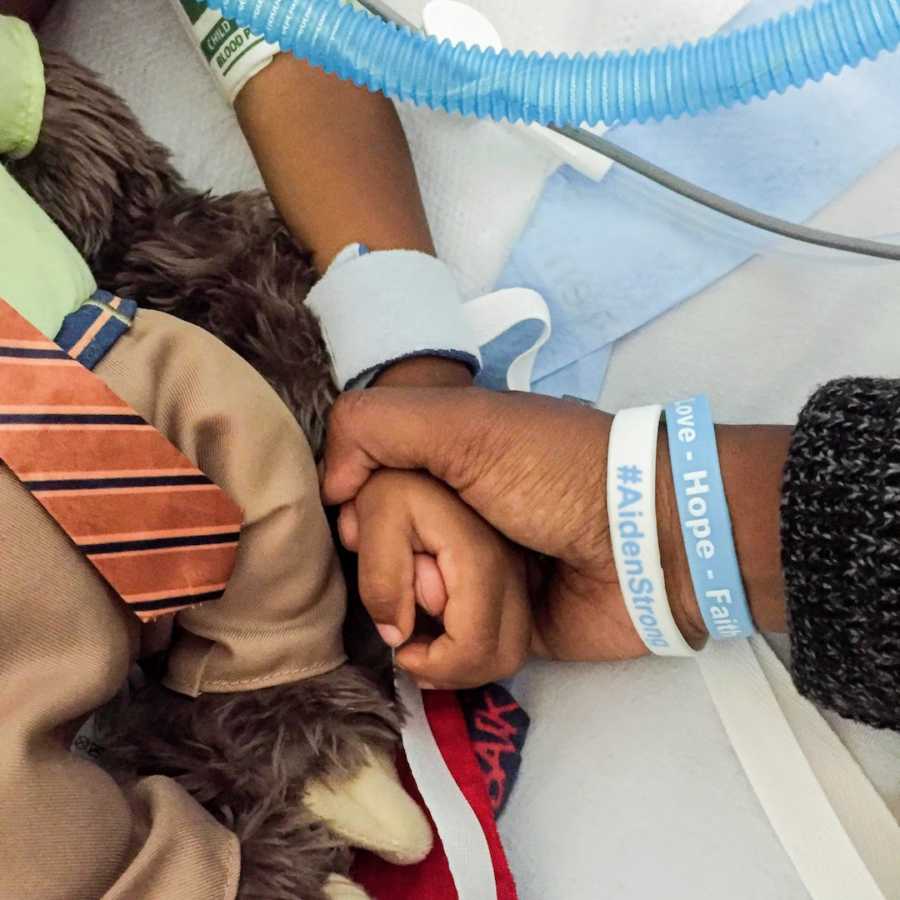
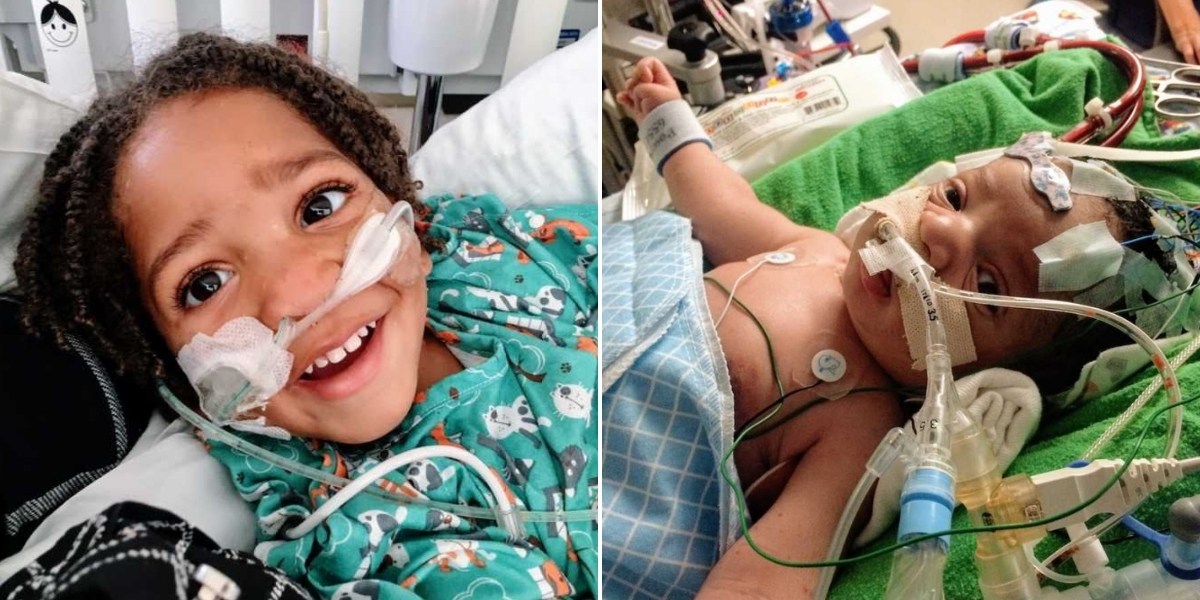
CDH is a lifelong journey, filled with uncertainty and risk. Aiden endured a hypoxic brain injury during ECMO, leading to spastic quadriplegia cerebral palsy and cortical visual impairment. He spent nearly three months in the NICU, followed by countless therapies and specialist visits every six months. Since birth, he has undergone seven surgeries and recently was diagnosed with tracheomalacia.
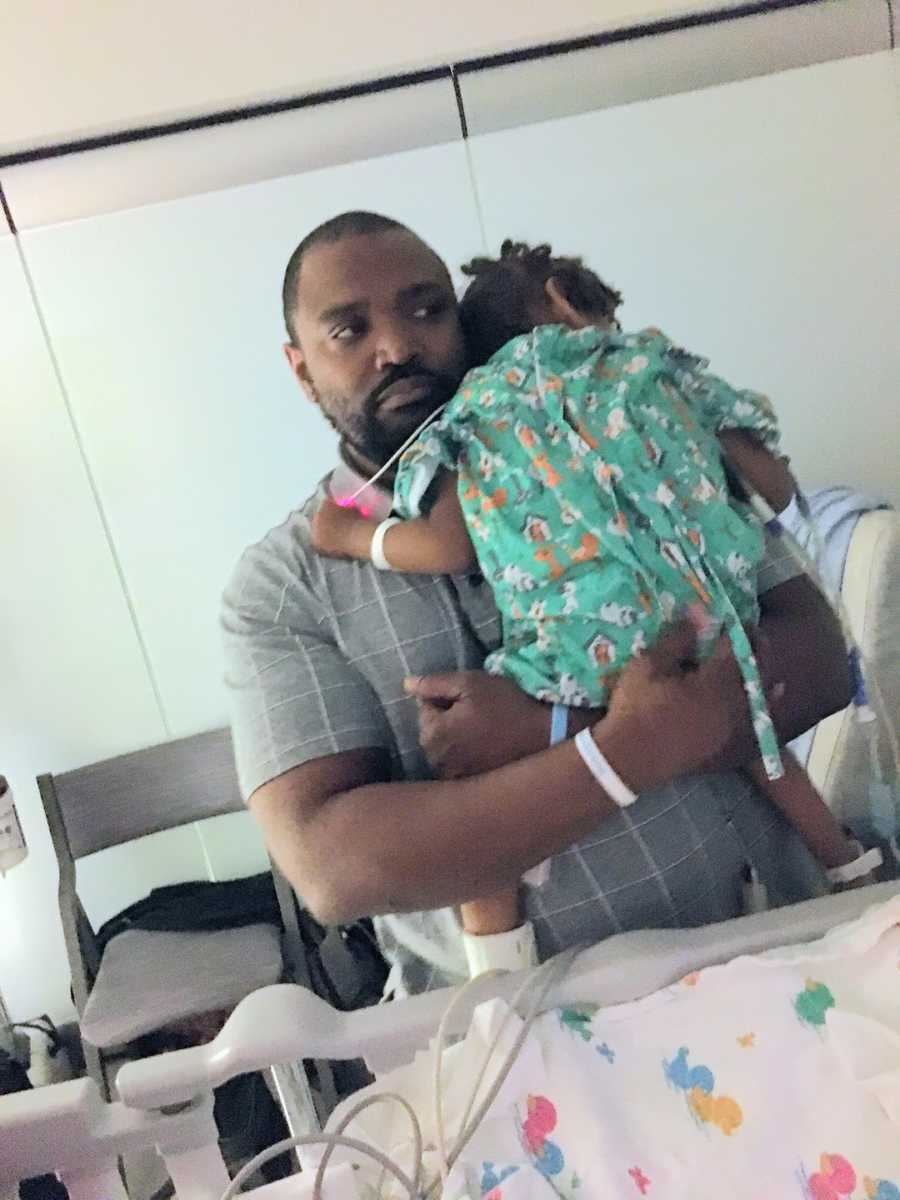
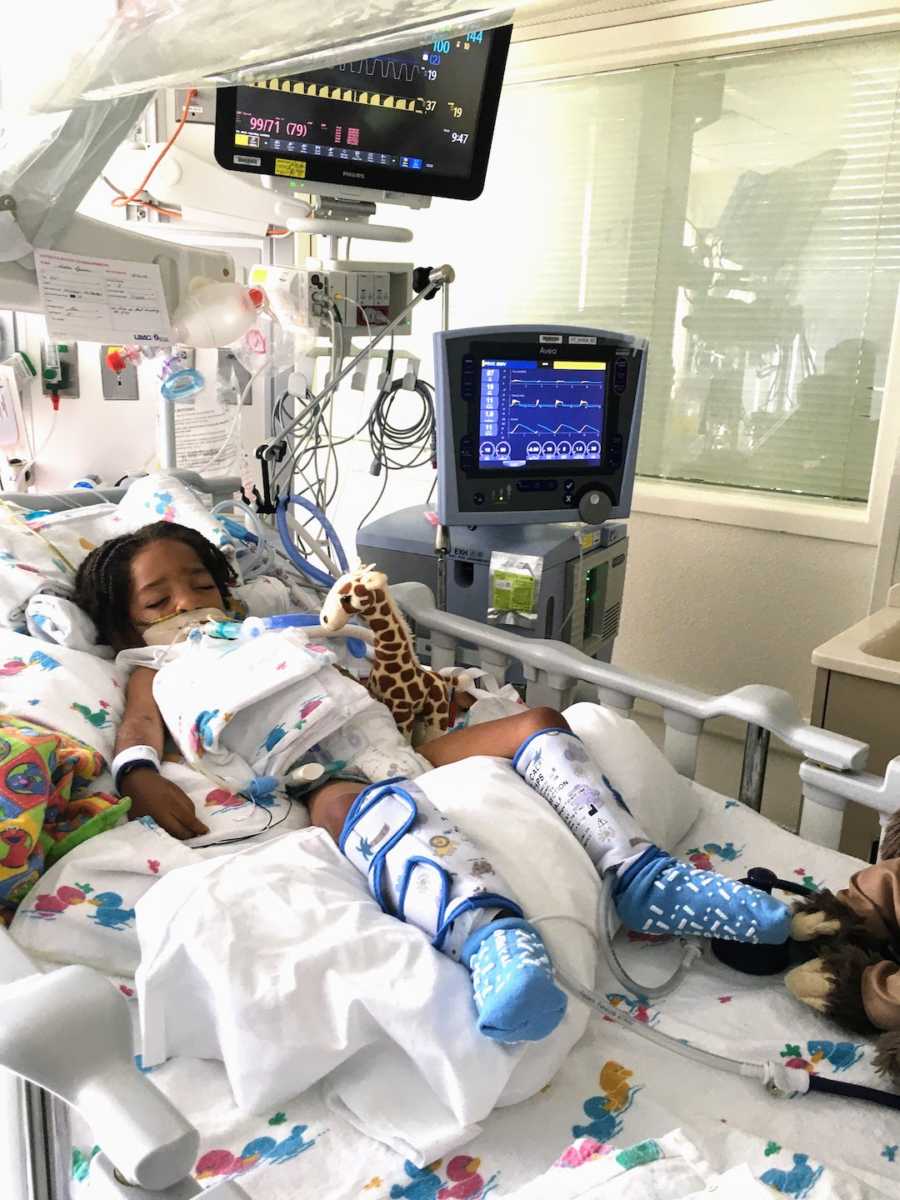
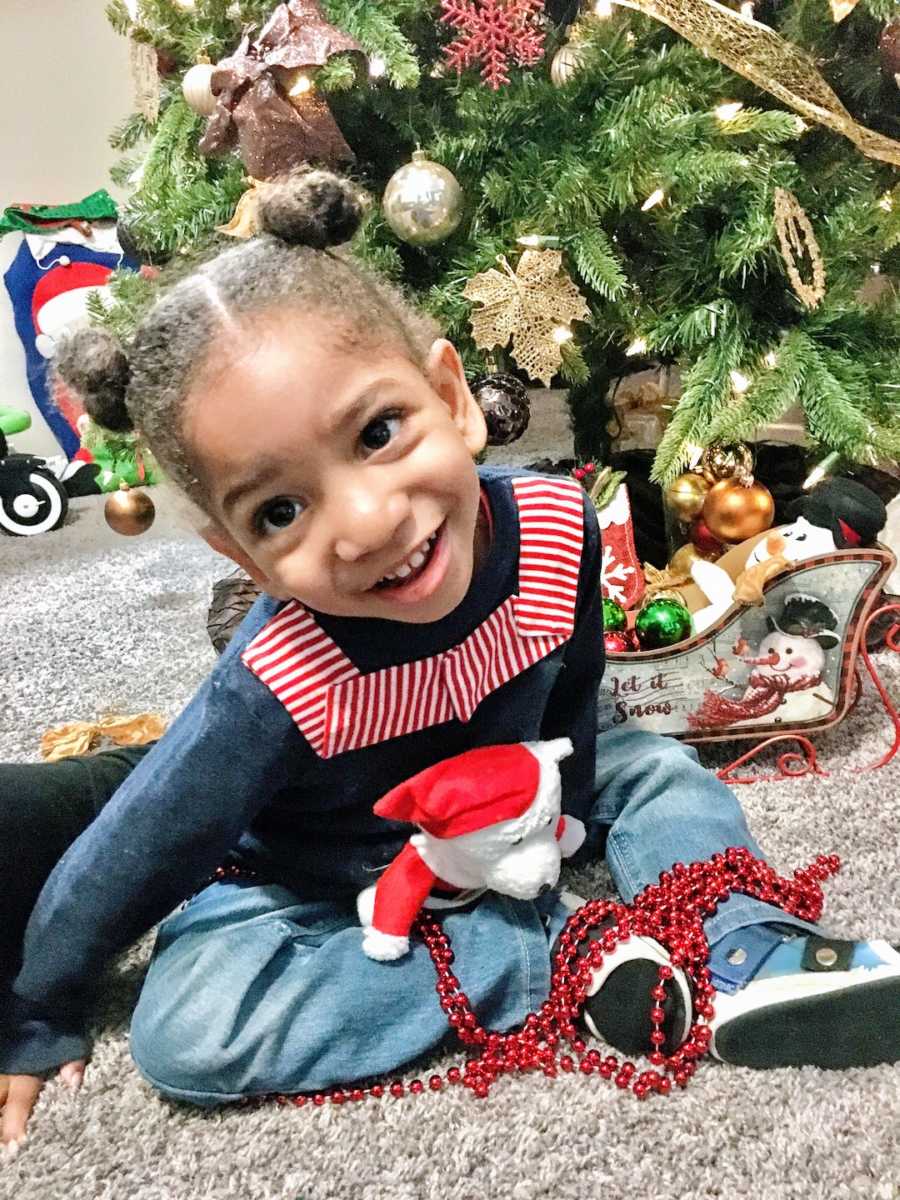
Yet, Aiden is a joyful, curious, determined four-year-old. Nonverbal and immobile, he communicates through sign language and a Tobii Dynavox AAC device, walks with assistance, and navigates the world with courage and resilience. His older siblings adore him, and his spirit inspires everyone around him.
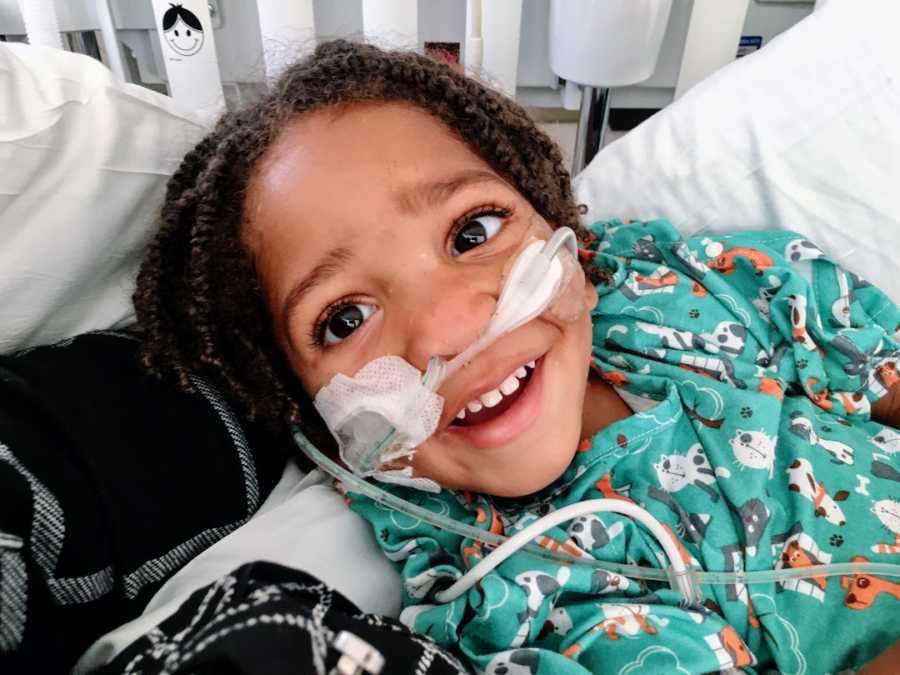
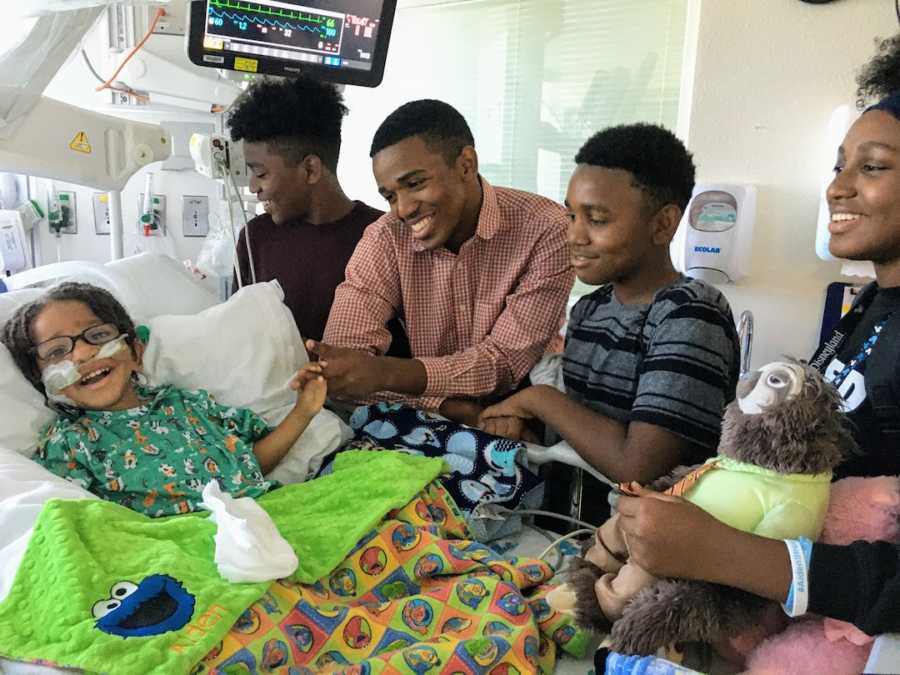
I often recall the moments I cried in hospital bathrooms, pleading with God for his survival, haunted by images and reports predicting an uncertain future. Today, I watch my son laugh, play, communicate, and achieve milestones that once seemed impossible. Each moment is a miracle.
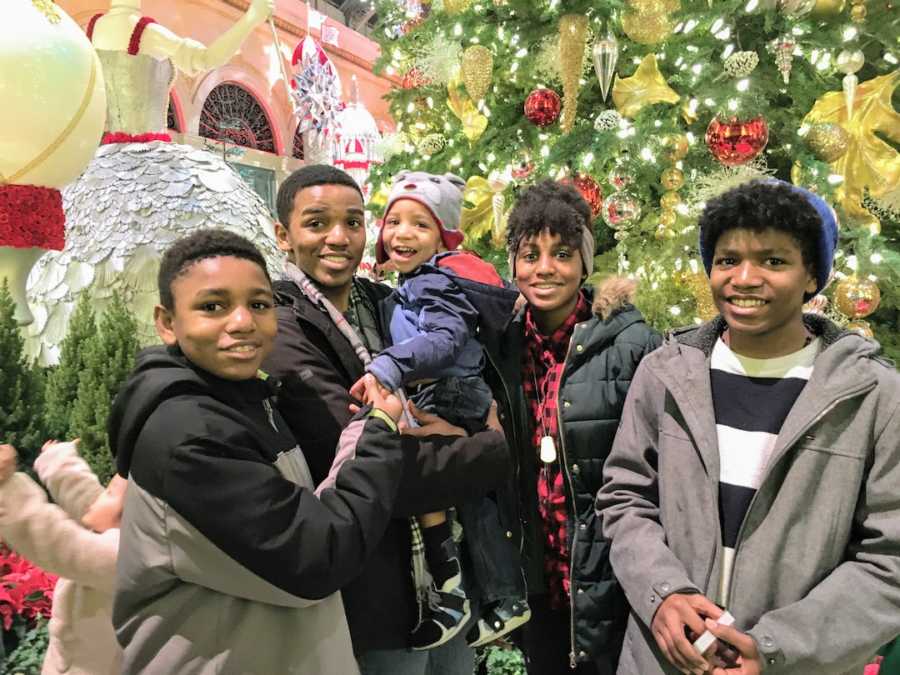
Faith, advocacy, and Aiden’s relentless determination have guided us. He is Aiden Mathis Dyson: “little fiery gift from God,” a perfect name for a perfect boy. His journey has strengthened our family, deepened our faith, and taught us unconditional love. By sharing our story, I hope other families facing similar challenges find hope, courage, and inspiration in Aiden’s remarkable journey.