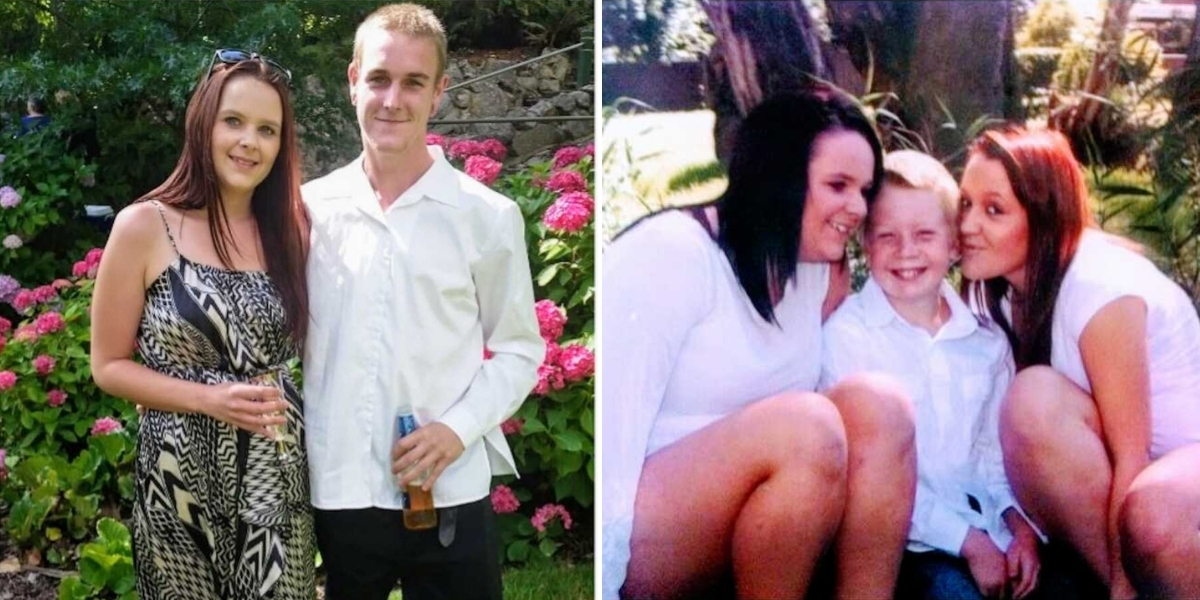
I am a 25-year-old mother living with Tourette’s syndrome, and I use my experiences to support others with disabilities. If there is one thing I can do in this world, it is to help those who may not be as fortunate as me. Being able to give back to people in the same or similar situations has always been my greatest joy. I strive to stay positive in situations that can feel overwhelmingly negative, and my mission is to encourage, educate, and help build an inclusive, empathetic society—one that focuses on people’s abilities rather than their disabilities.
The first signs of my Tourette’s appeared very early. From around eight months old, I displayed extreme behaviors, which intensified from age two: hitting, biting, scratching, breaking objects, and sometimes even destroying parts of the house. As a baby, I would bend my fingertips while on my hands and knees—a habit that continues today as a coping mechanism when I feel overwhelmed, leaving my fingers permanently bent. My meltdowns could last anywhere from one hour to twelve, with no break in between. At my worst, I would have up to five long meltdowns each week.
As I grew older, these behaviors evolved into muscular tics. A tic is like a sneeze—you feel it coming, and you can’t stop it. You simply have to give in to the movement and move on. I often had to jerk a muscle forcefully to relieve the sensation. Years of this left me in constant pain. In school, it sometimes got me into trouble. For instance, one of my tics was rolling my eyes, especially when a teacher expected eye contact. I was often punished for something I couldn’t control.

Tourette’s also affects daily life in less obvious ways. I have always struggled to maintain a tidy space. No matter how hard I tried, my bedroom was messy—a source of calm for me, yet I loved having it clean too, creating a constant battle. Obsessions are another trait of Tourette’s, and during difficult periods, my need for routine intensifies, affecting everything from foods and TV shows to sleep schedules and daily activities.
My obsessions, particularly with food, were a lifelong struggle. Growing up, I was on a restricted diet to manage my behaviors. Once the restrictions lifted, I overindulged, developing strong cravings for Coca-Cola and takeout, and I gained weight. Learning to manage these obsessions and regain control of my eating habits eased things, but they never disappeared completely.
Before my diagnosis, my Tourette’s significantly impacted my life. Extreme behaviors affected friendships, my relationship with food, medication, and exercise. I hated feeling so different and couldn’t understand why. My siblings also struggled, as our mother devoted hours nightly to researching my condition, trying new diets, and attending regular medical appointments. After my diagnosis, it took time to rebuild strong bonds with my siblings, as they often felt overlooked while so much attention was on me.
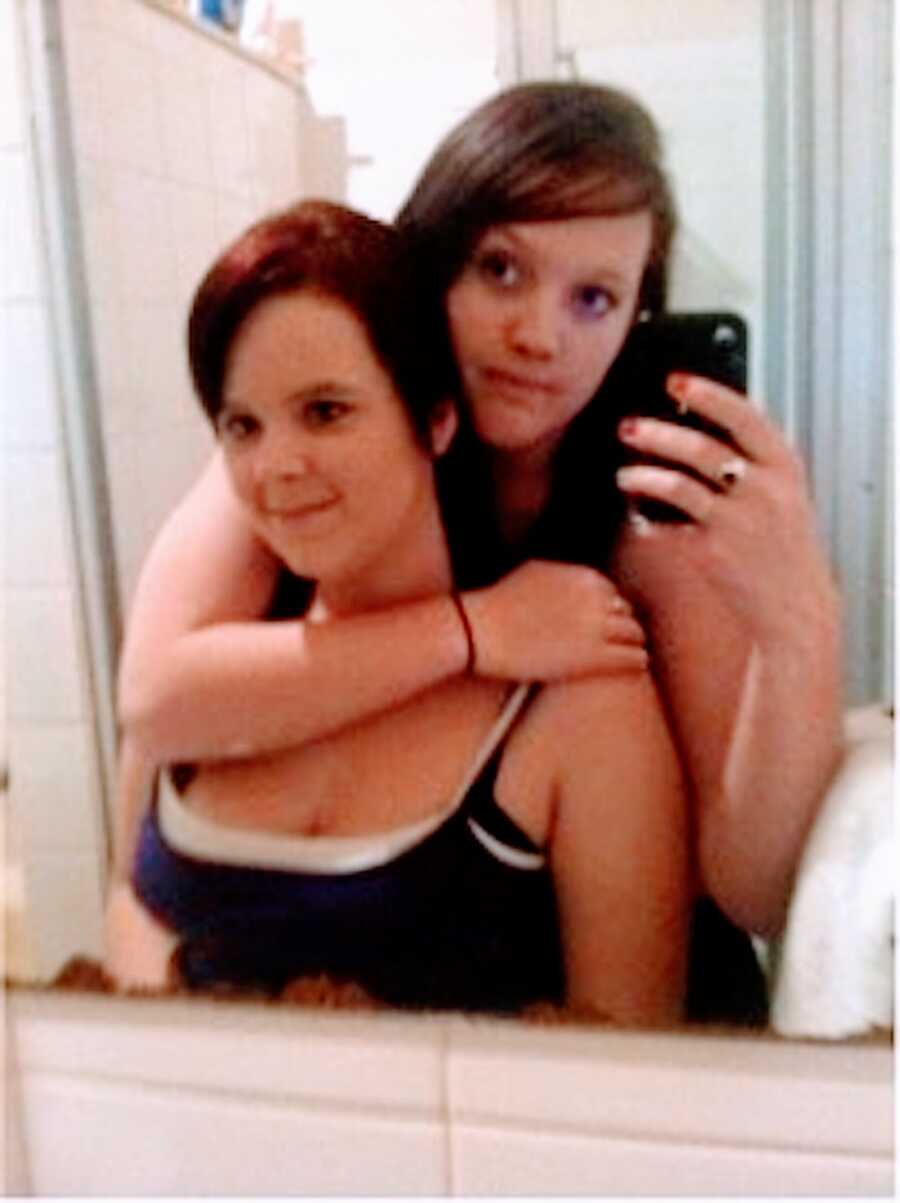
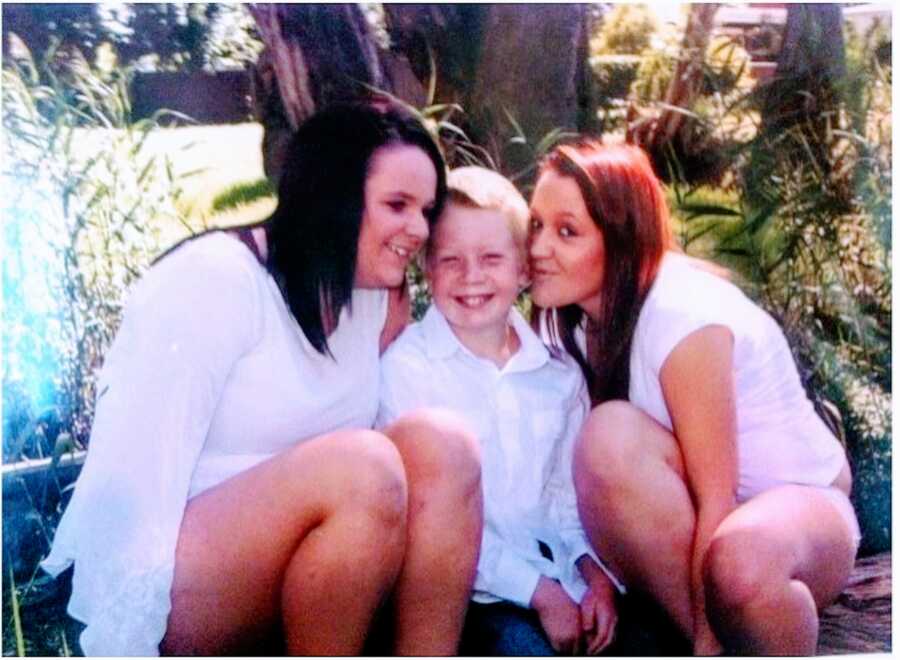
I was diagnosed with Tourette’s at age 12, just as I began Year 7 in high school. The diagnosis had a profound effect on my self-image, and even today, some days remain difficult. To avoid standing out, I became a people-pleaser, often going over the top with hairstyles, hair colors, and clothing choices to fit in. My mental health suffered, and anxiety became a constant companion. Some days I feel confident, but on most days, I struggle with self-image, constantly worrying about what others think.
Following the diagnosis, depression became part of my life. I masked myself with makeup and hairstyles and avoided social situations due to anxiety about my tics. While social anxiety remains, I now manage it more effectively than I did in my younger years. Accepting that I was different—and that I lived with a disability—was a long process. I used to joke, “Whoops, that’s just my Tourette’s,” in nearly every awkward moment. In my mid-to-late teens, I started embracing my differences, seeing them as strengths rather than weaknesses.
Returning to school after dropping out for a year due to bullying and isolation marked a turning point. I enrolled at our local community college to complete Year 11 and Year 12. There, I discovered my passion for helping others through volunteer work. It was where I began accepting myself fully and embracing my uniqueness.
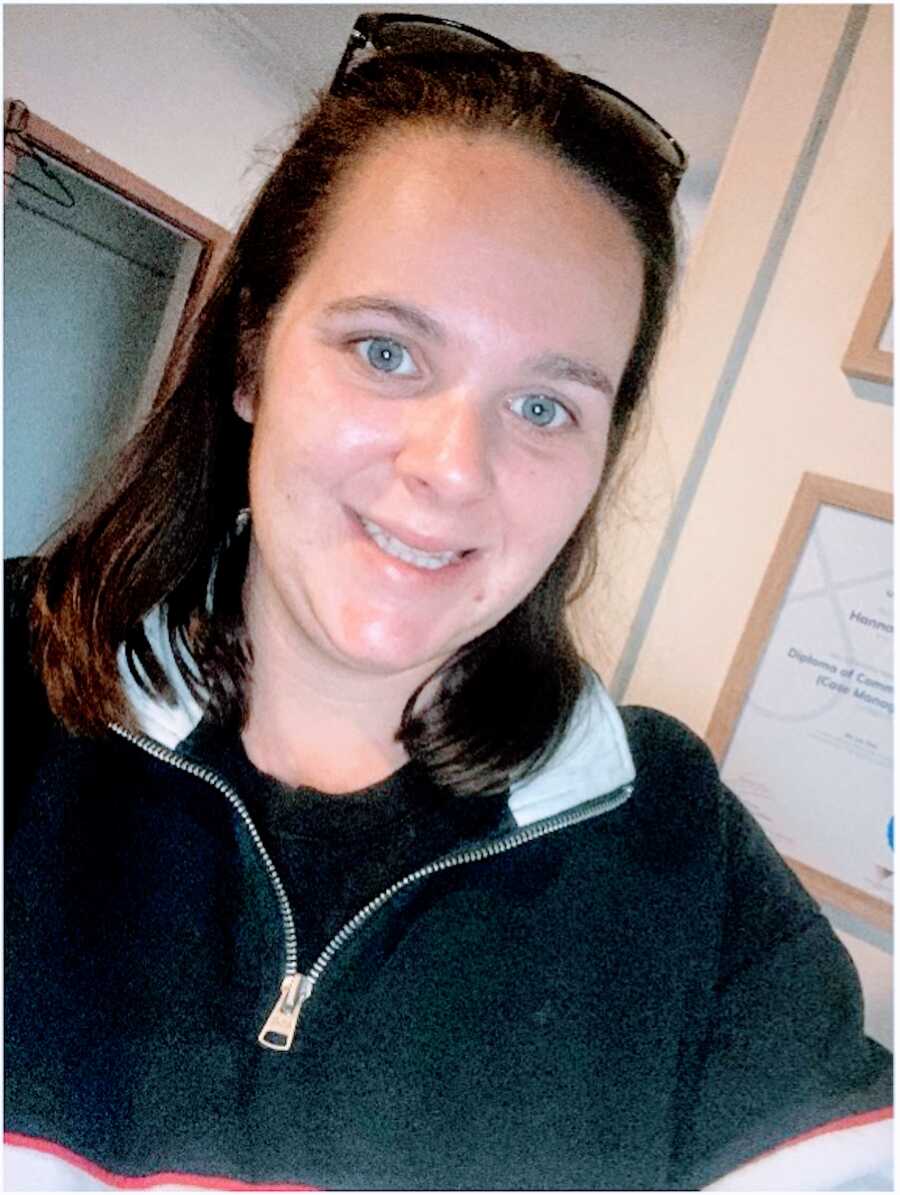
Tourette’s affects me daily, from my morning routine to how I manage meals and caffeine intake. Routine is essential, and even small changes can disrupt my day. I monitor my emotions, stress, and sugar intake to keep my tics manageable. I have not experienced a full-blown meltdown like my younger years in over five years—a milestone I hope continues.
My family has been my rock. My mother’s unwavering support, despite the exhaustion my care demanded, kept me going. My older sister was another pillar of support, staying by my side through meltdowns, extra appointments, and diet changes, always making me feel included and normal. My grandparents provided stability and calm, especially during times of crisis, and my partner, Alex, has been a constant source of love and acceptance. Even my mother’s anxiety support dog, Samson, was a huge companion to me until his passing last year.
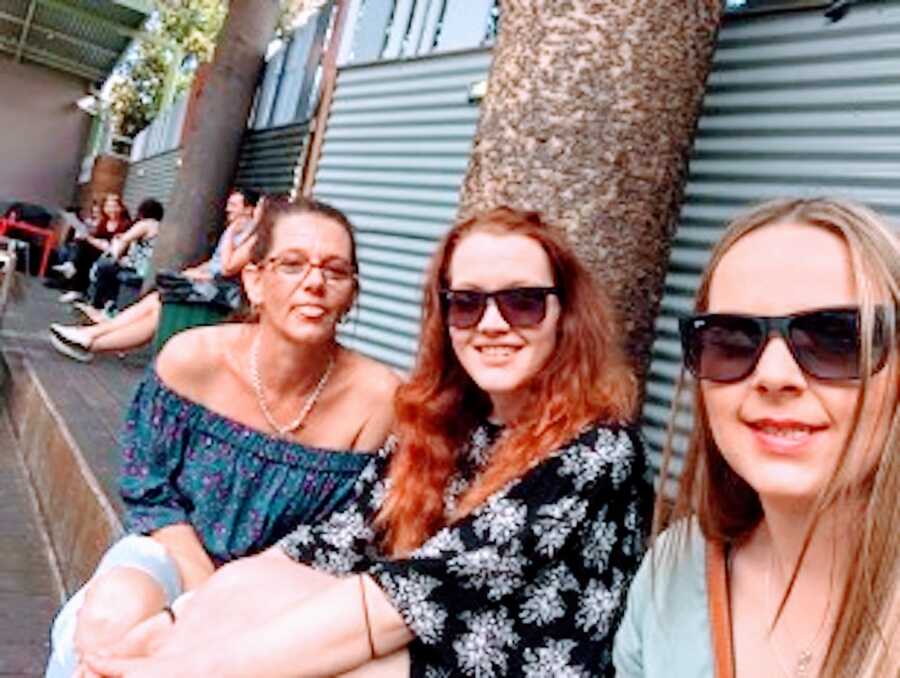
Time and ongoing support allowed me to see light at the end of the tunnel. There were moments I considered giving up, feeling like a burden on my family. But through support from family and compassionate teachers, I realized I was an asset, capable of making a difference despite my diagnosis.
I discovered my passion for supporting others with disabilities at 17 while volunteering in a craft group at a local day program. That experience changed the course of my life. After completing Year 12, I pursued further education in disability support, beginning my career at 19. I was placed in a residential home for adult males with behaviors of concern—initially intimidating, but I quickly found my place, building trust and relationships with residents and colleagues.

One of my earliest lessons came within my first week on the job when a resident experienced a meltdown. Watching staff manage the situation while supporting the individual deeply impacted me. It showed me that my role was more than a job—it was a calling. Over time, volunteering and working alongside individuals with disabilities became my passion, not just a career.
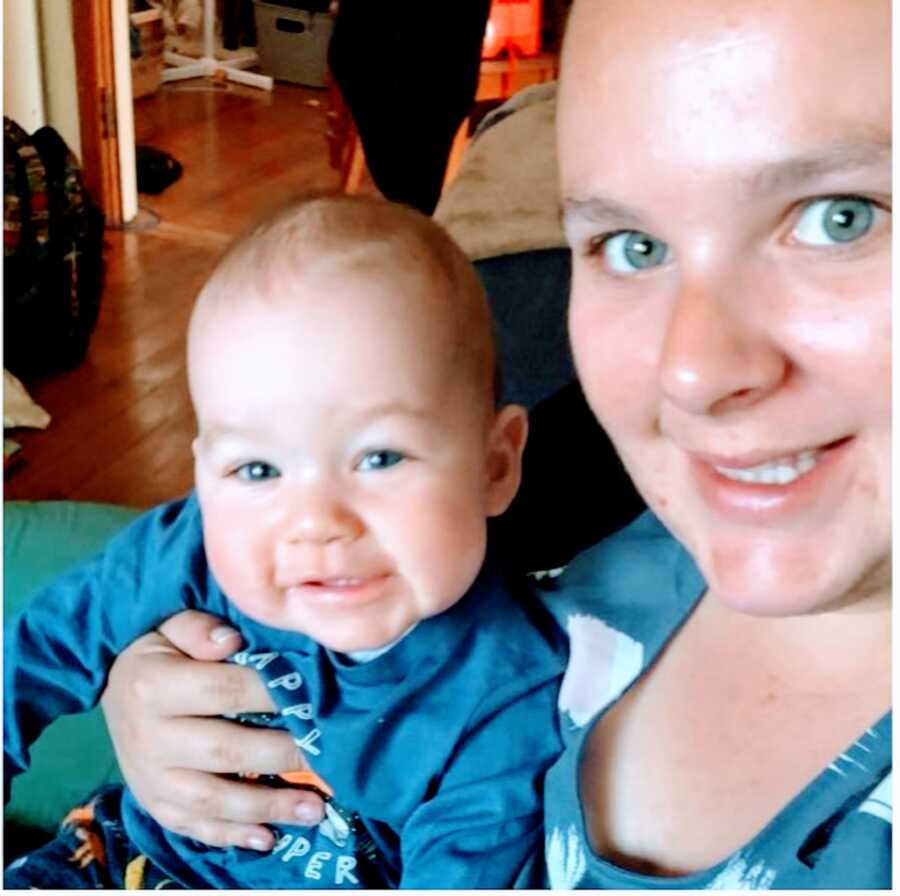
A turning point came at 21, when I helped a young person transition into supported accommodation. This young person mirrored my own struggles from just a few years earlier. By sharing my experiences and Tourette’s journey, I became their inspiration, and the impact I made on them showed me the difference I could create by being honest and open.
My hopes for the future are to continue educating and supporting people with disabilities, helping them reach their goals and live independently wherever possible. I want to create a world where inclusion is standard—where retail and hospitality staff are trained to support people with additional needs, using tools like visual menus to empower independence. This vision inspired my Instagram page, @the.support.mumma, which provides a safe space for carers, parents, and people with disabilities worldwide to learn, connect, and gain support.
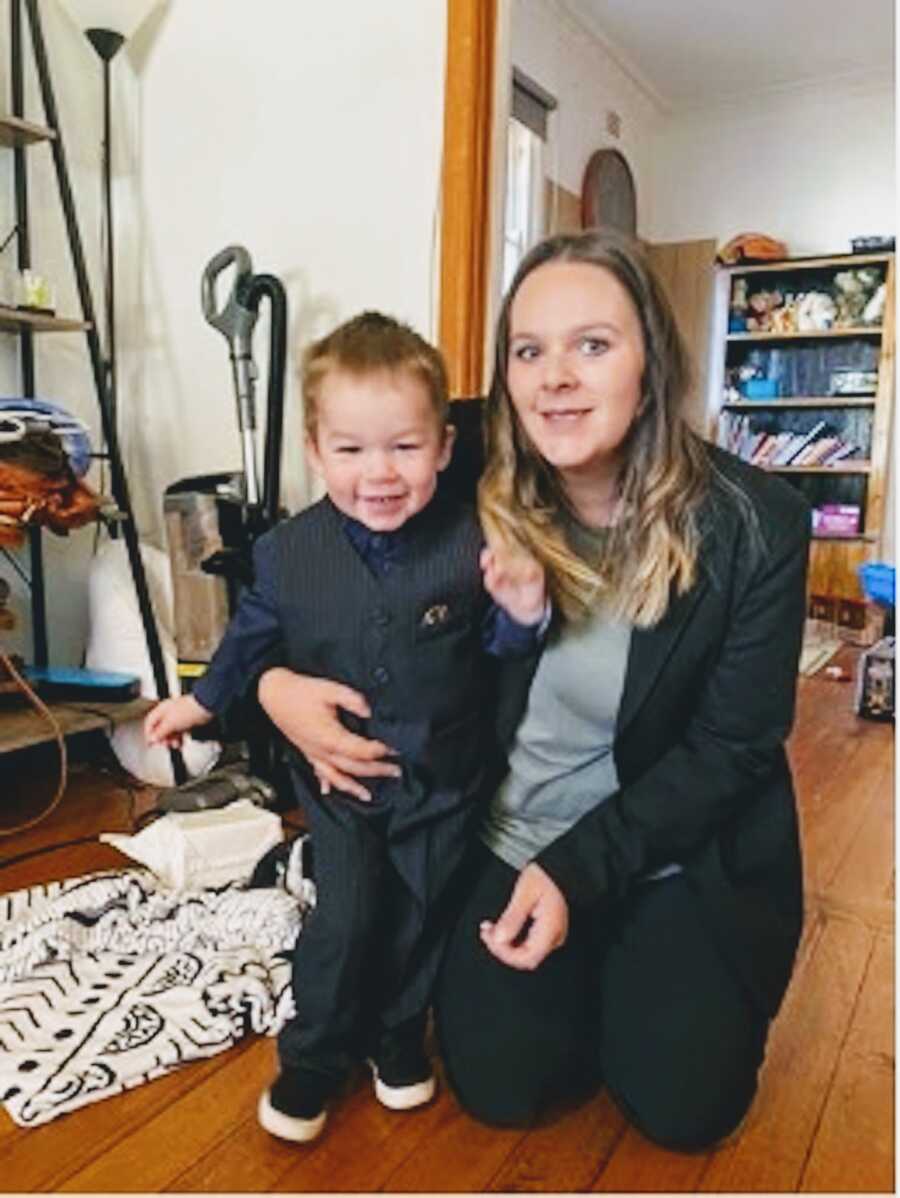
I want to continue supporting, encouraging, and educating as many people as possible, showing just how incredible people with disabilities can be when given the right support.