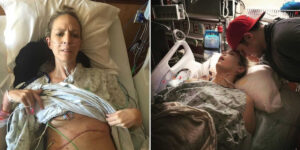
I should have known from the very first party I attended that I would never have a working relationship with alcohol. In all honesty, I was a well-behaved kid. I never went to high school parties, never snuck out, and never lied to my parents. I followed the rules to the letter because I hated the feeling of being in trouble. But during my senior year, I went to my first party. I had two drinks that night—and the consequences were immediate and unforgettable. I blacked out, fell out of my friend’s car while vomiting on the side of the road, rolled down a hill, and spent the rest of the night throwing up in her bathtub. I woke up in her bathroom, soaking wet with vomit caked in my hair. That experience was enough to make me say, “Nope. This isn’t for me.”
That same year, my mom and I went through a traumatic event that would change our lives. Her long-term boyfriend terrified us, and we lived in constant fear for our safety. When we finally escaped, my mom began a long battle with alcoholism. Watching her struggle, I swore to myself that I would never let this happen to me. But I had no idea how easily addiction could sneak into my life.
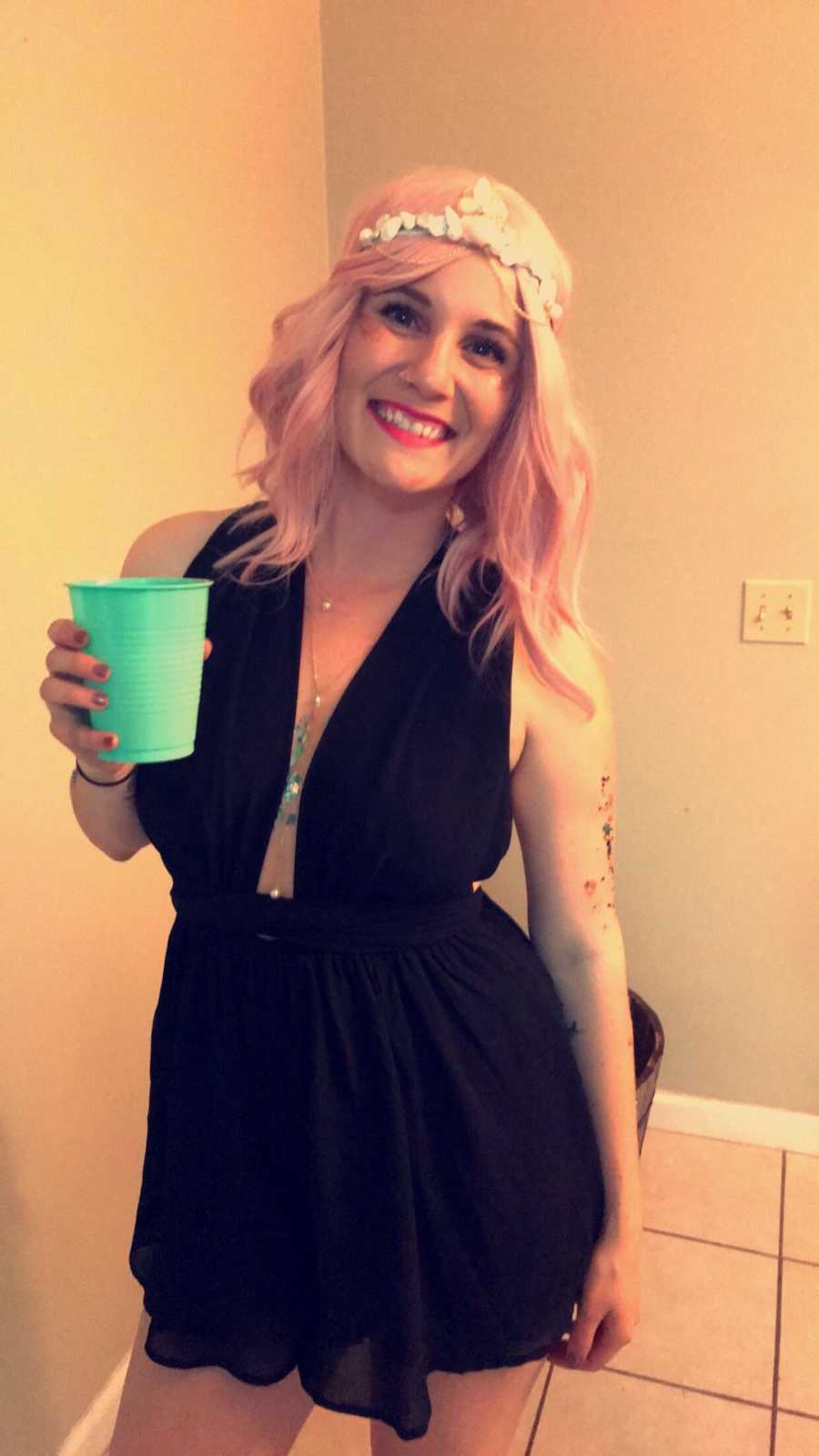
As I got older, I went through a rebellious phase. By 18, I was drinking more frequently, oblivious to what this habit could lead to. What started as casual, social drinking quickly spiraled into an addiction I wouldn’t recognize for years. I couldn’t legally drink in bars yet, but I ran with a crowd that lived for partying. We’d pregame before nights out, trying to see how many jello shots we could handle or soaking gummy worms in vodka. I remember one night having 23 jello shots before going to a club. I never had a healthy relationship with alcohol, but everything around me made it seem normal.
When I started working on my own, I took a second job as a waitress. My drinking transformed from weekend fun with friends into a daily habit. Eventually, I went to waitressing full time—a decision that would be disastrous for my relationship with alcohol. Drinking became routine, whether with coworkers, regulars, or friends. Day drinking and drinking alone at home became my norm. Even amid my mom’s struggles, she recognized the warning signs in me. I remember her calling me one afternoon to go shopping. I’d already consumed an entire liter of a margarita drink called Tarantula, and when she picked me up, I reeked of alcohol. The disappointment in her eyes was clear—but at that stage in my life, I didn’t respect her opinion.
As my relationship with my mom strained, I dove headfirst into a party lifestyle. Drugs entered the picture, and for several years, they consumed me. Recreational use at house parties turned into concerts, festivals, and all-night parties with friends. When the drugs wore off, the alcohol never stopped. Champagne and Bloody Marys would follow sunrise.
I was in a long-term relationship during this phase, and we were inseparable. The drugs, surprisingly, were never hard for me to give up. I frequently told myself, “I don’t have an addictive personality”—looking back, I can barely believe how naïve that statement was. Alcohol, however, remained ever-present. I lived near the bar street in my college town, and nights always ended with drunken walks home. I remember one night deciding to run down the hill toward my house. I tripped, ripped my jeans, sprained my knee, and bled down my leg. I blacked out, wandering the neighborhood for an hour, trying to find the wrong apartment.
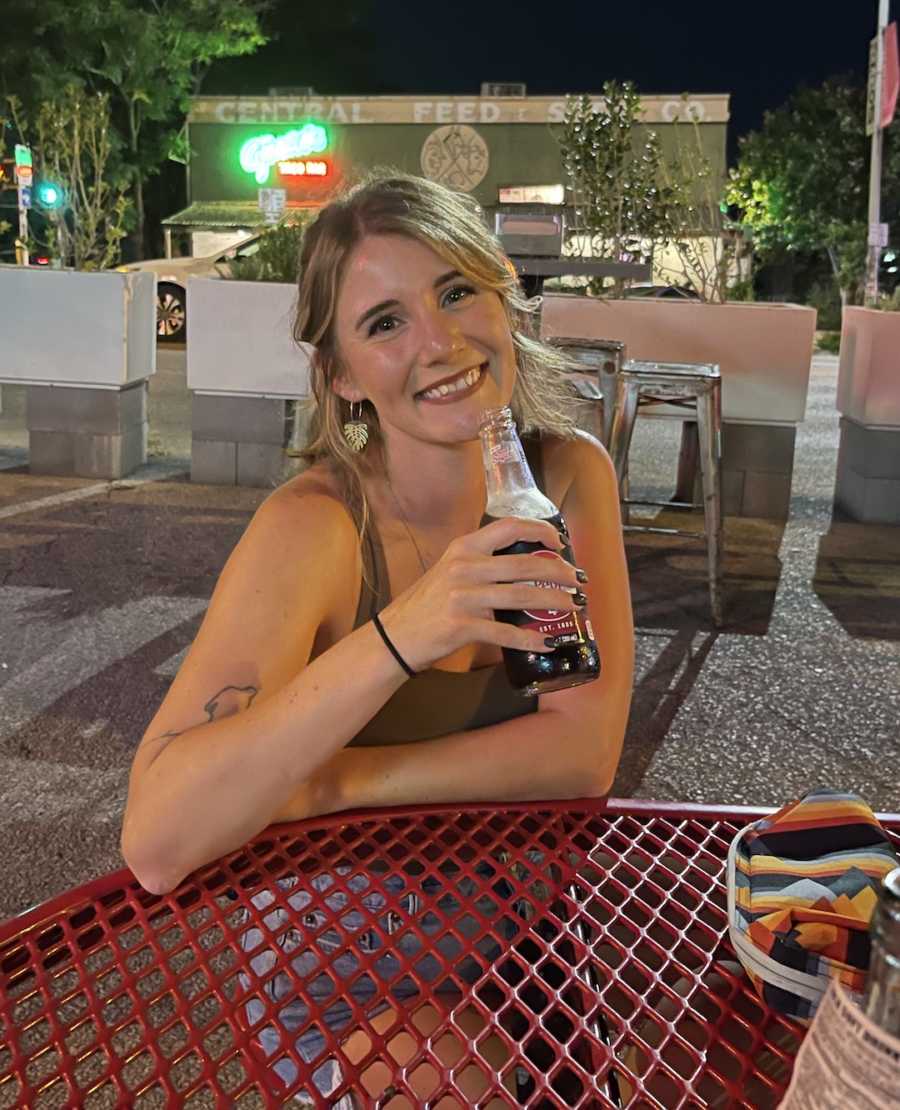
My relationship began to crumble, but instead of communicating my unhappiness, I drank more heavily. Blackouts became more frequent, and I became cruel in ways I didn’t fully realize. After the breakup, things got darker. I started seeing someone I worked with—things went badly. One night, drinking alone at a bar, I drank with a friend until closing. On the way to my mom’s apartment, I totaled my car, mistaking my small town streets for the interstate. The airbag deployed, smoke filled the car, but miraculously, no one was hurt. The man I hit begged me not to call the cops, and somehow, I walked away unscathed. This was rock bottom—but only the beginning of the worst four years of my life.
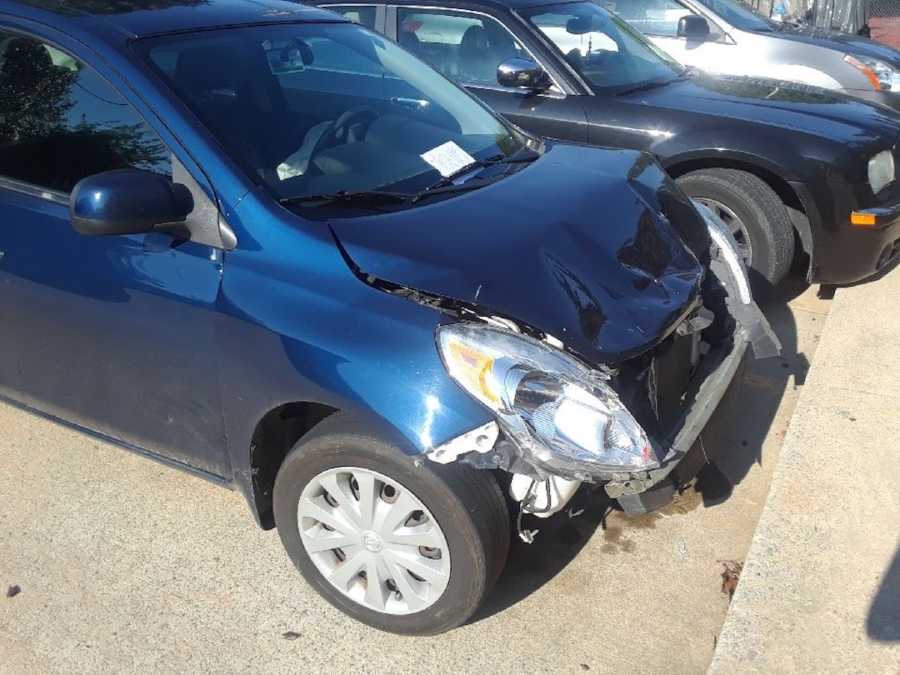
After that accident, I stopped caring about my life. I lied about what had happened, moved into a “party house” with three roommates, and drank daily. Nights always ended in blackouts, regret, and unsafe choices. I slept with strangers to numb emotional pain, spiraled into depression, and put myself in dangerous situations repeatedly. I knew I had a problem but didn’t care enough to fix it. My 20s became a revolving door of destruction, shame, and isolation.
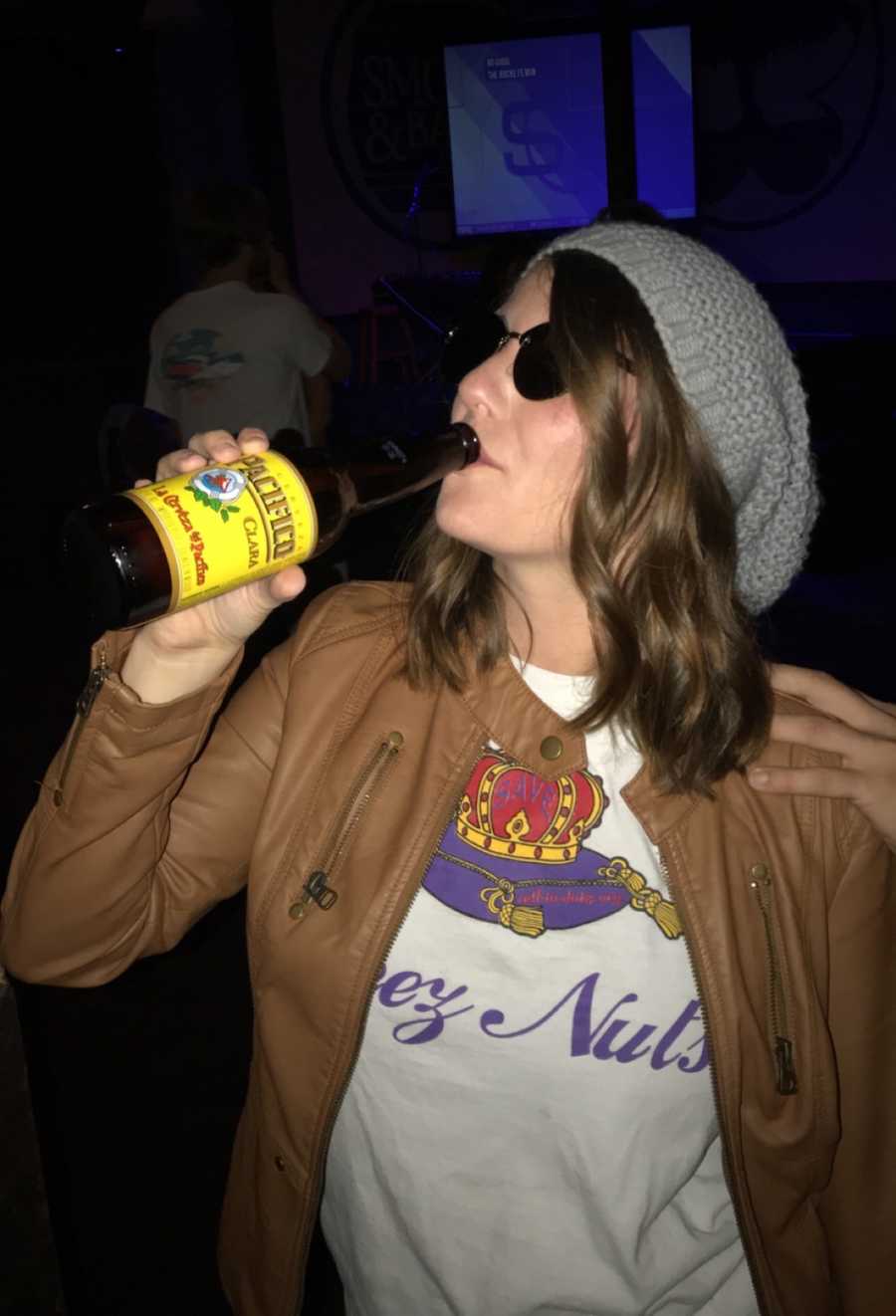
Therapy helped, but I couldn’t be honest about my drinking. I would lie about how much I drank and wasn’t ready to quit. After leaving the restaurant industry, things improved slightly, but old habits returned. My mom repeatedly told me I was an alcoholic, but I refused to accept it. In 2019, after a miscarriage, I drank three bottles of champagne in a single day, posting hurtful messages online. That night, my best friend sent me a message saying she loved me but couldn’t watch me self-destruct anymore. That message became my wake-up call. I began trying to get sober, realizing the pain I caused not just myself but those who loved me.
Early attempts at sobriety failed. I tried reward systems and sober month challenges—but I always returned to drinking. I felt alone, ashamed, and trapped in my addiction. Even when I lasted two weeks sober, I would convince myself I could moderate. Throughout 2020, blackouts became routine; I’d wake in panic, piecing together the night before from my phone. Drinking one glass always led to being completely wasted.
In February 2021, after another relapse, I hit a turning point. A bottle of wine given as a gift triggered yet another night of blackouts and shameful behavior. I knew my life had to change or it wouldn’t be worth living. I sought connection, finding sober accounts on Instagram and joining a sober group. I realized I wasn’t alone—people all over the world were struggling like me. That sense of community became the foundation of my sobriety.
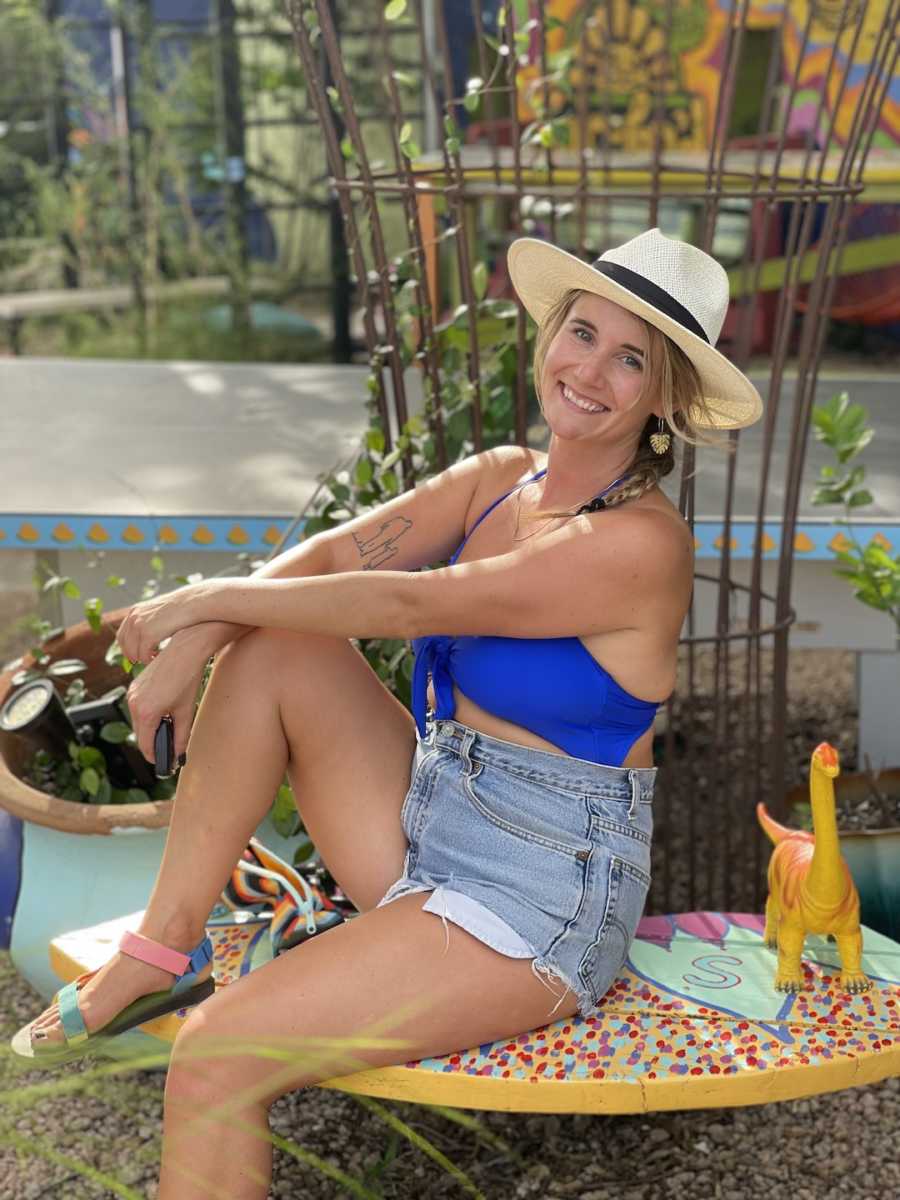
Getting sober was the hardest, longest, and most painful battle I’ve ever fought. The first few months were brutal. I cried constantly but, for the first time in years, I shared my feelings instead of hiding them. Support from my sober group and antidepressants helped me process emotions I’d numbed for years. By three months sober, I hit 100 days and felt the “pink cloud” everyone talks about. I began learning to sit with my emotions, face my demons, and confront my relationship with alcohol.
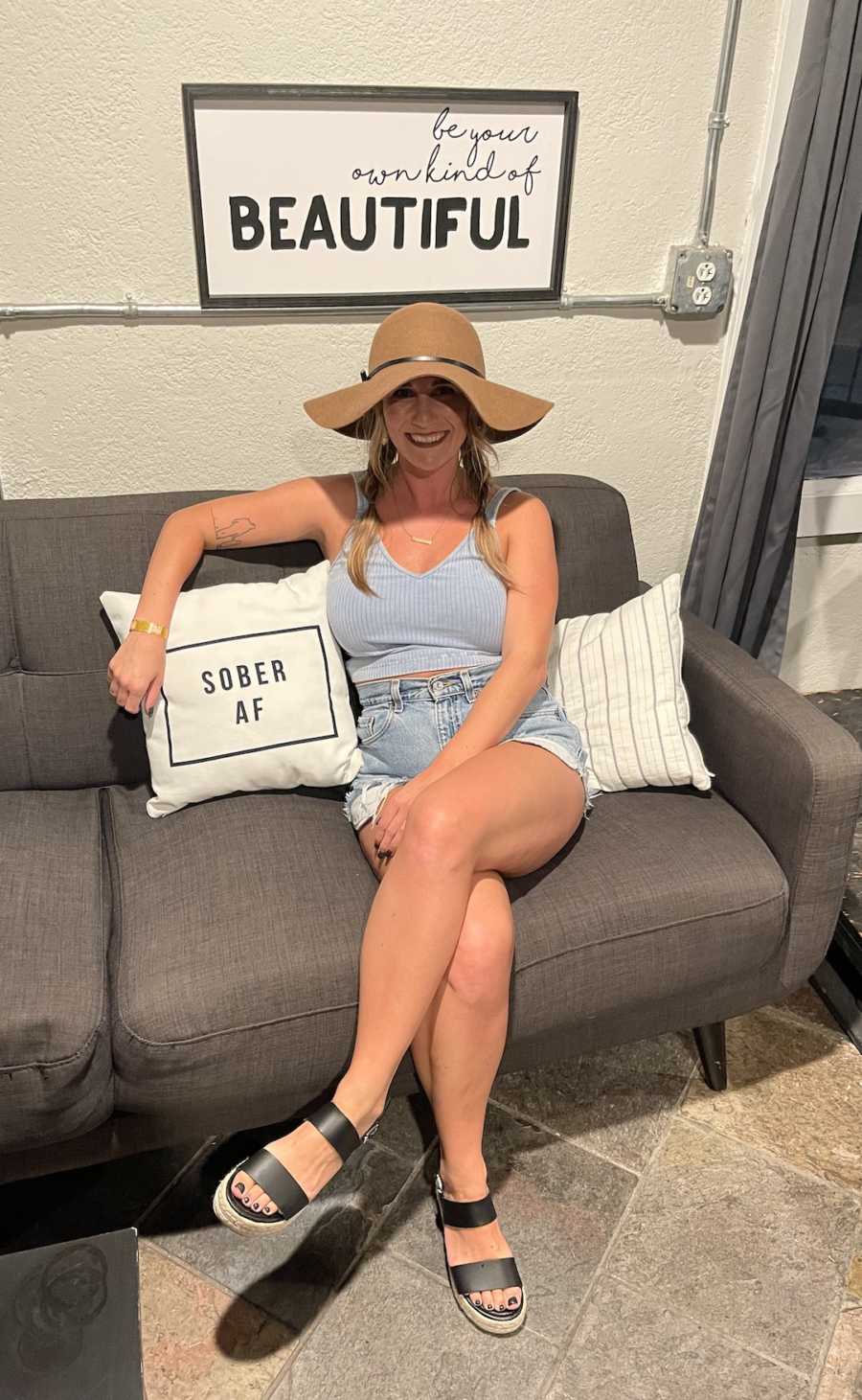
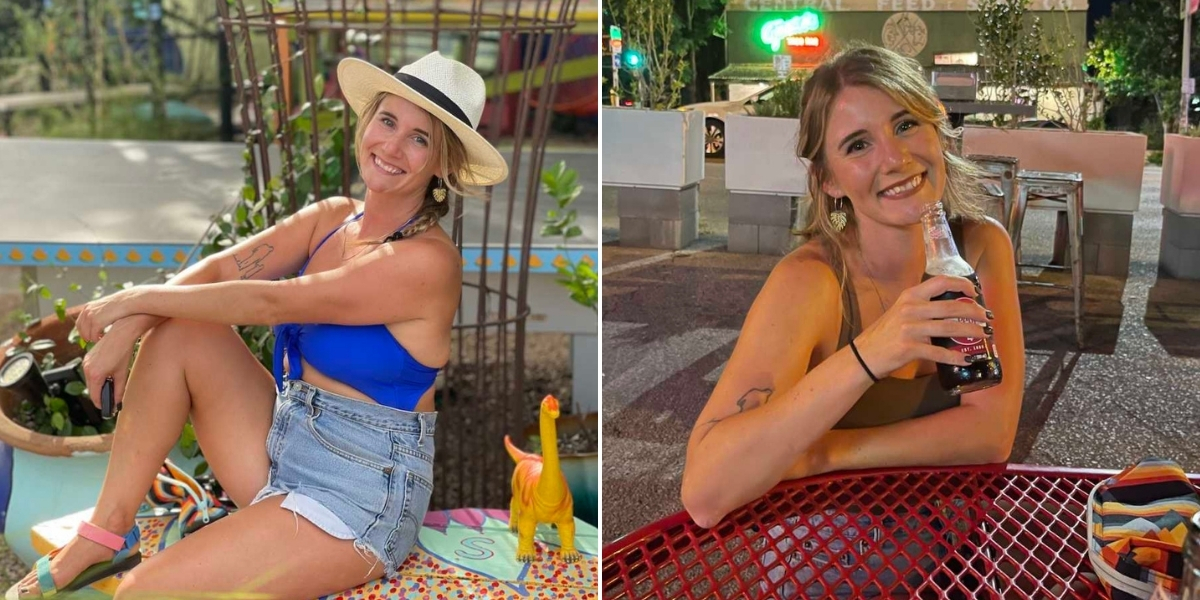
Sober life didn’t erase all problems, but it gave me clarity, resilience, and self-knowledge. The woman I am today is unrecognizable compared to the one drowning in shame and sadness five months ago. I’ve mended friendships, set boundaries, processed deep pain, and traveled sober—creating memories I will cherish forever. There is still pain, sadness, and triggers, but the bad days no longer define me.
If I could tell my younger self anything, it would be this: you are not alone, and life without alcohol is possible—and beautiful. Beautiful doesn’t mean perfect, but it means present, aware, and fully alive. You can show up for yourself, heal, and experience the richness of life that addiction once stole.