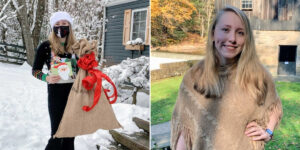
Life Growing Up
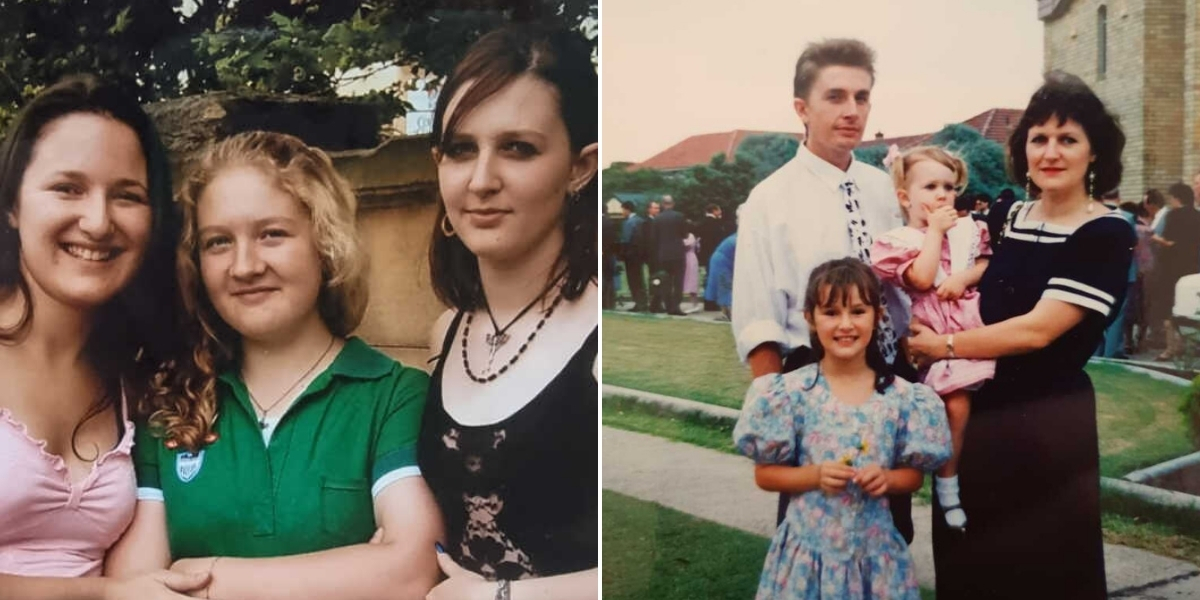
I always wondered why I looked so different from my sisters. They have blue eyes, fine fair hair, and snow-white skin that would burn the moment they were in the sun. Even my parents have very fair complexions. I, on the other hand, am the complete opposite — thick, dark brown hair, almond-shaped chocolate eyes, and olive skin that only gets darker the more sunlight touches it.
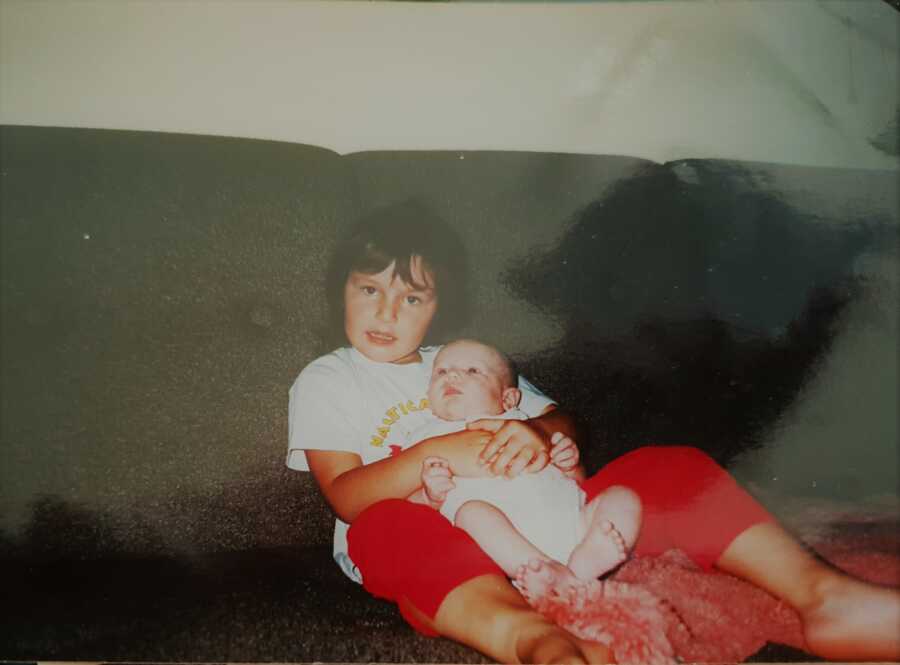
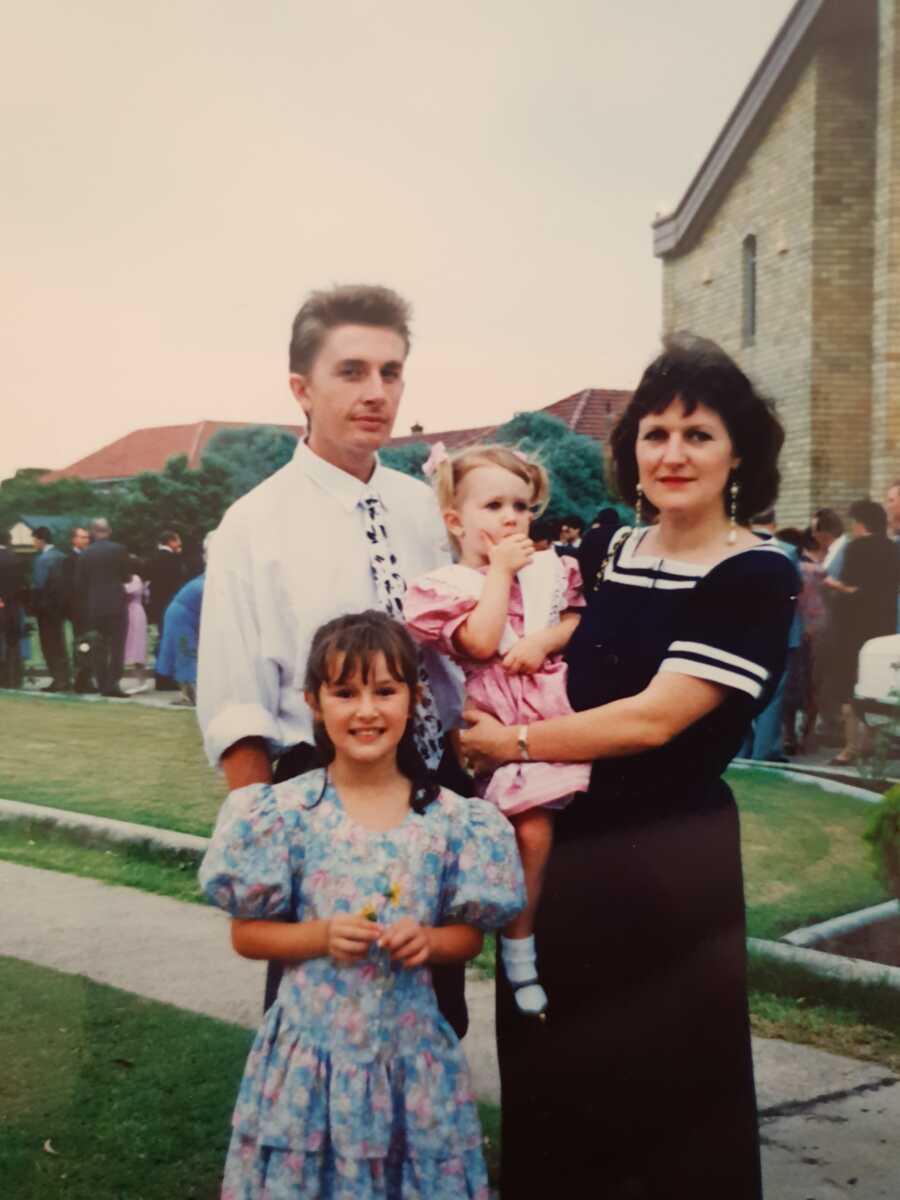
Everyone seemed to notice. Friends, relatives, strangers, even people at school would ask questions or make comments. I’ll never forget one moment when I was thirteen, sitting on the school bus, staring out the window. A boy from my year looked at me and asked, “Are you indigenous?” I was shocked. “Why would you ask that? I’m white!” I replied. He just grinned and said, “Because you look it.” I couldn’t believe it. After all, my mother is Croatian, my father is British, and both were born in Sydney, just like me. I should have looked just like the rest of my family — but I didn’t.
Experiencing Discrimination
Growing up in the countryside, which was mostly Anglo, I was always aware of being different. People often assumed you were either white or indigenous — there was no in-between. Even small everyday trips to the chemist or a clothing shop would be uncomfortable. Sales assistants would routinely check my bag, something that never happened to white teenagers.
I was the only Croatian at my school, and some of the kids called me names: wog, gypsy, commie, Yugo. The Yugoslav wars were heavily reported on TV during the 90s, and with the influx of refugees from that region, we became the latest minority to face racial ridicule. This didn’t just come from peers — even teachers singled me out. One teacher in particular seemed to focus on me constantly. Exhausted by it, I finally asked her why I was always the one in trouble. Her answer was simple and cutting: “Because you stand out.”
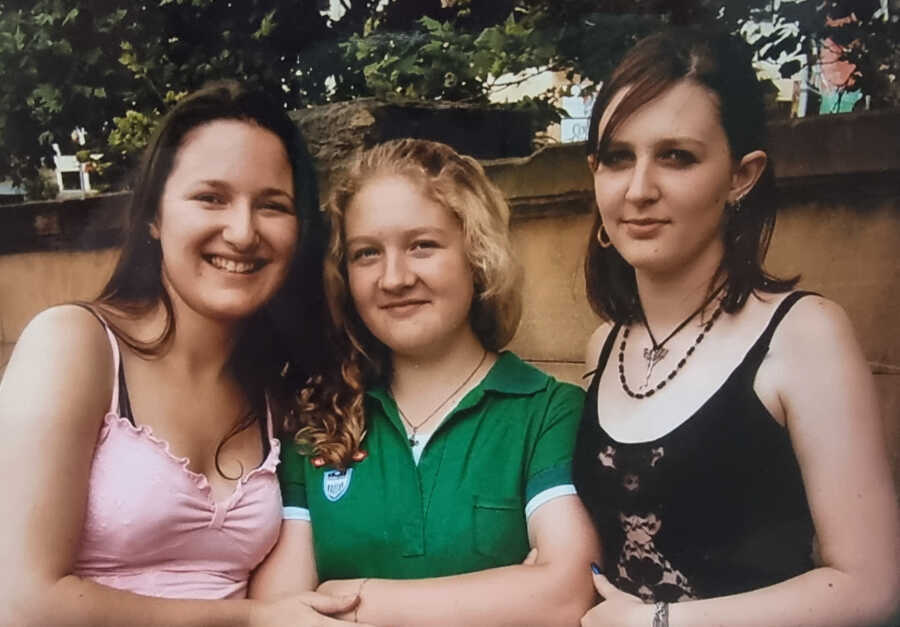
These remarks cut deep. For years, I would look in the mirror wishing for a cute button nose, blonde hair, and fair skin — anything that would make me blend in. I longed to feel invisible in the crowd instead of constantly feeling different.
Questioning My Origin
I started questioning where my looks came from. I asked my mother why I looked so unlike the rest of the family. Why could I tan so easily? My features resembled my mom’s a little, but I looked nothing like my dad. Mom would always explain that I got it from my Croatian grandfather, who was unusually dark-skinned for his background. He had black hair, brown eyes, and deep olive skin. My grandmother and her friends in the Croatian community would beam with pride at how much I resembled him. That encouragement helped me accept her explanation, and I let it go — until I had my own child.
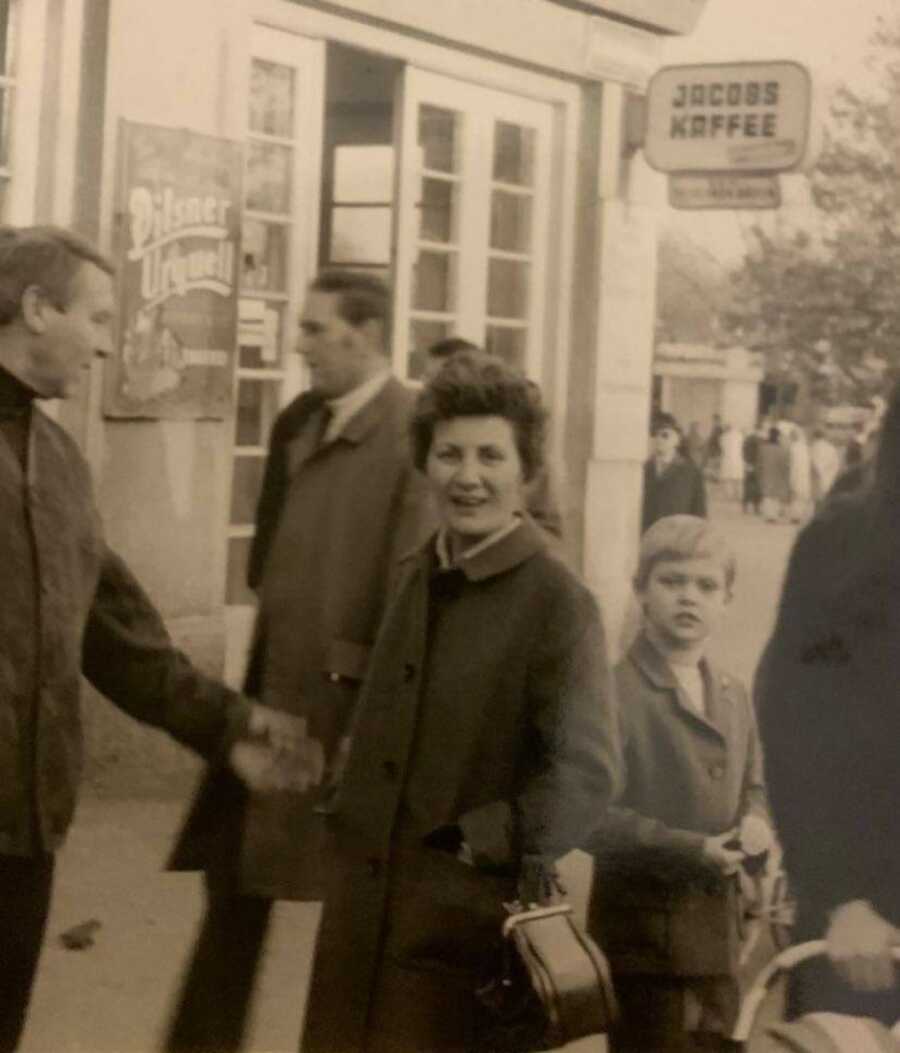
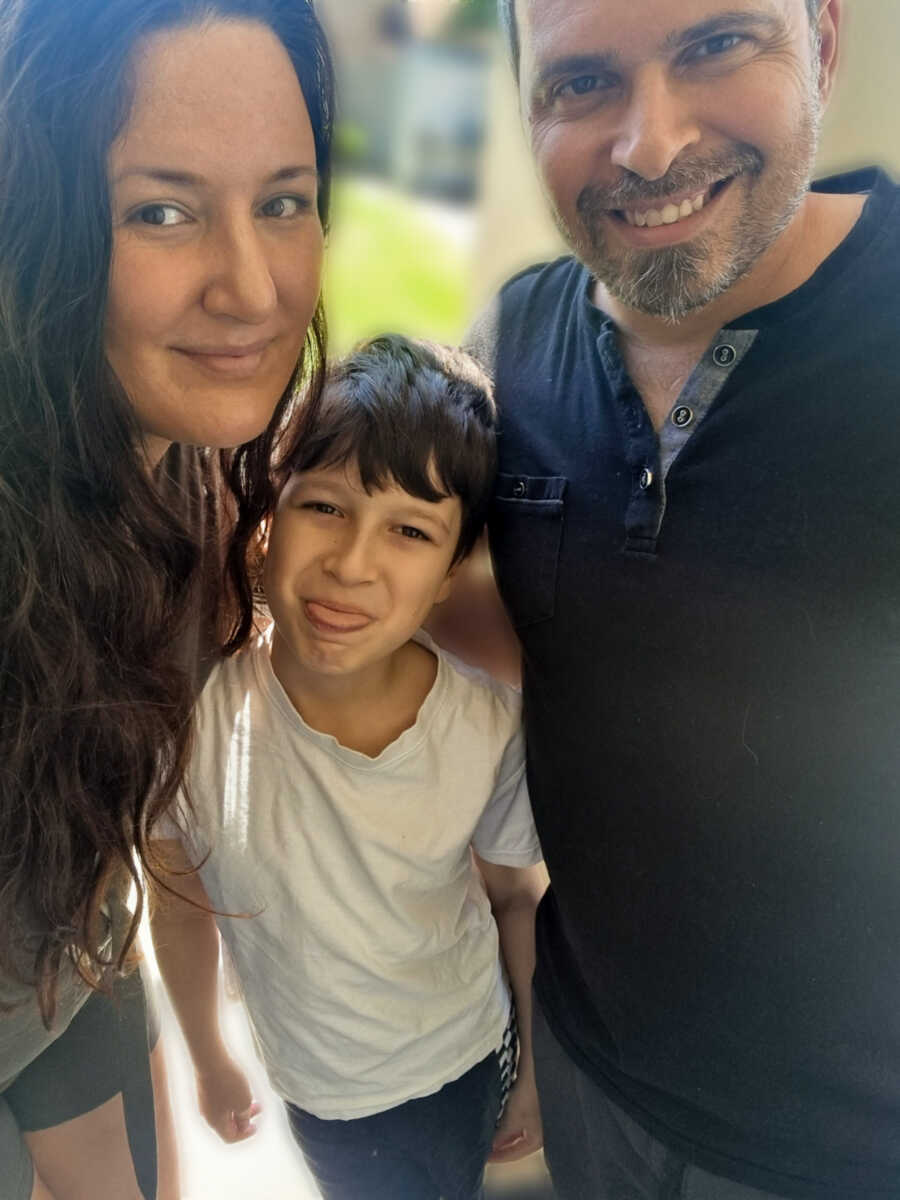
They say daughters resemble their fathers, sons their mothers. When my son was born, people said he looked like both my husband and me. He resembled my husband’s parents, but not mine. Suddenly, old questions resurfaced. Out of curiosity and growing doubt, I called my mother one day and asked her directly if my dad was really my biological father. She screamed at me, assuring me he was. But I wasn’t convinced. I had to know exactly where my darker features came from.
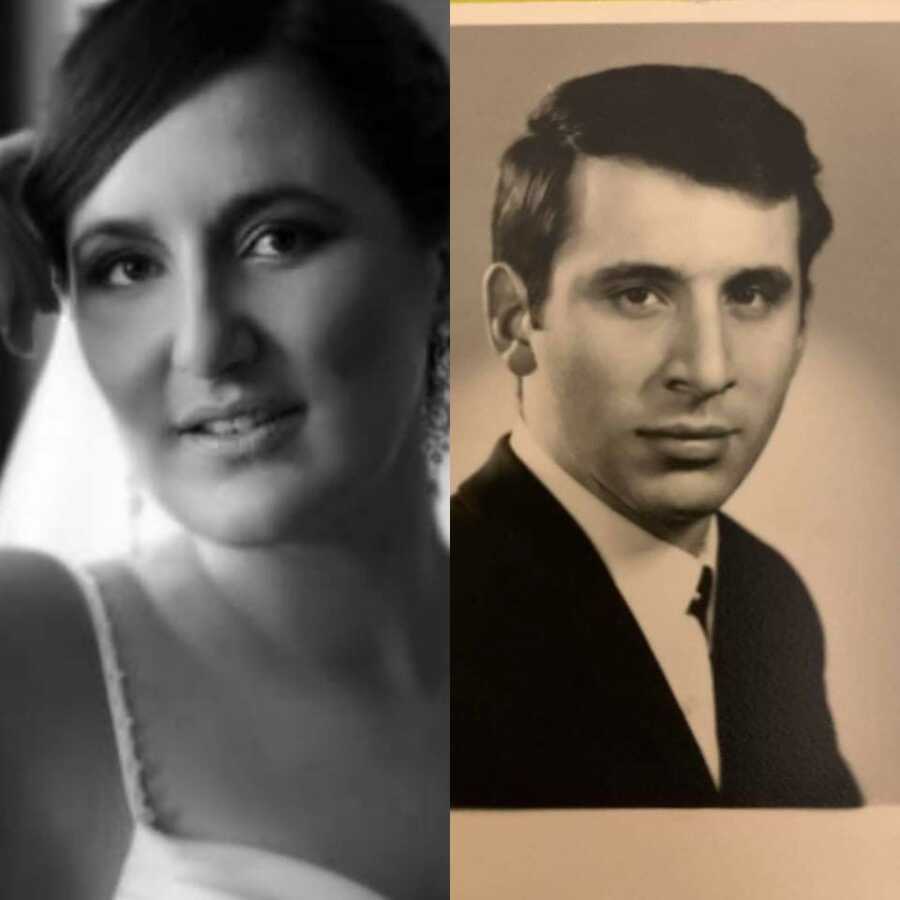
Discovering the Truth
Determined, I decided to take a recreational DNA test. The results stunned me. They revealed I had no British lineage at all — my father was not my biological father. For thirty-five years, my mother had kept this secret from me, known only to her, her mother, and my biological father. I felt shocked, betrayed, and humiliated. All my life, I had been tormented by questions about my identity.
Obsessed with learning more, I tried to find my biological father — only to discover he had passed away thirteen years earlier from lung cancer. He was born in Vienna, Austria, toward the end of World War II. His mother was Czech Jewish, and his father was Sicilian. I never had the chance to meet any of them, yet the most comforting truth was clear: I looked exactly like them. My dark hair, Mediterranean features, and olive complexion finally made sense.
Accepting My New Identity
Discovering the truth felt like unearthing a hidden treasure. I had been half-buried my entire life, only now able to see myself fully. Like an archaeologist piecing together artifacts, I drew family trees, reached out to newly found relatives, and listened to the stories that connected me to my ancestors. Each discovery brought healing and clarity.
Before the DNA results, I didn’t fully recognize myself in the mirror. But now, when I pass reflective surfaces, I catch glimpses of the woman I truly am. No longer the young girl wishing to look like someone else, I now see myself with recognition, pride, and love. I embrace my heritage, my appearance, and the journey that brought me here.
For anyone questioning their identity, I hope you find your truth. Learning who I really am has been a relief, a reclaiming of myself after years of secrecy and confusion. The past no longer defines me. The lies, the shame, and the burden end with me. I am free to be fully me — and finally, I am whole.