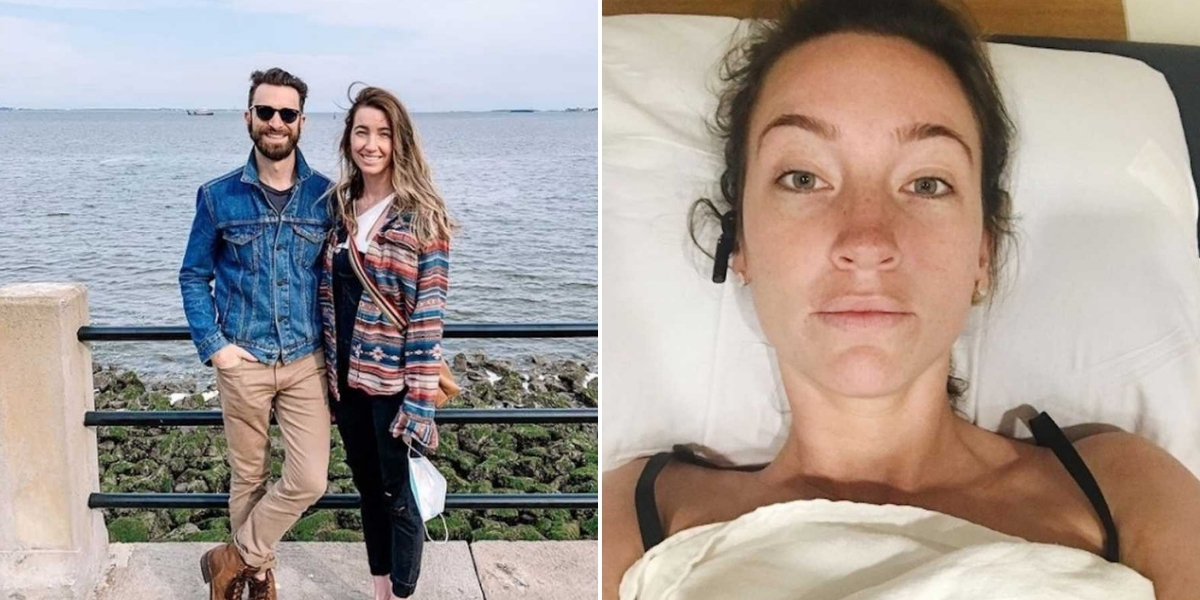
I’m Allie Schmidt, a mom living with a rare motor neuron disease. Most people have heard of Amyotrophic Lateral Sclerosis (ALS), also known as Lou Gehrig’s Disease—the most infamous and frequently diagnosed motor neuron disease. ALS is often considered one of the most tragic diagnoses, and for the past five years, I’ve lived with the knowledge that I may eventually need a feeding tube. Yet, in the face of this uncertainty, I consider myself lucky. Since I was 25, my arms have slowly become paralyzed, and while I don’t yet know if the disease will spread to the rest of my body, I continue to live each day fully.
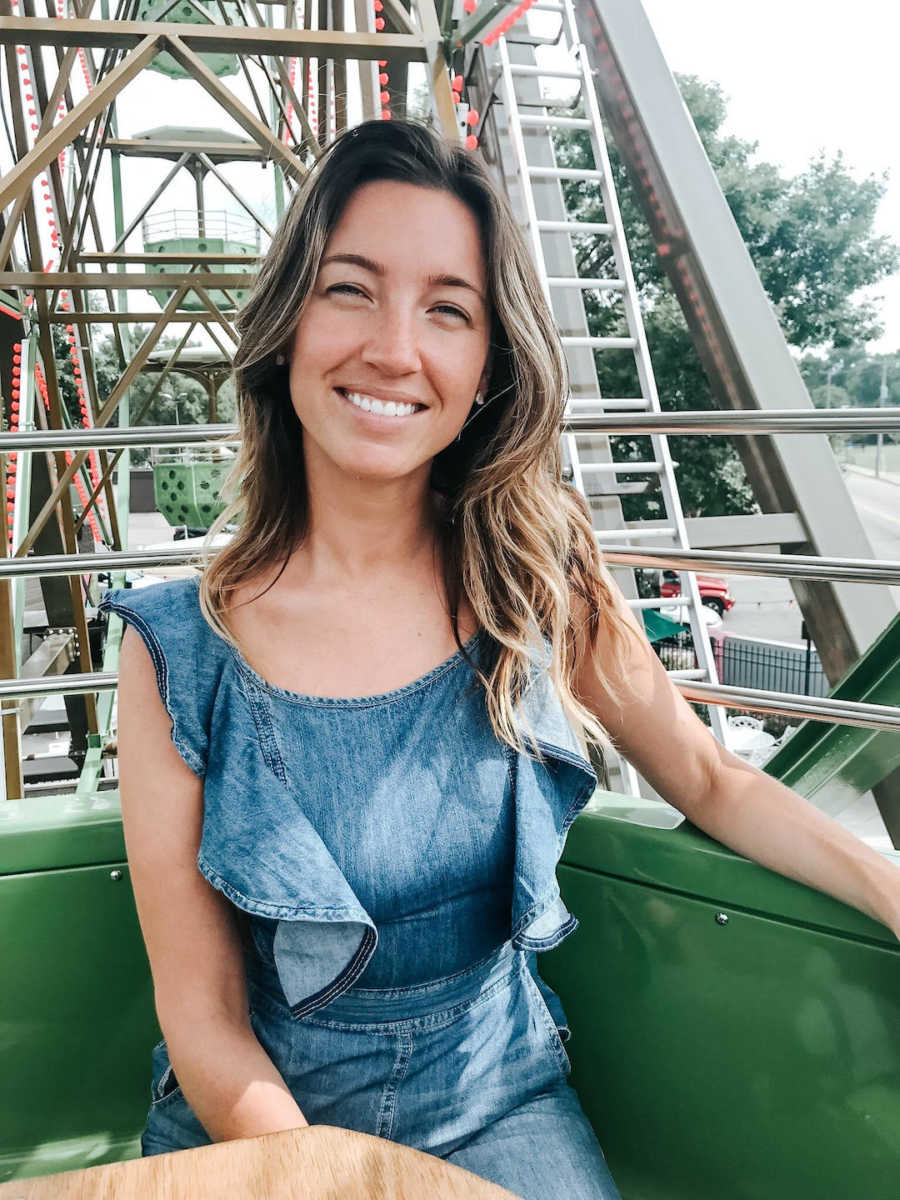
The first hint that something was wrong appeared when my right pinky finger started extending awkwardly away from the rest of my hand. Typing became more difficult, too. I was 24 at the time, balancing a demanding marketing job during the day and bartending until 4 a.m. to make ends meet. I survived on 5-Hour-Energies and the occasional chaotic hours between work, when I traveled, partied, and explored life to the fullest. I even backpacked across India for two weeks. Upon returning, I landed a corporate marketing role—the most stressful job I’d ever held. The 120-mile daily commute and rigid schedule left no room for flexibility, and the pressure was relentless.
About six months into that job, typing grew increasingly difficult. I assumed it was just carpal tunnel, so I asked the office manager for an ergonomic keyboard and mouse, but nothing helped. I noticed other subtle changes, too. During group classes at the YMCA, instructors joked about my inability to lift heavy weights. At the time, I brushed it off.
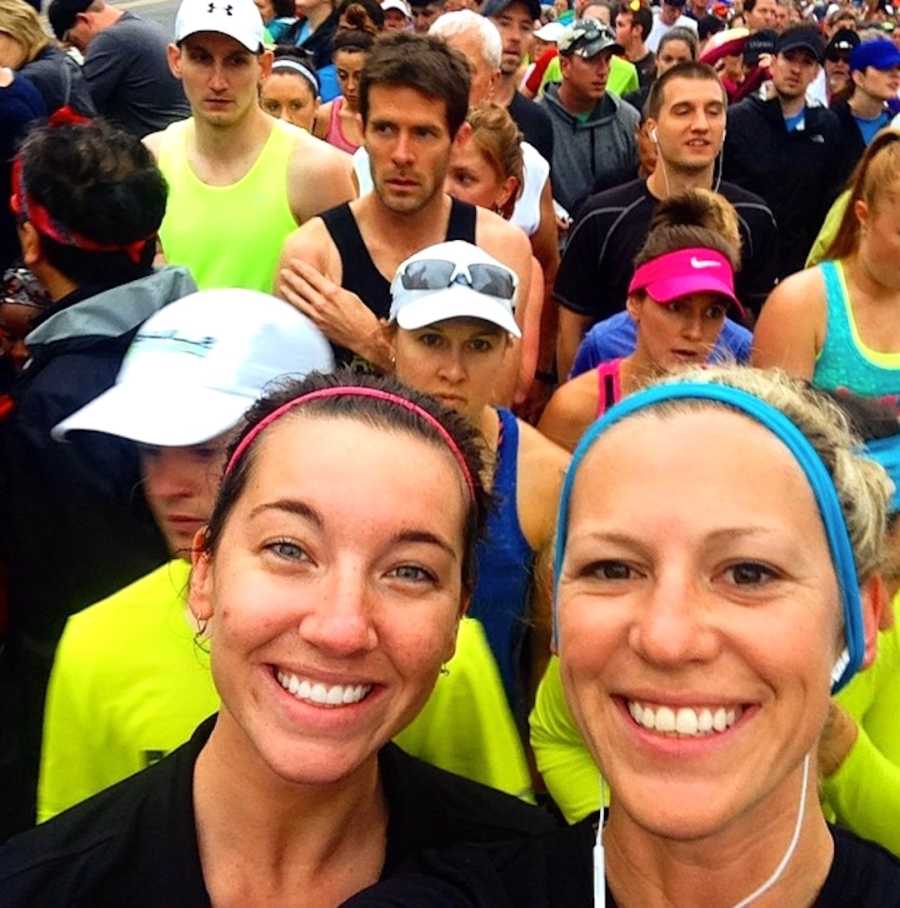
Things escalated one night while washing my hair. I tried squeezing shampoo into my hand, but my grip failed, and I couldn’t get it to my hair. This moment—when basic self-care became a struggle—pushed me to schedule a doctor’s appointment the next day. My general practitioner referred me to an orthopedic surgeon, who diagnosed me with Carpal Tunnel Syndrome and Ulnar Nerve Entrapment. He claimed severe atrophy in my right hand and urged immediate surgery. Naively, I agreed. I didn’t know then that advocating for yourself in healthcare is crucial. Even when I mentioned similar symptoms in my left hand, he ignored it, and surgery proceeded.
The surgery worsened everything. My nerves became more irritated, and my hands would spasm when attempting simple tasks like holding a fork or opening a car door. I couldn’t yet see the full extent of the weakness, only that my motor skills were slipping away. A few months later, I returned to the surgeon, who referred me to a neurologist. In the meantime, I Googled “losing motor skills” and realized that ALS might explain the muscle loss I had been experiencing for over a year.

At my first neurology appointment, I was told I was too young for ALS. The neurologist tested my arms, legs, and overall mobility, and ordered an MRI, bloodwork, and an EMG. My symptoms—twitching, weakness, and atrophy—caused no pain, and MRI and bloodwork came back normal. The EMG, however, revealed abnormalities in both arms. Differential diagnoses included benign focal amyotrophy and progressive muscular atrophy, among others.

June 26, 2017, was the day of the EMG. I had scheduled a photoshoot afterward, so I avoided looking up my results immediately. When I finally read about motor neuron disease at home, shock overtook me—I threw my phone across the room and spent the night in my dad’s arms, crying. Six months later, I returned to the neurologist, still told it was likely benign focal amyotrophy, even without a repeat EMG. Muscle twitching concerned him, and when a nerve visibly jumped from my arm, he requested another EMG in six months.
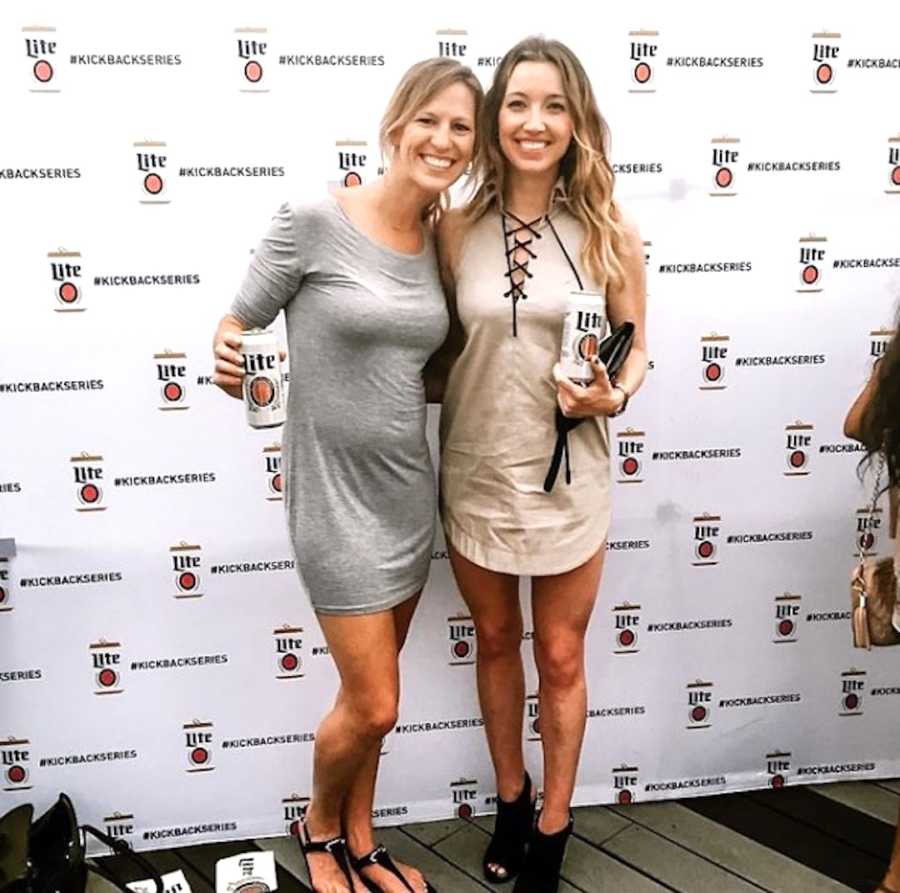
Facing the possibility of a terminal illness, I booked a solo trip to Arizona. I extended a business trip to Las Vegas, driving alone to the Grand Canyon for four days. I hiked 11 miles, stayed in random motels, savored every Mexican meal I could find, and spent hours without cell service. That trip became a personal awakening, a profound moment of reckoning with life’s fragility.

It took about a year to muster the courage for a second opinion, which led me to the Mayo Clinic in Rochester, Minnesota. The doctor there suggested probable ALS. I underwent pulmonary exams, bloodwork, physical therapy, and another EMG. Thankfully, only my arms showed deterioration, which meant a definitive ALS diagnosis couldn’t be made. Doctors explored other possibilities, including Brachial Amyotrophic Diplegia and Multi-Motor Neuropathy (MMN). Treatment for MMN at Vanderbilt didn’t improve my symptoms, and I was hit with an unexpected $12,000 medical bill amidst everything else.
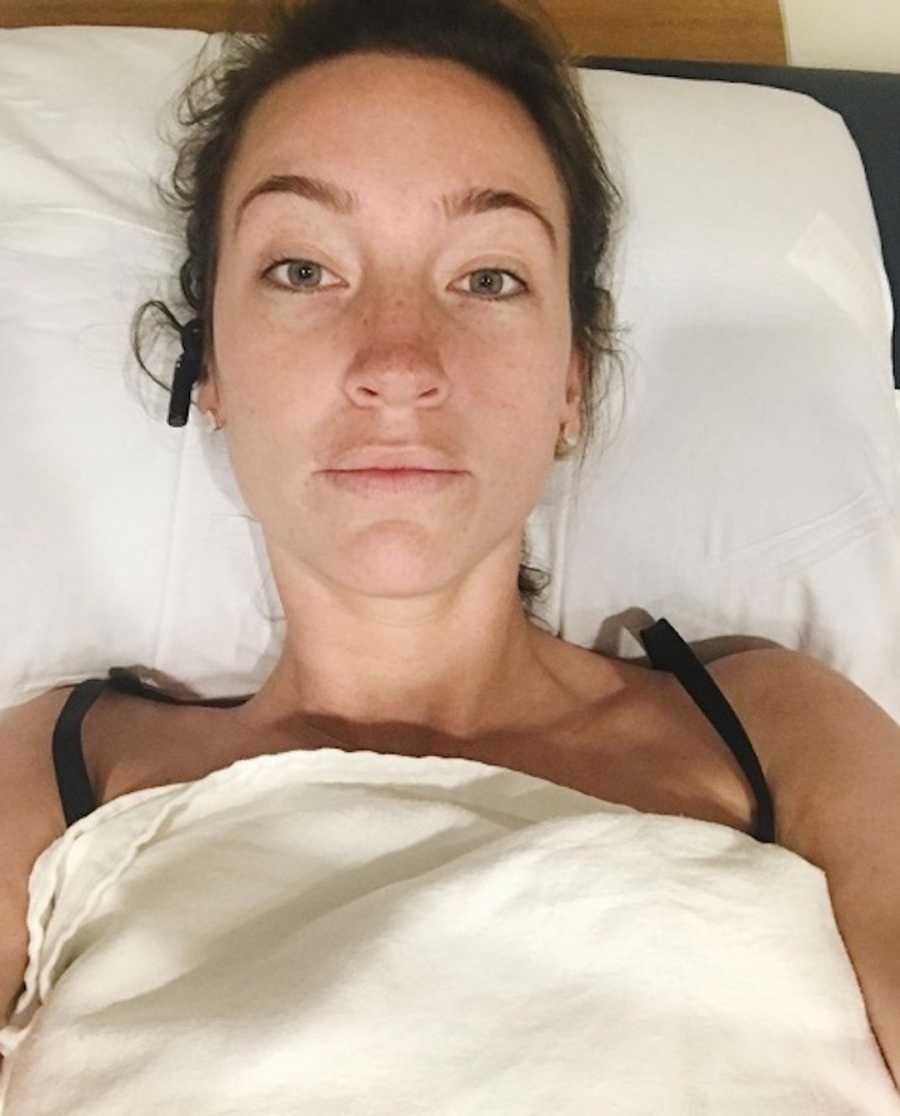
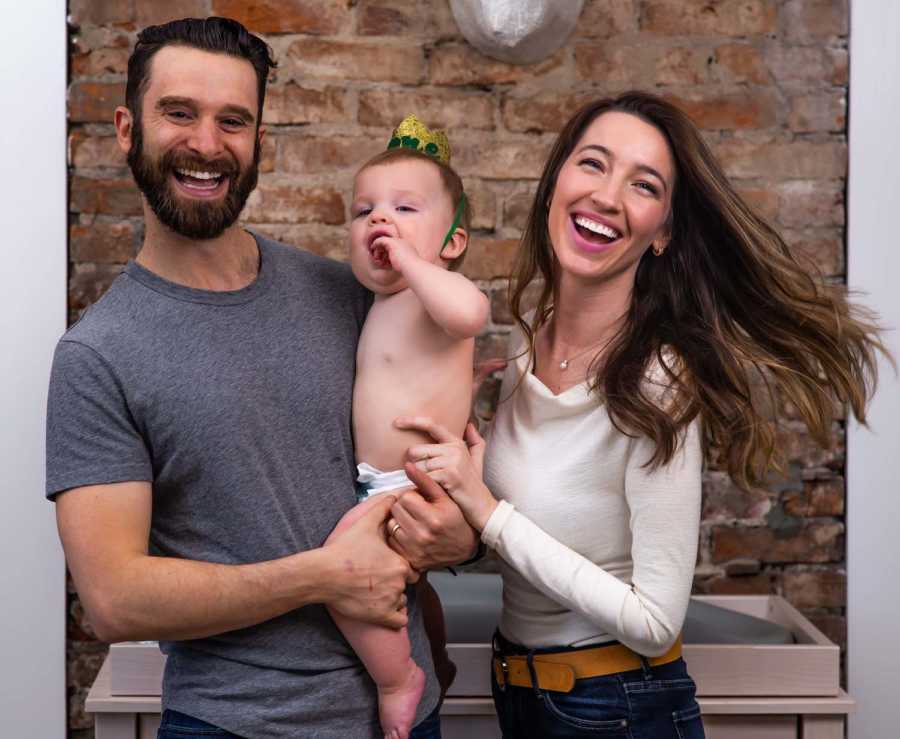
Now, five years from symptom onset, I haven’t received further tests or treatment. Daily care is difficult, I can no longer drive, and my arms are nearly paralyzed. Yet, I’ve never been happier. My husband and I eloped to Italy, and I welcomed our son, Asher, in December 2019. I’ve devoted myself to ALS advocacy, creating Disability Dame, a blog for moms navigating chronic illness and disability.


Living with a motor neuron disease has its ups and downs, but my life is beautiful. My son is healthy and happy, my husband and I still travel, and I get to help others through my advocacy. The greatest lesson I’ve learned is that tragedy is inevitable. Accepting life’s impermanence allows you to release what was or what could have been and embrace the present. Life is constantly changing—so you learn to ride the wave, baby.