This month marks the one-year “Diaversary” of our daughter’s diagnosis with type 1 diabetes—a moment that changed our family life forever. It’s a transition no parent ever wishes to face, but I hope that by sharing our story, other families may see that through this journey, you can find courage, patience, resilience, and above all, strength in learning to live with and care for someone with type 1 diabetes.
It feels almost surreal that only a year has passed, because some days have stretched endlessly. The long days and even longer nights, learning to navigate an invisible illness while managing a medical condition that touches nearly every part of daily life, have tested us. Yet, even reaching the point of diagnosis can be as confusing, frustrating, and frightening as the weeks and months that follow.
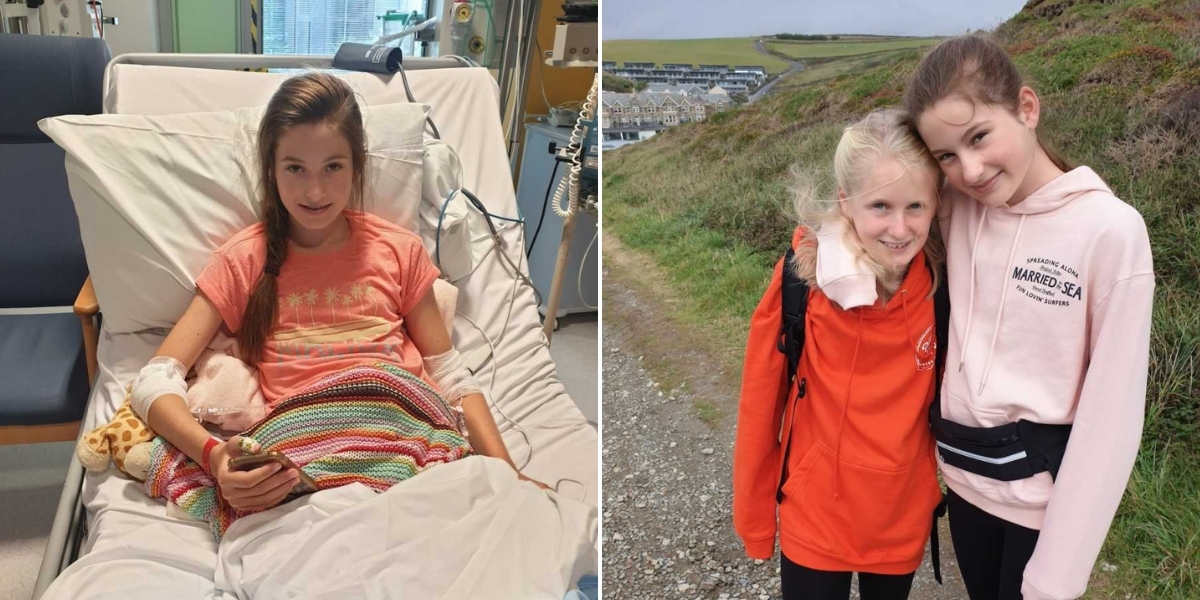
For us, the first signs were subtle but unsettling. We watched our daughter physically and emotionally fade before our eyes. During lockdown, while home-schooling, I saw her every day. At first, the changes seemed explainable—a bit thinner, a bit more tired—but I told myself she was just growing, having a growth spurt, and that it was an unusually warm summer. Slowly, though, her symptoms became impossible to ignore. She was constantly using the bathroom, drank massive amounts of water, woke at night to drink even more, and wanted to nap during the day.
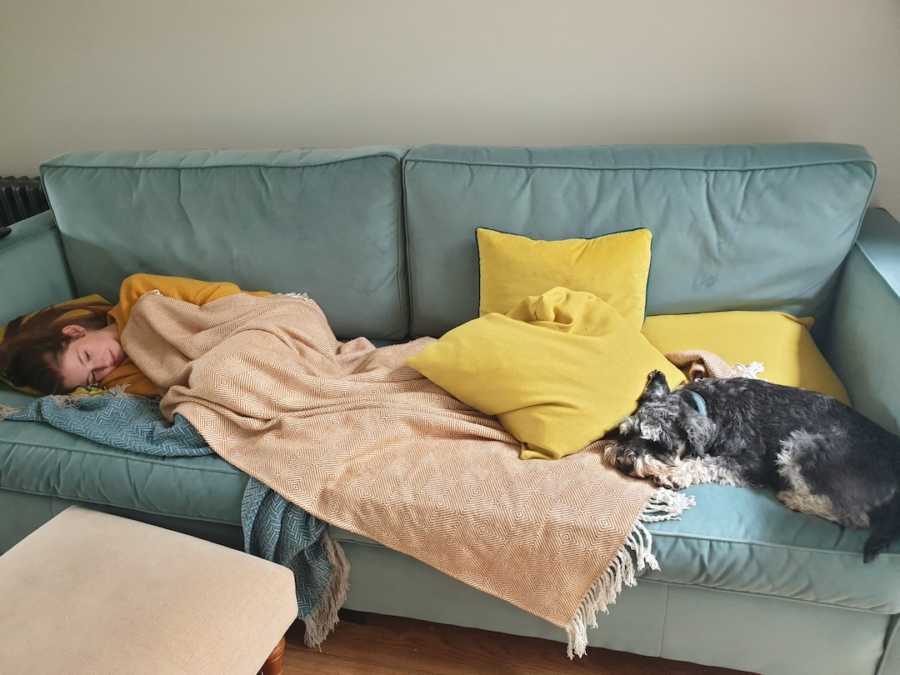
I still blame myself for taking so long to call the doctor, but I know parental guilt is an endless cycle. By the time we reached out, she was so thin, tired, and constantly thirsty that it was impossible to dismiss. Our first appointment with our GP was over the phone because of Covid restrictions, and the moment our doctor suspected type 1 diabetes, we were told to rush to the hospital—she was in diabetic ketoacidosis.
Arriving at the hospital was overwhelming. Nurses and doctors swarmed around her, taking samples, inserting cannulas, asking questions I struggled to answer. Within an hour, we had confirmation: she had type 1 diabetes. I expected to feel a wave of emotion, but instead, I was numb, frozen by shock. I couldn’t process the enormity of what had just happened.
After Covid tests, we were admitted to the children’s ward to begin recovery and slowly understand this new reality. One vivid memory stands out: despite being hooked up to monitors, cannulas delivering fluids and insulin, and looking every bit like a hospital patient on a TV drama, my daughter was smiling. That smile felt like a glimpse of her returning to us.
Initially, the relief of having a diagnosis seemed greater than the weight of what it meant. I had no idea yet how much type 1 diabetes would change our lives. Doctors and nurses explained the condition, we listened, and nodded, but honestly, we absorbed only a fraction. With only one parent allowed in the hospital, I became Olivia’s advocate, relaying instructions and information to my husband and our youngest daughter, Isabelle, at home. I resisted Googling everything, though I suspect my husband did not. My focus was on Olivia, while they navigated second-hand updates.
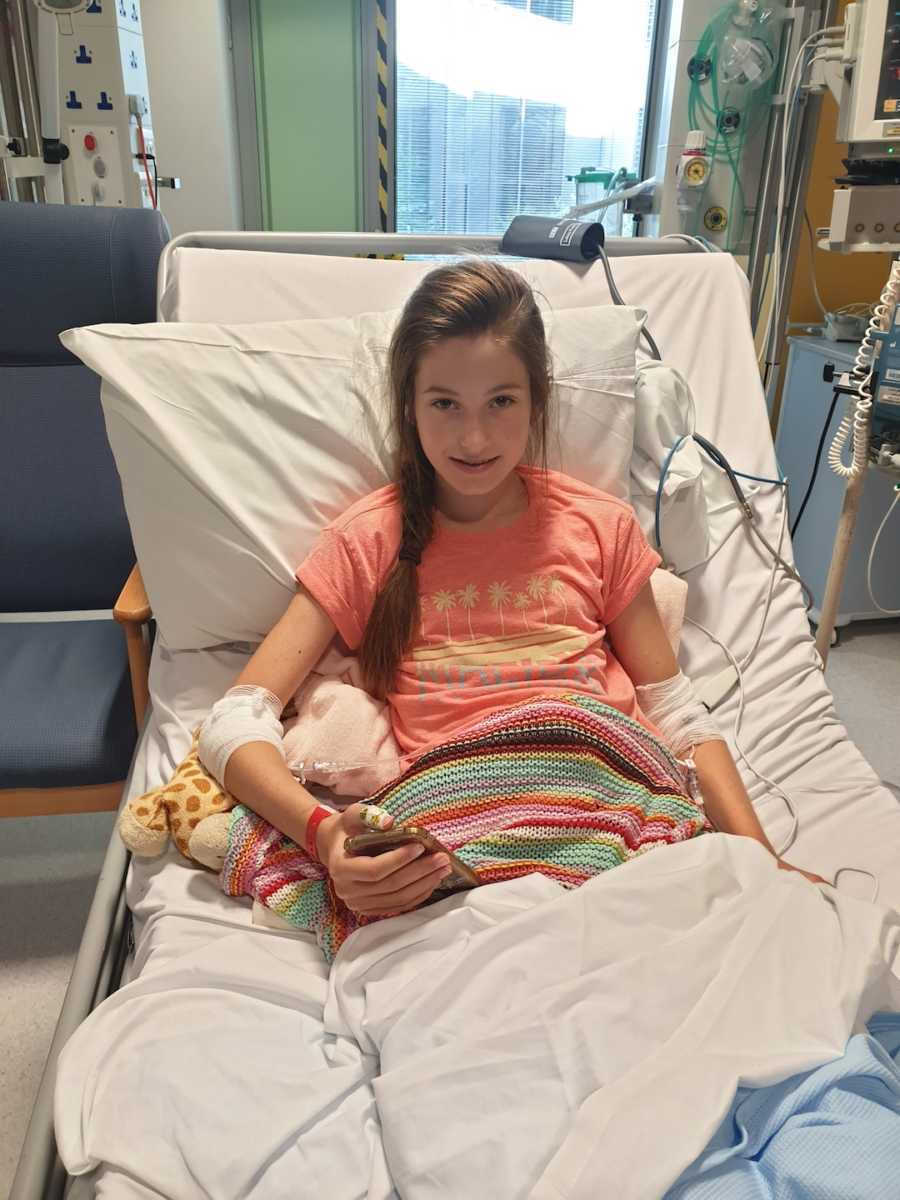
Eventually, after absorbing a whirlwind of information, practicing insulin injections, and surviving sleepless nights, we were told it was time to go home. Relief and fear collided. It felt like bringing home a newborn for the first time, except the responsibility now included managing a life-altering chronic condition. Could we do this? The answer, we learned, is yes.
In the early days, it was hard to fully grasp the reality. Olivia’s blood glucose remained high after coming out of diabetic ketoacidosis, but life felt manageable—just injections with meals, remembering the night-time basal dose, waking in the night to check levels. Yet the true challenge—becoming a substitute pancreas, mastering carb counting, monitoring every fluctuation—hadn’t fully set in.
As we learned more, my husband and I divided roles. I became the dietician and daily caregiver, he focused on tech and monitoring systems. Together, we absorbed the practicalities of living with type 1 diabetes. Amid the routines and responsibilities, it’s easy to lose sight of the emotional side—the grief, fear, and guilt that naturally accompany a lifelong condition.
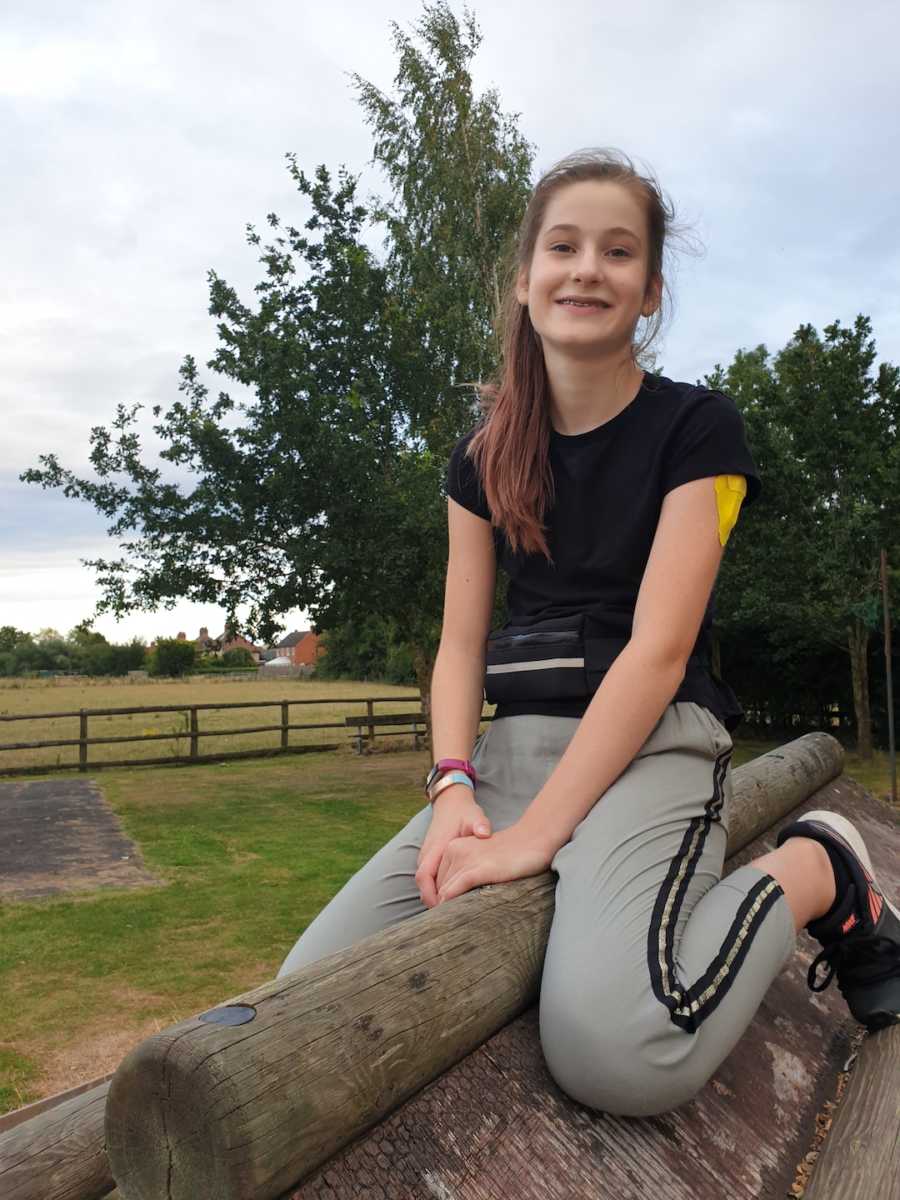
Type 1 diabetes impacts the entire family. It arrives unexpectedly, without explanation, and changes daily life profoundly. Parents suddenly become caregivers, dieticians, mathematicians, technical experts, and advocates. Siblings can feel lost amid jargon and constant attention focused on their brother or sister. Life continues, but it is different, more deliberate, and punctuated by alarms, interrupted sleep, and endless monitoring. This becomes the new normal.
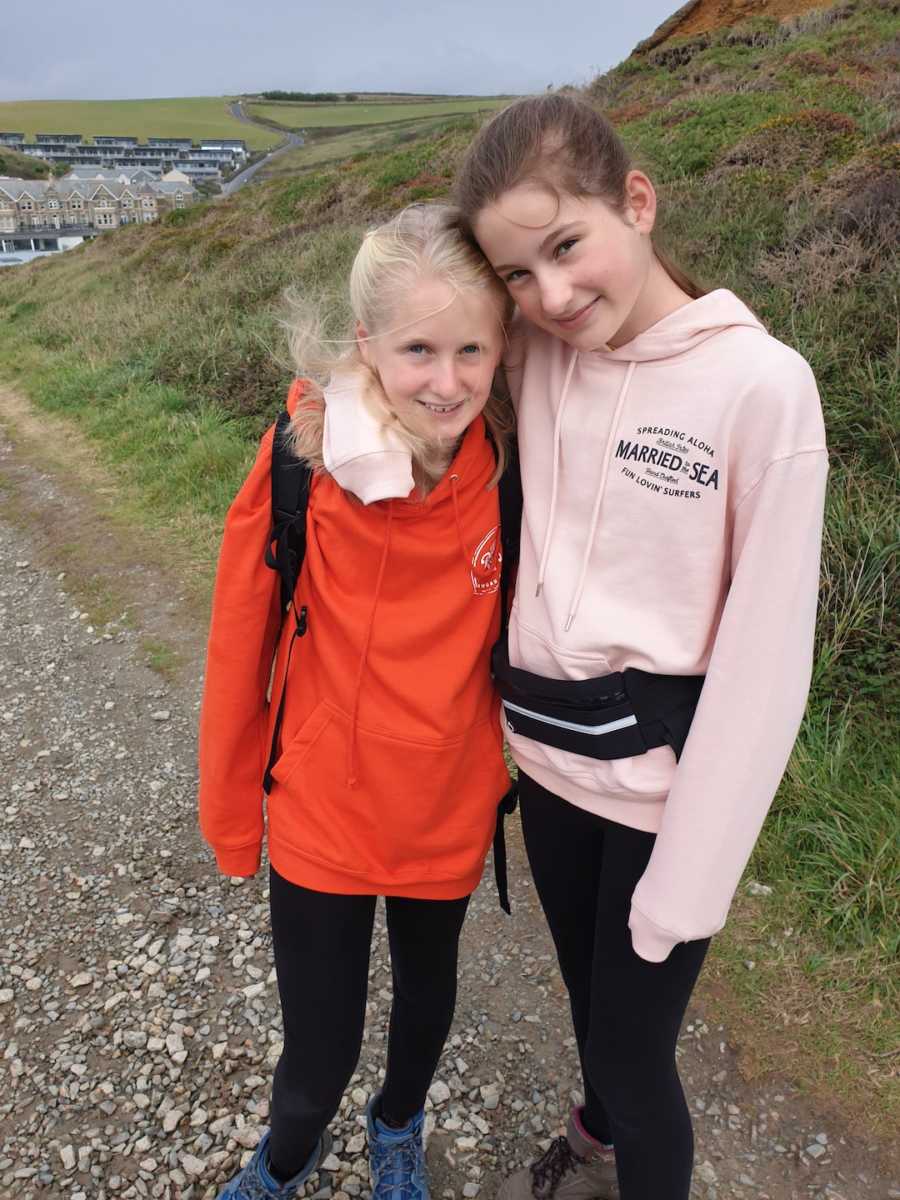
One year on, we have adapted. We have learned to manage meals, carb counts, insulin doses, and alarms. We have learned to sleep in bursts, adjust routines, and celebrate small victories. We have connected with a wider community, online and offline, finding support from families who understand exactly what this journey feels like.

Give yourself time to grieve, to feel guilt, and to adjust. Share responsibilities with a partner, family, or friends—support is vital. Over time, life resumes. You can still enjoy food, embrace experiences, and pursue dreams. Type 1 diabetes shapes you, but it does not define or limit you.
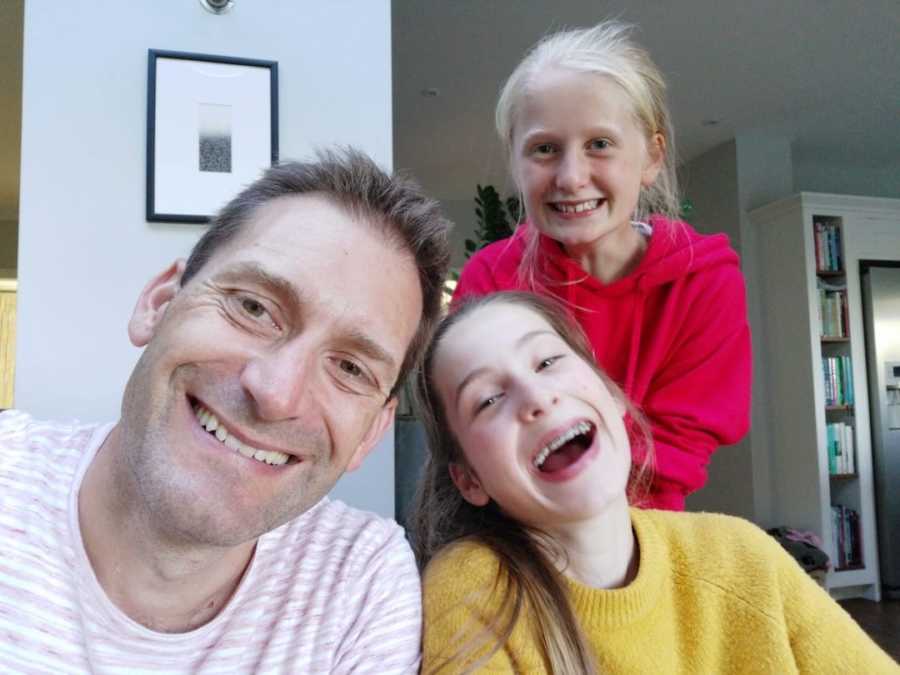
This year has changed our family, but it has also revealed our resilience. We have faced some of our toughest days, but through this, we are emerging stronger, more connected, and more appreciative of one another. Our journey with type 1 diabetes has taught us courage, patience, and the strength that comes from loving and caring deeply for someone you would move heaven and earth for.