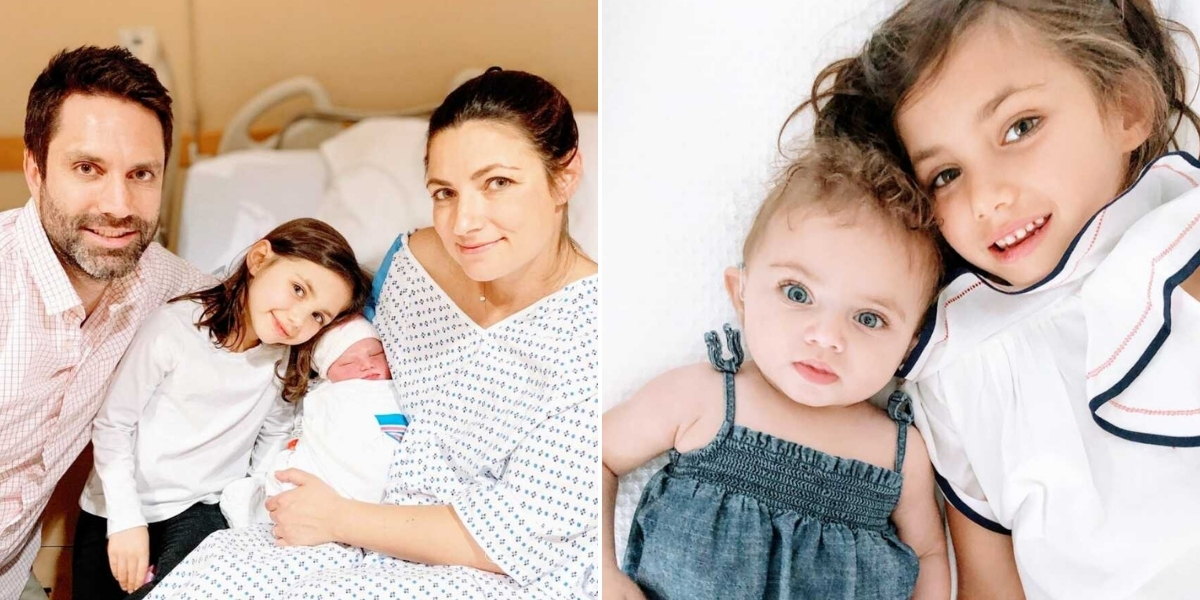
“We’re going to repeat the test tomorrow. She probably still has fluid in her ears from the delivery.” Those words echoed in my ears as a nurse handed me back my newborn daughter, Charlotte, after her routine hearing screening.
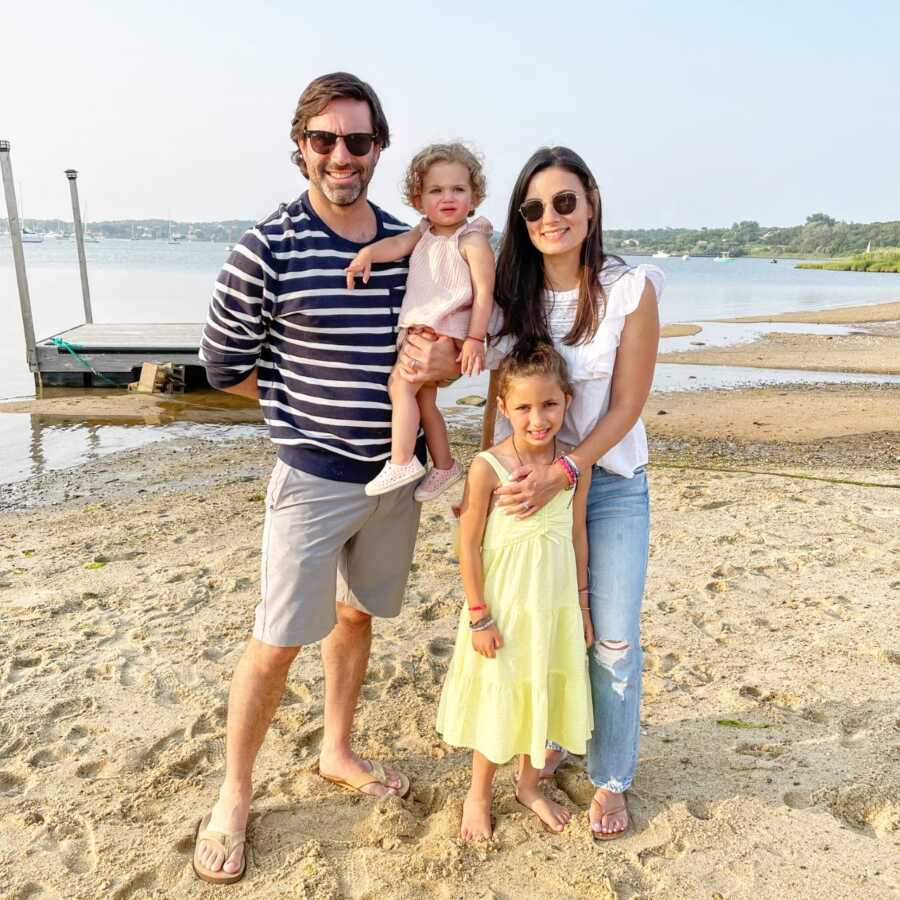
At that moment, my husband Travis had wandered off to the maternity floor’s communal kitchen, hunting for snacks, leaving me alone with Charlotte. I remember staring into her big, blue eyes and whispering, “We got this. You and me. But also…where did you get these eyes from?!”
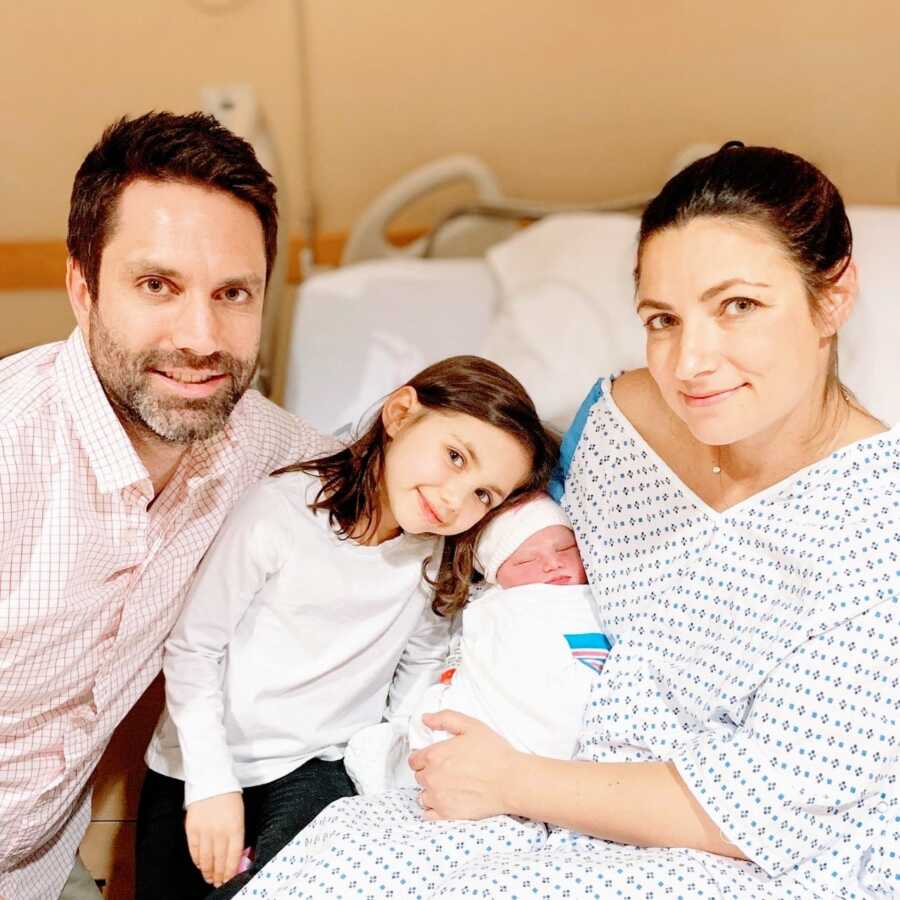
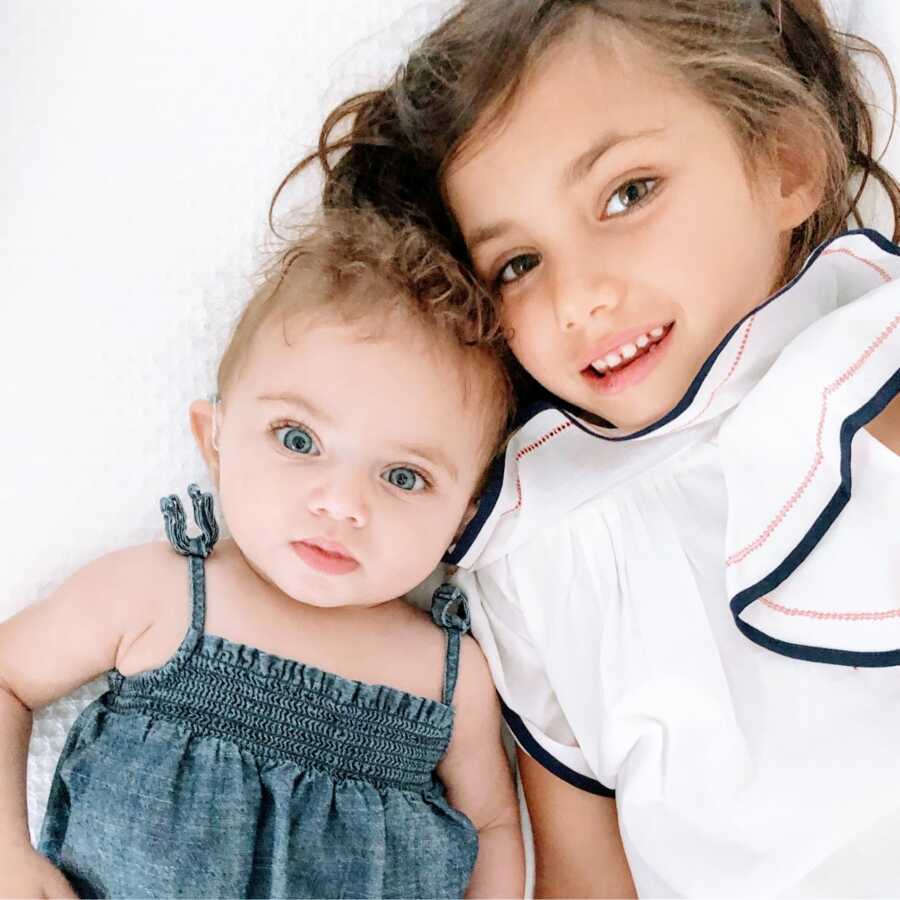
By some miracle—or maybe just instinct—I felt calm and collected, which is unusual for me. Normally, I’m the type to flip out. But deep down, I already knew it wasn’t just fluid in her ears. When I was pregnant with our first child, Lilla, we discovered that Travis and I share a recessive gene for hearing loss. That means each of our children has a 25% chance of being DHH (Deaf/Hard of Hearing)…just like they had a chance at inheriting those piercing blue eyes.
When Travis returned, arms full of snacks, I casually mentioned the need for a repeat screening. My attempt at calm failed. He quietly left the room for a walk. Normally a fixer, someone who outlines solutions in painstaking detail, he was silent. He had no way to fix this. And the snacks came with him.
The next day, the second screening came back the same: refer. We were sent home with a referral to a pediatric audiologist. Contrary to popular belief, you don’t “fail” a hearing screening—it’s not a test—but we told no one. We didn’t have answers yet, and we weren’t ready for questions.
A month passed, and then COVID-19 closures hit. When we arrived for Charlotte’s follow-up at the children’s hospital, it was a ghost town. Only one parent could go in, and that parent was me. Once again, the results confirmed hearing loss. This was the first time I truly cried—not just a tear, but ugly, guttural crying. Not because she was hearing impaired, but because of the look in her eyes: sorrow, apology, as if she knew something was wrong. “Love her like you would a normal child,” I imagined her thinking. The words knocked the wind out of me.
Getting pregnant with Charlotte hadn’t been easy. Two miscarriages had preceded her, leaving me with grief, loss, and an aching sense of failure. And then, to hear that my baby might not be ‘normal’? That grief doubled. What is normal anyway? Isn’t every child unique, deserving unconditional love, and the confidence to take on the world?
The first weeks after the diagnosis were a haze of grief and self-doubt. I asked myself over and over: Did I cause this? Was it the time I cleaned with bleach? Was it that time I yelled at Lilla? Could anything I did have affected Charlotte? Eventually, I realized none of this was my fault, and the only thing I could control was how I reacted, how I showed Charlotte she would never be at a deficit, only equipped differently.
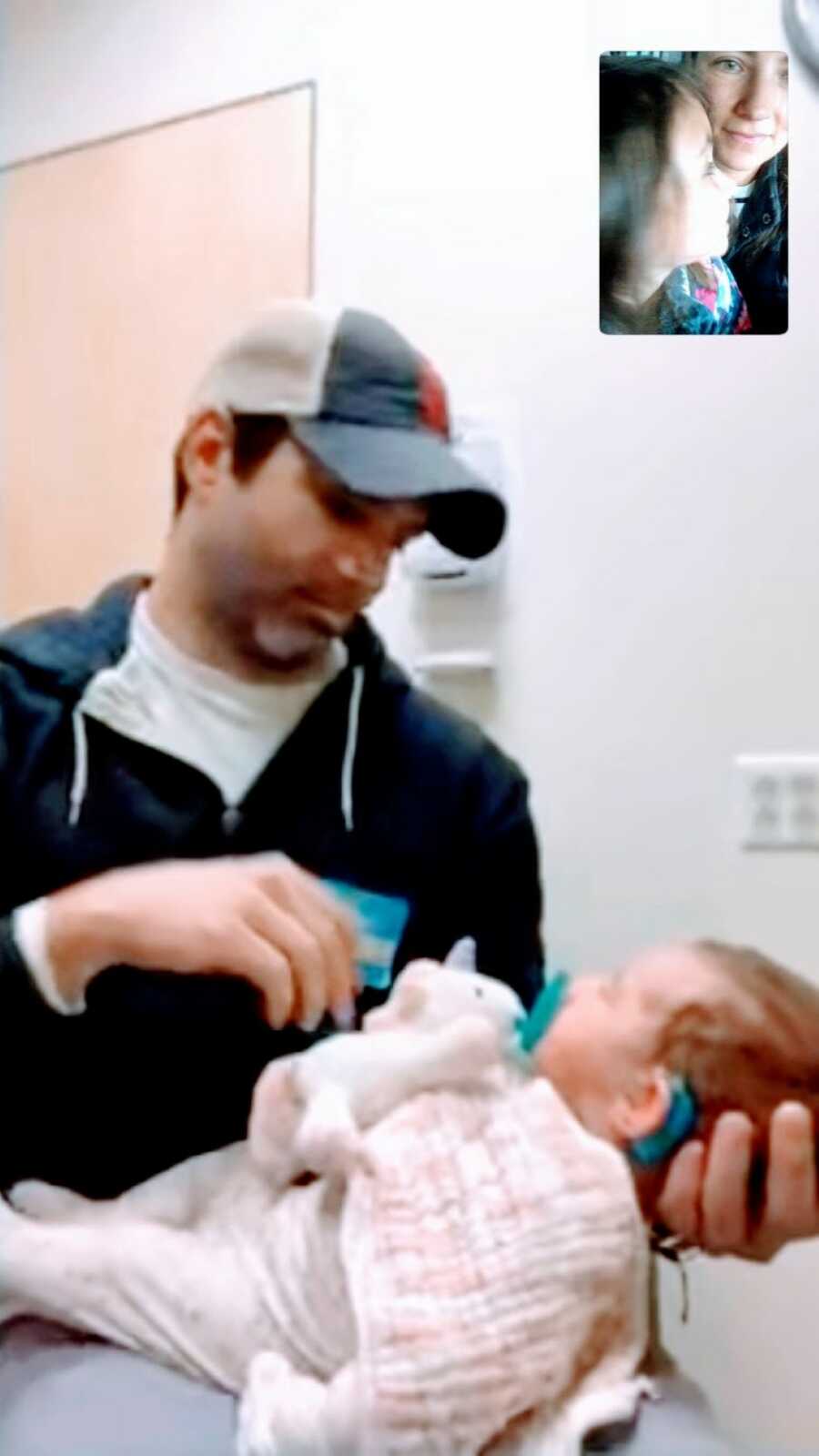
A week later, Charlotte had her first ABR (Auditory Brainstem Response) test. This time, Travis went with her, and I stayed home, hormones in full swing. The audiologist we met was incredible—patient, knowledgeable, and genuinely supportive of every question I asked. Charlotte’s official diagnosis: moderate to severe bilateral sensorineural hearing loss. I received the news over FaceTime while waiting in the car with Lilla.
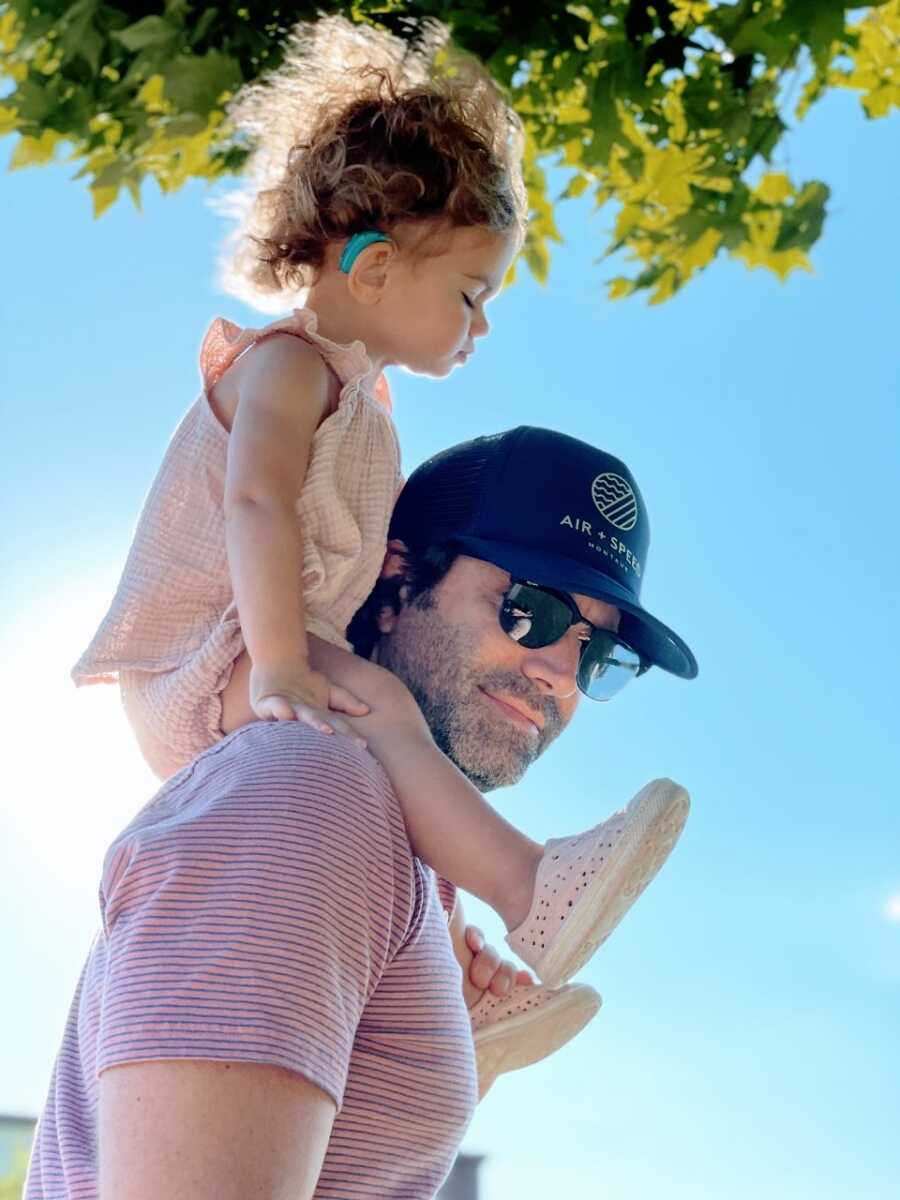
The following week, Charlotte got her first hearing aids: bright teal and undeniably cool, just like eyeglasses. Over the next 17 months, our days were filled with therapy sessions—Auditory Verbal Therapy, Speech Language Pathology, audiologist visits for ear molds, hearing tests, ENT appointments, ASL lessons, late-night research, social media stalking to learn from families ahead of us, and helping families just starting out. Exhausting? Yes. Worth it? Absolutely.
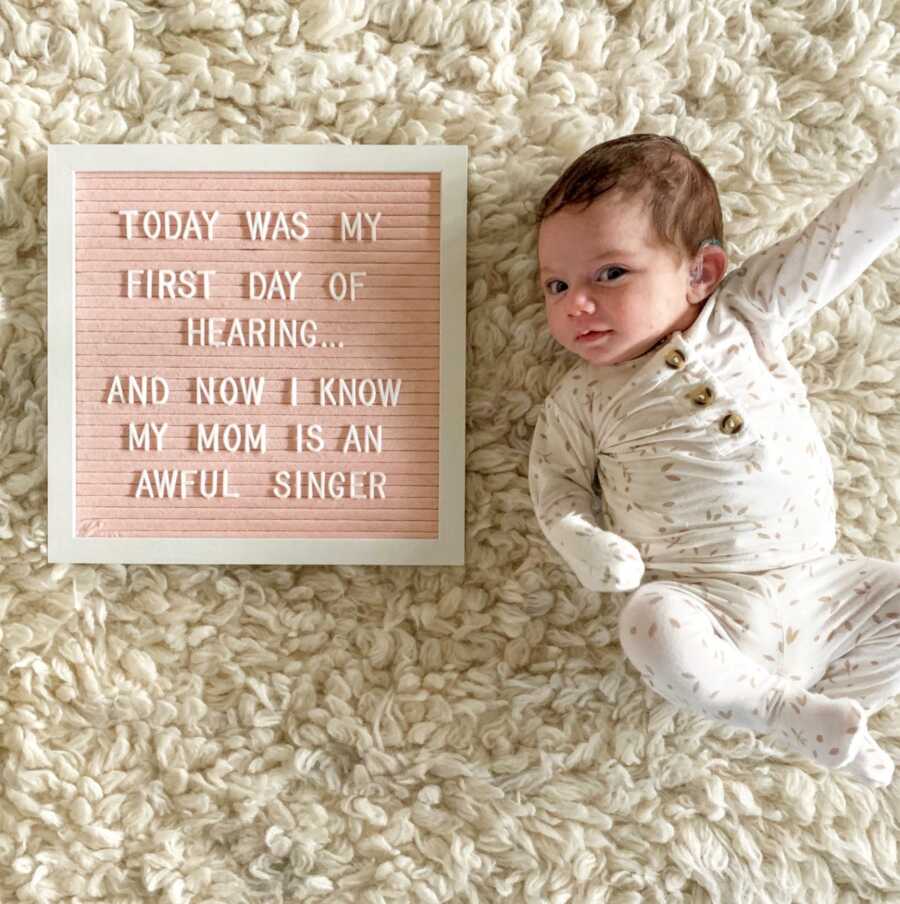
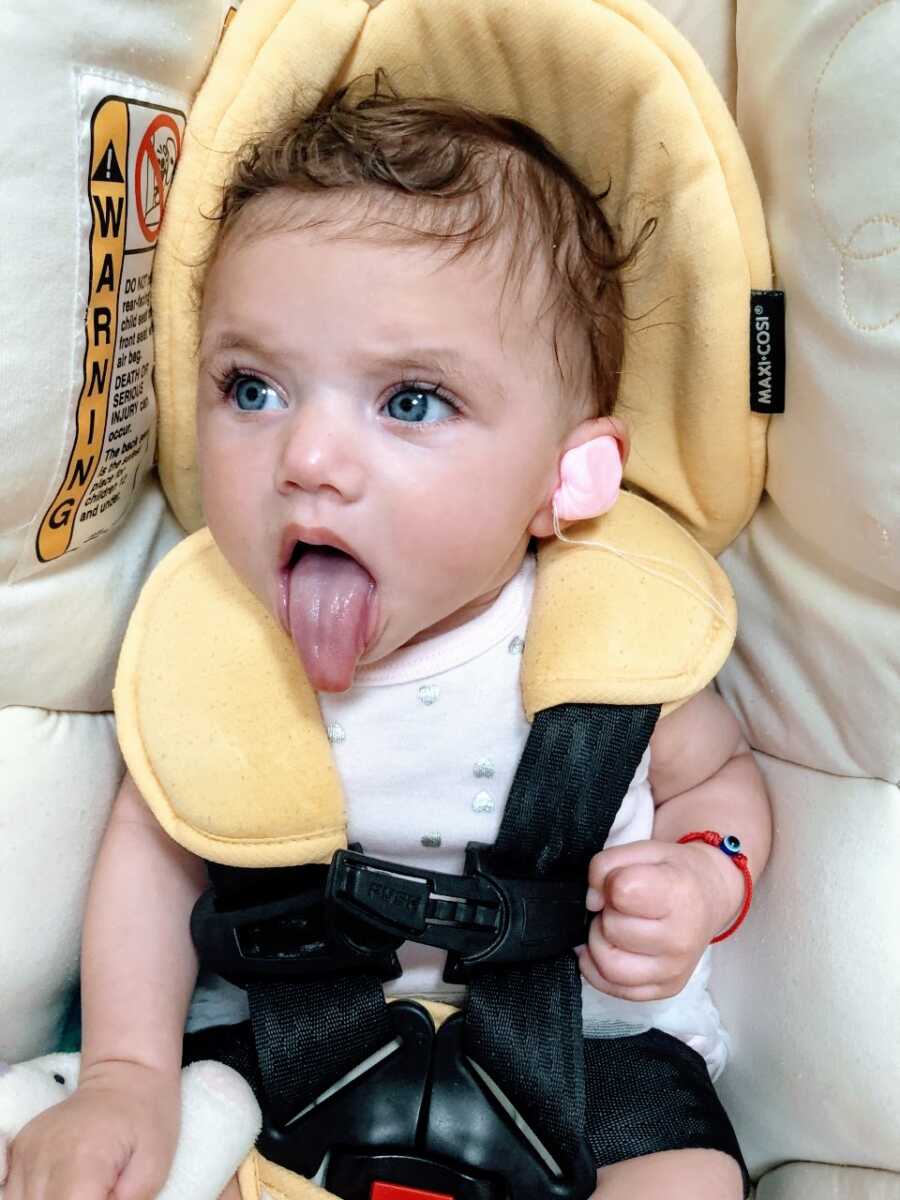
And this is just the beginning. Recently, Charlotte underwent cochlear implant surgery—a decision neither of us took lightly. Hearing aids amplified sound, but they couldn’t give her access to the full range she needed to develop Listening and Spoken Language. Cochlear implants, complex and fascinating, work differently from glasses: they transmit sound to the inner ear and brain, requiring time, patience, and practice. It’s not instant, but it’s empowering.
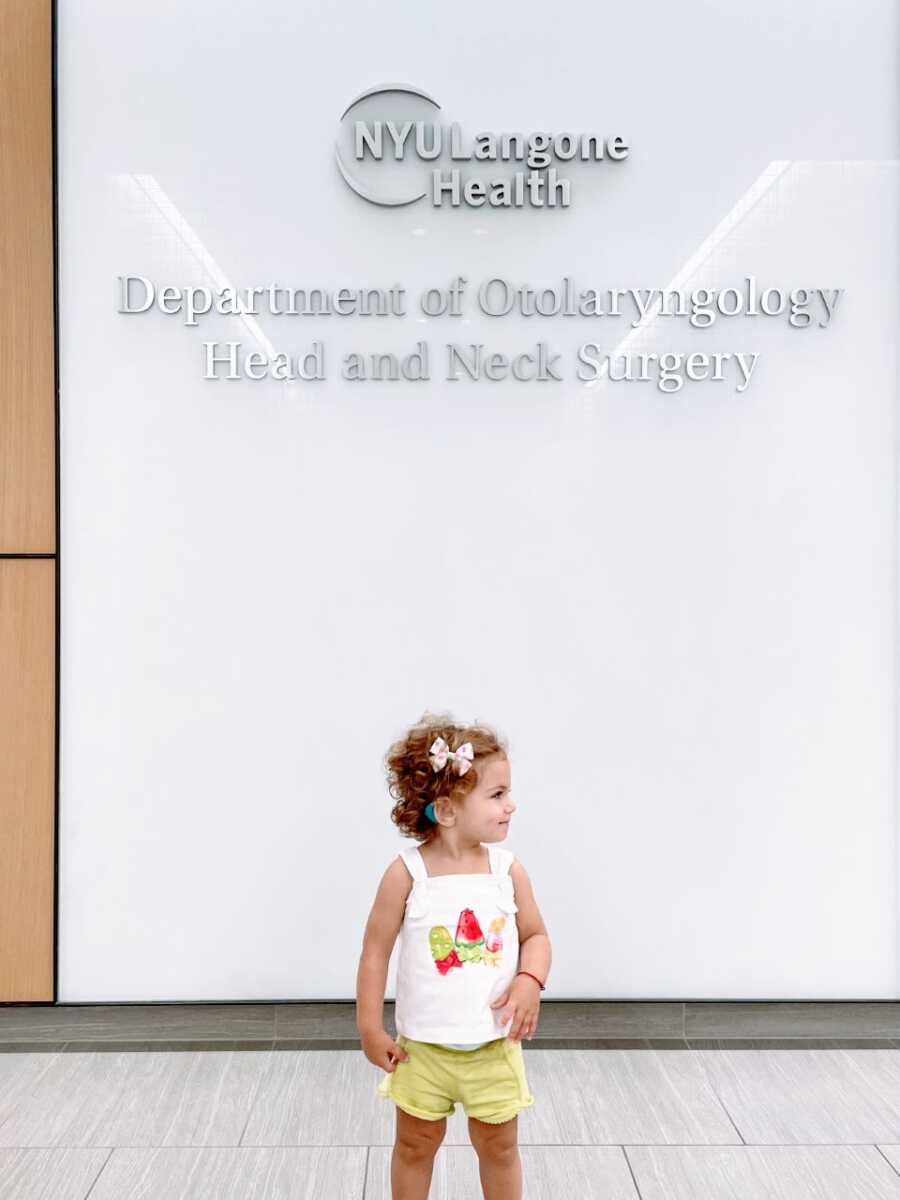
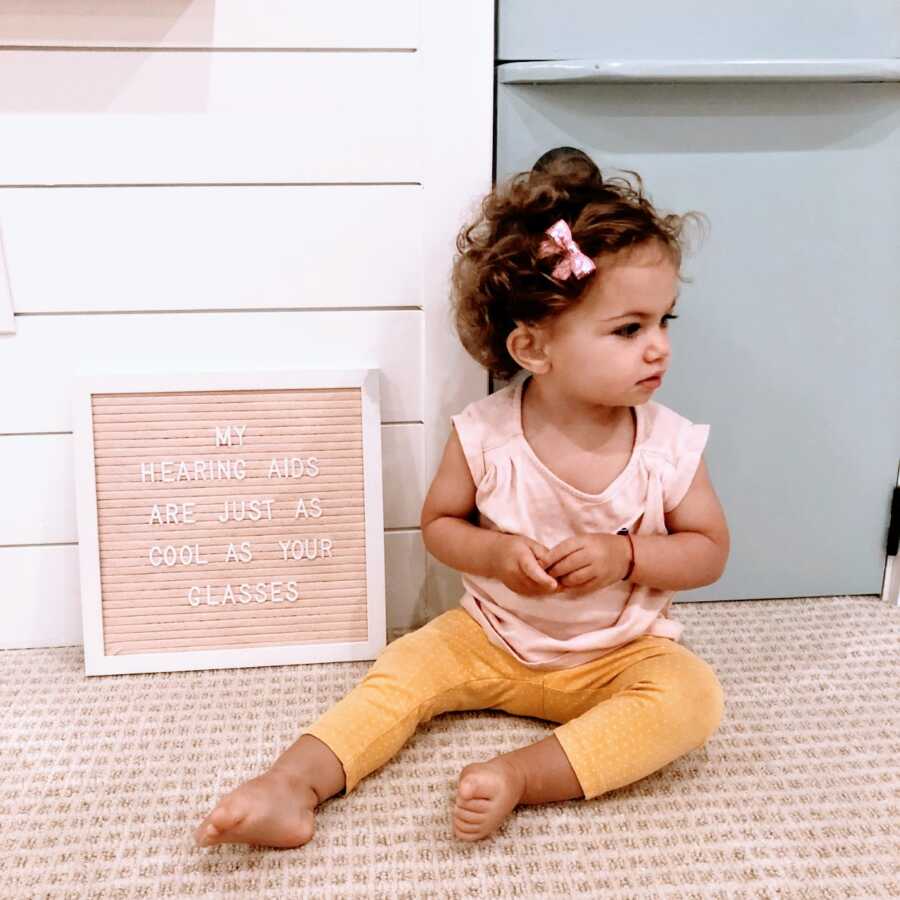
Through all of this, we’ve learned that Charlotte will always be Hard of Hearing. That doesn’t need fixing—it’s part of who she is. Disability is just one characteristic alongside her strengths and weaknesses. We’ve embraced advocacy, accessibility, and awareness: captions, clear speech, inclusive education, and recognizing the diverse choices families make in communication methods.
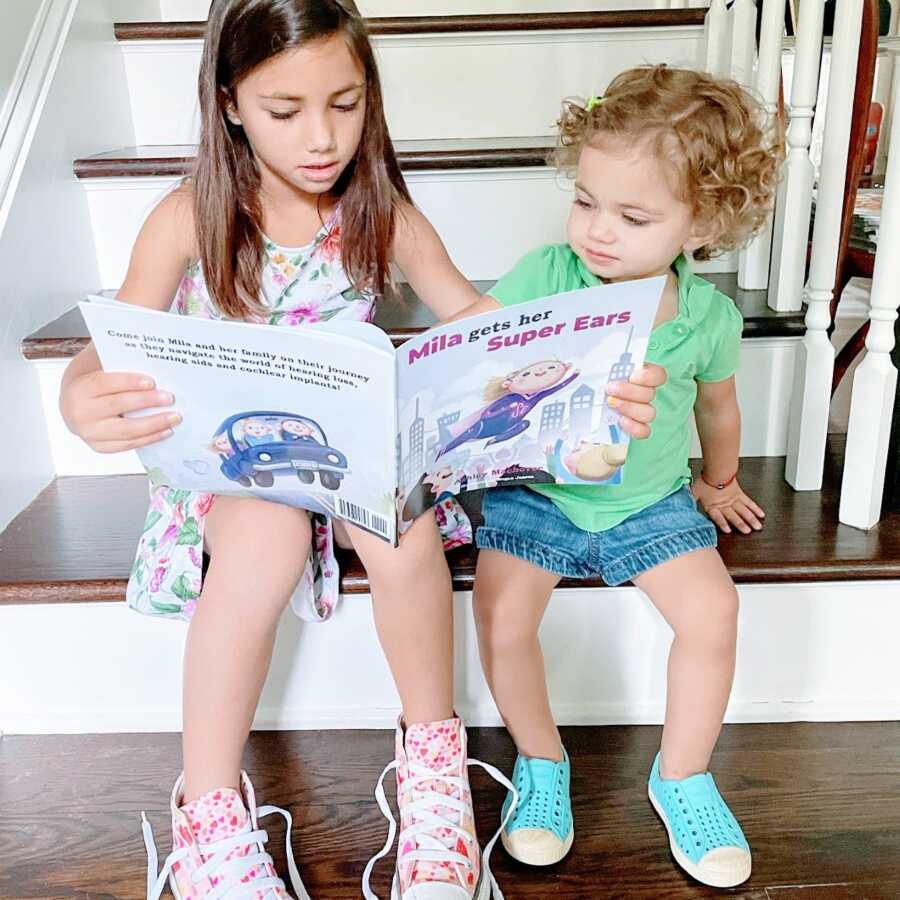
Representation matters, and over the past year, we’ve seen more DHH visibility in media. My goal is to continue showing Charlotte’s hearing loss as something to celebrate, not apologize for. She is perfectly ‘normal’—whatever that means—and a constant reminder that love, resilience, and advocacy are the truest measures of a family’s strength.