I was nineteen when my friends finally said, “You need to go to an AA meeting.” My parents were out of town, I was throwing a house party, and apparently I was blacked out—again. They told me I fought them, insisting on going outside to play in traffic, literally. I had just ended a toxic relationship with my high school sweetheart and had no real sense of who I was. I felt lost, and alcohol became the thing that made me feel like I’d finally found myself.
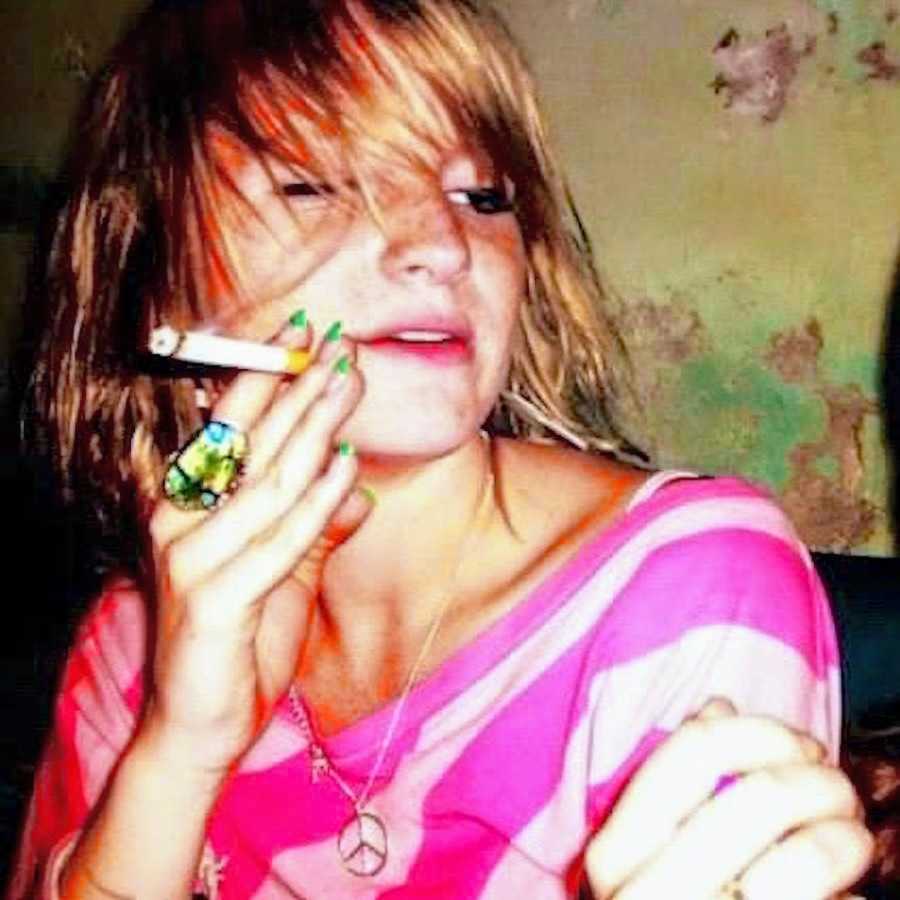
I went to the meeting, decided it wasn’t for me, and went straight back to drinking. Another day erased from memory. That pattern continued for years, filled with reckless choices and regret. I’m sure everyone thought I was a joke. After dropping out of college and bouncing between restaurant jobs, I believed it too. I leaned hard into the “party girl” identity. I started working at a country club, showing up each morning smelling like tequila and bad decisions. I drunk-dialed my boss every night, begged him to date me, and somehow, one day, he agreed.
Our first date was a Sublime concert. The dates after that are mostly a blur. I do remember trying to sleep with him and him having enough respect to stop me because I was too drunk. A few months later, at a beer pong party, we made the terrible decision to take a pregnancy test. When it was positive, I panicked. “My life is over,” I cried. I was twenty and pregnant. Deep down, though, I believed a baby would keep us together forever. My family was devastated. My grandmother called to tell me I was going to hell and kept my pregnancy a secret from the rest of the family.
I was induced, and seven hours later my daughter was born. Holding her for the first time terrified me. I still felt like a teenager, but now I was responsible for a tiny human. She was the most beautiful thing I had ever seen, and I didn’t feel worthy of something so pure. When we brought her home, I stopped drinking—not because I was sober, but because alcohol felt too chaotic even for me with a newborn.
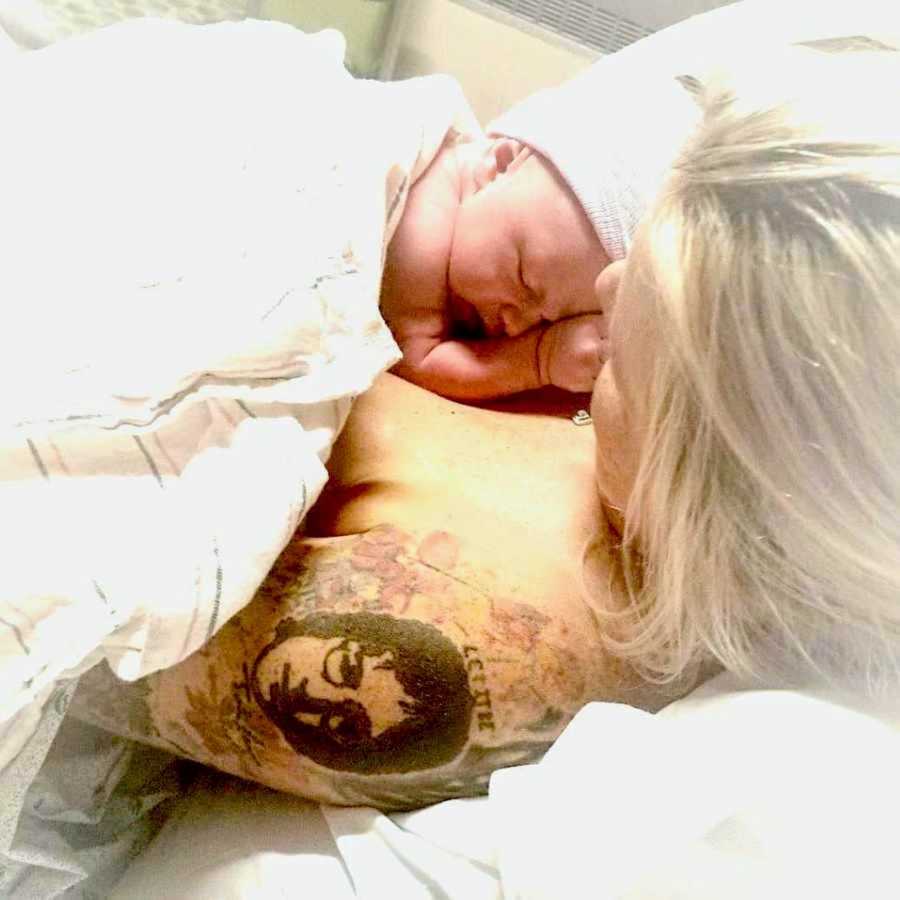
That’s when I found Oxycodone. Friends had been taking the little blue pills, and I decided to try them. Before I knew it, I was abusing them and draining my savings. Those pills turned my life upside down. I remember my daughter’s father asking me, “Don’t you love her?” I loved her more than anything, but I couldn’t stop. Rehab felt like a joke—something for quitters. Eventually, social workers, family, and her father made it clear: if I didn’t go, I would lose my daughter.
The first rehab felt more like summer camp for addicts. I learned how to manipulate better than ever. I came home promising I’d never drink or use again and relapsed within days. I failed drug tests. My daughter’s father, who had become both mom and dad during my 32 days away, was exhausted and hurt. He broke up with me, filed for custody, my parents wouldn’t let me move home, and my friends either disapproved or were lost in their own addictions.
I moved into a sober house. That didn’t work, so I went back to rehab—another stay that felt productive but wasn’t. My addiction convinced me I was changing when I wasn’t. Living with addiction felt like having an angel and a devil on my shoulders and never knowing which one was speaking.
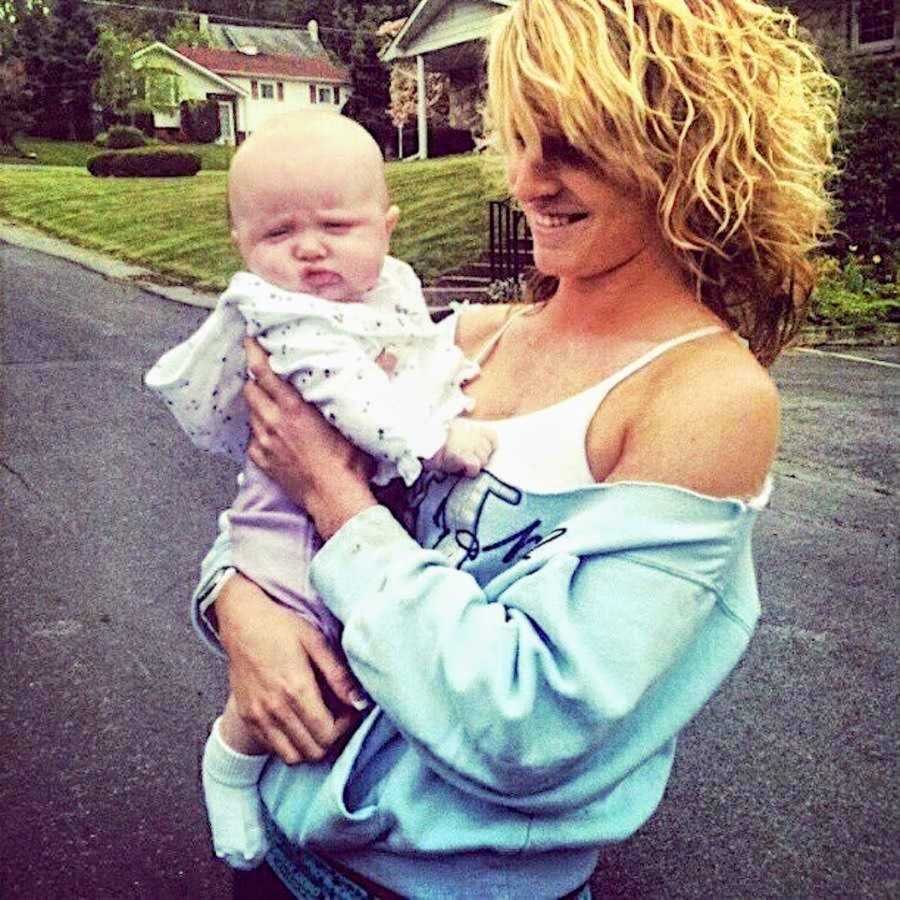
Next came a halfway house two hours from home. I scraped together six months sober, but I wasn’t authentic—I was just trying to be who everyone else wanted. I believed people in recovery were supposed to be perfect, and when they weren’t, I felt lost. I met a man with three years sober, put him on a pedestal, and once again hid my identity inside someone else.
When he cheated, I moved home and relapsed again. I only knew because the other woman told me. When I confronted him, he said nothing. I truly believed I was meant to die this way—that I’d never “get it.” I hit a new low. Then the manager of my last sober house saw something in me. She told me if I could string together seven days sober, I could come back. I was exhausted from living empty. I decided that if recovery worked for others, maybe it could work for me too. That decision changed everything.
I returned to 12-step meetings, built connections, worked the steps, and pushed past discomfort. I did everything I could to climb out of the hole I’d dug. I showed up for my daughter, starting with supervised visits. I surrounded myself with people in recovery and kept distance from those who weren’t. Friends were dying from the opioid epidemic. Family still didn’t trust me. I kept going anyway.
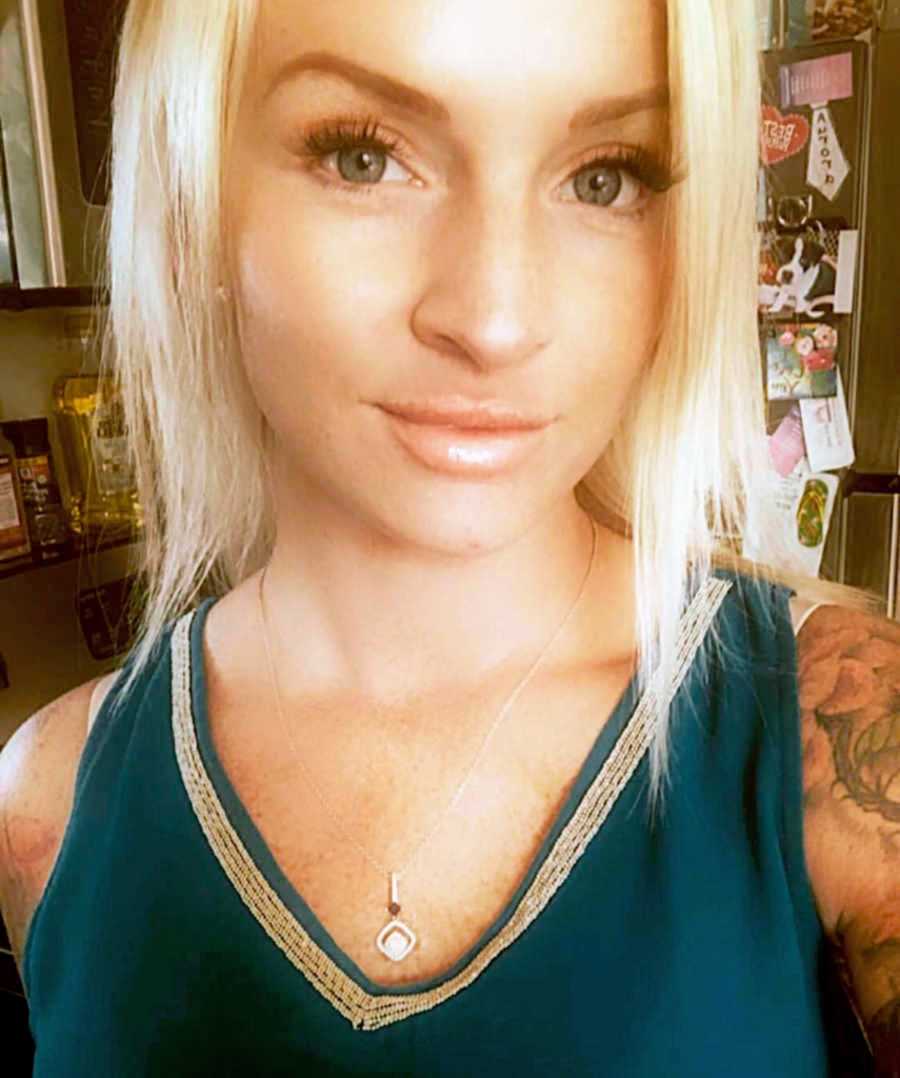
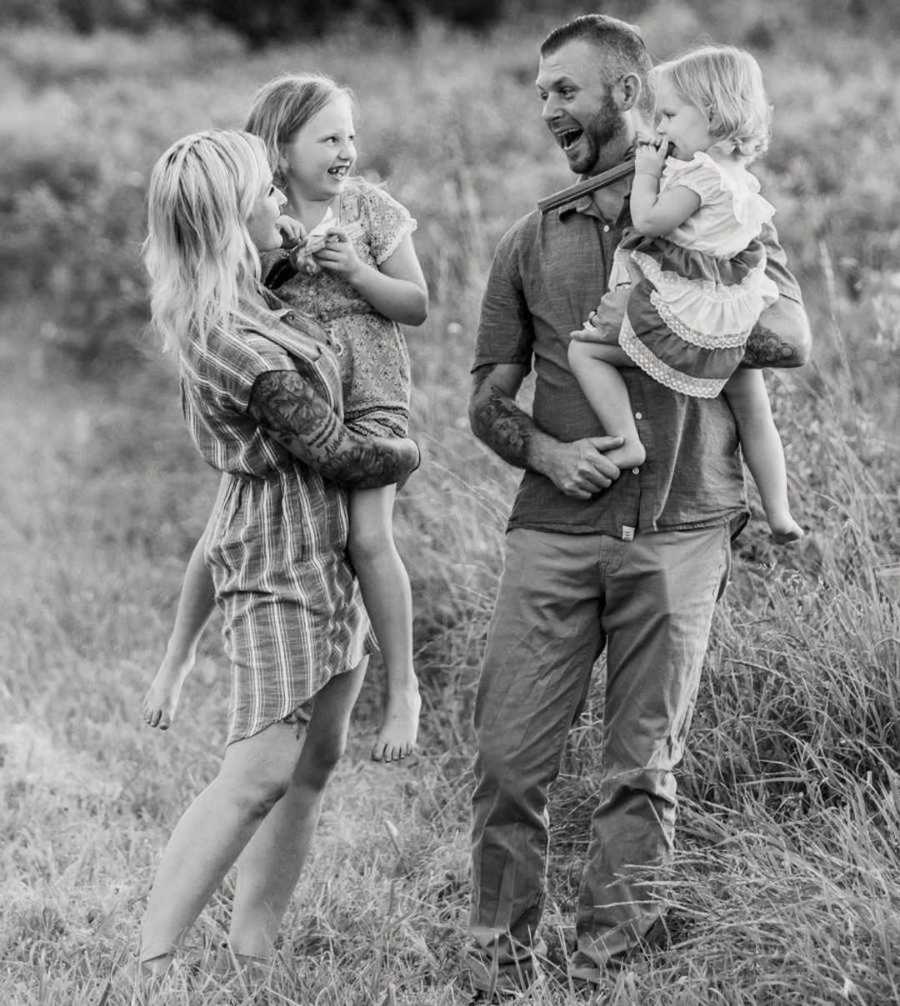
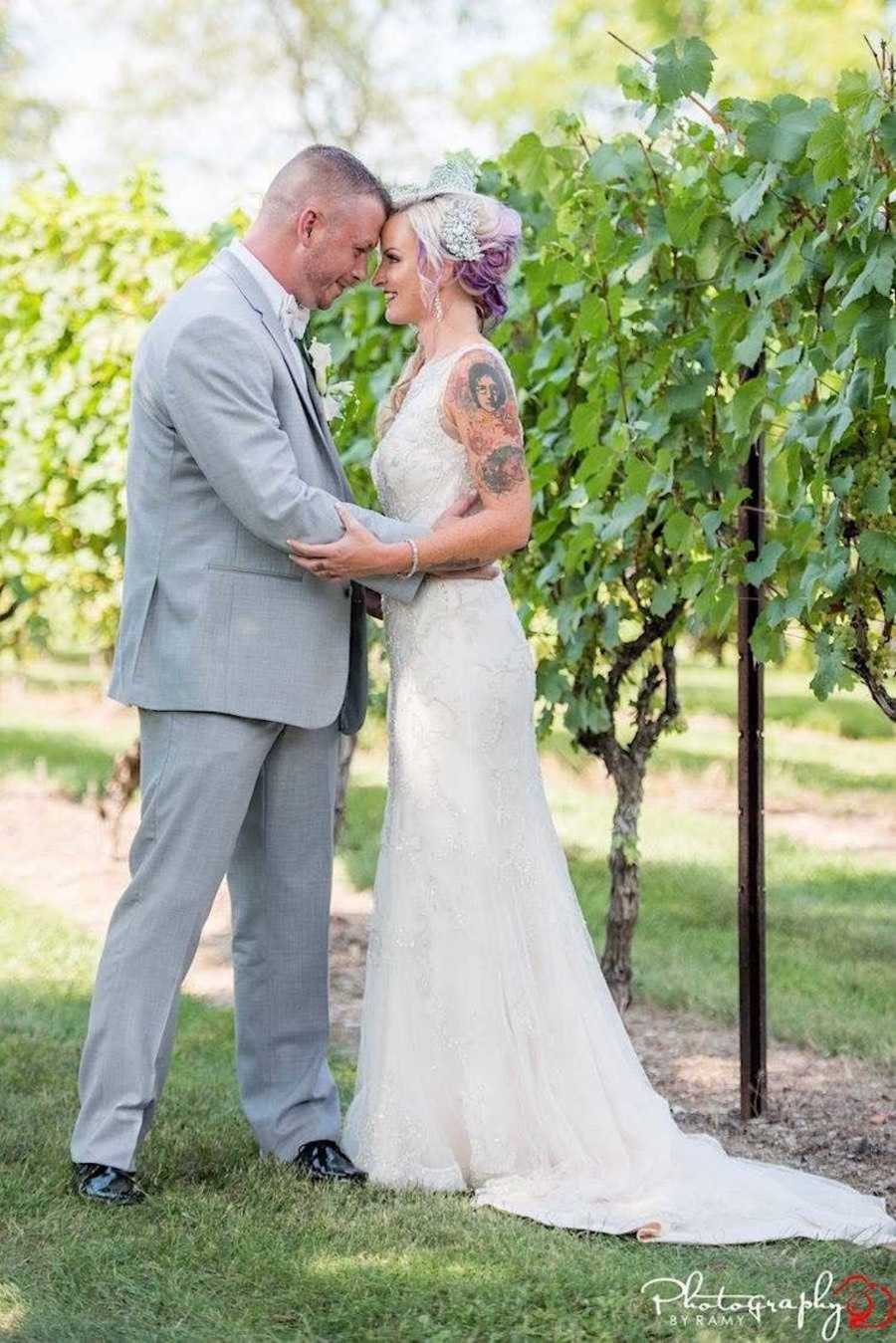
At six months clean, I moved into my own apartment. At one year, I returned to college to study social work, inspired by the counselors who had once helped me. At eighteen months, I regained partial custody of my daughter. At two years, I worked at a rehab and got engaged. At three years, I got married, started a cleaning business, moved into our dream home, got accepted into a top social work program, and brought home a puppy. At four years clean, I welcomed another daughter and watched her grow.
I thought I had it all figured out. Two months later, our dog accidentally set our house on fire while we were away. Everything I thought defined my success disappeared. Feelings of failure rushed back. Less than six months later, I picked up a drink in Mexico. I convinced myself I was different now—grown, responsible, successful. Drinking wouldn’t take me down again.
Six months later, I blacked out. Still, I believed I had control. I promised myself I wouldn’t stop at the liquor store, yet always did. Friends from recovery called, told me they loved me, and I felt miserable. Pride kept me silent.
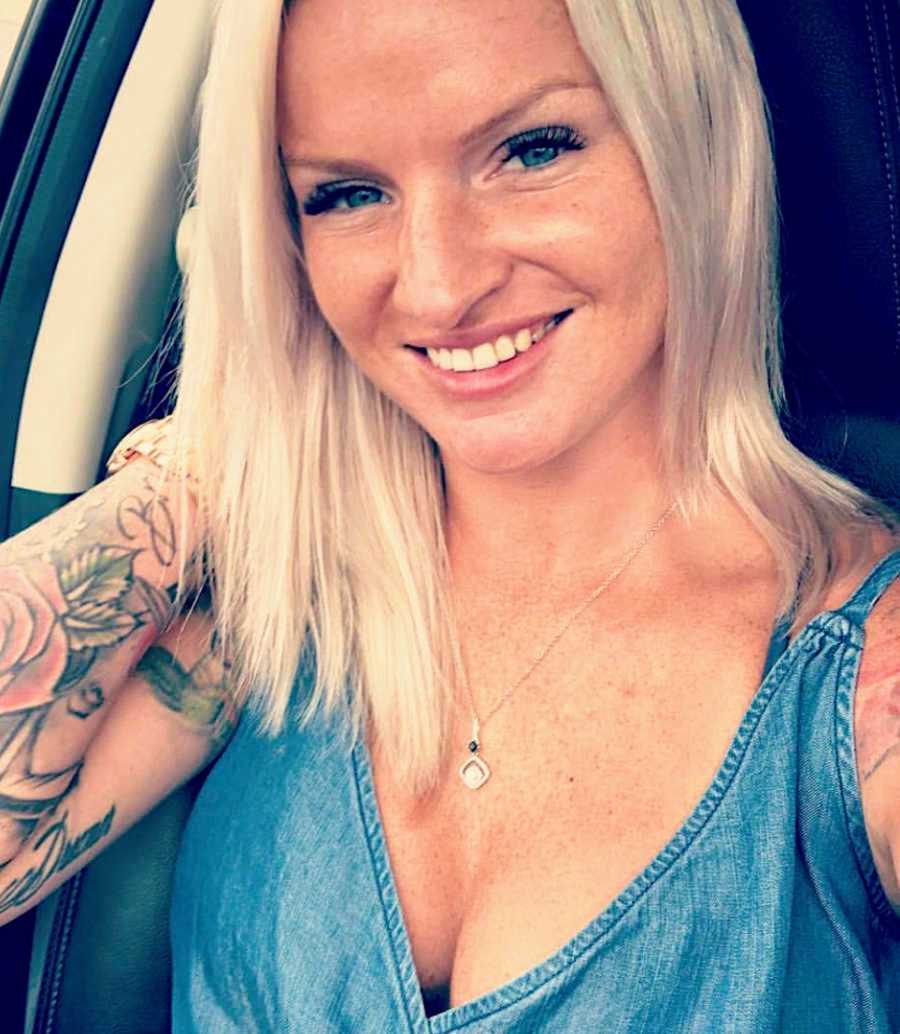
On September 9, 2018, after drinking all day and arguing with my husband, I drove away. I fell asleep at the wheel and coasted into a bush near a busy intersection. I woke up confused and terrified. My mom picked me up and took me home. The next morning—September 10, 2018—became day one of a brand-new life.
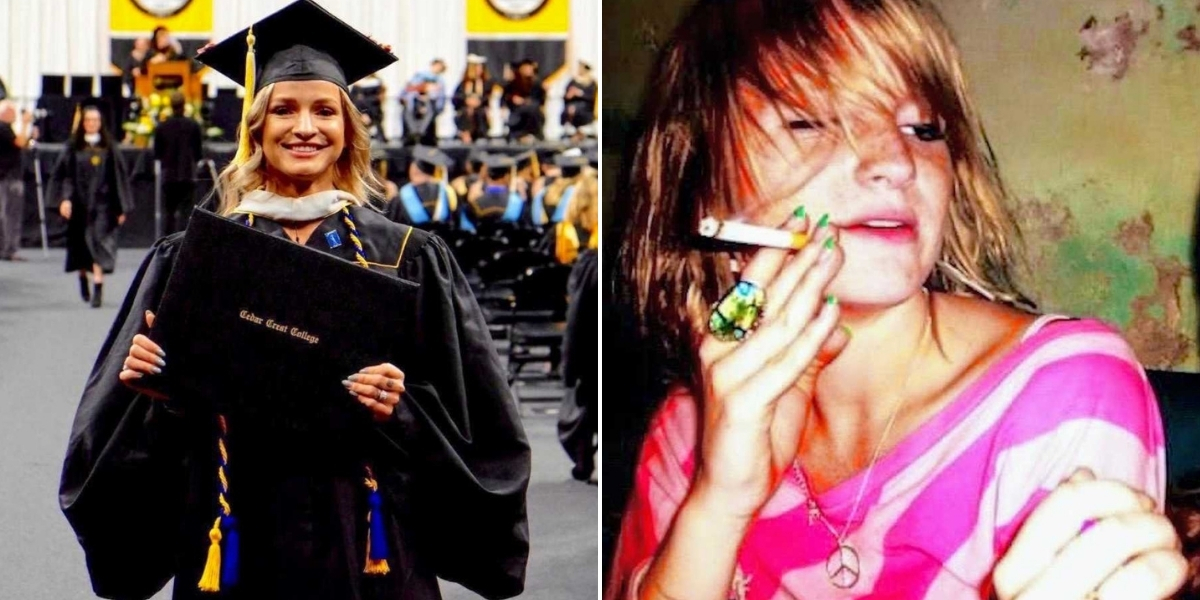
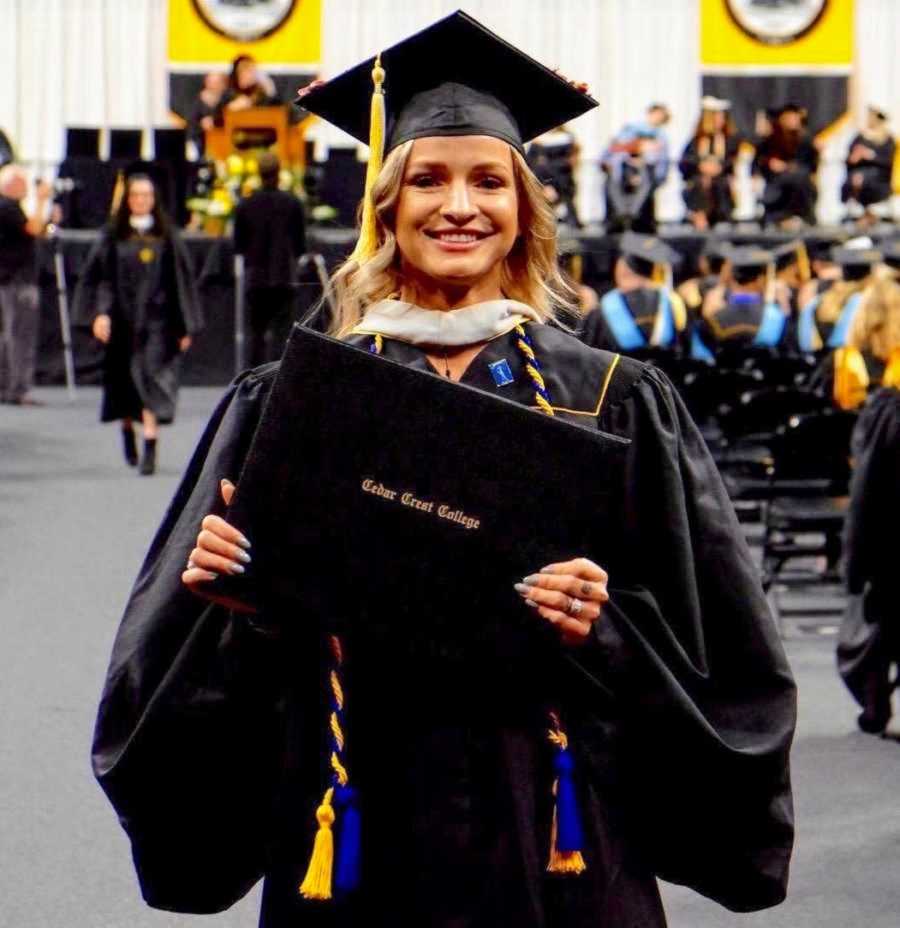
I graduated with Phi Alpha honors, was accepted into a top master’s program with a concentration in chemical dependency, and finally understood how pride and ego fueled my addiction. Today, with nearly fifteen months, I focus on connection, humility, and love. A wise woman reminds me often to “return to love.”
What once felt like losing everything is now my greatest gift. Not everyone gets a second chance. I stay focused on my actions, knowing I can’t control anyone else. If asked whether it was worth it, I’d say yes—every painful step. Addiction didn’t ruin my life. It gave me the story I’m grateful to live today.