Losing My Brother To Suicide
May 15, 2019 began like any ordinary day. I woke up, dressed for work, and sent our family group chat a cheerful Snoopy gif — the little cartoon dog writing a note covered in hearts that said, “Have a nice day.” I thought it was a small gesture of love. What I didn’t know was that my youngest brother, Jacob, would never read it. He was already gone, and the messages from the rest of the family that followed would also go unseen.
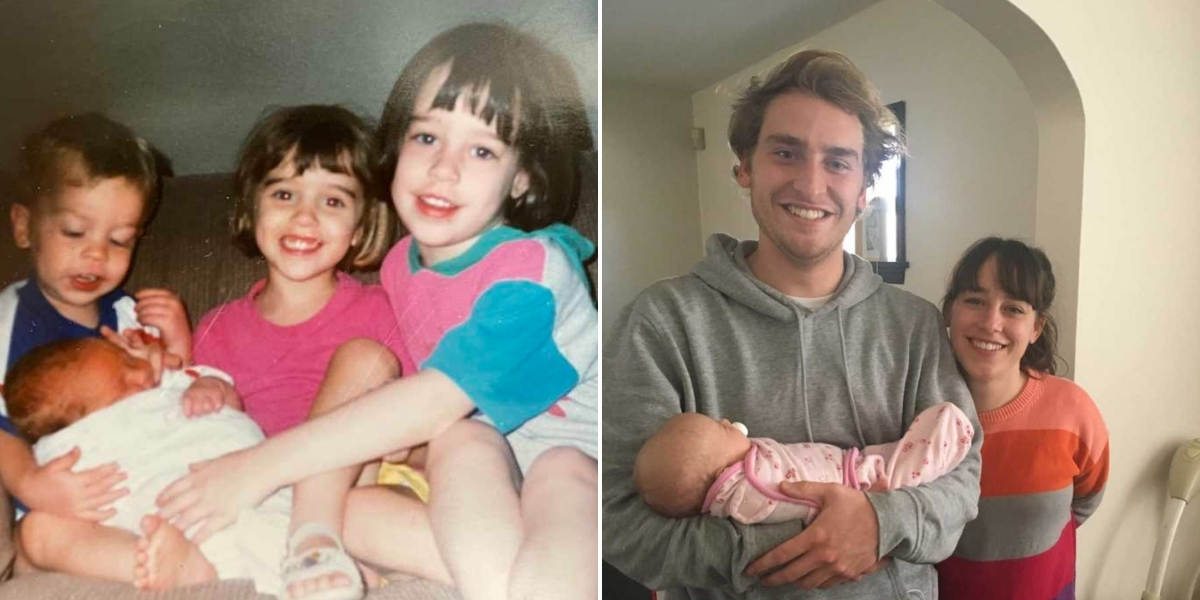
A few hours later, texts started coming in, first with concern and then with urgency. Jake hadn’t shown up to work. He hadn’t gone to class. His friends and roommates hadn’t seen him the night before. None of it matched the reliable, thoughtful brother we knew. After hours of frantic calls, checking, and hoping for a different answer, we learned the truth: Jake had died by suicide — just ten days before his 24th birthday.
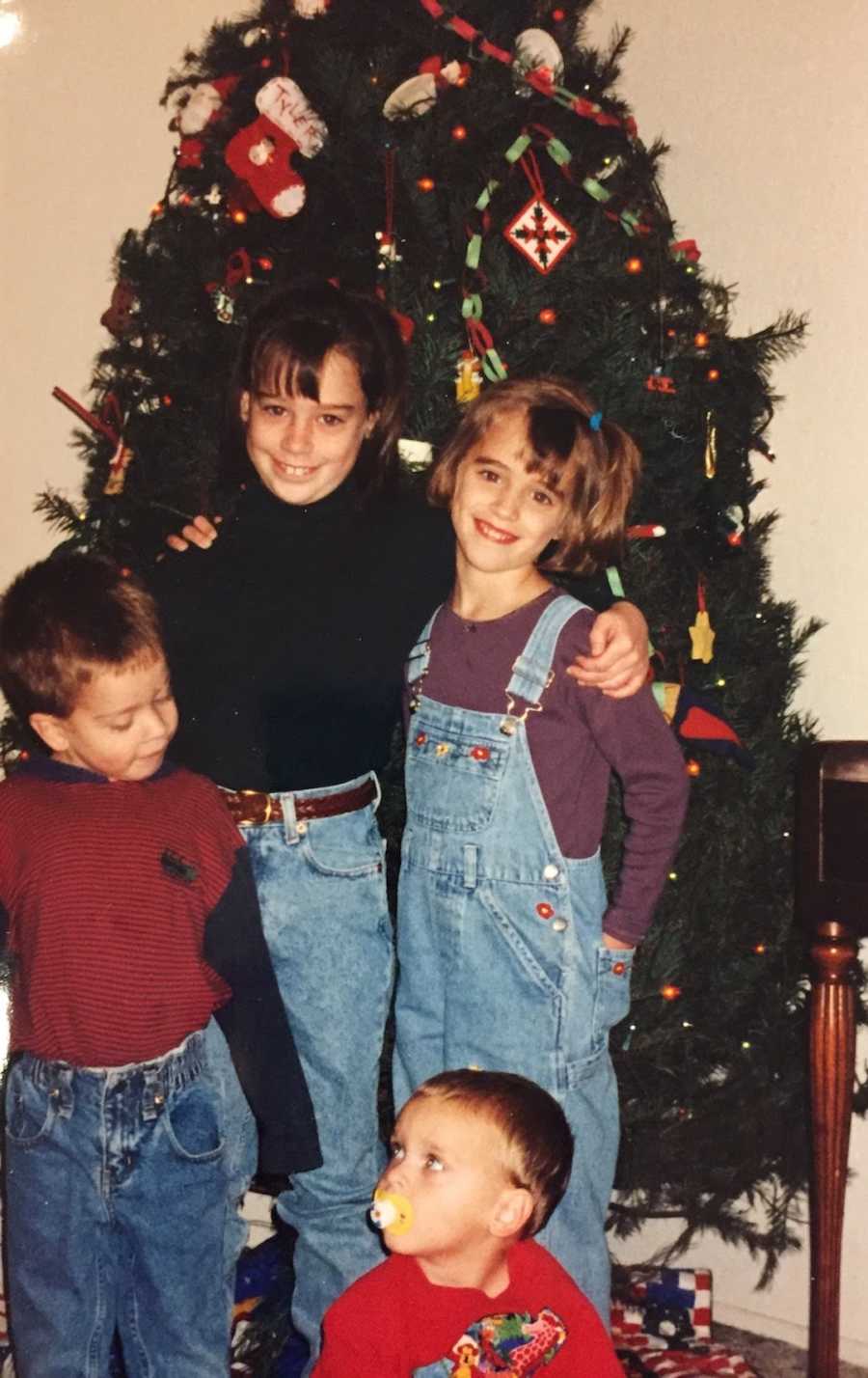
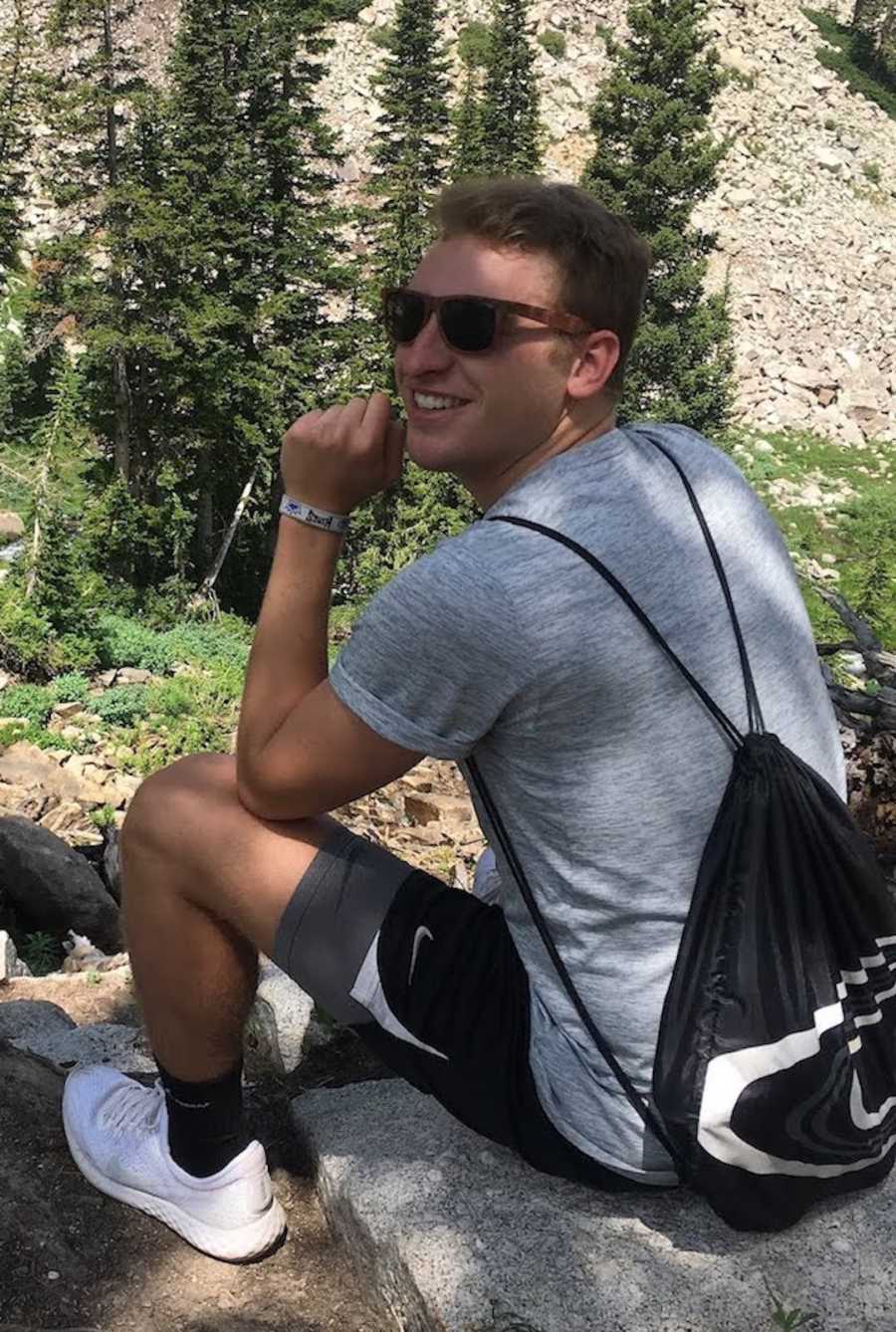
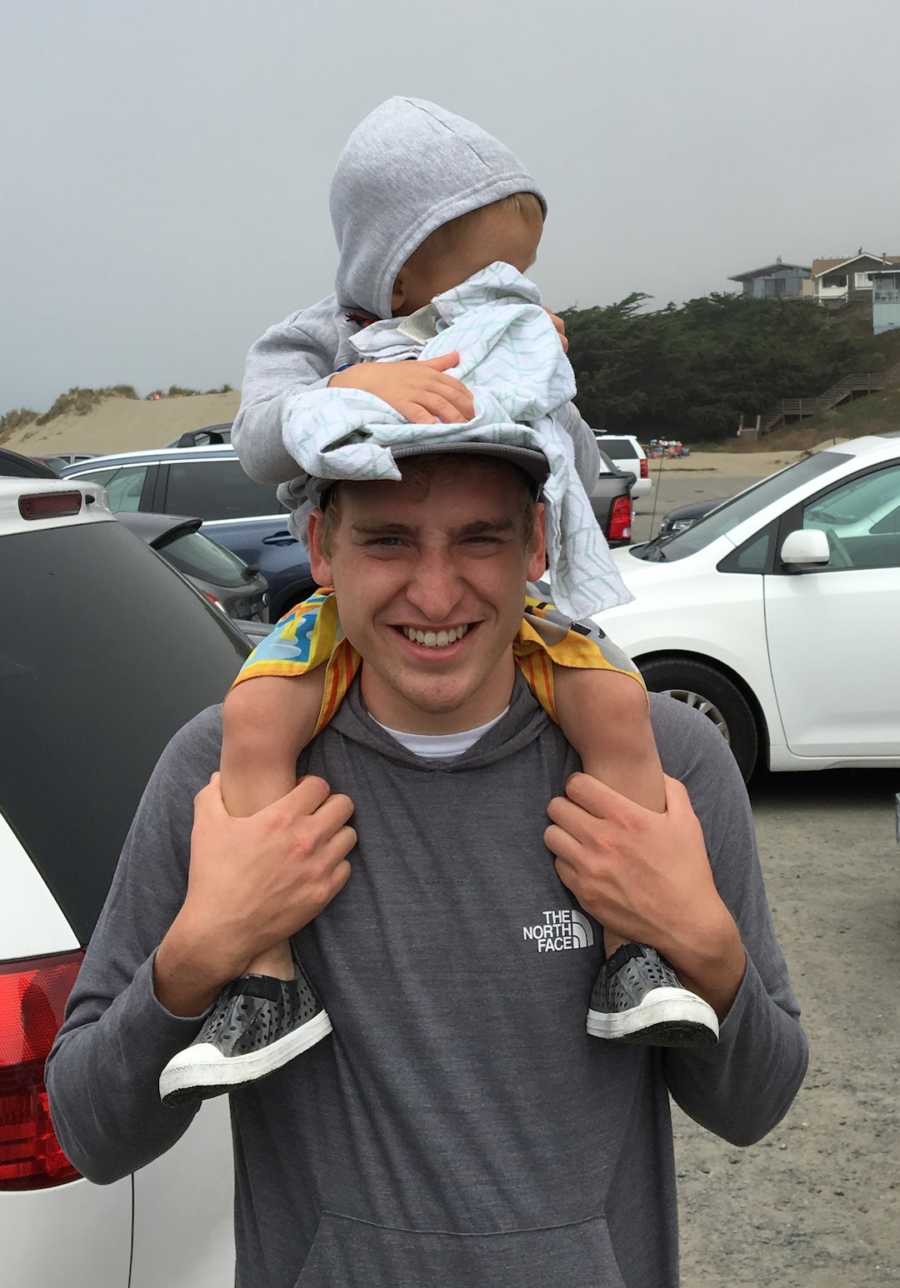
The shock spread through every corner of our lives. His coworkers, roommates, friends, and family were all stunned. Jake had a joyful way about him — a bright smile, a playful personality, and a humor that made rooms feel lighter. In high school he was crowned homecoming king, not just because he was popular, but because he had a way of making people feel welcomed and seen. He was kind. He was loved.
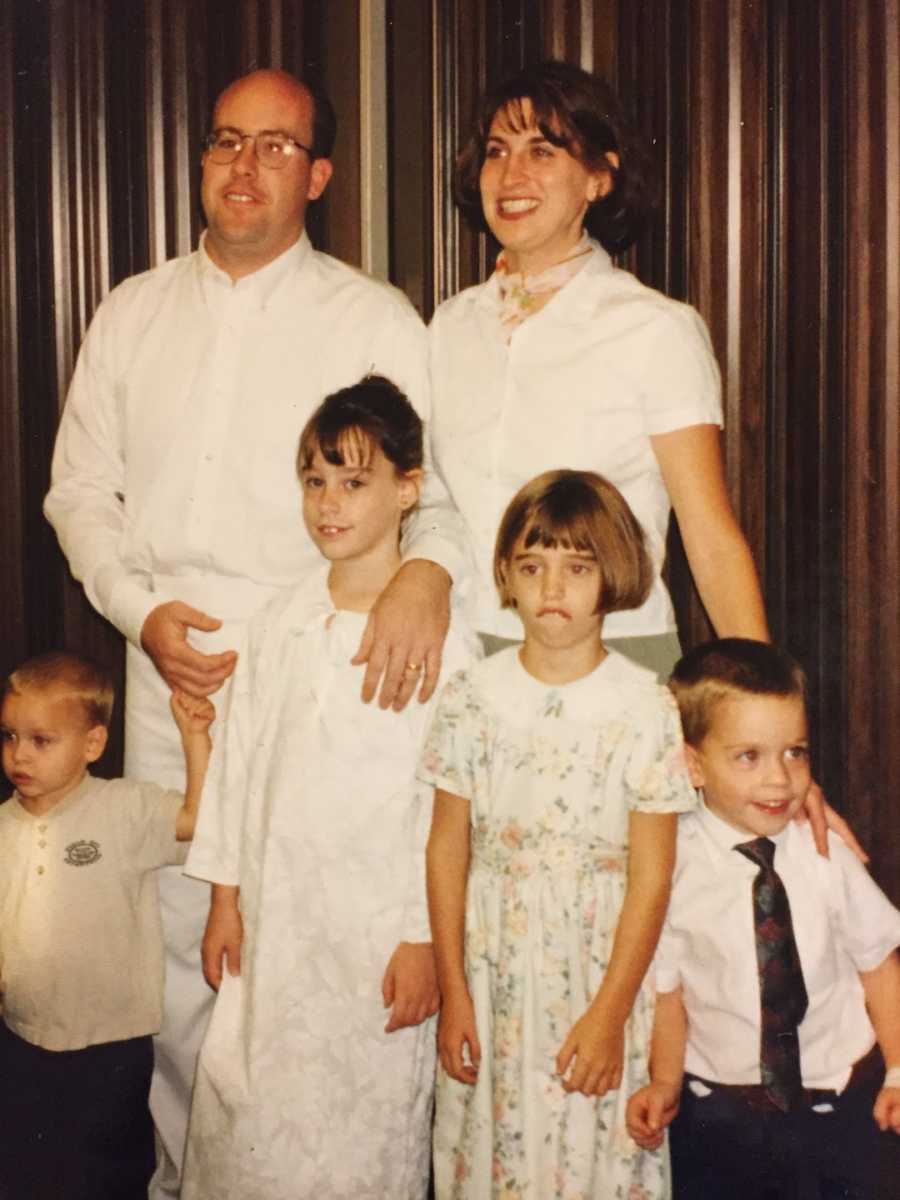
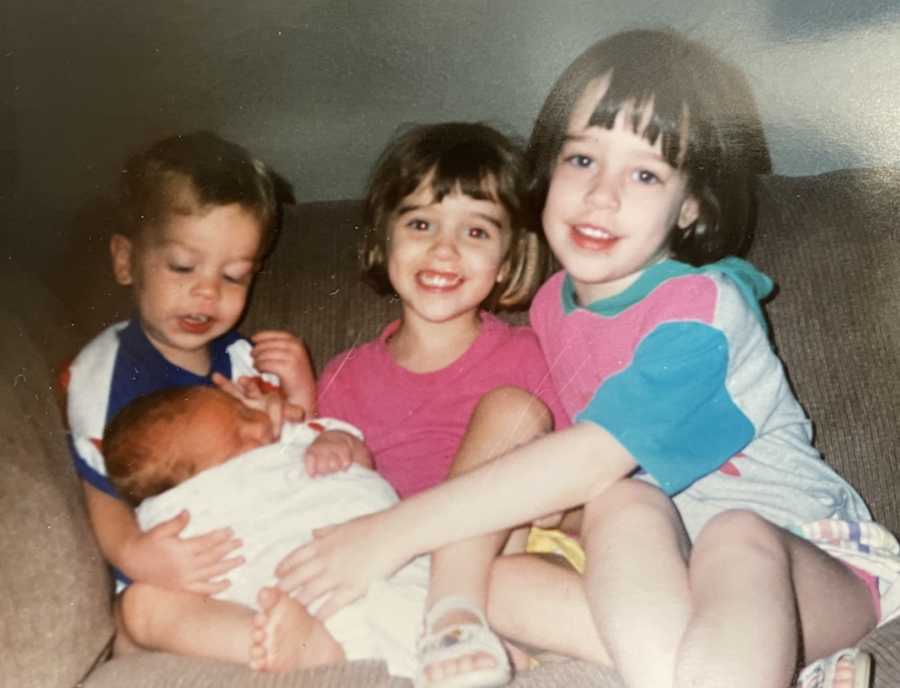
He had always loved to make people laugh. When he was little, his big round head made pulling shirts off nearly impossible. They’d get stuck halfway, and he’d spin the dangling fabric like long hair, tossing it dramatically, pretending to be a girl with flowing locks. We would laugh until we cried — those memories still feel vivid and precious.
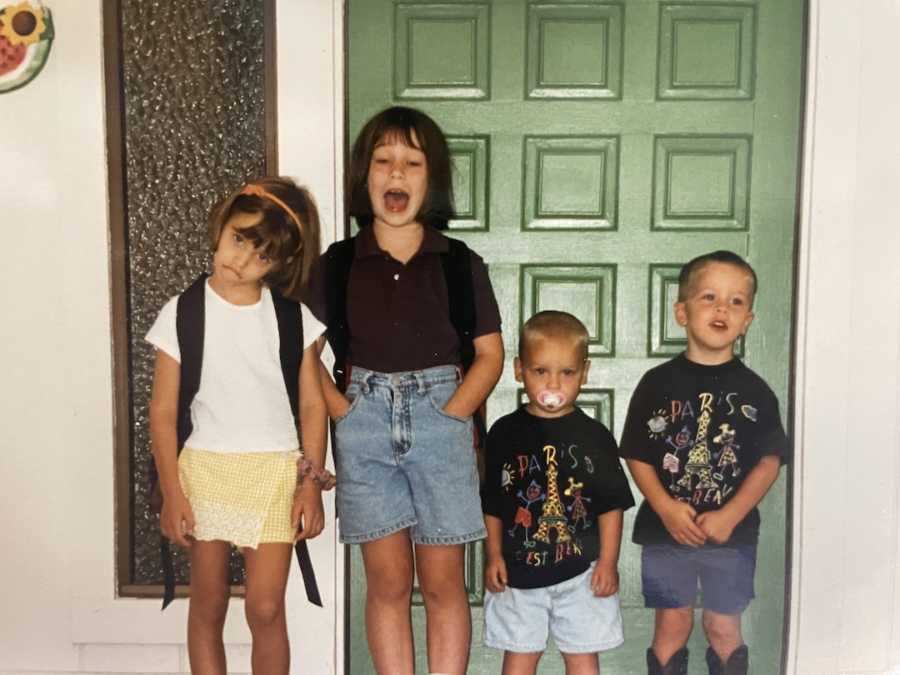
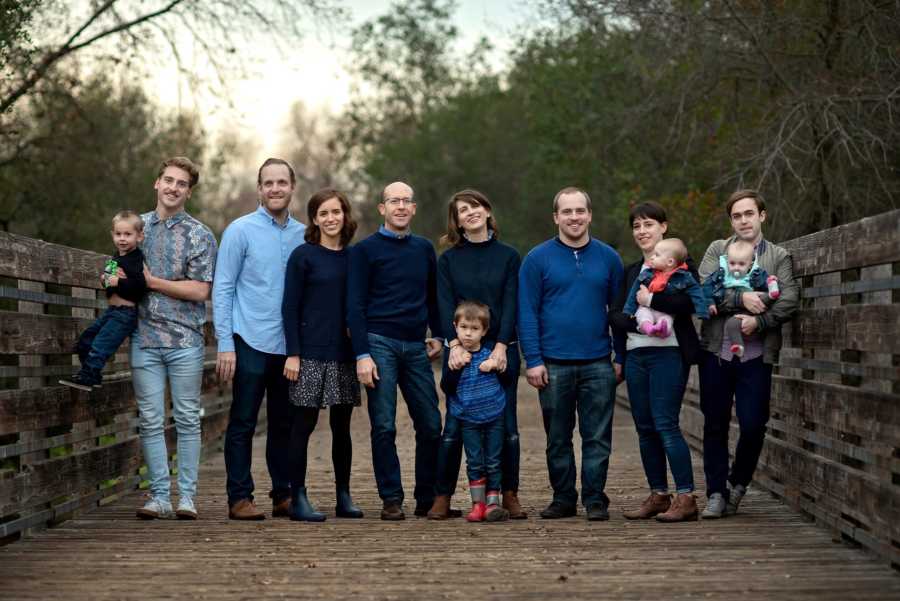
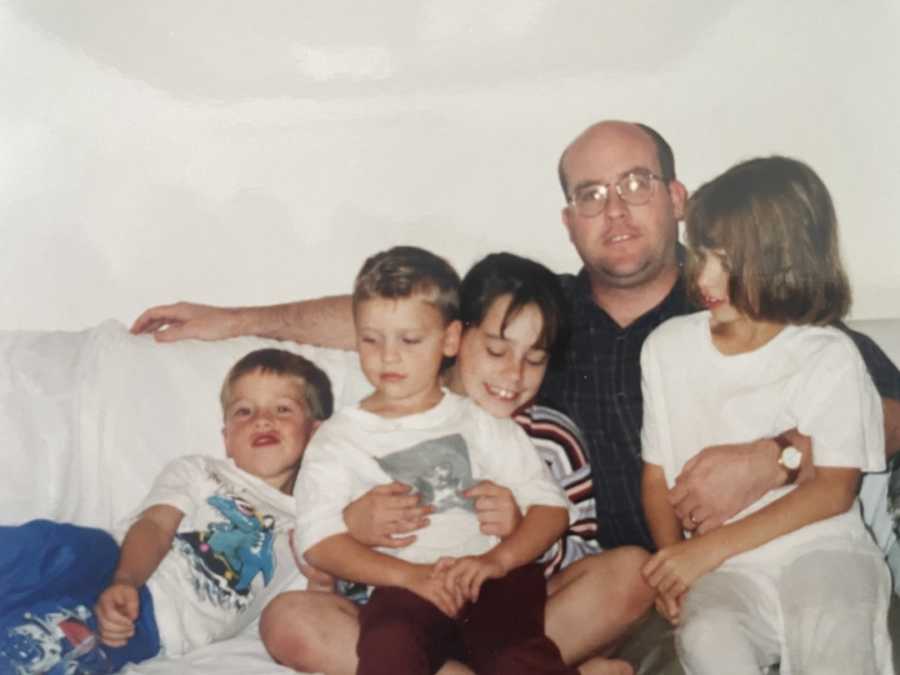
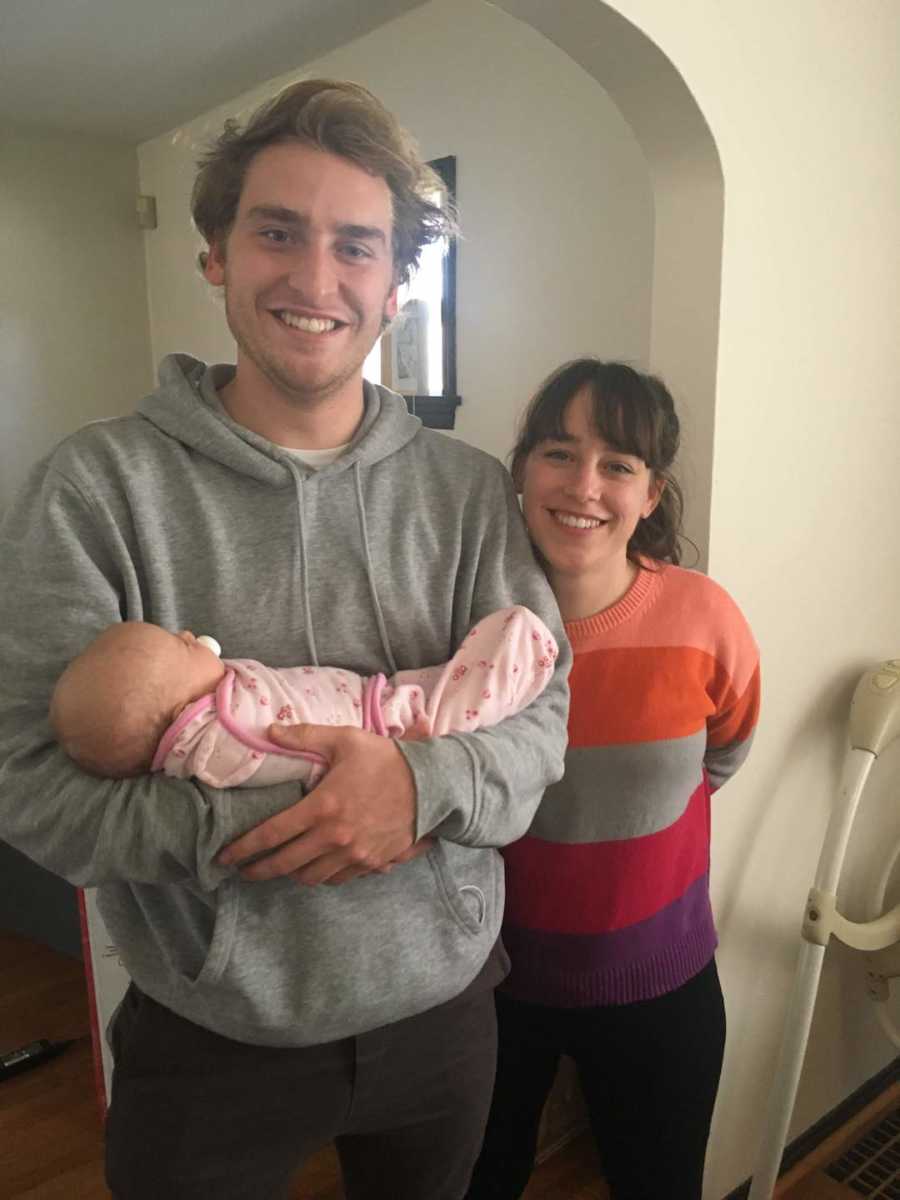
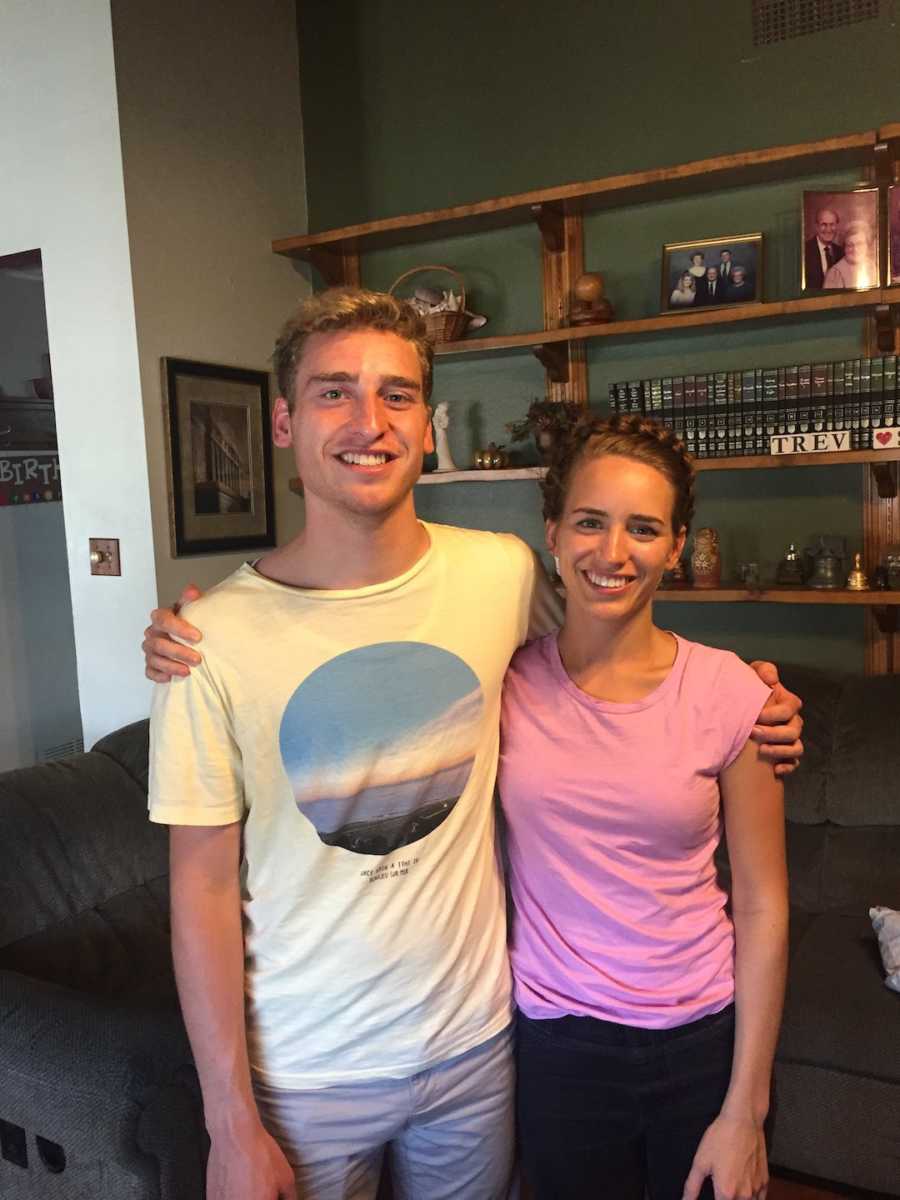
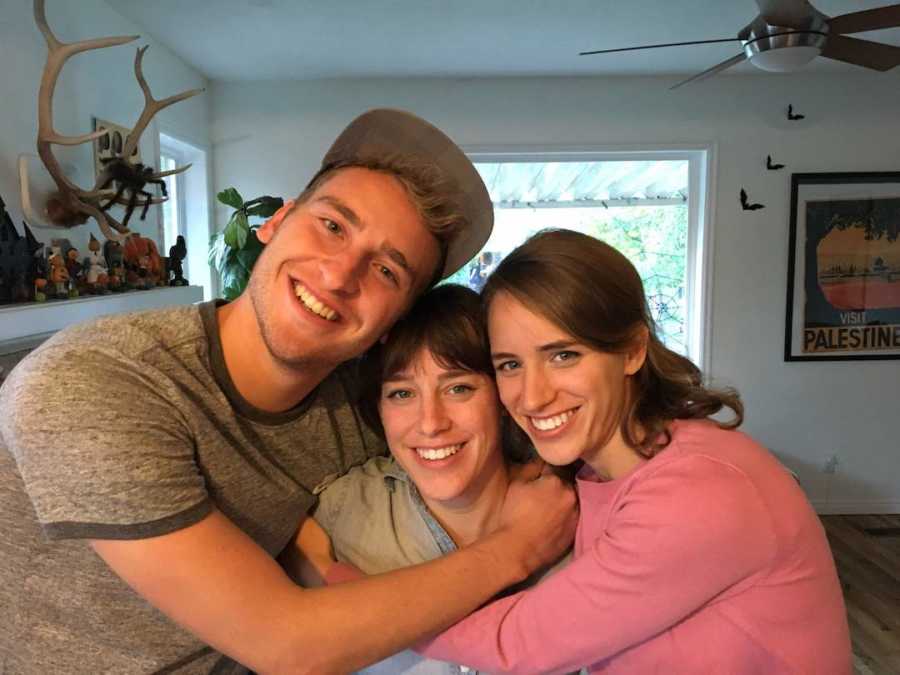
There were four of us siblings, two boys and two girls, each two years apart. Our parents raised us closely, encouraging real friendship among us. Even as adults, scattered across the country, we stayed connected. Just three days before Jacob died, all four of us were laughing together on FaceTime, catching up on our weeks, talking about nothing and everything.
Learning To Live With Grief
In the weeks that followed, the grief felt unbearable. I leaned heavily on my older sister, Alanna. As Jake’s two older sisters, we shared a painful understanding that words couldn’t quite capture. We could talk honestly, without judgment, about the ways this loss had shattered us.
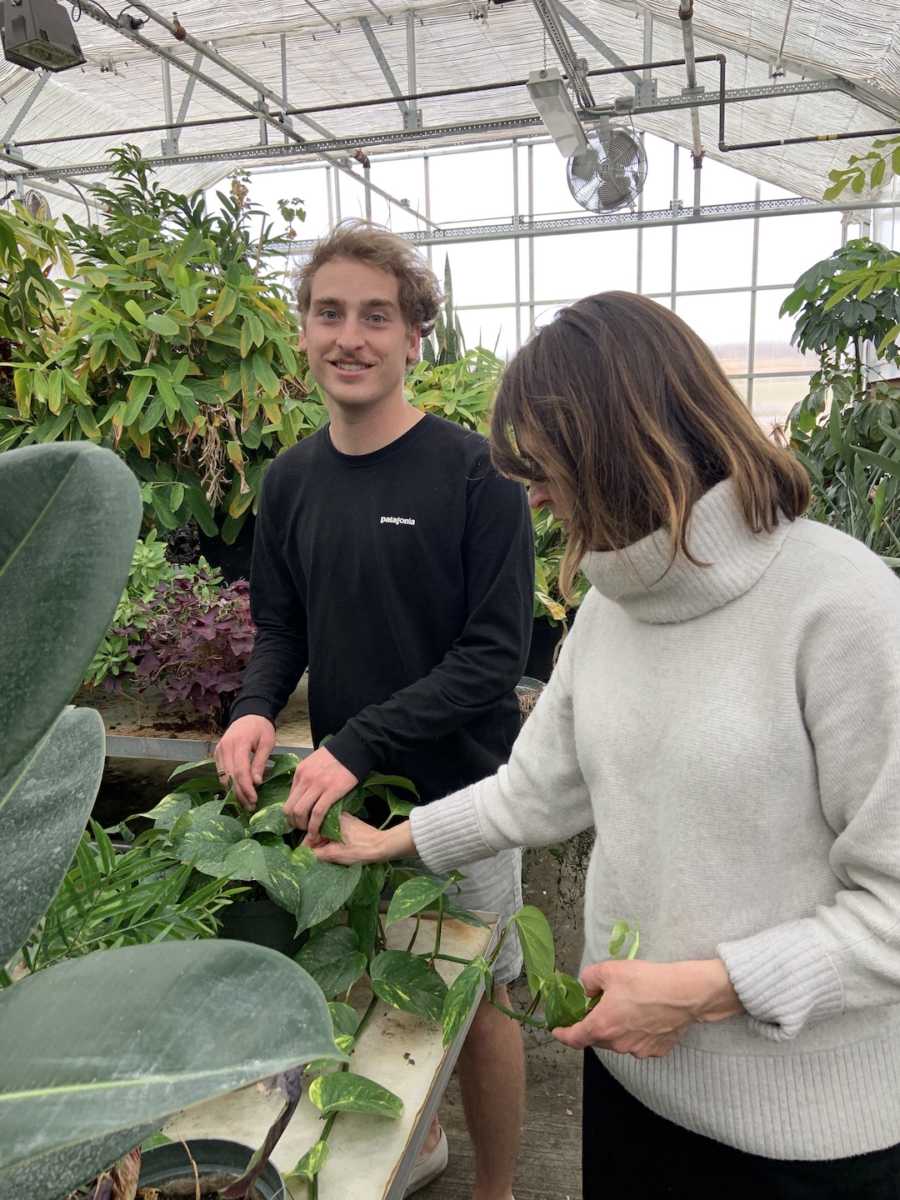
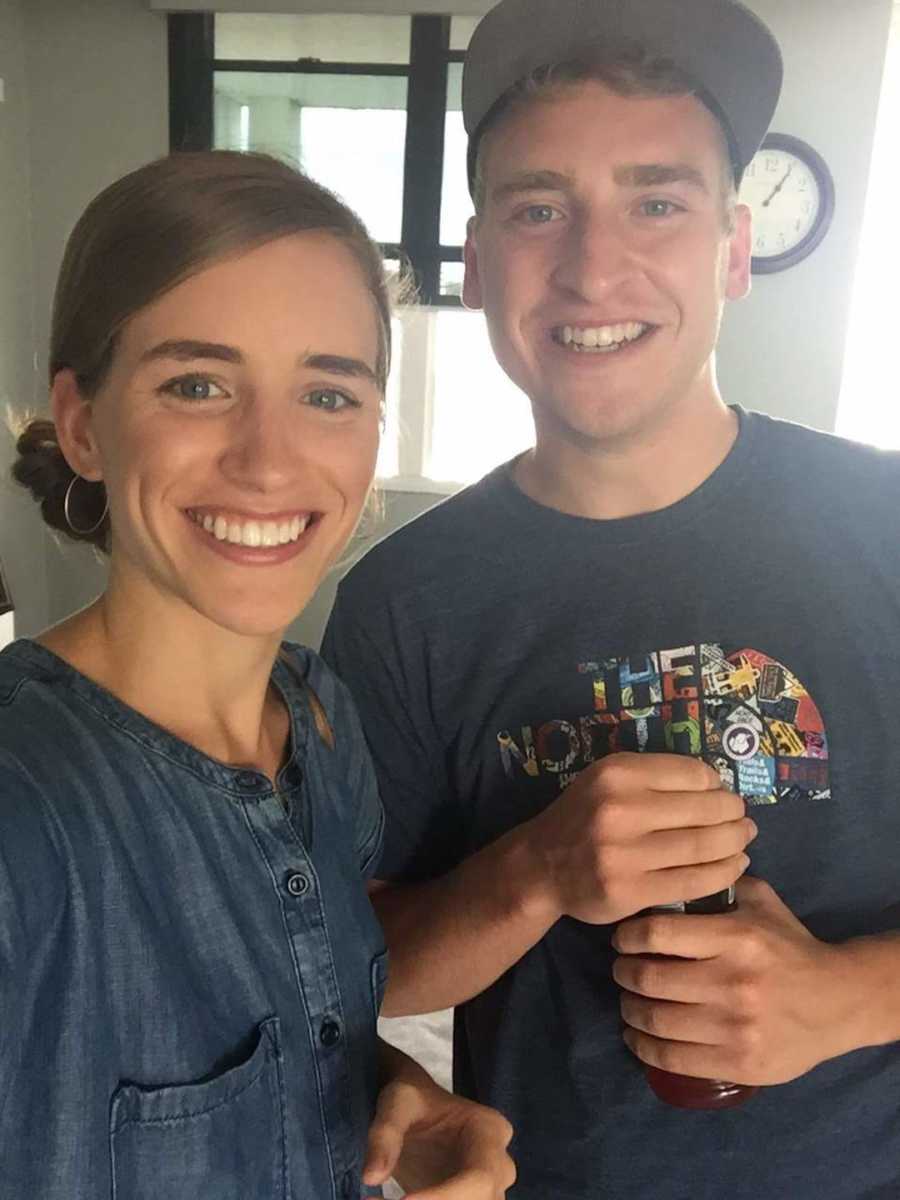
I told her about thoughts I couldn’t ignore anymore — how life suddenly felt dull and meaningless, how I wanted to withdraw from everything. For someone usually outgoing and talkative, it frightened me.
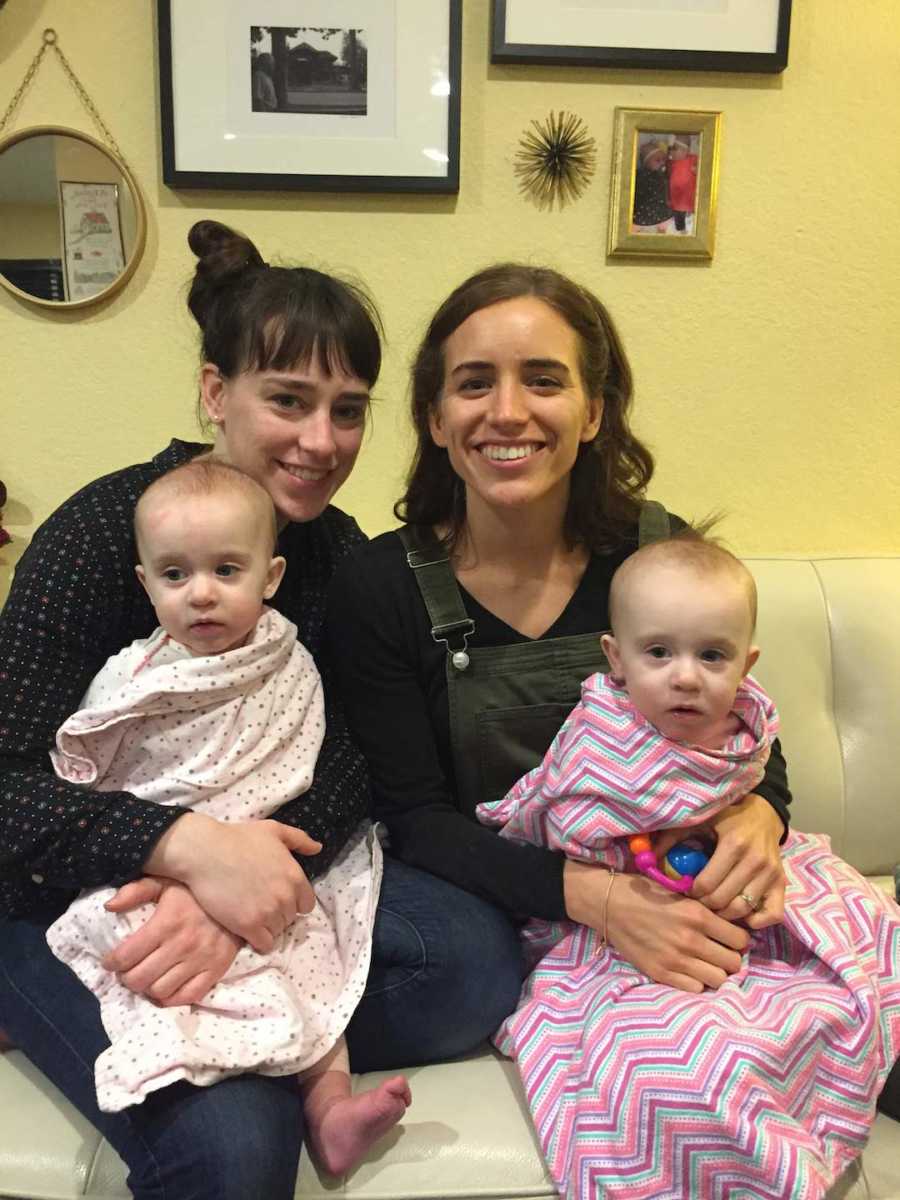
Alanna, who was more private by nature, felt drawn to speak openly about Jake’s death. She was the only one in our family to write publicly, sharing on Instagram that he had died by suicide, that she loved him deeply, and believed his soul had finally found peace. She also spoke about wanting to live — to see her twin daughters, June and Ruby, grow up. She looked forward to guiding them through life’s joys and struggles alongside her husband.
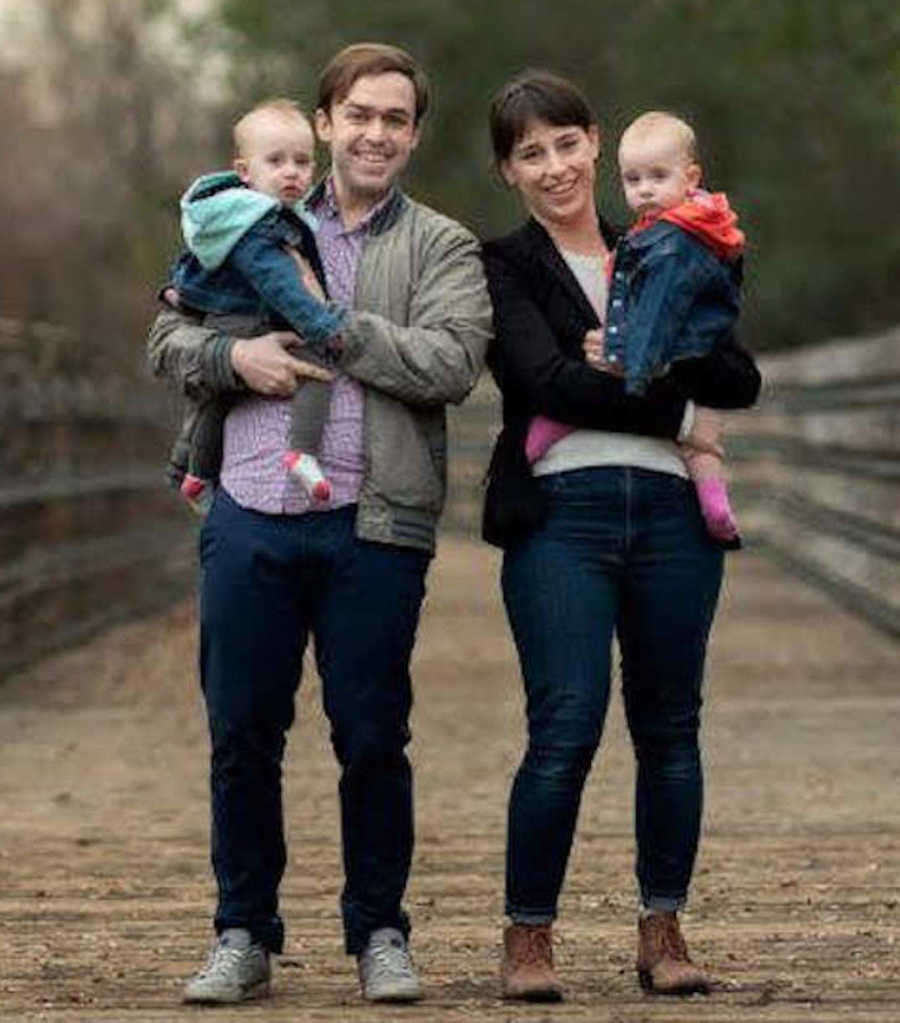
And then, only two months after Jake’s death, tragedy struck again. My sister and her two sweet girls were killed in a car accident. The weight of losing them, so close to losing Jake, was indescribable. It seemed impossible that this could be our reality.
Instead of comfort, I was often met with silence or well‑meaning but painful phrases like, “Everything happens for a reason,” or “God only gives you what you can handle.” Some even suggested my sadness came from a lack of gratitude — advice that felt dismissive when all I wanted was space to grieve.
Battling My Mental Health
I gradually withdrew, fearful of more judgment. My mental health spiraled quietly. Like many survivors of suicide loss, I struggled with intrusive thoughts and impulses. PTSD symptoms crept in — nightmares, panic attacks, hallucinations, and terrifying moments of disconnection.
I began to understand what Jake might have felt: the fear of being treated like a problem to solve instead of a person who simply needed compassion. I didn’t want fixing. I wanted someone to listen.
Raising Suicide Awareness
Now, two years have passed since Jake died, and nearly two years since losing Alanna, June, and Ruby. With therapy, yoga, and gentle practices, I’ve learned to treat my grief more tenderly. I’m realizing I am not broken — I am someone who has endured profound loss. My anger, fear, and sorrow deserve as much space as my gratitude and courage.
Talking openly about my darkest moments has helped me stay connected to others, especially those who are hurting. In sharing, I honor the loved ones we lost — and the ones still here, who I continue to love fiercely.
Like Alanna, I speak about suicide honestly because I hope it may help someone else feel less alone. Struggles with mental health are not something to hide or feel ashamed of. They are human, and they are survivable with love and support.
For anyone seeking help and feeling misunderstood — please know nothing about you is “too much.” You deserve care. You deserve patience. Keep searching for the people and places that feel safe.
We are all worthy of love, help, and connection. None of us are defined by our pain. We are simply human — doing our best, learning how to keep going.
So please: keep trying, keep coping, and keep loving.
You matter.