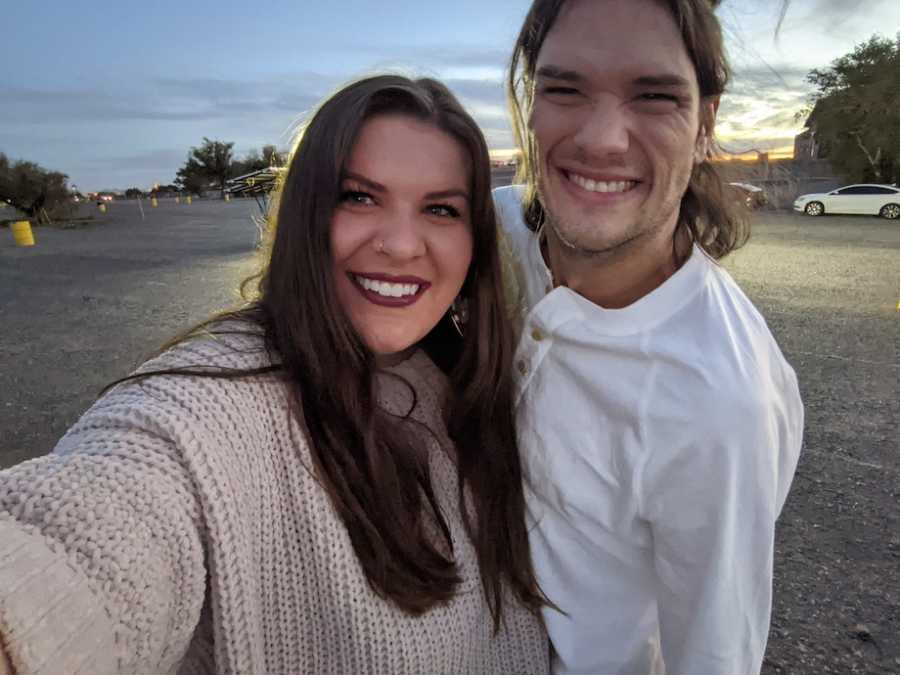
Dating is hard. Finding genuine love? Even harder. Before the pandemic hit in 2020, I was navigating the world of online dating, swiping through profiles and going on dates with men I met on various apps. I had recently moved back to my hometown to finish graduate school, and the proverbial “sea” seemed to have far fewer fish than I remembered. The year before, in 2019, I had ended a two-and-a-half-year relationship and had been single ever since. I’d been on quite a few dates, some fun, some forgettable, and yes—some that left me standing alone when someone never showed up. Online dating is rough. But the truth is, none of those dates ever led anywhere meaningful.
Here’s the thing about developing a higher sense of self-worth: you become less willing to tolerate people who don’t treat you well. Once you realize you deserve better than what you’ve been settling for, dating suddenly feels even harder.
Back in 2018, I stumbled across a video about a man named Jason. He was handsome, adventurous, and had a fun, magnetic energy. He was ten years older than me, but age had never mattered much to me once you’re past a certain point. His sisters had made a video to help him find love, asking the internet to help connect him with a partner. Jason’s dating journey was far more complicated than mine—he was disabled. Born healthy, he had later developed cerebral palsy (CP) and hearing impairment due to complications. If dating felt difficult for me, imagine trying to navigate it with a disability.
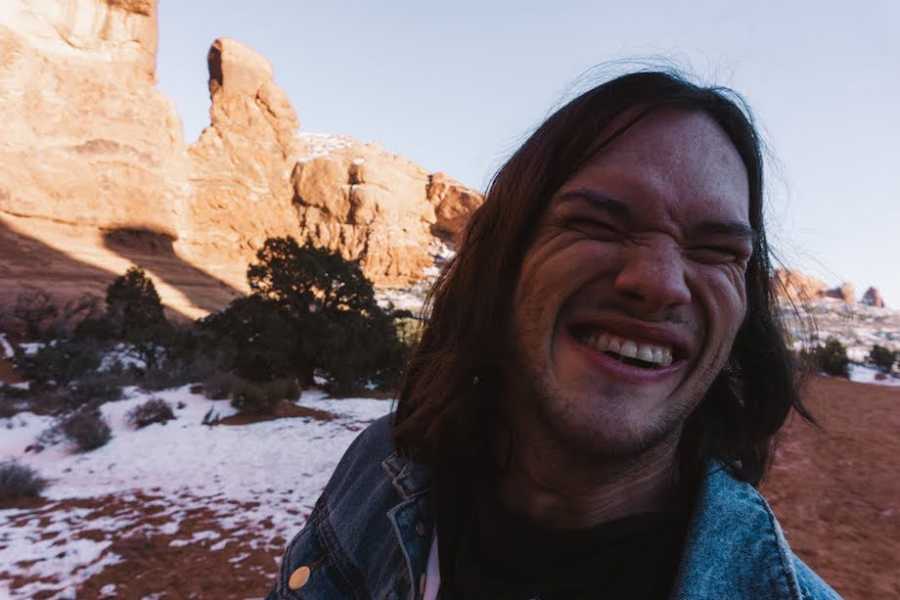
Something about the video stuck with me, though I couldn’t fully explain why. At the time, I was still in a relationship and even shared the video with my boyfriend, who made a joke and moved on. Little did I know, Jason’s story was quietly planting a seed.
Fast forward to March 2020. The pandemic had me stuck at home, scrolling through Facebook, when I saw a video about an “interabled” couple—a term I hadn’t heard before. Instantly, Jason came to mind. I dug up his email address and sent an introductory message, curious if he had found love yet. For six days, I waited anxiously, checking my inbox, my excitement fading a bit with each passing day. Then, on April 1, I received a reply—from Jason himself.
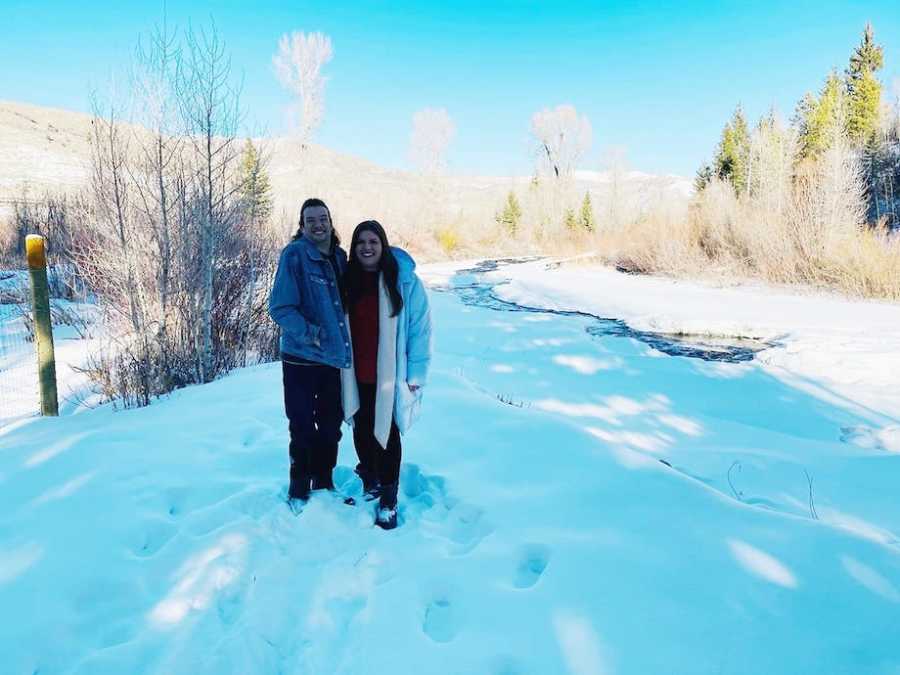
From there, our emails flowed effortlessly, back and forth, week after week. We talked about everything: favorite foods, travel, books, music. He was easy to talk to, and it felt like we’d known each other far longer than we had. I asked many questions about his disability, wanting to understand his life, and he answered openly, honestly, and with a gentle grace.
When he asked about my graduate studies, I hesitated. I was studying speech-language pathology and worried he might think I was approaching him from a professional, rather than personal, interest. He reacted with kindness, confirming my fears without judgment, and our conversations continued. Eventually, we exchanged numbers and moved into texting, sharing more personal details, our routines, and our dreams.
I kept our growing connection mostly private at first. I worried my friends wouldn’t understand my attraction to a disabled man—not because of his disability, but because they might not “get it.” Yet, when I did open up to my close friends, their curiosity was met with support. Jason and I texted, video chatted, and slowly built a connection across the miles. I finally told my mom, nervous about her reaction. She worried that Jason wouldn’t “fit” my active lifestyle—hiking, kayaking, backpacking, and spending time outdoors. I reassured her: couples don’t need to do everything together. Adaptations could be made. Disability shouldn’t define worthiness in love. It was a small comfort, but I hoped meeting him would change her perspective.
In May 2020, we scheduled Jason’s first visit for late July. The moment he arrived in Arkansas, his excitement was contagious: “You have a lot of water here!” and “Wow, it’s so green!” He had never been to my home state, and we dove into exploring it together. Over four days, I showed him Hot Springs National Park, we swam in a local creek, and I introduced him to my mom and friends. Everything felt natural.
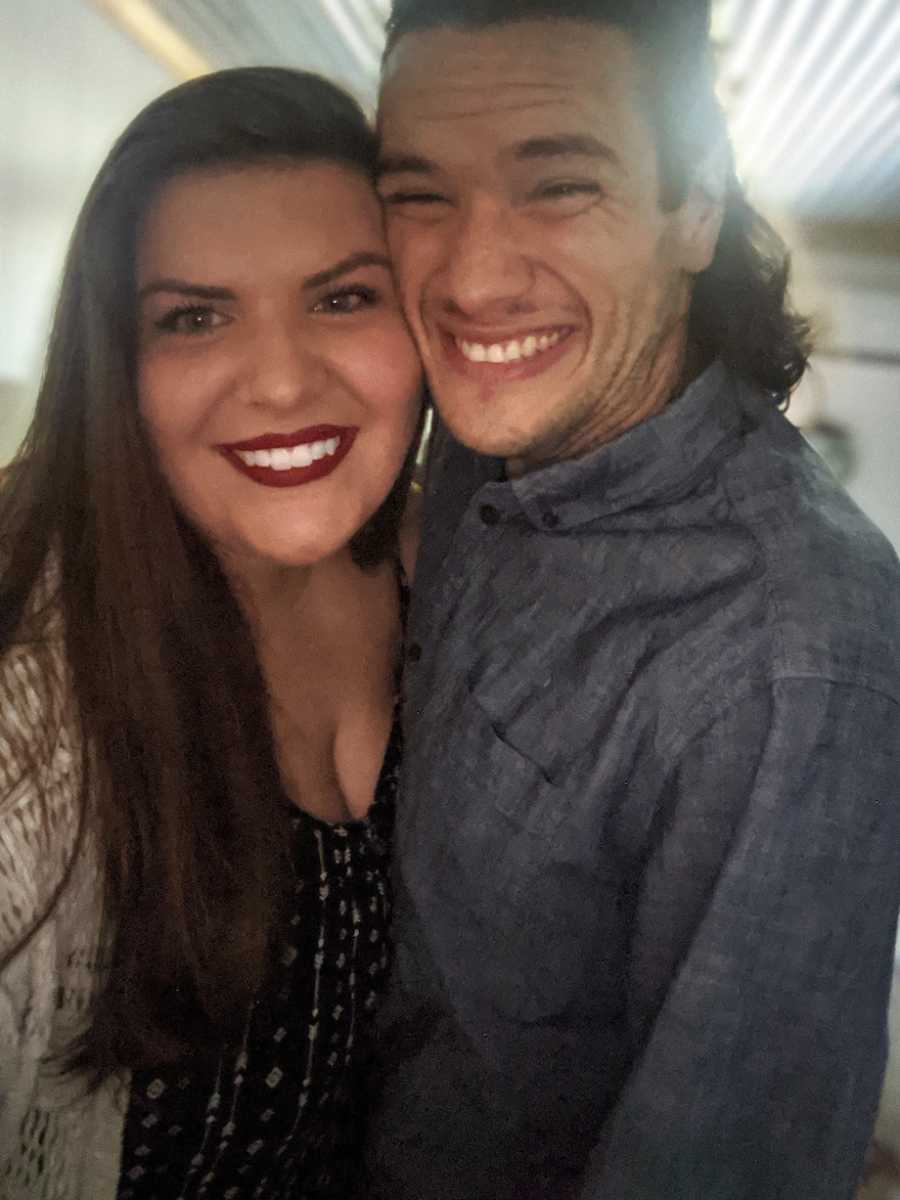
Meeting Jason in person, I gained a deeper understanding of his disability. He’s not a wheelchair user, but his cerebral palsy affects his mobility and speech due to spasticity, which causes abnormal muscle tightness. His communication differs from neurotypical patterns, something I could understand more intimately as a speech-language pathologist. Navigating public spaces brought a new layer of awareness: we attracted stares, especially when using American Sign Language (ASL) to communicate. Some assumed he was less capable or intelligent, which was frustrating, but most people treated us like any other couple.
I also worried about how my family and friends would interact with him. Many people are unsure how to respectfully connect with disabled individuals, often intimidated or overthinking the process. But Jason and I both knew: treat him as you would anyone else, and ask politely if you’re unsure. With a little guidance, my loved ones did wonderfully. My mom, initially hesitant, warmed to Jason over time and now fully supports our relationship.
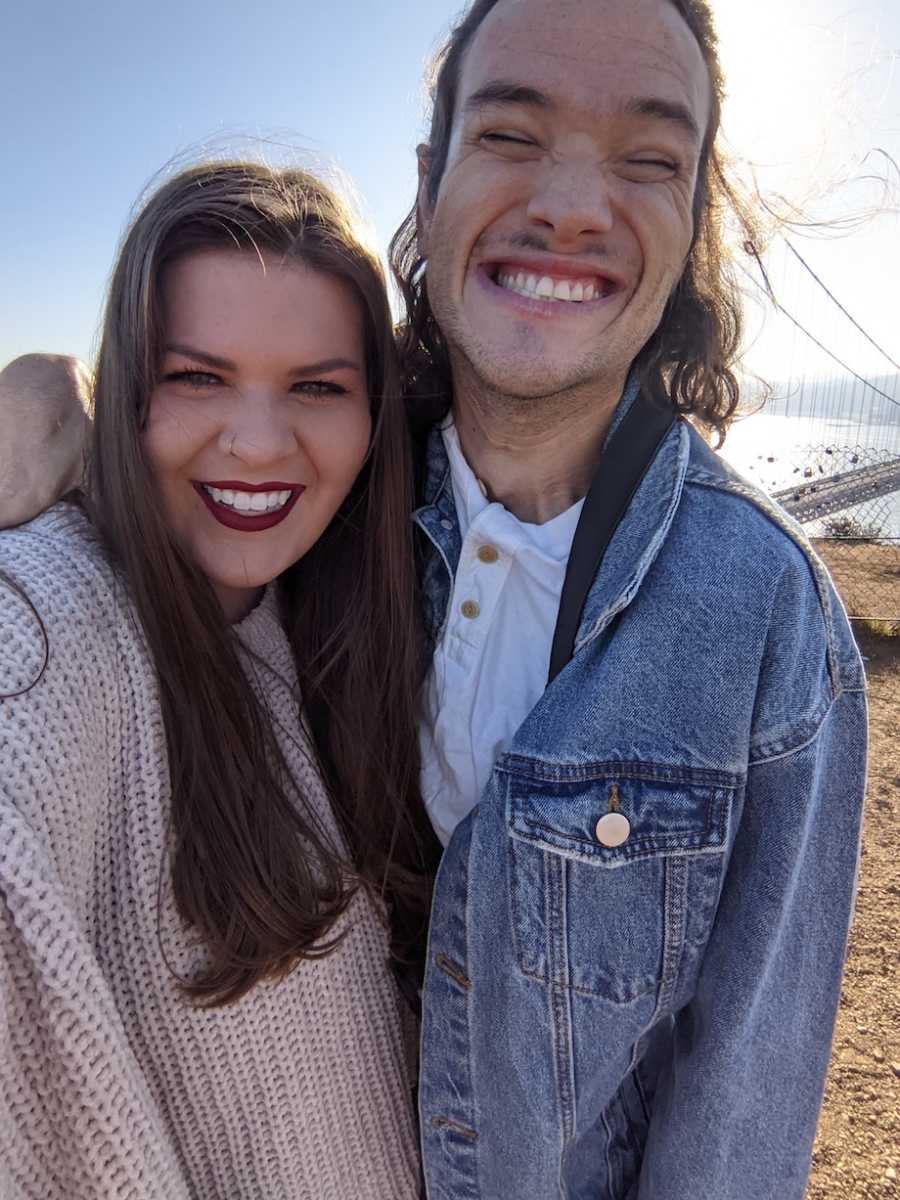
I knew I loved Jason even before meeting him. He is the kindest, most caring person I’ve ever met. Hiding that affection was a challenge, unsure if he felt the same. On his last night in Arkansas, we shared a long conversation about the visit and the future of our relationship. Jason admitted he loved me first, not expecting a reply, simply wanting to share his truth. The next morning, I told him I loved him too. This love, unexpected yet comforting, reaffirmed what I had already sensed: our connection was extraordinary.
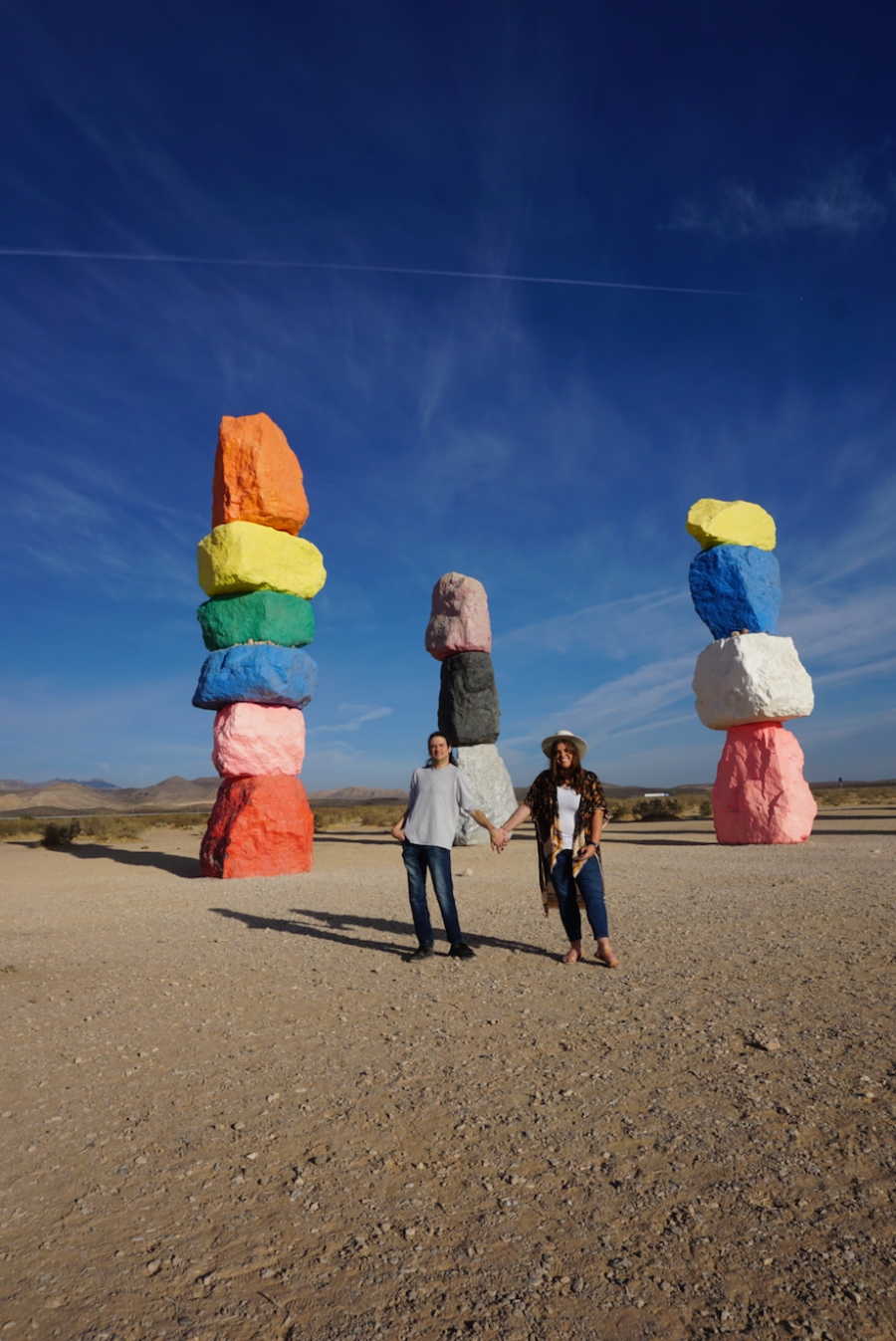
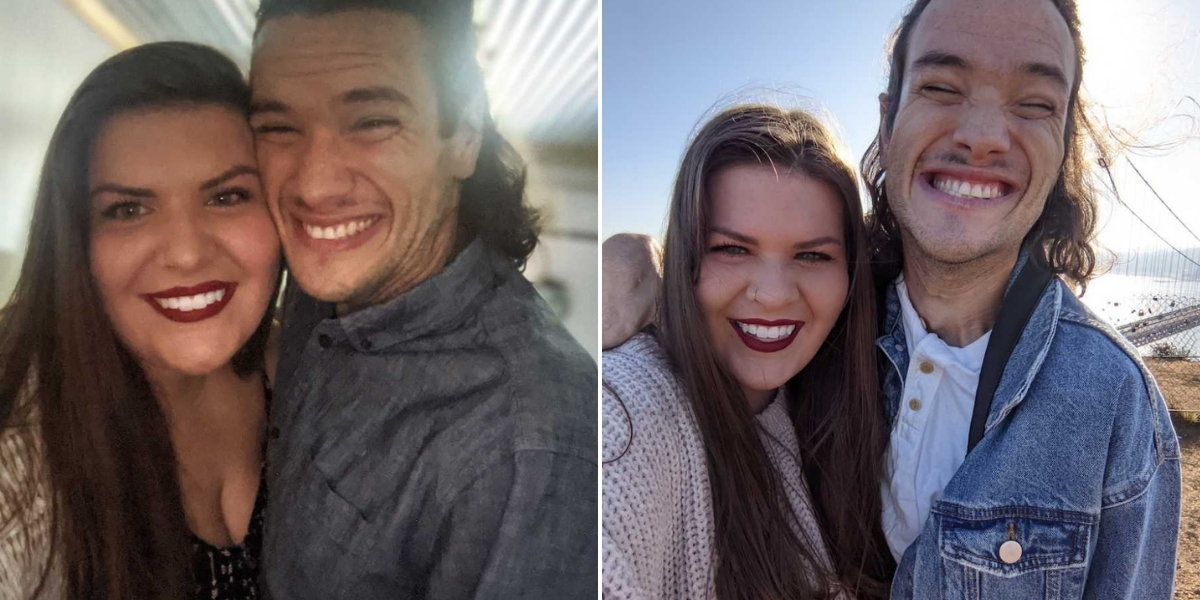
Our relationship may be interabled, but it is also completely normal. I am not his caregiver, and he is independent in every way. We hike, eat out, watch movies, and navigate life together, each helping the other in different ways—much like any couple. Facing adversity early on only brought transparency and trust, making our bond stronger. Being with Jason is the most “normal” relationship I’ve ever had, full of joy, mutual care, and understanding.
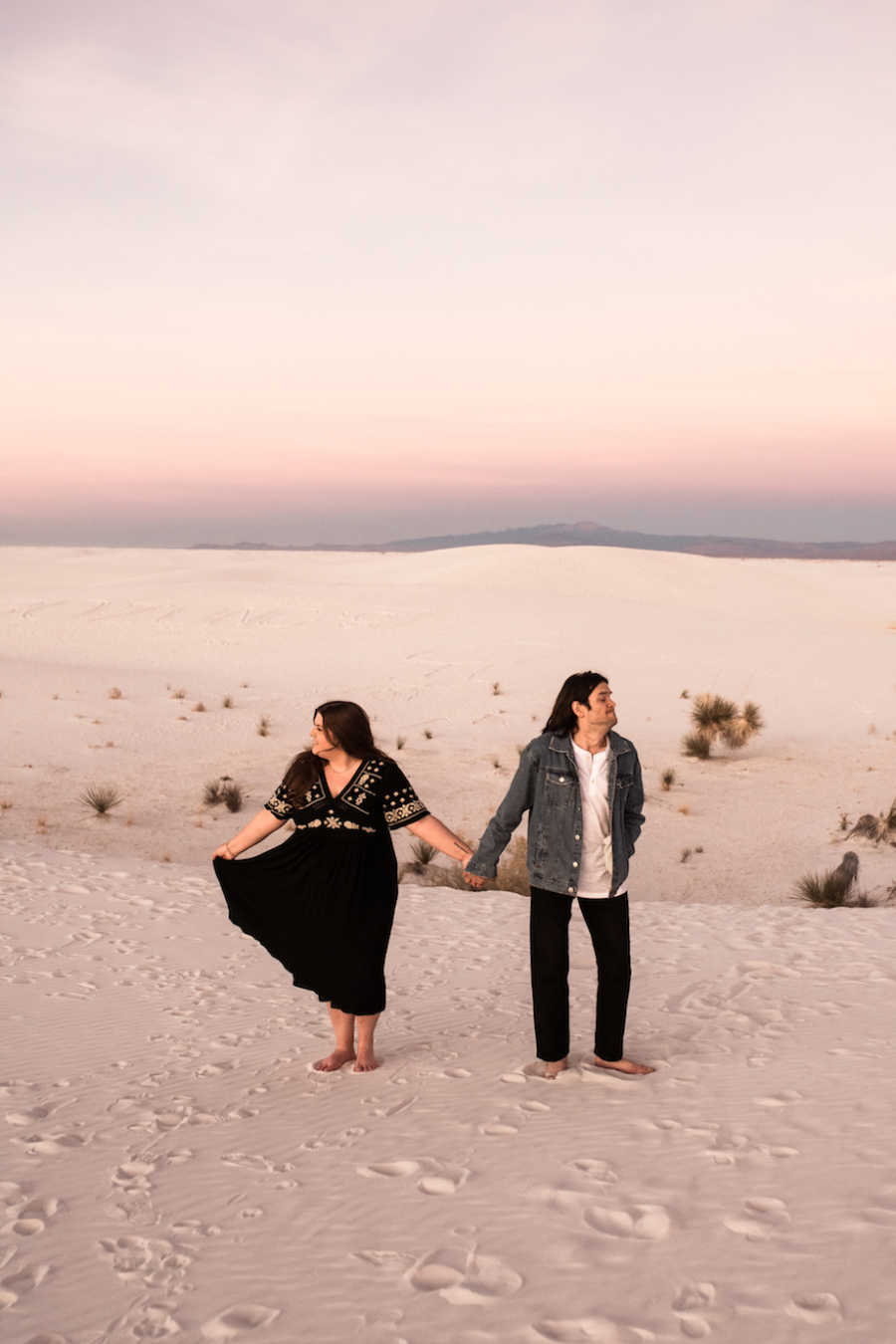
Nearly a year later, we remain incredibly happy. Though we maintain a long-distance relationship for now, we are moving in together this year. We’ve created countless memories despite the pandemic: virtual date nights, surprise gifts, socially distanced trips, and endless laughter. Every day teaches us more about love, patience, and partnership.
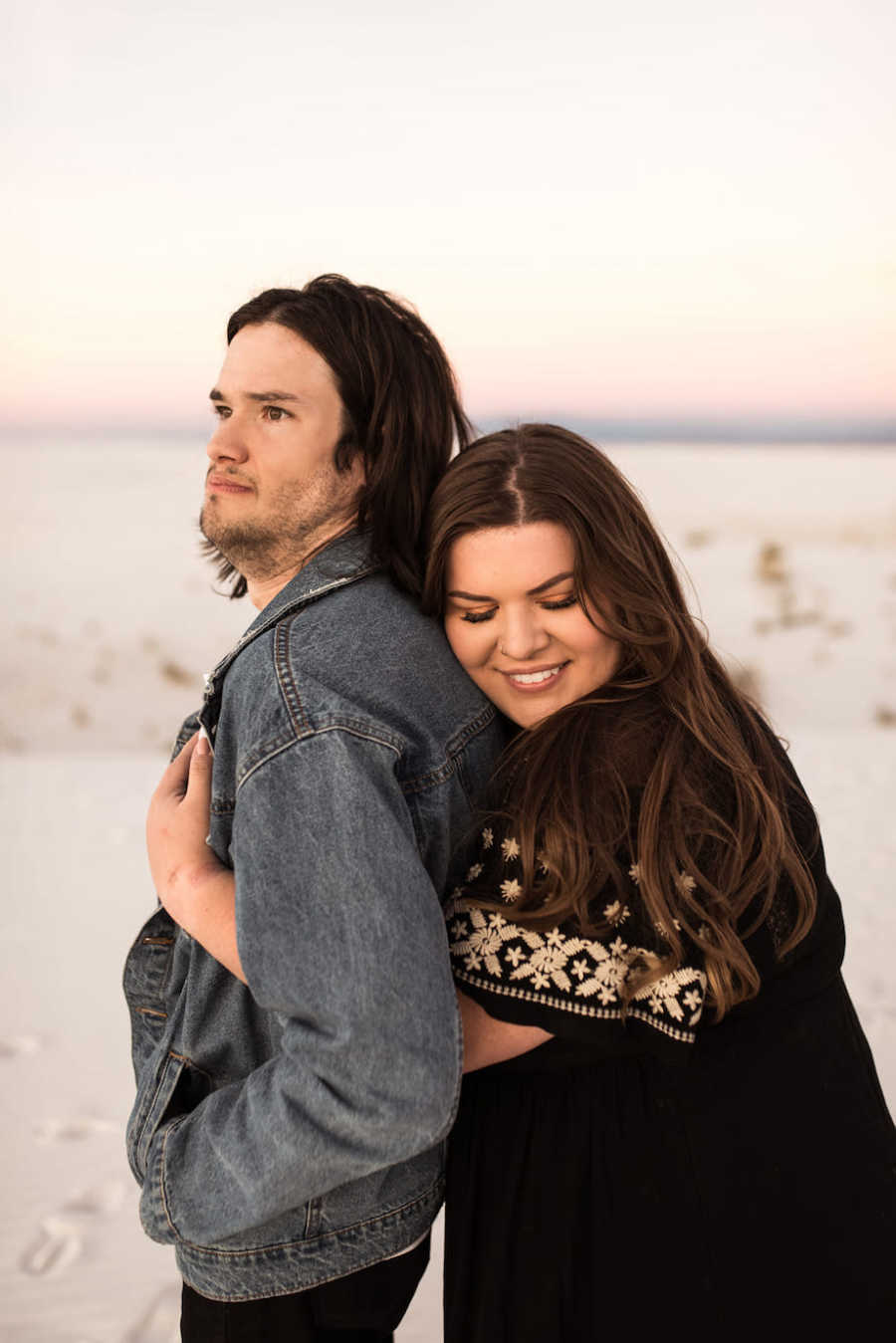
When I think of us, I recall Emily Brontë’s words: “Whatever our souls are made of, his and mine are the same.” Jason’s disability is part of him, but it is not the defining part. Interabled relationships may still be seen as unconventional, but love transcends barriers, assumptions, and labels. Disabled people are worthy of love, sexual intimacy, and partnership. Jason’s disability is just a fraction of what makes him remarkable, and I am endlessly grateful I reached out to him.
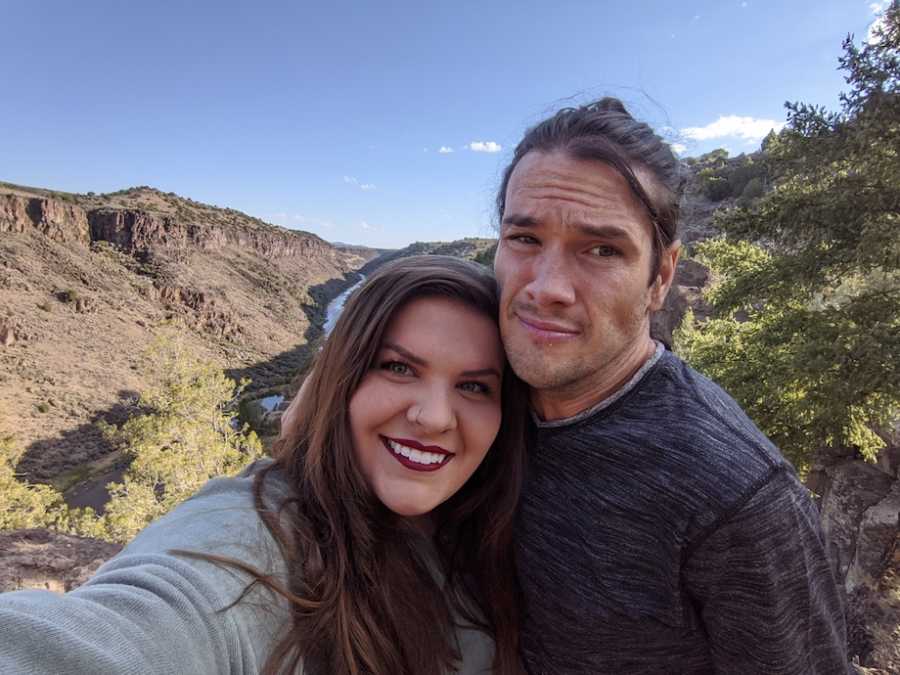
Our story may look different from the outside, but at its core, it’s simply two imperfect people learning to love each other and embrace life together. Disability does not limit love. It does not diminish worth. It simply adds another layer to the beautiful complexity of human connection.