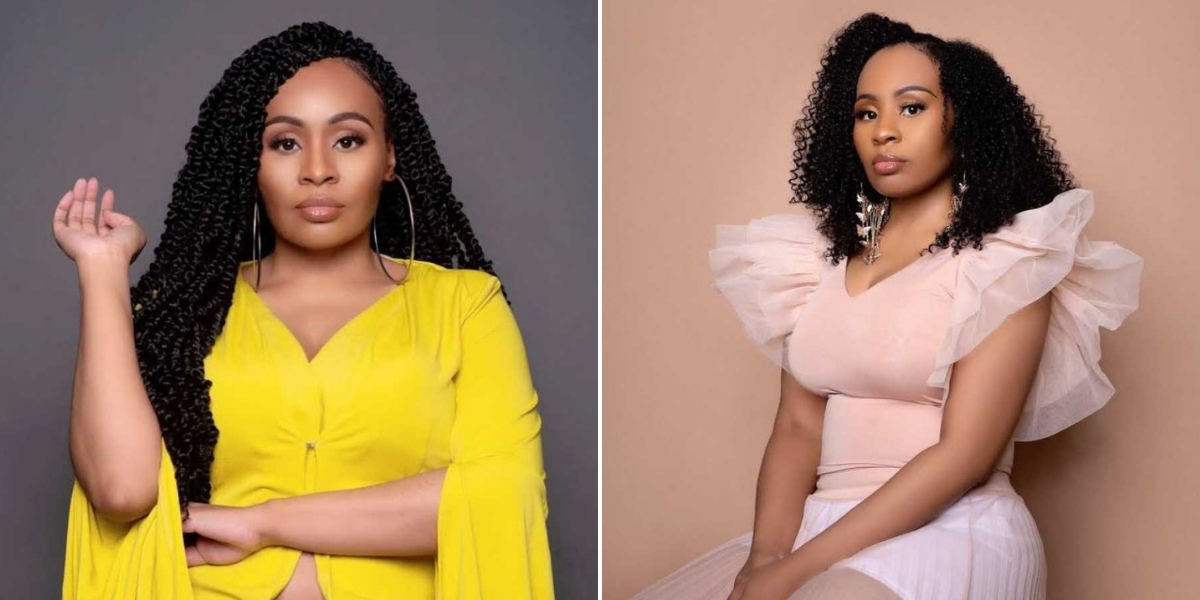
I always knew something was “different” about me, though I didn’t know exactly what, and nobody else seemed to notice either—not my parents, family, or teachers. I didn’t speak much. When people said hello, I would often ignore them or turn away. I would retreat to a corner and draw for hours because it felt safer than trying to communicate with words. People would ask, “What’s wrong with her?” Most of the time, I was simply labeled crazy, moody, shy, or even a brat—but none of those words ever truly described me. I was struggling with anxiety long before I had a name for it, and I was autistic, though no one knew at the time.
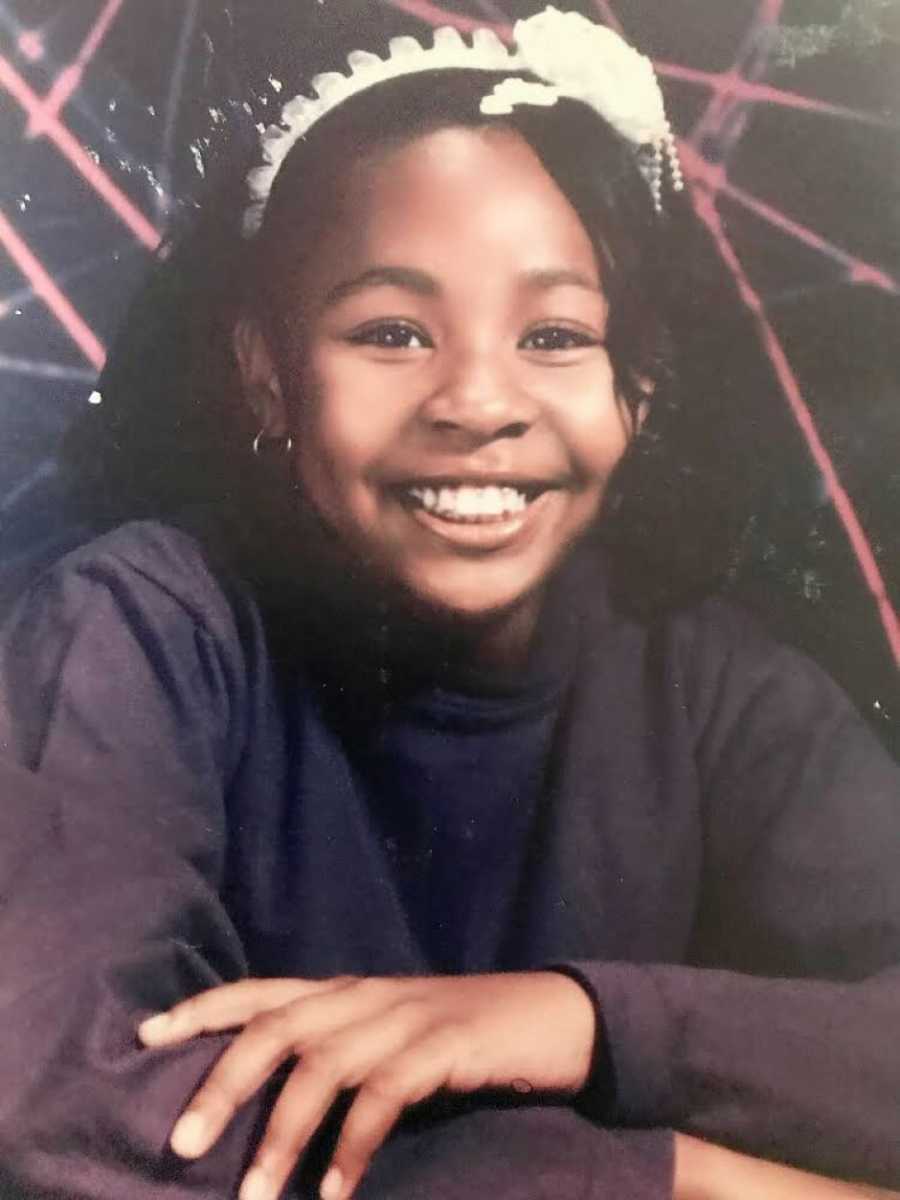
Art became my safe space. Drawing, painting, theater, and dance were my ways of expressing emotions I couldn’t put into words. I didn’t have many friends, and bullying was a constant part of my life. I often didn’t realize when I was being teased or tormented—I just knew I felt different, treated in ways I didn’t understand. Yet, when I auditioned for plays as a child, I almost always landed the roles I wanted. Sometimes, that meant friends who auditioned for the same role would stop speaking to me, call me names, or even convince others to shun me. It was confusing, but I kept creating, performing, and expressing myself through art because it was the only language that felt natural to me.
The world often underestimates autistic performers, especially Black performers. Hollywood, Broadway, and even smaller theater groups rarely represent autistic actors accurately. There are countless autistic performers capable of playing both autistic and non-autistic roles, yet they’re often overlooked. Instead, non-autistic actors are cast in these roles, or non-disabled actors play characters with disabilities before anyone even considers looking within the community. This lack of representation has real consequences—it tells young autistic people that their dreams may not be possible.
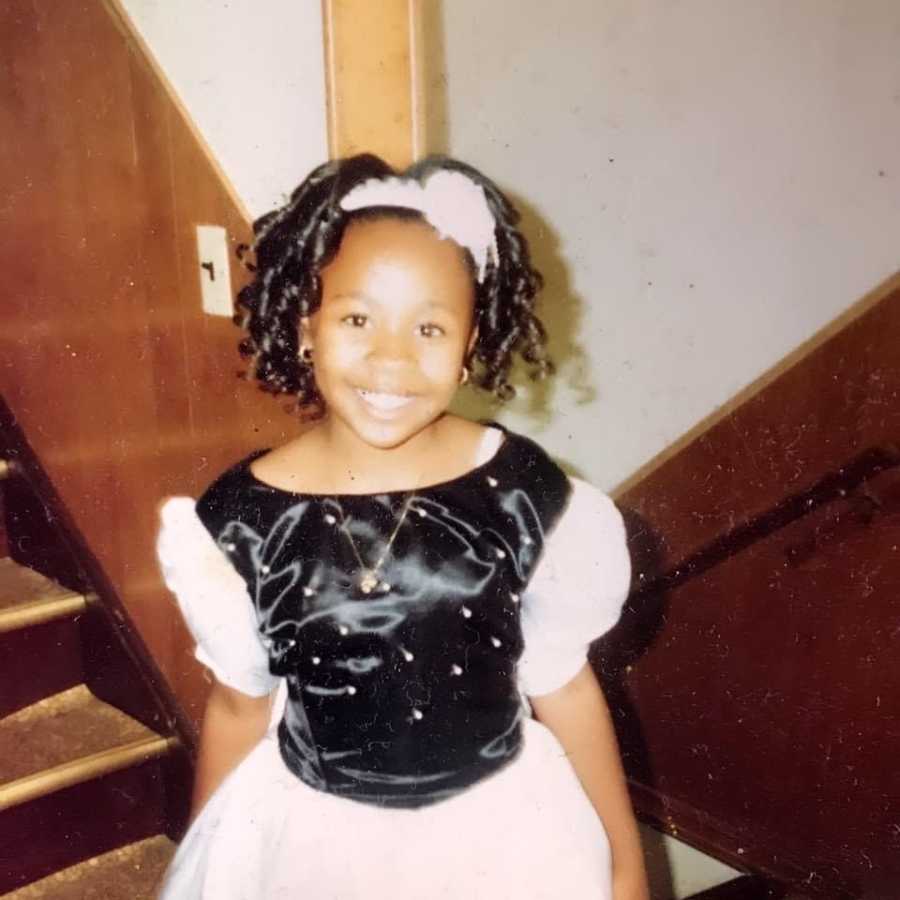
I received my autism diagnosis later in life, and I believe part of the delay was due to the harmful myth that Black girls don’t have autism. Even when someone noticed differences in me, autism was never the first thing anyone thought to test for. Before my official diagnosis, my therapist had suggested years earlier that I might be on the spectrum—but nothing was pursued to get answers. My diagnosis came while I was hospitalized. The evaluation was long and intense; I struggled to focus, to sit still, and grew frustrated at times, but my doctors were patient and allowed breaks.
When the results came, nothing surprised me. It was both difficult and liberating to hear. I wasn’t “crazy.” There was a reason I experienced communication challenges, sensory sensitivities, nonverbal periods, and intense emotional responses. I finally understood myself better. Learning I was autistic allowed me to teach people how to interact with me, and how I could handle situations more effectively. I recognized that what looked like tantrums were actually autistic meltdowns, and what seemed like shutdowns were autistic burnouts.
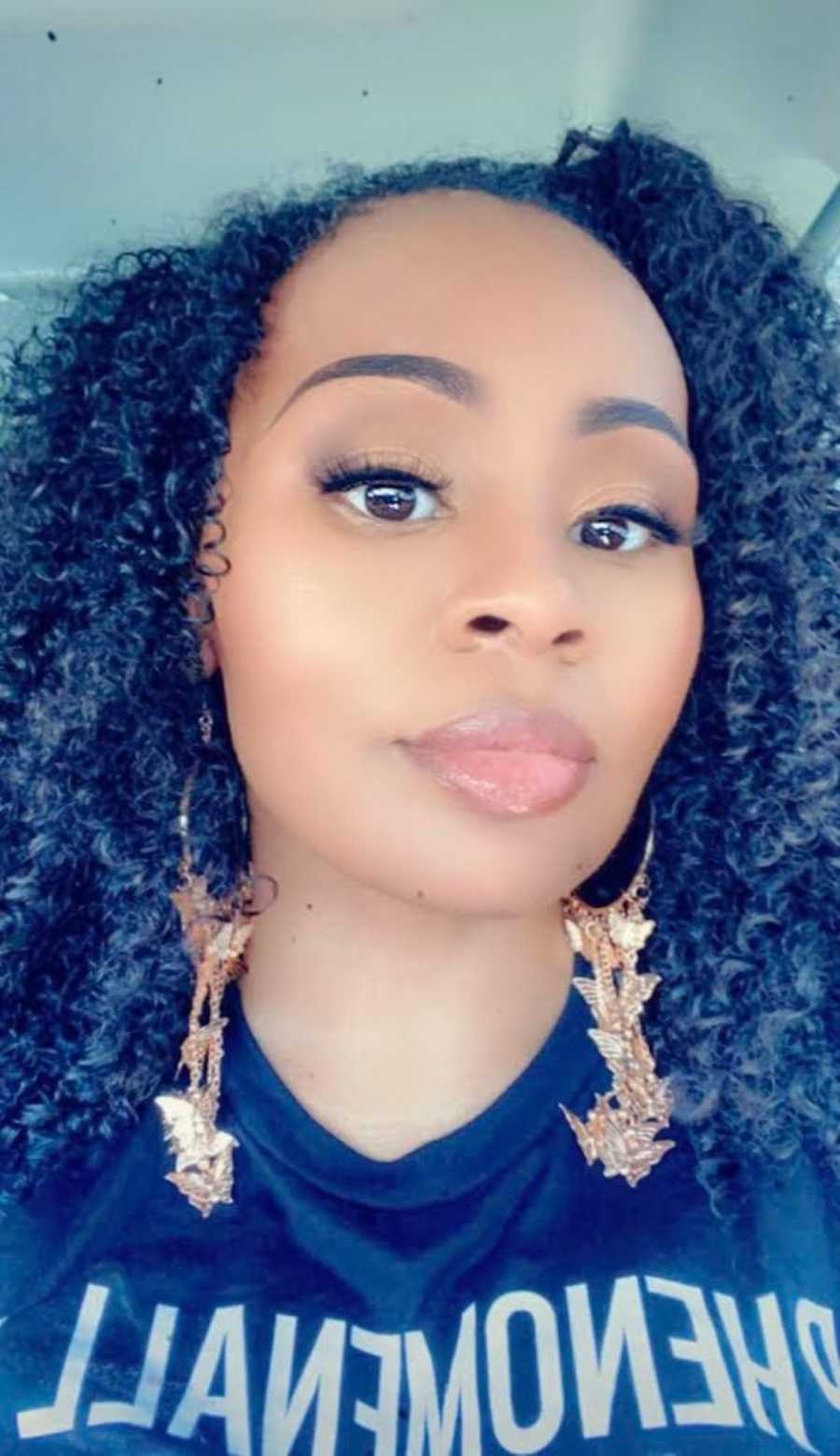
In many ways, I am still the same person I always was. My character, heart, and outlook on life didn’t change—I only gained clarity about the challenges I’ve faced all my life. Common misconceptions persist: some believe Black people can’t be autistic, that autistic people are unintelligent, or that we lack empathy. None of this is true. I am not stupid; I may just need information explained differently. I am deeply empathetic. The people who doubt me don’t matter; what matters are those who value me, understand me, and believe in my dreams.
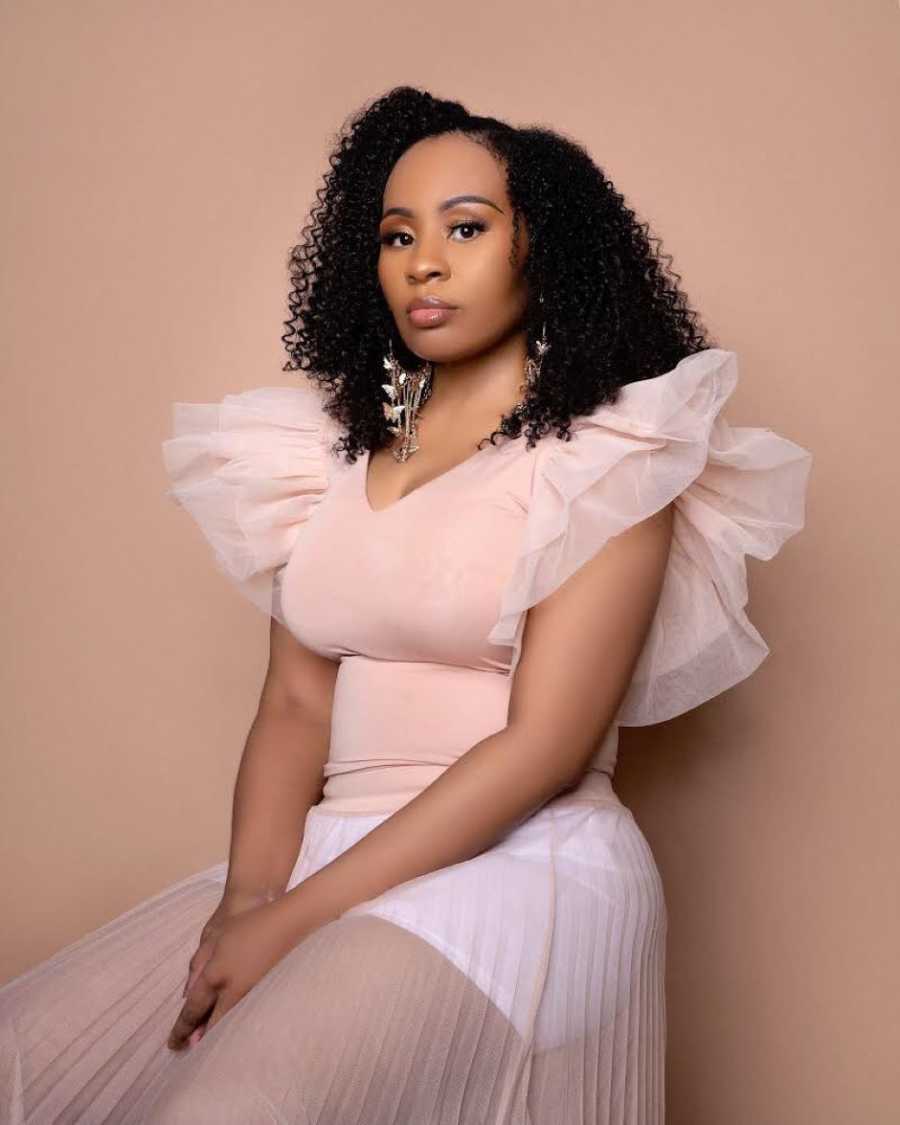
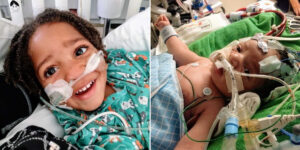
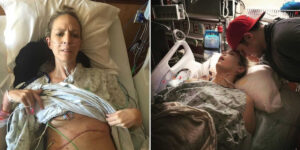
I live with autism—I do not suffer from it. I am naturally happy. Even in difficult moments, I smile, laugh, and find gratitude, because life could always be harder. I experience seizures, which are dangerous and have caused lingering damage, yet I don’t see myself as suffering. I’ve had over 115 seizures, with last July being the most severe. These seizures caused memory loss and affected my speech, though I am actively working to recover. I take 26 pills daily—down from 33—and though one occasionally slips through, I continue forward.
My art extends beyond autism. I’ve created pieces raising awareness for breast cancer and other illnesses. During publicized police killings, including Breonna Taylor and George Floyd, I made tributes to honor their lives and express my feelings about these issues. Art remains my voice when words fail.
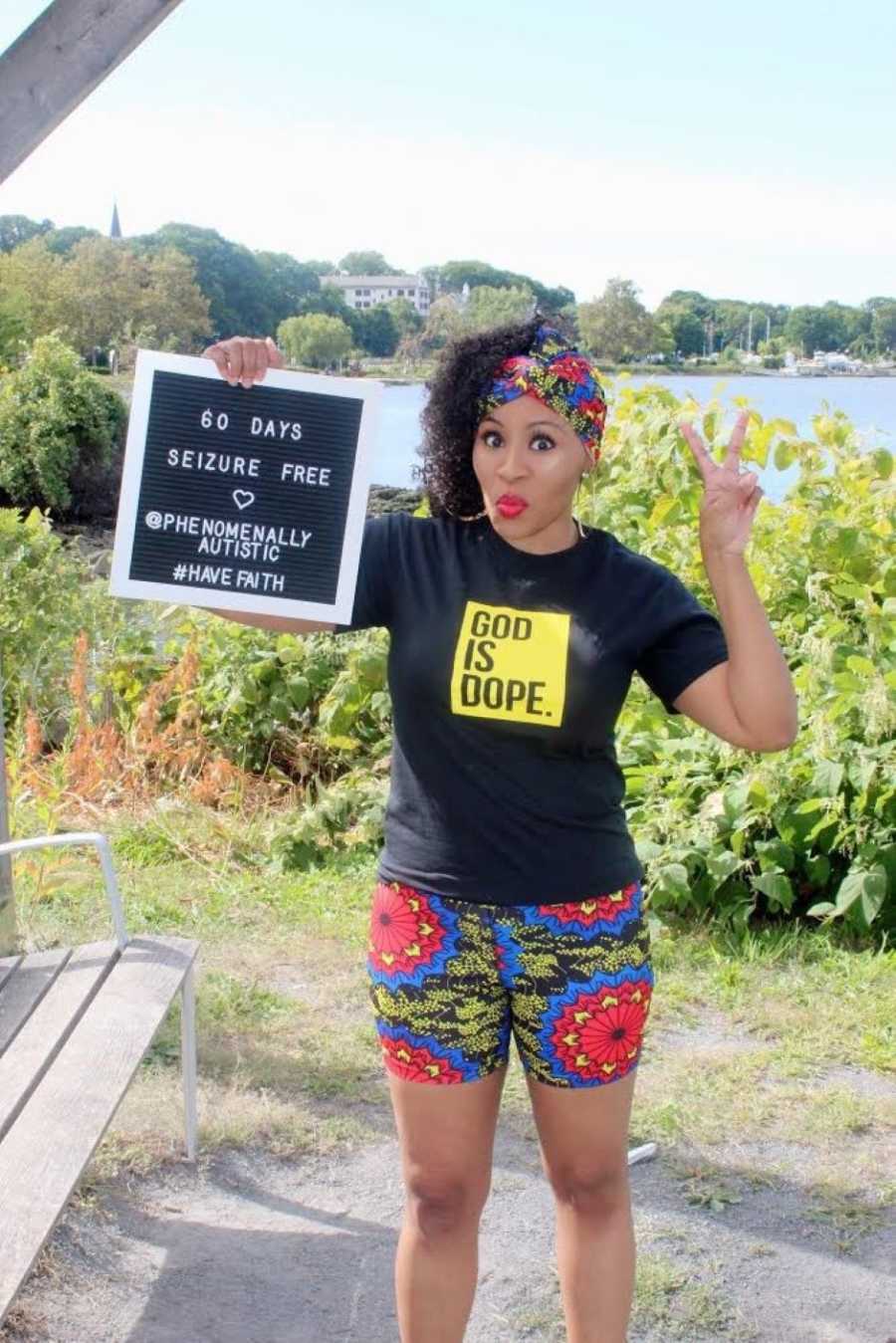
I hope my story inspires others. Staying positive makes a difference. Challenges don’t prevent blessings. Those with autism—or any difficulty—should never limit themselves or allow others to impose limits. God sets no boundaries on our potential. If passion drives you, you can achieve your dreams. Some days will be hard, but others will be beautiful. I choose to focus on the good.
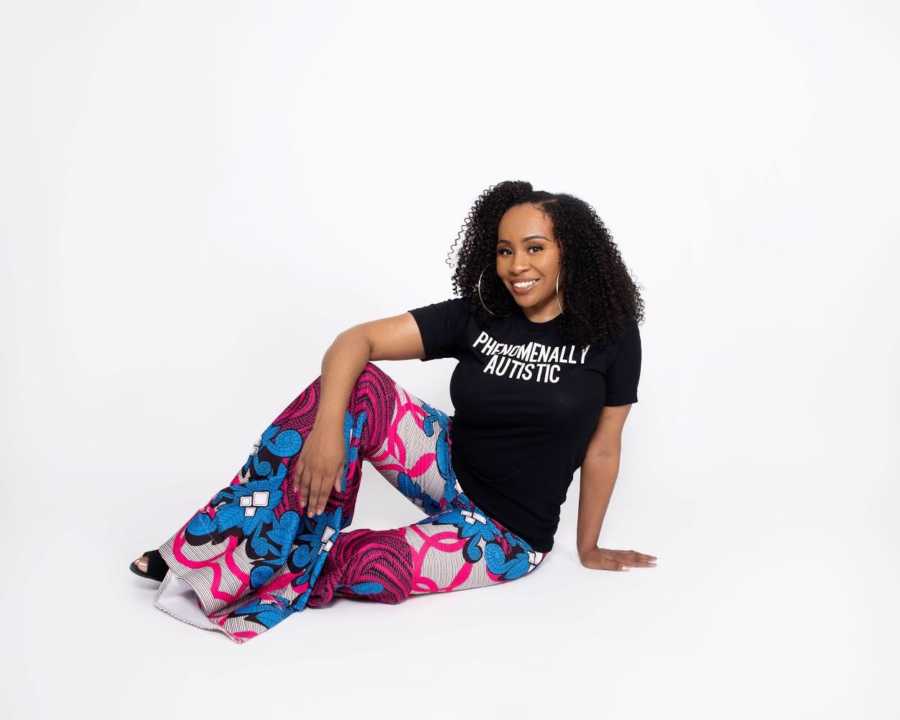
My advice to anyone facing challenges is simple: focus on the good, embrace each new day as an opportunity for joy, and never give up. Pain passes, and happiness can return. Don’t let rules dictate your life—live as your heart desires. Being “different” isn’t wrong; it’s beautiful, it’s special, and it’s worth celebrating.
My relationships with family and friends are varied, but those close to me are understanding. They respect my need for space, but also support me when I need it. My family, especially my cousins, are protective and patient, still learning about autism but never treating me differently. They know my limits, yet love me unconditionally. Despite the uncertainties of health and life, I never question God—I trust Him, and that trust sustains me.