There are often small, fleeting moments that quietly shape the course of our lives.
Amid the grandeur of milestone events—graduations, weddings, births—it’s these subtle, almost invisible moments that, in hindsight, prove to be pivotal. One such moment forever marked my journey.
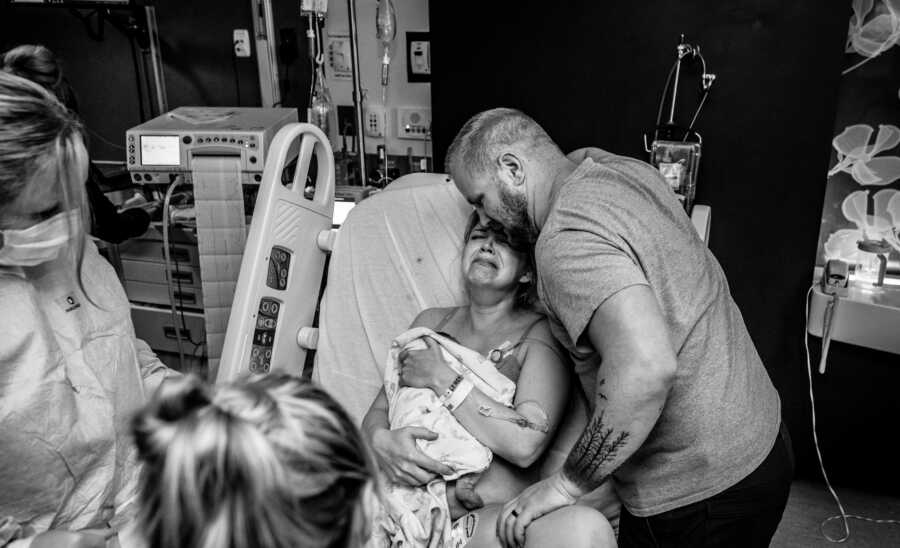
It happened the instant I went to uncurl Holland’s fingers on her left hand and realized she had none. In that heartbeat, a tidal wave of grief, fear, uncertainty, and guilt swept over me. My mind raced through everything she might not be able to do, the milestones she might struggle to reach, and the challenges she could face.
Monkey bars. Piano. Cello. Crochet. Typing. Painting her nails.
My imagination spun relentlessly: she wouldn’t be a nurse, a surgeon, or anyone in a profession requiring fine motor skills. Where would her wedding ring go? How would she tie her shoes, button her pants, zip her jacket, or fasten her bra?
In that pivotal moment, I grieved the childhood I thought she’d have—the effortless friendships at playgrounds, the carefree laughter without judgment. I imagined the teasing, the stares, the subtle rejections, the cruel pangs of others recoiling at her little nubbins. And I mourned the internal scars that rejection could leave, shaping doubts about herself that no parent could fully protect against.
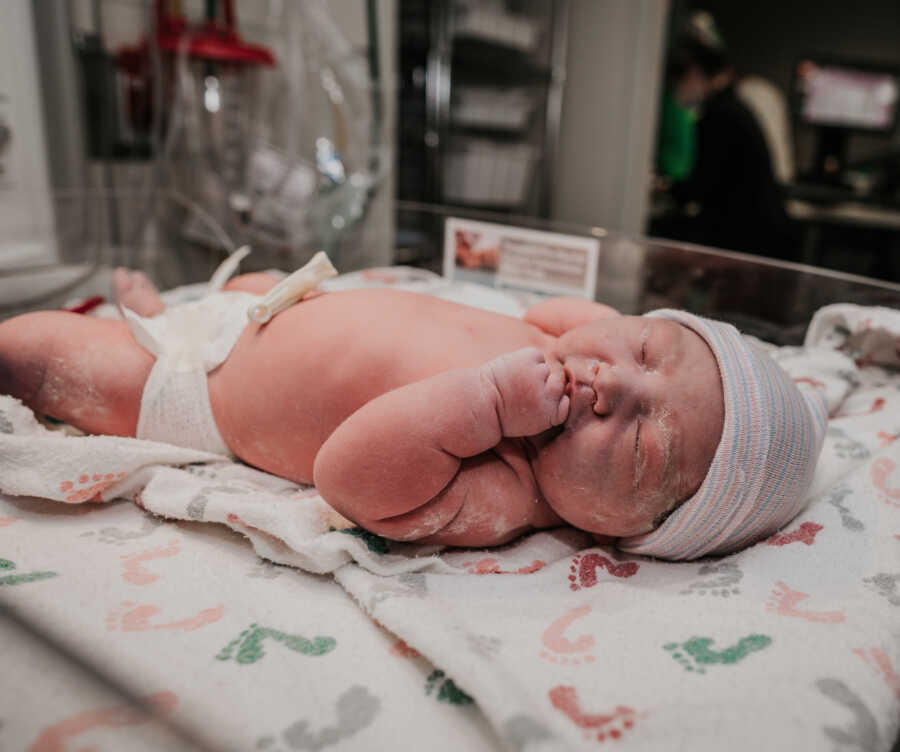
My heart also feared that her limb difference could signal something more—something affecting her heart, lungs, or brain. The care team offered little comfort. Their uneasy glances and awkward words left welts on my heart. One nurse joked, “At least you know she’ll be right-handed!” while another reassured, “There’s nothing else wrong with her.” These fleeting statements, seemingly insignificant to them, shadowed my view, suggesting that her difference was a flaw to be noticed, managed, or pitied.
When we asked about a diagnosis, the answer was uncertainty. Doctors didn’t know yet; we were being referred. The unknown gnawed at me relentlessly. Around 2 a.m., sleep-deprived and desperate, I woke my husband with a photo on my phone and the Boston Children’s Hospital website open. “I think I found what Holland has. It’s not genetic, and it’s not my fault. It’s called symbrachydactyly, and it’s rare.”
Together, we researched through the night. By morning, the pediatrician confirmed the diagnosis: symbrachydactyly.
Symbrachydactyly is a rare congenital malformation affecting the fingers, hand bones, wrist, and sometimes forearm, along with the associated muscles, tendons, and ligaments. It is not genetic. Experts believe it results from an interruption in blood flow during weeks four to eight of gestation—when Holland was smaller than a poppy seed. Imagine how delicate her tiny vascular system must have been, how fragile that microclot or subclavian artery interruption had to be. There is something quietly miraculous in that fragility.
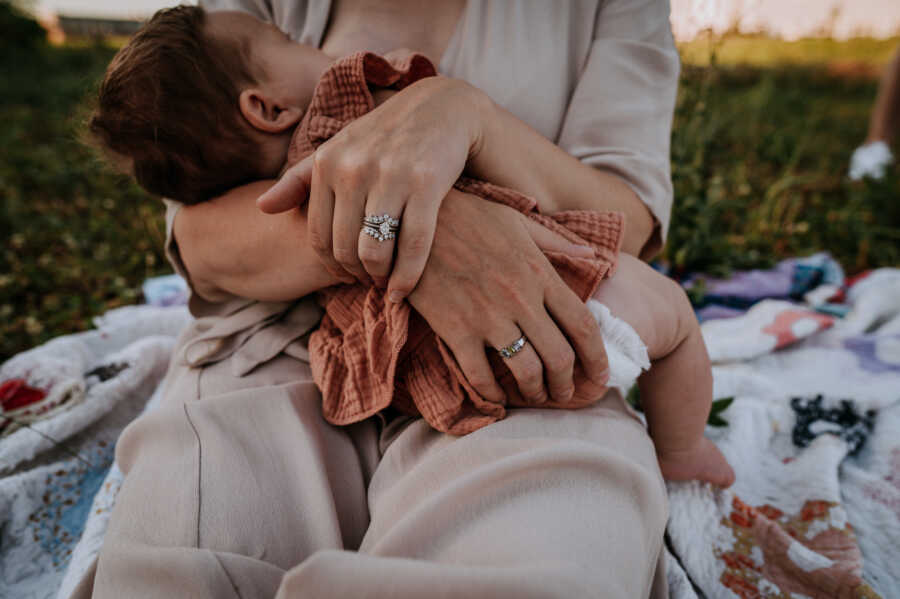
Holland’s case is classified as monodactyl symbrachydactyly: “mono” meaning one, “dactyl” meaning digit. She has one small, underdeveloped thumb, while the rest of her hand consists of nubbins—tiny skin sacs without bones. She can move them, curling them into her palm, but they cannot assist in gripping. Her little thumb, however, is functional and strong in its own way.
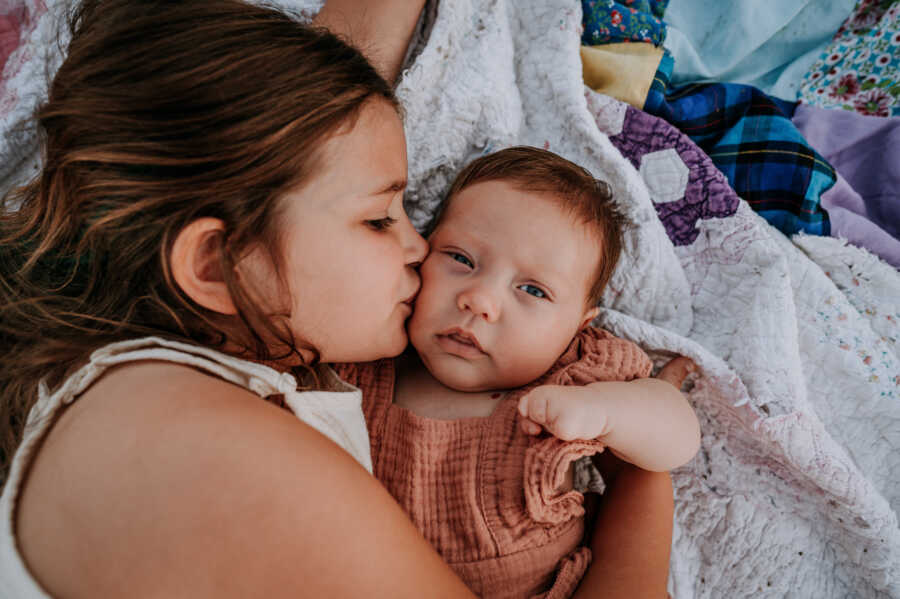
The first few weeks after birth were difficult. Sharing Holland’s diagnosis with friends and family while navigating my own shock left me struggling to bond with her. I loved her—of course I did—but the intense, all-consuming adoration came later. I recognized this delayed bonding as a trauma response, not a measure of my love. I cared for her, nursed her, held her close, and gradually allowed my heart to catch up to my mind.
Every time I explained Holland’s limb difference to someone new, waves of shame and guilt washed over me. Shame that I was her mother, guilt that my body had “failed” her. I worried about judgment, about acceptance, about others seeing her differently. I armed myself with every bit of information I could, answering questions, educating, and striving to normalize her difference. I wanted people to see all of her, not just her hand.
Through reading and connecting with others, I found solace in the stories of adults with limb differences—people who thrived, embraced their bodies, and welcomed questions that dismantled stigma. Slowly, my shame transformed. I realized it wasn’t Holland I was mourning; it was my own ignorance and the ableism I had unconsciously absorbed. I had unknowingly placed value on conformity, on what society deemed “normal,” and now I was learning to unlearn those biases.
I asked myself how this ignorance persisted. The answer was clear: topics like disability were silenced in my upbringing, never represented or normalized. Fear and misunderstanding dominated the conversation—or lack thereof. And those stigmas persisted quietly, until now, until my daughter’s gaze reflected them back at me, challenging everything I thought I knew.
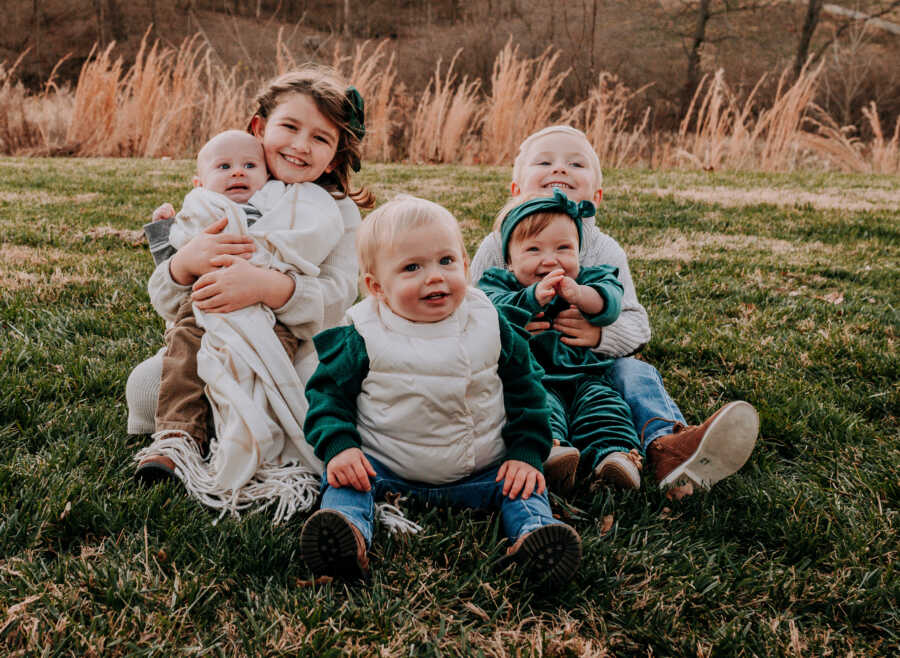
I chose a different path: one of growth, acceptance, advocacy, and education. Knowledge has become the light through the shadows of stigma. Diversifying social media, reading inclusive books, and normalizing conversations about bodies and abilities are small yet powerful acts of change. Children, and adults, learn through exposure, curiosity, and safe dialogue. Never shush their questions; doing so perpetuates the very taboo we aim to dismantle.
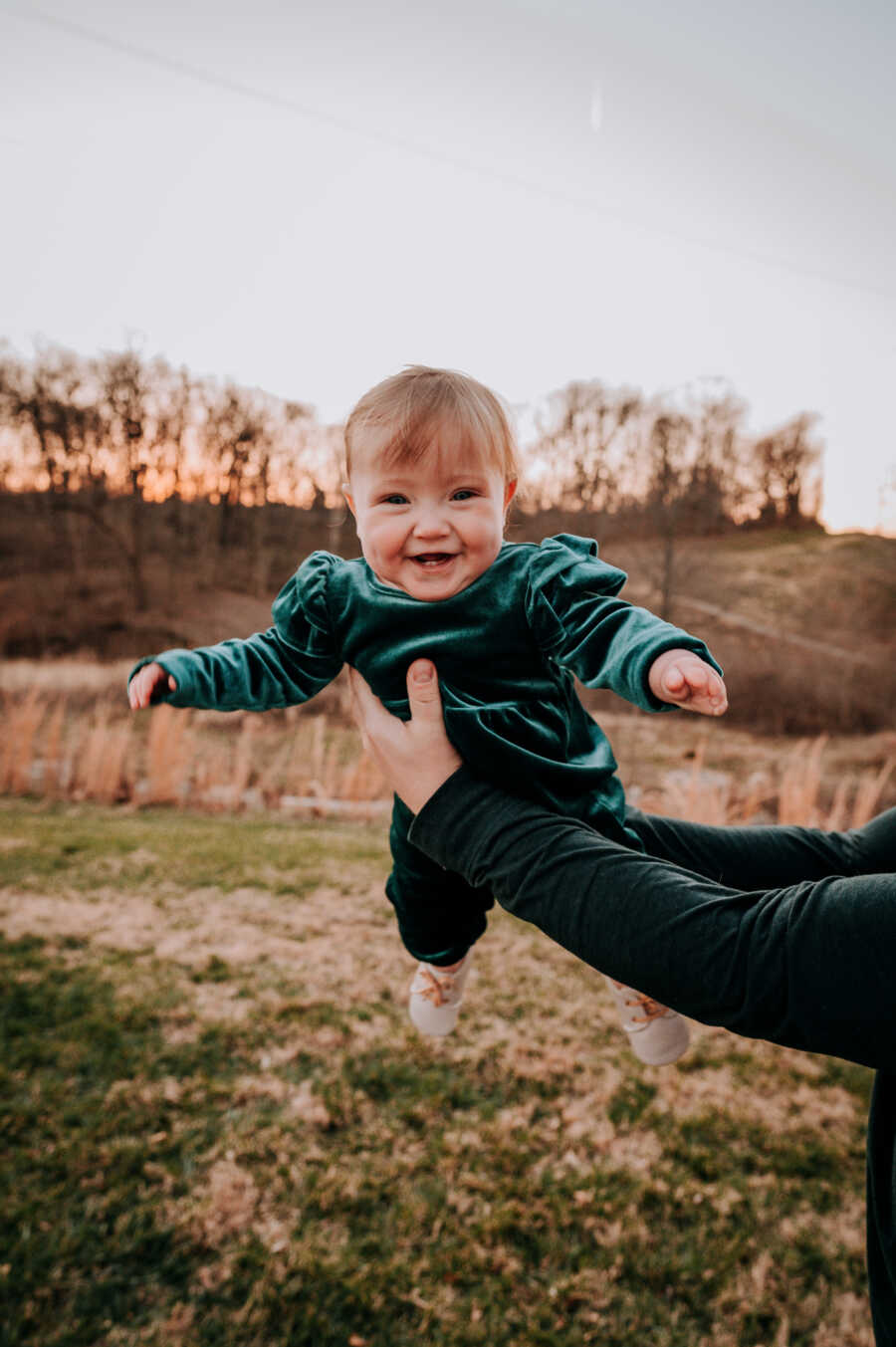
The truth is this: a limb difference does not limit a child. Only the assumptions, expectations, and biases of others do. Holland is not defined by what she lacks; she is defined by her resilience, her curiosity, and her courage. To have a limb difference is not to be “less than”—it is simply to be limb-itless, and in that, there is a unique strength that shines brightly in its own way.