Getting My Endometriosis Diagnosis
When I was 23, I was diagnosed with Stage 4 endometriosis after emergency surgery for a ruptured ovarian cyst. In that same moment, I was told I would likely never be able to have children. The only thing I had ever truly wanted was to be a mom. I was that kid who carried baby dolls everywhere, babysat constantly, and spent hours dreaming up names for children I hadn’t even met yet. The thought of not being able to have children felt unbearable, and I was completely devastated.
I had suffered through horrible periods for years and had seen dozens of doctors, only to be told again and again that nothing was wrong. “Have you tried taking ibuprofen?” they’d say. After years of being dismissed, I finally had an ultrasound scheduled to figure out what was happening. With my terrible insurance, the earliest appointment available was months away in February. Then, just two days after Christmas, an orange-sized cyst ruptured, sending me into emergency surgery. During that surgery, doctors removed one and a half of my ovaries and finally gave me the endometriosis diagnosis. Over the next several years, I endured multiple surgeries and eventually went on Depot Lupron, which put me into chemical menopause in my early twenties.
Fast forward to 2008, when I met my husband, Spencer. We were 30 and 31 when we met, and early on, I shared my history with endometriosis and the reality that having children would likely be impossible without medical help. He reassured me without hesitation, telling me he was in it no matter what that looked like and that he knew I would be a great mother—however we built our family.
We were married in June of 2009 and visited a fertility clinic just a few weeks later. Because of the severity of my disease, we were told IVF was our only option. The odds were daunting: a 5% success rate using my eggs and an 85% success rate using donor eggs. I didn’t care how I became a mom—I just knew I wanted to be one. So, despite the $30,000 price tag per cycle, we chose the donor egg route. People often asked why we didn’t “just adopt,” not understanding how time-consuming, expensive, and emotionally complex adoption can be.
Choosing our donor was surreal. We read profiles of young women, scrutinizing details like it was a dating site—“She’s cute,” or “She has a weird nose.” We wanted someone with physical traits similar to mine. Then the donor coordinator emailed me and said, “I think I have the one.” She sent one adult photo and a short description, and we instantly knew. The donor said yes on my 31st birthday, which felt like yet another sign we were on the right path.
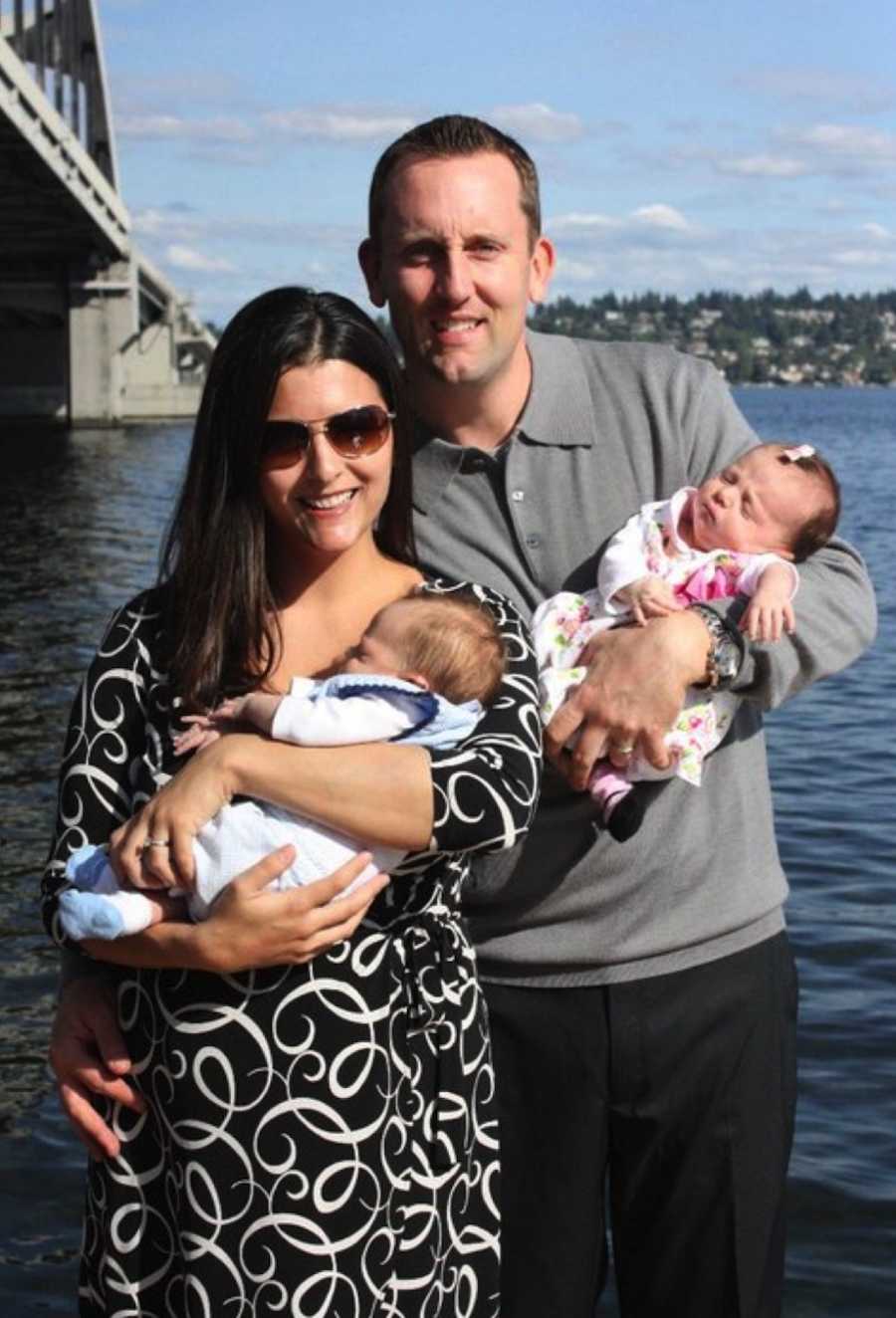
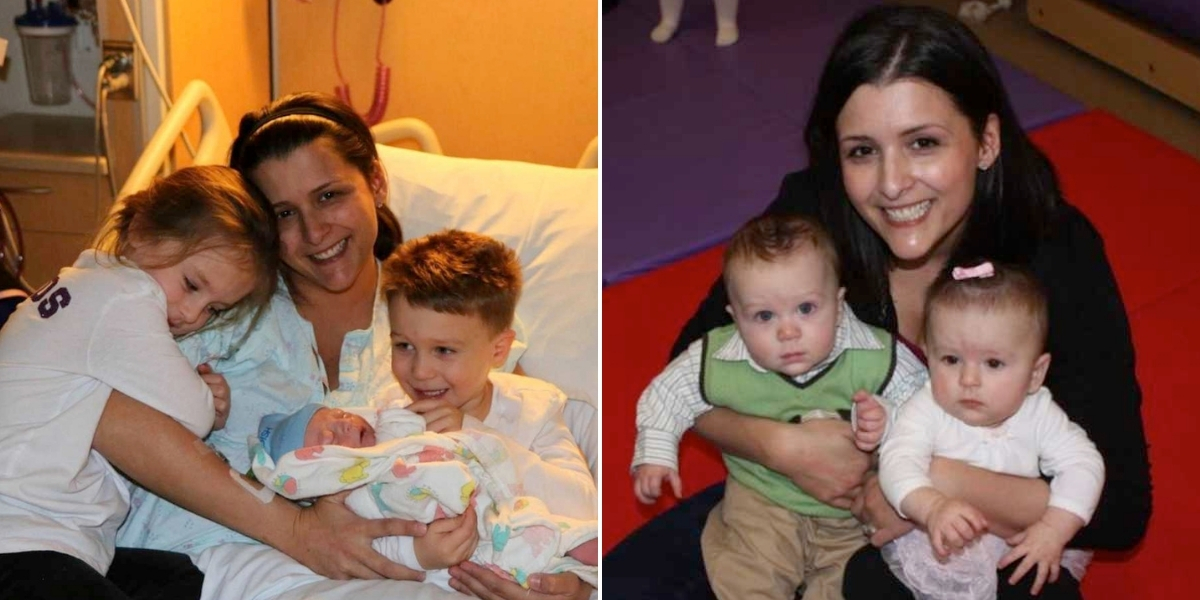
I started what felt like a million medications and injections, and finally, it was time. We transferred two embryos—the maximum allowed—and froze the remaining twelve. On retrieval day, I had flowers and a thank-you card waiting for our donor, though it never felt like enough. Our first transfer worked, and nine months later, our twins, Silas and Lucia, were born.
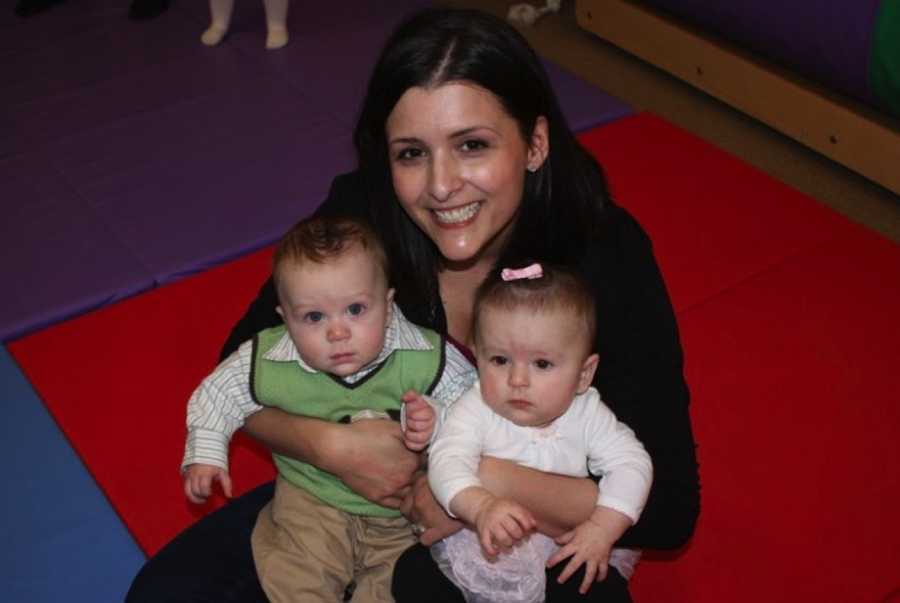
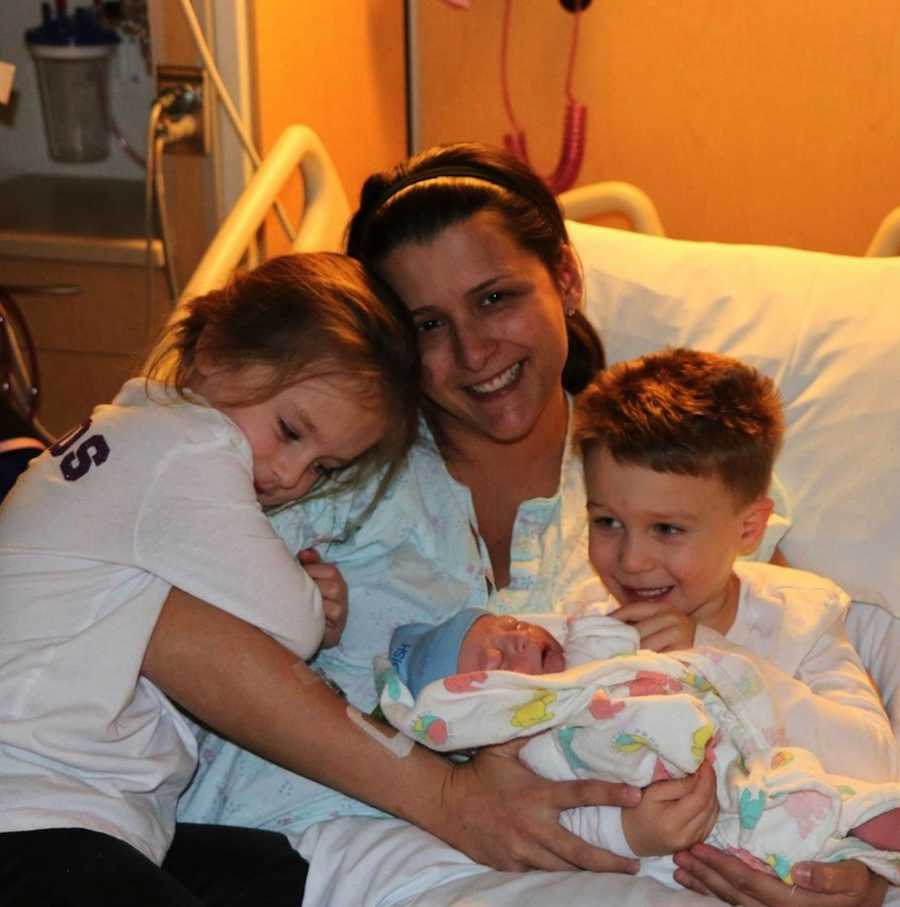
Three years later, we transferred one of our frozen embryos, and once again, it worked on the first try. Our son, Nico, was born, and our family felt complete.
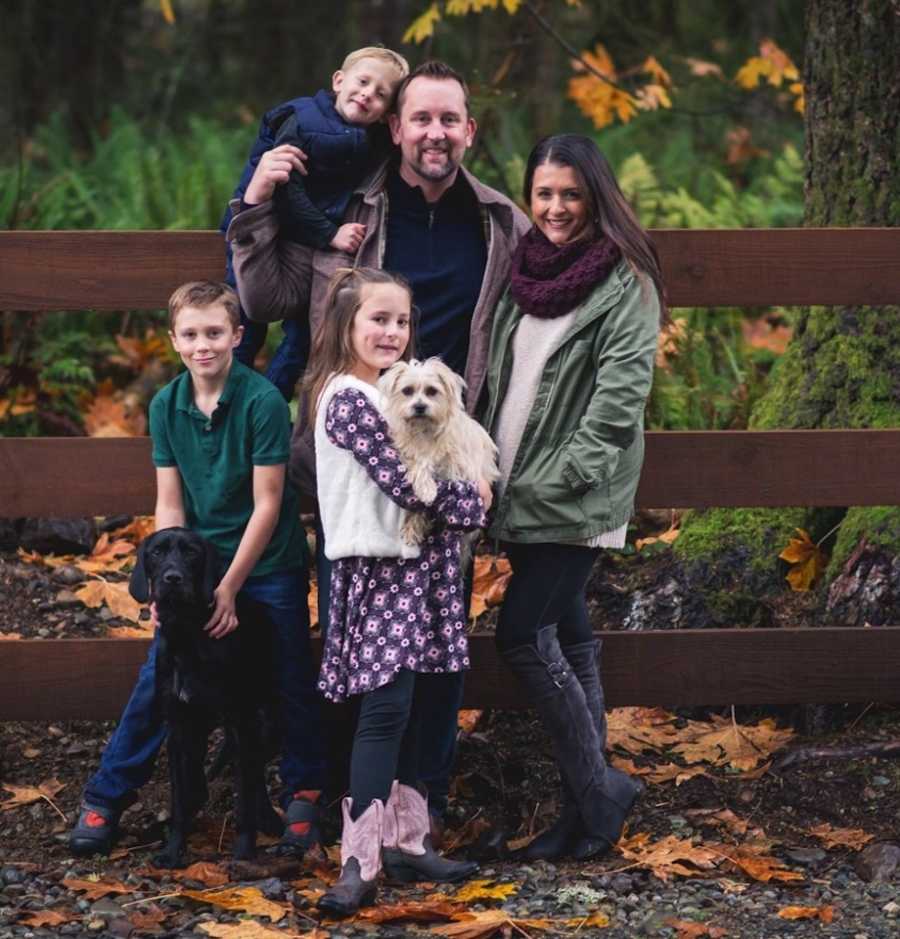
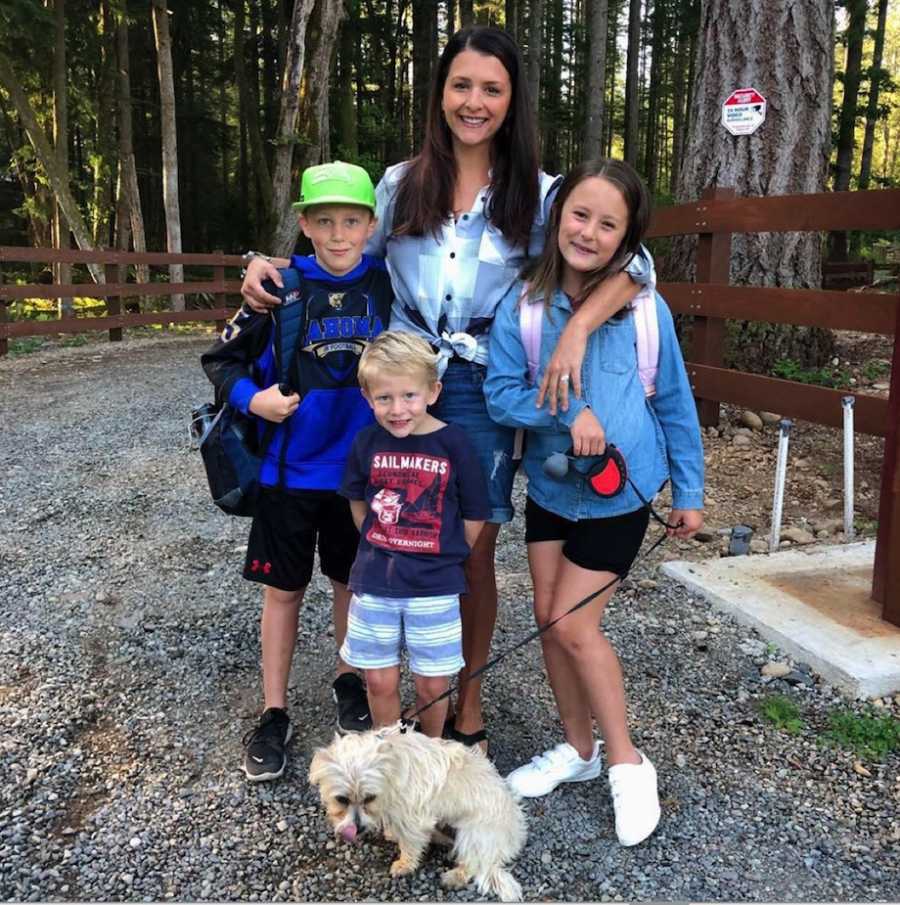
Today, all three of our children are in grade school, and life is full of soccer games, homework, birthday parties, practices, and playdates. Most days, I don’t think much about our infertility journey anymore—except during moments like National Infertility Awareness Week, when I pause and remember how close I came to not living this life I once only dreamed of. Recently, I found a letter I wrote to our babies before they were born, and it reminded me that this is exactly the family we were meant to have.
Dear Baby,
As I write this, I’m wrestling with decisions about what will be best for you during the process we must go through to bring you into this world. These are choices most people never have to face, and I can tell you—they aren’t easy.
From the very beginning, you have always been my first thought. I want to do what is best for you, not what is easiest for me, your dad, the donor, or anyone else. You are the one who will live with these decisions for the rest of your life. Choices about clinics, agencies, donor types, what we share and with whom—these are enormous decisions. I hope one day you understand that we did the very best we could with the knowledge, resources, laws, and access we had at the time.
I feel it is my responsibility to educate myself as much as possible for you. I have spent countless hours researching what is truly in your best interest and will continue to do so throughout your life. I hope you always trust that every choice was made with love and care. By choosing an egg donor, we are making a decision for you before you even arrive—a decision that affects half of your genetic background. It may seem selfish to some, but I promise we weighed every benefit and drawback with deep thought and intention.
You are so deeply wanted and already so loved. We believe families are built through love, commitment, and responsibility—not genetics alone. You will grow in my belly, be nurtured by my body, and I will always be your biological mom. We will forever share a connection that nothing can take away.
We will also always honor the donor’s role in your life, because without her incredible and compassionate gift, you wouldn’t be here. We hope you come to share our perspective on how our family was created, but we will always respect your thoughts and feelings, even if they differ from our own. You can come to me with any questions or emotions, and you will never be judged.
Because of the unique way you came into this world, you will always know how fiercely you were wanted. You will be loved, cherished, and appreciated beyond measure. I know without a doubt that the moment you are placed in my arms, you will be exactly the baby we were meant to have. I believe everything happens for a reason, and this journey—endometriosis and donor eggs included—led us to you.
I love you,
Your mom.